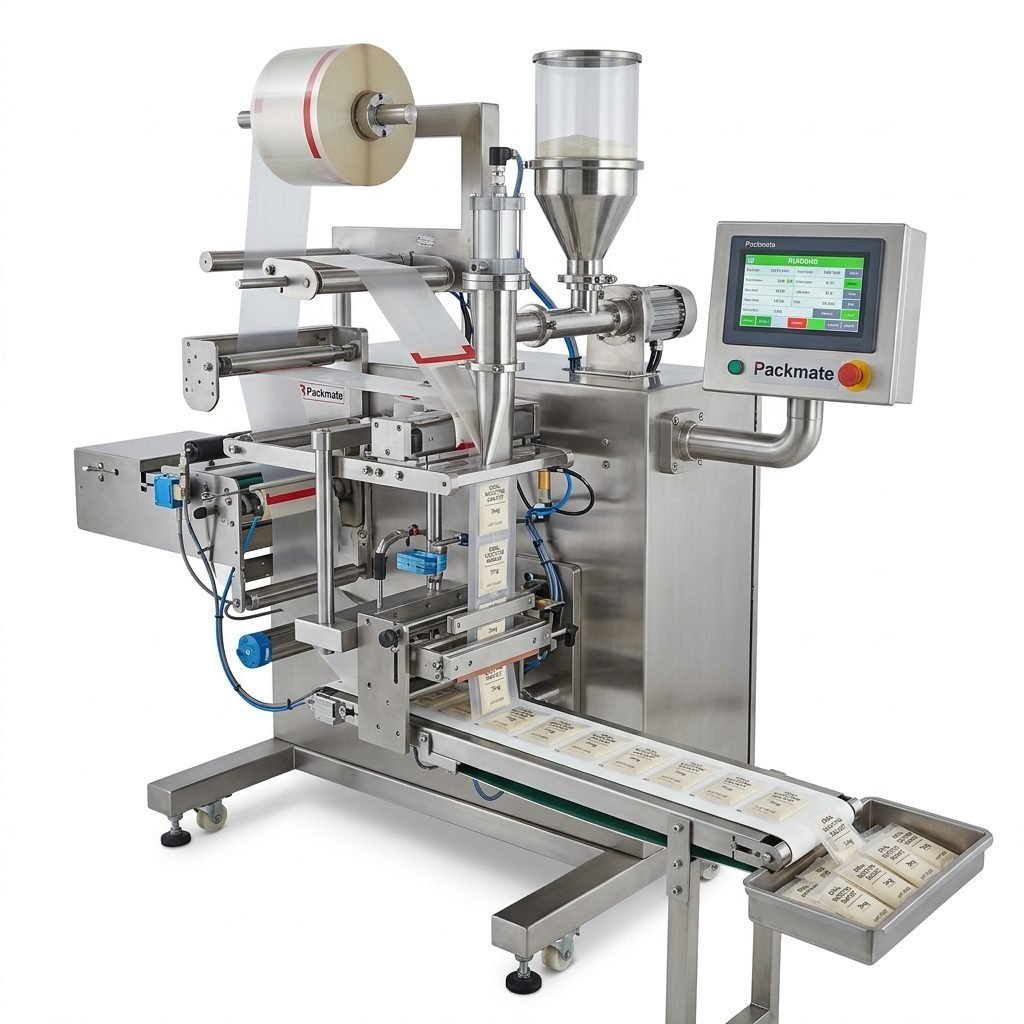
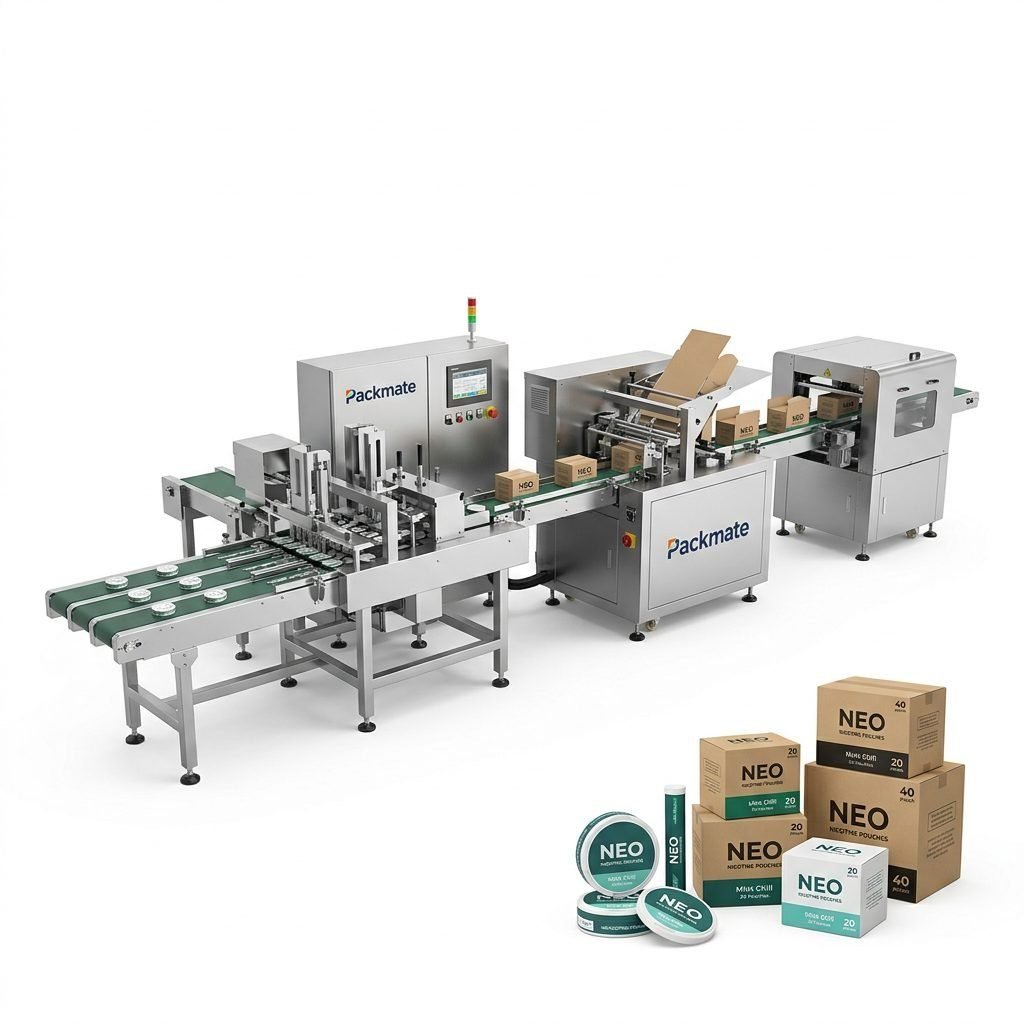
Choosing the right nicotine packaging machinery supplier in Tajikistan is a critical decision for businesses looking to enter or expand in the local snus and nicotine pouch market. This guide walks you through the practical steps, cultural considerations, technical checks, and contract tips to ensure you partner with a reliable manufacturer. Whether you’re a new entrepreneur in Dushanbe or an established distributor in Sughd, understanding supplier capabilities, certifications, after-sales support, and local market habits will help you make a confident purchasing decision.
Understand Local Market Needs and Cultural Context
Tajikistan’s consumer behavior and regulatory environment can differ significantly from Western markets. In conservative regions, discreet packaging and low-profile branding may be preferred, while in urban centers like Dushanbe, modern and convenience-oriented packaging can attract younger customers. Consider local purchasing patterns: bulk buyers may prefer multi-lane systems that deliver higher throughput, whereas artisanal producers or boutique brands may prioritize flexible small-batch machines. Respect for local customs, language preferences, and seasonal demand cycles (for example, holiday periods and agricultural calendar impacts on distribution) should be factored into machine selection and production planning.
Key cultural considerations
– Packaging design preferences: muted colors and discreet sizes often perform well in conservative areas.
– Service expectations: Tajik buyers value clear communication, trustworthiness, and long-term relationships.
– Logistics constraints: inland regions face different transportation challenges—compact, modular machines that are easy to install on-site can be advantageous.
Assess Supplier Technical Capabilities
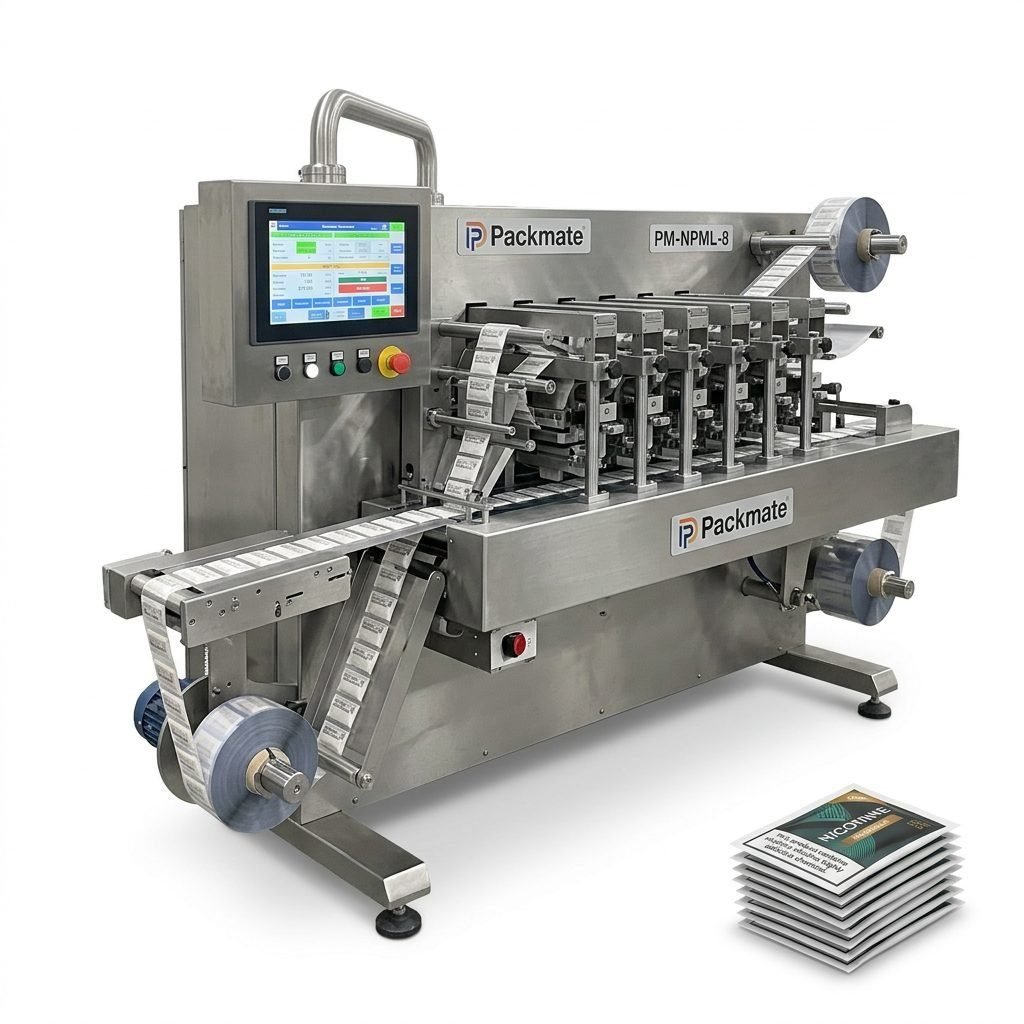
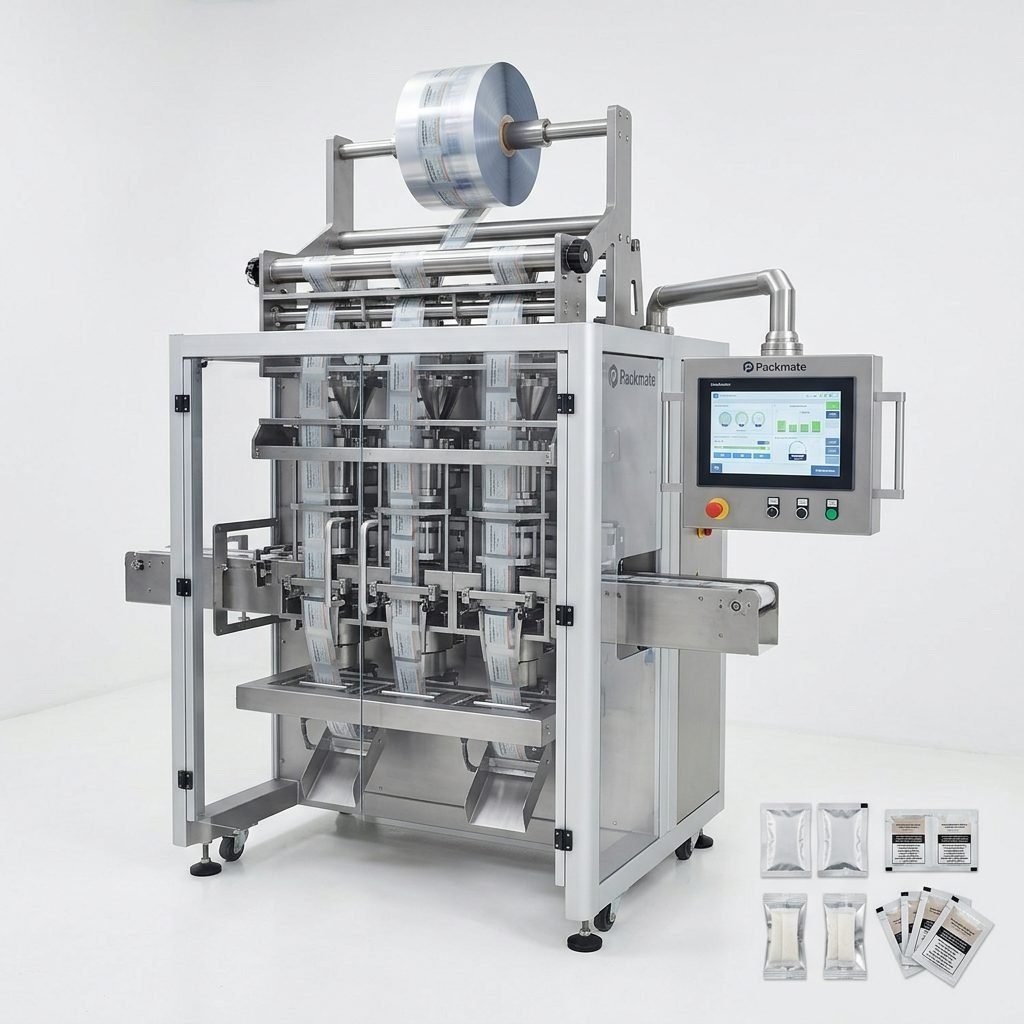
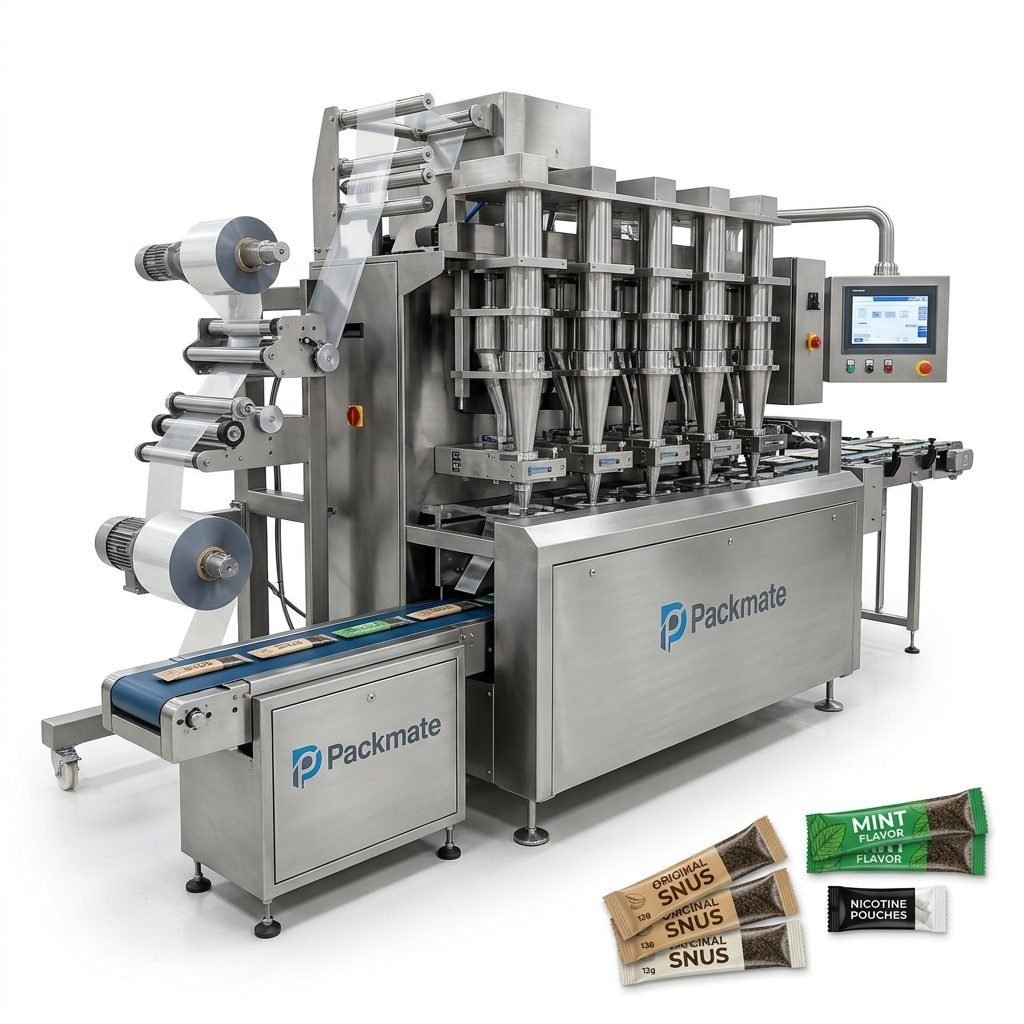
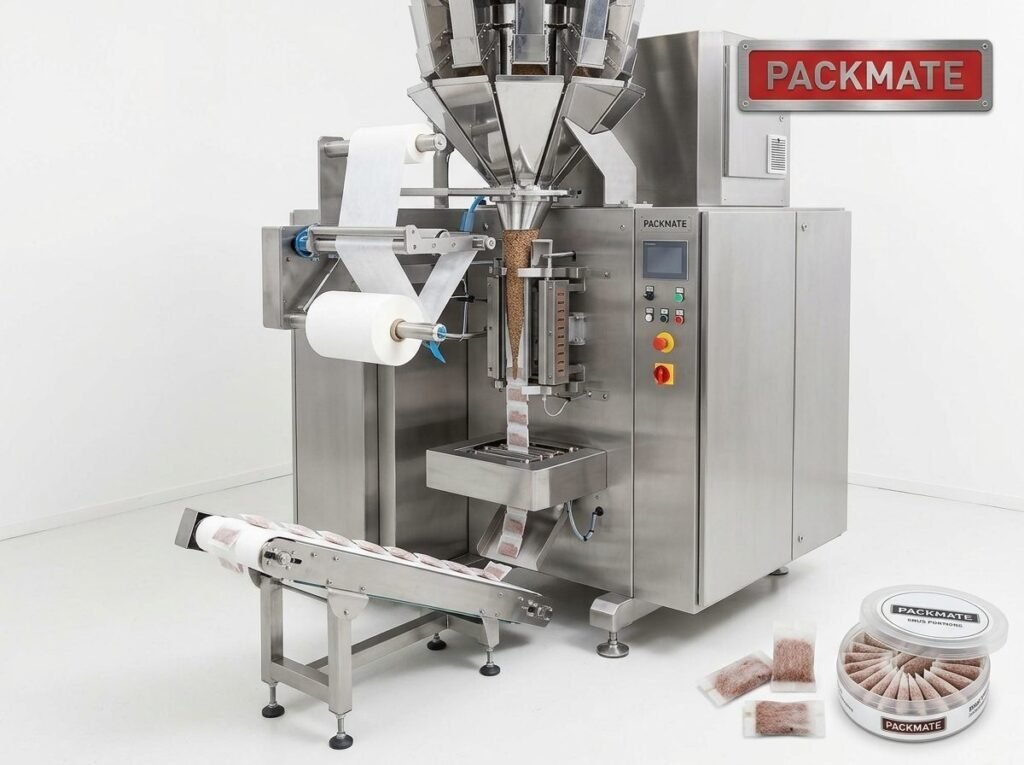
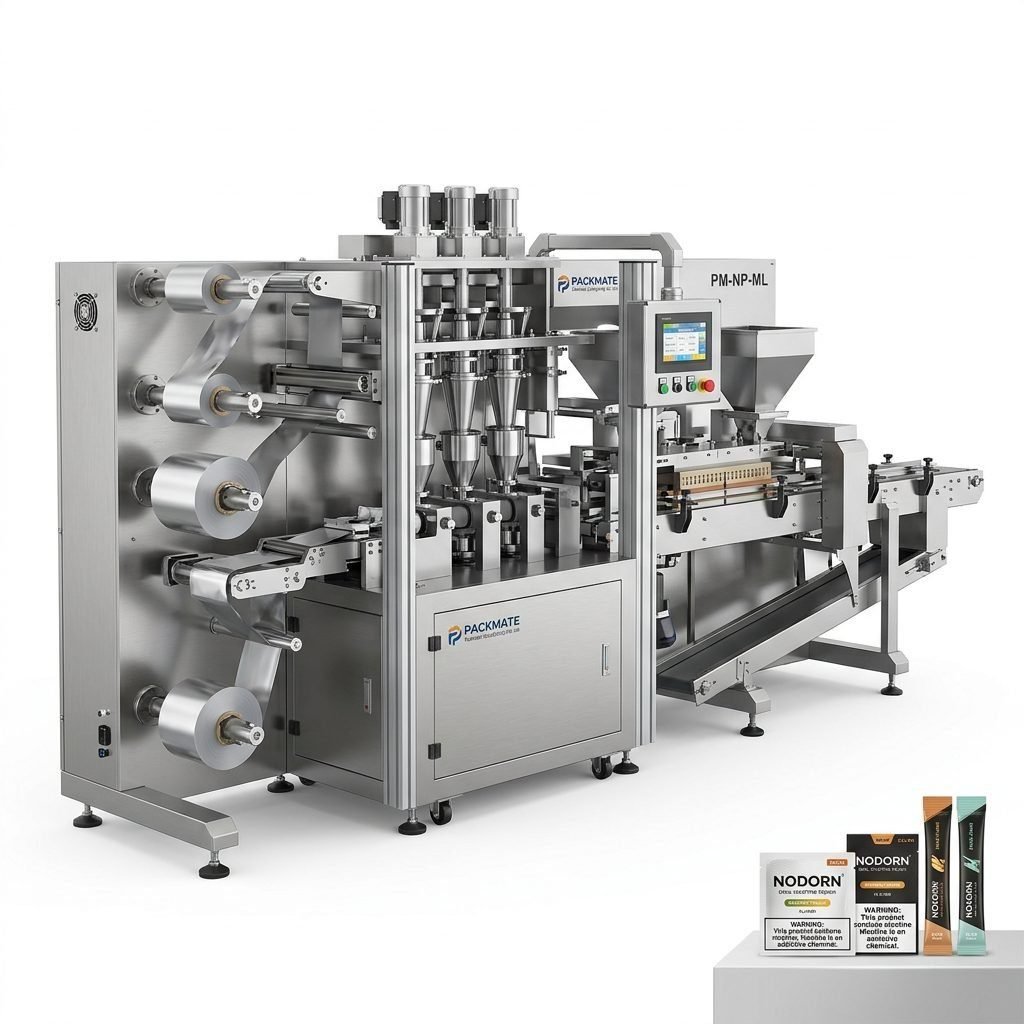
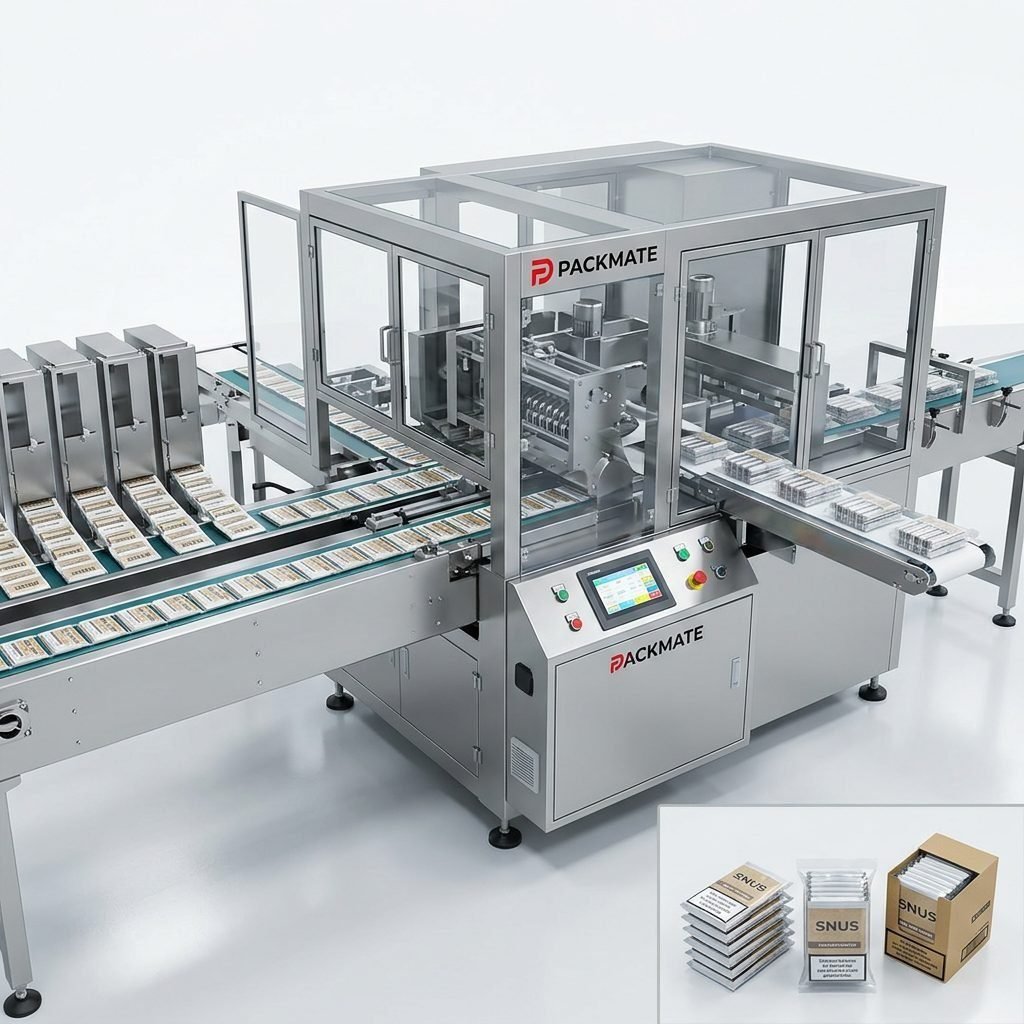
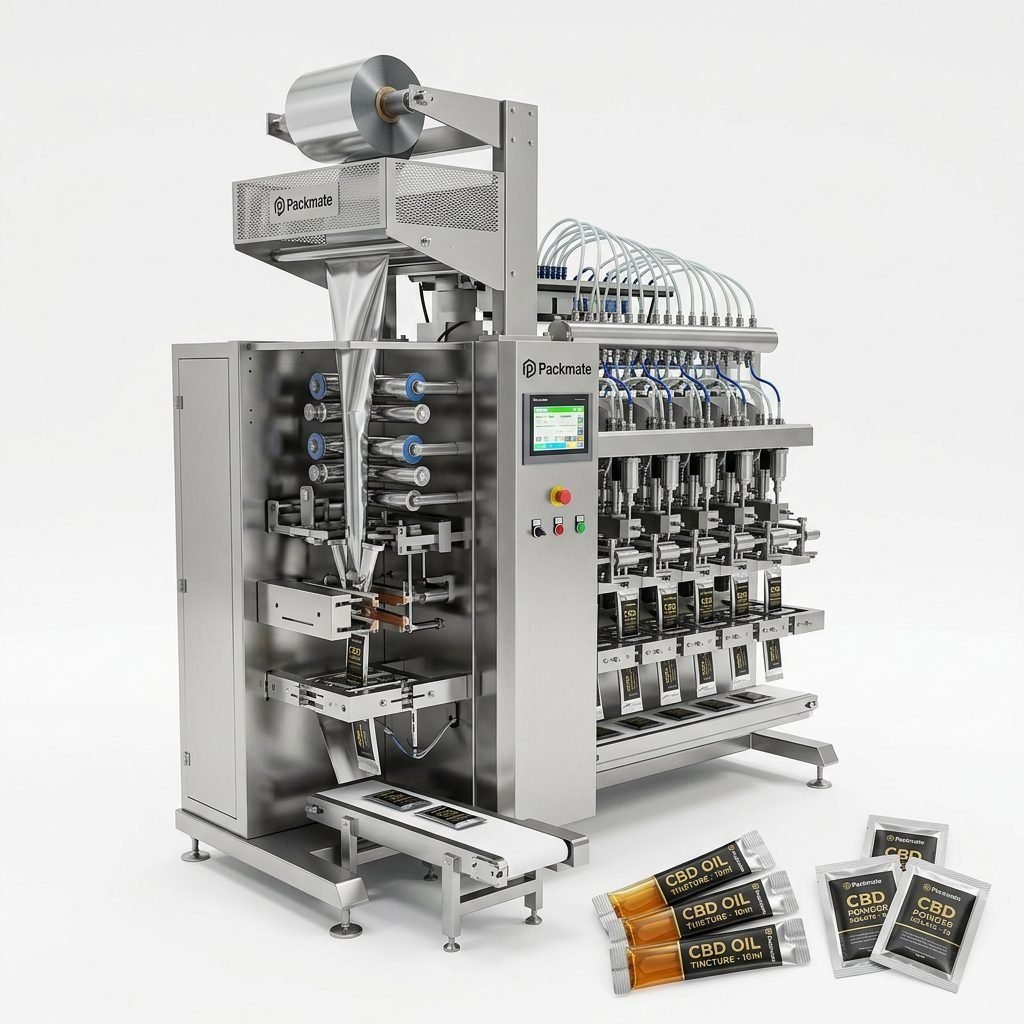
A robust supplier should demonstrate proven expertise in nicotine pouch and snus packaging technology. Look for a manufacturer with a comprehensive product range—such as stick pack, sachet, multi-lane systems, and complete filling lines—to match a variety of production targets. Suppliers with strong manufacturing infrastructure, precision CNC machining, and experience in automated lines offer better consistency and reliability. If you need inspiration or technical references, review solutions like Snus & Nicotine Packaging Machines and Sachet & Stick Pack Machines.
✓ Capacity alignment: Verify the supplier can deliver machines matching your target throughput (e.g., pieces per minute, lanes).
⚡ Quality control: Check evidence of precision assembly, testing procedures, and long-term durability tests.
Questions to ask about technical capability
– Can the supplier customize lane count or dosing mechanisms for small-dose nicotine pouches?
– What are the typical uptime and Mean Time Between Failures (MTBF) for similar installations?
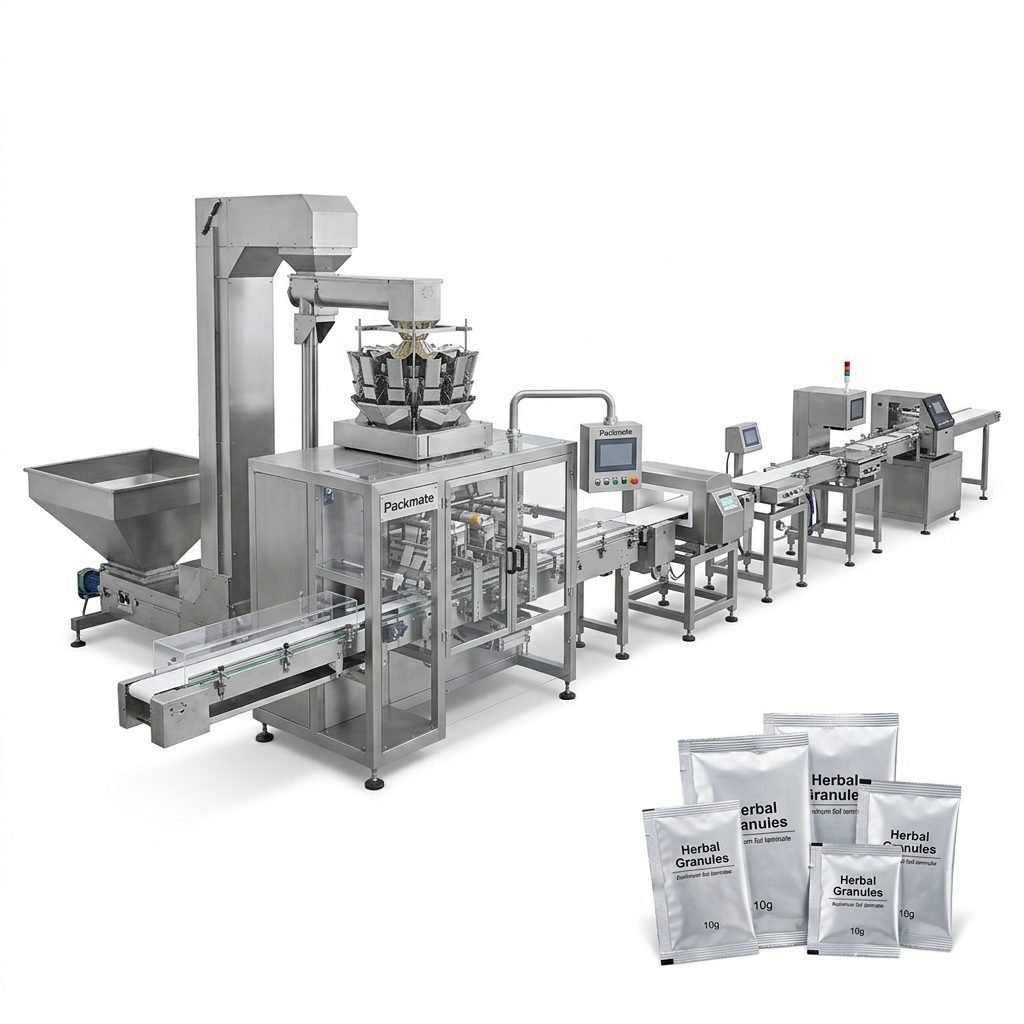
– Does the supplier provide integration for weighing systems, feeding systems, and end-of-line packaging? Explore complementary solutions like their Weighing & Packaging Systems.
Verify Certifications and Compliance
Regulatory compliance is essential when dealing with nicotine products. Your supplier must adhere to international quality and safety standards. Request copies of certifications such as CE and ISO, and verify that equipment meets electrical, mechanical, and safety requirements for operation in Tajikistan. Consider whether the machines can be adapted to meet any specific labelling or tamper-evidence requirements imposed by local authorities or future export markets.
Tip: Always request scanned certificates and cross-check them with issuing bodies when possible. Suppliers with clear documentation reflect transparency and stronger after-sales trust.
Inspect Manufacturing Strength and Track Record
A supplier’s factory size, toolsets, and production lines affect lead times and product quality. Look for manufacturers with modern CNC machining, precision assembly, and a history of delivering turnkey solutions. Companies with exhibition presence and case studies across Europe and Asia demonstrate broader market acceptance. You can learn more about a manufacturer’s background and case history by visiting their About and Case pages, for example, About Packmate and Case.
Factory check-list
– Production area: is there dedicated space for assembly and testing?
– Equipment portfolio: how many machine models and what types?
– Quality systems: do they perform final acceptance tests and provide test reports?
– Spare parts inventory and documentation: are drawings and manuals provided in English and useful local languages?
Evaluate After-Sales Service and Spare Parts Support
After-sales service can make or break your operation. A supplier should offer timely remote technical support, training for local operators, and reliable spare parts delivery. For Tajikistan, where local dealers might be limited, confirm service response plans, available engineers for dispatch, and estimated parts shipping times. Ask if the supplier provides operator manuals, troubleshooting guides, and training materials in accessible languages.
📞 Response SLA: Clarify the expected response time for remote support and on-site visits.
📦 Spare parts: Get a spare parts list and estimated delivery lead times to Tajikistan ports or customs points.
Compare Total Cost of Ownership (TCO) Rather Than Upfront Price
A low purchase price can hide higher operating costs. Evaluate energy consumption, maintenance intervals, spare parts prices, and expected machine lifespan. Consider costs related to training, installation, customs duties, and transport to your facility in Tajikistan. Multi-lane systems may cost more initially but lower per-unit production costs for high-volume operations. Calculate break-even points for different production scales to determine the best financial fit.
TCO factors to include
– Energy usage and utilities required by the machine.
– Annual maintenance hours and skilled labor costs.
– Consumable parts and their replacement intervals.
– Downtime cost per hour and mean repair time.
Discuss Customization and Future Scalability
Your product range may evolve. Ensure the supplier can adapt machines for new pouch sizes, dosing mechanisms, or additional lanes. Modularity and software openness (PLC/HMI flexibility) are important for future upgrades. Also confirm whether spare electrical and mechanical capacity is built into the design to allow for throughput upgrades without full replacement.
Negotiate Clear Contracts and Warranty Terms
Contracts should define delivery timelines, acceptance criteria, warranty coverage, and penalties for missed milestones. Request factory acceptance testing (FAT) and site acceptance testing (SAT) procedures to validate performance before final payment. Clarify warranty scope—what components are covered, labor responsibilities, and shipping costs for replacement parts during warranty periods.
Must-have contract elements: delivery schedule, FAT/SAT acceptance criteria, warranty period, spare parts list, training obligations, payment terms, and dispute resolution procedures.
Plan Logistics, Installation and Local Compliance
Logistics to Tajikistan can involve customs clearance and inland transit. Work with suppliers who understand export documentation, packaging for transport, and can recommend local agents. Discuss installation requirements: electrical supply, air pressure, floor load capacity, and environmental controls. Ensure all documentation and manuals are provided in languages your operations team can use effectively.
Leverage Demonstrations and References
Seeing machines in operation or speaking with other customers offers invaluable insight. Request live demonstrations or video tours of similar lines. Ask the supplier for references, especially customers in similar climates or markets. Visiting an exhibition where the supplier participates can also help; you might find details on their Our Exhibition page useful.
Why Packmate-Style Suppliers Are Commonly Chosen
Suppliers with several decades of engineering, a broad machine portfolio, and turnkey solutions are often preferred by customers entering high-precision markets. A manufacturer with 30+ years of experience, a large factory footprint, and an emphasis on snus/nicotine packaging typically brings reliability, engineering know-how, and a global support network—important attributes for success in Tajikistan’s growing nicotine pouch market.
Useful resource pages
For deeper technical references, you can review product categories such as Filling & Packaging Lines and support pages like Service which illustrate after-sales offerings and spare parts support.
Making the Final Decision
Summarize the fit: technical capacity, compliance, service, TCO, cultural alignment, and logistics. If one supplier stands out across these dimensions and offers transparent documentation, reasonable lead times, and credible references, proceed with a pilot order or a phased deployment plan. Maintain open communication, schedule FAT/SAT, and ensure training is completed before accepting final delivery.
Final checklist before signing
– Confirm production capacity and acceptance testing procedures.
– Verify certifications and spare parts availability.
– Agree on warranty, training, and remote support terms.
– Clarify shipping, customs assistance, and on-site installation responsibilities.
Frequently Asked Questions
Q1: What is the typical lead time for a customized snus packaging line to Tajikistan?
A1: Lead times vary by customization level; basic models may ship within 8–12 weeks while fully customized multi-lane systems usually require 12–20 weeks including FAT and production scheduling.
Q2: How important are local language manuals and training for Tajikistan operations?
A2: Very important—operator training and manuals in Russian or Tajik reduce setup time and help avoid operational errors, ensuring safer and more efficient production.
Q3: Can machines be upgraded later to increase throughput?
A3: Many modern systems are modular and allow upgrades such as additional lanes, faster feeders, or stronger dosing pumps. Confirm upgrade paths and spare capacity before purchase.
Q4: What after-sales support should I expect from a reputable supplier?
A4: Expect remote troubleshooting, spare parts lists with lead times, training sessions, and options for on-site engineers. Clear SLAs for response and parts delivery are essential.
Q5: How do I verify a supplier’s quality claims?
A5: Request references, video or live demos, scanned certificates, and FAT documentation. Visiting a manufacturing facility or attending a trade show where the supplier exhibits can provide additional assurance.