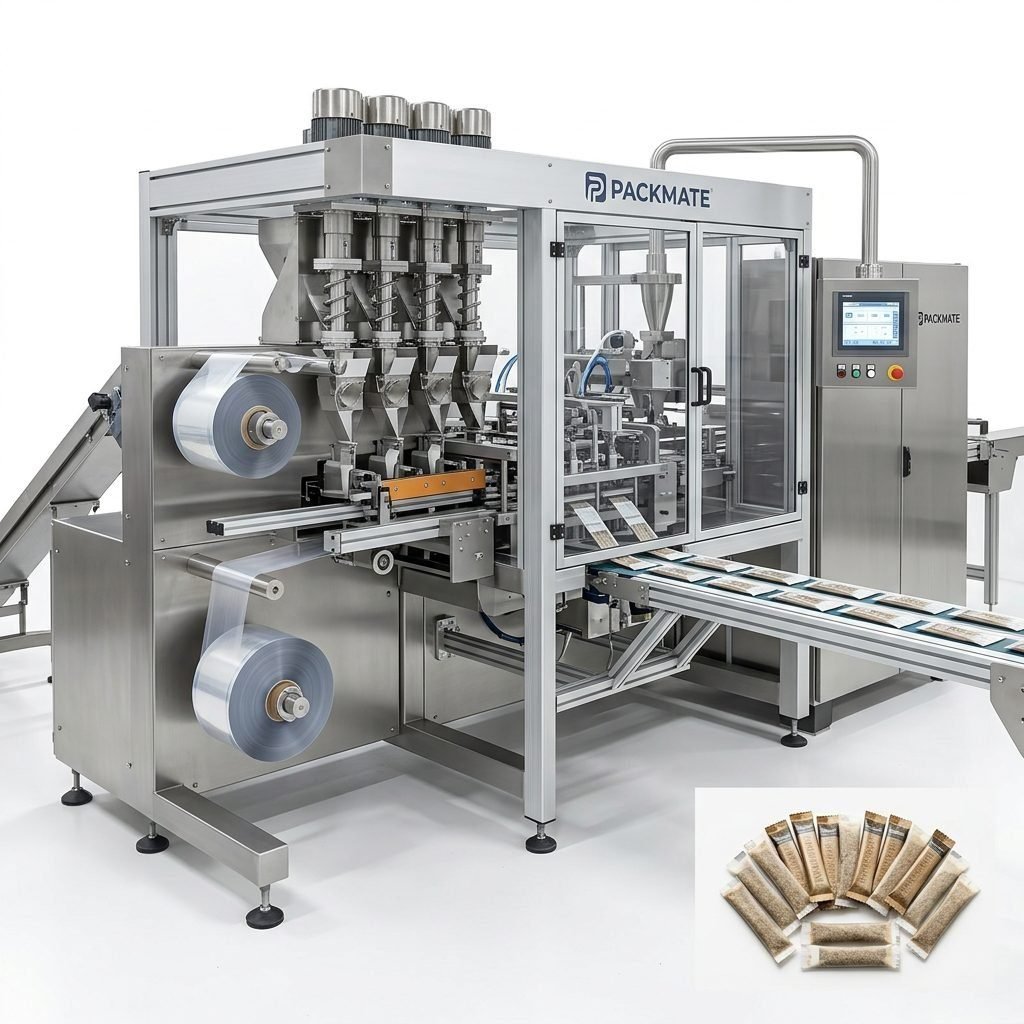
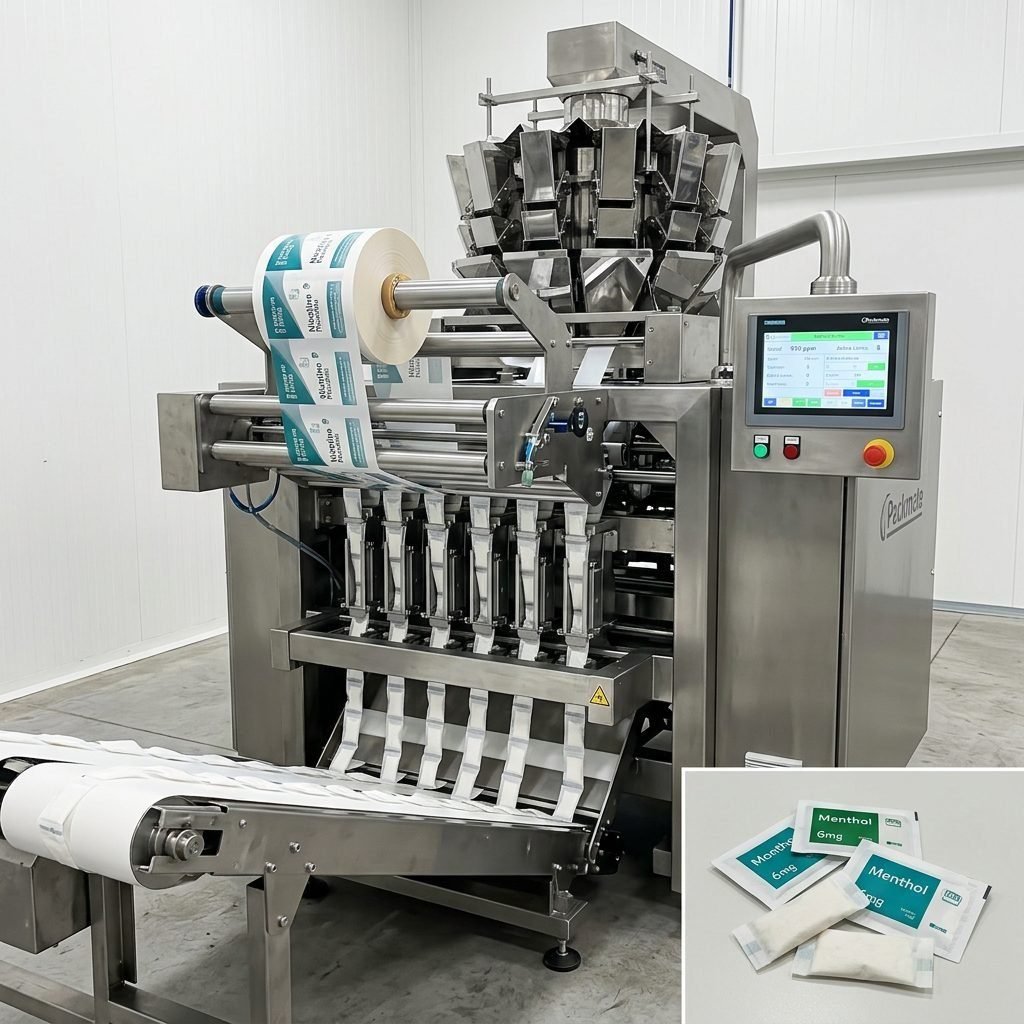
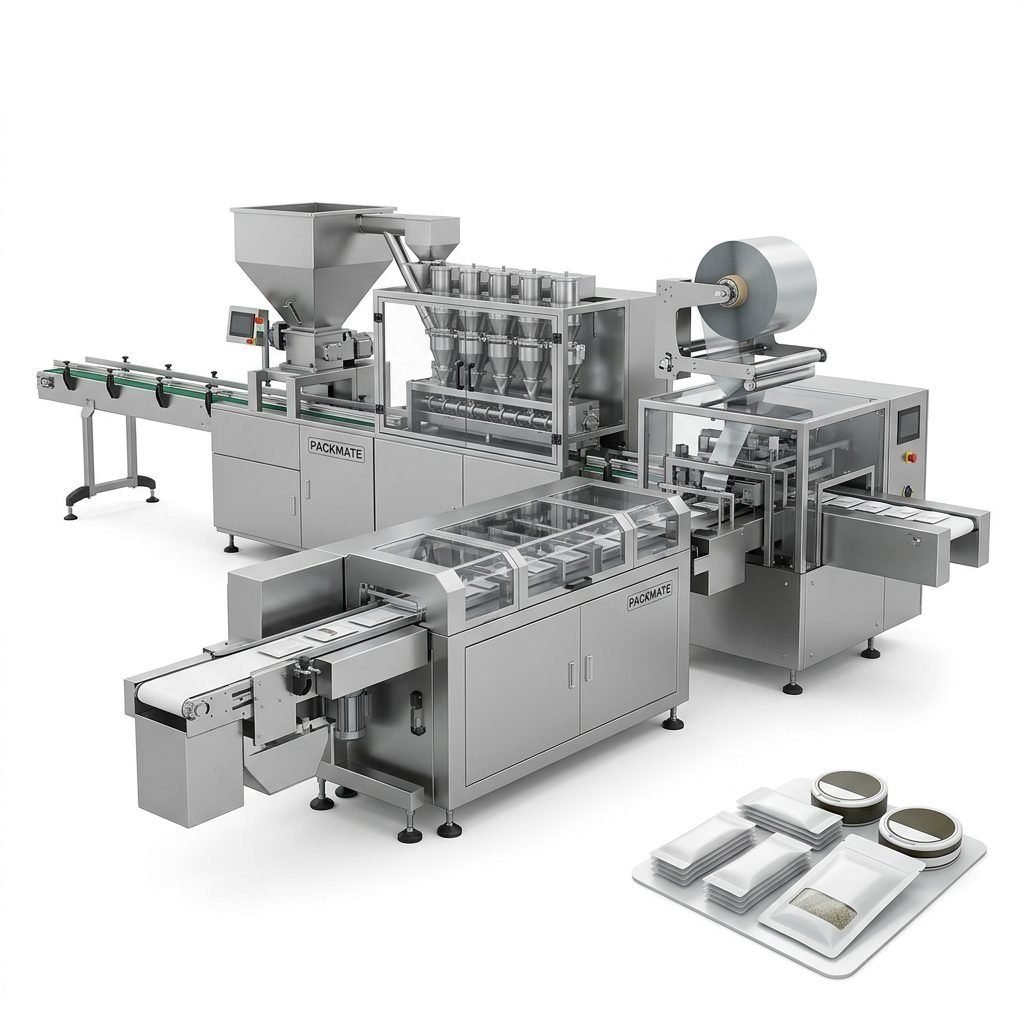
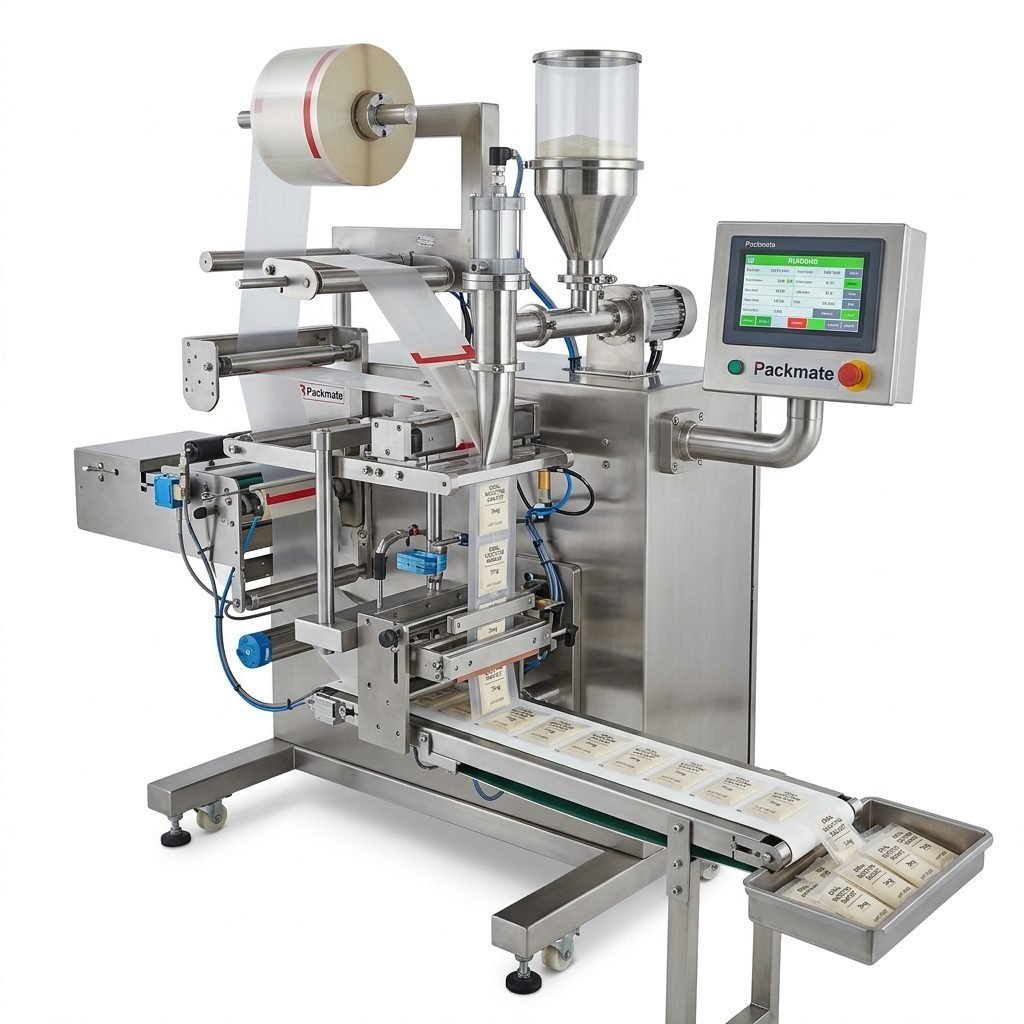
Choosing the right snus packaging machinery is a strategic decision that affects product quality, production efficiency, regulatory compliance, and long-term profitability. This guide walks production managers, procurement teams, and plant engineers through the essential criteria for selecting the best snus and nicotine pouch packaging equipment for global production lines. It combines practical engineering considerations with commercial and service factors to help you make an informed, future-proof investment.
Understand Your Product and Format Requirements
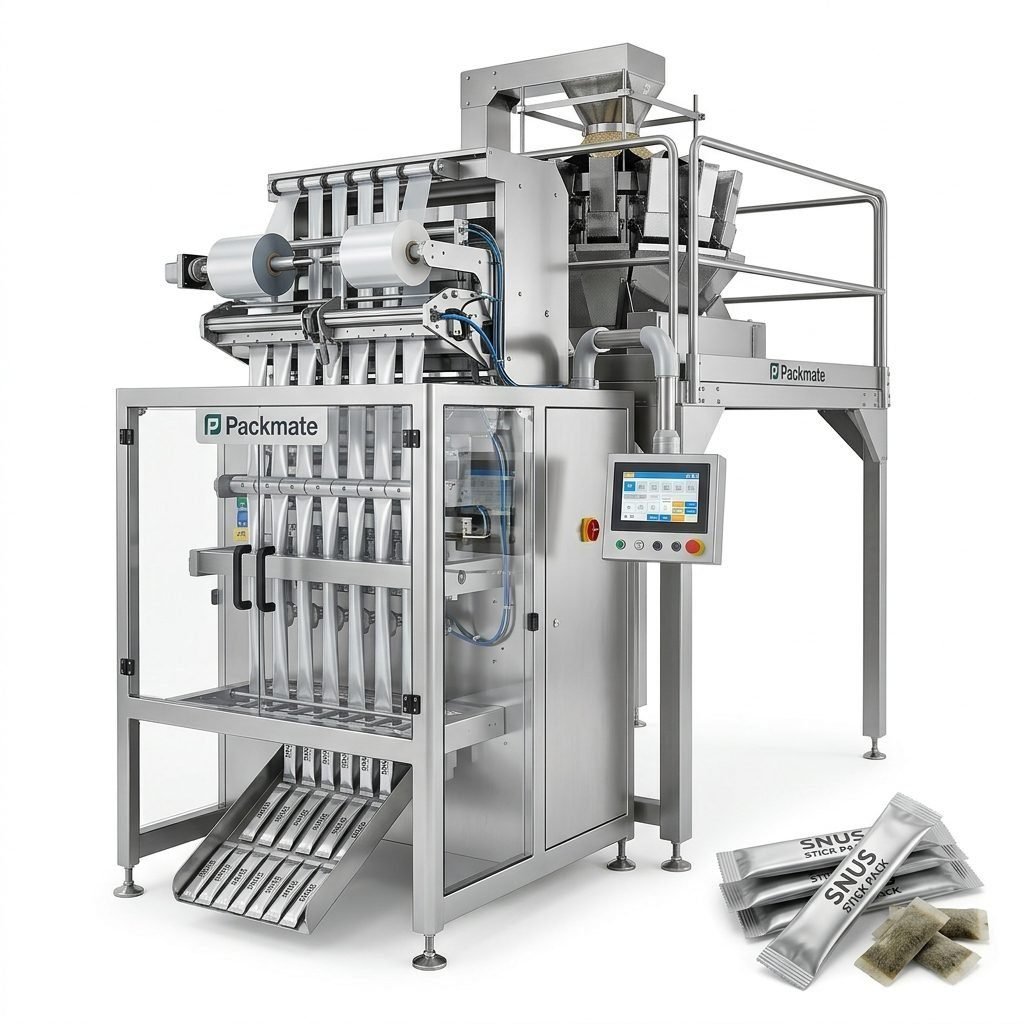
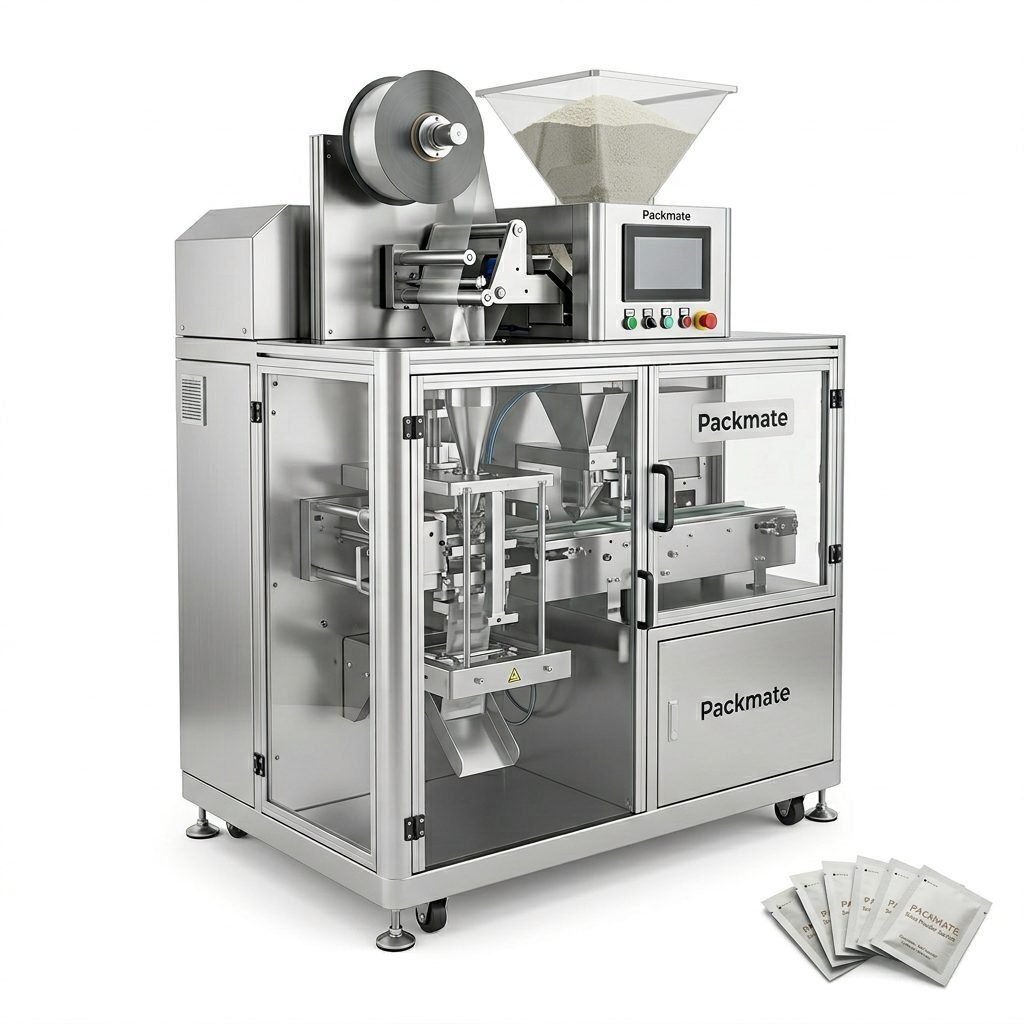
The first step is a precise definition of the products and packaging formats you plan to run. Snus and nicotine pouches come in many forms—single-dose pouches, multi-pouch sachets, stick packs, and multi-lane pouch strips. Machines optimized for one format may not perform well with another, so map out:
• pouch shape and size, moisture-sensitive or dry product, pouch material (non-woven, cellulose, film) and barrier properties, and secondary packaging (cartons, display trays).
Key tip: If you plan to run multiple formats, consider modular or multi-format systems rather than single-purpose machines to reduce downtime and CAPEX risk.
Production Capacity and Throughput Expectations
Accurately forecast daily and peak production volumes. Suppliers typically publish machines by pieces per minute (ppm) and lanes. For snus production, multi-lane systems can dramatically increase output without expanding floor space.
• balance current needs vs. future growth — choose machines with scalable capacity or easy lane expansion. Over-specifying capacity inflates cost; under-specifying limits growth.
Why multi-lane matters
Multi-lane technology allows several parallel production tracks on a single machine frame, multiplying throughput while retaining consistent process control. For instance, a 4-lane snus pouch machine can quadruple output with minimal footprint increase compared to single-lane units.
Accuracy, Filling Systems, and Weighing Integration
Accurate dosing and gentle handling are critical for nicotine pouches. Consider the type of dosing technology — auger fillers, volumetric cups, or multi-head weighers — depending on whether the product is powder, granule, or blended fiber.
• integrate validated weighing & packaging systems to minimize giveaway and ensure compliance with weight regulations. For comprehensive options, evaluate suppliers’ modules for Weighing & Packaging Systems.
Material Compatibility and Sealing Technology
The choice of packaging material (e.g., laminated films, foils, non-wovens) affects sealing parameters, machine tooling, and ambient requirements. Machines should provide adjustable heat-seal or ultrasonic sealing heads with precise temperature and pressure control.
Important: Validate seal integrity under real storage conditions; weak seals compromise shelf-life and regulatory compliance.
Automation, HMI and Industry 4.0 Readiness
Modern snus packaging lines should include user-friendly HMI controls, recipe management, PLCs, and data capture for traceability. Remote diagnostics, predictive maintenance alerts, and OEE dashboards are valuable for global operations.
• prioritize machines that support industry protocols (OPC-UA, Ethernet/IP) and can integrate with your MES or ERP systems for unified production control.
Ease of Changeover and Tooling
Fast, tool-less changeovers reduce downtime. Look for quick-lock sealing jaws, tool presets, and integrated recipe-driven adjustments that minimize operator interventions during format switches.
Hygiene, Materials and Regulatory Compliance
Snus and nicotine products may be subject to stringent hygiene and material traceability standards. Machines with hygienic frames, easy-to-clean surfaces, and minimal crevices reduce contamination risk.
• verify CE and ISO compliance for electrical, mechanical, and safety standards. Suppliers who provide test reports, certificates, and documented FAT/SAT procedures simplify regulatory readiness.
Service, Spare Parts and Global Support Network
After-sales service is as important as machine performance. Confirm lead times for spare parts, availability of local technicians, and remote support capabilities. A factory with advanced CNC and assembly facilities typically ensures stable spare parts supply.
• choose a supplier with transparent service contracts and trained field engineers. For example, evaluate service offerings on the manufacturer’s service page like Service.
Total Cost of Ownership (TCO) and ROI
Purchase price is only a part of the equation. Calculate TCO including installation, commissioning, tooling, spare parts, energy consumption, labor, and anticipated downtime. Also model ROI scenarios using realistic throughput, yield, and labor savings.
ROI checklist: production capacity, yield improvement, labor reduction, energy efficiency, maintenance costs, spare parts availability.
Factory Fit, Installation and Commissioning
Map machine footprints, utility needs (power, compressed air, vacuum), and material flow. Confirm vendor responsibilities for onsite assembly, FAT (Factory Acceptance Test), SAT (Site Acceptance Test), training, and documentation delivery.
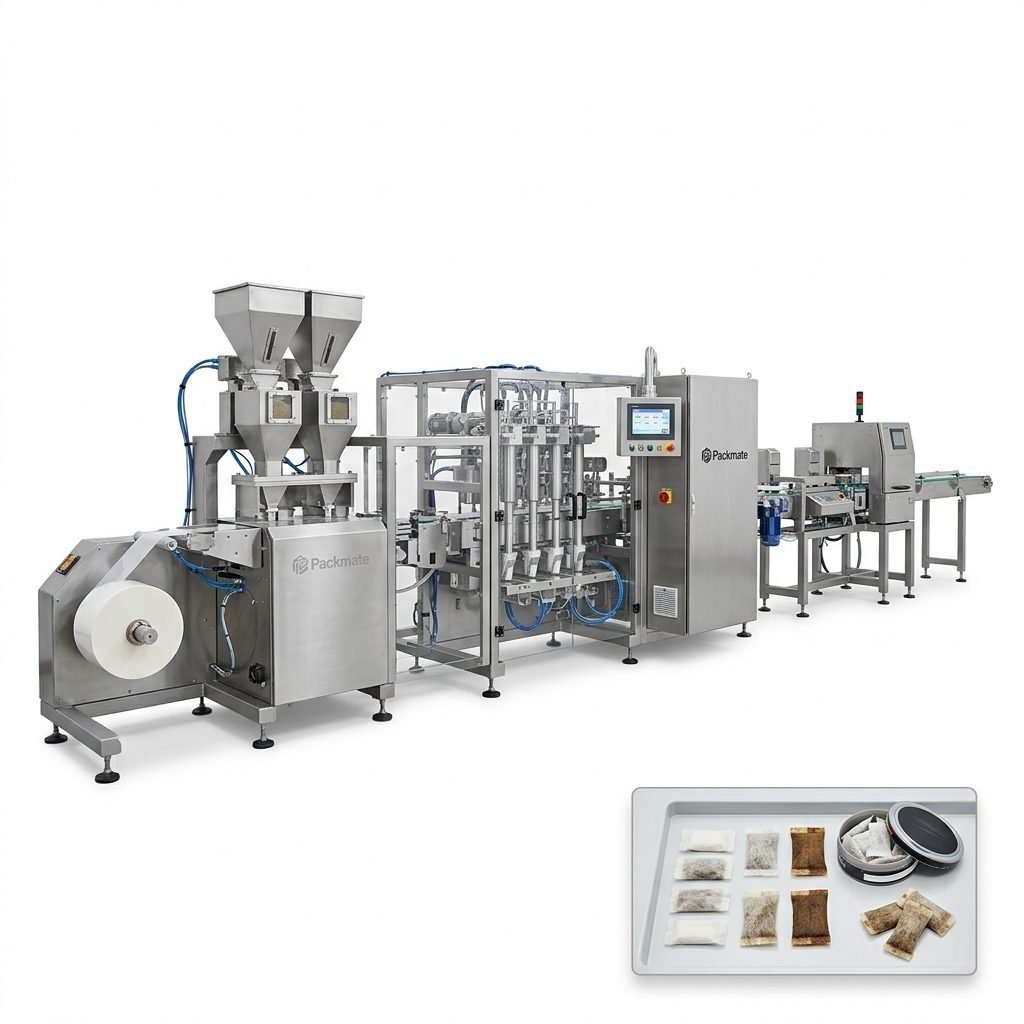
• ask for realistic timelines and a project Gantt. Suppliers with turnkey capabilities can reduce coordination risks — review turnkey solutions such as Filling & Packaging Lines.
Supplier Reputation, Manufacturing Capability and References
Evaluate the manufacturer’s engineering depth, factory size, quality control, and product range. A factory with advanced CNC centers and a broad model portfolio is more likely to support custom adaptations and spare parts continuity.
• request customer references, case studies, and exhibition demos. See real-world examples to validate claims — check manufacturer case pages like Case.
What to ask during vendor evaluation
• production uptime guarantees, MTBF, spare-part kits included, mean time to repair (MTTR), training scope, and warranty terms.
Customization, Upgrades and Future-Proofing
If your product roadmap includes new formats or regulatory labeling, ensure the machine platform supports modular upgrades and software enhancements. Machines built with standardized interfaces and modular mechanical frames reduce future upgrade costs.
• favour manufacturers with clear development roadmaps, extensive model lines, and documented upgrade paths; you can learn more about a reliable supplier’s offerings at their product overview like Snus & Nicotine Packaging Machines.
Training, Documentation and Validation Support
Comprehensive operator and maintenance training minimizes startup delays. Request full documentation sets: mechanical drawings, electrical schematics, PLC code descriptions, spare parts lists, and validation protocols for regulated markets.
Sustainability and Energy Efficiency
Energy-efficient drives, smart heating zones, and low-air-consumption actuators reduce operating costs and environmental footprint. Choose equipment that aligns with your company’s sustainability goals and regulatory expectations in export markets.
Final selection checklist
• product compatibility and formats
• throughput and multi-lane capability
• dosing accuracy and weighing integration
• sealing technology and material compatibility
• automation, HMI, and Industry 4.0 readiness
• hygiene, certificates, and compliance
• service, spare parts, and global support
• TCO and ROI
• supplier reputation and references
Why Packmate Snus Machine is a Consideration
Packmate Snus Machine brings over 30 years of engineering experience, a 20,000㎡ manufacturing base with advanced CNC machining, and a wide product portfolio including multi-lane systems and turnkey lines. Their product suite spans snus & nicotine packaging machines, bag & pouch systems, and full filling & packaging lines — enabling integrated solutions for global customers. Learn more about the company background on their About page: About Packmate.
Next steps for procurement teams
1) Create a prioritized requirements list with formats, capacities, and regulatory needs. 2) Invite 3–5 vendors for technical presentations and FAT demos. 3) Request detailed TCO models, spare parts lists, and service level agreements. 4) Validate performance in a factory acceptance test under real product conditions.
Useful product categories to review
• Bag & Pouch Packaging Machines for flexible pouch formats
• Sachet & Stick Pack Machines for stick-format or sachet solutions
Decision matrix example (brief)
Score vendors across: format fit, throughput, accuracy, service, TCO, and upgrade path. Weight each factor based on your strategic priorities (e.g., highest weight to regulatory compliance if exporting to restrictive markets).
Final advice: prioritize a balance of technical fit and long-term support. A reliable manufacturer with a broad model range and strong project execution capability saves significant time and cost over the life of the asset.
Common Questions
Q1: How do I choose between multi-lane and single-lane machines?
A: Choose multi-lane for high throughput with limited floor space and consistent product. Single-lane may fit low-volume or highly-specialized formats. Consider flexibility and future growth before deciding.
Q2: What is the best dosing technology for nicotine pouches?
A: If product is fibrous or blend-based, volumetric or custom dosing combined with multi-head weighing provides accuracy. For powders, auger dosing with in-line check weighing minimizes giveaway.
Q3: How important are FAT and SAT?
A: Extremely important. FAT verifies performance before shipping, reducing onsite surprises. SAT ensures integration and final acceptance at your site. Insist on documented test protocols and acceptance criteria.
Q4: What after-sales services should I expect?
A: Training, spare parts kits, remote diagnosis, routine maintenance plans, and warranty support. Confirm response times and local technician availability for your region.
Q5: How can I evaluate vendor references effectively?
A: Request site visits, ask about long-term performance data, spare parts lead times, and how the vendor handled upgrades or unexpected issues. Review case studies and exhibition demos for real-world validation. For samples of projects and global exhibitions, see Our Exhibition.