Choosing the right snus packaging machine in Mongolia requires a blend of technical understanding, market awareness, and careful supplier selection. This guide walks you through practical steps to evaluate machines, compare vendors, and decide based on production goals, local regulations, and long-term cost. Whether you plan a small nicotine pouch line or a high-speed multi-lane production plant, the right choice will improve yield, reduce downtime, and ensure compliance.
Understand the Mongolian Market & Production Needs
Mongolia’s market for snus and nicotine pouches is still developing but shows steady demand in urban centers and border trade corridors. Before selecting equipment, analyze:
• Target daily output (units/day) and peak shifts.
• Product format: loose snus, pre-portioned pouches, or multi-dose stick packs.
• Materials: tobacco-based snus, nicotine pouches with fillers (e.g., cellulose, tea), or mixed formulations.
• Packaging format: sachet, pouch, stick, or resealable boxes.
Key Machine Types for Snus & Nicotine Pouches
Selecting the right machine category is step one. Typical options include:
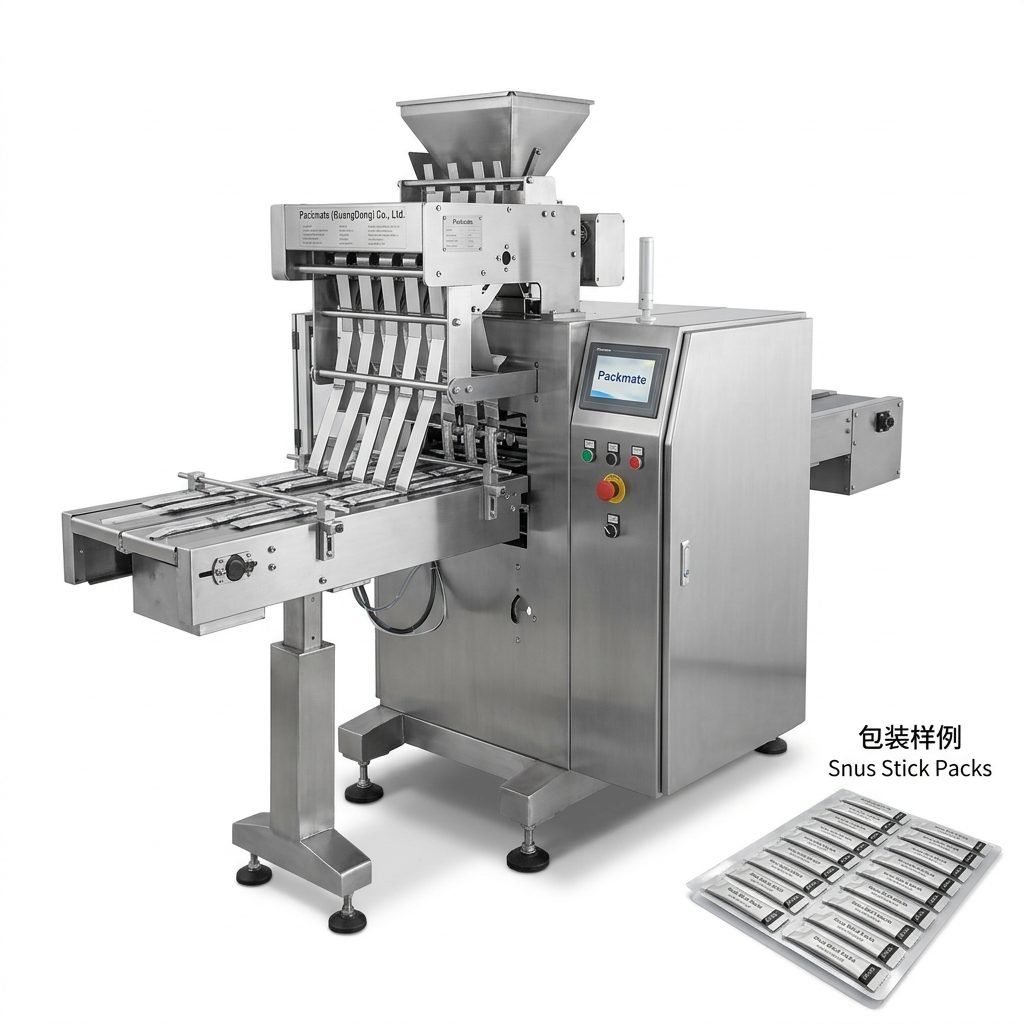
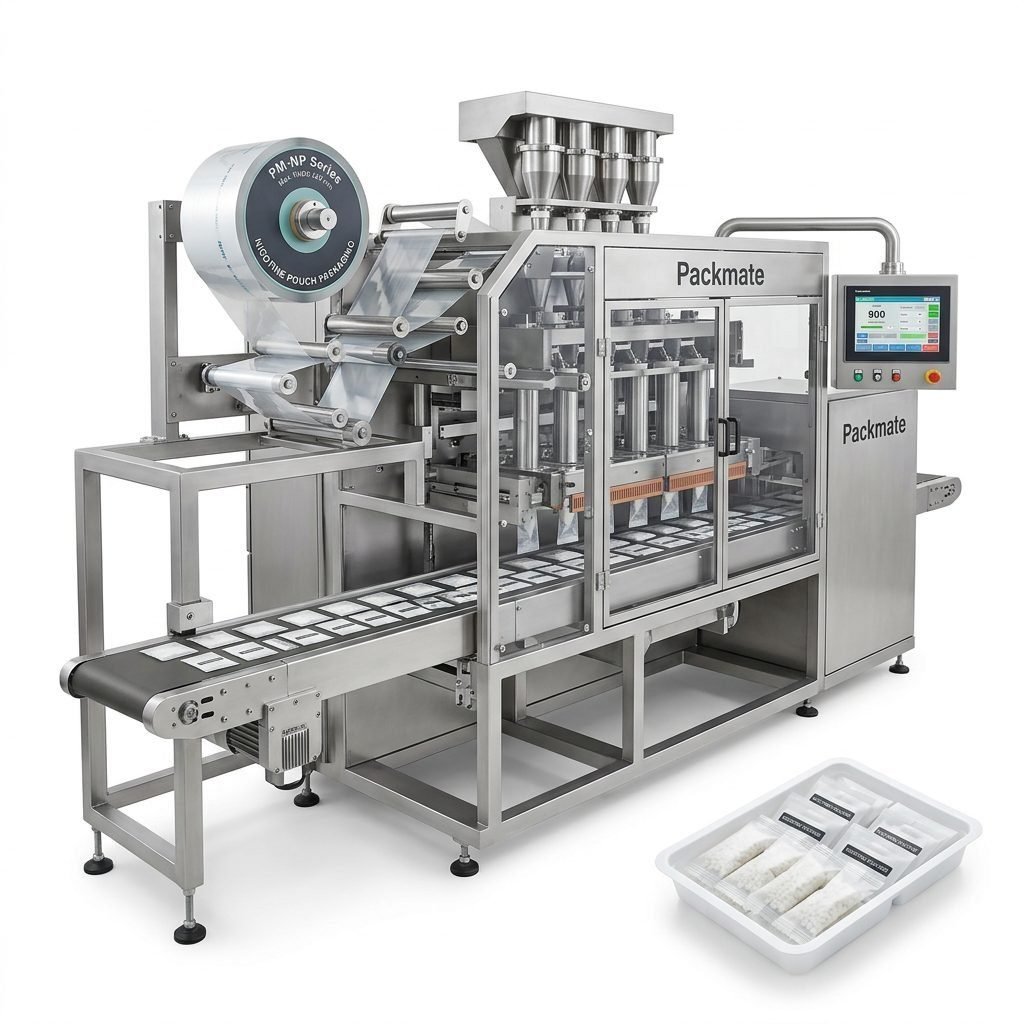
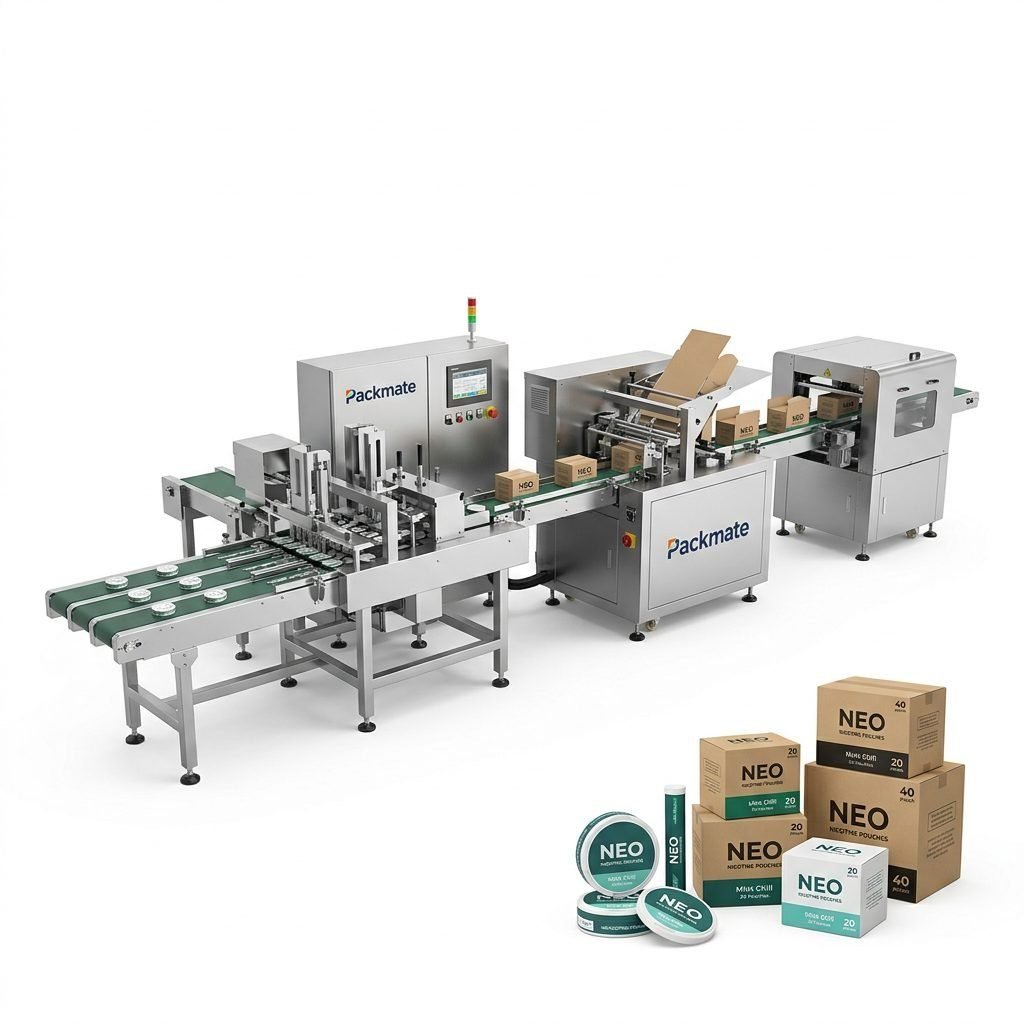
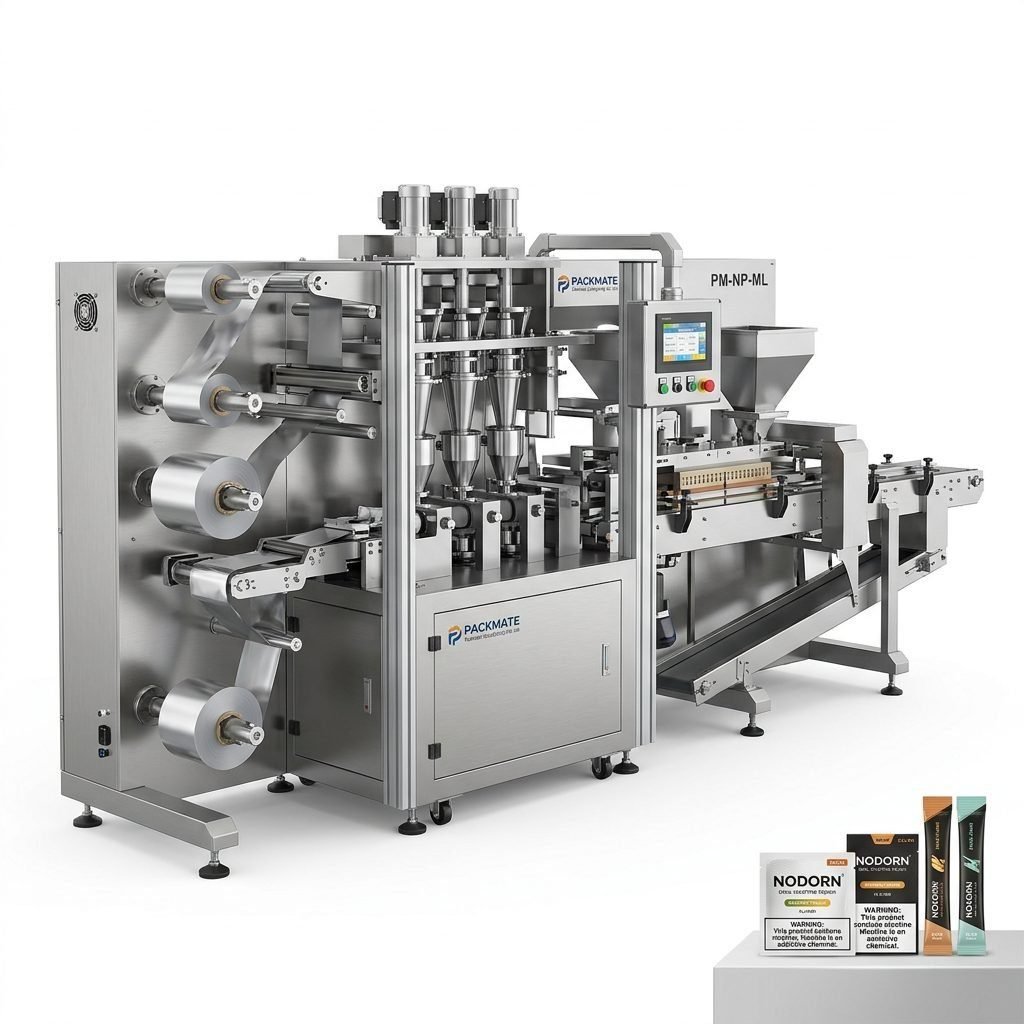
Multi-lane snus pouch machines
These high-speed systems run multiple lanes simultaneously and are ideal for medium-to-large plants aiming for high throughput with consistent dosing and sealing.
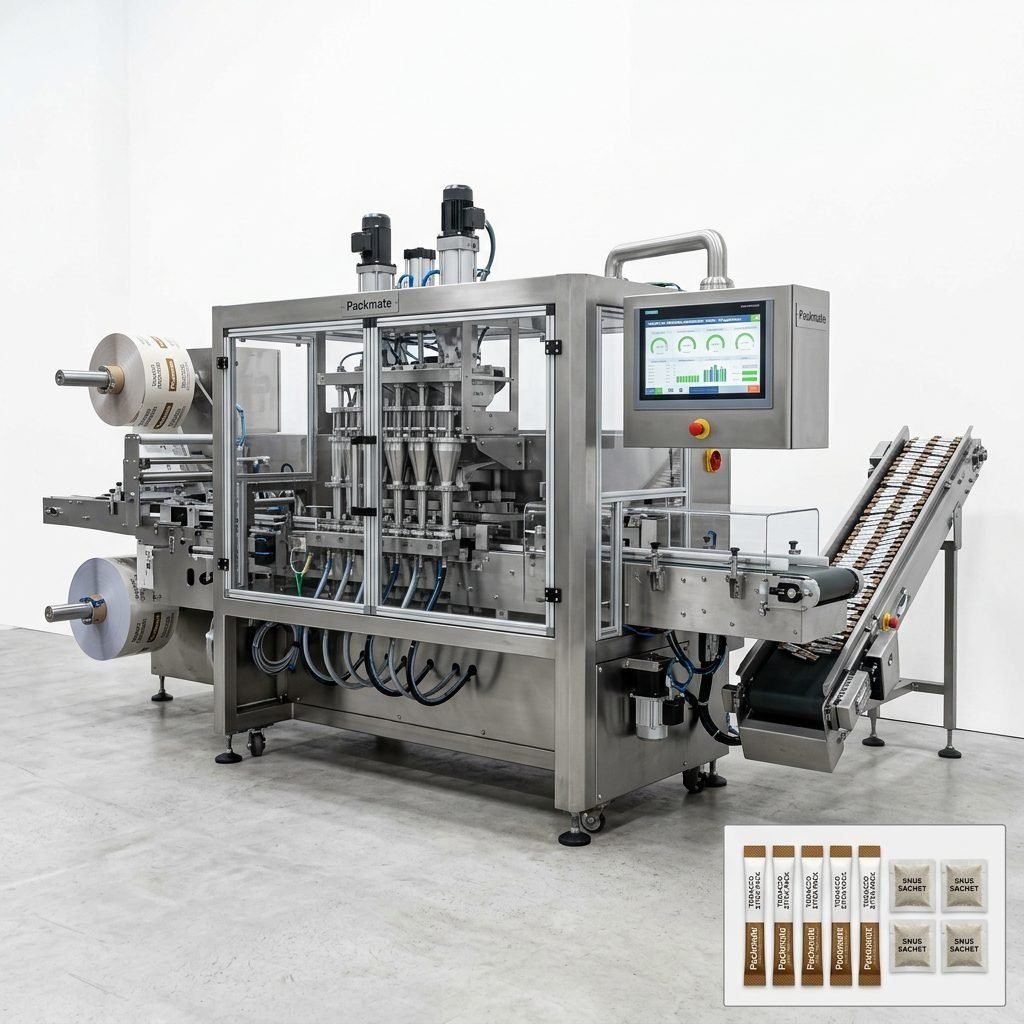
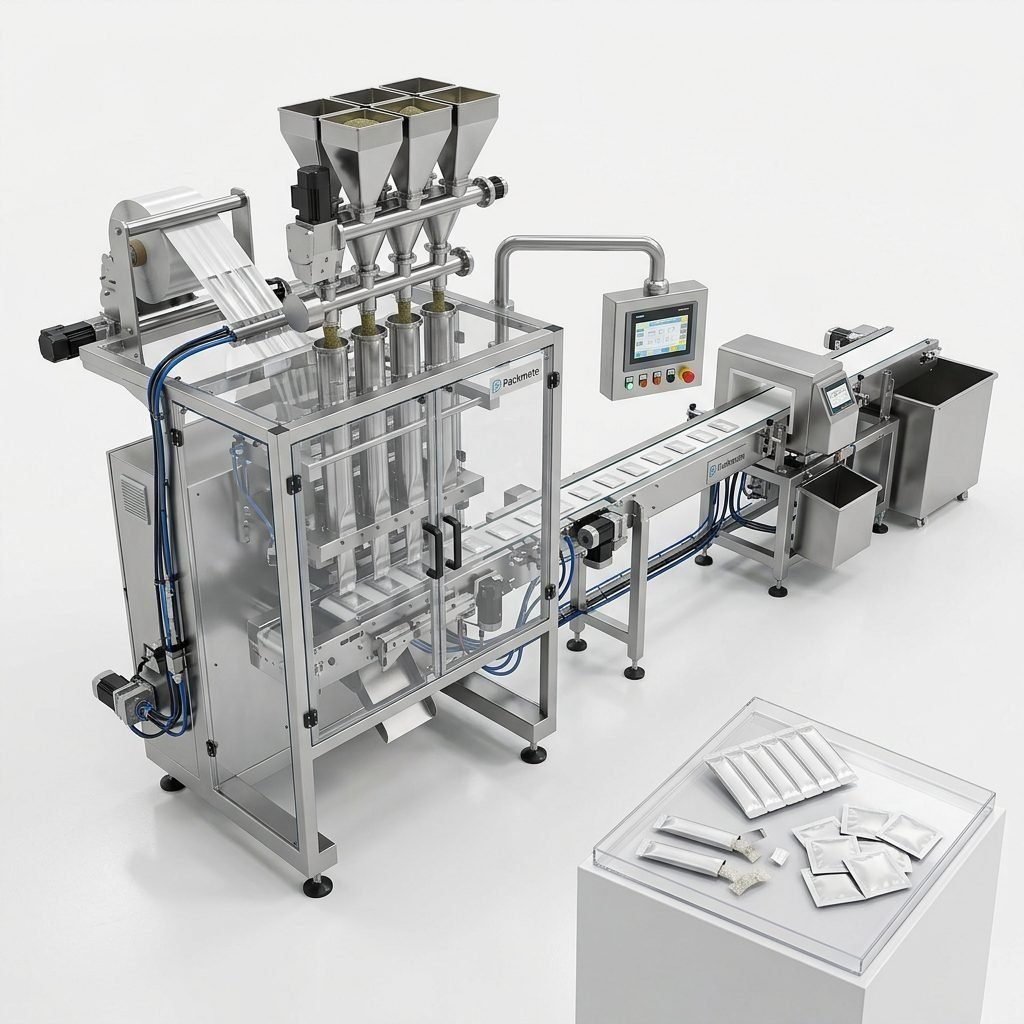
Stick pack & sachet machines
Best for single-dose formats and smaller pouch sizes. They are flexible and often easier to operate for varied product runs. Check the Sachet & Stick Pack Machines range for options.
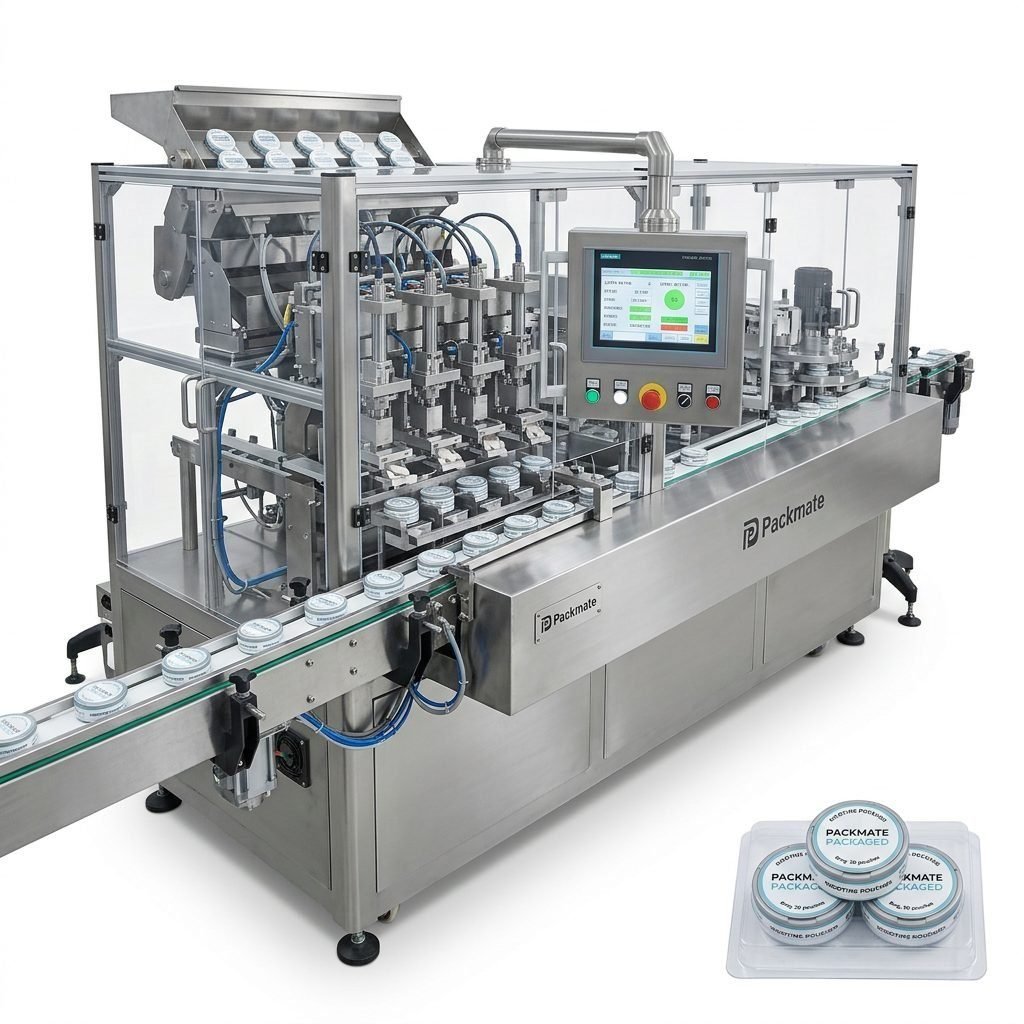
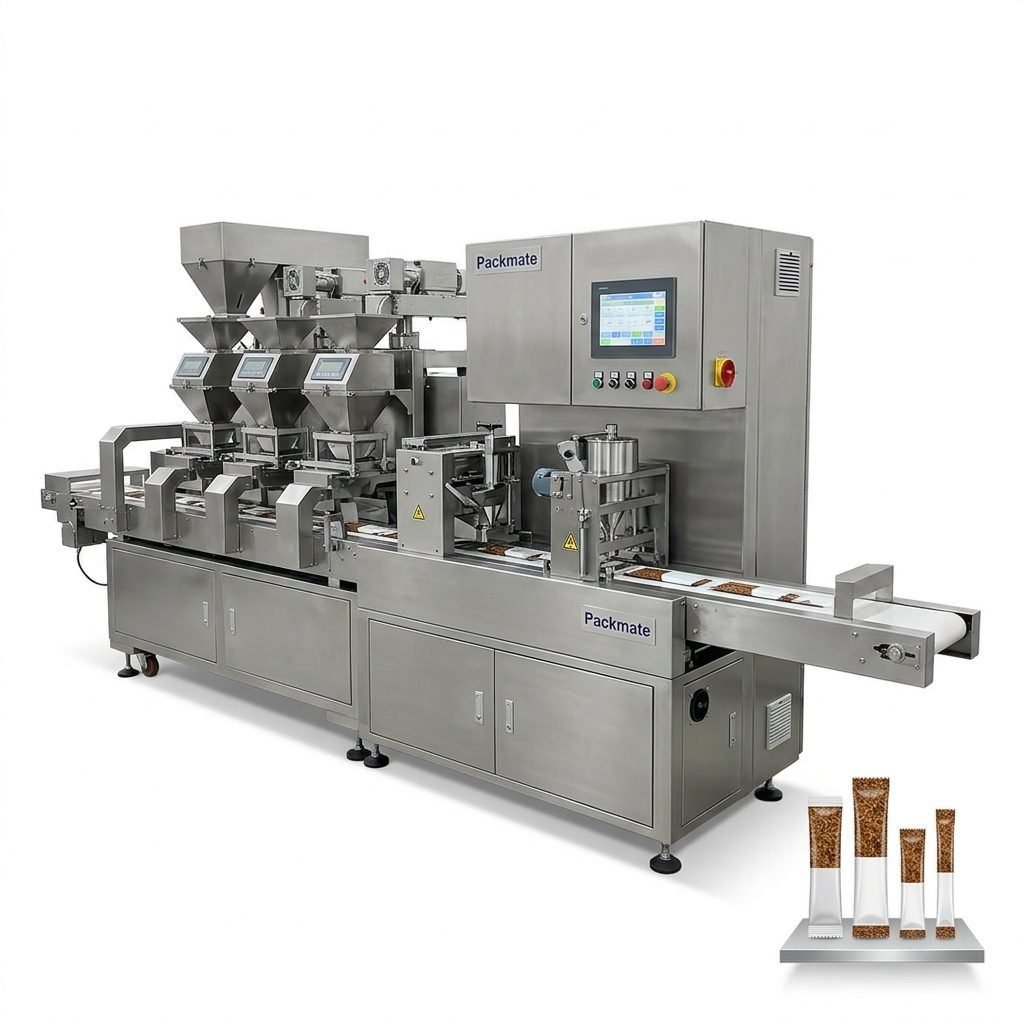
Custom pouch & bag packaging systems
For resealable pouches, zipper closures, or printed multi-layer films, bag & pouch packaging machines provide tailored solutions. See Bag & Pouch Packaging Machines.
🔧 Key tip:
For export-oriented operations, prioritize machines with multi-language HMI and export-friendly documentation to reduce commissioning hurdles.
Technical Specifications That Matter
When comparing models, focus on measurable specs that affect capacity, product quality, and maintenance:
Speed & Throughput
Expressed as pouches/min or pieces/min. Always match machine capacity to realistic production targets, factoring in changeovers and maintenance windows.
Number of lanes & scalability
Multi-lane machines increase productivity without proportionally increasing floor space or labor. Consider machines that allow modular lane additions.
Dosing accuracy & filling system
Accurate dosing reduces product giveaway and ensures regulatory compliance. Check if the machine supports precision weighing systems or volumetric fillers. For integrated weighing solutions, view Weighing & Packaging Systems.
Sealing quality & film compatibility
Inspect seal strength and verify compatibility with your chosen films (PE, laminated foil, biodegradable films). Poor sealing leads to product loss and non-compliance.
Automation & control
Look for PLC control, touch-screen HMI, recipe management, and remote diagnostics. These features reduce operator errors and accelerate changeovers.
Regulatory Compliance & Certifications
Machines used for snus and nicotine products should meet international standards. Certificates like CE and ISO demonstrate basic compliance and build trust with customs and local regulators. Packmate machines typically adhere to these standards; check their credentials via Certificate.
⚠️ Compliance note:
Verify local Mongolian import rules for nicotine products and ensure that machine documentation includes electrical schematics, CE or equivalent declarations, and parts lists for customs clearance.
Vendor Evaluation: Why Supplier Matters
The machine is one piece; the supplier relationship defines uptime and long-term costs. Consider:
• Company history and factory capacity — look for experienced manufacturers with robust assembly lines and CNC resources.
• After-sales service and spare parts availability in your region.
• Turnkey solutions offering auxiliary equipment (feeders, checkweighers, labeling) to avoid multi-vendor integration issues.
• References and case studies in similar markets.
Why Packmate is relevant
A partner with 30+ years’ engineering experience, a 20,000㎡ facility, and a range of 50+ models can offer tailored solutions, fast customization, and reliable spare parts. Learn more About Packmate.
Installation, Commissioning & Local Support
Plan for installation including electrical, compressed air, and foundation requirements. Ask the vendor for:
• On-site commissioning and operator training.
• Remote support and spare parts lead times.
• Warranty terms and preventive maintenance schedules.
• Documentation in English (or a local language) and clear electrical diagrams.
Total Cost of Ownership (TCO) & ROI
Purchase price is only part of the story. TCO includes spare parts, energy consumption, labor, downtime costs, and training. Estimate ROI by calculating:
• Expected net production per year.
• Cost reductions from improved dosing accuracy.
• Savings from reduced scrap and faster changeovers.
• Resale or upgrade value for modular machines.
📦 Purchasing checklist:
Request a detailed spec sheet, performance guarantees, spare parts list, acceptance test protocol (FAT), and a clear lead time for delivery and installation.
Common Operational & Maintenance Considerations
Operational reliability depends on design and preventive maintenance. Focus on:
• Ease of cleaning — quick-release parts and sanitary designs reduce downtime.
• Availability of wear parts (belts, knives, seals) and local stocking plans.
• Training: ensure operators can perform daily checks and basic troubleshooting.
• Remote monitoring features that alert for abnormal vibrations, temperature, or misfeeds.
Integration with Other Packaging Lines
For complete production, integrate your snus packer with upstream fillers and downstream case packers, labeling, and checkweighers. Consider suppliers who provide auxiliary packaging equipment as part of a turnkey offer. Explore Auxiliary Packaging Equipment to see typical integrations.
Real-World Case Studies & References
Ask the vendor for nearby case studies or references with similar products or climates. Performance in a cold, dusty Mongolian warehouse is different from a controlled European factory — request examples of installations in similar conditions. Packmate’s global cases can provide insights; review Case examples to understand outcomes.
Negotiation Tips & Final Steps
When you’re ready to negotiate:
• Ask for a complete quotation including training, FAT, travel, customs support, and spare parts kits.
• Request performance guarantees and acceptance criteria before shipment.
• Clarify payment terms and warranty coverage for international orders.
• Include language about lead times for spare parts and remote support SLA in the contract.
📌 Pro move:
Consider a pre-shipment FAT (Factory Acceptance Test) with video or onsite attendance to validate speed, sealing, and dosing before the machine leaves the factory.
Where to Start: Practical Next Steps
1) Define core production KPIs: output, product specs, and working shifts.
2) Shortlist 2–3 machine models with required lanes and throughput.
3) Request detailed quotes, FAT videos, and references.
4) Plan site readiness (power, air, floor, and local compliance).
5) Book after-sales training and agree spare parts packages.
If you need a reliable supplier with turnkey solutions for snus production lines, contact manufacturers who specialize in nicotine pouch packaging and have proven global service capabilities — for instance, review the Snus & Nicotine Packaging Machines portfolio or Contact Us for enquiries.
Final Recommendations
Choose a machine that balances current demand with future growth: modular multi-lane designs are often the best compromise between cost and scalability. Prioritize dosing accuracy, sealing integrity, and vendor support. Insist on transparent FAT acceptance criteria and spare parts availability to secure uninterrupted production in Mongolia.
FAQ — Common Buyer Questions
Q1: How do I choose between single-lane and multi-lane machines?
A: Match expected daily output and available floor space. Multi-lane suits higher throughput with better labor efficiency, while single-lane offers flexibility for varied SKUs.
Q2: What are typical lead times for a tailored snus packaging line?
A: Standard models may ship in 8–12 weeks; customized turnkey lines can take 12–20+ weeks depending on integration and FAT arrangements. Confirm exact timing with your supplier.
Q3: Can I import machines into Mongolia easily?
A: Yes, but plan for customs documentation, CE/ISO certificates, and sometimes local permits for nicotine-related equipment. A vendor experienced with international shipping will help smooth the process.
Q4: What maintenance plan should I expect?
A: A basic preventive plan includes daily checks, weekly lubrication, monthly calibrations, and annual servicing with spare parts replacement. Secure a spare parts kit for the first year.
Q5: Where can I see machine examples and get more information?
A: Visit manufacturer product pages and case studies for technical specs and real installations. Popular references include the manufacturer product catalogs and contact pages for direct enquiries.