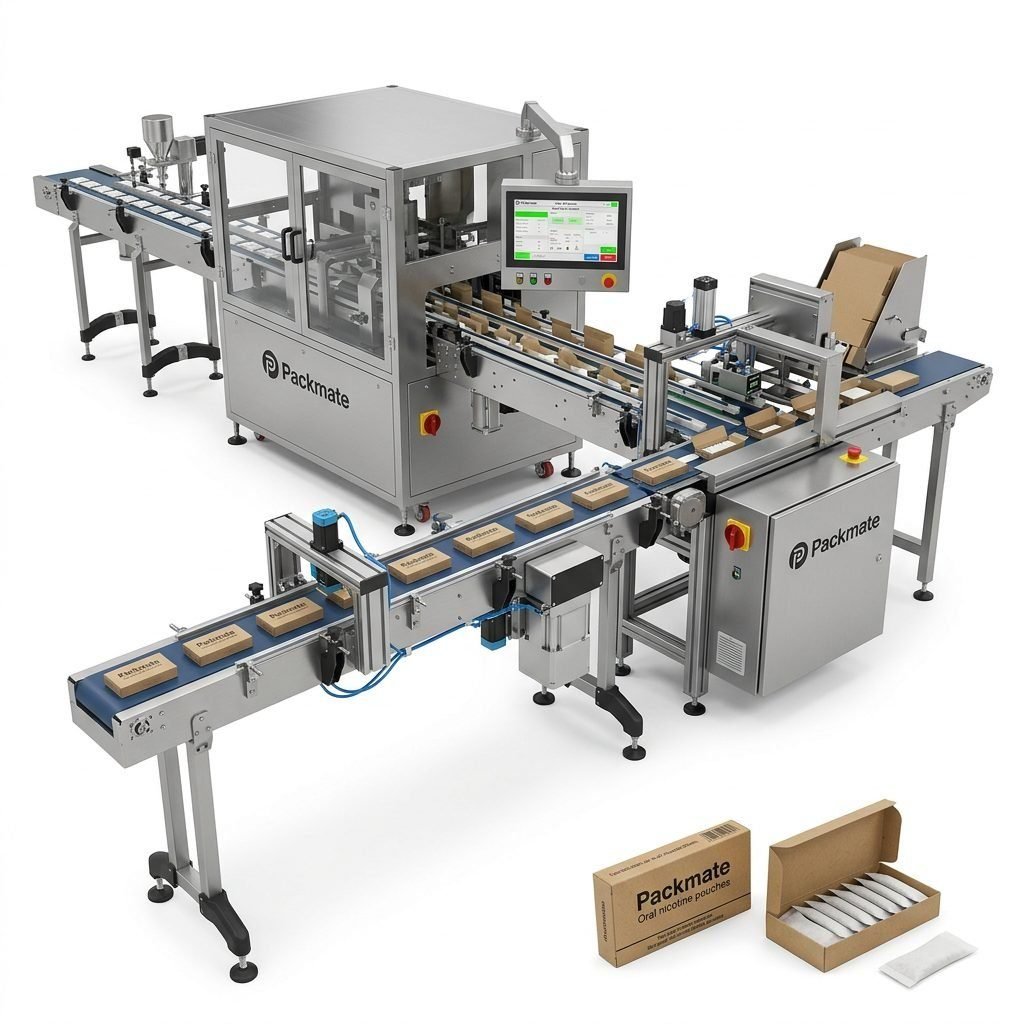
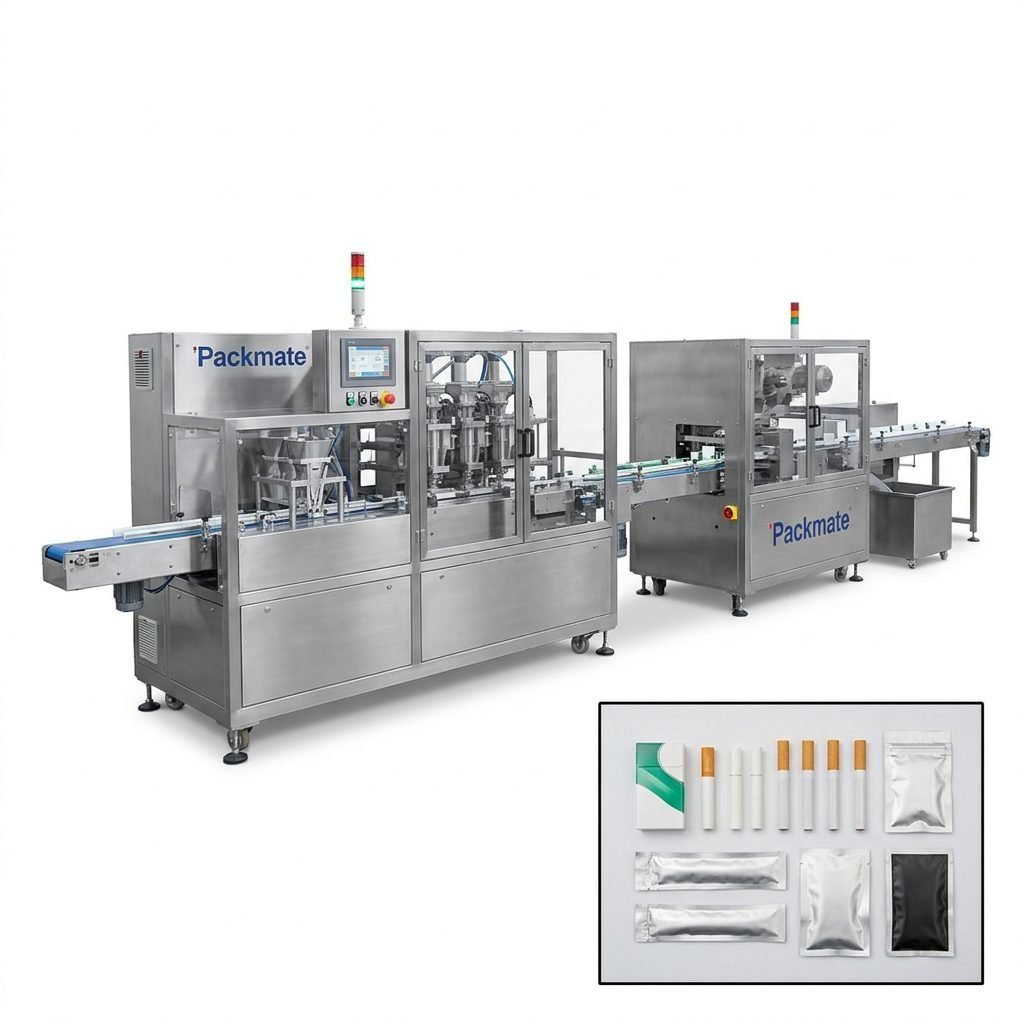
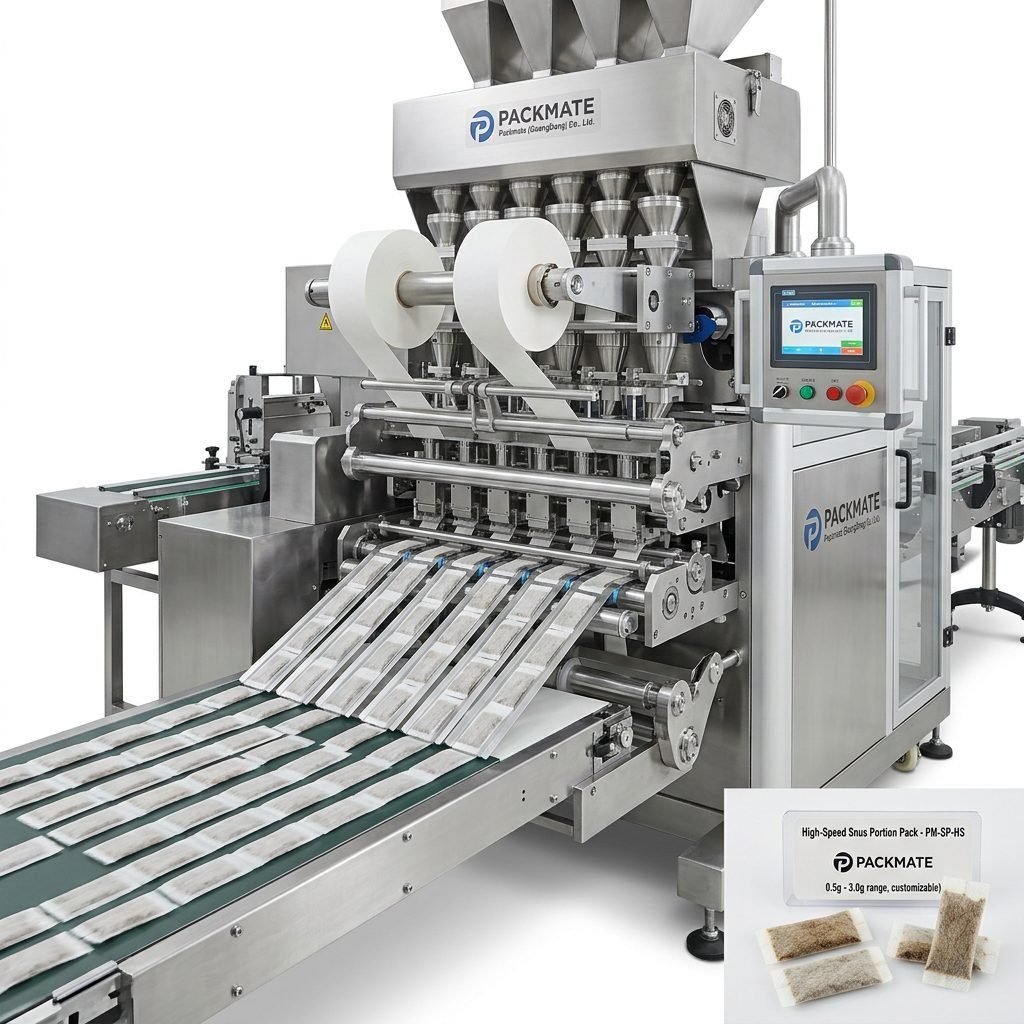
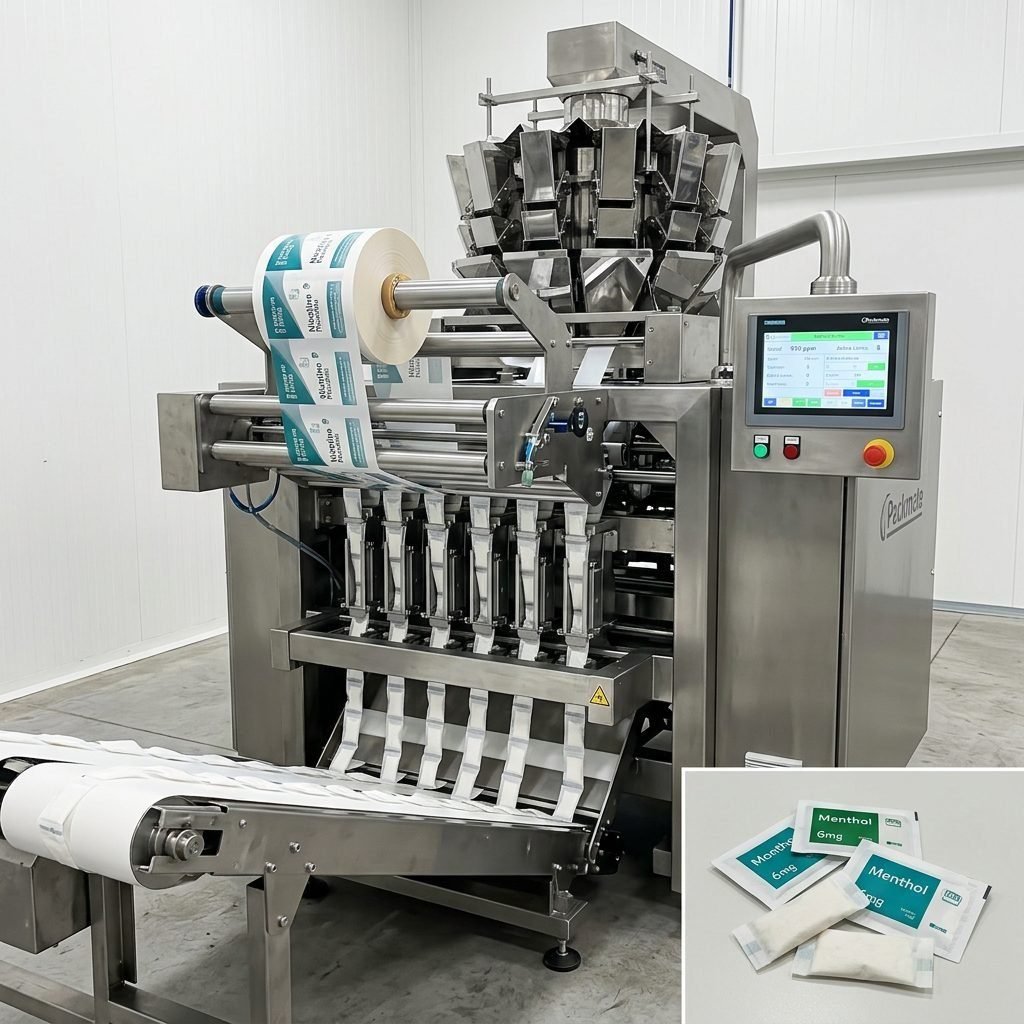
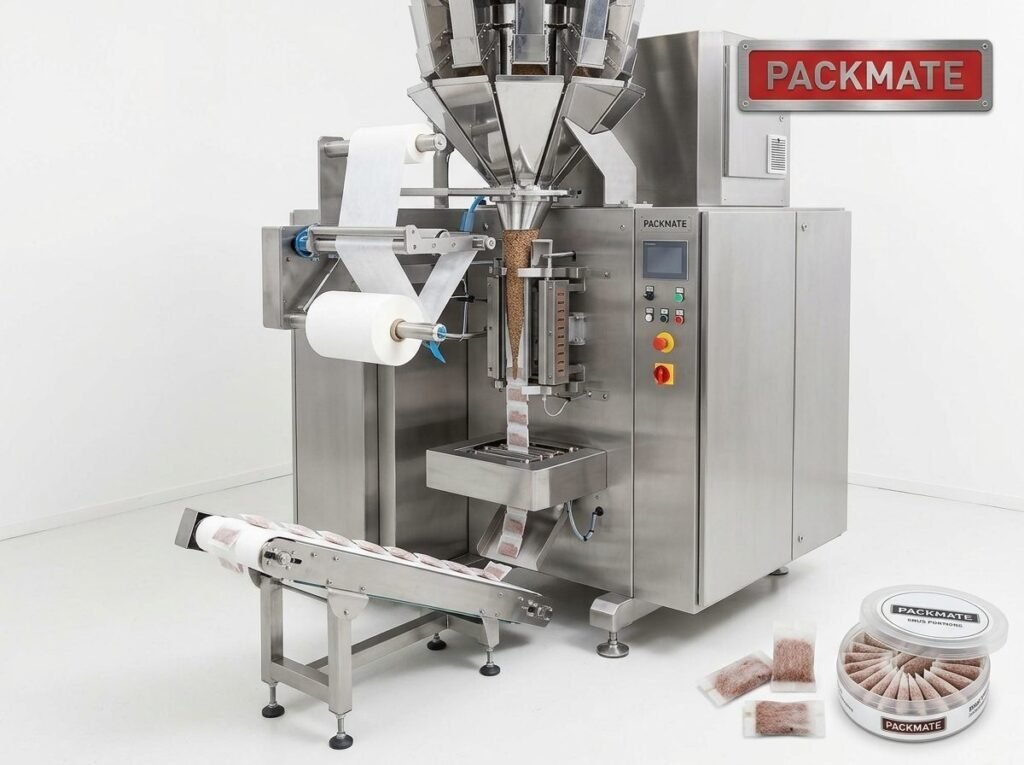
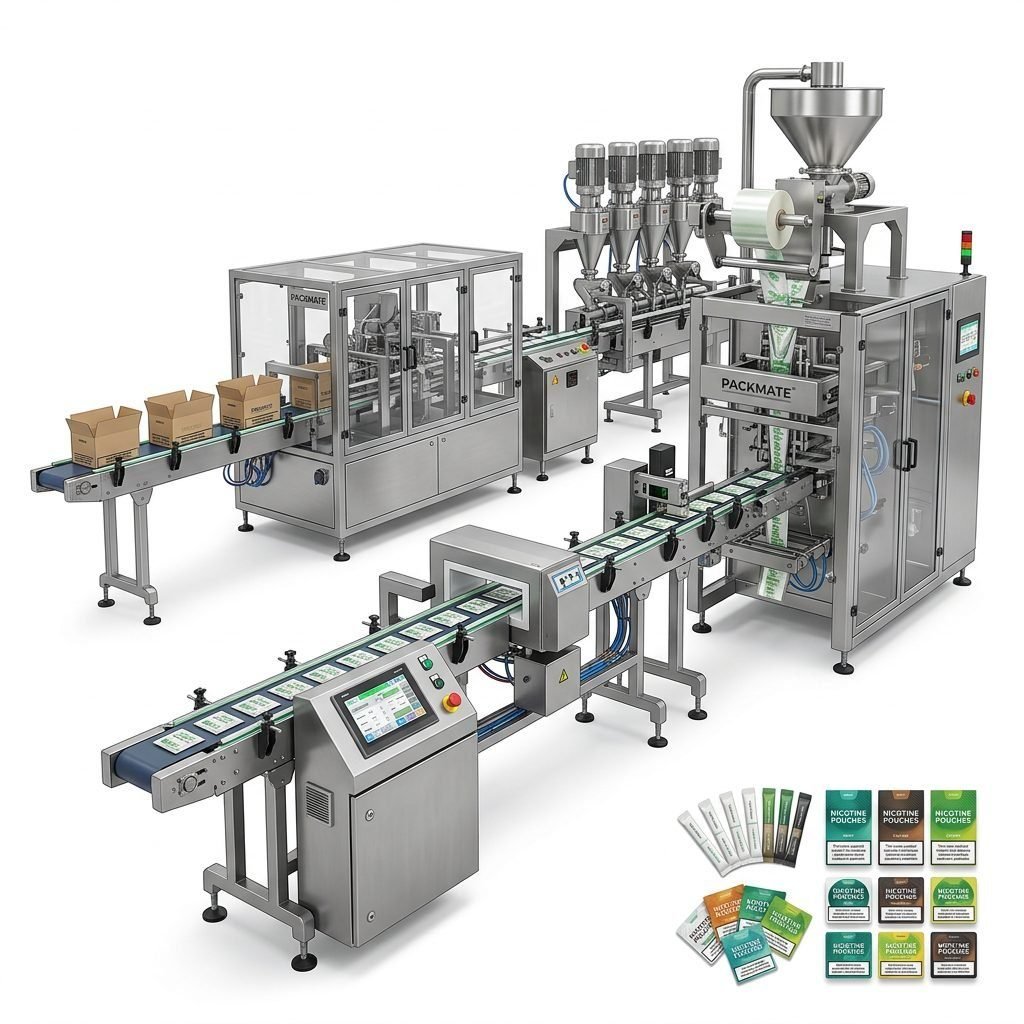
Choosing the right nicotine packaging machinery supplier in Pakistan is a strategic decision that affects production efficiency, product quality, regulatory compliance, and long-term costs. For companies entering or expanding in the Pakistani market—whether producing nicotine pouches, snus, or related sachet products—understanding technical capabilities, after-sales support, and local business practices is essential. This guide walks you through a practical, step-by-step process to pick the best supplier for your business needs, with actionable tips tailored to Pakistan’s market realities.
Understand Your Production Needs
Start by clarifying your product specifications and expected volumes. Are you producing small single-dose nicotine pouches, multi-lane sachets, stick packs, or a mix of formats? Do you plan to scale quickly or remain a small-batch producer? Your answers determine the machine class you need — from compact single-lane systems to high-speed multi-lane lines.
Key checklist: expected daily output, pouch dimensions, fill materials (powder, granular, liquid), package material (foil, laminate, paper), and target automation level (manual feeding vs. full turnkey lines).
Consider Pakistan-Specific Factors
Pakistan has its own business rhythms and regulatory environment. When choosing a supplier, consider:
- Import duties and lead times for machinery — plan for customs clearance and local taxes.
- Local electrical standards (230V, 50Hz) and site infrastructure — confirm machine compatibility or converter requirements.
- Language and communication — English is widely used in business, but being mindful of Urdu-speaking technicians or operators helps during training.
- Cultural sensitivities — nicotine and tobacco-related products may need careful market positioning in predominantly Muslim communities; always ensure compliance with local regulations and advertising restrictions.
Evaluate Technical Capabilities and Product Range
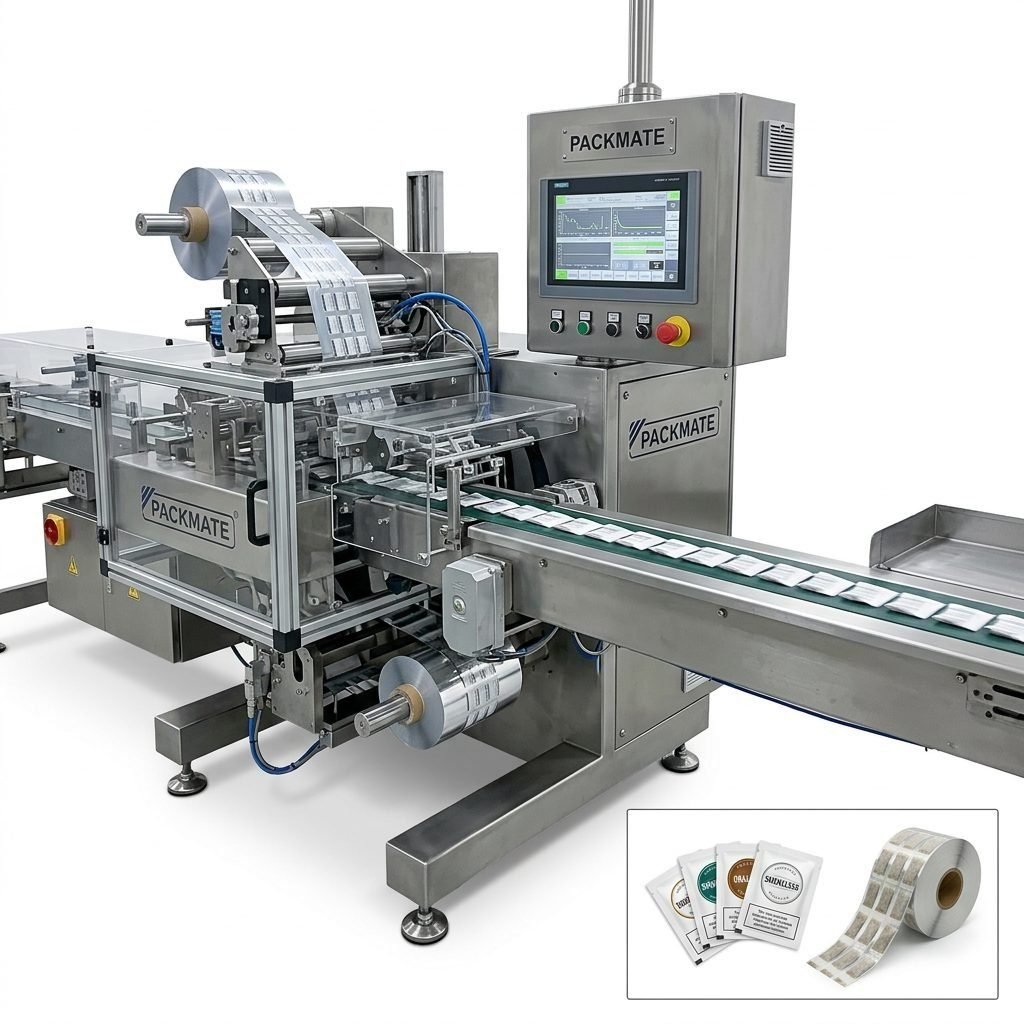
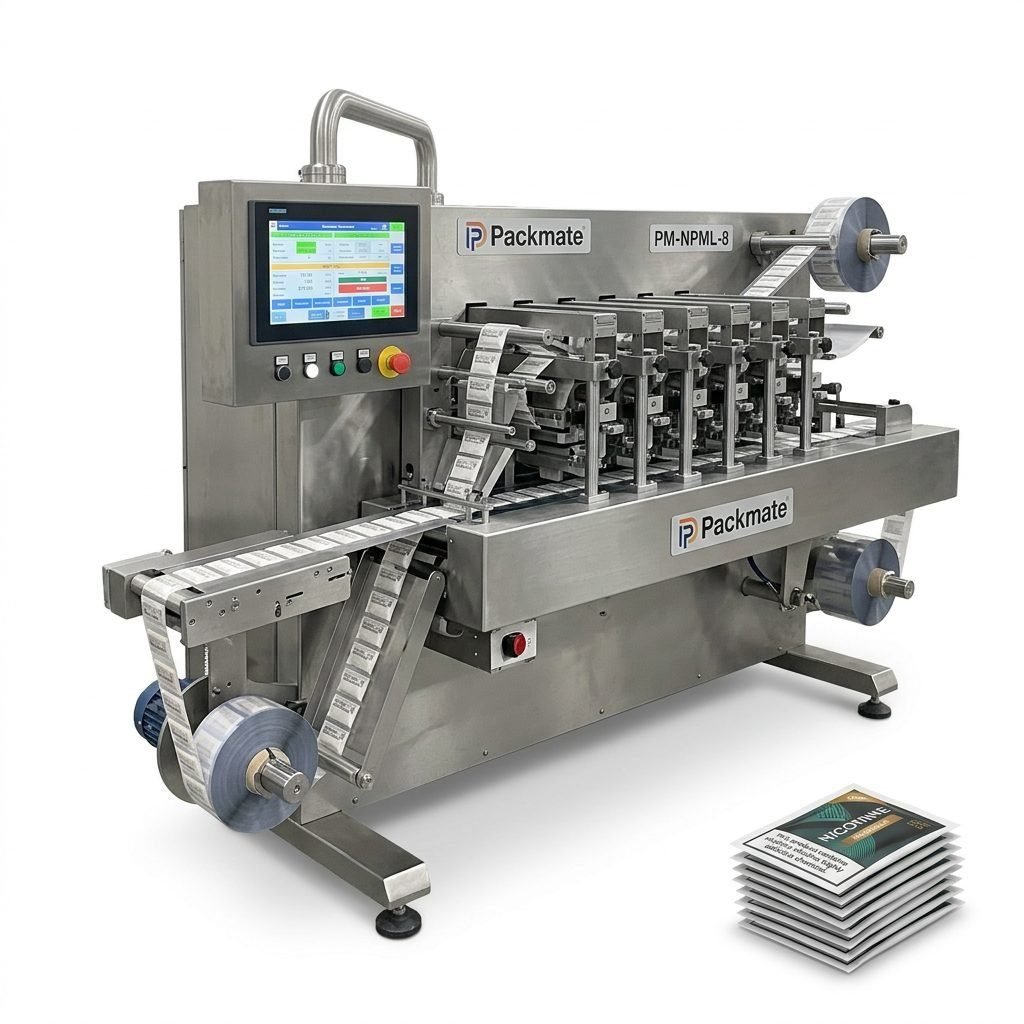
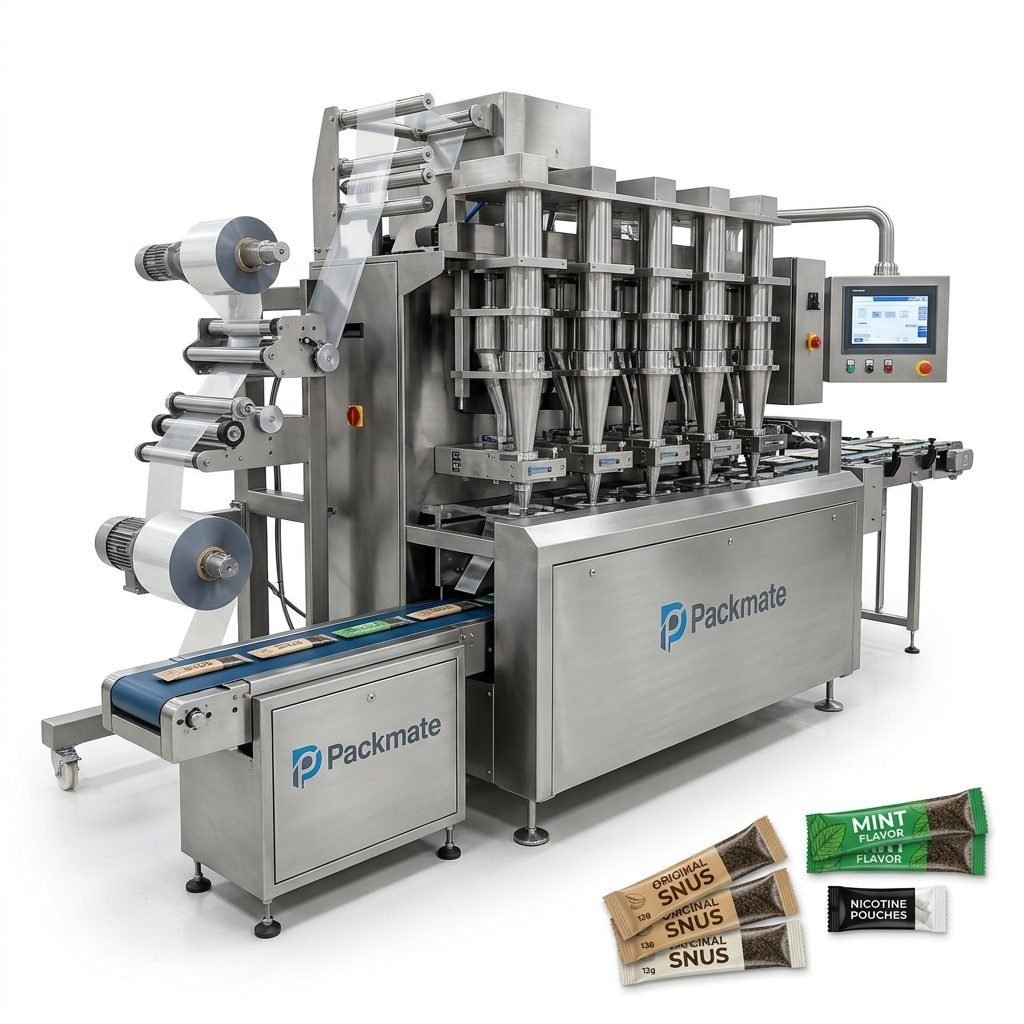
A strong supplier offers a broad product lineup and proven engineering. Look for manufacturers with multiple machine models and configurable options so you can upgrade or customize as your business grows. Suppliers that specialize in snus and nicotine pouch packaging often have optimized solutions for small-dose accuracy and multi-lane throughput.
Explore product pages and technical specifications for machine precision, speed (pouches per minute), lane counts, and the types of filling systems available. For example, companies focused on snus packaging typically provide stick pack, sachet, and multi-lane pouch systems optimized for low-dose, high-accuracy applications.
Why specialized machinery matters
Specialized snus and nicotine packaging equipment addresses small-dose consistency, powder dust control, and contamination prevention—features that generic pouch machines may not fully support. Investing in the right type of machine reduces waste, ensures uniform product weight, and improves consumer confidence.
Tip: Review the supplier’s product pages such as Snus & Nicotine Packaging Machines and Sachet & Stick Pack Machines to match their offerings with your technical needs.
Assess Manufacturing Strength and Quality Control
Manufacturing capability, assembly precision, and quality testing protocols are critical. Look for suppliers with large, well-equipped factories, CNC machining centers, and dedicated assembly lines. These facilities suggest better consistency and faster turnaround on spare parts and customizations.
Ask for evidence of factory capabilities: photos of production lines, CNC machines, quality testing records, and factory certifications. Suppliers with decades of experience often have refined processes that reduce variability and improve equipment durability.
What to request
Request: factory overview, list of models available (50+ models is a strong sign), machine testing videos, and details about spare parts inventory and lead times. If possible, ask for a virtual factory tour or an on-site visit.
Check Certifications and Compliance
International certifications like CE and ISO show commitment to safety and quality. For exports to Pakistan, ensure the supplier understands export documentation and any necessary machine safety or electrical certification for your local market.
Compliance with food or pharmaceutical machinery standards (if your product falls under those categories) is essential. A reputable supplier will readily share certificates and testing documentation.
Evaluate After-Sales Service and Local Support
After-sales support can make or break your production uptime. Prioritize suppliers that provide:
- Remote support and timely spare parts delivery
- On-site installation and commissioning assistance
- Operator and maintenance training tailored for local staff
- Long-term technical support agreements
Important: Confirm whether the supplier can dispatch engineers to Pakistan for installation and training, or if they offer detailed virtual commissioning and troubleshooting guides.
Review Global References and Case Studies
Suppliers with international clients and exhibition presence indicate reliability and market acceptance. Request case studies or references from similar industries—especially those that operate in South Asia, the Middle East, or regions with similar regulatory environments.
Check the supplier’s exhibition records and project portfolio to verify real-world performance. For example, reviewing their case studies and exhibition appearances can help you better understand their market footprint.
Compare Total Cost of Ownership, Not Just Price
The cheapest machine upfront may cost more over time due to inefficiency, downtime, or expensive spare parts. When comparing suppliers, evaluate:
- Energy consumption and spare parts cost
- Expected MTBF (mean time between failures) and warranty coverage
- Training and documentation quality
- Potential retrofits or upgrades
A supplier who offers turnkey lines and helps optimize the full production workflow often reduces long-term operating costs and improves product consistency.
Negotiate Contracts and Service-Level Agreements
Contracts should clearly outline delivery timelines, acceptance tests, warranty terms, spare parts lead times, and service response time. For export to Pakistan, include clauses about customs clearance support, required documents, and training responsibilities.
Negotiation points: on-site commissioning, local training sessions, minimum spare parts stock, and escalation matrix for urgent breakdowns.
Factory Acceptance Testing (FAT) and Site Acceptance Testing (SAT)
FAT is critical: witness machine performance in the supplier’s factory before shipment. Ensure FAT covers production speed, filling accuracy, sealing integrity, and multi-lane synchronization. After installation in Pakistan, SAT verifies performance under real operating conditions.
For overseas purchases, insist on recorded FAT sessions or live video demonstrations if you cannot attend in person.
Leverage a Trusted Supplier with Proven Track Record
Suppliers with decades of focused experience in snus and nicotine pouch equipment bring invaluable know-how. Companies that have evolved from small R&D shops into modern factories often combine engineering depth with reliable manufacturing execution.
For example, a manufacturer with 30+ years of experience, a 20,000㎡ factory, and a broad machine portfolio is usually capable of delivering turnkey packaging solutions tailored to evolving market needs. Explore the supplier’s background via their About page and review their exhibition presence to assess market credibility.
Selecting a Local Partner or Distributor
A local partner or distributor in Pakistan can assist with customs, spare parts inventory, and rapid service response. If the manufacturer lacks a local office, inquire about authorized service partners or whether they maintain local spare stock.
Make the Decision and Plan for Scale
Once you’ve validated technical fit, manufacturing strength, compliance, and support, plan your procurement and scale path. Consider a phased approach: start with a reliable base machine and add lanes or automation accessories as demand grows.
If you need comprehensive packaging solutions beyond snus machines, explore integrated systems like weighing & packaging lines or auxiliary equipment to build a complete production line.
Resource links: For machine types and line options, review Weighing & Packaging Systems and Filling & Packaging Lines.
Final Practical Checklist Before Purchase
– Confirm machine compatibility with local power and site layout.
– Verify FAT documentation and agree on SAT criteria.
– Ensure warranty, spare parts terms, and service response times are clearly defined.
– Plan operator training and maintenance schedules.
– Prepare customs and import paperwork well in advance.
Ready to Connect
When you’re ready to request proposals or technical drawings, reach out to the supplier’s contact channels to start a detailed discussion about customization, timelines, and costing. A proactive supplier will respond with clear next steps, sample machine configurations, and a proposed timeline for delivery and commissioning.
For more information on service offerings, certifications, or to view catalogs, visit the supplier’s Service and Catalog pages, or use their Contact Us page to request a quotation.
FAQs
Q1: How do I verify a supplier’s machine performance before purchase?
Witness a Factory Acceptance Test (FAT) in person or request a live video FAT showing machine speed, weight accuracy, sealing checks, and multi-lane synchronization. Get test records and sample pouches as proof.
Q2: What after-sales support should I expect for machines shipped to Pakistan?
Expect remote technical support, spare parts availability, optional on-site commissioning, and operator training. Confirm spare parts lead time and warranty coverage in writing before purchase.
Q3: Are nicotine pouch machines regulated differently in Pakistan?
Regulations can vary; it’s essential to consult local regulatory authorities and legal counsel. Be mindful of advertising restrictions and packaging laws that could affect market entry.
Q4: Can I expand a single-lane machine to multi-lane later?
Many reputable manufacturers design modular systems that can be upgraded. Discuss upgrade paths, required parts, and expected conversion costs during contract negotiations.
Q5: Where can I find product and technical details?
Visit official product pages for detailed specifications: Snus & Nicotine Packaging Machines, or review other machine categories and case studies for real-world examples.