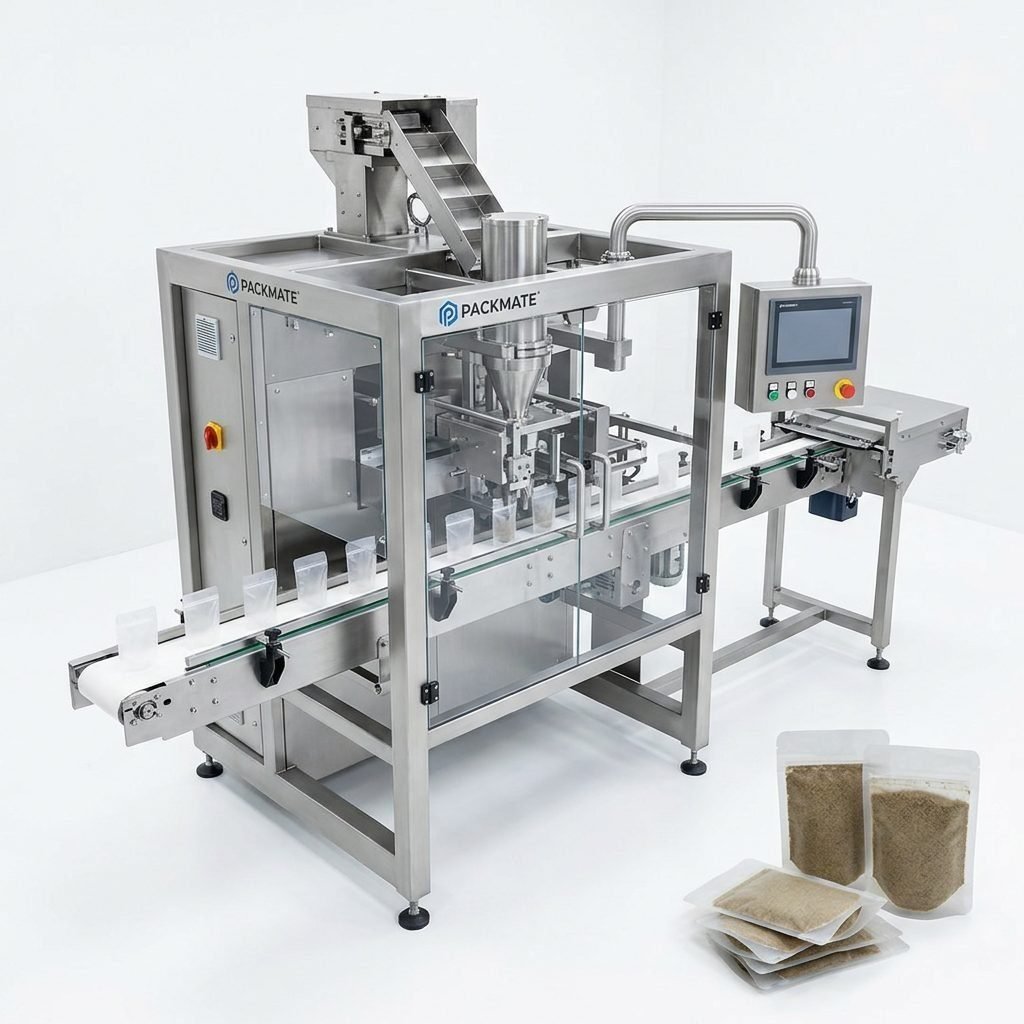
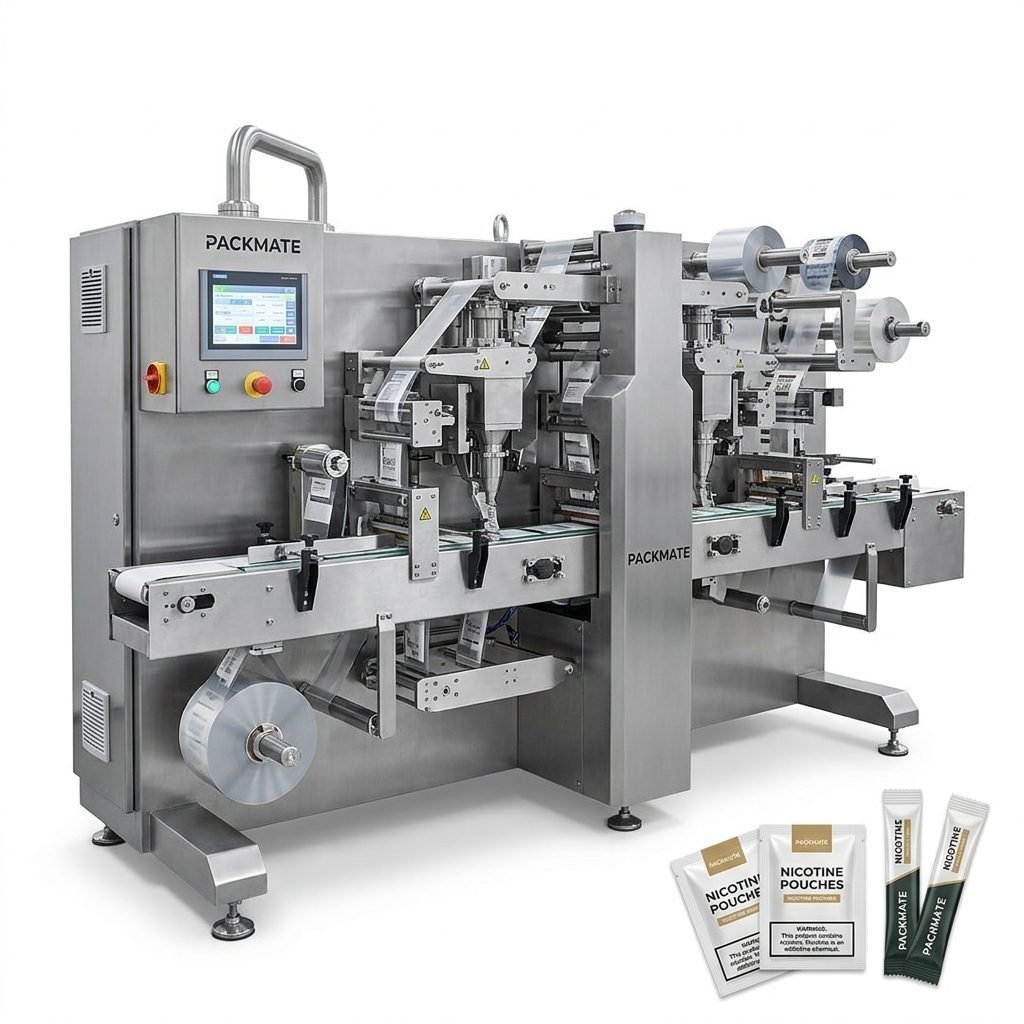
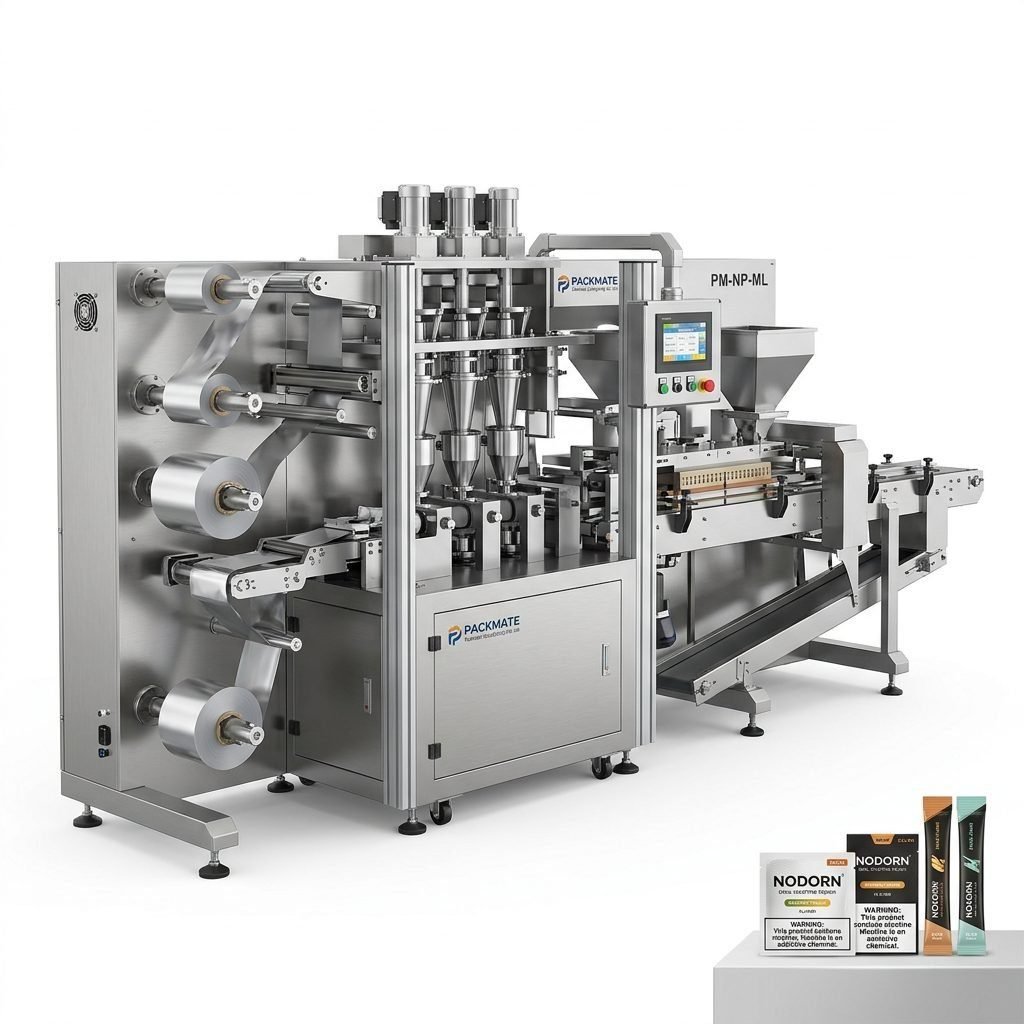
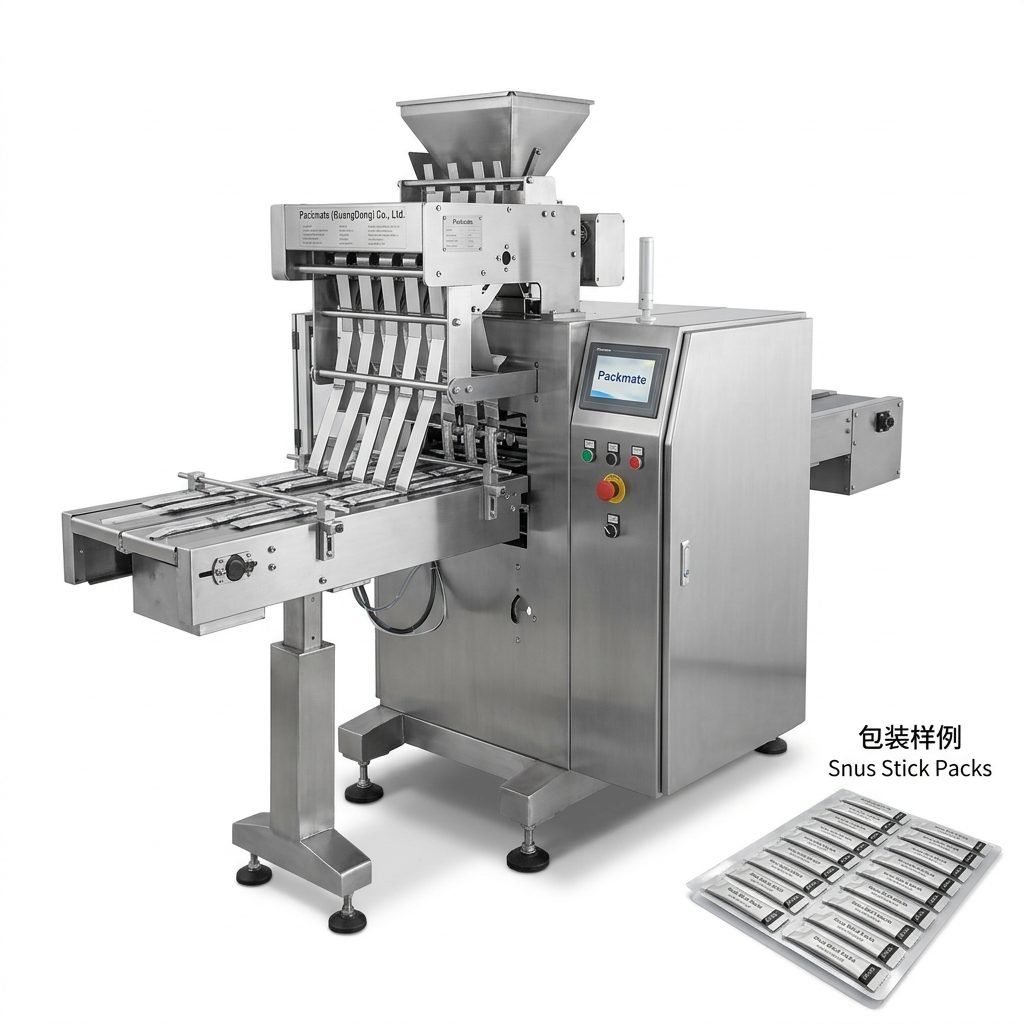
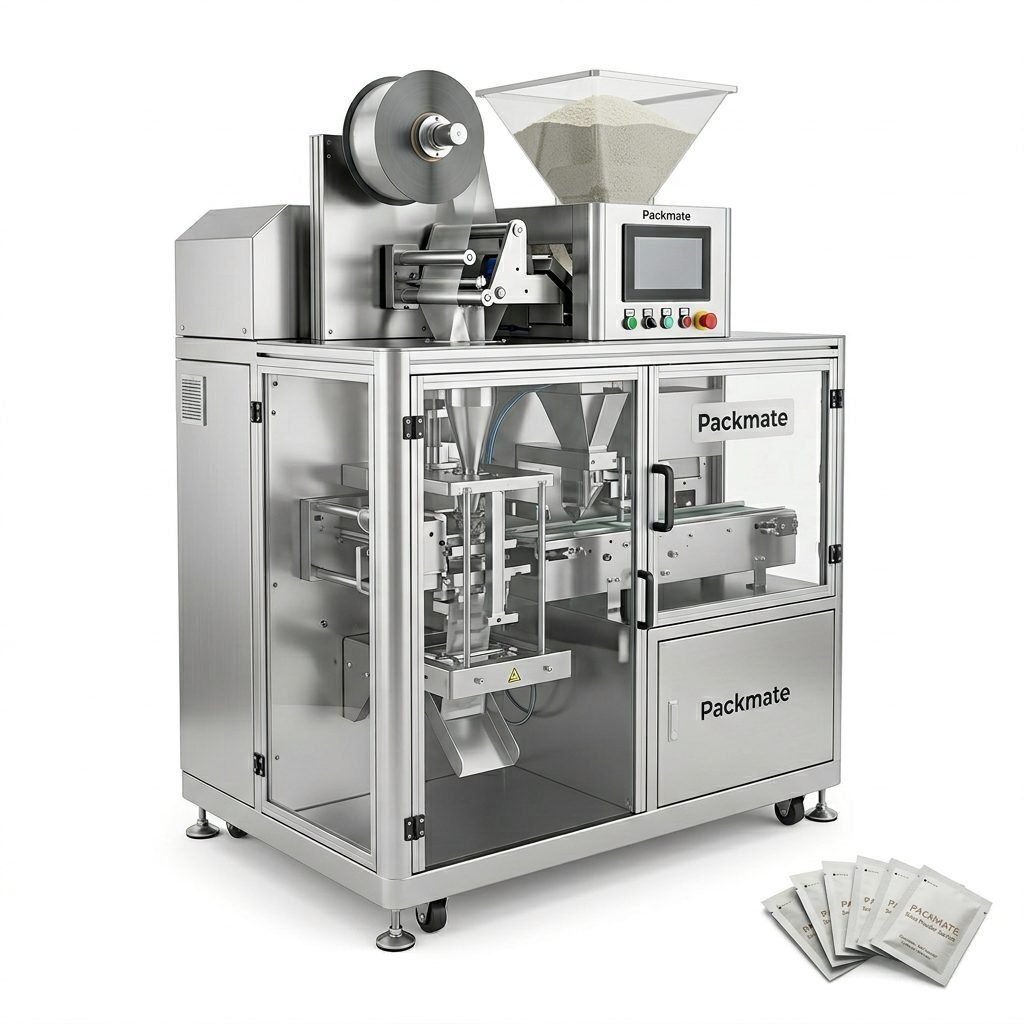
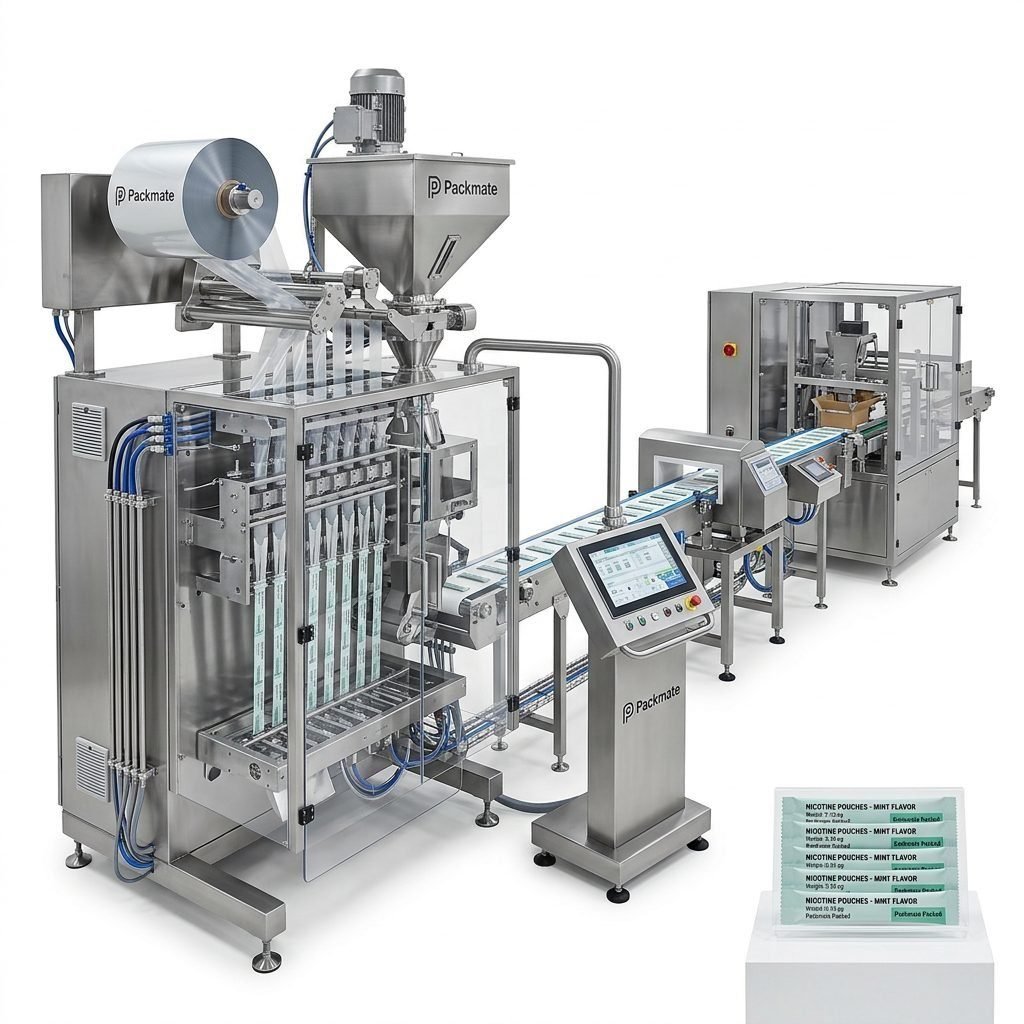
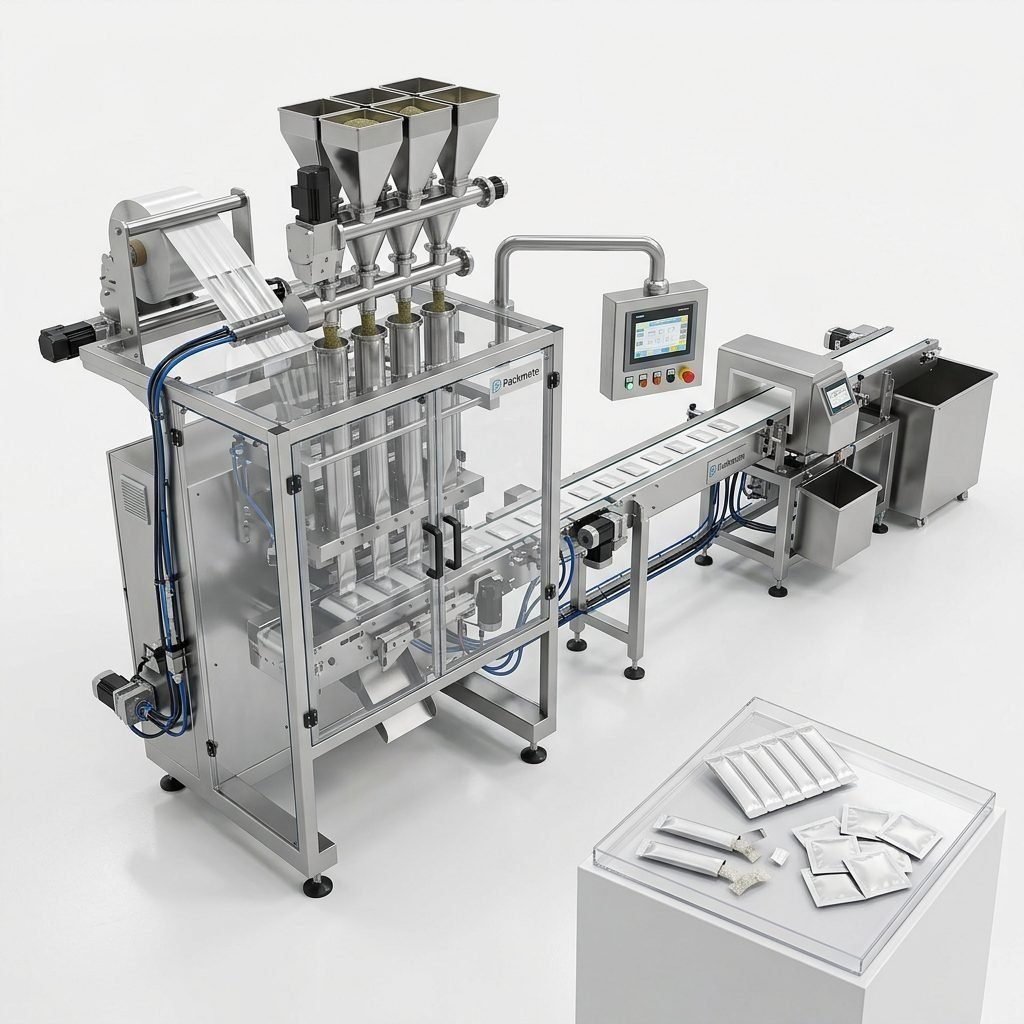
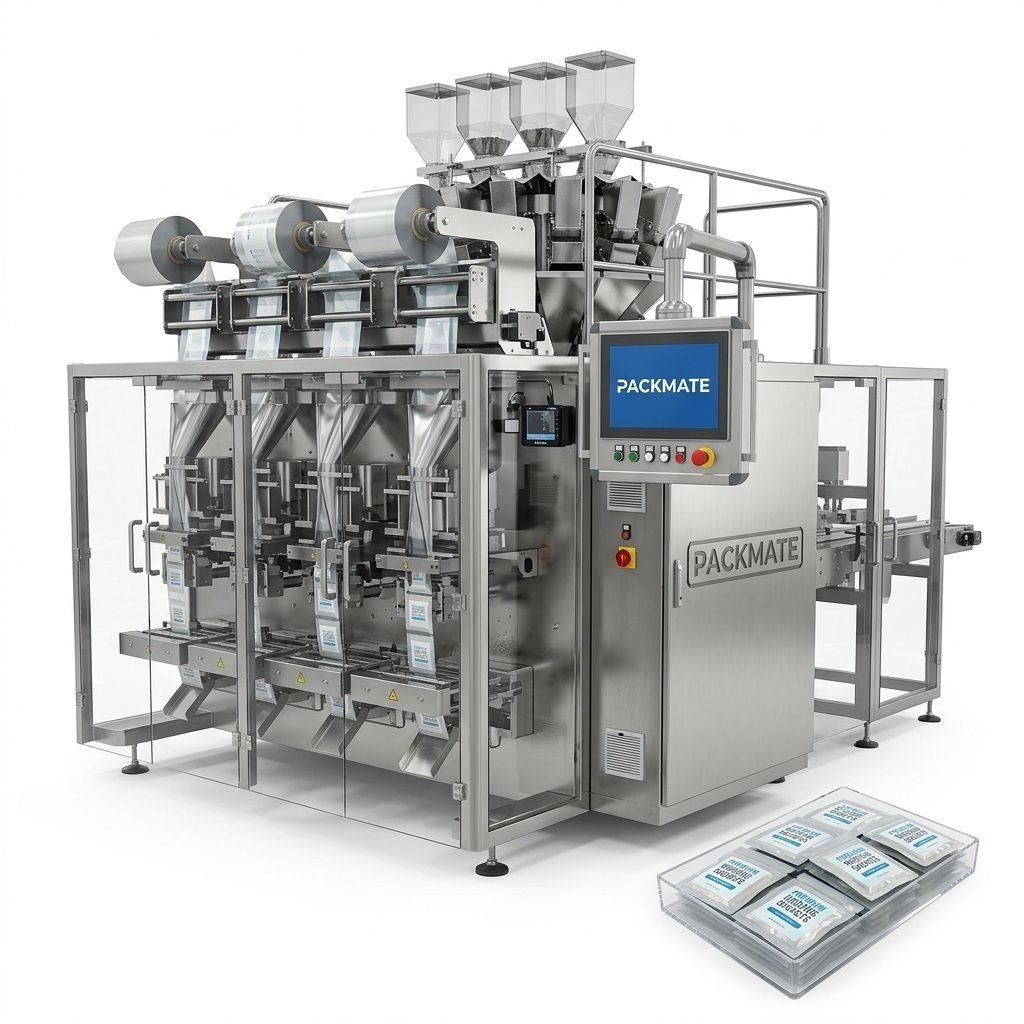
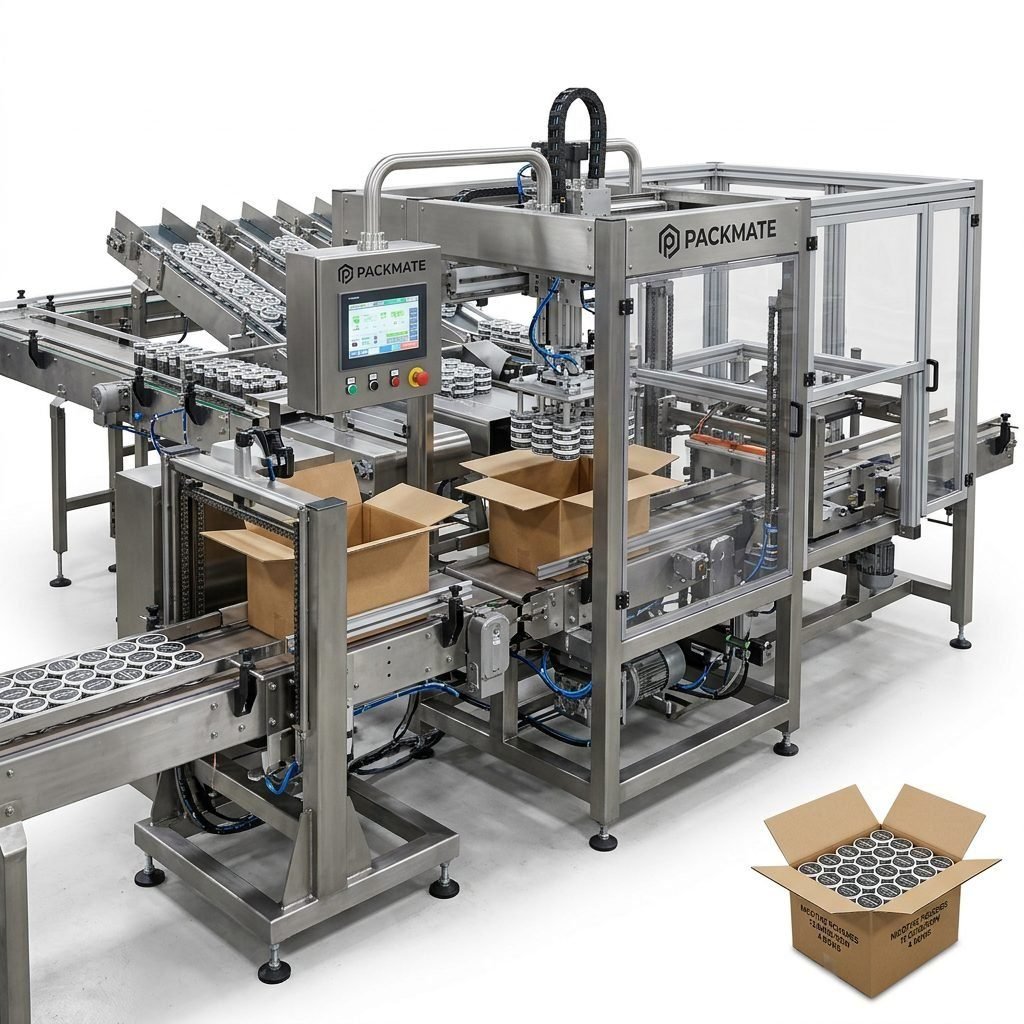
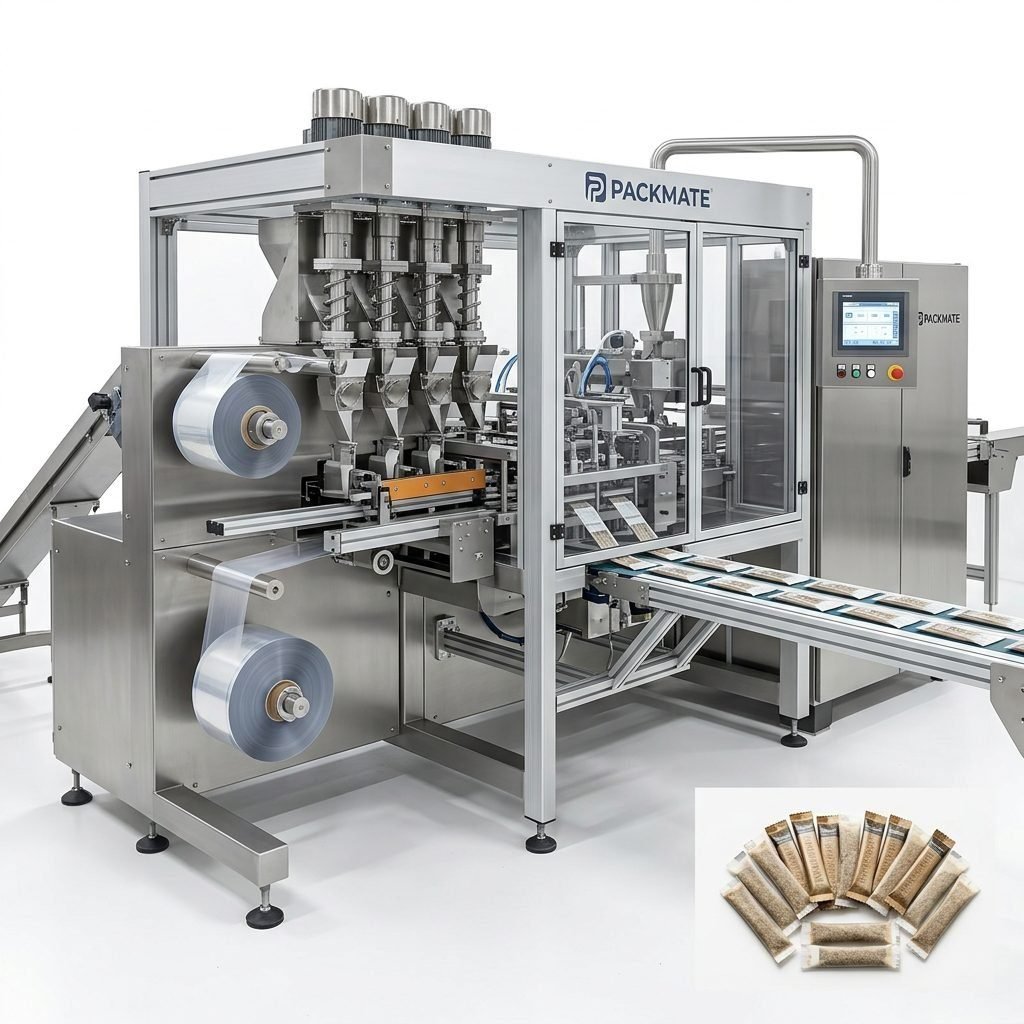
Choosing the right packaging machine manufacturer is a critical decision for any nicotine pouch or snus business in Liberia. The right partner affects product quality, production uptime, regulatory compliance, and long-term costs. This guide helps you evaluate manufacturers, understand technical and commercial factors, and select a supplier who will support your growth with reliable snus and nicotine pouch packaging solutions.
Why the Manufacturer Choice Matters
A packaging machine is more than equipment — it’s a production backbone. Machine stability, accuracy, and service response determine your product consistency and operating cost. For nicotine pouches, where portion size and seal integrity are essential, selecting a manufacturer with proven experience in snus and nicotine packaging minimizes risk.
Quick reference links
Explore product families and company profile while you assess suppliers:
Snus & Nicotine Packaging Machines •
Bag & Pouch Packaging Machines •
About Packmate •
Case Studies
Define Your Production Requirements
Before contacting manufacturers, map out your product and capacity needs: target daily output, pouch format (single-dose sachet, stick pack, multi-lane pouches), material types (film, foil laminates), and required fill types (powder, granule, liquid). Clarity on these points helps suppliers propose the right machine model and avoid costly misalignments.
Key production questions to answer
• What is your target pieces per minute and daily throughput?
• Will you run multiple formulas or pouch sizes on the same line?
• Do you need multi-lane capability for small-dose pouches?
• What are your packaging material specifications (thickness, sealant)?
• Are secondary processes required (cartoning, case packing)?
✔️
Tip: For nicotine pouches, multi-lane systems designed for small-dose accuracy can boost output without increasing footprint. Look for suppliers who list specific models for snus and nicotine packaging.
Technical Features to Evaluate
Evaluate machines on engineering fundamentals: mechanical stability, control systems, dosing accuracy, and ease of changeover. Prioritize features that impact product quality and uptime.
Construction and Materials
Machines built with high-grade stainless steel frames, precision machined parts, and protected drives last longer in demanding production environments. Robust construction reduces vibration and improves seal consistency — crucial for nicotine products.
Control Systems and Automation
Modern PLC and touchscreen interfaces simplify setup and diagnostics. Ask about remote monitoring, data logging, and recipe storage capabilities to accelerate troubleshooting and maintain traceability.
Dosing Accuracy & Filling Options
For powders and granules, precision feeders and weighers are essential. For liquid or paste formulations, hygienic pumps and volumetric fillers are required. Verify accuracy specs and acceptable tolerances.
Quality, Certification & Compliance
Certification demonstrates a manufacturer’s commitment to standards. Seek suppliers with CE and ISO certifications and ask for documentation. Good manufacturing practices and quality control reduce defects and improve machine reliability.
ℹ️
Factory strength to check: manufacturing area, CNC capability, assembly lines, and final test rigs. Larger, well-equipped factories are more likely to deliver consistent build quality and spare part availability.
Customization & Turnkey Solutions
Your supplier should be able to tailor equipment for your packaging format and production flow. Turnkey partners provide upstream and downstream integration — filling, weighing, sealing, labeling, and case packing — which streamlines commissioning and reduces integration risk. Review turnkey references on the supplier’s website and request similar case studies.
For example, experienced companies offer complete lines for snus and nicotine packaging. See their snus packaging solutions for reference: Snus & Nicotine Packaging Machines.
Service, Spare Parts & Training
After-sales service is often the deciding factor. Confirm availability of spare parts, warranty terms, and whether the supplier offers onsite commissioning, operator training, and maintenance training. Fast spare part shipping and remote diagnostics can significantly reduce downtime for Liberian operations.
Vendor reputation & global references
Look for suppliers with global project experience and documented case studies. A manufacturer with international exhibition records and multi-region installations demonstrates maturity in export logistics and compliance. Explore real-world cases: Customer Cases.
Commercial Considerations: Cost vs Value
Initial purchase price matters, but total cost of ownership (TCO) is more important. Consider energy consumption, spare parts pricing, expected lifetime, service response time, and production yield. A slightly higher upfront investment in a robust, precise machine often pays off through lower wastage and fewer stoppages.
⚠️
Important: Avoid selecting a supplier solely on price. Ask for a detailed quote with equipment scope, spare parts list, training, commissioning, warranty, and shipping terms.
Local Logistics & Liberia-Specific Requirements
For Liberian operations, evaluate import logistics, local customs duties, power compatibility, and staff skill levels. Confirm the supplier can support international shipping, provide electrical specifications for local grid compatibility, and offer remote or onsite training.
Consider whether the manufacturer has export experience to Africa and can provide documentation for customs clearance. A company with global turnkey experience is more likely to assist with key shipping and installation details.
Evaluating Proposals & Factory Visits
Request full proposals that include technical drawings, layout, electrical requirements, performance specs, and references. If possible, schedule a factory visit or ask for video demonstrations of the exact model running similar products. Confirm test runs and acceptance criteria prior to shipping.
Use the supplier’s factory information and credentials to validate production capability. For instance, a manufacturer operating a 20,000㎡ facility with CNC centers and precision assembly lines is likely to meet quality expectations. Learn more about such capabilities at About Packmate.
Final Selection Checklist
Use this checklist to compare manufacturers:
• Technical match — machine meets your product format and throughput.
• Quality & certificates — CE/ISO and internal QC processes.
• Factory strength — machining, assembly, and testing capability.
• Service support — spare parts, training, warranty terms, and remote diagnostics.
• Commercial clarity — itemized quote with lead time, shipping, and acceptance tests.
✅
Decision tip: Favor manufacturers that openly share machine demos, references, and production line cases. They are more likely to be transparent and reliable partners.
Getting Started: Practical Steps
1) Prepare your product specs and expected output.
2) Shortlist 3–5 manufacturers and request detailed proposals.
3) Ask for machine videos or live demos with similar formulations.
4) Verify certifications and request client references.
5) Negotiate warranty, spare parts kit, and commissioning terms.
6) Plan for operator training and preventive maintenance schedules.
If you need turnkey options — weighing, filling and packaging lines — review integrated solutions that combine filling and packaging into one reliable workflow: Filling & Packaging Lines.
Why Packmate Is an Example to Consider
Manufacturers with decades of experience, a broad machine range, and a large manufacturing facility demonstrate the capabilities you need. A company that offers specialized snus packaging machines, multi-lane small-dose lines, and global turnkey experience can smoothly transition your project from design to production. For contact and follow-up, use the supplier’s official channels to request tailored proposals: Contact Us.
Frequently Asked Questions
Q: How long is the typical lead time for snus packaging machines?
A: Lead times vary by model and customization. Standard models may ship in 8–16 weeks; turnkey and customized lines can take longer depending on design and testing requirements.
Q: What certifications should I request from a manufacturer?
A: At minimum, request CE and ISO certificates. Also ask for factory inspection reports, material certificates, and machine acceptance test records.
Q: Can manufacturers support shipping and customs for Liberia?
A: Reputable exporters assist with export documentation and advise on shipping terms. Confirm whether the supplier offers DDP (Delivered Duty Paid) or other shipping support to simplify customs clearance.
Q: Is remote commissioning and training possible?
A: Yes. Many manufacturers provide remote commissioning, virtual training, and remote diagnostics. However, onsite commissioning is recommended for complex turnkey lines.
Q: How do I compare spare parts availability?
A: Request a spare parts list and lead times for critical components. Prefer suppliers with local distributors or fast international shipping and carry a recommended starter kit for critical wear parts.