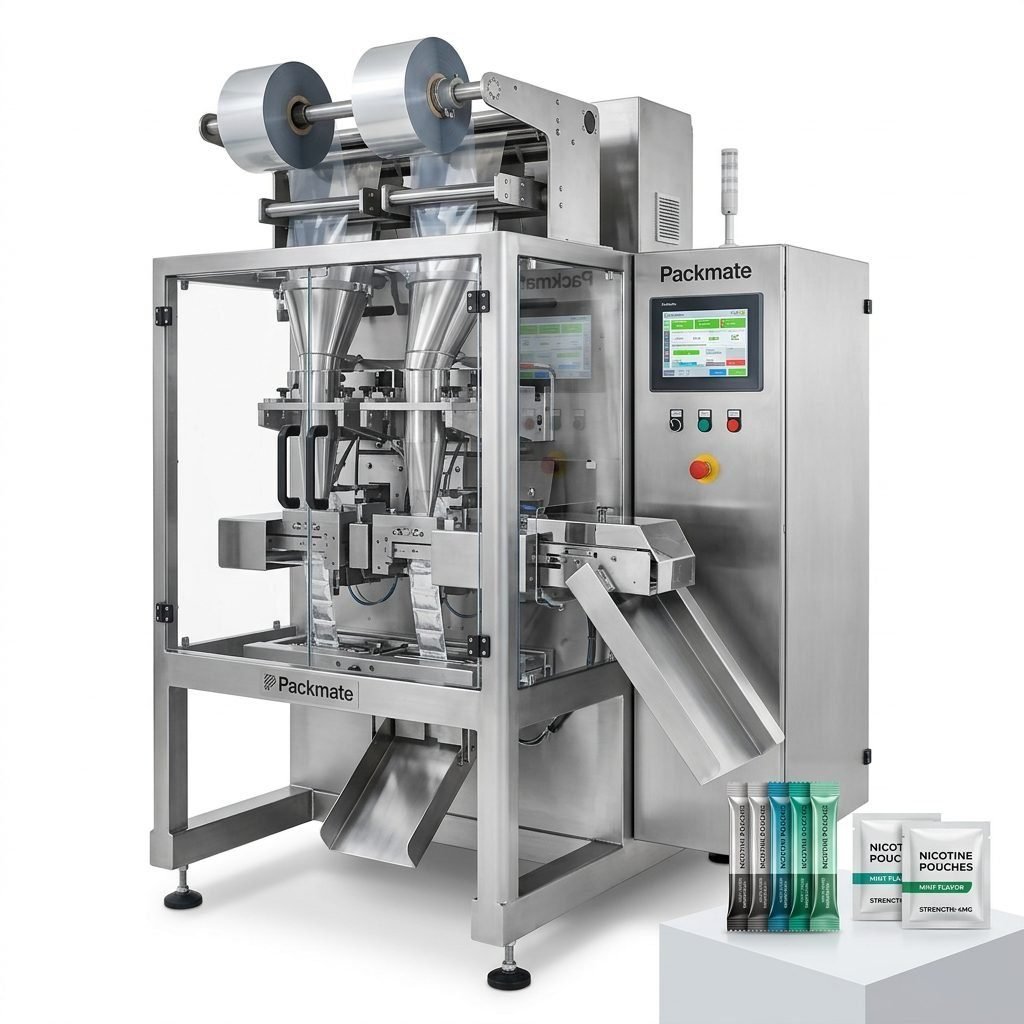
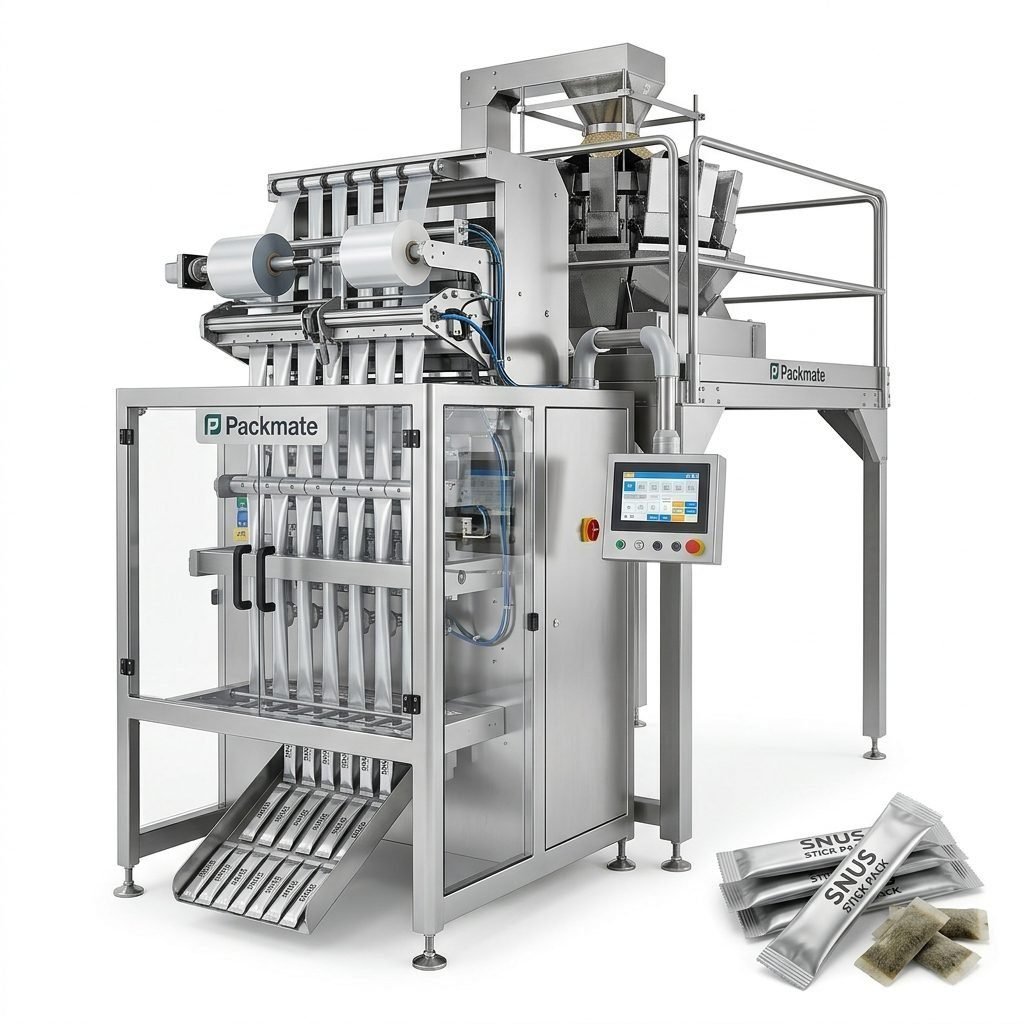
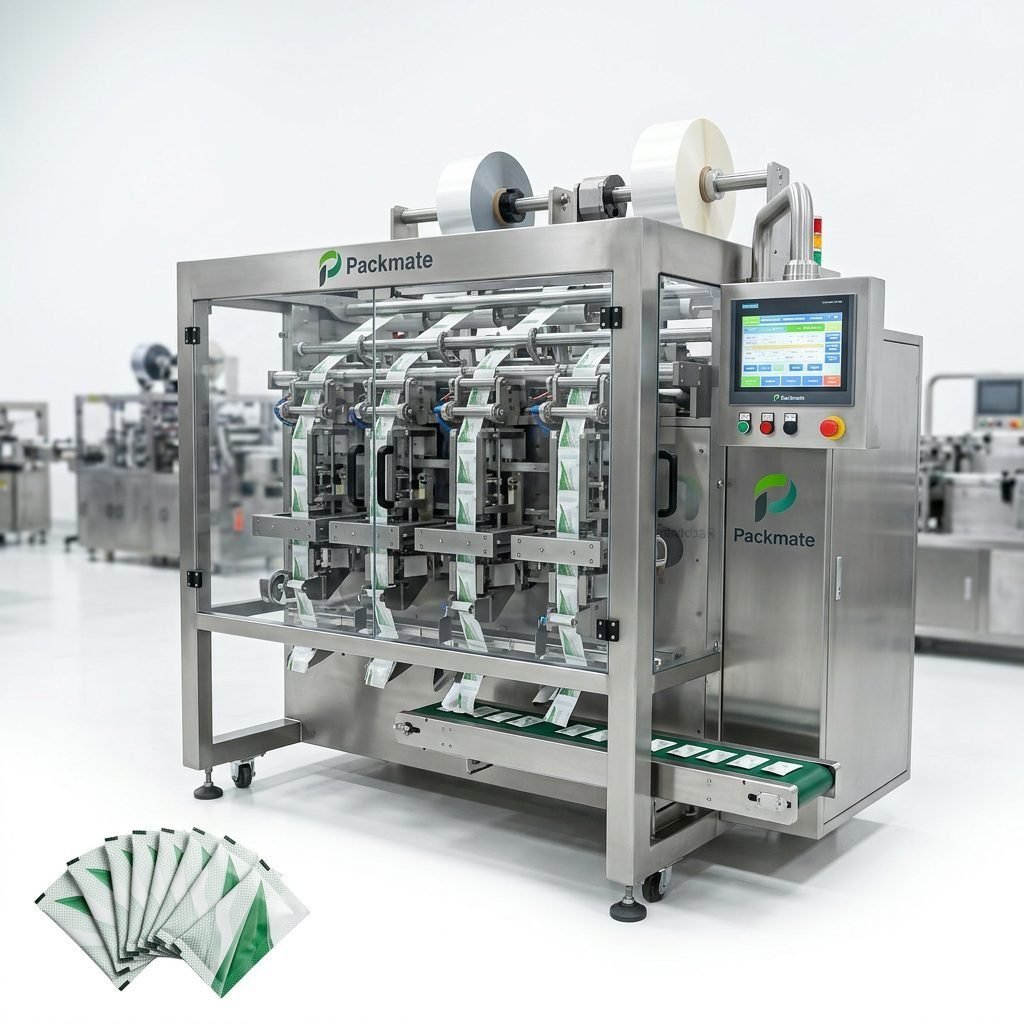
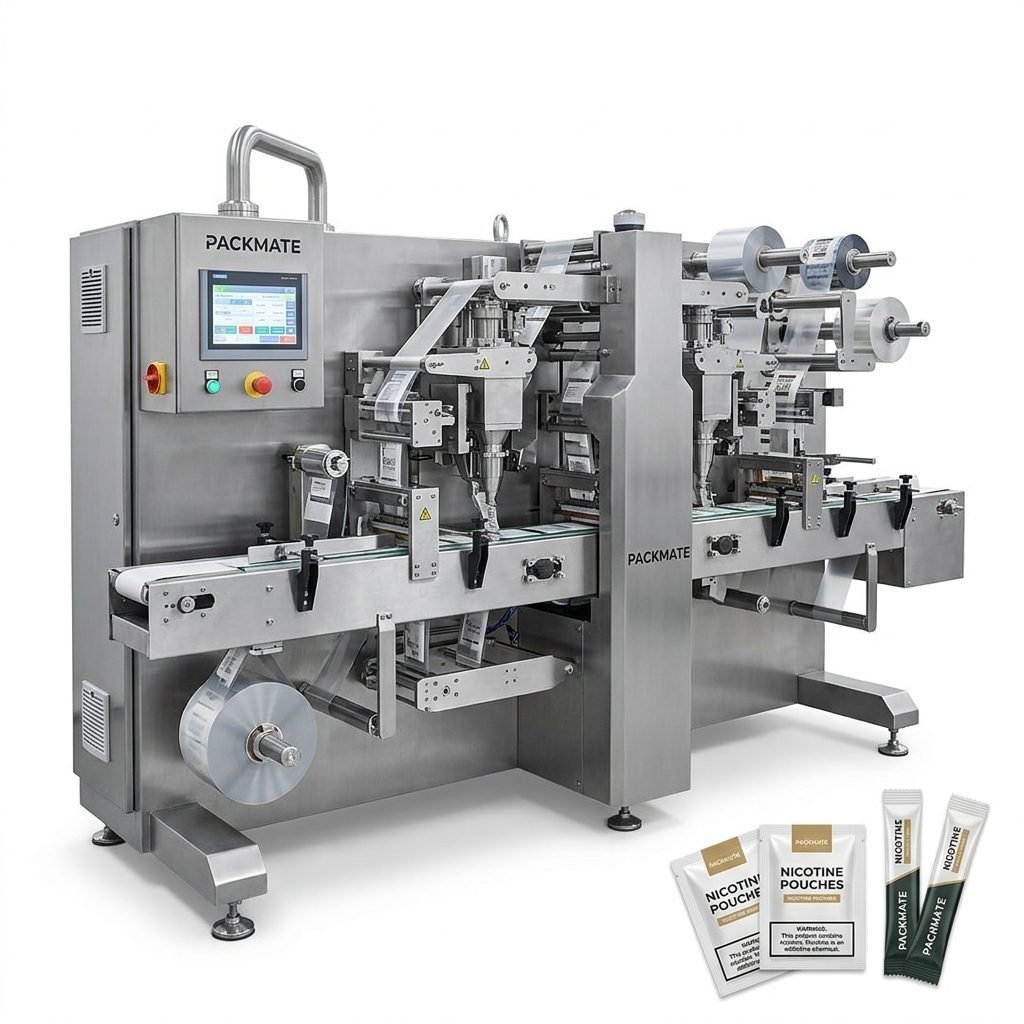
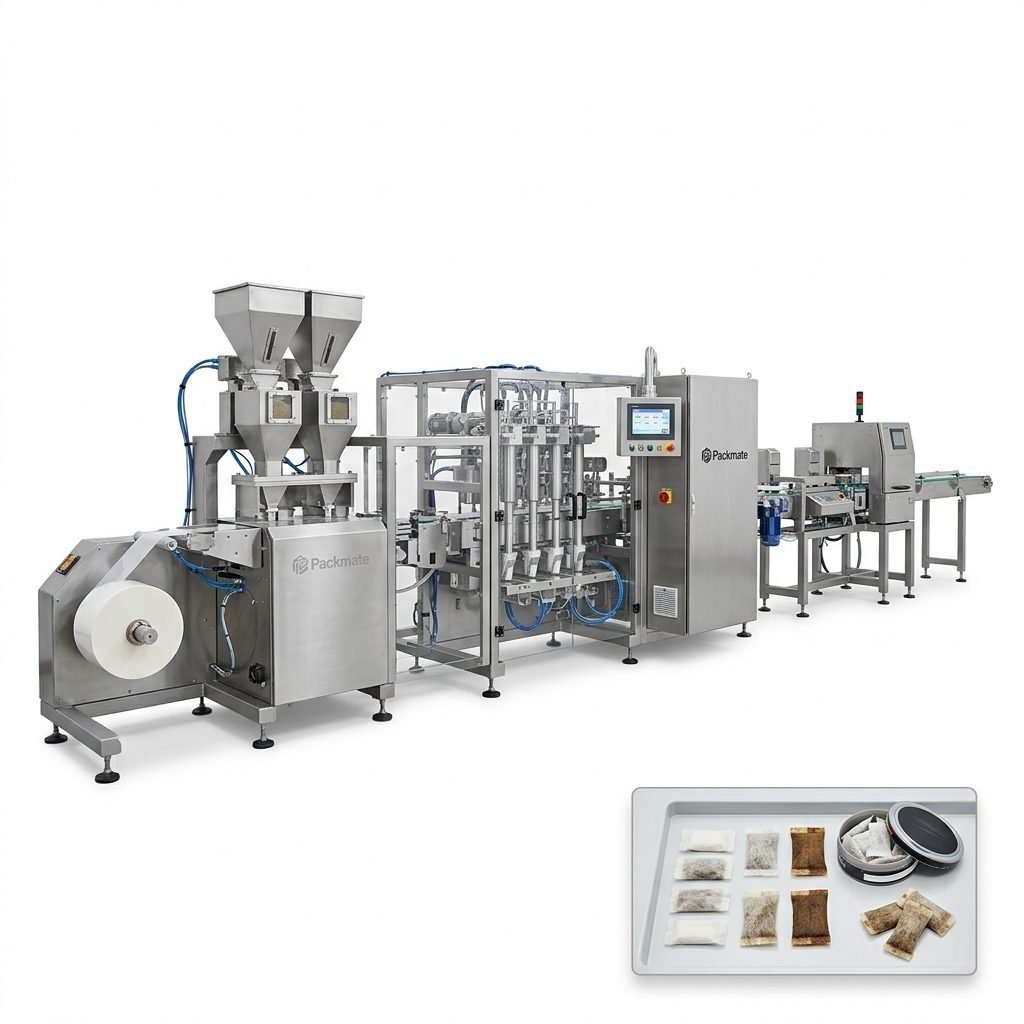
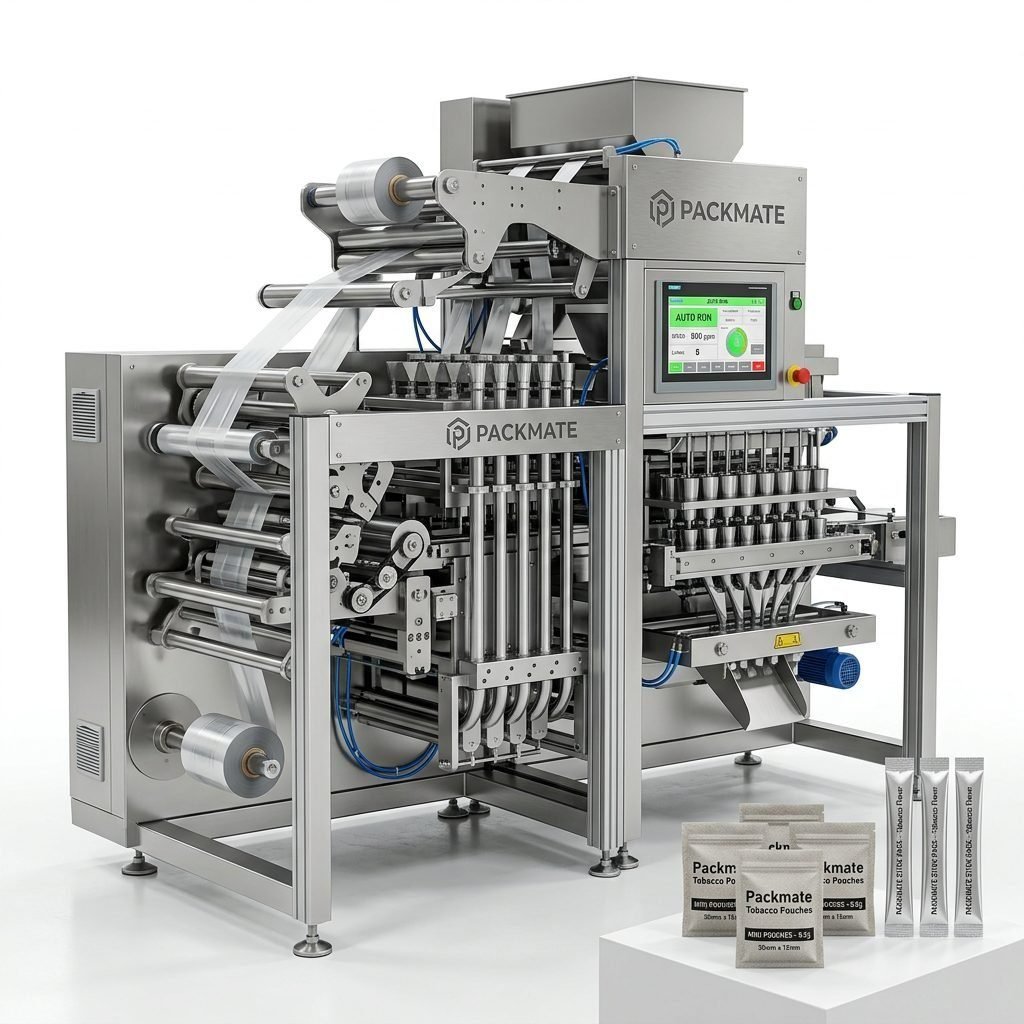
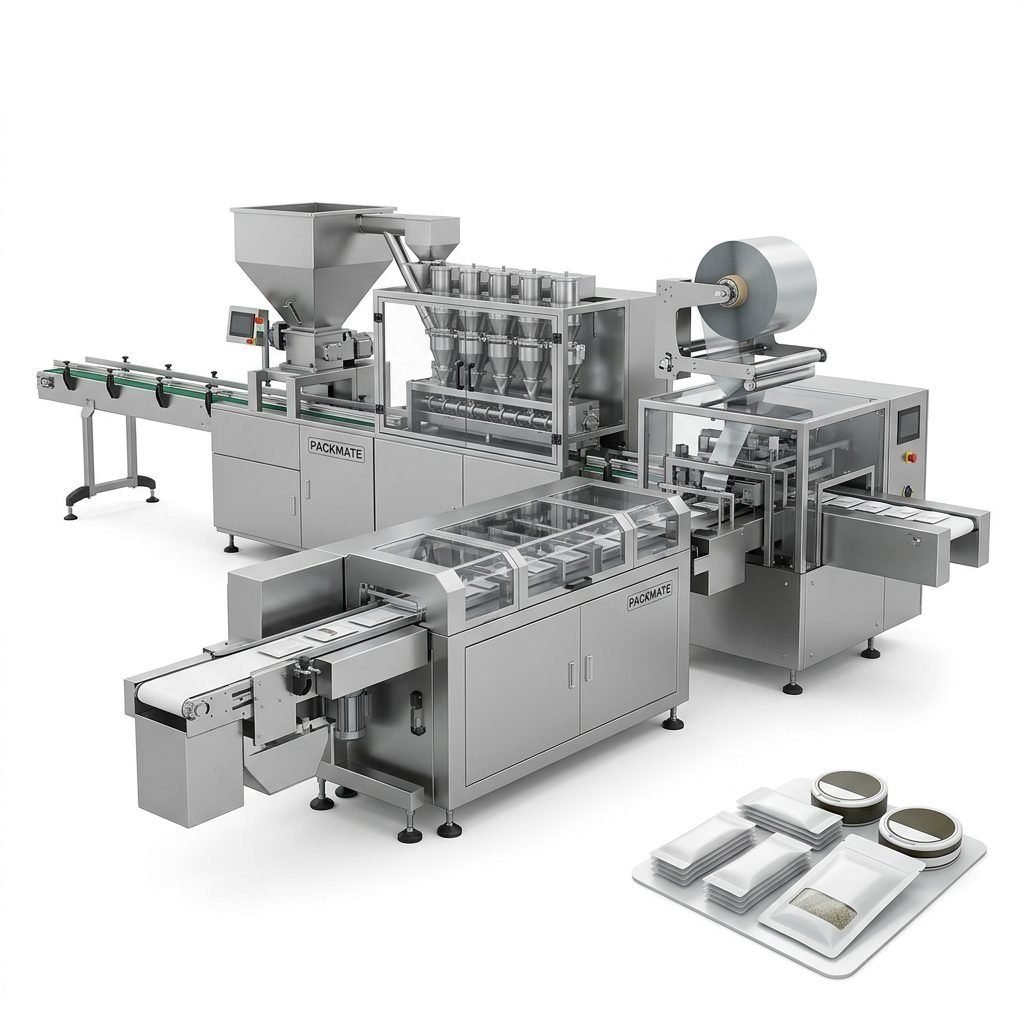
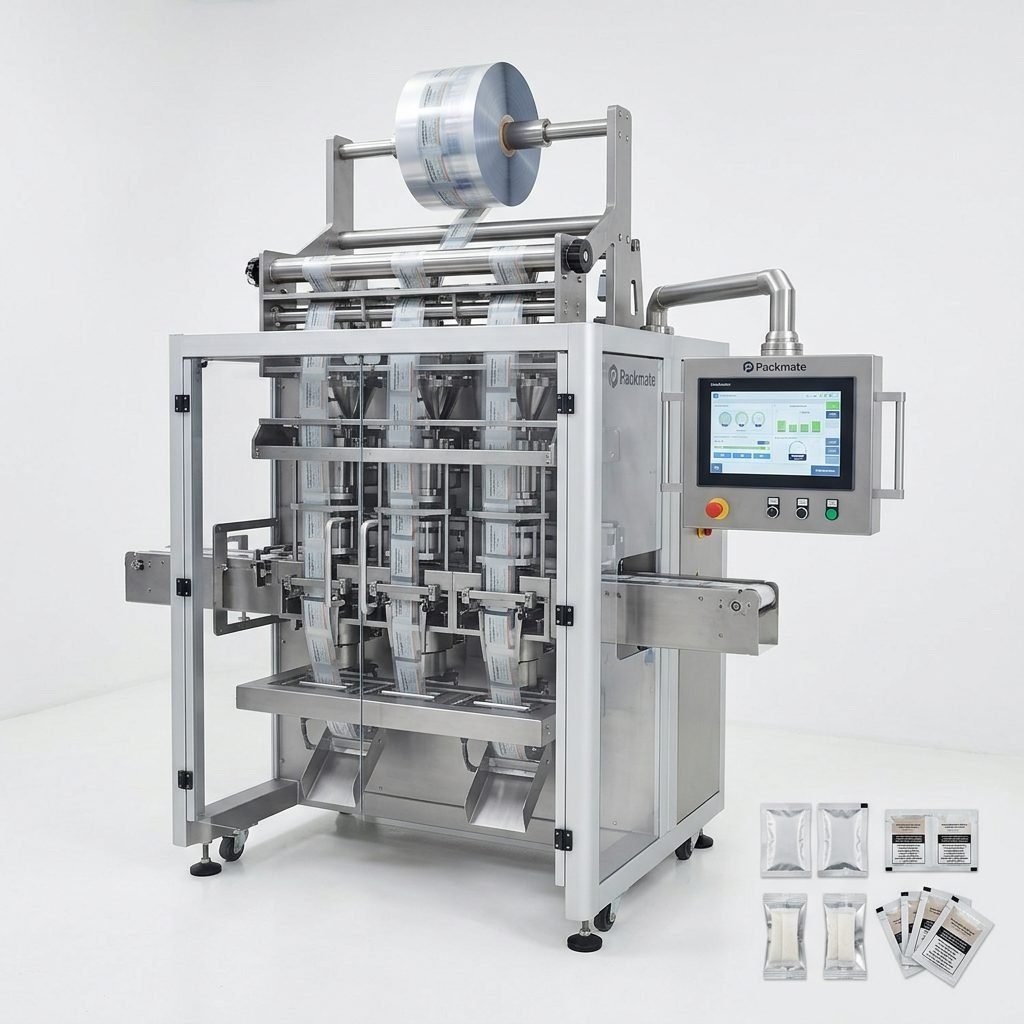
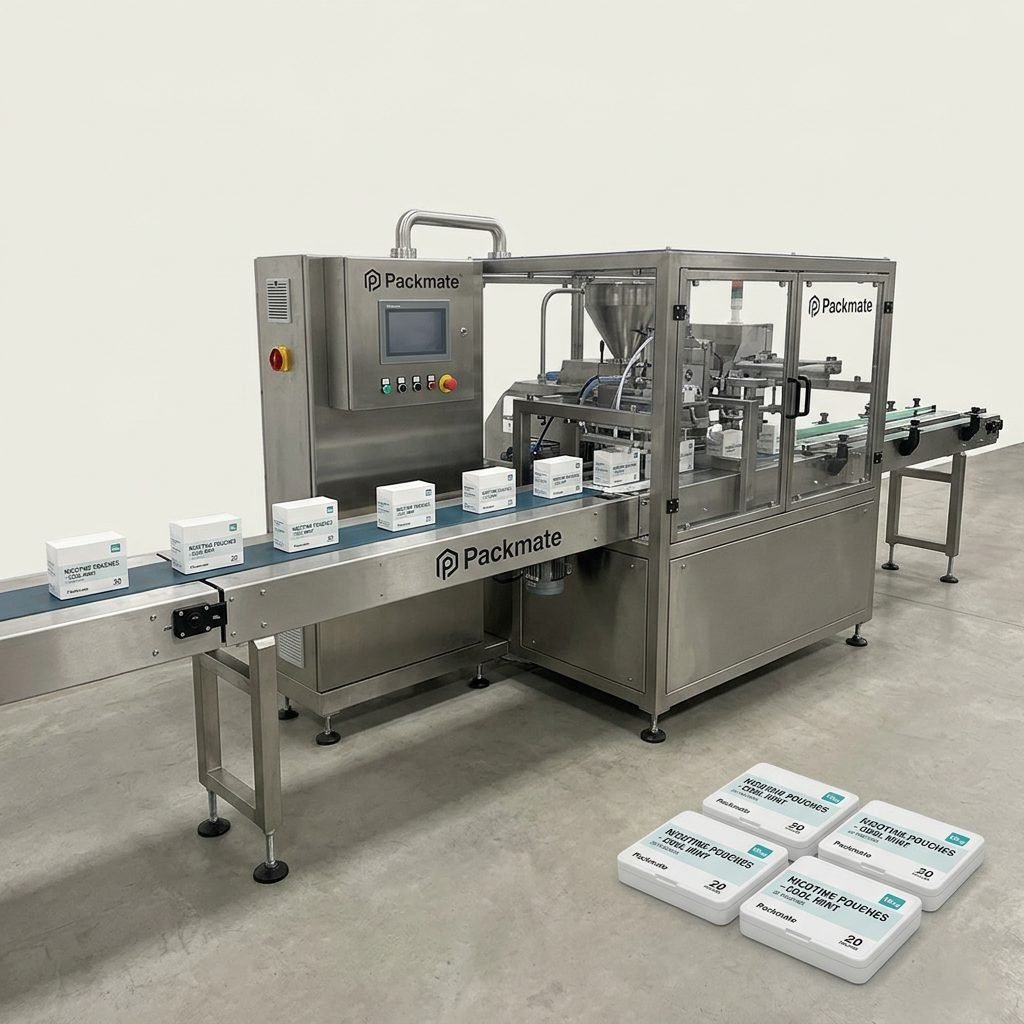
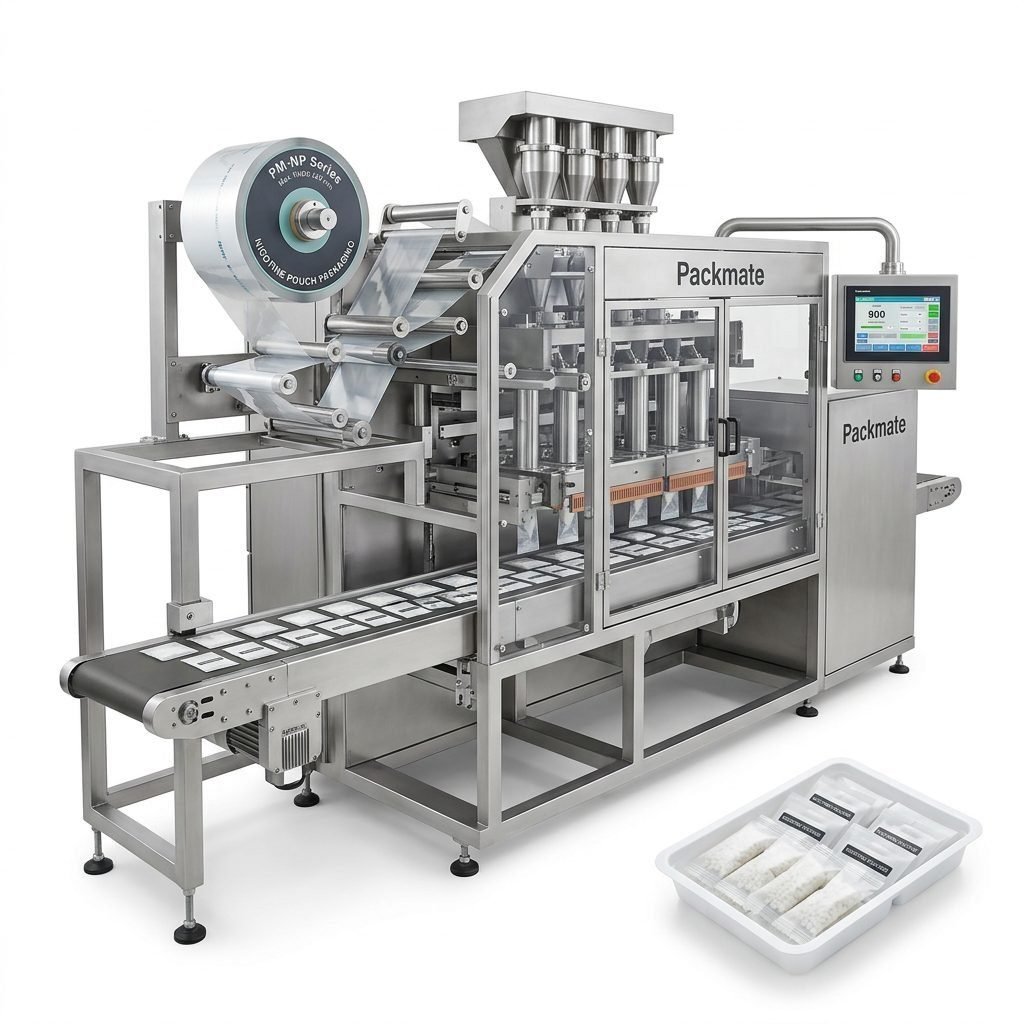
Finding a reliable snus packaging machine supplier in Eswatini requires a mix of technical understanding, local market awareness, and practical sourcing techniques. This guide walks you through step-by-step evaluation criteria, supplier checks, negotiation and logistics tips, and local considerations specific to Eswatini so you can choose a supplier who delivers quality, compliance, and long-term support.
Understand the Eswatini Market and Local Customs
Eswatini is a small, tightly-knit market where business relationships and trust are important. English and siSwati are widely used in official and business communication, so prepare technical documents and contracts in English. Import processes tend to favor clear documentation and established relationships with customs brokers. Because nicotine products and related equipment can be sensitive, emphasize transparency, local compliance, and community engagement when evaluating suppliers.
Key local factors to consider
Regulatory attention: health authorities and customs may scrutinize nicotine‑related equipment and consumables. Ensure your supplier provides documentation for materials and machine safety.
Business etiquette: in-person meetings, prompt follow-up, and clear contracts build trust. Eswatini businesses appreciate suppliers who are responsive and willing to adapt to local needs.
Essential Technical Requirements for Snus Packaging Machines
Before contacting suppliers, define the technical must-haves for your production: pouch type (stick, sachet, multi-lane nicotine pouch), speed (pouches/min), dose accuracy, material compatibility (film laminates, barrier films), and automation level (PLC control, multi-lane feeding, in-line checkweighers). Knowing these details helps you evaluate whether a supplier can meet your production targets and quality demands.
🔍
Quick checklist:
production speed, filling accuracy, material compatibility, after‑sale support, and certifications.
How to Evaluate a Supplier’s Credibility
A supplier’s credibility is shown through factory strength, technical certifications, case studies, and client references. For machinery, factory visits (virtual or in-person) and video demonstrations are invaluable. Ask for a complete company profile, production photos, and certificates like CE or ISO. If available, request references from clients in similar markets or product categories.
Important documents and proof
Factory photos & capacity data, inspection reports, test run videos, and customer case studies. Suppliers that publish machine models and technical datasheets are usually more transparent and professional.
Why Factory Strength Matters (and what to look for)
A robust manufacturing facility reduces lead times and ensures consistent quality. Check for CNC machining centers, precision assembly lines, and quality control systems. Suppliers with a broad model range and customization experience (for example, multi-lane snus pouch lines or stick pack systems) are better positioned to adapt solutions for growing Eswatini operations.
🏭
Factory indicators of reliability: large workshop area, advanced machining equipment, dedicated QC team, and experience with turnkey lines.
Inspecting Machine Performance and Quality
Request live demonstrations or recorded factory test runs that show speed, sealing integrity, fill accuracy, and reject handling. For snus and nicotine pouches, dosing precision (mg tolerance) is critical. If possible, request a sample run using your packaging material to verify compatibility.
After‑Sales Service, Spare Parts and Training
Choose suppliers that offer robust after-sales support: installation supervision, on-site commissioning, remote troubleshooting, operator training, and clear spare parts lists with lead times. In Eswatini, prompt technical support is a competitive advantage because local technical resources for niche machinery can be limited.
Service expectations to verify
Warranty terms, availability of spare parts, response time for remote support, and training programs for operators and maintenance staff.
Compliance and Documentation for Importing into Eswatini
Confirm that your supplier provides all necessary export documentation: commercial invoice, packing list, machine manual, electrical schematics, and certificates (CE/ISO) if required by local authorities. Work with a local customs broker to understand duties, VAT, and any permits related to tobacco or nicotine handling equipment. Keeping documentation clear and complete speeds customs clearance and reduces unexpected fees.
Sourcing Channels: Where to Find Reliable Suppliers
Use a combination of online research, factory visits, trade shows, and referrals. Industry trade shows and exhibition visits are particularly effective for evaluating machine performance in person and building relationships. For quick product and company details, supplier websites and dedicated product pages help you shortlist vendors.
Useful links to begin your research:
Negotiation Tips and Contracts
When negotiating, be clear on machine scope (supply only vs turnkey), payment terms, delivery timeline, acceptance tests, and warranty. Stagger payments tied to milestones (deposit, pre‑shipment, and acceptance) can protect both buyer and supplier. Include spare parts lists and service commitments in the contract. For Eswatini buyers, indicate who will handle import clearance and local taxes to avoid confusion.
Logistics, Installation and Commissioning in Eswatini
Plan for sea freight to the nearest regional port (typically Durban, South Africa) and onward trucking to Eswatini. Work with freight forwarders experienced with machinery shipments and ensure correct crating and handling. Factor in installation crew travel, local accommodation, and a few days for commissioning and operator training.
🚚
Logistics reminder: include customs broker contact, freight insurance, and a clear delivery Incoterm (e.g., FOB vs CIF) in your purchase agreement.
Local Partnerships and Support Networks
Consider local partners for maintenance, spare parts stocking, and operator training. A local engineering partner can drastically reduce downtime and travel costs when service is needed. Building a relationship with a supplier that offers training for your technicians will be a long-term operational benefit.
Case Example: What a Trusted Supplier Profile Looks Like
A reliable supplier typically presents: detailed machine models (e.g., multi-lane snus pouch lines), over 20 years of engineering experience, a modern factory with CNC centers, complete test reports, client case studies in similar industries, and clear after-sales packages. When these elements are visible, they reduce risk for international buyers like those in Eswatini.
For more examples of machine types and cases, review product pages and case studies to match your production needs: Snus machines, Sachet & stick pack, and Case studies.
Final Steps Before You Buy
Before signing, confirm acceptance testing procedures, training schedules, spare parts lead times, and an escalation path for service issues. Verify the supplier’s references and, if possible, visit an installed line to see real-world performance.
Conclusion
Selecting a reliable snus packaging machine supplier for Eswatini hinges on technical fit, factory capability, documented compliance, and strong after‑sales support. Prioritize transparency, clear contractual terms, and partners who invest in training and spare parts supply so your production runs smoothly and scales when demand grows.
Frequently Asked Questions
Q1: How long does it take to get a snus packaging line shipped to Eswatini?
A: Typical lead times vary from 8–16 weeks depending on machine complexity and customization. Add transit and customs time (often 2–6 weeks) when shipping via regional ports.
Q2: What documentation is necessary for customs clearance in Eswatini?
A: Commercial invoice, packing list, Bill of Lading/AWB, machine manual, electrical schematics, and any certification like CE/ISO. Work with a clearance agent to confirm specifics.
Q3: Can suppliers adapt machines to local power/voltage standards?
A: Yes. Reputable manufacturers specify machine electrical requirements and can adapt control systems or supply transformers to match local voltages and phases.
Q4: What should I budget for spare parts and maintenance?
A: Budget for an initial spare parts kit (belts, sealing jaws, sensors), and annual maintenance. Exact costs depend on machine model and running hours—request a spare parts list with prices before purchase.