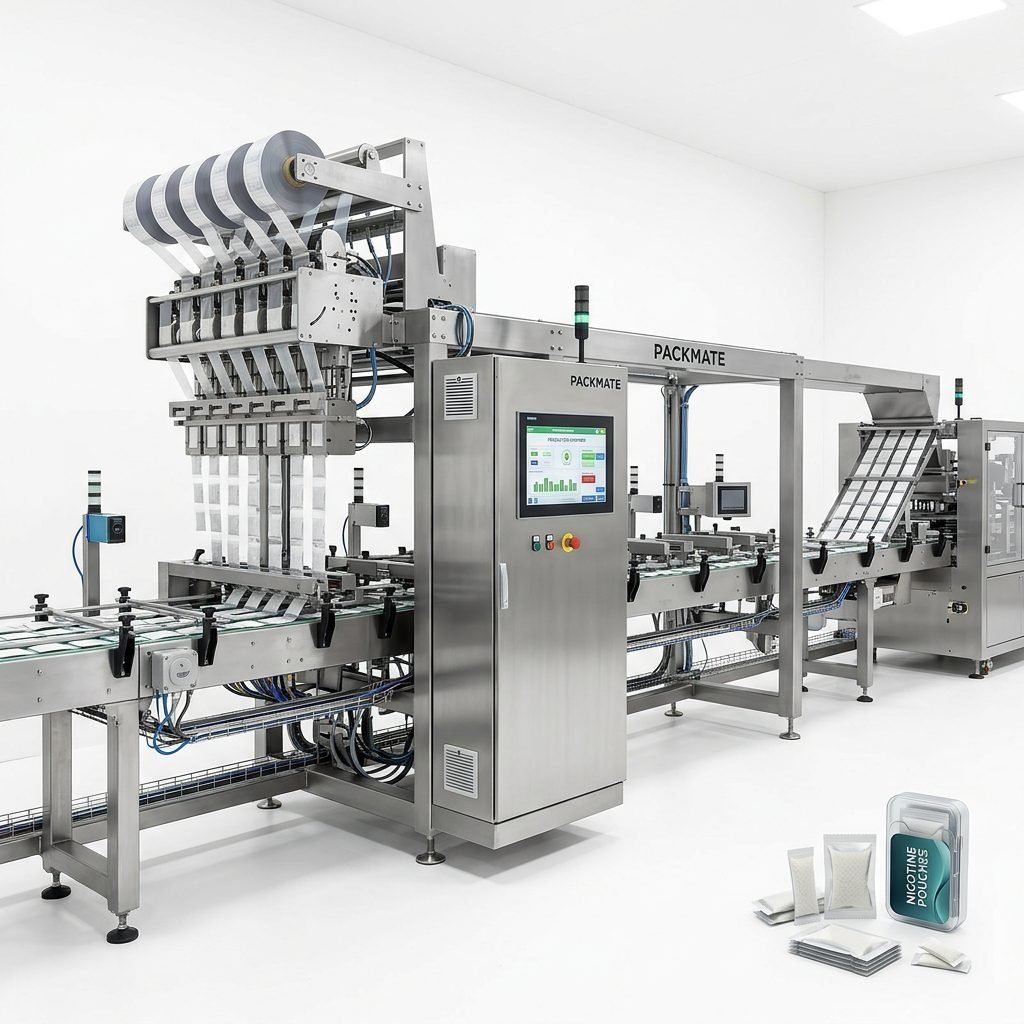
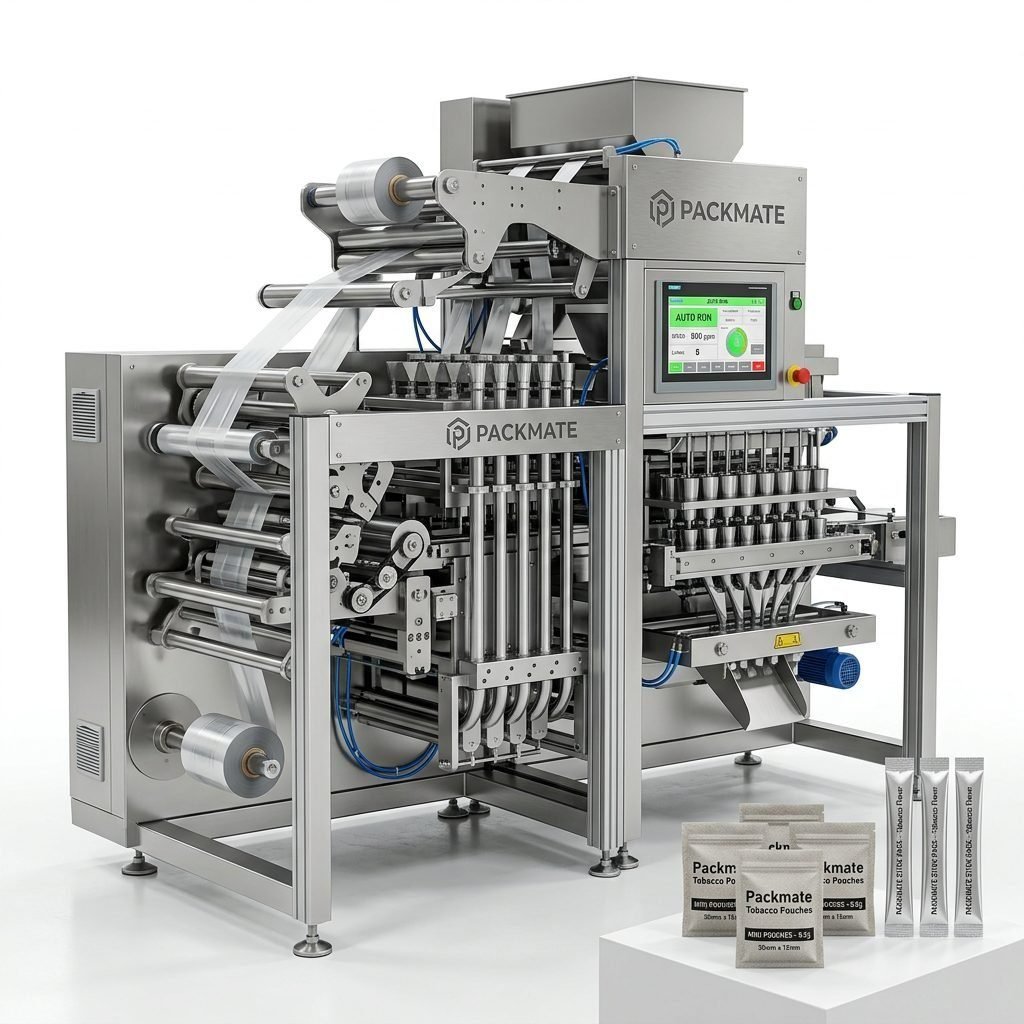
Bhutan’s market for snus and nicotine pouches is small but evolving, and if you’re planning to source reliable packaging machinery for nicotine pouch production there, you need a targeted approach. This guide walks buyers through everything from local cultural and regulatory considerations to choosing the right machinery, validating suppliers, planning logistics into Bhutan, and ensuring long-term service and compliance. Use the practical checklist and links below to speed up your sourcing process and reduce risk.
Understand Bhutan’s market, culture, and regulatory backdrop 🇧🇹
Bhutan is known for strong public-health policies and a conservative social culture influenced by Buddhism. Tobacco control has been strict historically, and while laws have evolved, you must treat nicotine-containing products with cultural sensitivity and legal caution. Before committing to machinery purchases, verify local regulations regarding importation, manufacturing, and sale of nicotine pouches — engage a local regulatory consultant or customs broker early.
🔍 Quick local tips:
Respect local customs during vendor visits and negotiations. Formal greetings, modest gift etiquette, and patience in decision-making build trust. Logistics typically route through India (Phuentsholing) — plan freight and customs clearance accordingly.
Define precise production requirements before contacting suppliers
A clear specification saves time and prevents mismatched quotes. Document your expected production capacity (pieces per minute and per lane), pouch formats (e.g., sachet, stick pack, multi-lane), dose sizes, filling materials (powder, granules, moisture content), and target automation level (turnkey line vs. modular machines).
Must-have technical points
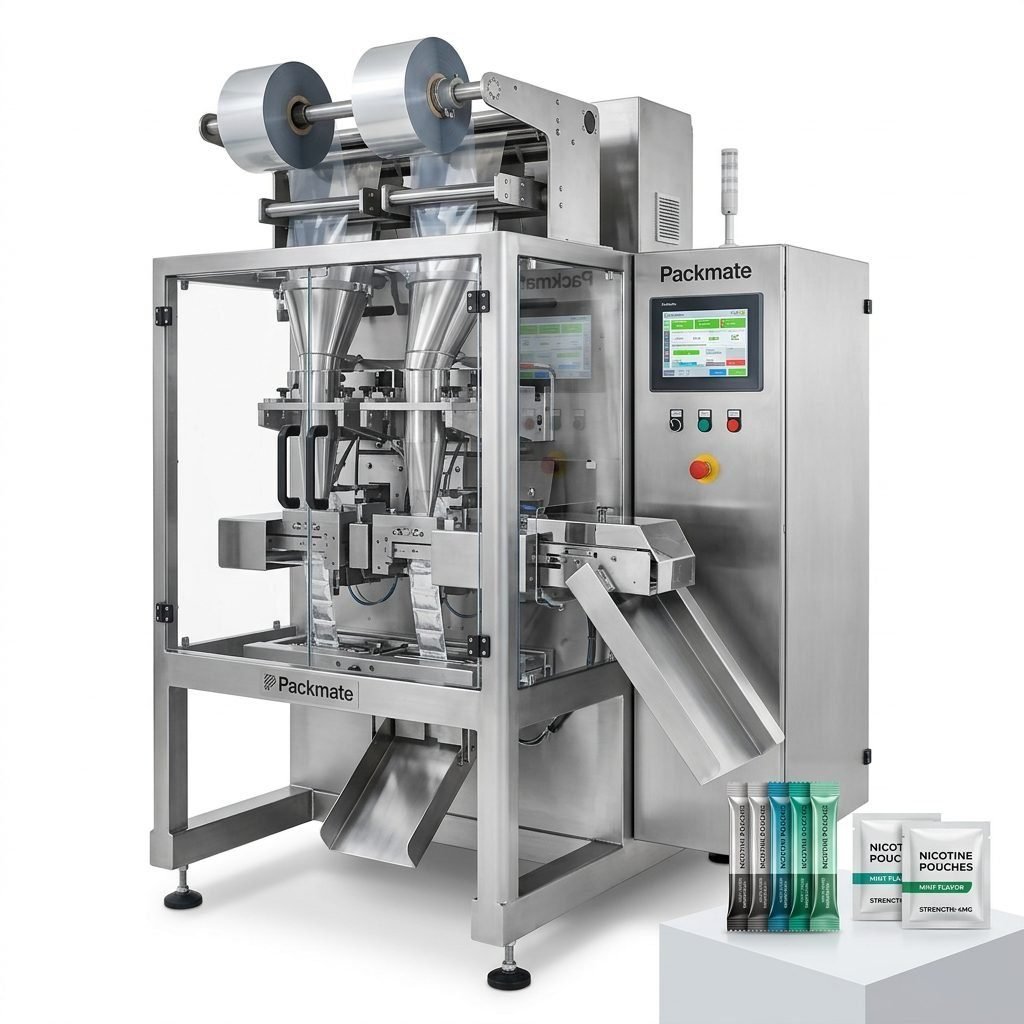
Insist on machine specifications for: servo-controlled dosing, multi-lane synchronization, quick-change tooling, accurate weighing ± tolerance, hygienic materials (SS304/316), and CE/ISO compliance if you export or aim at high quality standards.
How to evaluate and shortlist potential suppliers
Use a structured evaluation matrix that weighs capability, track record, and post-sale support. Focus on these criteria:
- Production experience in snus/nicotine pouch packaging and similar products
- Factory capacity, machining centers, and assembly line organization
- Available models and the ability to customize turnkey packaging lines
- Certifications (CE, ISO) and quality assurance procedures
- Global references and case studies — ask for videos and contactable references
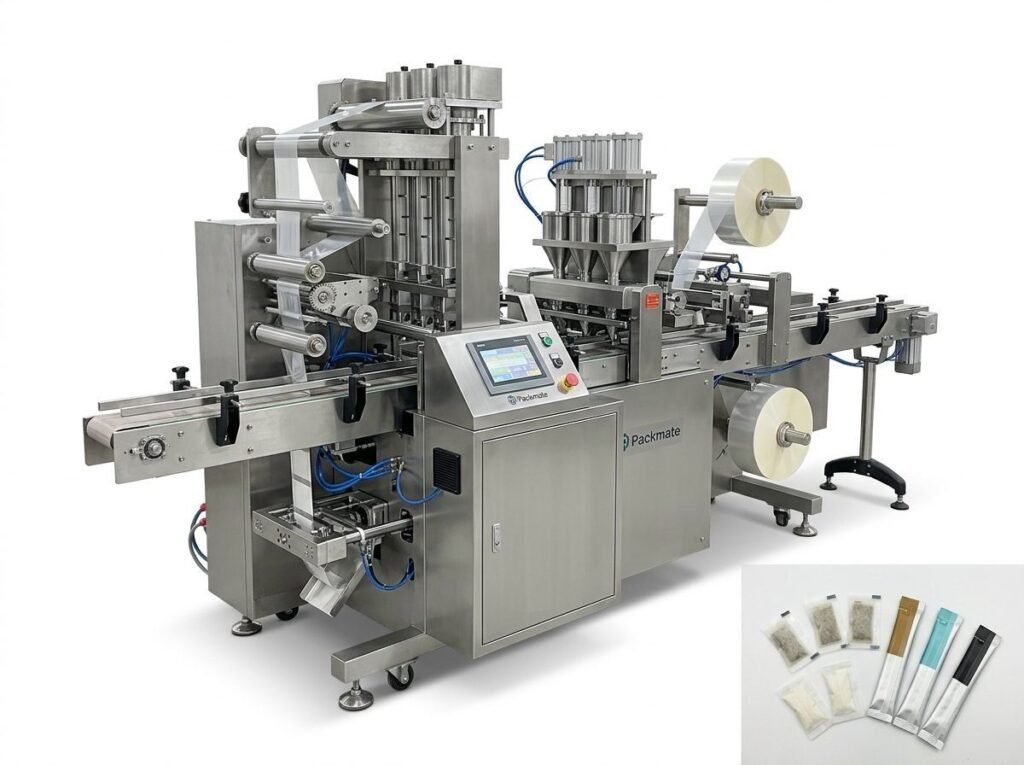
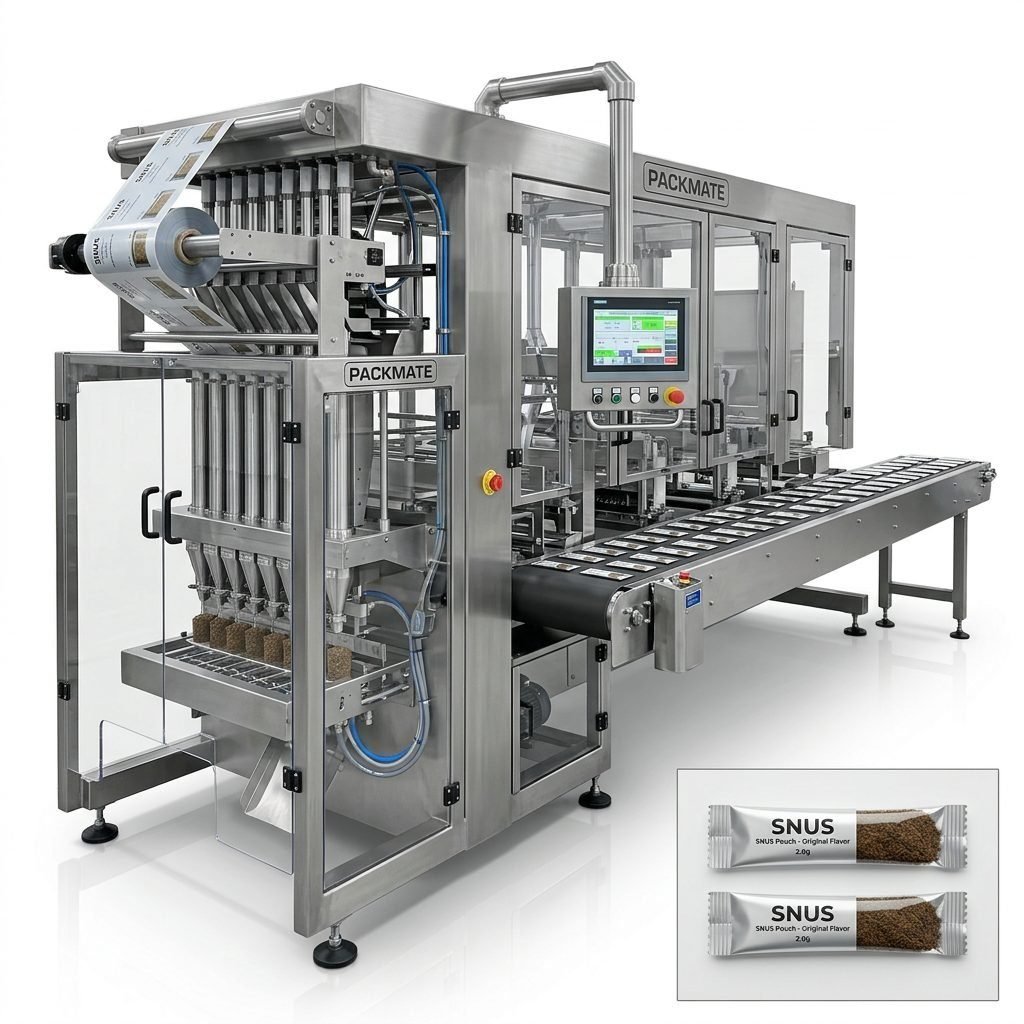
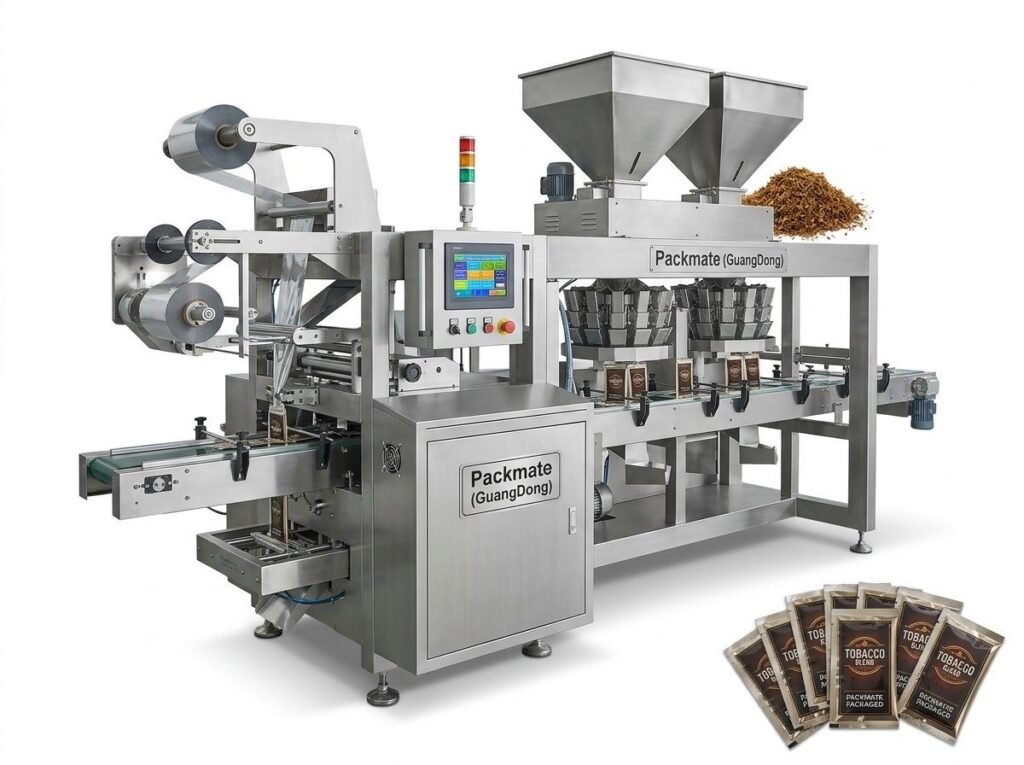
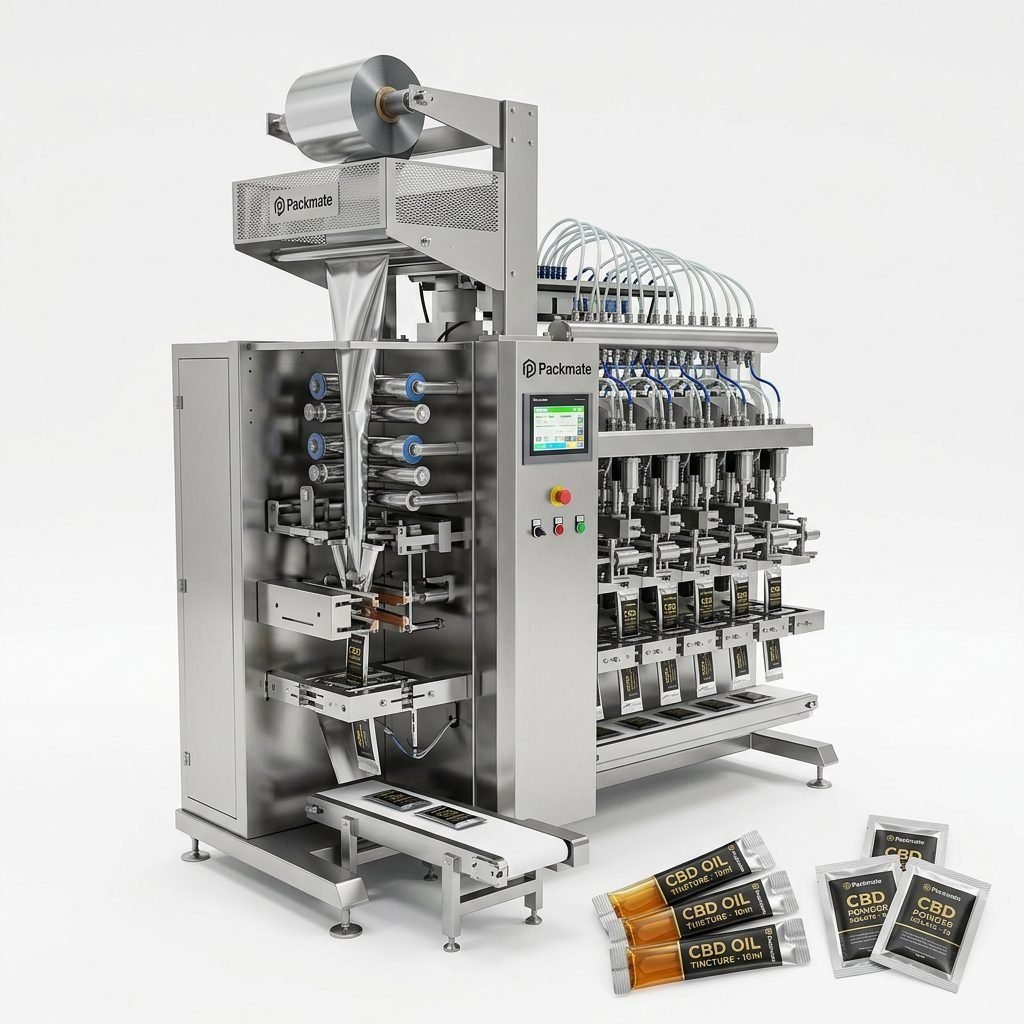
For a practical supplier profile, consider a manufacturer with long-term industry experience, advanced CNC facilities, and a broad product range such as Snus & Nicotine Packaging Machines and modular Sachet & Stick Pack Machines.
Inspecting supplier credibility: documents and proof
Ask for verifiable documentation: business license, ISO/CE certificates, factory photos, assembly line videos, and QC test reports. Confirm production capacity and lead times in writing. If available, review their case studies or customer testimonials — a company that showcases global cooperation and exhibition presence demonstrates stronger market reach.
Example resources: company background and certifications often appear on supplier sites — check pages like About Packmate and Certificate.
Factory verification checklist
✅ Manufacturing area: size of workshop, CNC centers, assembly lines.
✅ Model range: number of machine models and customization examples.
✅ Quality control: incoming materials inspection, final testing, life-cycle trials.
✅ On-site demo: live machine performance under real product conditions.
Key technologies to prioritize for snus/nicotine pouch lines
Modern nicotine pouch lines combine high-speed packaging with exact dosing and gentle handling. Look for suppliers offering:
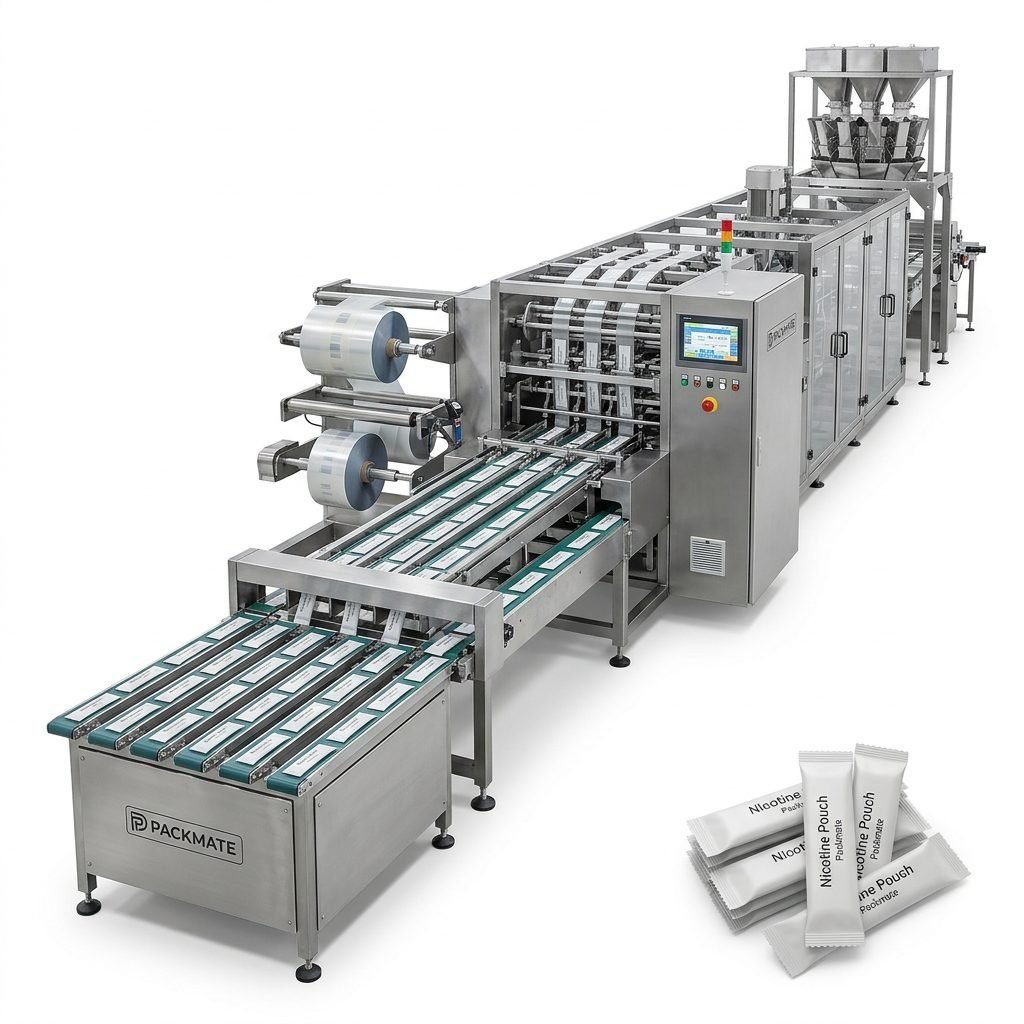
- Multi-lane forming and filling for small-dose consistency
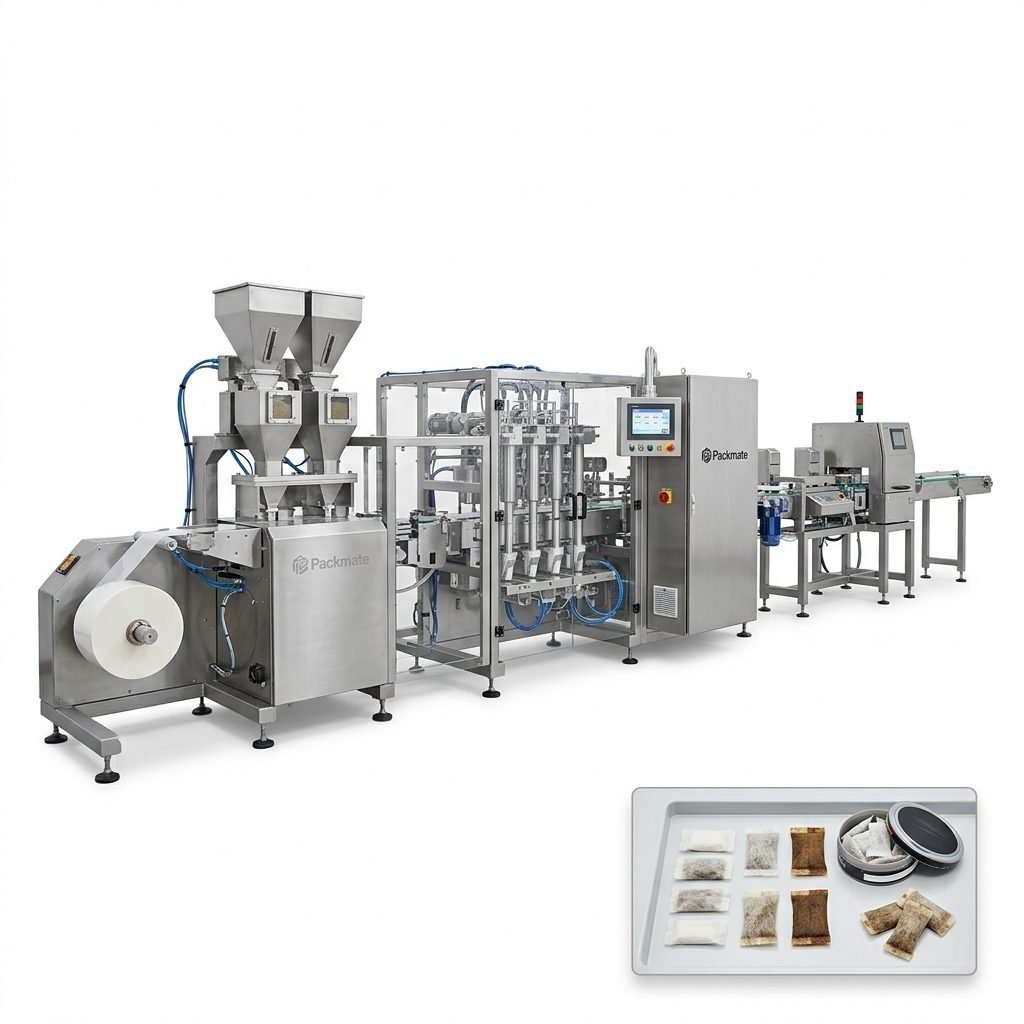
- Advanced weighing systems and vibratory feeders for powders/granules
- In-line metal detection and integrity checks
- User-friendly HMI with recipe storage and remote diagnostics
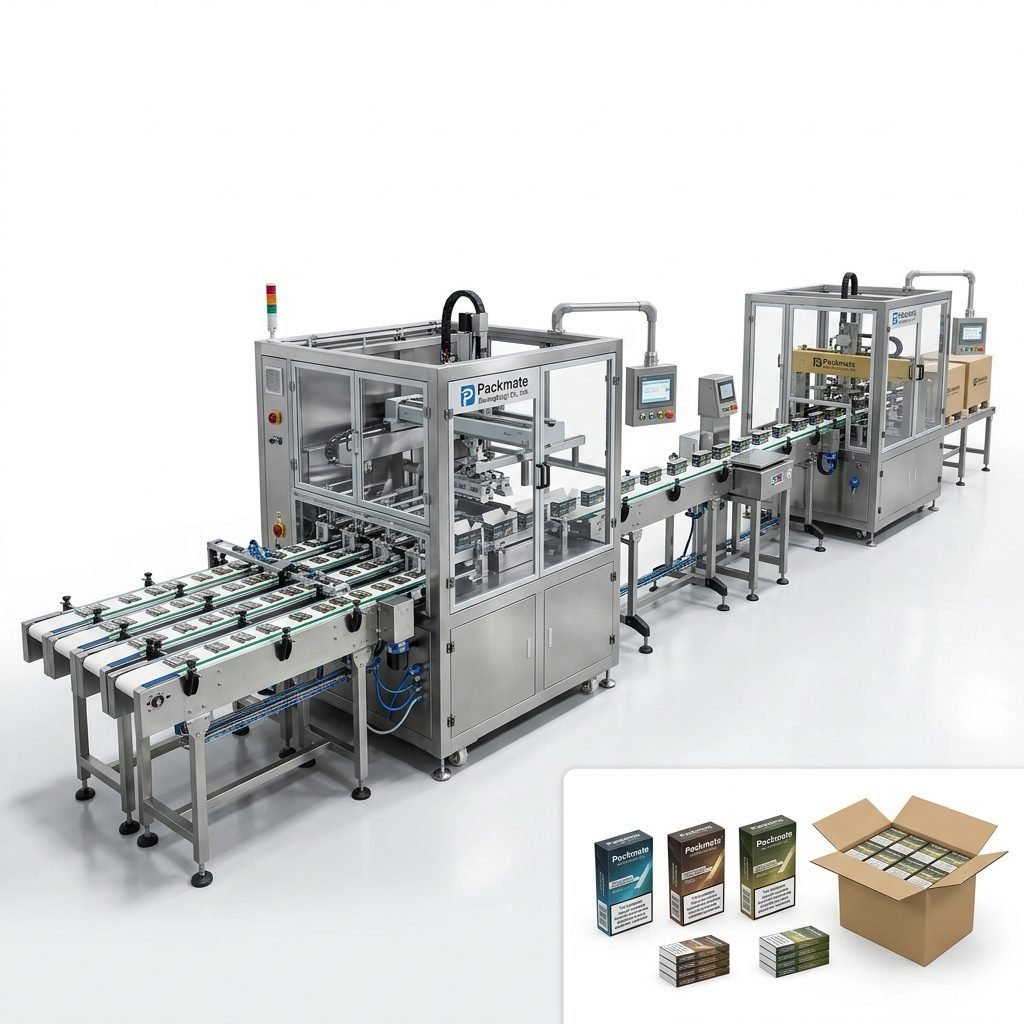
- Turnkey options including upstream dosing and downstream cartoning or case packing
If you need modular or full-line solutions, explore suppliers’ Filling & Packaging Lines and Weighing & Packaging Systems.
Quality assurance, testing, and acceptance criteria
Before shipment establish acceptance criteria: maximum allowable rejects, sealing integrity tests, packaging weight variance, and automated performance under production loads. Insist on witnessing a FAT (Factory Acceptance Test) or at minimum receive a detailed FAT video with real product testing. Include a clear spare parts list and recommended inventory for wear items.
⚠️ Tip: Record FAT results and include them in the sales contract. Define warranty terms and response time for on-site or remote service.
Logistics, import, and customs into Bhutan
Bhutan is landlocked and trade commonly routes through Indian ports and the border crossing at Phuentsholing. Plan for transit time, customs documents (commercial invoice, packing list, bill of lading, certificates of origin), and any health or import permits needed for nicotine-related equipment. Work with freight forwarders experienced in Bhutan imports and confirm duty and tax implications. Consider modular shipment to ease installation and local handling.
Installation and local setup considerations
Verify local site requirements: power specs, compressed air quality, floor load capacity, and space for auxiliary equipment. Ask suppliers if they provide installation, commissioning, operator training, and SOP documentation. A supplier with global turnkey solutions and training services greatly reduces startup risk.
After-sales support, spare parts, and training
After-sales capacity is a decisive factor: remote troubleshooting, spare-part lead times, scheduled maintenance plans, and field engineers. Prioritize suppliers who offer spare parts kits and remote monitoring. Check if the supplier participates in international exhibitions and has a stable service network documented in case studies — review their Case examples and Service options.
📦 Spare parts lead time should be explicitly stated. Keep critical spares onsite: seals, belts, sensors, and dosing components.
Negotiating price, warranty, and payment terms
Confirm total landed cost including machine price, shipping, insurance, duties, installation, and training. Negotiate warranty period, response times, and penalties for missed performance criteria. Consider staged payments tied to milestones (factory acceptance, shipment, installation, performance acceptance). Bank guarantees or letters of credit are common for international machinery procurement.
Contract essentials
Your purchase order or contract should include machine specs, FAT results, spare parts list, training schedule, warranty scope, delivery terms (INCOTERMS), and a clear dispute resolution clause.
Why consider Packmate-type suppliers for Bhutan?
Established manufacturers with decades of experience, advanced CNC capabilities, and a diversified portfolio reduce vendor risk. Suppliers that offer specialized snus/nicotine solutions, multi-lane systems, and turnkey lines — and that adhere to CE/ISO standards — will help you reach consistent product quality and compliant manufacturing. Check their exhibition activity and partner network to verify global presence and local support readiness.
Relevant company pages to review: Snus & Nicotine Packaging Machines, About Packmate, and Contact Us for direct inquiries.
Final checklist before placing an order ✅
• Confirm regulatory compliance and required import permits for nicotine-related equipment.
• Obtain and approve FAT documentation and video evidence.
• Confirm spare parts list and lead times.
• Agree warranty, installation, and commissioning terms.
• Plan logistics route (via India) and confirm customs broker details.
Next steps
Start with a short-list of 2–4 reputable suppliers, request detailed quotes and FAT schedules, and plan a factory visit or live demo. If direct visits are challenging, insist on a live video tour and recorded performance runs with your product. Keep communication transparent about Bhutan-specific logistics and regulatory concerns.
Useful links
Explore product categories and supplier background to better prepare your RFQ:
Snus & Nicotine Packaging Machines |
Bag & Pouch Packaging Machines |
Case Studies
With careful planning, clear specifications, and a focus on supplier capability and after-sales service, buyers in Bhutan can successfully procure reliable snus packaging machinery that meets quality and compliance requirements while respecting local cultural norms. Begin with a strong RFQ, demand verifiable FAT evidence, and secure a supplier with proven global turnkey experience.
Frequently Asked Questions
Q1: Can I import snus packaging machines into Bhutan?
A1: Generally yes, but you must check current Bhutanese regulations and obtain any necessary permits. Work with a customs broker familiar with Bhutan-India transit routes to ensure smooth clearance.
Q2: How important is FAT before shipment?
A2: FAT is critical. It verifies machine performance with your product and serves as the baseline for acceptance testing. Require recorded FAT and live demonstrations when possible.
Q3: What after-sales support should I demand?
A3: Remote diagnostics, spare parts availability, field engineer commissioning, operator training, and clear warranty terms with response-time commitments.
Q4: Are turnkey solutions better than modular purchases?
A4: Turnkey solutions reduce integration risk and often include better technical support, but modular purchases can be more flexible and cost-effective for phased expansion.
Q5: Where can I find reliable equipment examples and vendor info?
A5: Review trusted supplier pages and product catalogs such as Catalog and FAQs to compare technical data and case studies.