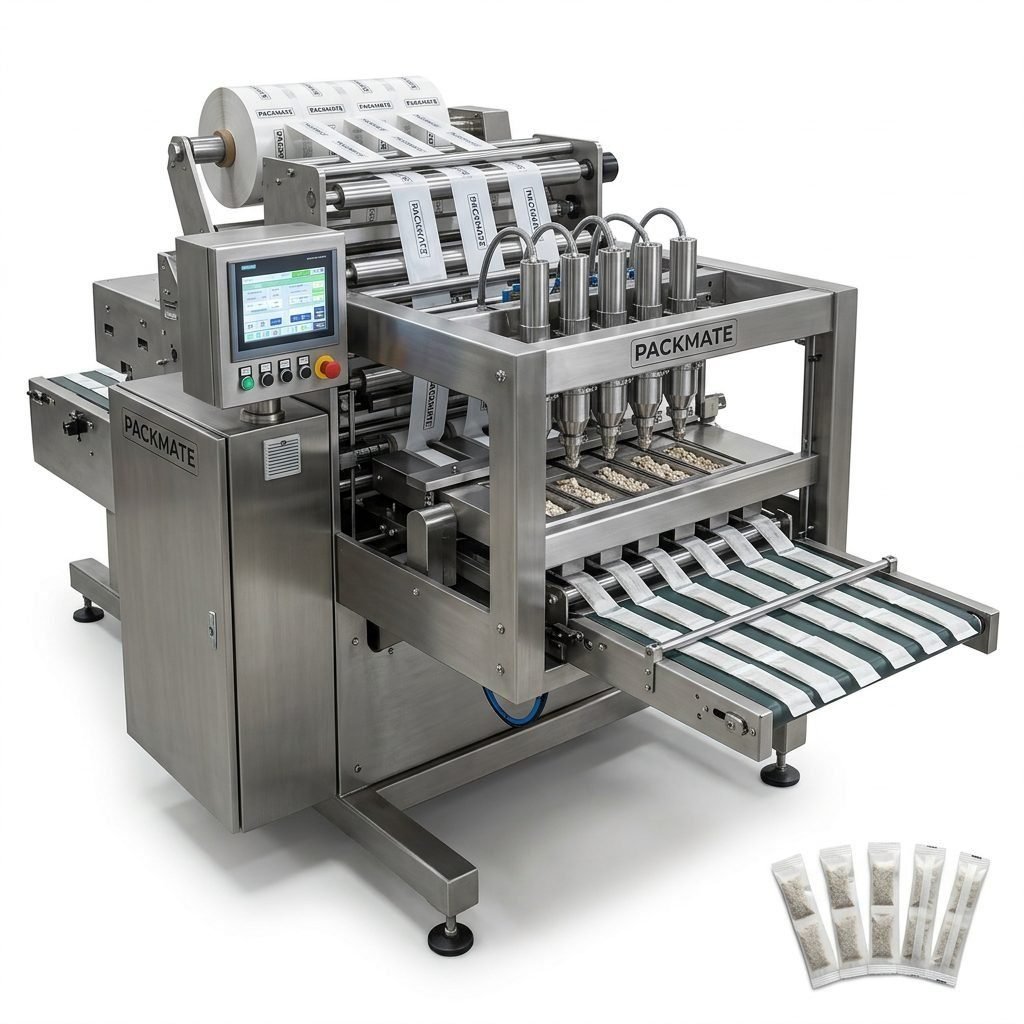
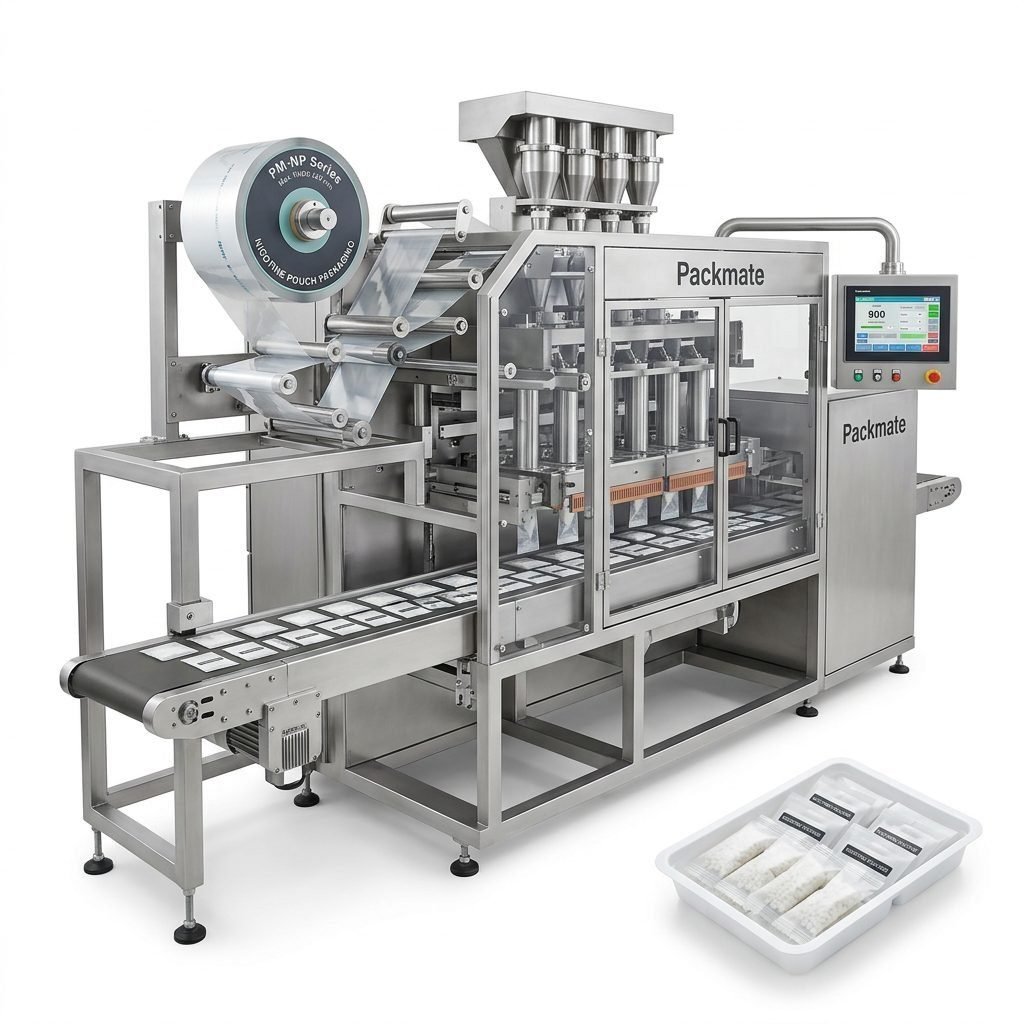
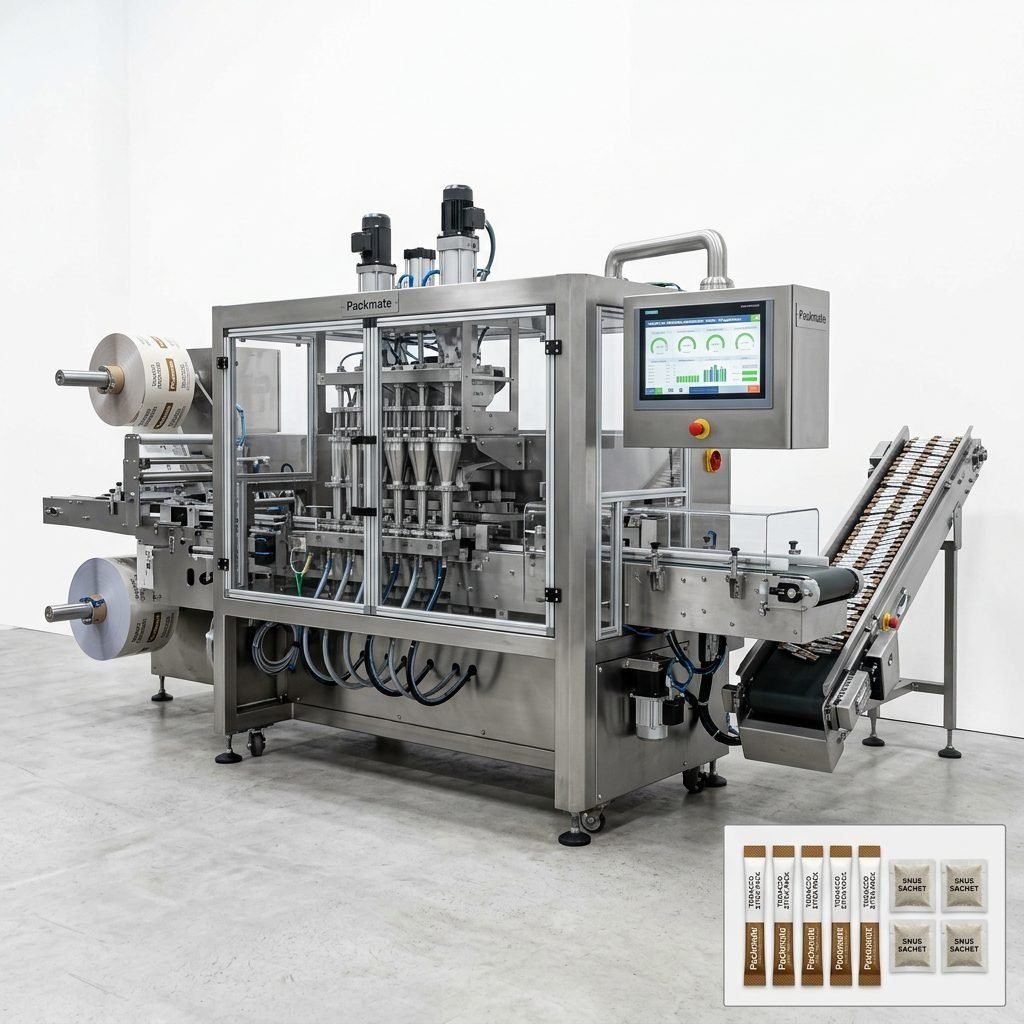
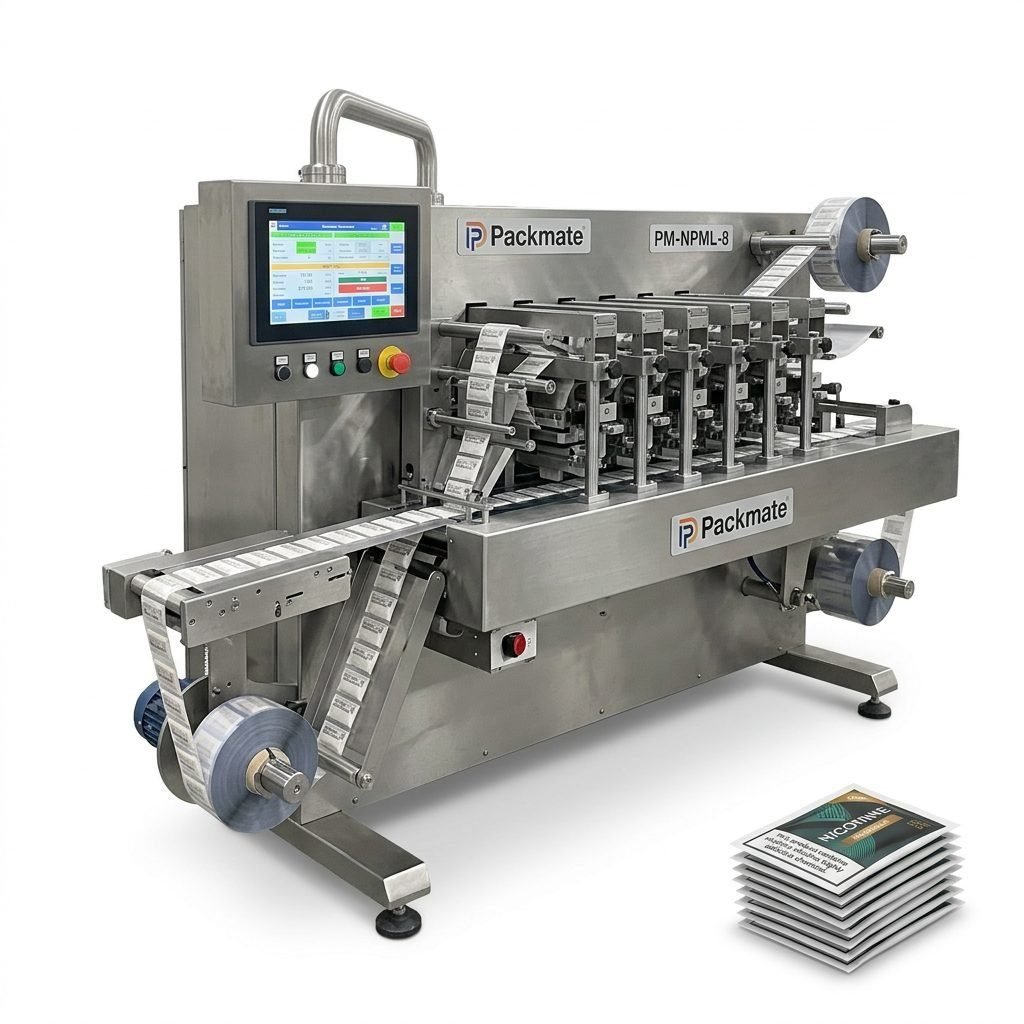
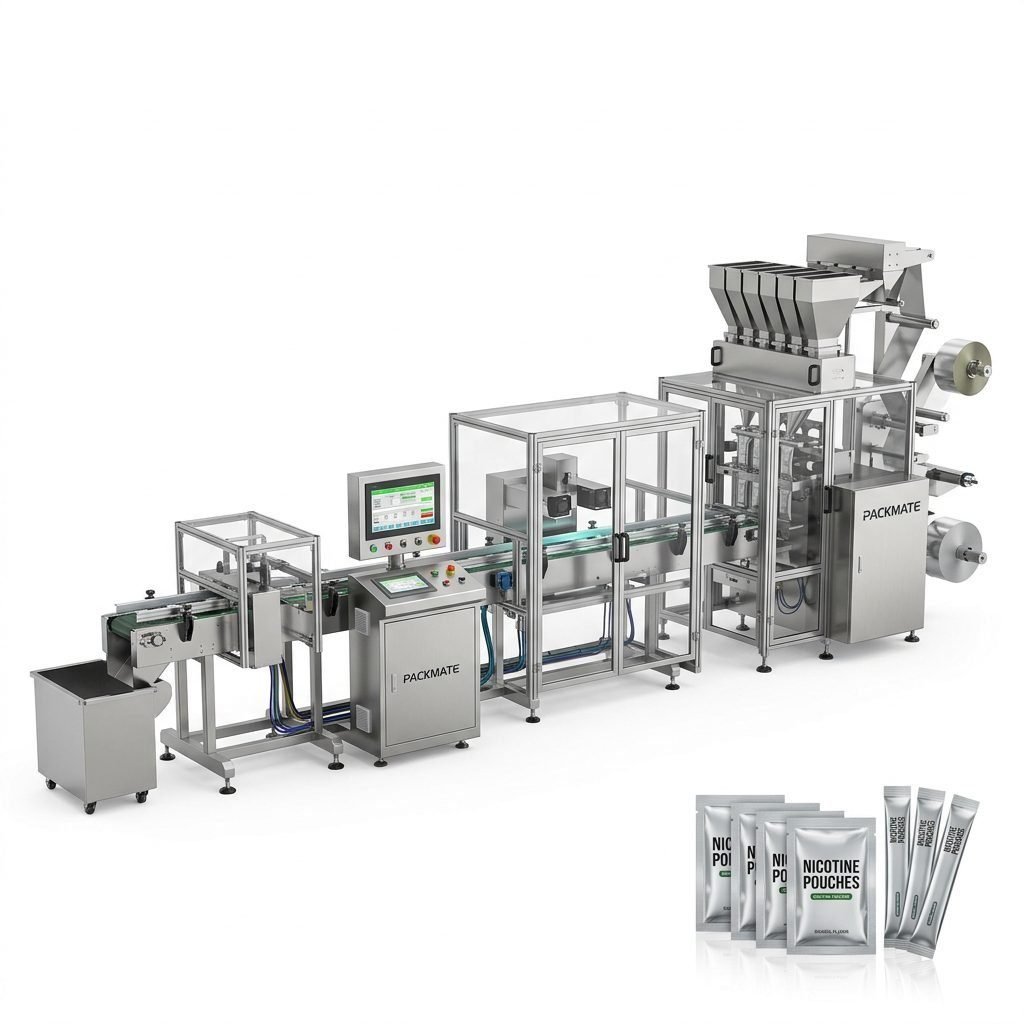
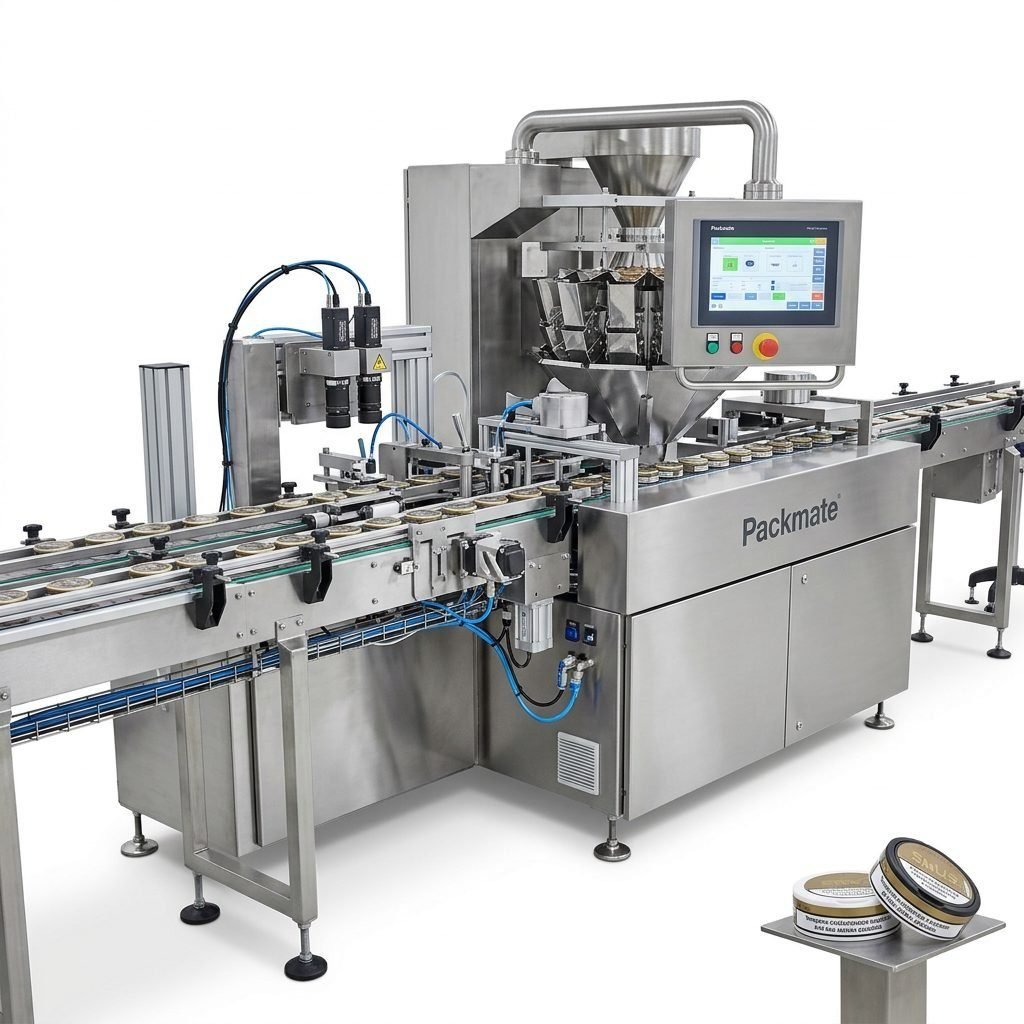
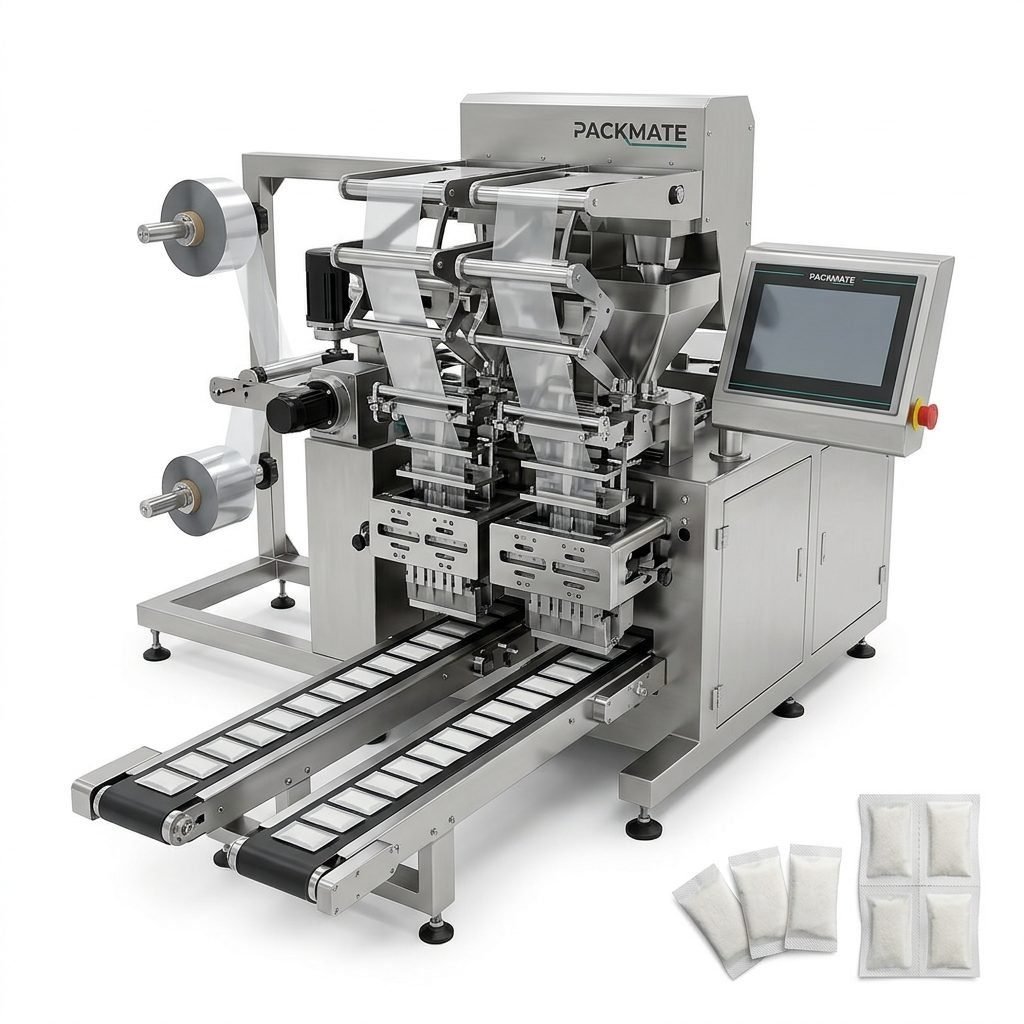
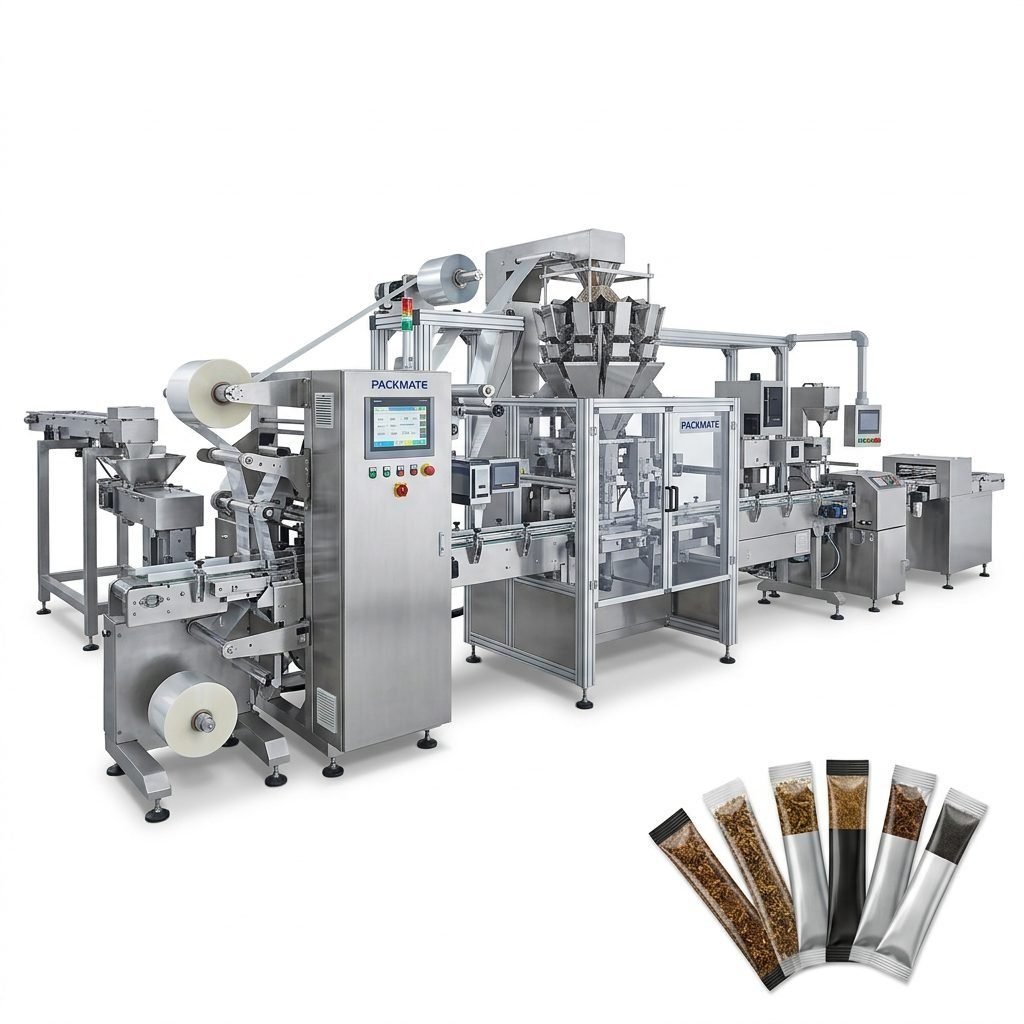
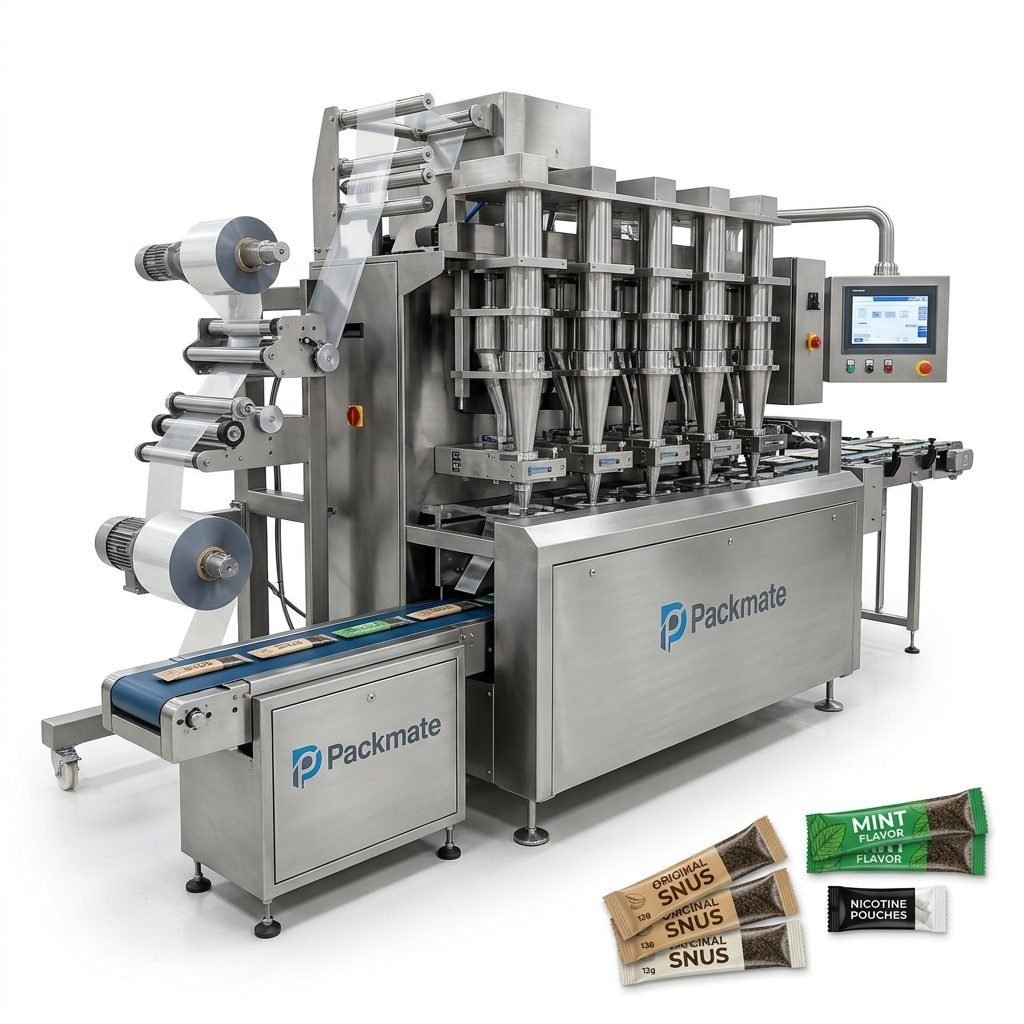
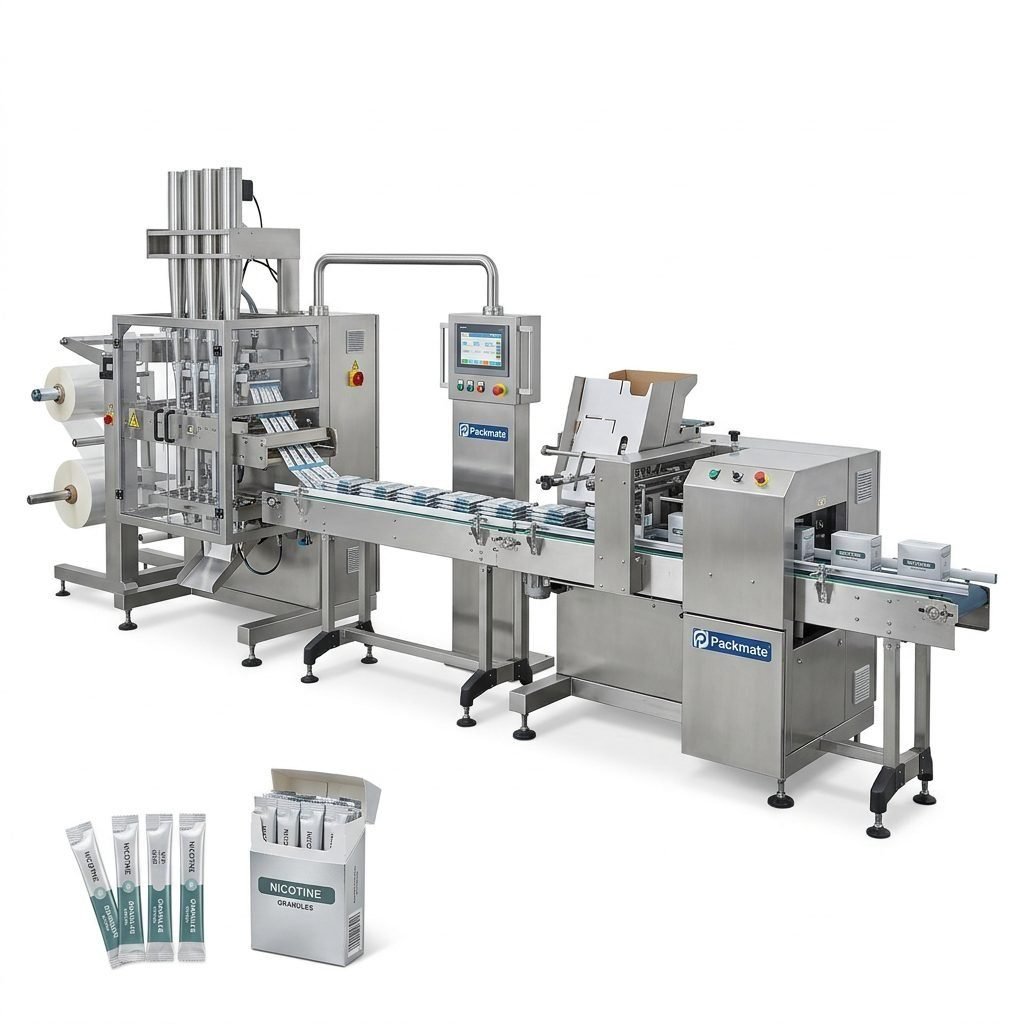
Choosing the right snus packaging machinery manufacturer for operations in North America is a strategic decision that affects product quality, regulatory compliance, production costs, and time-to-market. This guide walks you through practical evaluation criteria, inspection checklists, negotiation tips, and after-sales expectations so you can select a supplier who delivers reliable machines, timely support, and scalable solutions for nicotine pouches, snus, and related products.
🔎 Why selecting the right manufacturer matters
A high-quality packaging line is the backbone of a consistent production process. Poorly specified or unreliable equipment causes downtime, inconsistent fill weights, and package defects — all of which can damage brand reputation and increase operating costs. Seek partners who combine engineering experience with regulatory knowledge for North American markets and who can provide turnkey solutions, from filling to secondary packaging.
📌 Key outcomes to expect from a top-tier supplier
Consistent dose control — precise metering and weighing for nicotine pouches and snus to meet regulatory tolerances.
High uptime — robust mechanics and easy maintenance to minimize production interruptions.
Regulatory readiness — CE/ISO compliance and documentation to support North American approvals.
Scalability & customization — modular lines for small batch R&D up to high-speed multi-lane production.
1. Evaluate technical capabilities and product fit
Start by mapping your product portfolio: pouch format (snus pouch, nicotine pouch, stick pack, sachet), dose ranges, humidity and granule / powder / liquid properties, and desired output (packs per minute). Ask potential manufacturers for machines specifically designed for those formats. For example, companies that specialize in snus packaging will offer tailored multi-lane systems and small-dose metering that generic equipment may lack.
Technical checklist
🔧 Drive & control: PLC and servo systems for synchronized multi-lane operation.
⚙️ Materials contact: food-grade / corrosion-resistant surfaces and easy sanitary cleaning.
🧪 Dose accuracy: validated weighing or volumetric systems suitable for low-dose pouches.
🧰 Changeover: tool-less or quick-change parts for format switches.
📊 HMI & data: digital recording for batch traceability and production analytics.
2. Inspect manufacturer expertise and factory strength
Years of industry experience and a robust factory setup indicate the ability to deliver complex packaging lines. Look for manufacturers with CNC machining centers, precision assembly lines, and quality test labs. A 20,000㎡ facility with a variety of machine models suggests capacity for customization and volume production. If available, review the company’s factory portfolio, certifications, and project case studies to verify capabilities.
For a deeper look at a supplier’s product range and factory capabilities, check their product pages and case studies. Example resources you might review include:
Snus & Nicotine Packaging Machines,
About Packmate, and
Case.
3. Confirm quality, certifications, and compliance
Regulatory compliance is non-negotiable. Verify CE, ISO, and any region-specific documentation. Machines that will be used for nicotine products must meet hygiene and material standards and provide documentation for electrical safety and machine guarding. Suppliers that share their certificates and machine test reports upfront reduce your risk during purchasing and commissioning.
Red flags to avoid
⚠️ No formal certificates or unwillingness to provide technical dossiers.
⚠️ Vague tolerances for dosing, or no validation data for low-dose pouches.
⚠️ Limited spare parts availability or lack of authorized service channels in North America.
4. After-sales, spare parts, and technical support
Effective support is often the true differentiator between suppliers. Ask about local service partners, spare parts stock, response SLAs, remote diagnostic capabilities, and training programs. A supplier that provides detailed service contracts, spare parts kits, and remote troubleshooting reduces downtime and total cost of ownership.
If you require long-term support packages, check the manufacturer’s service offerings and customer testimonials. You can often find this information under the Service or FAQ sections on supplier sites:
Service and
FAQs.
5. Visit factory or request video demonstrations
Whenever possible, inspect the production line or request live demonstrations via video. Seeing machines run with your product or a close analog verifies performance claims such as seal integrity, throughput, and format changeover. Confirm that the manufacturer performs FAT (Factory Acceptance Testing) and offers SAT (Site Acceptance Testing) after installation.
✅ Ask for FAT reports and video of the exact machine model running with similar materials.
✅ Request references from customers in similar industries or regions.
✅ Confirm logistics planning: crating, transport, customs paperwork, and on-site installation support.
6. Understand total cost of ownership (TCO)
Purchase price is only a fraction of the investment. Building a true TCO model involves maintenance costs, spare parts, downtime risks, energy consumption, and expected service life. Request typical consumable parts lists and expected lifecycles for components such as belts, pumps, and wear plates. A reliable manufacturer will help you forecast these metrics and offer maintenance training to extend machine life.
Cost factors to include
Upfront equipment, installation and commissioning, spare parts stocking, annual service contracts, energy & utilities, operator training, and any required upgrades to meet regulatory changes. Don’t forget consumables like sealing films, filters, and nozzle tips when estimating monthly operating expenses.
7. Negotiate delivery timelines and warranty terms
Clearly define delivery milestones, lead times for spare parts, warranty coverage, and penalty clauses for missed dates where appropriate. Ensure that warranty covers both mechanical and electrical components and includes support for calibration and instrument replacement. A transparent lead time and documented warranty reduce ambiguity during procurement.
8. Verify customization and upgrade pathways
Your product line will evolve. Choose manufacturers who offer modular upgrades — additional lanes, new feeding heads, or integration with upstream and downstream systems (weighing, cartoning, case packing). Confirm the supplier’s ability to produce variations or retrofit existing lines to new formats without large capital expenditures.
For advanced integrations like weighing and complete filling lines, review solutions under integrated product groups such as
Weighing & Packaging Systems and
Filling & Packaging Lines.
9. Reference checks and field performance
Ask for customer references and follow up with on-site or phone interviews. Inquire about long-term reliability, spare parts lead times, and how responsive the manufacturer was during commissioning. Companies that frequently exhibit at trade shows and provide live machine demos often have robust field feedback and continuous product improvement cycles.
Explore exhibition and certification pages to gauge industry presence and compliance:
Our Exhibition and
Certificate.
10. Practical procurement checklist
🔎 Written spec sheet with acceptance criteria (sealing tests, weight tolerances).
📅 Confirm FAT & SAT schedule, include acceptance criteria and penalties if needed.
🧾 Full documentation package: wiring diagrams, spare parts list, operation manuals, calibration certificates.
🔩 Spare parts kit and first-year consumables included in quote.
🎓 On-site training & operator certification included in scope.
Negotiation tips
Get multiple quotes for comparable specifications, but weigh total value, not just price. Ask for bundled pricing including installation and first-year spare parts. Negotiate clear service-level agreements and include a roadmap for software updates and mechanical upgrades in writing.
Conclusion
Selecting the best snus packaging machinery manufacturer in North America requires a careful balance of technical fit, factory strength, documented compliance, and robust after-sales support. Prioritize vendors who demonstrate industry experience, transparent testing procedures, and local support capabilities. With clear specifications, FAT verification, and a strong service agreement you can minimize risk and ensure a productive, compliant packaging operation.
FAQs
Q1: How long does lead time typically take for a snus packaging line?
Lead times vary by complexity and customization. Standard single-lane machines may ship in a few weeks, while fully customized multi-lane turnkey lines often require several months for manufacture, testing, and FAT. Confirm timelines in the contract and include milestones for delivery and acceptance.
Q2: What certifications should I require?
Require CE and ISO as baseline quality and safety markers. For North American operations, ensure electrical and machine safety standards are met and request material safety and sanitary documentation for components that contact the product.
Q3: Does the manufacturer provide on-site installation and training?
Top suppliers include on-site commissioning and operator training in the scope or offer it as a charged option. Clarify the hours of training, number of operators, and whether follow-up remote training is available.
Q4: How do I confirm dosing accuracy for low-dose nicotine pouches?
Request validation data and FAT results showing weight distributions and tolerance adherence for the target dose. If possible, run a trial with your product or a close analog during FAT to verify performance.
Q5: Where can I get more information or request a quote?
Contact the supplier directly via their contact page to request product catalogs, case studies, and formal quotations. For a starting point, check the manufacturer’s contact channel: Contact Us.