Choosing the right snus packaging machinery manufacturer is a critical decision for any business entering or scaling in the nicotine pouch and snus market in Switzerland. This guide walks you through the technical, regulatory, and operational factors to evaluate, with practical advice tailored to Switzerland’s high-quality expectations, multilingual market, and strict regulatory environment.
Why Switzerland Needs a Specialized Approach
Switzerland is known for precision, strict safety standards, and a customer base that values discretion and high quality. For manufacturers serving Swiss customers or operating in the Swiss market, a packaging partner must deliver machines that meet high hygiene, safety, and regulatory criteria while offering flexibility for multi-lingual labeling (German, French, Italian, and English).
Local expectations and cultural notes
– Swiss customers often demand rigorous quality documentation and traceability. Compliance certificates and documentation in multiple languages are strong differentiators.
– Sustainability and minimal waste are important; compact production lines and efficient material usage are preferred.
– Small-to-medium batch runs are common for premium or regional brands, so machines that support quick changeovers are especially valuable.
🔎 Pro tip:
When evaluating manufacturers, ask for multilingual operator interfaces or the ability to add local language panels — this saves training time and reduces operator errors.
Key Machine Types for Snus & Nicotine Pouches
Different product formats require different machines. Choose a manufacturer with a breadth of machines or proven experience in the exact format you plan to produce.
Common snus and nicotine pouch packaging lines
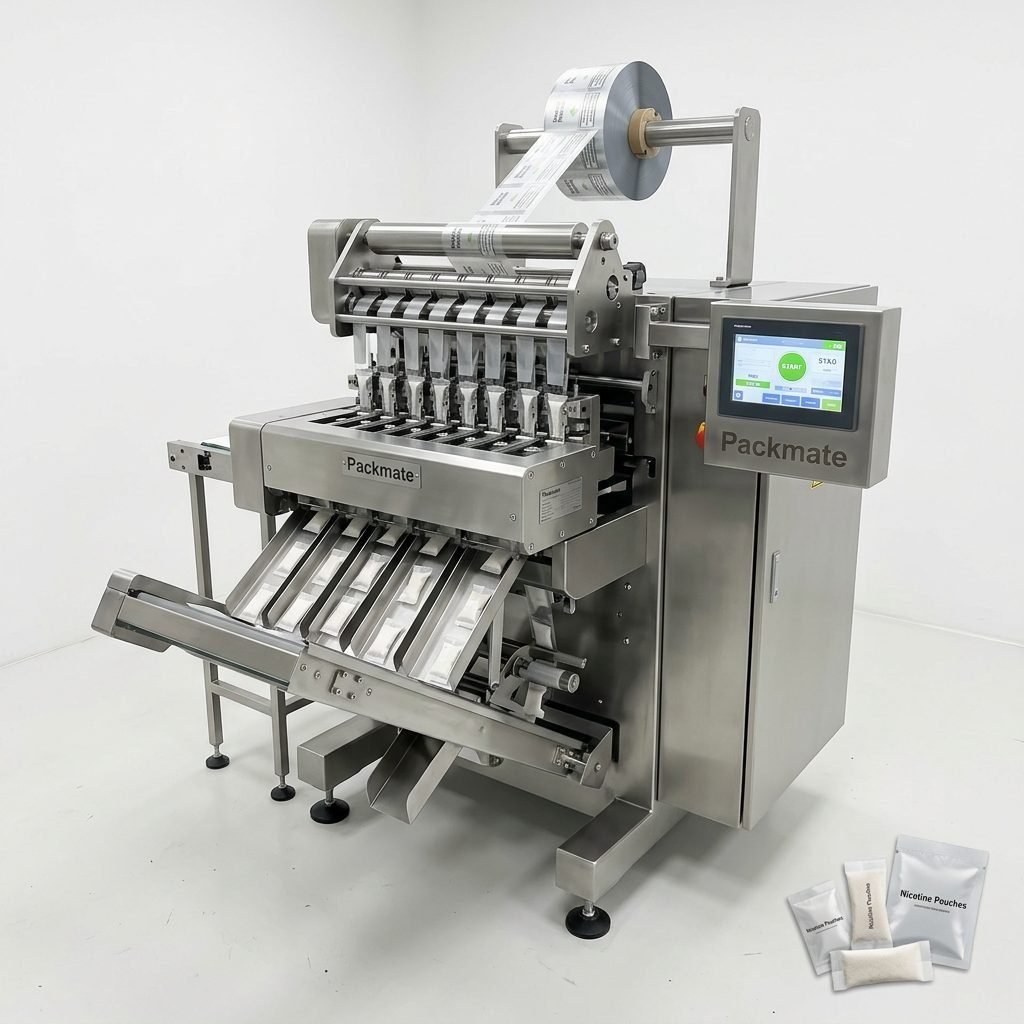
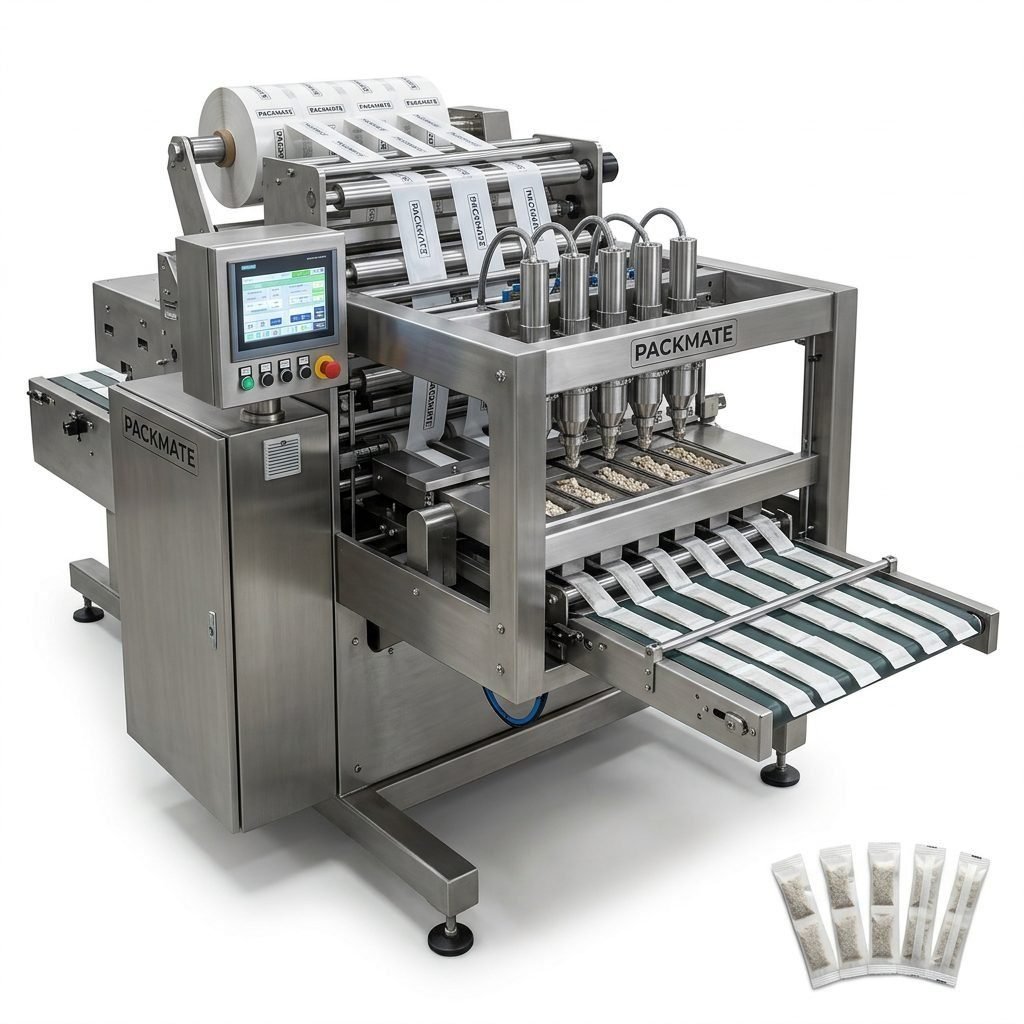
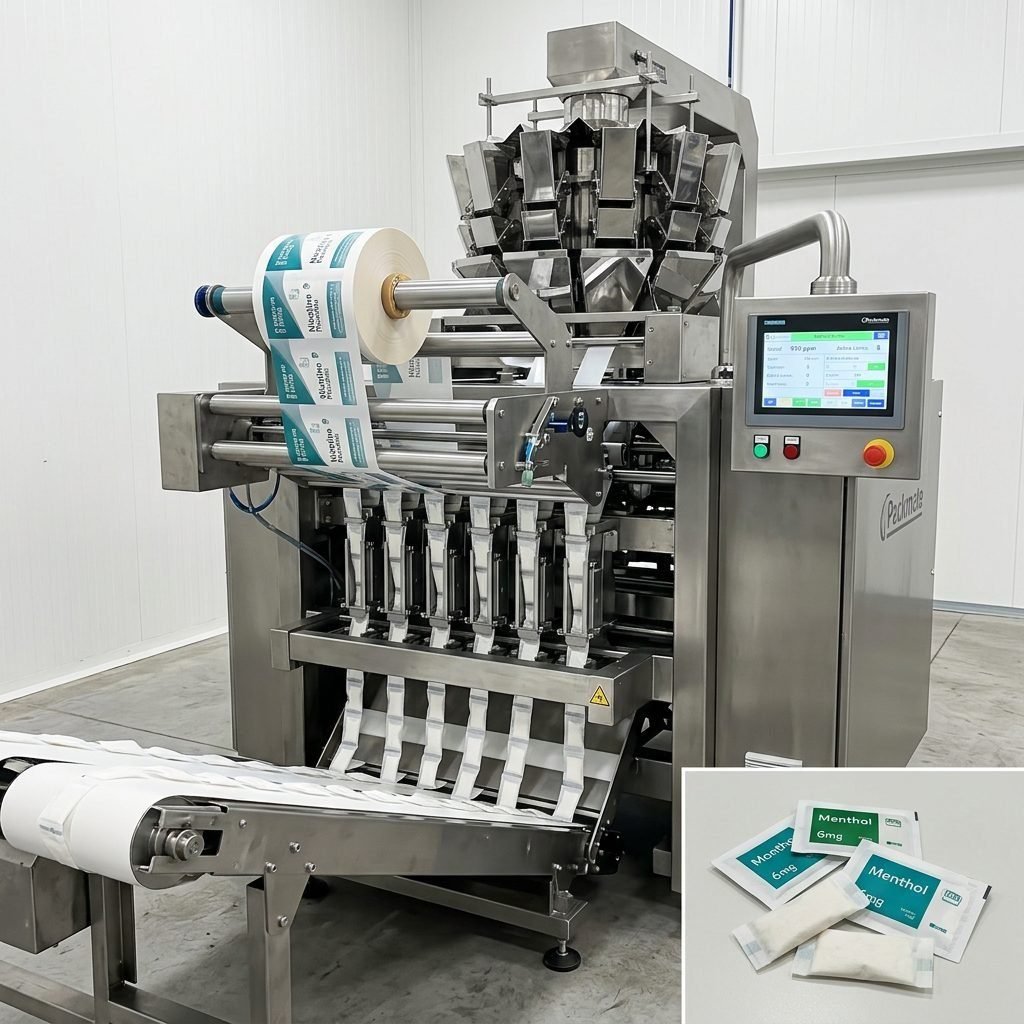
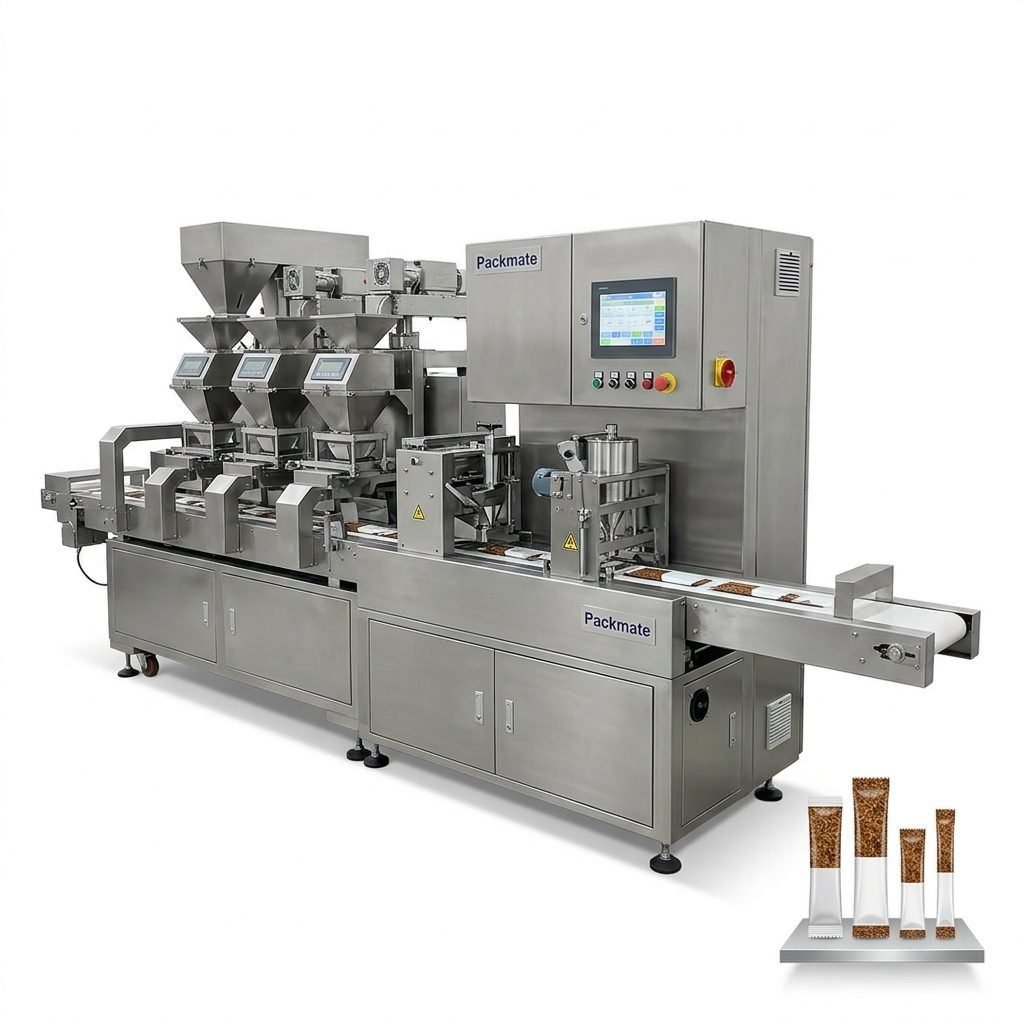
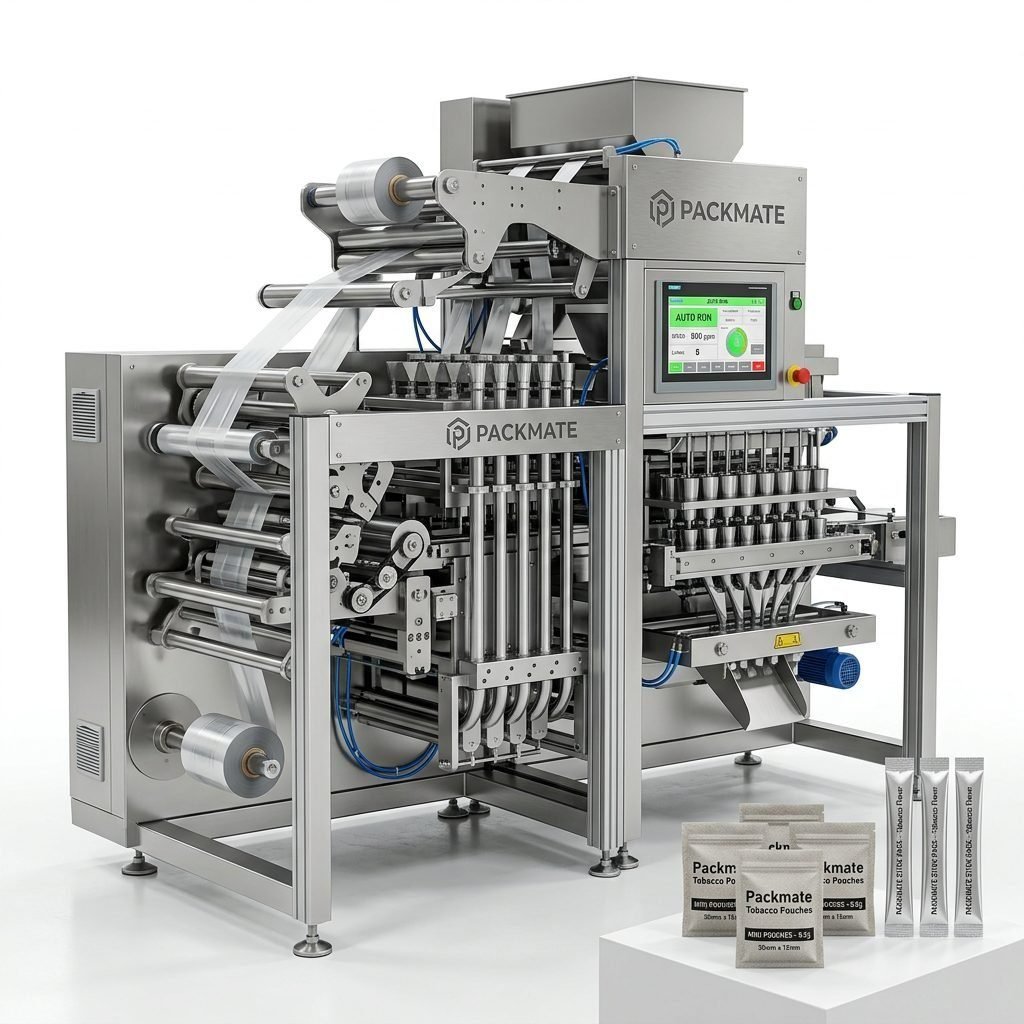
– Stick pack machines for single-dose pouches and slim formats.
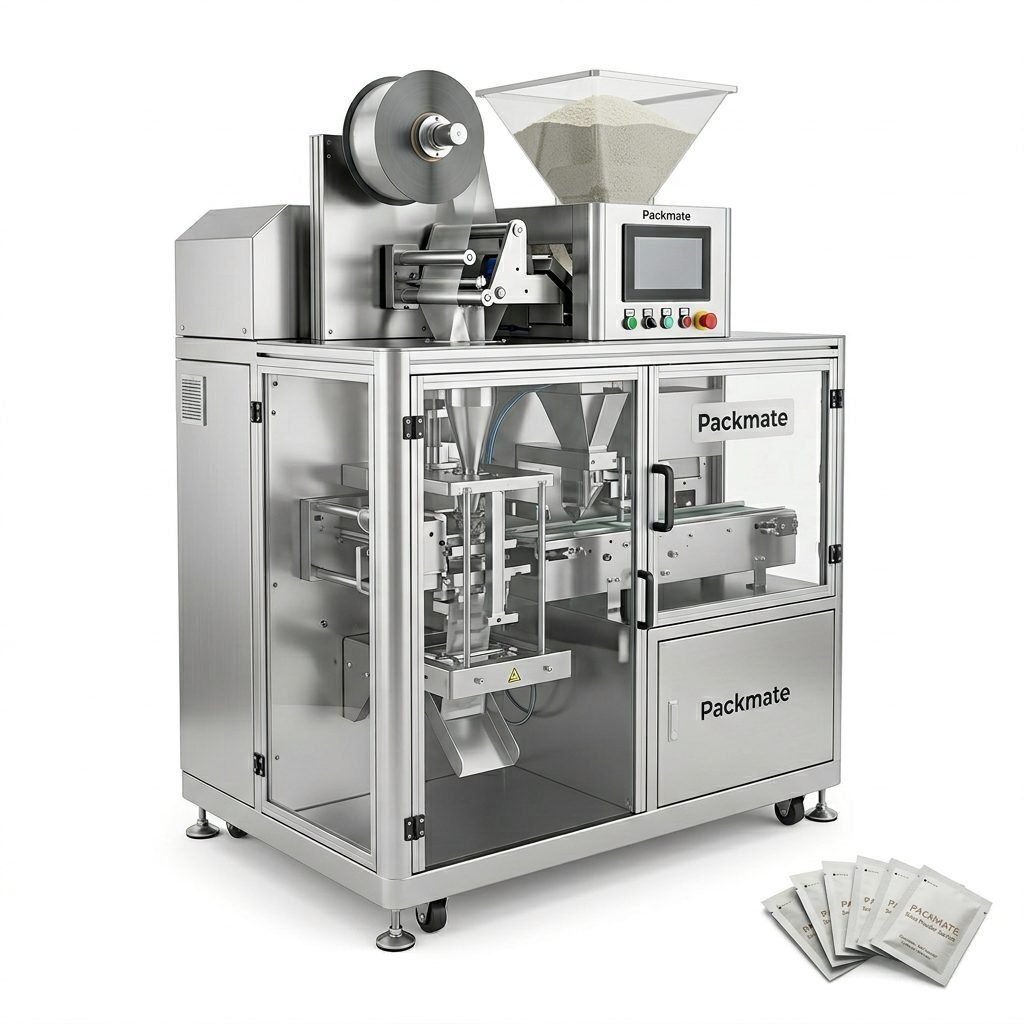
– Sachet and pillow pack machines for various pouch profiles.
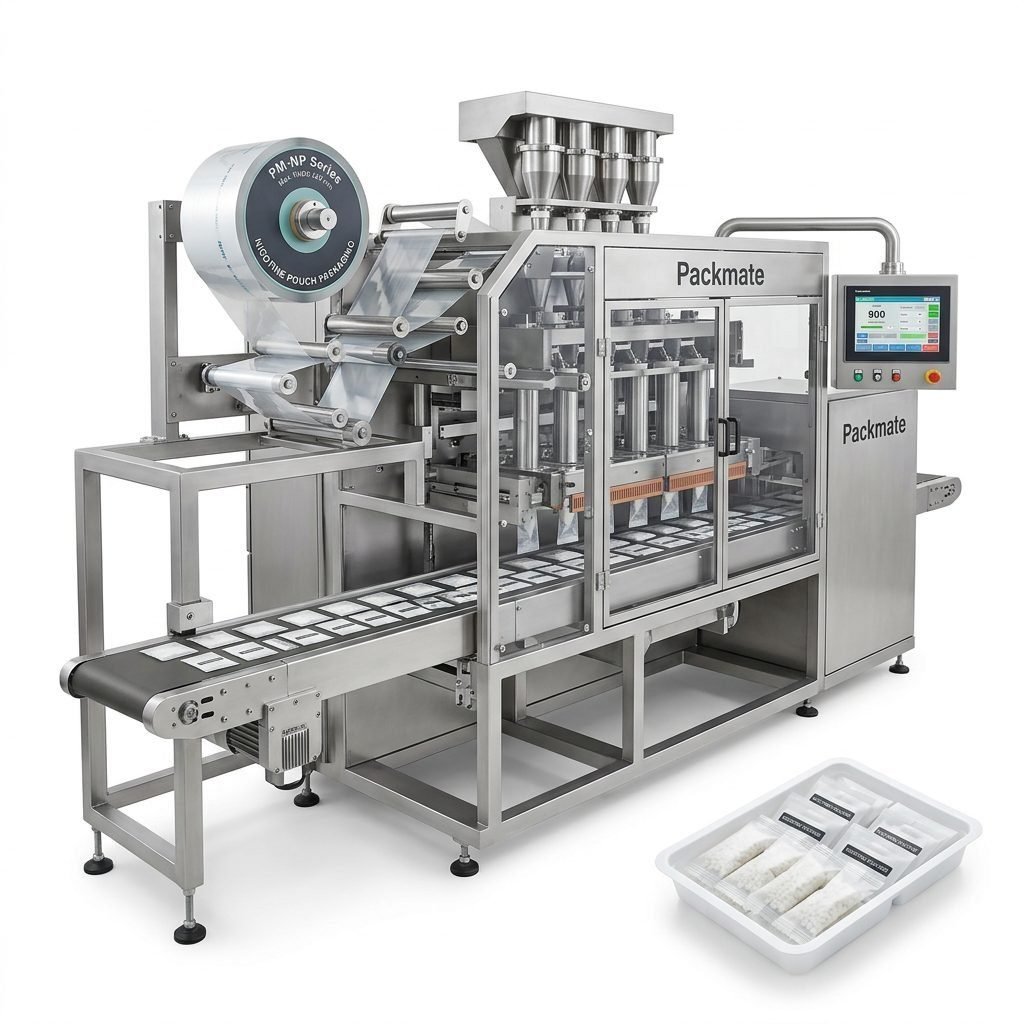
– Multi-lane continuous systems for high-output production of very small-dose pouches.
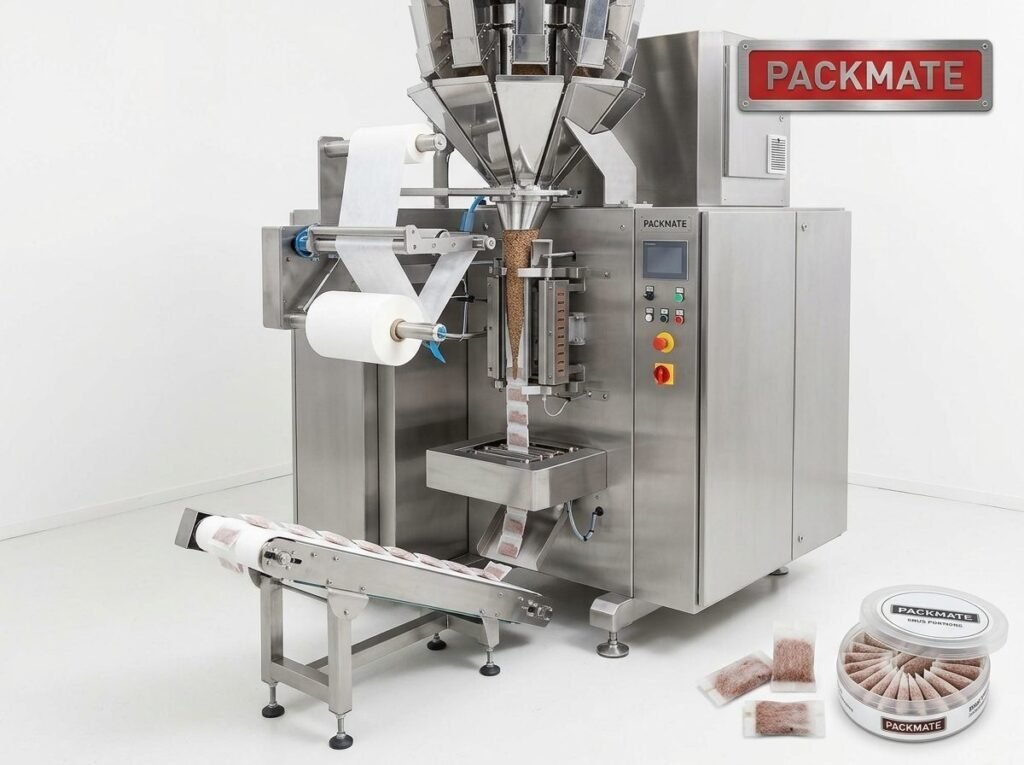
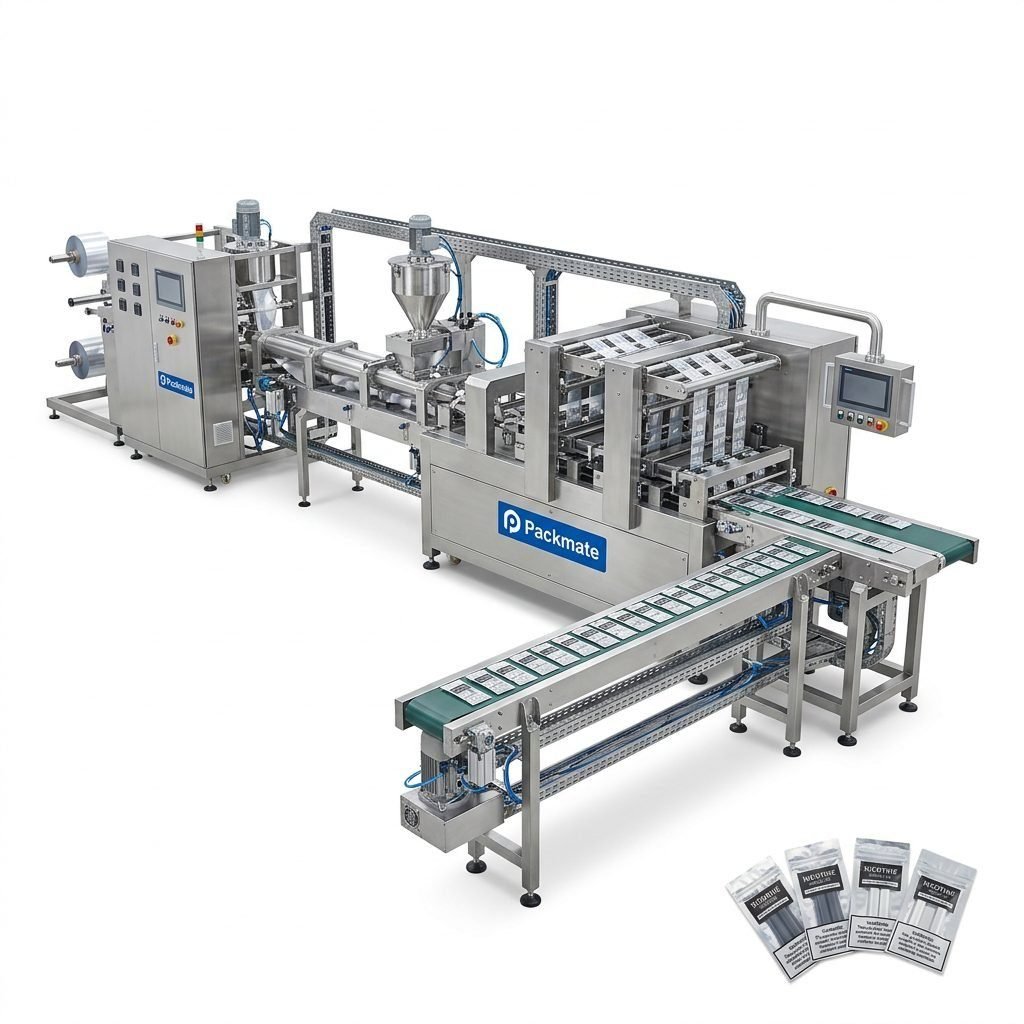
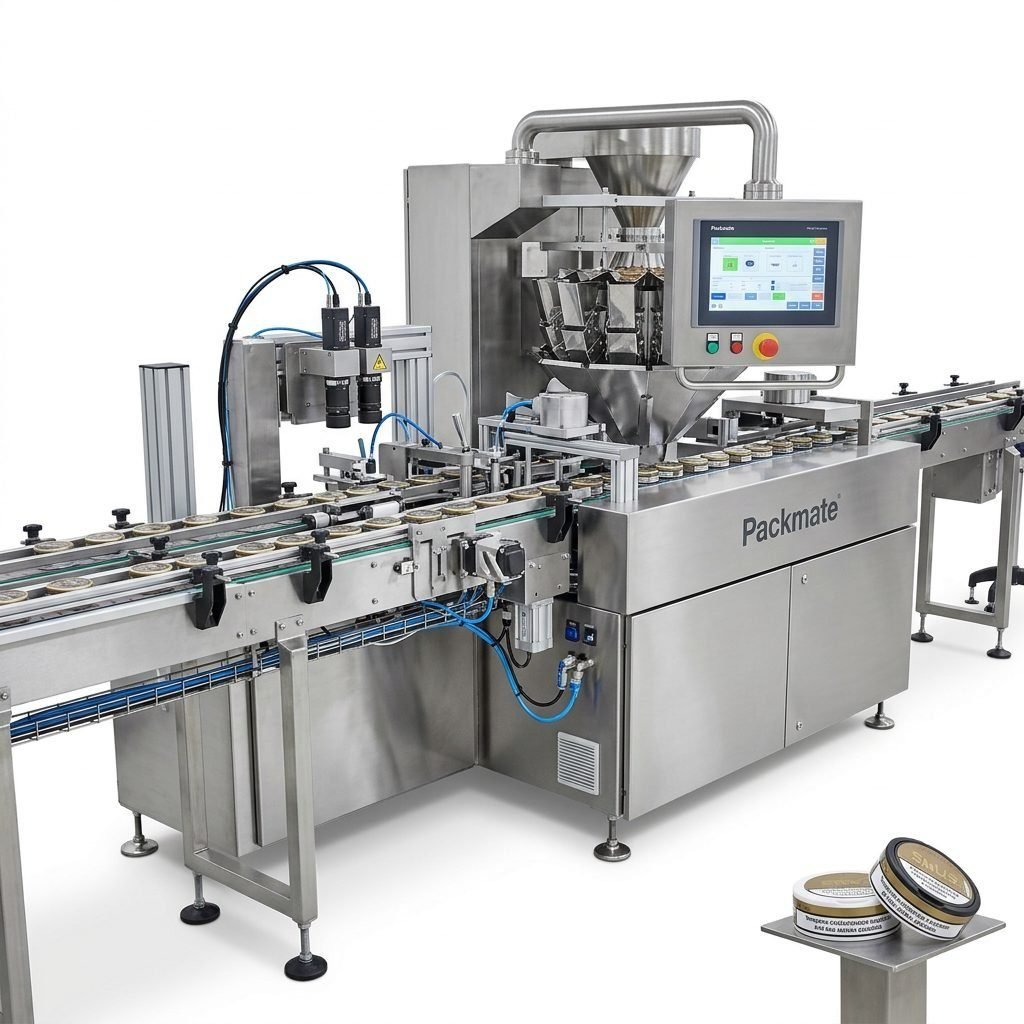
– Filling & packaging lines that integrate weighing, dosing, and pouch forming in one line.
Visit manufacturer product pages like Snus & Nicotine Packaging Machines and Sachet & Stick Pack Machines to compare specific models and multi-lane options.
What to Evaluate in a Manufacturer
Choosing a supplier is about more than price. Look for engineering depth, factory capacity, certifications, and after-sales support.
Must-check items:
Company history, production scale (e.g., 20,000㎡ factory), number of models available, and whether they provide turnkey solutions.
Engineering experience and factory capacity
Manufacturers with decades of experience and advanced CNC machining centers are better positioned to deliver stable, repeatable machines. A large manufacturing footprint signals capacity to build, test, and customize equipment — all important for Swiss importers who expect reliability.
Certifications and compliance
Swiss importers typically require CE and ISO compliance, and often additional documentation for food-contact materials and electronic safety. Ask for certificates upfront and verify them through the manufacturer’s Certificate page.
Customization and Small-Batch Flexibility
Because Switzerland has many boutique and craft producers, flexibility is key. You should evaluate whether the manufacturer can:
• Provide modular systems that support different pouch shapes and sizes.
• Offer quick tool-free changeovers for small-batch production.
• Supply software customization for multi-language labeling and batch traceability.
Important: Request a demonstration run with your actual materials and nicotine pouch blends to validate dosing accuracy and pouch sealing quality before signing a supply contract.
Quality Control and Testing Procedures
High-precision packaging requires strict QA. A reliable manufacturer offers:
– In-line quality checks and vision systems for seal integrity.
– Weight and dosing verification modules to ensure consistent nicotine dosing.
– Factory acceptance tests (FAT) and the option for witnessing runs at the factory.
Factory acceptance & validation
Insist on detailed FAT protocols and documented test results. For Swiss regulators and brand owners, traceable test records and machine performance logs are essential.
After-sales Support and Spare Parts
Downtime is costly. Choose a manufacturer offering responsive support, spare parts availability, and remote troubleshooting. Ideally, your supplier should provide:
– Spare parts kits and recommended inventory lists.
– Remote diagnostics and software updates.
– On-site commissioning and operator training in your local language.
Packmate’s global presence and exhibition activities (see Our Exhibition) make it easier to arrange demonstrations and live troubleshooting sessions.
Logistics, Lead Times & Cost Considerations
Plan for realistic lead times; complex, customized lines require more engineering time. Factor in shipping, customs, VAT, and on-site installation costs when comparing quotes. Ask for a clear timeline with milestones: engineering drawings, FAT, shipping, installation, and validation.
Checklist: Confirm delivery Incoterms, spare parts lead times, training schedule, and warranty terms before finalizing the purchase.
Sustainability & Waste Reduction
Sustainability is a strong selling point in Switzerland. Evaluate energy efficiency, material waste rates, and options for using recyclable film or biodegradable materials. Machines with optimized film usage and efficient cutting/sealing reduce waste and lower per-unit cost.
Installation, Training & Validation in Switzerland
Smooth installation and operator training are essential. Look for manufacturers that provide on-site commissioning and multilingual training materials. For Swiss operations, documentation in German and French can significantly speed up acceptance and certification processes.
If you want to learn more about a manufacturer’s background, visit About Packmate or view real-world installations on the Case page.
Technical Specifications to Prioritize
When evaluating machine specs, focus on these core metrics:
– Dosing accuracy (mg tolerance) and dose-to-dose variation.
– Output (pouches per minute) and multi-lane scalability.
– Sealing integrity under varied film materials.
– PLC/SIEMENS or other proven control systems and HMI languages.
– Maintenance access and modularity for future upgrades.
Note: For nicotine pouches, dosing precision is often the most critical technical requirement — prioritize machines that can demonstrate low variance during FAT.
How to Run a Successful Supplier Evaluation
A structured evaluation minimizes risk. Use a scorecard that covers technology, certifications, references, price, warranty, lead time, and support. Include a site visit or arrange a live demonstration and request references from other European customers.
Sample scorecard items
• Engineering capability and R&D resources.
• Factory scale and CNC/assembly capabilities.
• Delivered projects in Europe and ability to comply with Swiss import rules.
• After-sales support and spare parts logistics.
Negotiation Tips & Contract Terms
Negotiate clear acceptance criteria (FAT results), warranty scope (parts and service), penalties for delays, and training deliverables. Ensure software ownership and rights for updates are spelled out, and define spare parts availability windows.
Working with Packmate for Swiss Projects
Packmate Snus Machine brings 30+ years of packaging engineering, a 20,000㎡ factory, and a portfolio of 50+ machine models. Their turnkey solutions, multi-lane expertise, and global exhibition presence make them a strong candidate for companies targeting Swiss markets. For specific product lines, check their product categories and service pages such as Filling & Packaging Lines and Service.
Final checklist before purchase: FAT plan, multilingual manuals, spare parts list, installation timeline, warranty, and local regulatory support.
Summary & Next Steps
Selecting a snus packaging machinery manufacturer for Switzerland requires balancing precision engineering, regulatory compliance, flexibility for small-batch production, and strong after-sales support. Shortlist vendors with proven multi-lane solutions, request FAT and sample runs with your materials, and ensure documentation and training are available in the languages required for your teams and regulators.
Useful contacts and resources
If you need to get in touch with a supplier directly for quotations, machine specs, or factory visits, use the manufacturer’s contact portal: Contact Us.
Common Questions
Q1: How long does it usually take from order to installation for a custom snus packaging line in Switzerland?
A1: Typical timelines vary by customization level, but expect 12–24 weeks for engineered multi-lane systems including FAT, shipping, and on-site commissioning. Always confirm milestones in the purchase agreement.
Q2: What certifications should I ask for when importing packaging machines into Switzerland?
A2: Ask for CE certification, ISO quality documents, and any additional material-contact documentation. Machine electrical and safety certificates are essential; request copies and verify them via the manufacturer’s certificate page.
Q3: Can manufacturers support multilingual operator interfaces and documentation for Swiss operations?
A3: Many experienced suppliers provide multilingual HMIs and documentation. Confirm language options during specification and request localized training when possible.
Q4: How can I validate dosing accuracy before buying a machine?
A4: Request a factory acceptance test using your actual pouch materials and product formula. Verify dose variation reports and ask for video evidence or an onsite witness during FAT.
Q5: What after-sales support should I expect?
A5: Ensure the contract covers spare parts availability, remote diagnostics, software updates, and on-site service options. A parts kit and a recommended spares list help minimize downtime.