Entering the snus and nicotine pouch market in North America means working in a landscape of evolving consumer habits, strict regulatory oversight, and rising demand for clean, discreet oral nicotine alternatives. Choosing a reliable snus packaging machine supplier is one of the most important business decisions you will make—your production capacity, product quality, compliance with local rules, and long-term margins all depend on it.
Why a Reliable Supplier Matters in North America
North American buyers often expect fast delivery, clear documentation, and after-sales support that respects local standards. A trustworthy supplier delivers not only machines but also consistent performance, spare parts availability, and compliance documentation required by regulatory bodies (for example, packaging traceability and material certifications). Failing to secure a dependable partner can lead to downtime, compliance gaps, and lost market opportunities.
Key takeaway: Choose a supplier with proven experience in snus/nicotine pouch packaging lines, strong factory capabilities, and established global customers.
Understand Local Consumer and Cultural Context
North American consumers prefer discreet single-dose formats, attractive branding, and consistent portion sizes. In the U.S. and Canada, taste profiles and packaging aesthetics play a major role; many brands favor matte finishes, resealable pouches, and clear dosing information. In addition, buyers may request child-resistant features, recyclable materials, or specific labeling to meet provincial/state regulations.
Regulatory & Compliance Considerations
Packaging equipment suppliers should provide documentation such as CE, ISO certificates, material safety data information, and test records for packaging materials. For North America, also confirm whether the supplier understands local regulatory frameworks—this includes proper labeling formats, batch traceability, and aspects of nicotine product control in different states and provinces.
Step-by-Step Guide to Finding a Reliable Snus Packaging Machine Supplier
1. Start with product-fit: machine types and line layouts
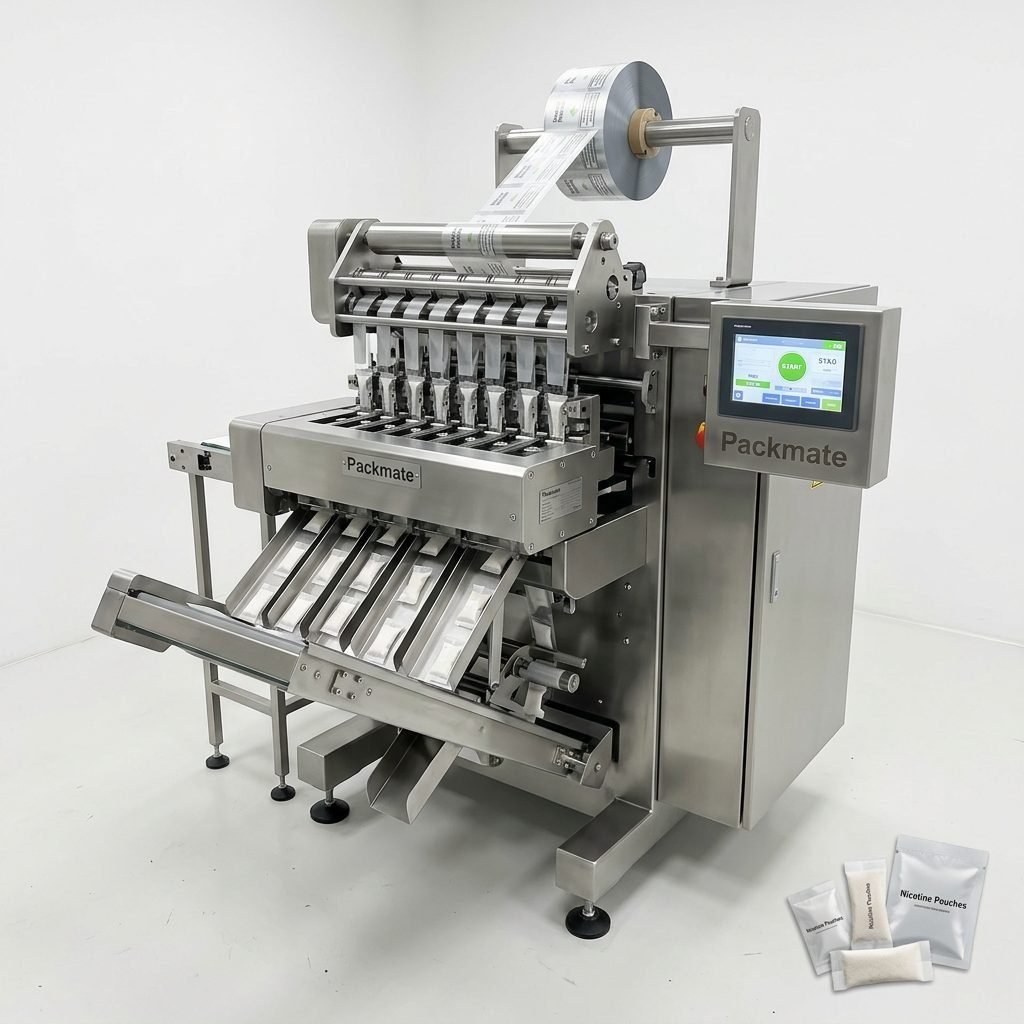
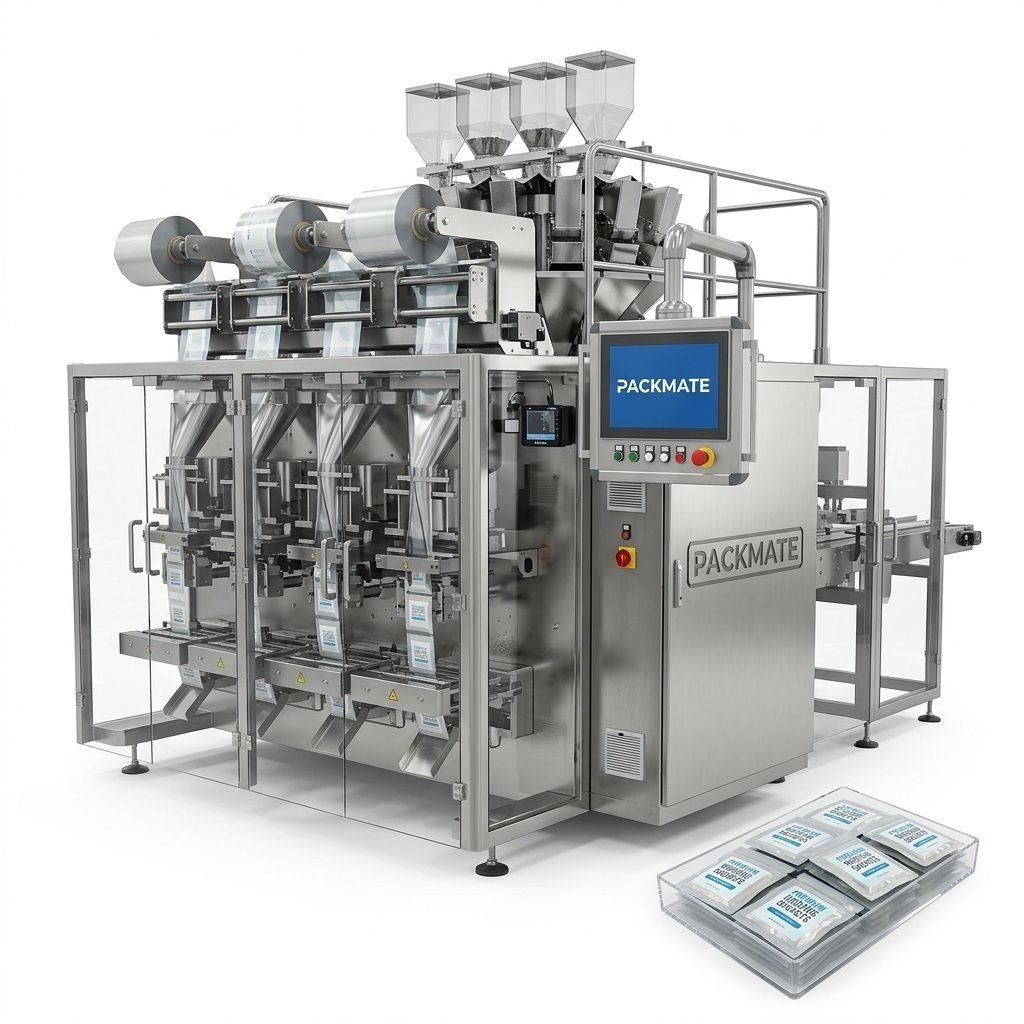
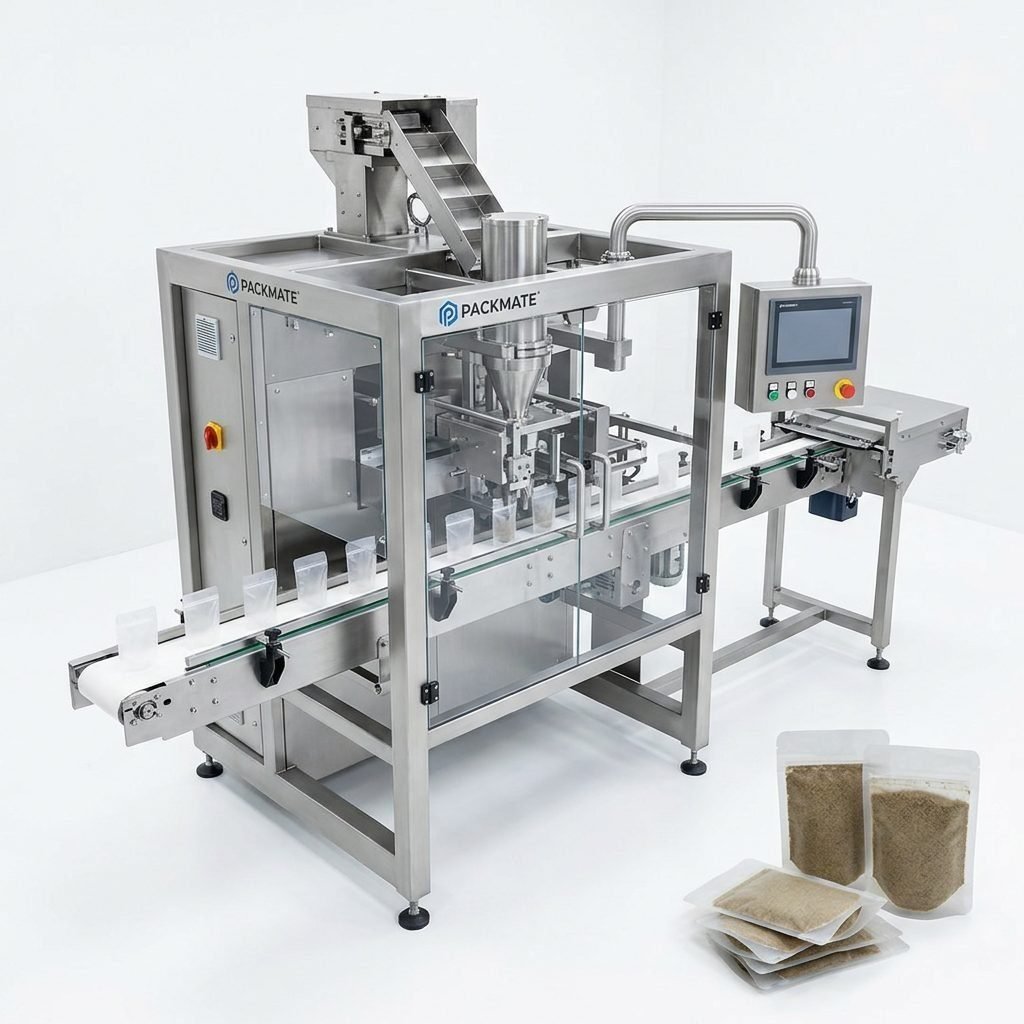
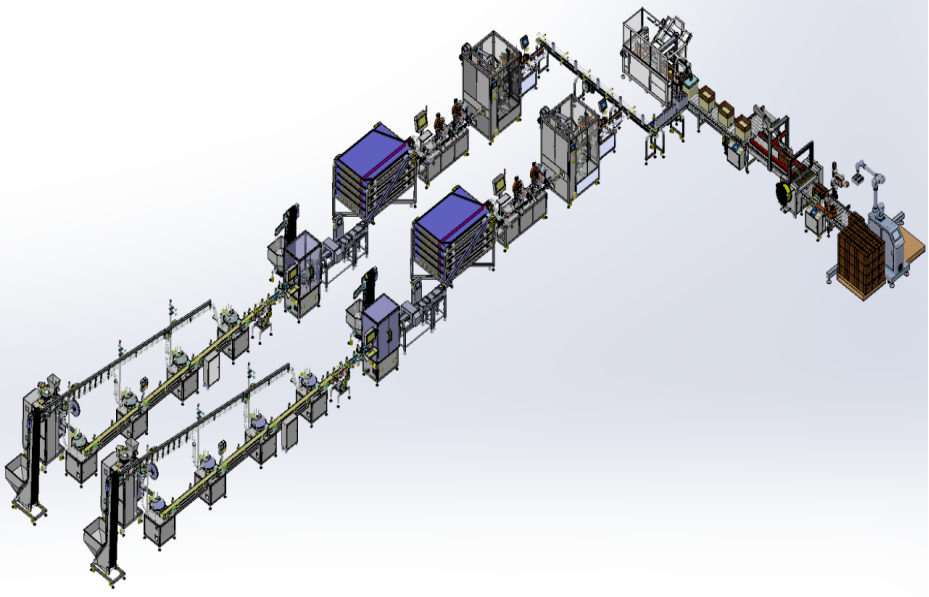
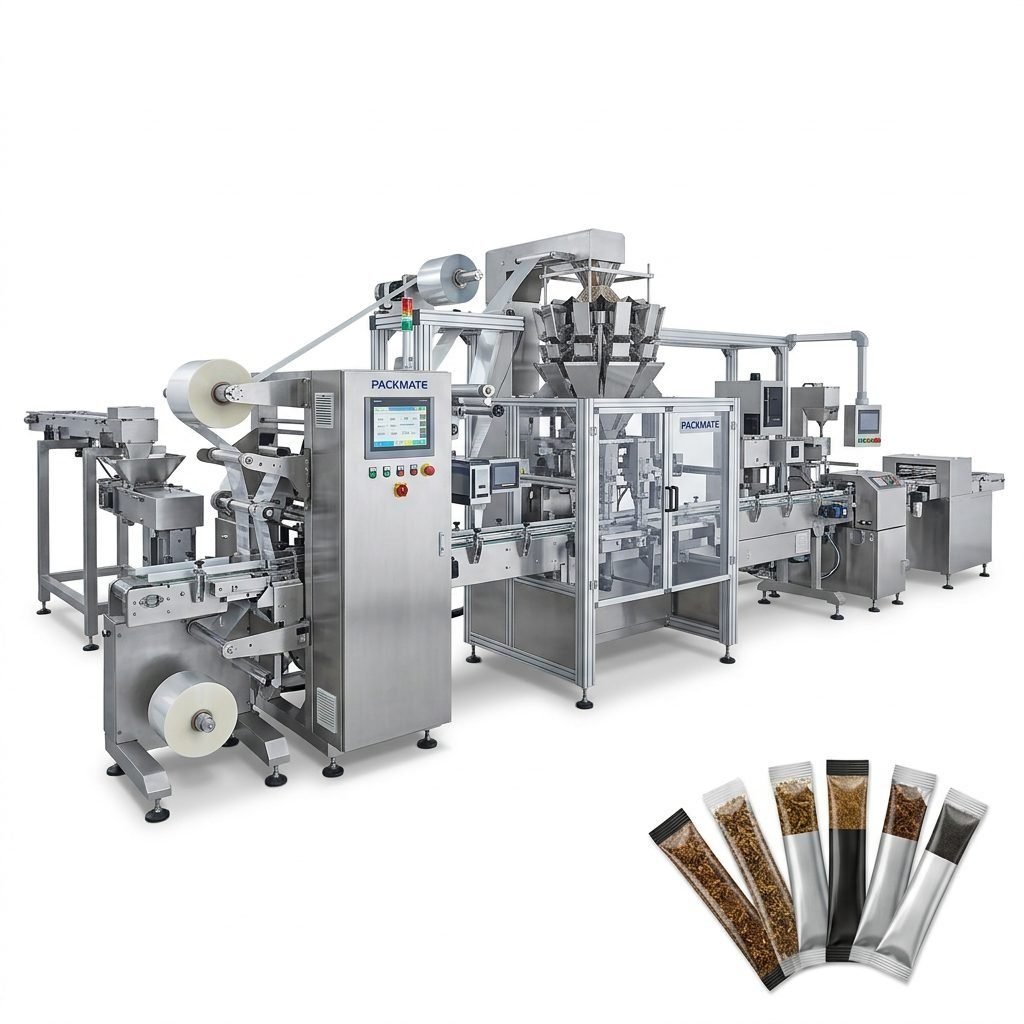
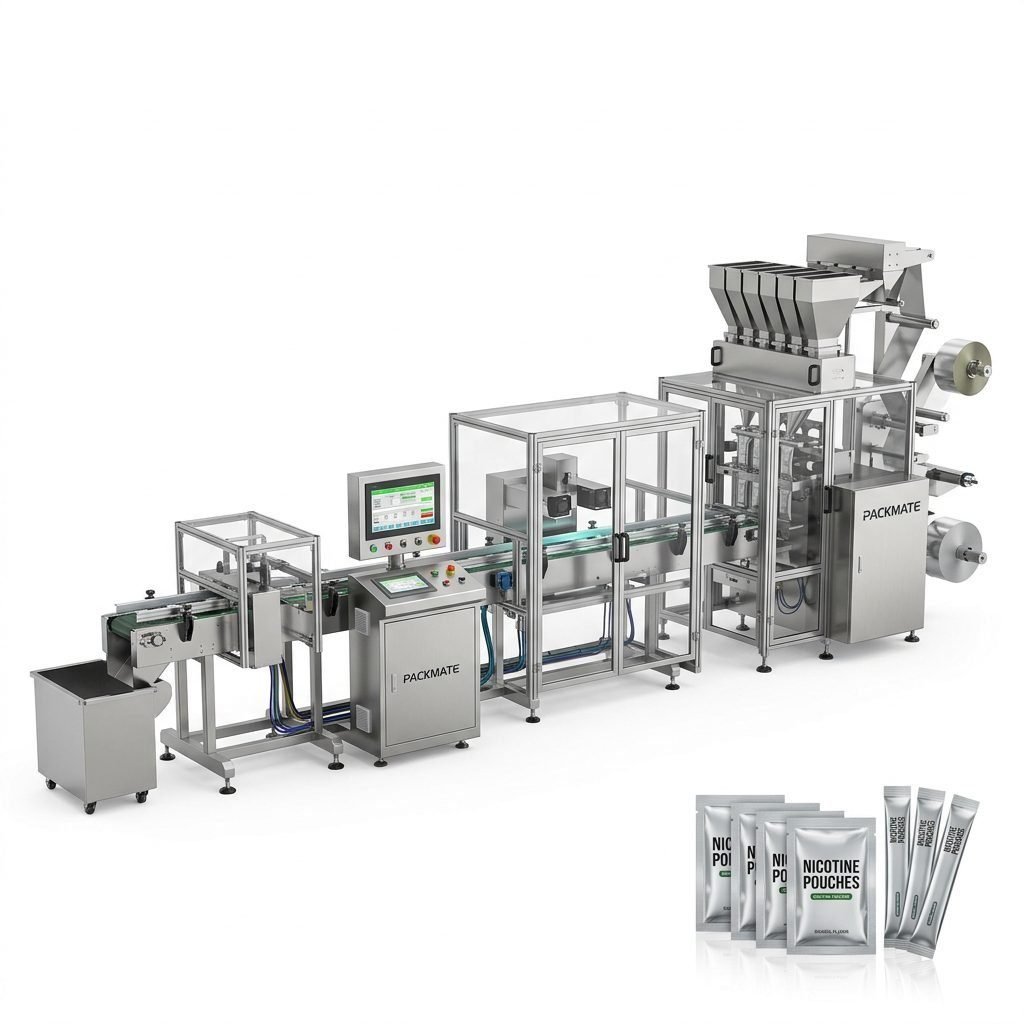
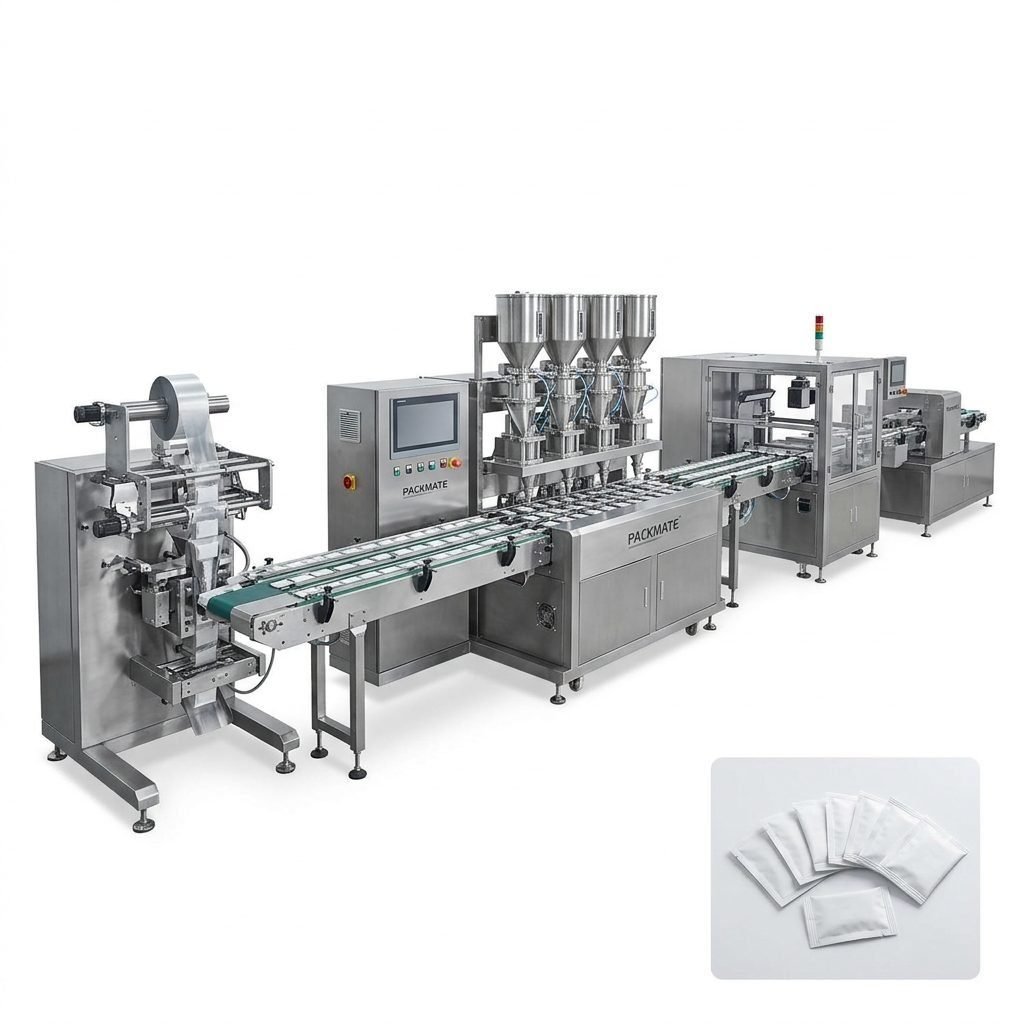
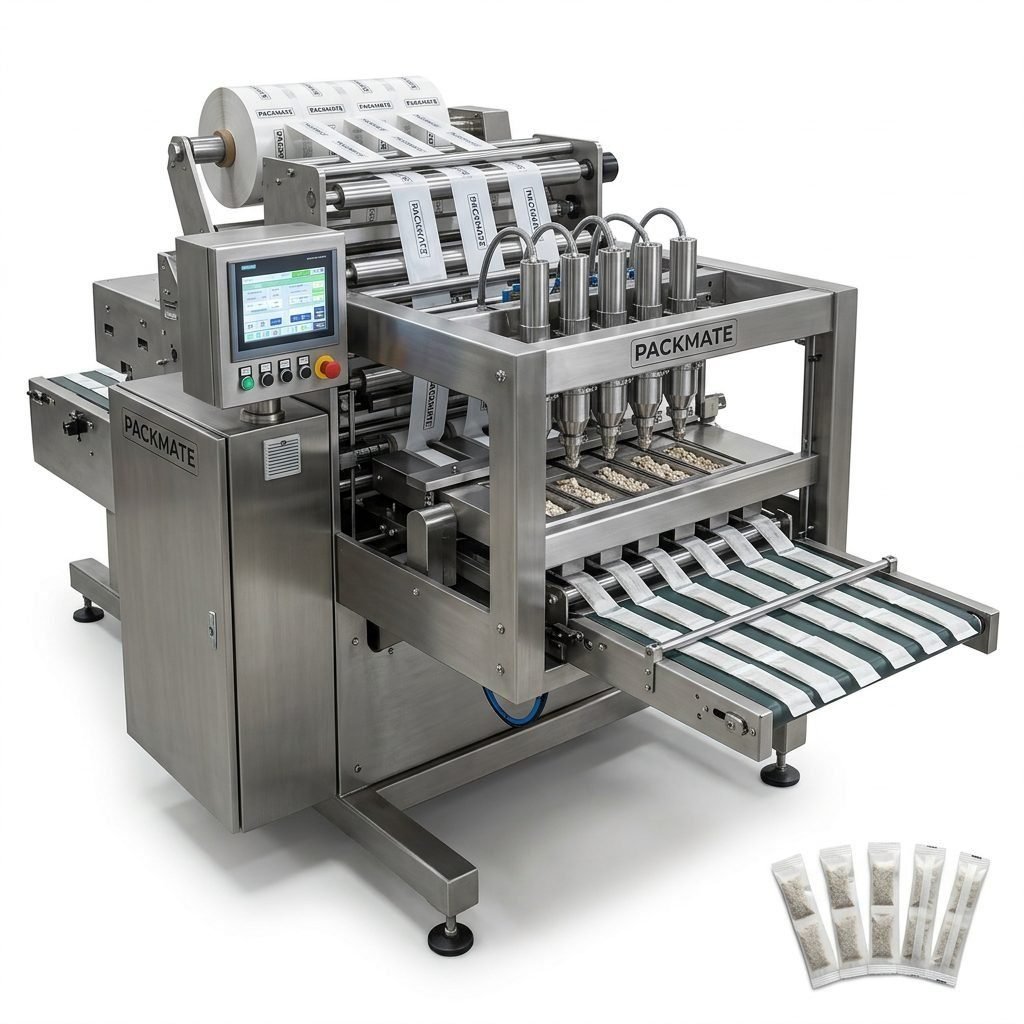
Identify whether you need stick packs, sachets, multi-lane pouches, or specialized small-dose snus machines. Ask about available models, lane counts, and production speeds. Suppliers like Packmate focus on snus-specific lines including stick pack, sachet, and multi-lane systems—review product ranges such as Snus & Nicotine Packaging Machines and Sachet & Stick Pack Machines for a sense of technical options.
2. Check factory capabilities and production scale
A supplier with a large, modern factory and CNC machining centers is more likely to deliver consistent machine quality. Look for details like factory area (for example, 20,000㎡), assembly lines, and capacity to produce multiple models. Suppliers that offer turnkey solutions and 50+ machine models demonstrate breadth and customization capability. Visit the supplier’s factory or request a live video tour.
3. Request certifications and quality control processes
Demand copies of CE, ISO, and other relevant certificates. Ask for test reports, material traceability, and a description of the supplier’s quality control checks. Suppliers that publish certificates publicly, such as on their Certificate page, tend to be more transparent.
Red Flags and Warning Signs
Watch out for vague answers about spare parts availability, lack of after-sales support, or unwillingness to share customer references. Other warning signs include inconsistent lead times, no factory tours, or missing compliance documentation. Reliable suppliers provide clear timelines, spare parts lists, and long-term support options.
Alert: If a supplier cannot confirm spare parts availability for at least 3 years or lacks installation and training services, reconsider.
Practical Evaluation Checklist
Use this checklist during supplier evaluation:
🔍 Machine performance: verified cycle rates, accuracy, and lane balancing.
📦 Range of models: multi-lane options, stick pack, sachet, and pouch lines.
🛠️ Spares & support: stock levels, spare part lead times, documented maintenance guides.
🧾 Quality & Compliance: CE/ISO certificates, test reports, material safety data.
🧭 References & Cases: verified clients in North America or similar markets—see global cooperation cases on the supplier’s Case page.
🚚 Logistics & Installation: export packing, freight guidance, install & commissioning plan.
Technical and Commercial Questions to Ask Prospective Suppliers
Before signing a contract, ask clear, documentable questions:
- What is the guaranteed production speed (pouches/min) at target fill weights?
- Can you provide an itemized spare parts list and estimated lead times?
- What warranties and uptime guarantees do you offer?
- Do you provide CE/ISO certificates and material compliance documentation?
- Are installation, training, and commissioning included? If not, what are the fees?
- Can you customize machine formats, dosing systems, and control software?
Negotiation Tips
Prioritize total cost of ownership over upfront price. Negotiate spare parts packages, training days, remote support hours, and a clear shipping/incoterm. Ask for performance acceptance tests (FAT) in the factory and define criteria for acceptance before shipment.
After-Sales Support, Service, and Long-Term Partnership
A dependable supplier offers fast spare parts dispatch, remote troubleshooting, and in-person service options. Confirm whether the supplier has local partners or service agents in North America; if not, verify typical response times for technical support. Packmate, for instance, emphasizes global turnkey solutions and long-term technical support—ask to see the service scope and case studies on their Service page.
Pro Tip: Request a spare parts starter kit and remote commissioning sessions to reduce initial ramp-up time.
Factory Acceptance Tests and FAT Checklist
Insist on a FAT with clear acceptance data: speed tests, sealing integrity, weight accuracy, and lane synchronization. Document the test results and agree on corrective actions for any discrepancy.
Logistics, Installation, and On-Site Commissioning
Ensure packaging for sea freight meets export standards, and that the supplier provides clear assembly instructions and installation diagrams. Confirm whether the supplier offers on-site commissioning and operator training, or remote commissioning with step-by-step video support.
Costs & Lead Time Expectations
Lead times vary based on customization and factory backlog. Standard machines may ship faster, while tailor-made multi-lane lines require longer production windows. Ensure contractually-defined lead times, deposit schedules, and penalties for late delivery if necessary.
Case Studies & Proven Partners
Review verified case studies and ask for client contacts. Suppliers that participate in international exhibitions and maintain a portfolio of global cooperation cases demonstrate market credibility—visit pages such as Our Exhibition and About Packmate to learn more.
Checklist Reminder: Before purchase, secure FAT results, spare parts list, warranty terms, a training schedule, and a final acceptance process.
Final Steps: Making the Purchase with Confidence
Finalize specification sheets, delivery schedules, and payment terms. Agree on documentation transfer (manuals, PLC code, electrical drawings). Confirm the supplier’s contact for after-sales and any regional representation. If you require samples of packaging or compatibility tests with your chosen pouch material, perform these before signing.
Where to Learn More and Get Started
Explore product pages for detailed technical specs and reach out for consultations. Helpful links include Snus & Nicotine Packaging Machines, Bag & Pouch Packaging Machines, and the supplier’s Contact Us page for direct inquiries.
Quick Decision Checklist (Printable)
– Confirm machine model & production speed requirements.
– Verify certificates and FAT availability.
– Check factory capability, spare parts plan, and lead times.
– Negotiate warranty, training days, and remote support.
– Secure documented acceptance criteria before shipment.
Need more tailored advice?
If your project has special requirements—such as child-resistant closures, recyclable pouches, or small-batch specialty flavors—discuss these early with the supplier to avoid redesigns and delays.
Common Questions
Q1: How long is the typical lead time for a snus packaging line?
Lead times depend on the level of customization and factory backlog. Standard machines may ship in a few weeks to a few months, while multi-lane or fully customized turnkey lines can take several months. Always confirm a written delivery schedule.
Q2: What kind of after-sales support should I expect?
Expect spare parts availability, remote troubleshooting, operator training, and optional on-site commissioning. Good suppliers provide clear service scopes, spare parts kits, and remote support channels for quick resolution.
Q3: Are these machines compliant with North American regulations?
Reputable manufacturers supply CE/ISO documentation and will work with you to ensure labels and materials meet local rules. However, compliance for nicotine products includes local labeling and regulatory filings—work with your legal or regulatory advisors to finalize compliance.
Q4: Can the supplier customize machines for new pouch sizes or materials?
Many experienced suppliers offer customization for pouch formats, dosing systems, and control software. Provide specifications early, and ask for prototypes or FAT trials to validate performance before final production.
Q5: What should I check during a supplier factory visit or video tour?
Inspect assembly lines, CNC equipment, quality testing stations, and sample machines running. Request to see certificates, parts inventory, and FAT procedures. Meet the engineering team and service coordinators to assess responsiveness.