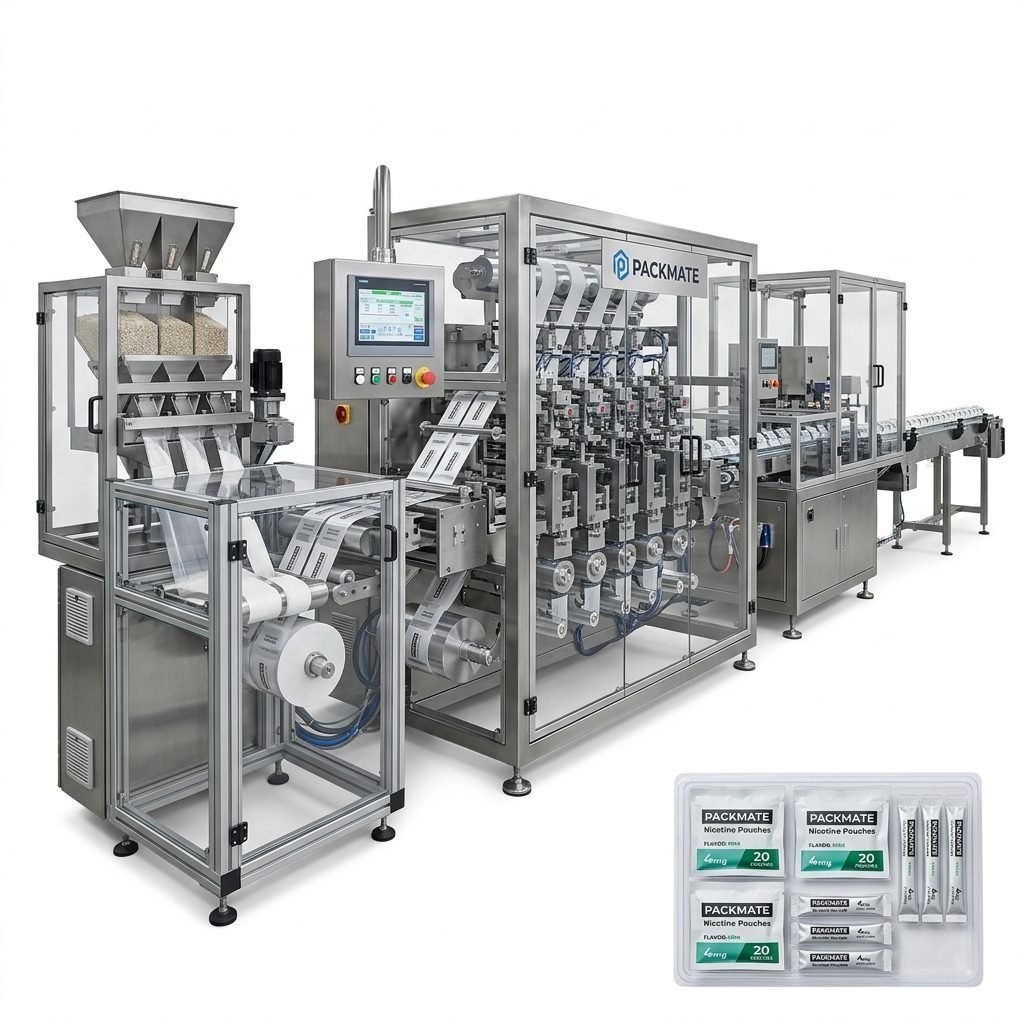
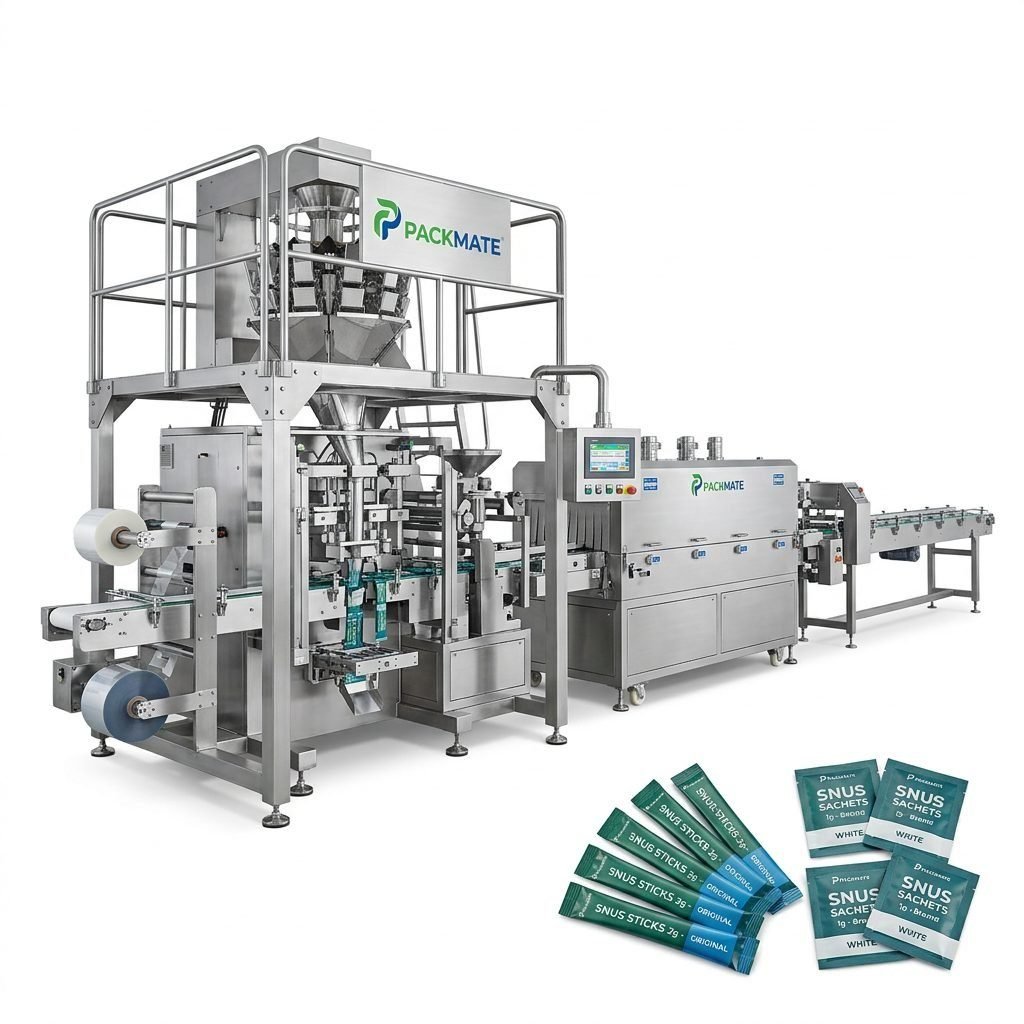
Choosing the right snus packaging machine can transform a production line from a daily challenge into a reliable, high-output operation. Whether you make nicotine pouches, traditional snus, sachets, stick packs, or blends that require precision dosing, the machine you buy determines product quality, throughput, cost-per-unit, and your ability to scale. This guide walks you through the practical criteria, technical specifications, supplier selection tips, and total-cost considerations you need to make an informed purchase.
Why Choosing the Right Snus Packaging Machine Matters
The snus market demands consistent dosing, tight sealing, and reliable labeling. A poorly matched machine can cause product waste, inconsistent fills, packaging damage, and frequent downtime. In contrast, selecting a purpose-built machine designed for nicotine pouch and snus formats ensures stable output, regulatory compliance, and lower lifecycle costs. Key outcomes to expect from the right equipment include improved product shelf life, better appearance, faster OEE (overall equipment effectiveness), and simplified staff training.
Primary Machine Types and When to Use Them
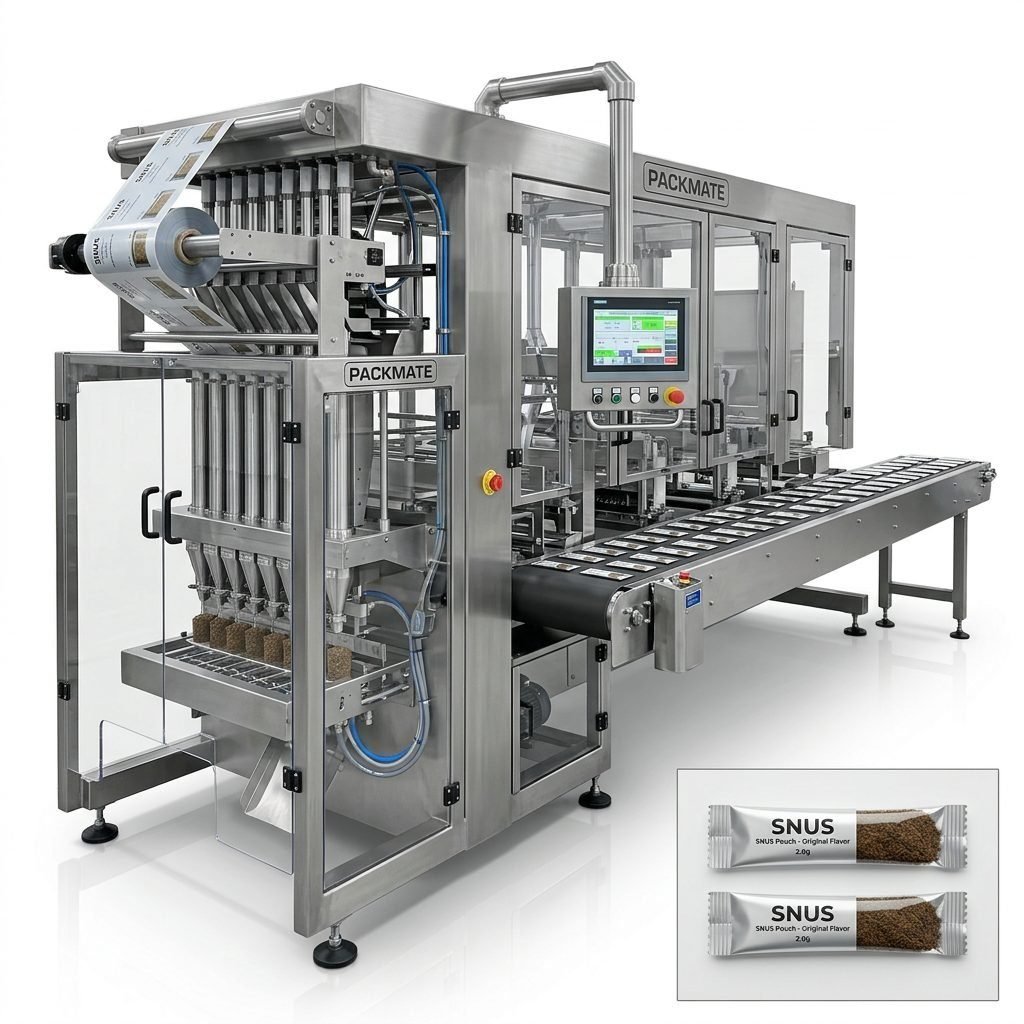
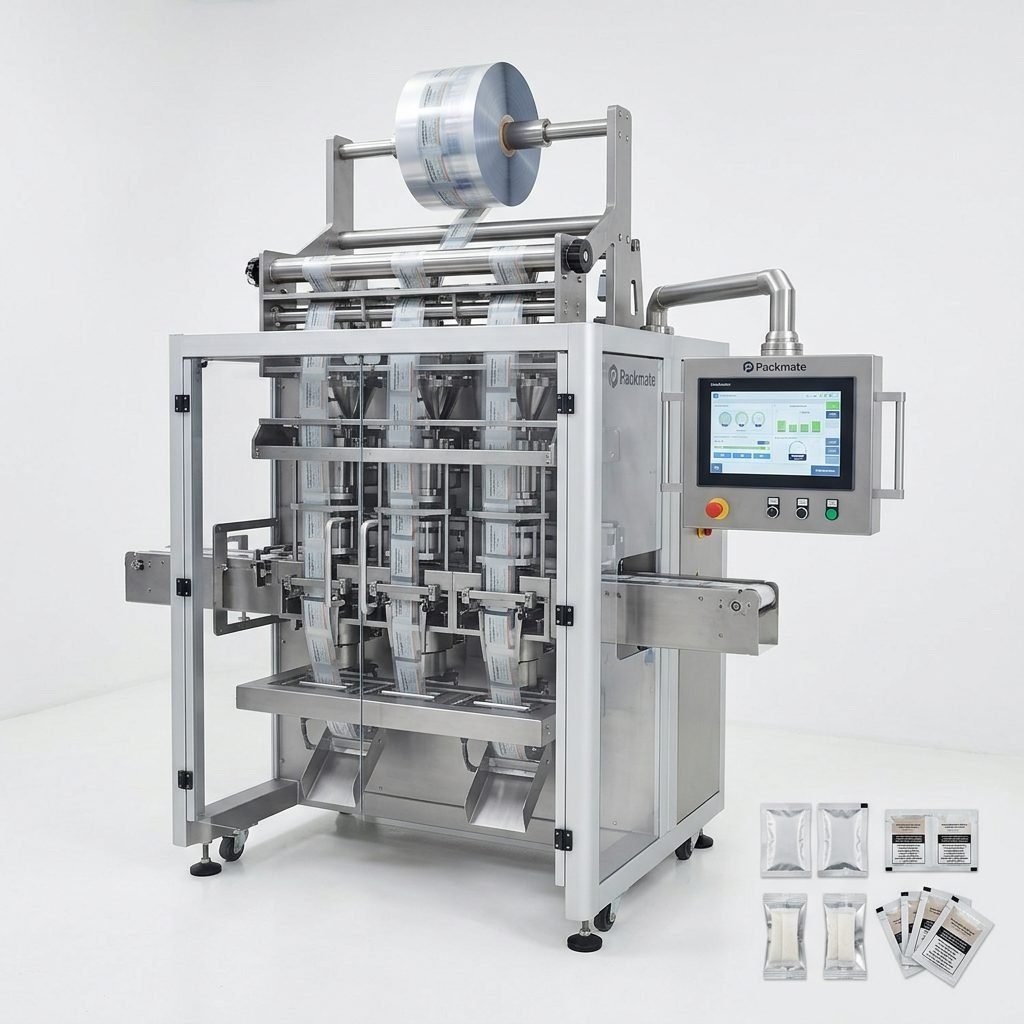
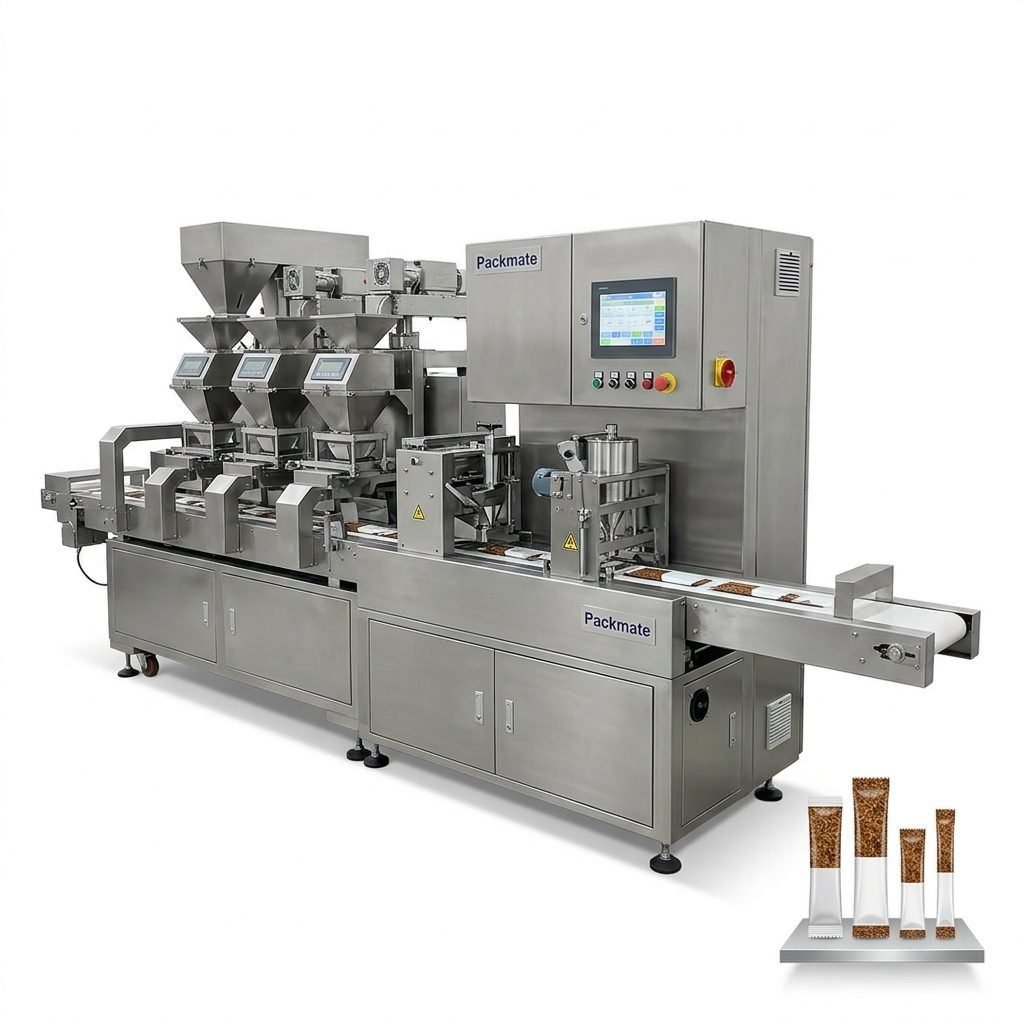
🔍 Stick Pack Machines — Best for single-dose, elongated sachets and convenient consumer formats. Use when your product requires fast single-serve dosing and low packaging material weight.
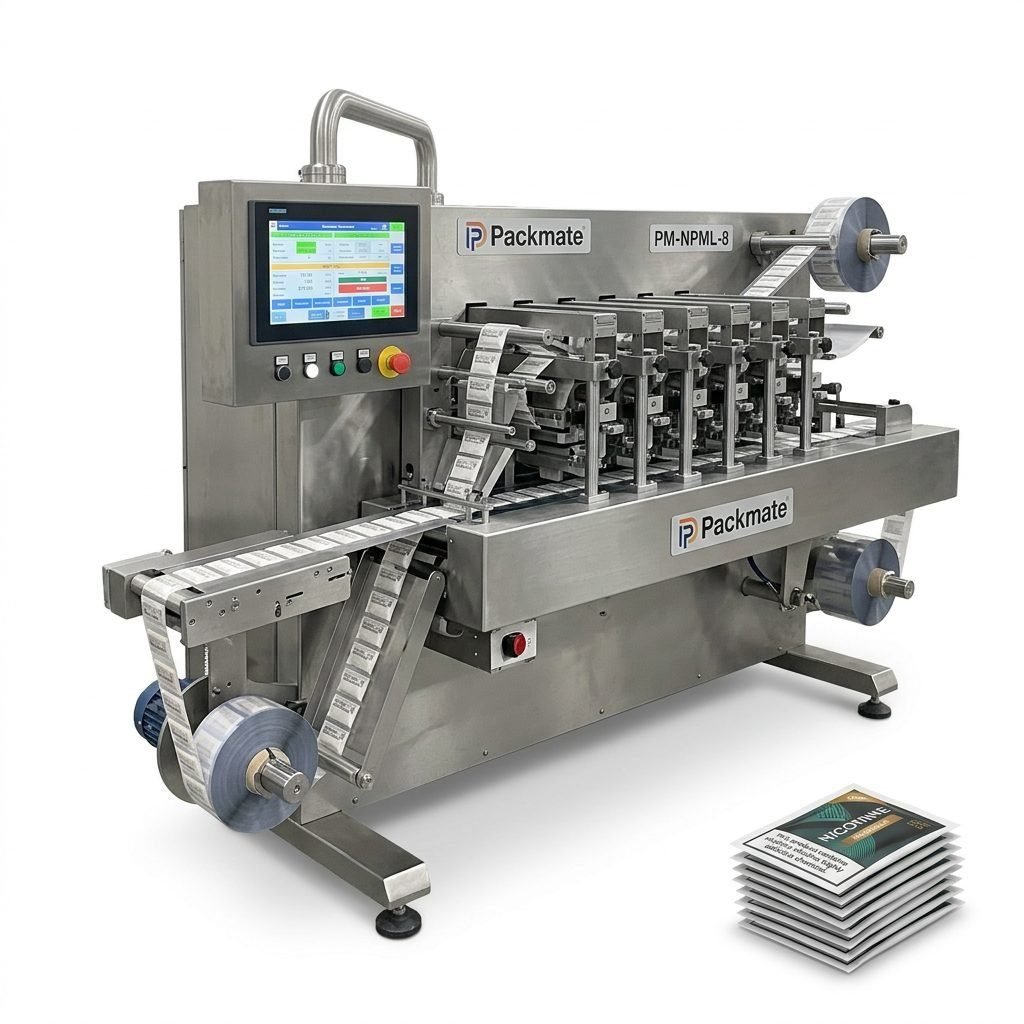
✅ Sachet & Multi-Lane Systems — Ideal for high-speed, multi-lane production of small-dose pouches. Multi-lane machines dramatically increase throughput for small-dose nicotine pouches and snus sticks. Explore Sachet & Stick Pack Machines for models and configurations.
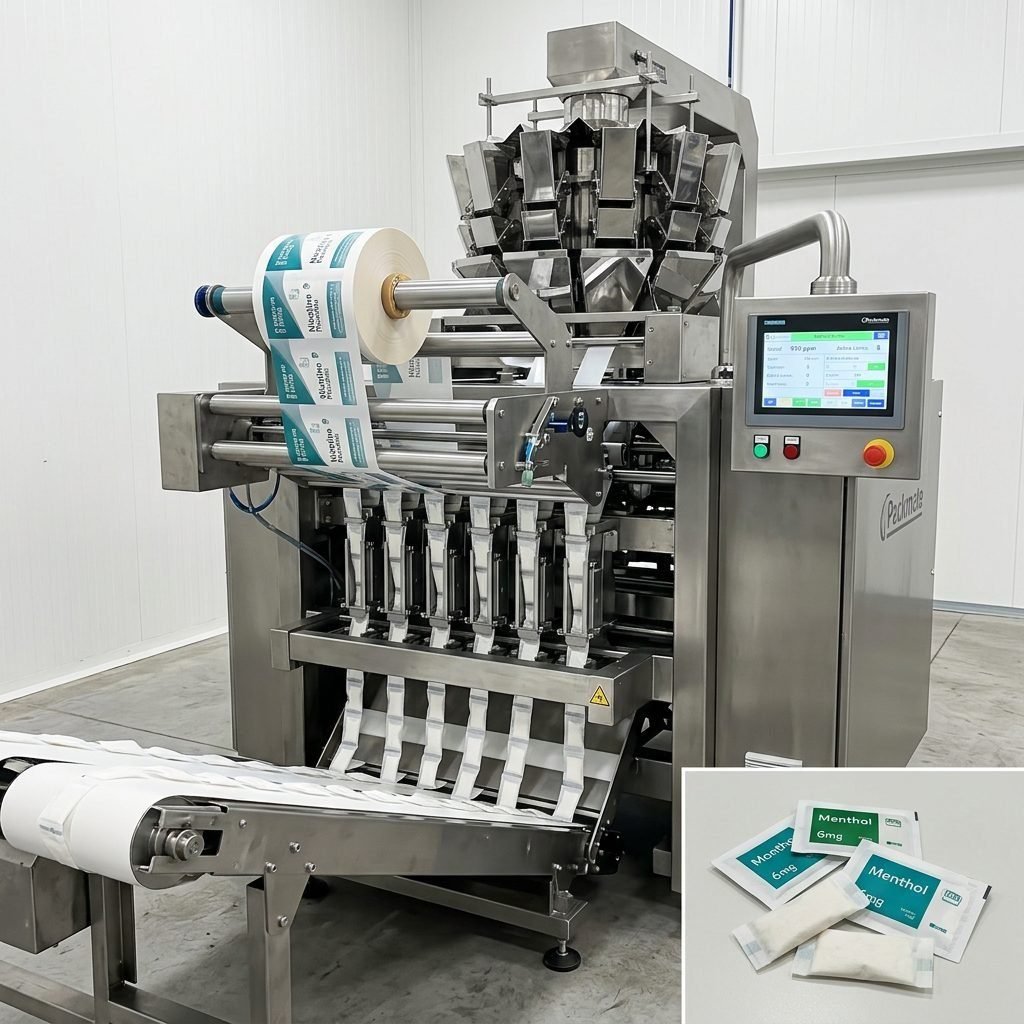
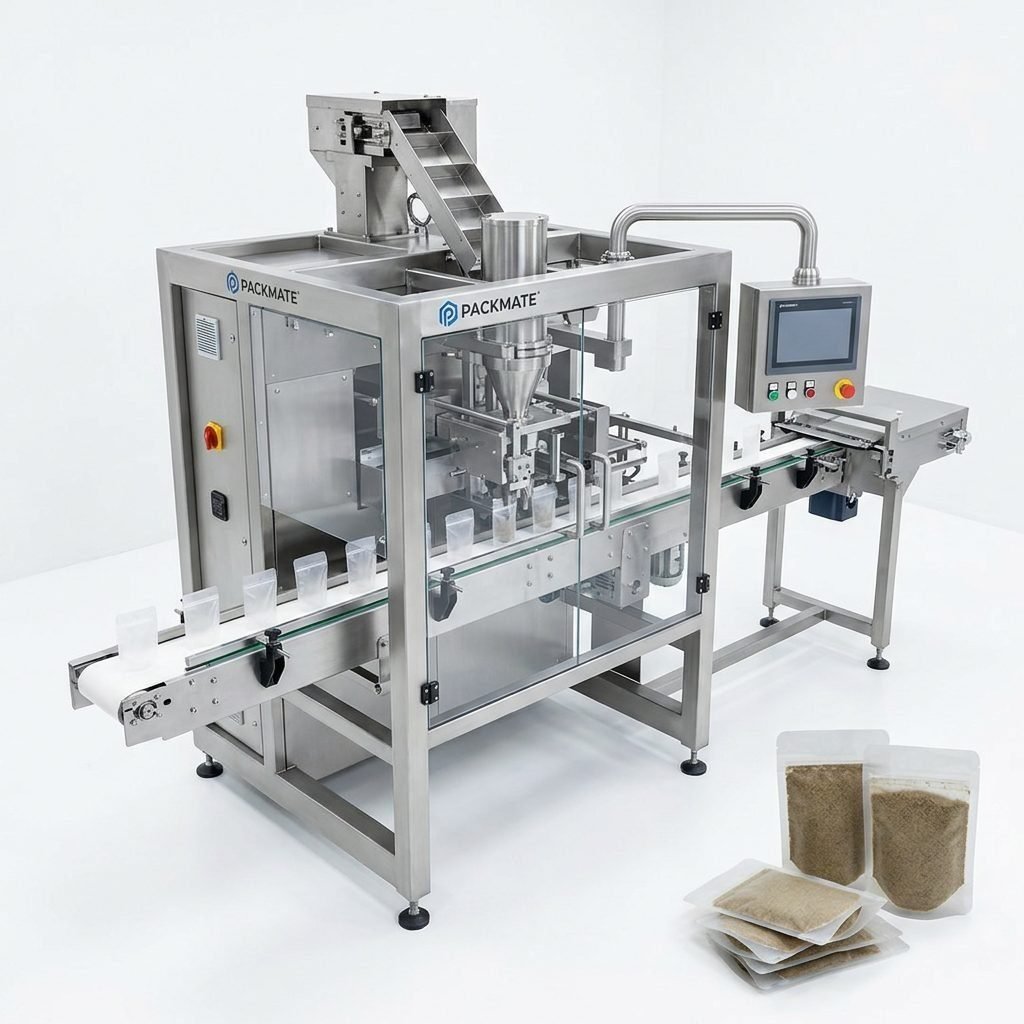
🔧 Vertical Form-Fill-Seal (VFFS) & Custom Pouch Lines — Flexible for a range of pouch sizes and materials; suited for brands that require mixed SKUs on a single line or laminated barrier films.
Key Specifications to Compare Before Buying
Choosing by brand alone isn’t enough. Compare machines across these dimensions to match machine capability with your product and business goals.
⚡ Speed & Throughput — Expressed in pouches per minute (ppm) or pieces per lane. Match speed to your forecasted output with margin for peak demand.
🧭 Number of Lanes — Multi-lane machines multiply capacity. Consider lane changeover time and synchronization accuracy.
⚖️ Dosing Accuracy — Critical for nicotine pouches where consistent nicotine weight is regulated. Verify dosing repeatability and calibration ease.
🧩 Material Compatibility — Films, laminates, and barrier layers affect sealing temperatures and sealing mechanics. Confirm the machine supports your chosen film structure.
📐 Footprint & Plant Fit — Factor in not just machine dimensions but service access, infeed/outfeed conveyors, and safety zones.
🛠️ Maintenance & Spare Parts — Check spare parts availability and mean time to repair (MTTR). Machines with modular components reduce downtime.
Automation, Control, and Integration
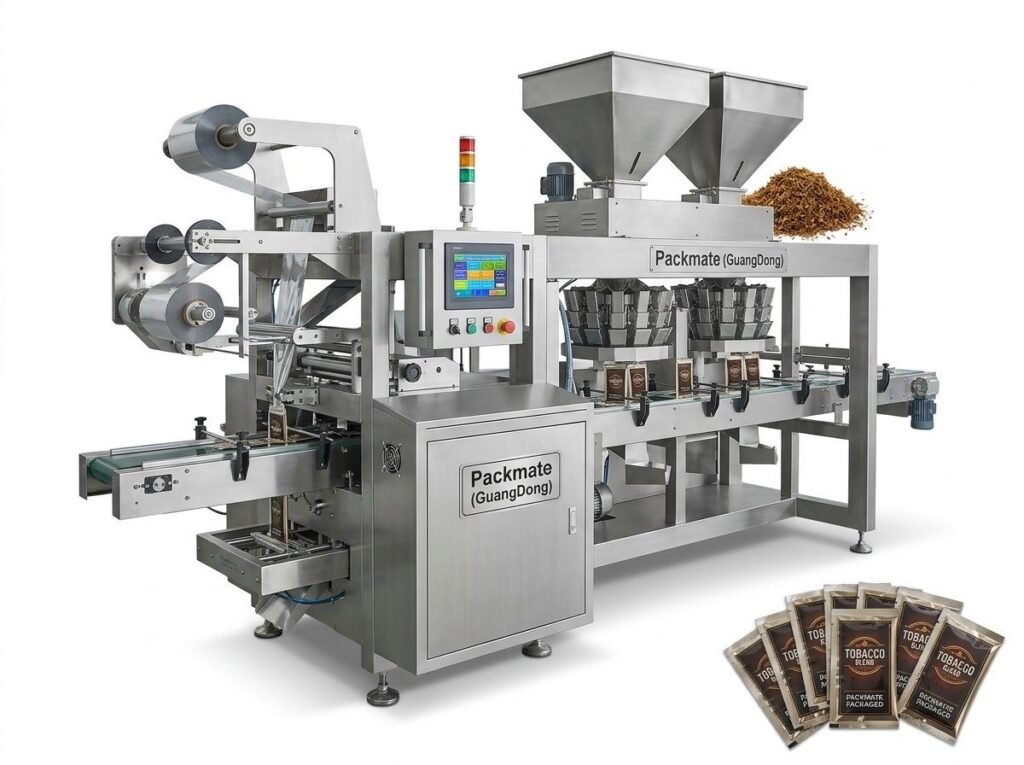
Modern snus packaging machines should offer PLC control, user-friendly HMI panels, recipe management, and the ability to integrate with weighing systems, checkweighers, metal detectors, and upstream feeders. If you need combined weighing and packaging, review Weighing & Packaging Systems to assess compatibility. Ask about remote diagnostics, OEE modules, and software updates that improve productivity over time.
Build Quality, Compliance and Factory Strength
A robust supplier invests in factory tooling, quality control, and test capabilities. Packmate Snus Machine, for instance, operates a 20,000㎡ manufacturing facility with advanced CNC centers and precision assembly lines — factors that correlate strongly with consistent machine performance and long-term support. Look for CE and ISO certifications as a baseline for safety and quality; for more details see Certificate.
Supplier Track Record
Evaluate supplier history, case studies, and exhibition appearances. Ask for references and visit a live line if possible. Packmate’s timeline (from early R&D in 1993 to today’s global solutions) shows the kind of steady development that reduces buyer risk. See real-world examples in Case and Our Exhibition for verification.
Total Cost of Ownership (TCO) & ROI
Focus beyond capital expenditure. TCO includes energy consumption, film usage, spare parts, labor, training, maintenance contracts, and expected production losses due to changeovers. Machines that enable faster changeovers and flexible formats often pay back faster even with a higher sticker price.
💡 Energy & Material Efficiency — Low-waste sealing and optimized film use reduce per-unit cost.
🧾 Service Contracts & Warranty — Confirm warranty scope, response time, and on-site support options. Service plans can be a major factor in predictable running costs.
How to Evaluate a Machine in Practice
Request a FAT (Factory Acceptance Test) or a live demo with your actual product and film. Measure real ppm at target fill weights, check sealing integrity, and evaluate how quickly operators can perform a changeover. Ask the supplier to run a production trial and provide data on reject rates, energy consumption, and maintenance events.
Checklist for On-Site or Remote Factory Tests
🔎 Run full-speed trials at your target SKU and film.
📊 Request data on defect rates, effective OEE, and MTTR.
🛡️ Validate safety systems, guards, and lockouts.
📦 Confirm compatibility with your upstream and downstream equipment (fillers, weighers, case packers).
Customization, Upgrades and Auxiliary Equipment
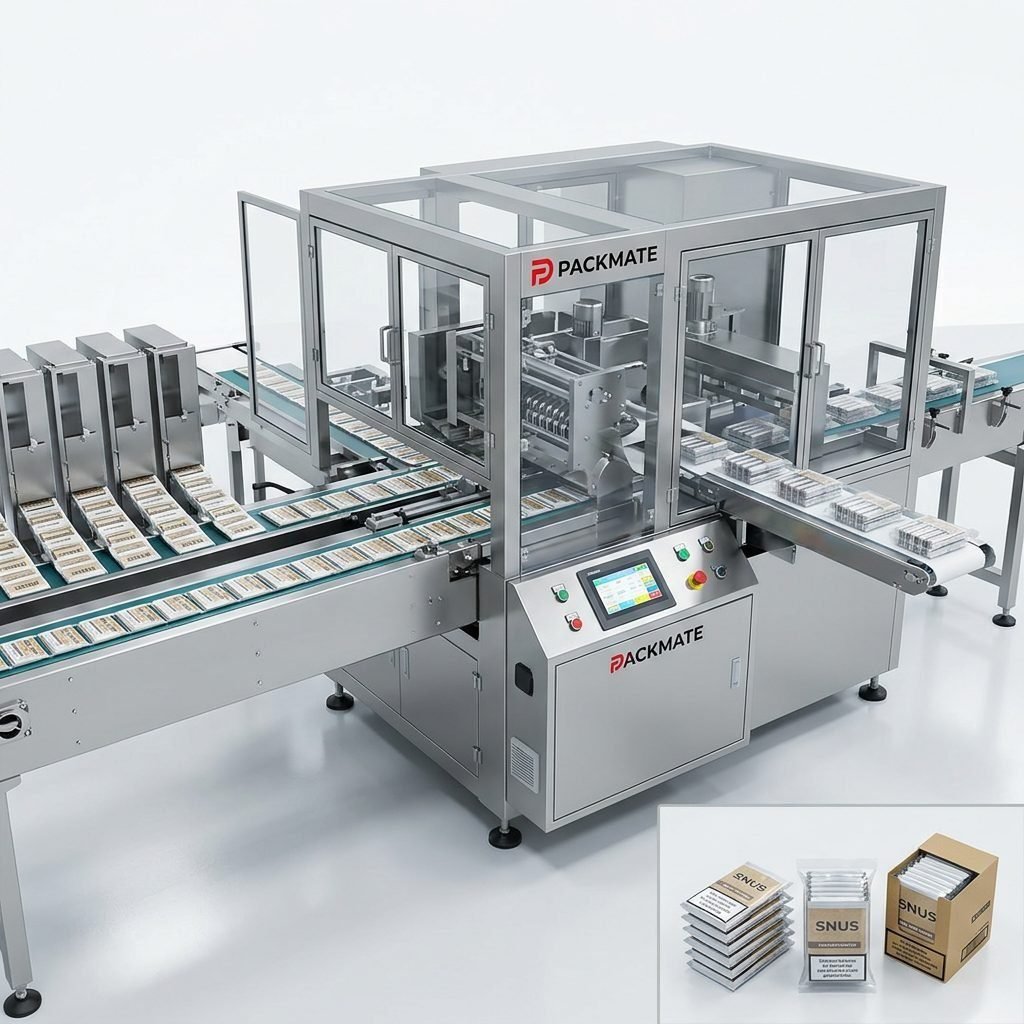
Your ideal supplier offers modular add-ons and auxiliary equipment so your investment can evolve. Consider options such as automatic feeding systems, nitrogen flushing, precision weighers, and vision inspection systems. For auxiliary tools and peripheral choices, browse Auxiliary Packaging Equipment and Filling & Packaging Lines to plan an integrated solution.
Common Pitfalls and How to Avoid Them
⚠️ Buying for Price Alone — Low upfront cost can hide long-term inefficiency and poor support. Prioritize lifecycle value over lowest price.
⚠️ Skipping FAT with Your Product — Generic trials don’t reveal real sealing or dosing problems. Always test with your film and formula.
⚠️ Ignoring Spare Part Sourcing — Confirm lead times and local stocking options to avoid extended downtime after wear or failure.
Making the Purchase Decision: A Practical Roadmap
1) Define your target SKUs and expected annual volume. 2) Shortlist machine types (stick pack, sachet, multi-lane). 3) Require FAT and run your product. 4) Ask for references and service terms. 5) Compare TCO scenarios and choose the supplier who meets technical, commercial, and support needs.
Resources & Next Steps
Explore product categories and technical datasheets from established suppliers:
• Snus & Nicotine Packaging Machines — View models
• Sachet & Stick Pack Machines — Explore options
• Weighing & Packaging Systems — Integrate weighing
• Case Studies & References — Real-world performance
Why Packmate Snus Machine is a Consideration
Packmate combines 30+ years of packaging engineering with a 20,000㎡ manufacturing footprint and 50+ machine models. Their product portfolio covers snus/nicotine pouch lines, stick and sachet machines, and complete filling and packaging lines. They emphasize precision machining, CE/ISO compliance, and global after-sales support — core strengths when evaluating a long-term partner. Learn more About Packmate for their company story and capabilities.
Final Buying Tips
• Prioritize machines proven with nicotine pouches and snus to avoid surprises.
• Insist on FAT with your product and film to validate quality and uptime.
• Balance speed with dosing accuracy — the fastest machine is not always the most profitable.
Frequently Asked Questions
Q: How fast can a commercial snus packaging machine run?
A: Speeds vary by machine type and lanes. Single-lane stick pack machines may run several hundred ppm, while multi-lane sachet systems can deliver thousands of pouches per minute combined. Always validate speed at target fill weight and film.
Q: What accuracy should I expect for nicotine dosing?
A: Dosing accuracy depends on the dosing system — auger, volumetric, or gravimetric. For nicotine pouches, targets typically require tight tolerances (often <±5% at production speed). Gravimetric and high-precision multi-head weighers provide the best repeatability.
Q: How important are certifications like CE and ISO?
A: Certifications demonstrate adherence to safety and quality management standards. CE indicates compliance with EU safety requirements; ISO quality systems show consistent manufacturing and control processes. These are useful purchasing filters when evaluating suppliers.
Q: Can a supplier handle turnkey production lines?
A: Yes. Many reputable suppliers deliver turnkey solutions that include filling, weighing, packaging, auxiliary equipment, and integration services. If you need a complete line, discuss layout, equipment matching, FAT, and commissioning services upfront.