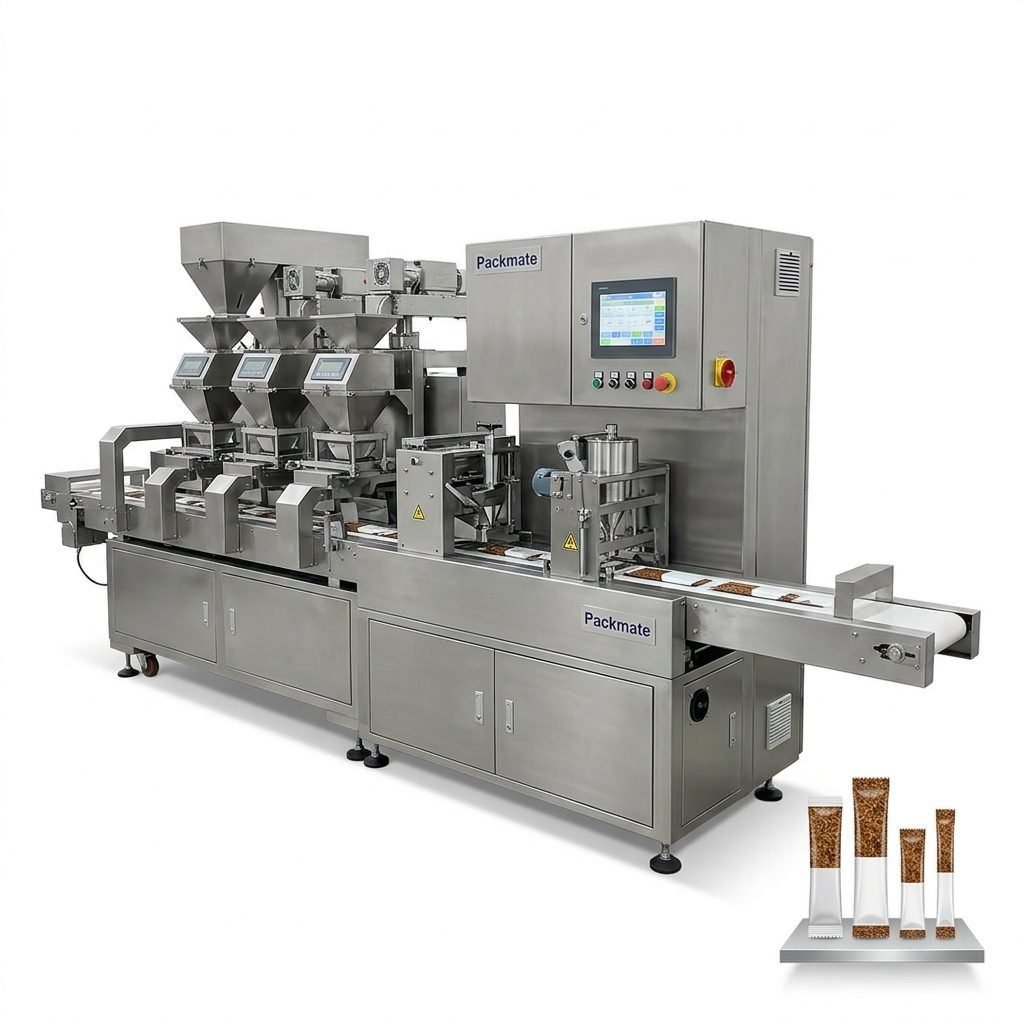
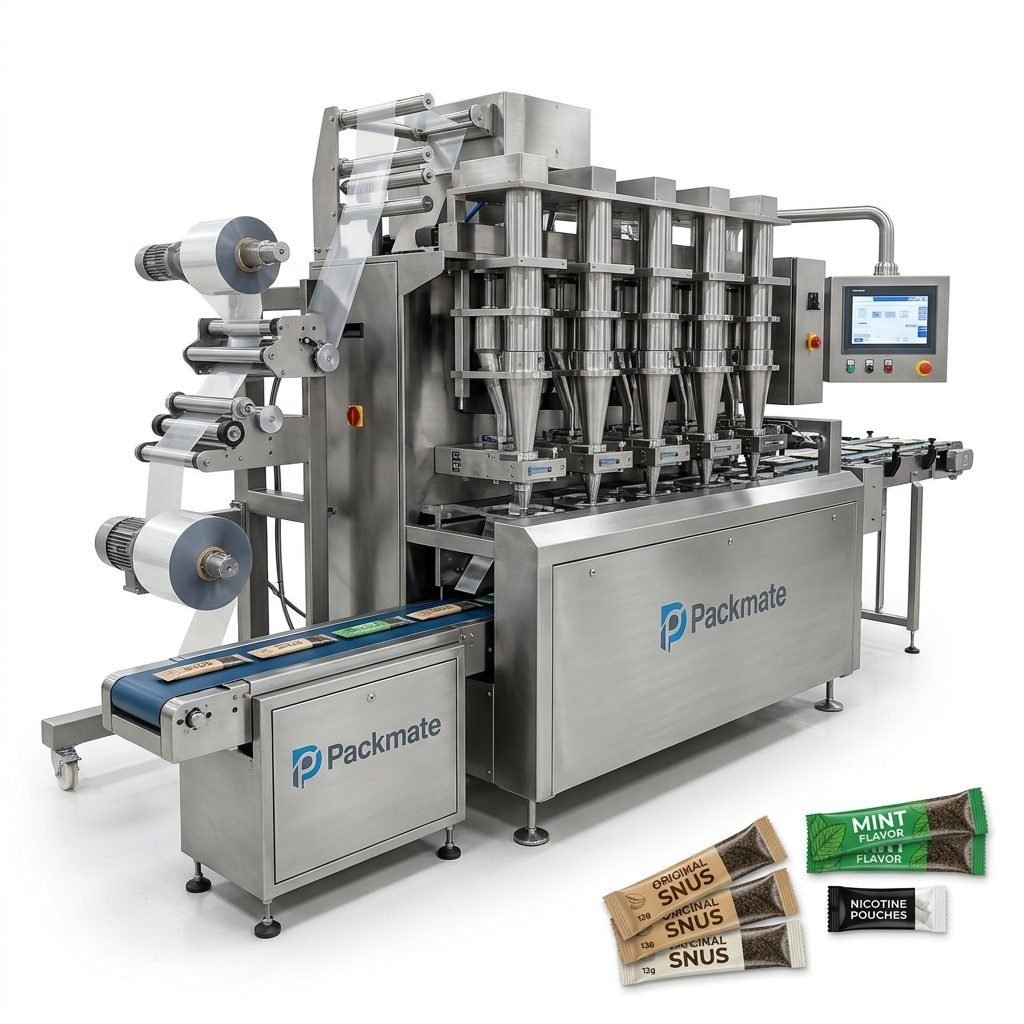
Choosing the right snus packaging machinery supplier in Luxembourg requires more than a quick price check. With local market nuances, EU regulations, and growing demand for nicotine pouches, a well-informed procurement decision protects your investment, ensures regulatory compliance, and helps you scale production reliably. This guide walks you through practical steps, technical considerations, and local insights to select the best snus or nicotine pouch packaging machinery supplier for your Luxembourg operation.
Why Luxembourg Needs a Focused Supplier Strategy
Luxembourg is a small but highly international market, influenced by cross-border trade with Belgium, France and Germany. Consumer preferences often follow trends from Scandinavia and Western Europe, while business operations emphasize high standards, regulatory transparency, and efficient logistics. For companies producing nicotine pouches or snus-related products, this means your packaging partner must understand EU regulation subtleties, provide high-quality equipment suitable for small to medium production volumes, and support quick technical service to minimize downtime.
Key local considerations:
📌 Compliance with EU and Luxembourg rules (focus on nicotine pouches)
📌 Small-batch flexibility for artisanal brands and private labels
📌 Quick service and spare parts delivery within nearby EU hubs
Step 1 — Define Your Product & Throughput Requirements
Before contacting suppliers, document exactly what you plan to pack: nicotine pouches (tobacco-free), traditional snus (if applicable), portion size, pouch material, weight range, and daily output targets. Luxembourg producers often prefer flexible multi-format machines to adapt quickly to private-label demands or seasonal product lines.
Use this checklist when planning:
✔ Product type (nicotine pouch vs. snus)
✔ Pouch dimensions and weight tolerance
✔ Packaging formats: sachet, stick pack, pouch, multi-lane pouches
✔ Expected RPM / pouches per minute and daily shift plans
Step 2 — Match Machine Types to Your Needs
Common equipment types for snus and nicotine pouch businesses include:
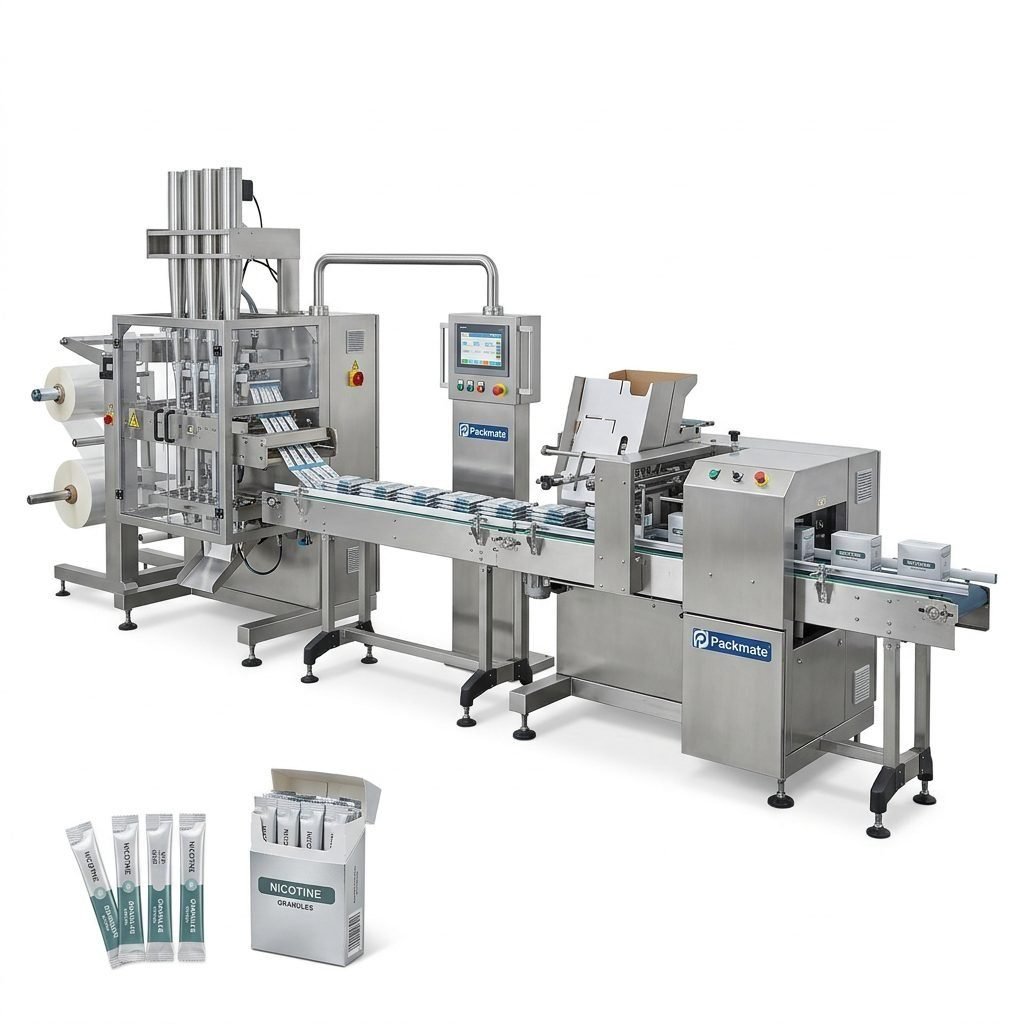
- Stick pack machines — ideal for linear single-dose pouches
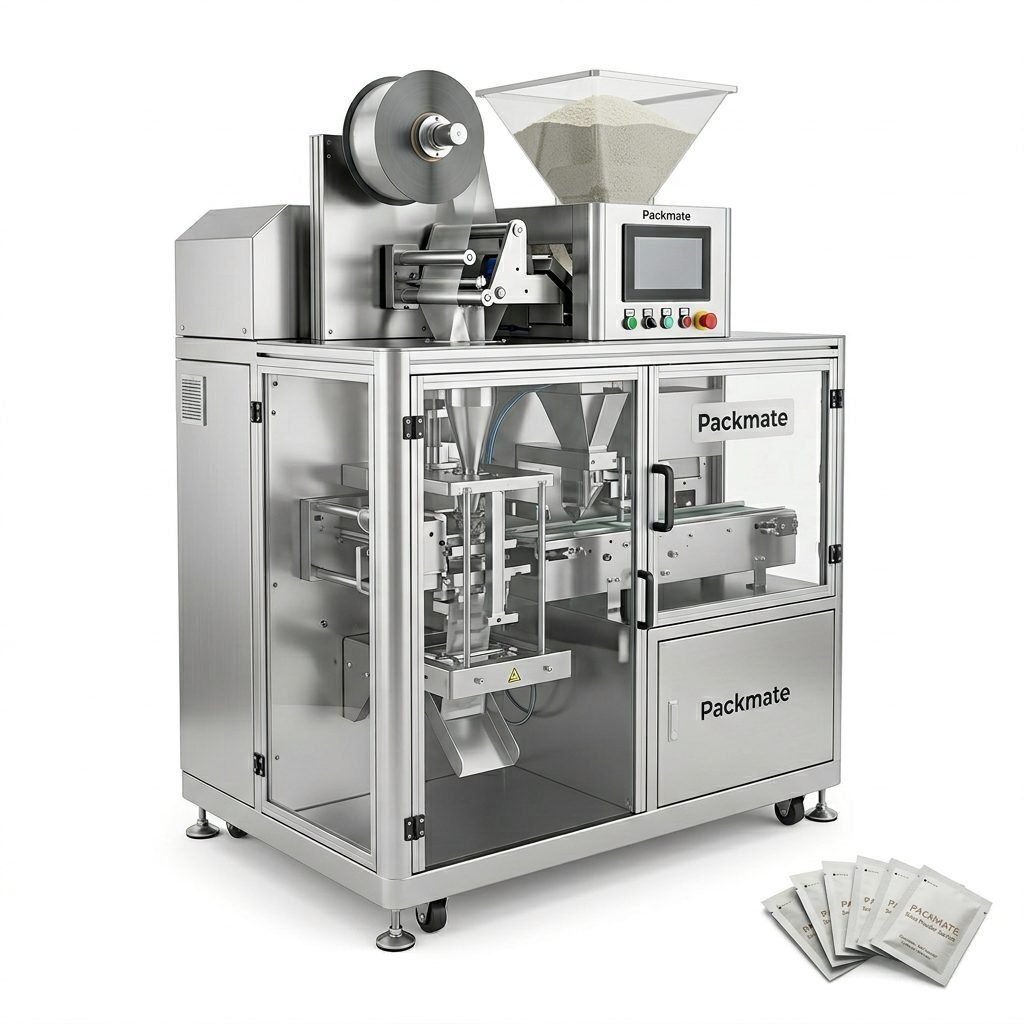
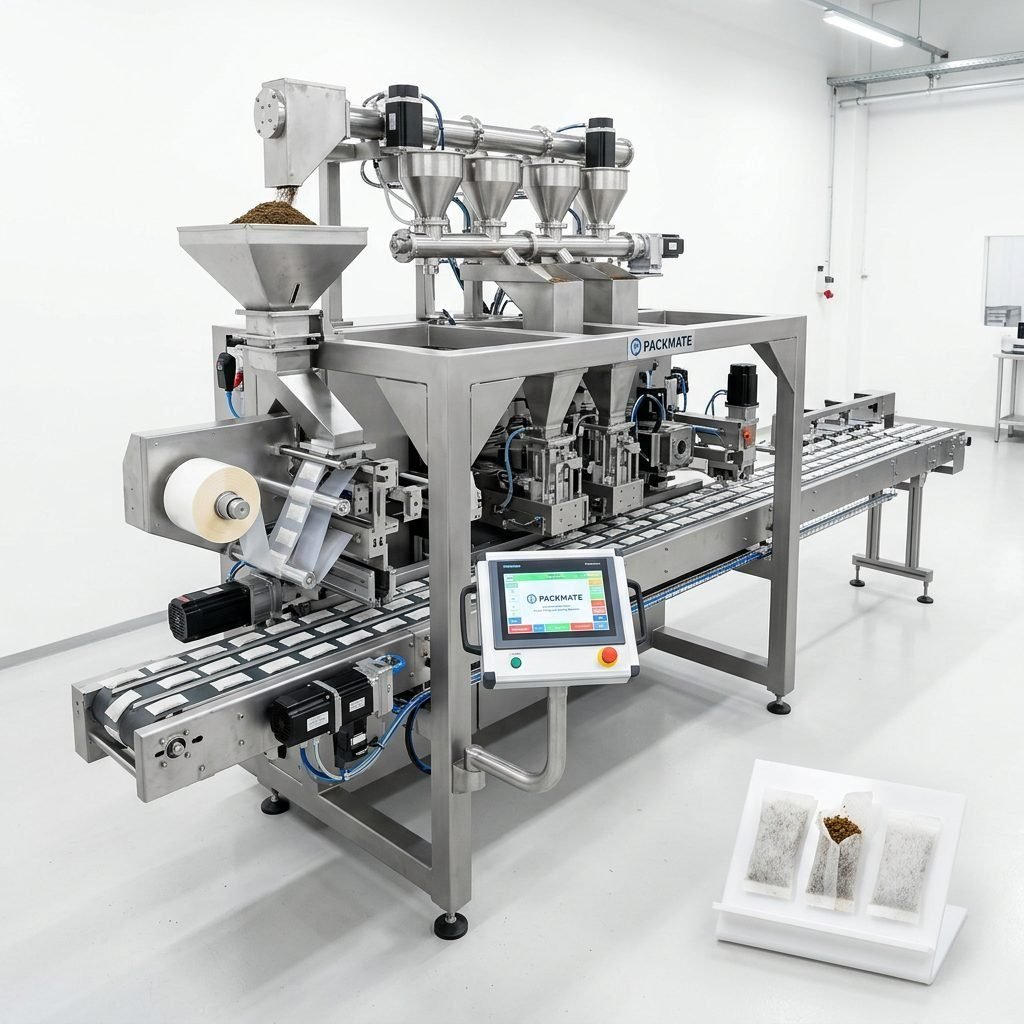
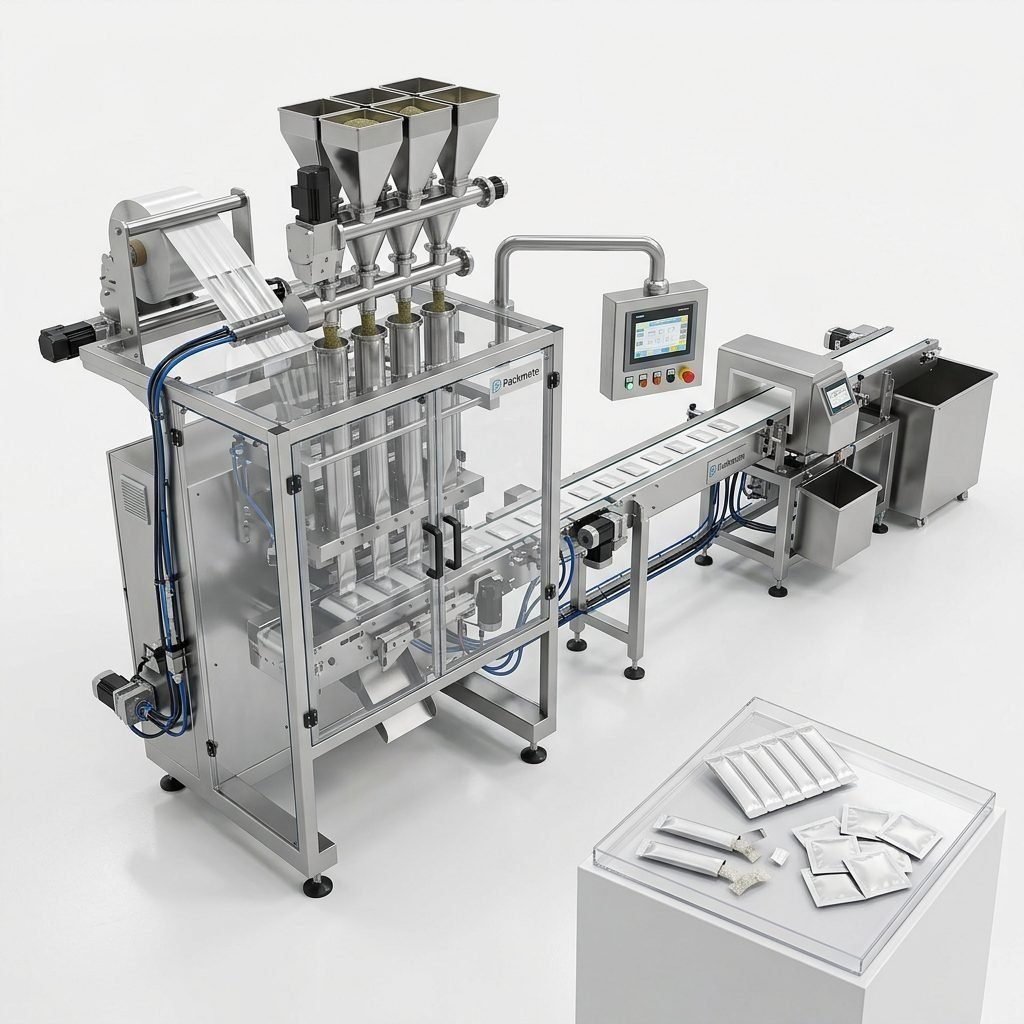
- Sachet & multi-lane machines — high output for small-dose pouches
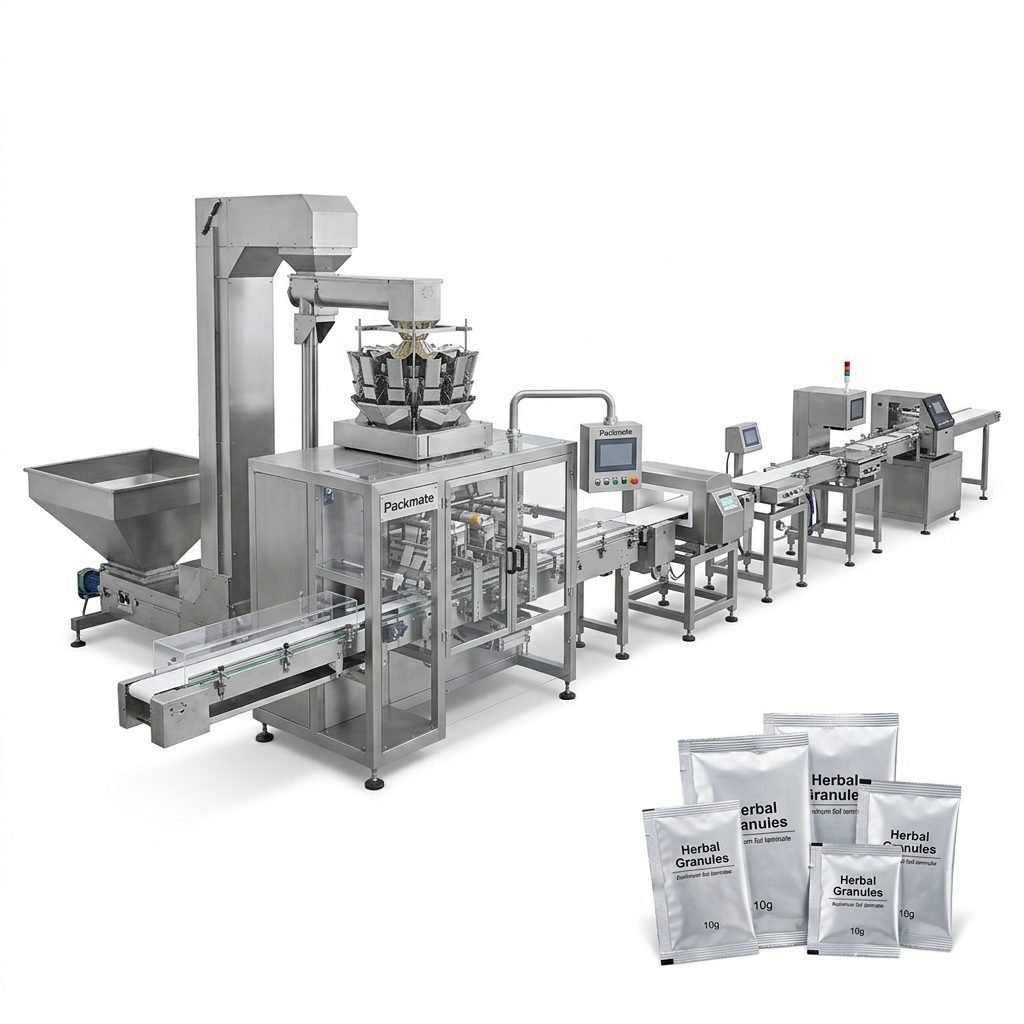
- Filling & weighing systems — precision dosing for nicotine content control
- Bag & pouch machines — for retail-ready stand-up pouches or pillow packs
For machine selection consider both current needs and future scalability: multi-lane sachet systems increase throughput without doubling footprint; modular stick-pack lines are easier to repurpose.
Step 3 — Technical Specs That Matter
When comparing suppliers, assess these technical details carefully:
⚙️ Accuracy: Filling tolerance and consistency across lanes
🏭 Build quality: Stainless steel contact parts, precision CNC components
🔁 Changeover time: How long to switch product size or format
📈 Scalability: Compatibility with future automation and vision systems
Step 4 — Evaluate Supplier Capabilities and Reputation
A reliable supplier should offer robust engineering, QC documentation, certifications and global references. Consider manufacturers with:
- Established R&D and manufacturing footprint
- International certifications (eg. CE, ISO)
- Case studies and exhibition presence
- After-sales technical support and spare parts availability
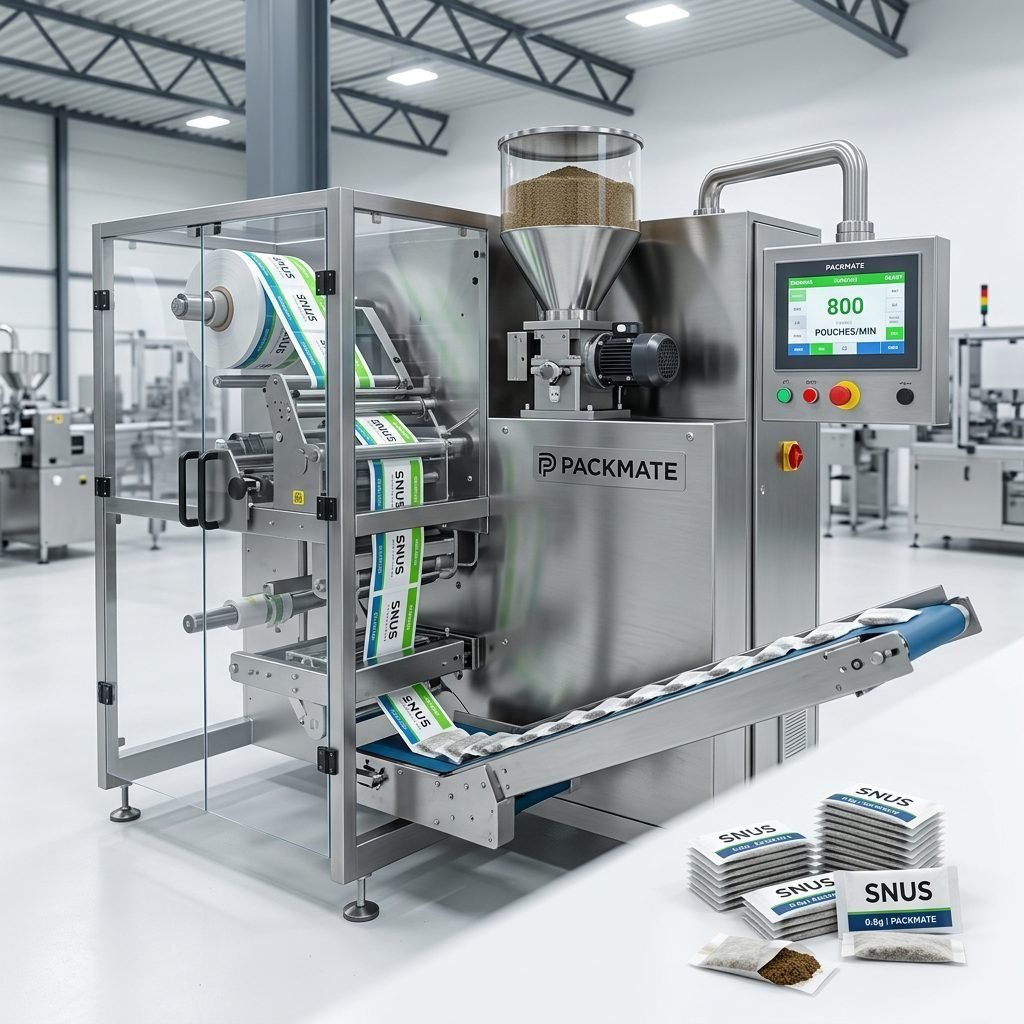
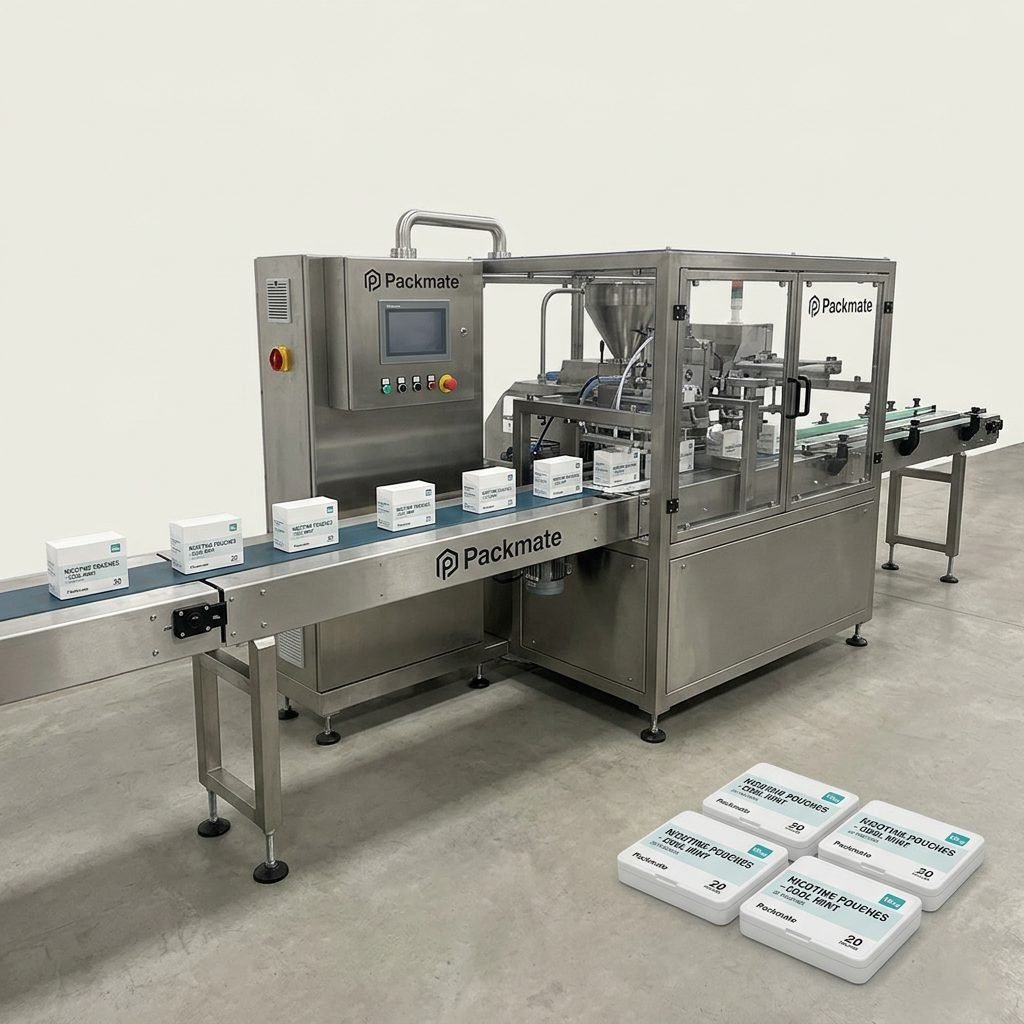
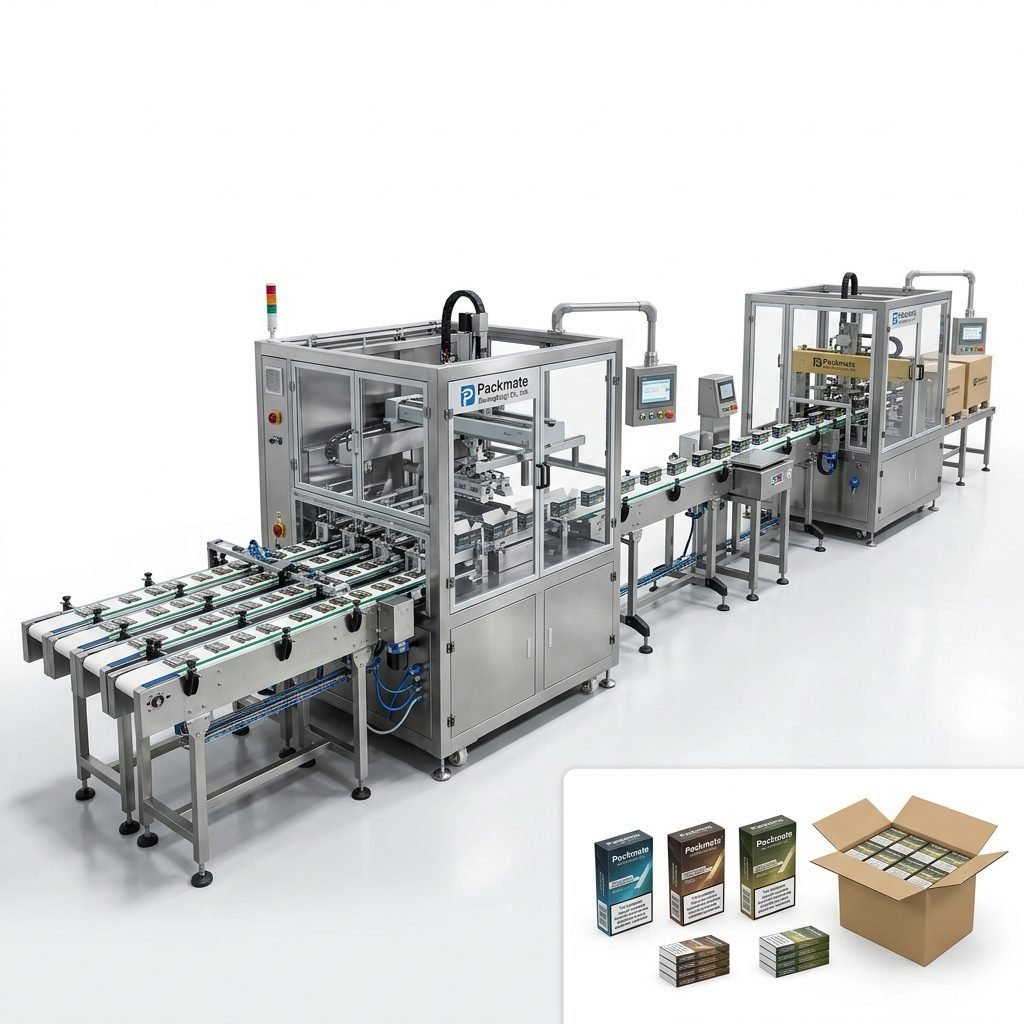
For example, Packmate Snus Machine highlights more than 30 years of engineering experience, a 20,000㎡ factory, and CE/ISO compliance — factors that build confidence when assessing long-term partnerships. Explore their product pages to see machine families and turnkey solutions: Snus & Nicotine Packaging Machines, Sachet & Stick Pack Machines, and Filling & Packaging Lines.
Factory Visits and Third-party Verification
Whenever possible, inspect the factory or ask for a live demonstration. A real-world machine demo reveals build quality, electrical layouts, and operational stability. If you can’t travel to the manufacturer, request live video demos and ask for third-party quality reports or references from existing European customers.
Step 5 — Service, Spare Parts & Training
Post-sale support often defines supplier value. For Luxembourg operations, fast spare parts delivery from European distribution hubs or predictable air freight options is essential. Confirm:
📦 Spare parts lead times and local stocking options
🛠️ Remote diagnostic capabilities and on-site support plans
🎓 Operator and maintenance training included in the purchase
Step 6 — Warranty, Contracts & Compliance
Carefully review contract terms: warranty length, what constitutes warranty-covered failure, shipment Incoterms, acceptance testing, and penalties for missed milestones. Also ensure the machine and materials comply with EU labeling/packaging regulations and that the supplier provides relevant documentation (CE declarations, electrical schematics, material certificates).
Step 7 — Cost, ROI and Total Cost of Ownership
Initial machine price is only part of the story. Estimate total cost of ownership by accounting for:
- Installation and commissioning costs
- Training and documentation
- Spare parts and consumables
- Energy consumption and maintenance labor
Build a simple ROI model comparing expected throughput increases and waste reduction against total capital and operating expenses. Suppliers that provide real-world case studies and performance metrics help validate assumptions — check supplier case pages to review documented installations: Case.
Practical Tips for Luxembourg Buyers
– Work with suppliers that understand cross-border logistics and EU customs. Luxembourg’s central location makes fast European distribution possible, but clear customs documentation and CE marking accelerate import processes.
– Consider machines that support multi-lane operation for compact high-output production; this suits private-label and export-driven businesses.
– Choose vendors who can provide multilingual manuals and training for Luxembourg’s diverse workforce.
Why choose an experienced manufacturer?
Experienced manufacturers reduce technical risk. For instance, companies with decades of engineering history and a large factory footprint generally maintain better parts inventories, refined QA processes, and a broader product range — all useful when scaling. Learn more about a seasoned supplier’s background: About Packmate.
Negotiation & Purchase Checklist
1. Technical spec sheet and acceptance test procedures
2. Warranty details, spare parts list and pricing
3. Lead times for manufacture, shipment and commissioning
4. Training plan and documentation language
5. Service level agreement for remote/onsite support
Supplier Red Flags to Avoid
Be cautious if a supplier:
- Cannot provide verifiable EU references or certification documents
- Has unclear spare-parts policies or long lead times
- Fails to show machine demo videos or refuses third-party inspections
- Offers only one rigid machine format without modular options
After You Buy: Commissioning & Continuous Improvement
Successful commissioning sets the tone for long-term reliability. Ensure the supplier provides:
- On-site commissioning and acceptance testing
- Operator training and training materials in a suitable language
- Spare-parts starter kits and recommended preventive maintenance schedules
Maintain a strong relationship with your supplier so they can assist with upgrades, automation add-ons, or new product formats as your Luxembourg business grows. For full-service turnkey offerings, suppliers like Packmate provide combined filling, weighing, and packaging lines: Weighing & Packaging Systems.
Quick Procurement Timeline (Typical)
Inquiry → Specification finalization (2–4 weeks) → Quotation and negotiation (1–3 weeks) → Production & testing (6–12+ weeks depending on customization) → Shipping & customs (2–6 weeks) → Commissioning and training (1–2 weeks).
Helpful Resources & Next Steps
Review supplier catalogs, request detailed datasheets, and arrange demonstrations for shortlisted vendors. Packmate’s product catalogs and service pages can be useful starting points for specification comparisons: Catalog and Service.
Final tip:
Choose a supplier that acts as a long-term partner — one that supports compliance, offers reliable spare parts, and helps you scale production within Luxembourg and beyond.
Frequently Asked Questions
Q1: Are snus machines legal to import into Luxembourg?
A1: EU rules historically restrict the sale of traditional snus across member states except Sweden. Many Luxembourg manufacturers focus on nicotine pouches (tobacco-free) which are generally treated differently. Always confirm regulatory compliance for your specific product with local authorities before importing production equipment and components.
Q2: How quickly can I get spare parts in Luxembourg?
A2: Parts lead time depends on supplier stock locations. Choose suppliers with European distribution or strong logistics partnerships to minimize delays. Confirm spare-parts lists and estimated lead times before purchase.
Q3: What documentation should a reputable supplier provide?
A3: Expect CE and ISO certificates, electrical diagrams, material contact certificates, machine testing reports, and detailed acceptance test plans. These documents support customs clearance and internal QA.
Q4: Is onsite training included in machine purchase?
A4: Many suppliers include basic commissioning and operator training, but the scope varies. Confirm language, duration, and training deliverables in the contract.
Q5: How can I review real machine performance before buying?
A5: Request live demonstrations, video recordings of similar installations, or references from European customers. A supplier case page can provide useful insights into real-world performance: Case.