Choosing the right nicotine packaging machinery for a production operation in the Middle East demands more than just comparing speeds and prices. Cultural preferences, regulatory frameworks, harsh environmental conditions, and after-sales support all shape the decision. This guide breaks down the practical, technical, and commercial factors you must weigh so your investment delivers consistent product quality, regulatory compliance, and a fast return on investment.
Understanding the Middle East Market & Regulatory Context 🚩
The Middle East is not a single market — it is a region of diverse regulatory regimes, languages, and consumer habits. Some markets emphasize discreet consumption and compact pouch sizes, while others focus on export-oriented packaging standards. A few key regional realities to consider:
Language & Labeling: Many countries require Arabic labeling alongside English. Ensure your machine or line supports label printers and integrates variable data printing for bilingual labels.
Regulations & Compliance: Local rules on nicotine products vary widely — check import/export rules, health warnings, and packaging restrictions before finalizing machine specifications.
Consumer Preferences: In several Gulf countries, compact, discreet pouches and premium outer packs are popular. Machines that produce consistent pouch weight and appearance are preferred.
Key Technical Features to Evaluate ⚙️
For nicotine pouches and snus, precision, hygiene, and stability are essential. Below are core technical aspects to evaluate when assessing machinery.
Filling Accuracy & Dosage Control
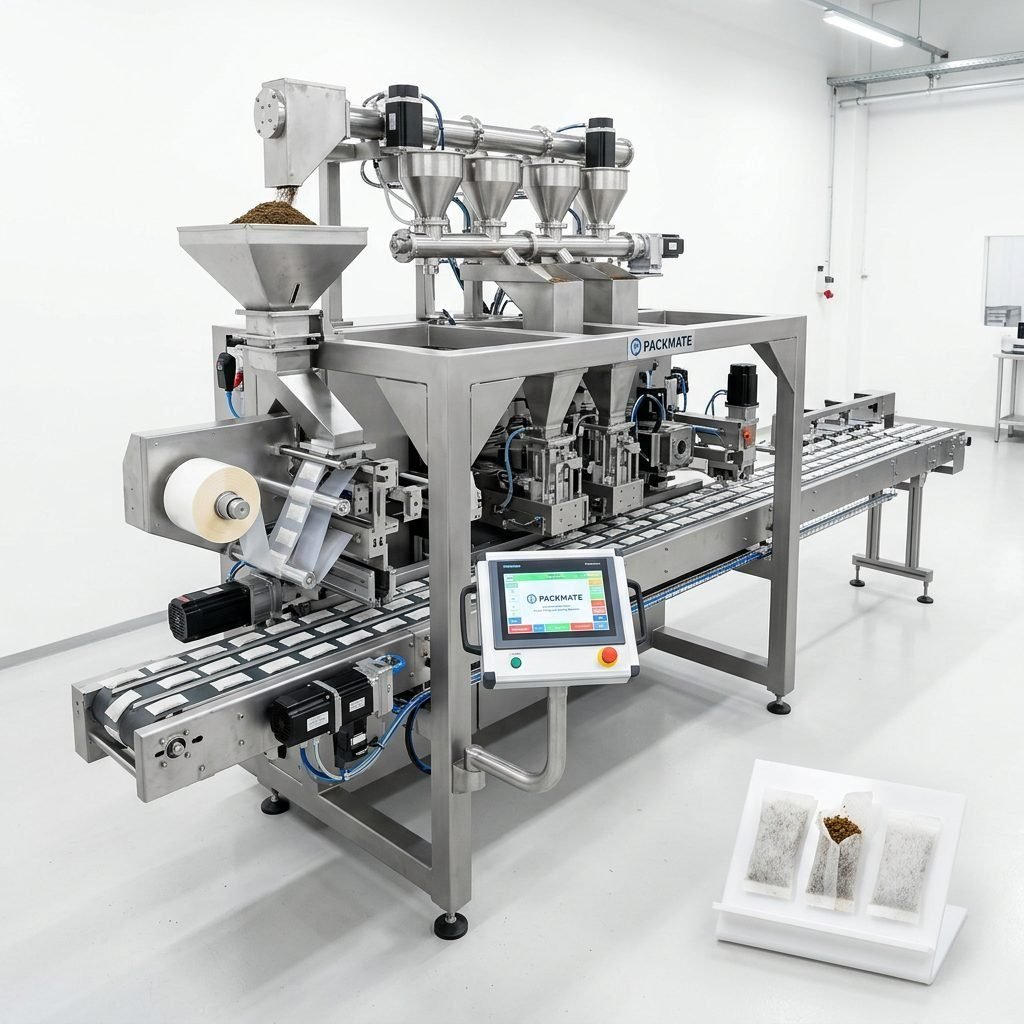
A high-precision weighing or volumetric system is essential for small-dose nicotine pouches. Look for repeatable accuracy within a few milligrams and easy calibration routines that reduce changeover time.
Multi-lane Options & Throughput
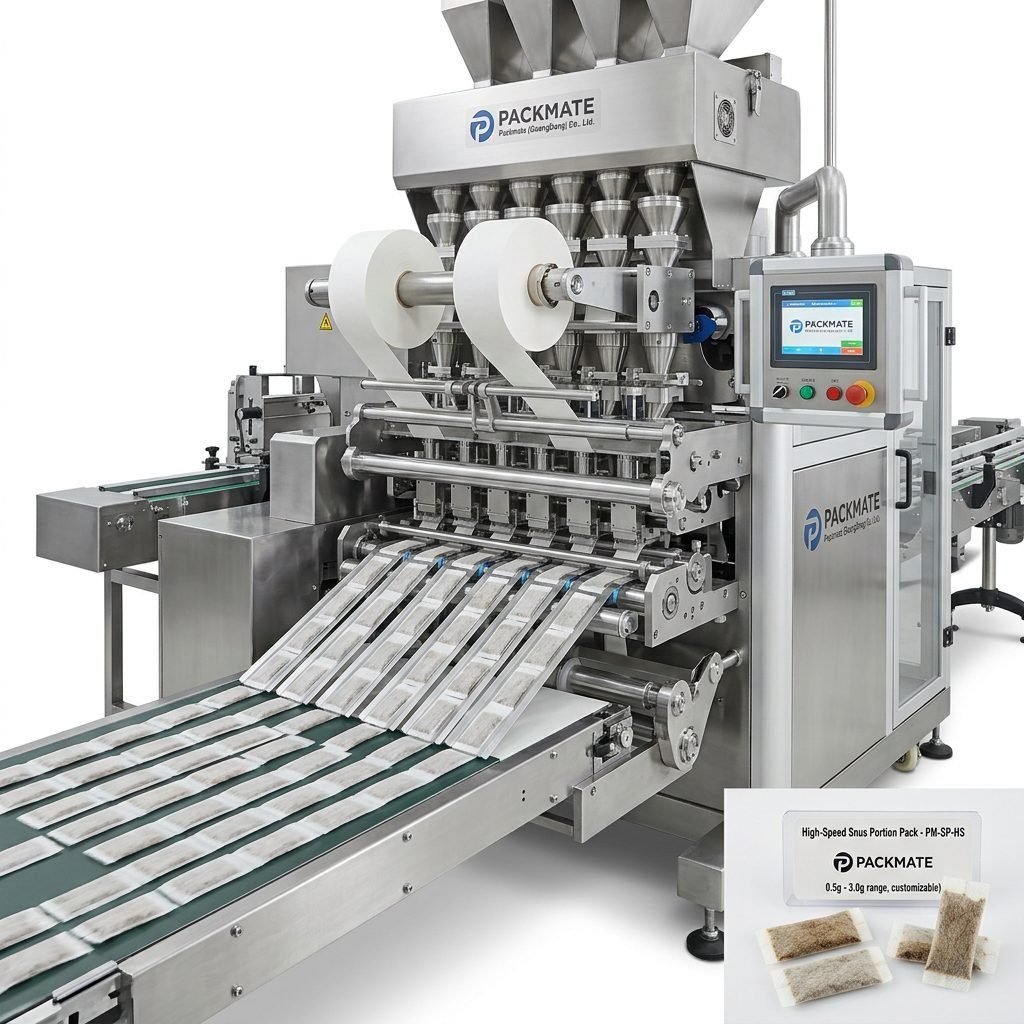
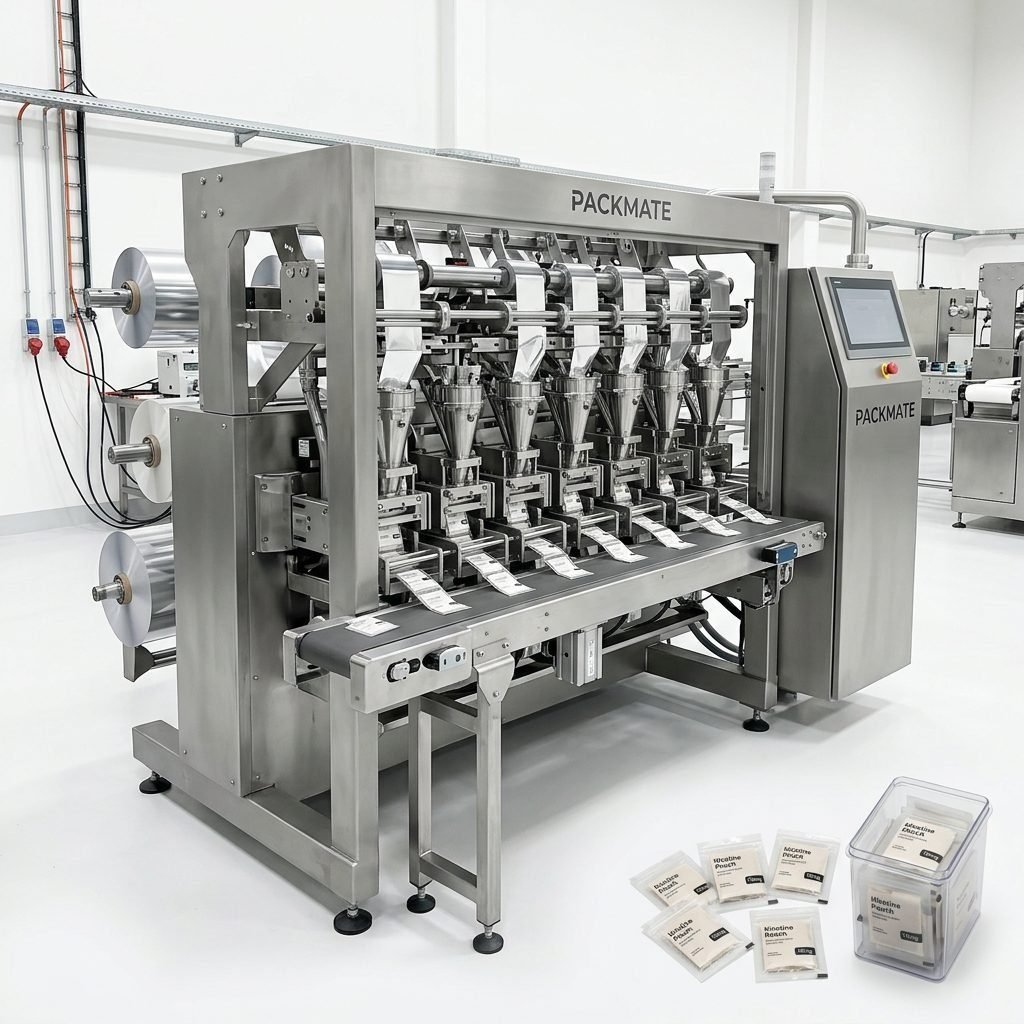
Multi-lane snus machines dramatically increase throughput for small-dose products. Consider lanes increment (4, 8, 12 lanes) that match your planned volumes. A flexible design allows scaling without replacing your primary machine.
Material Compatibility & Packaging Formats
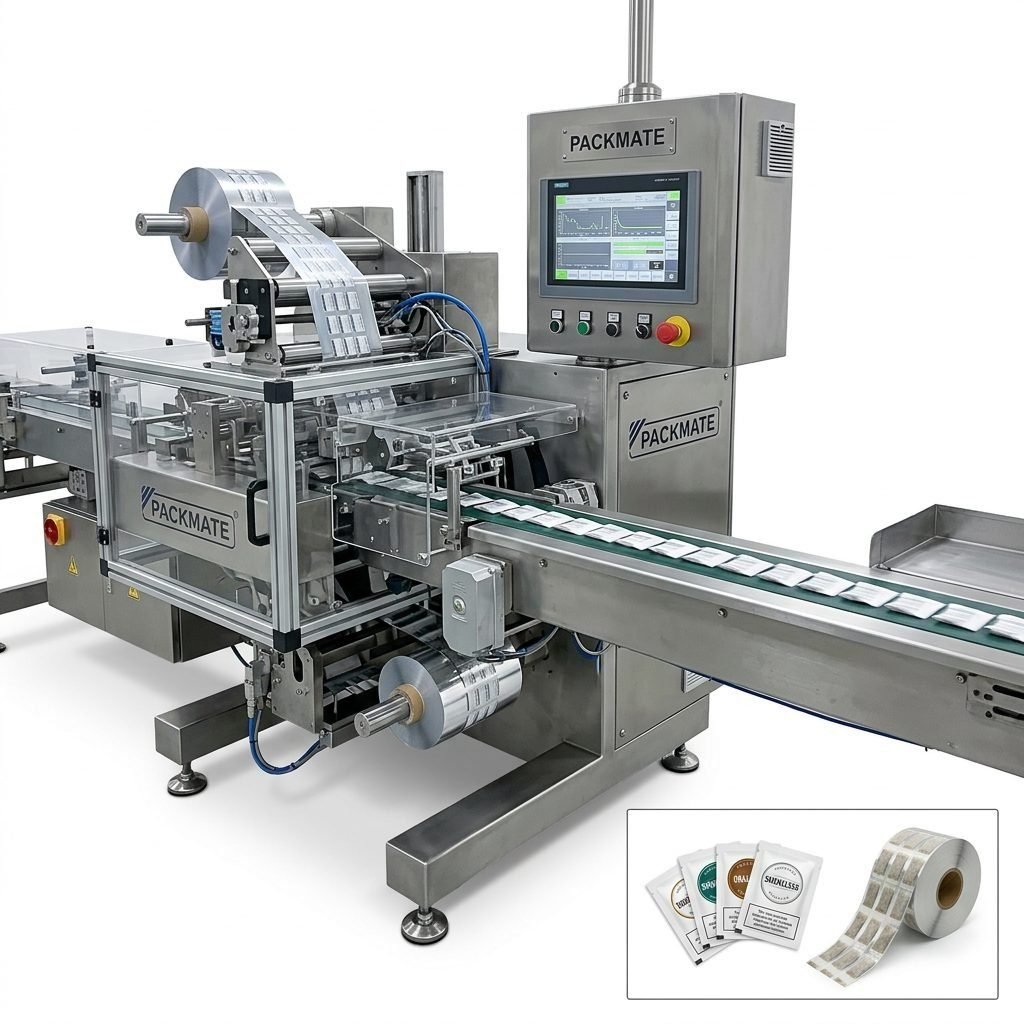
Ensure the machine supports the pouch materials you intend to use (paper, PE, laminated films) and can produce formats such as sachets, stick packs, tins, or flow-wrapped pouches. If you plan multiple SKUs, modular change parts are a must.
Hygienic Design & Cleanability
Nicotine products require equipment that is easy to clean and maintain. Stainless contact parts, tool-less disassembly, and sealed bearings reduce contamination risk and downtime during cleaning cycles.
Sealing, Packaging Integrity & Shelf Life
Reliable heat-sealing, vacuum control, and sachet sealing monitoring ensure consistent barrier performance and extend shelf life — critical in hot Middle Eastern climates.
Tip: Ask for performance data (e.g., standard deviation of fill weight, OEE) and request a live demonstration or case study showing the machine handling nicotine pouches similar to yours.
Environmental & Operational Considerations in the Middle East 🌡️
Operating conditions in many Middle Eastern facilities include high ambient temperatures, dust, and variable power quality. These conditions influence machine selection and line layout.
– Temperature Control: Heat-sensitive materials require chilled hopper systems or climate-controlled rooms. Evaluate machine options for integrated cooling or plan for HVAC at the line location.
– Dust & Sand Protection: Choose enclosures, IP-rated electrical cabinets, and sealed bearings where necessary to reduce abrasion and failures.
– Power & Electrical Standards: Confirm machines support local voltage and frequency, and include robust surge protection and stabilizers if required.
Choosing the Right Machine Type: Options & Trade-offs 📦
Different product strategies require different machines. Below are common machine families for nicotine pouch producers:
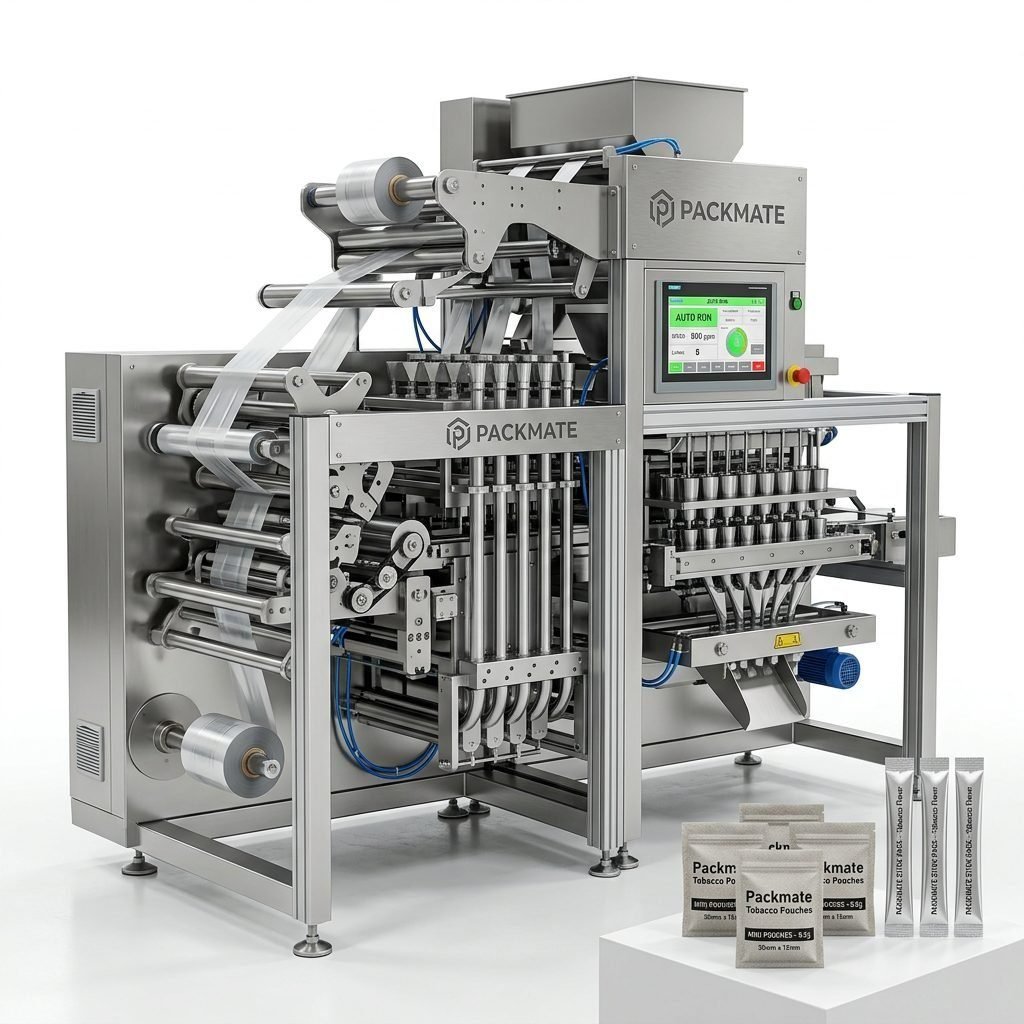
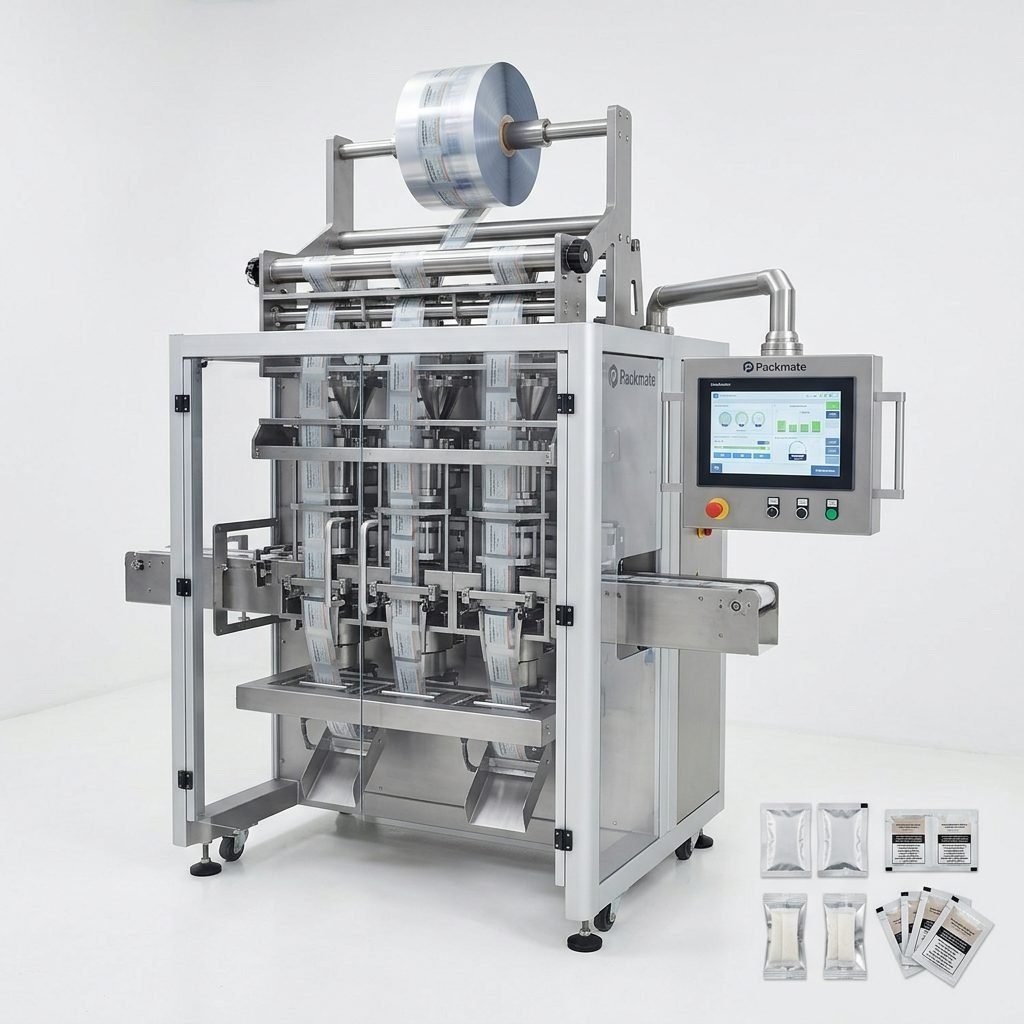
- Stick pack and sachet machines — ideal for single-serve portions and simple formats; quick changeover.
- Multi-lane snus pouch machines — suited for high-throughput small-dose pouches; higher upfront cost but excellent throughput per footprint.
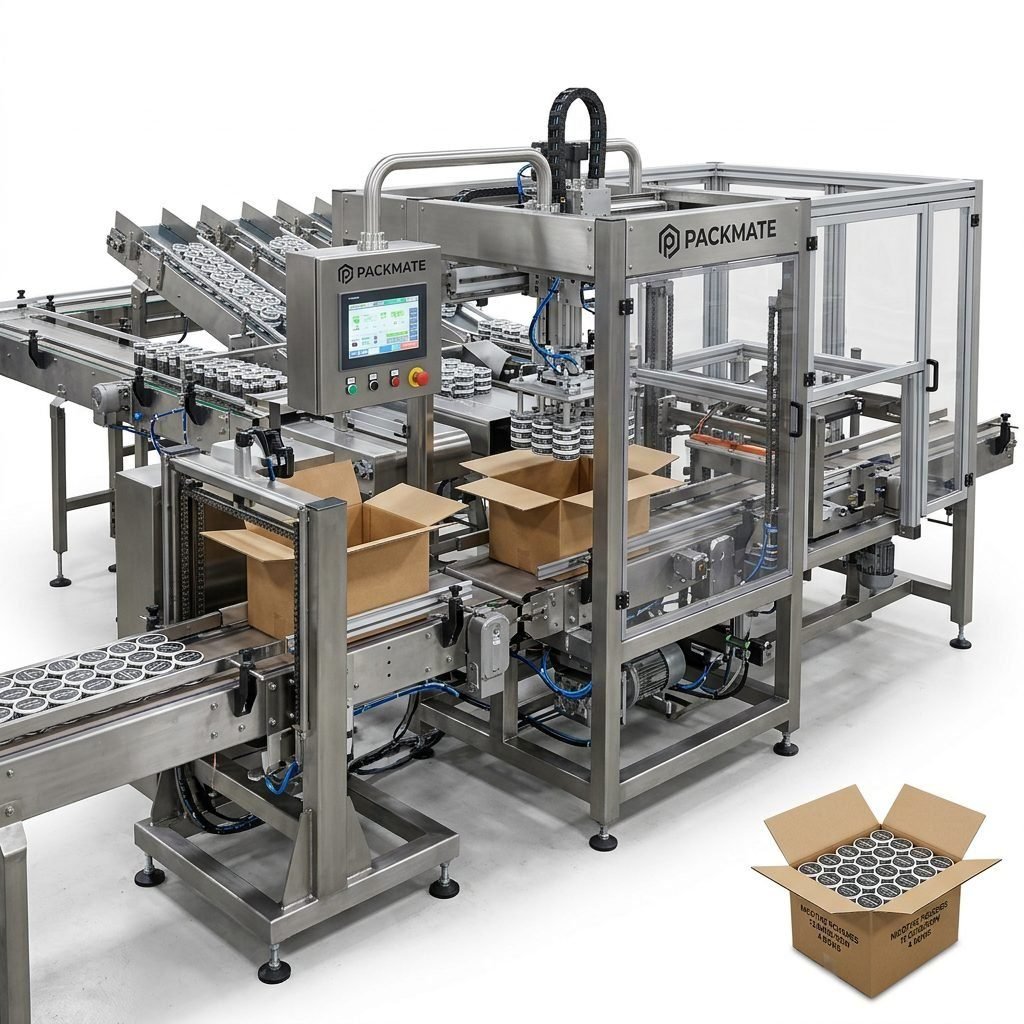
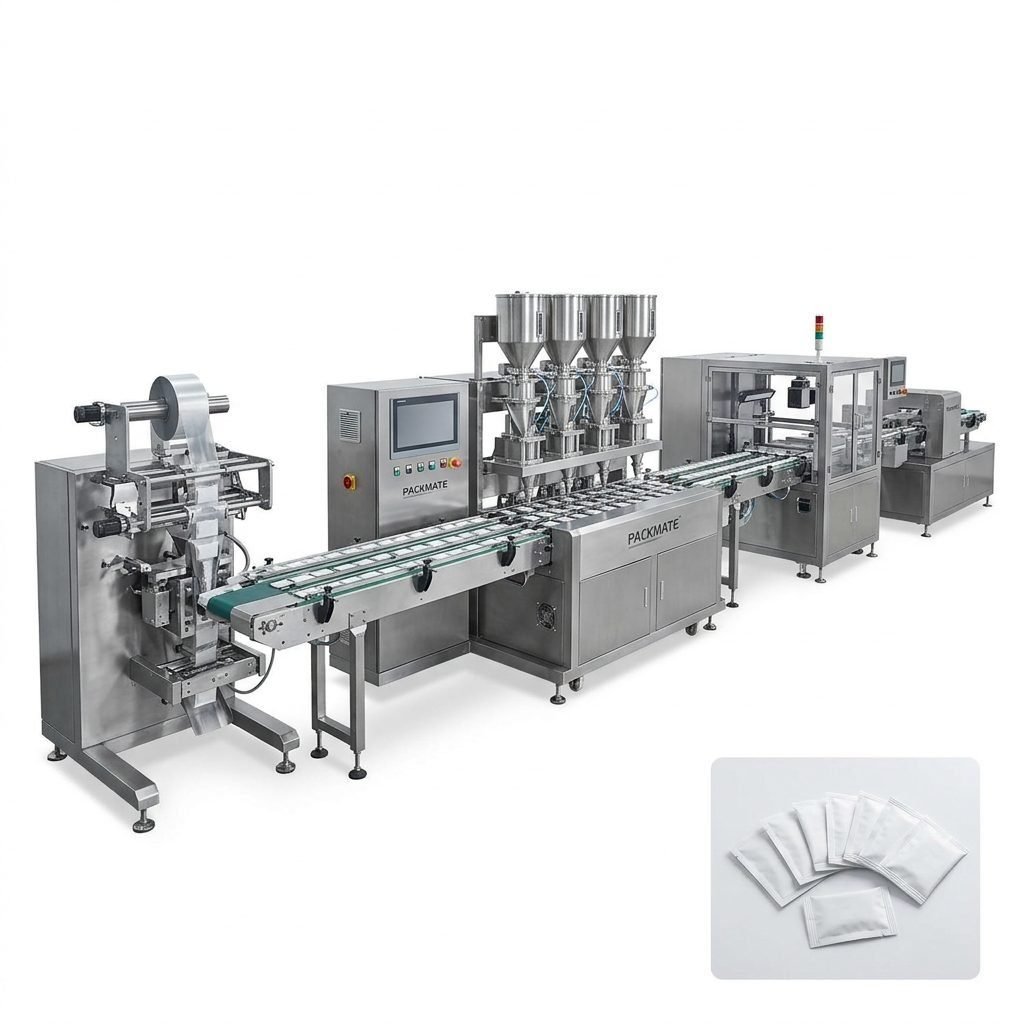
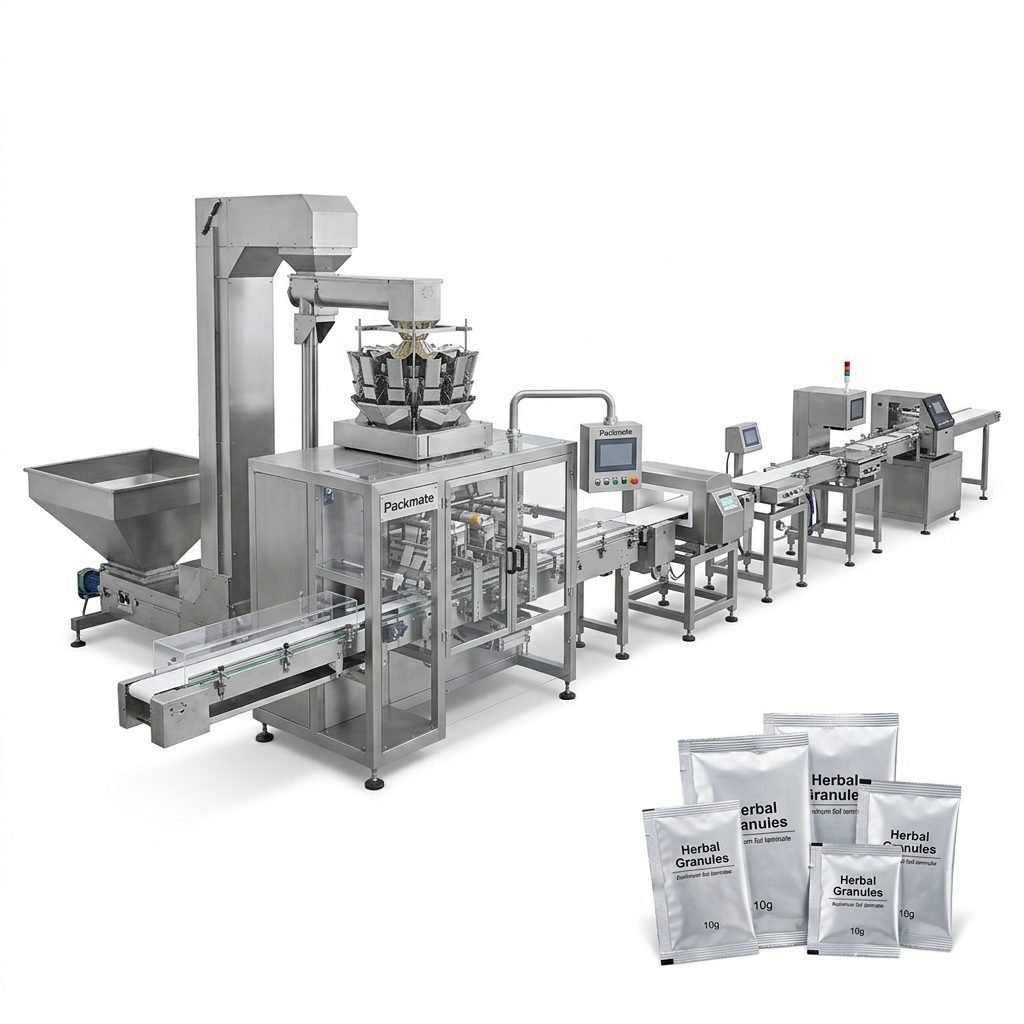
- Complete filling & packaging lines — integrate weighing, pouch forming, filling, sealing, and case packing for turnkey production.
Explore machine families and specifications to find a match: Snus & Nicotine Packaging Machines, Sachet & Stick Pack Machines, and Filling & Packaging Lines are good starting points when evaluating suppliers.
Capacity Planning & Scalability 📈
Match the machine capacity to your forecasted demand plus a realistic margin for growth. Consider:
Short-term vs Long-term: If you expect rapid growth, invest in modular multi-lane platforms where you can add lanes or secondary modules rather than replacing core equipment.
Changeover Flexibility: Quick-change tooling and recipe storage on PLC/HMI reduce downtime when switching SKUs — critical for diversified product lines.
Supplier Selection: What to Verify 🏭
A reputable supplier will provide transparent data on performance, factory capabilities, and after-sales support. Key verification points include:
- Factory & Experience: Check years in business and production capability. For example, suppliers with decades of experience and large facilities often deliver reliable engineering. (See factory and company history when available.)
- Certifications: Confirm CE, ISO, or other relevant certificates to ensure safety and quality.
- Global Cases & Exhibitions: Request case studies of similar installations and attendance at major exhibitions; seeing a machine in operation builds confidence.
- After-sales Support: Clarify spare parts availability, training, remote diagnostics, and local representation or partnerships in the Middle East.
Learn about supplier credentials and global work examples here: About Packmate and review installation cases at Case.
Total Cost of Ownership (TCO) & ROI Considerations 💰
Upfront price is only one part of the equation. Analyze TCO including energy consumption, consumables, maintenance frequency, spare parts cost, and expected uptime. High initial cost machines with excellent uptime and low material waste often produce the best long-term ROI.
Installation, Validation & Commissioning ✅
Plan for site preparation: power, compressed air, floor loading, and climate control. For export or regulated markets, request IQ/OQ documentation and on-site commissioning. Ensure the supplier provides operator training and a clear maintenance schedule.
Practical Pre-purchase Checklist (Copy & Use) 📝
✔️ Confirm regulatory labeling requirements for each target country (Arabic/English).
✔️ Request live machine demos with your product or similar material.
✔️ Verify spare parts lead-times and local stocking options.
✔️ Check machine documentation: CE/ISO certificates, electrical schematics, and maintenance manuals.
✔️ Evaluate multi-lane scalability and modular add-ons (weighing systems, case packers).
Why Choose an Experienced Manufacturer?
Experienced manufacturers bring refined machine designs, local export experience, and proven service structures. Manufacturers with decades of engineering know-how, modern CNC-equipped factories, and a range of machine models are better positioned to supply turnkey lines tailored for nicotine products.
If you want to compare machine families, consider exploring Bag & Pouch Packaging Machines and Weighing & Packaging Systems for integrated solutions.
Final Recommendations
Invest time in vendor demonstrations, verify real-world performance with nicotine pouches, and factor environmental challenges into your machine selection. Prioritize machines that offer precise dosing, robust sealing, modular scalability, and accessible after-sales support in the Middle East. A well-chosen packaging line will protect product quality, reduce waste, and help you scale efficiently.
Frequently Asked Questions
Q1: What machine type is best for small-dose nicotine pouches?
A1: Multi-lane snus pouch machines are often best for small-dose pouches because they offer high throughput in a compact footprint and deliver consistent fill accuracy across lanes.
Q2: How important is local after-sales support in the Middle East?
A2: Very important. Fast access to spare parts, local technicians, and remote diagnosis reduces downtime in climates where equipment is stressed by heat and dust. Confirm the supplier’s local presence or distributor network.
Q3: Do I need special climate control for nicotine packaging lines?
A3: In many Middle Eastern environments, yes — either machine-integrated cooling or facility HVAC helps maintain product consistency and extends the lifetime of certain film materials and machine components.
Q4: What certifications should I request from a machine supplier?
A4: Ask for CE and ISO certificates at minimum, plus any specific electrical or safety certifications required by your target markets. Also request machine test reports and references for similar installations.
Q5: Where can I find more details on tailored packaging solutions and turnkey lines?
A5: For a deeper look at full line solutions, product families, and case studies, review supplier pages such as Snus & Nicotine Packaging Machines and Case, or contact the supplier directly via their Contact Us page.