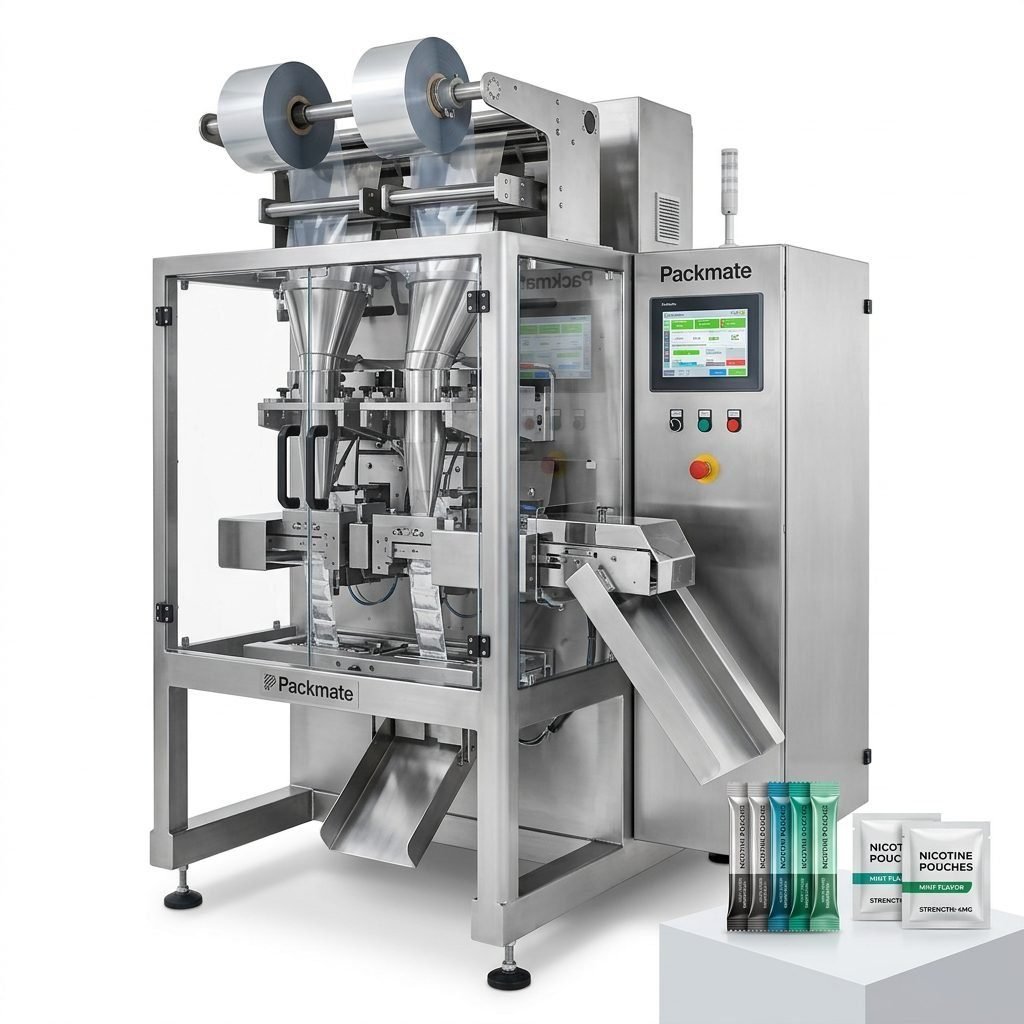
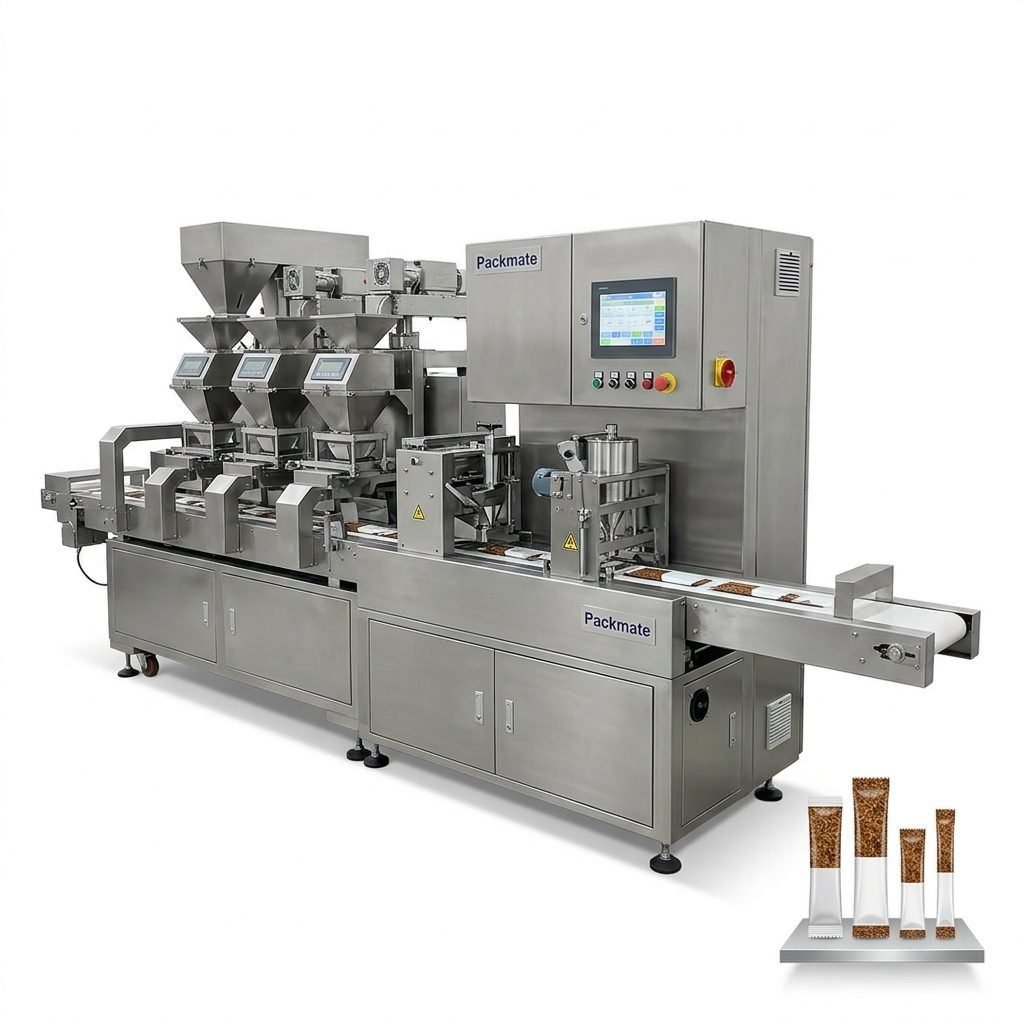
Entering the Liberian snus and nicotine pouch market requires not only a clever commercial strategy but also the right equipment. Choosing the best snus packaging machinery can determine product quality, compliance, production cost and time-to-market. This guide walks you through practical, technical and commercial considerations so you can select the ideal packaging line for your business in Liberia.
Understanding Liberia’s Market & Regulatory Context
Liberia’s consumer market for nicotine pouches and related products is evolving. Before finalizing any machinery purchase, ensure you understand local regulations, import duties, and labeling requirements. Compliance affects machine choices (e.g., hygienic design, CE/ISO certifications) and packaging formats that are permitted in your market.
Practical note: consult local health authorities and a customs broker early to avoid delays. Choosing a supplier familiar with international exports reduces unexpected compliance risks.
Key Market Drivers to Consider
Demand trends (single-dose pouches vs larger sachets), retail channel (modern trade vs small retailers), and cost sensitivity will shape the machine type and production scale you need.
Types of Snus Packaging Machinery and When to Use Them
Selecting the right machine begins with understanding available technologies and formats.
Stick-pack and Sachet Machines
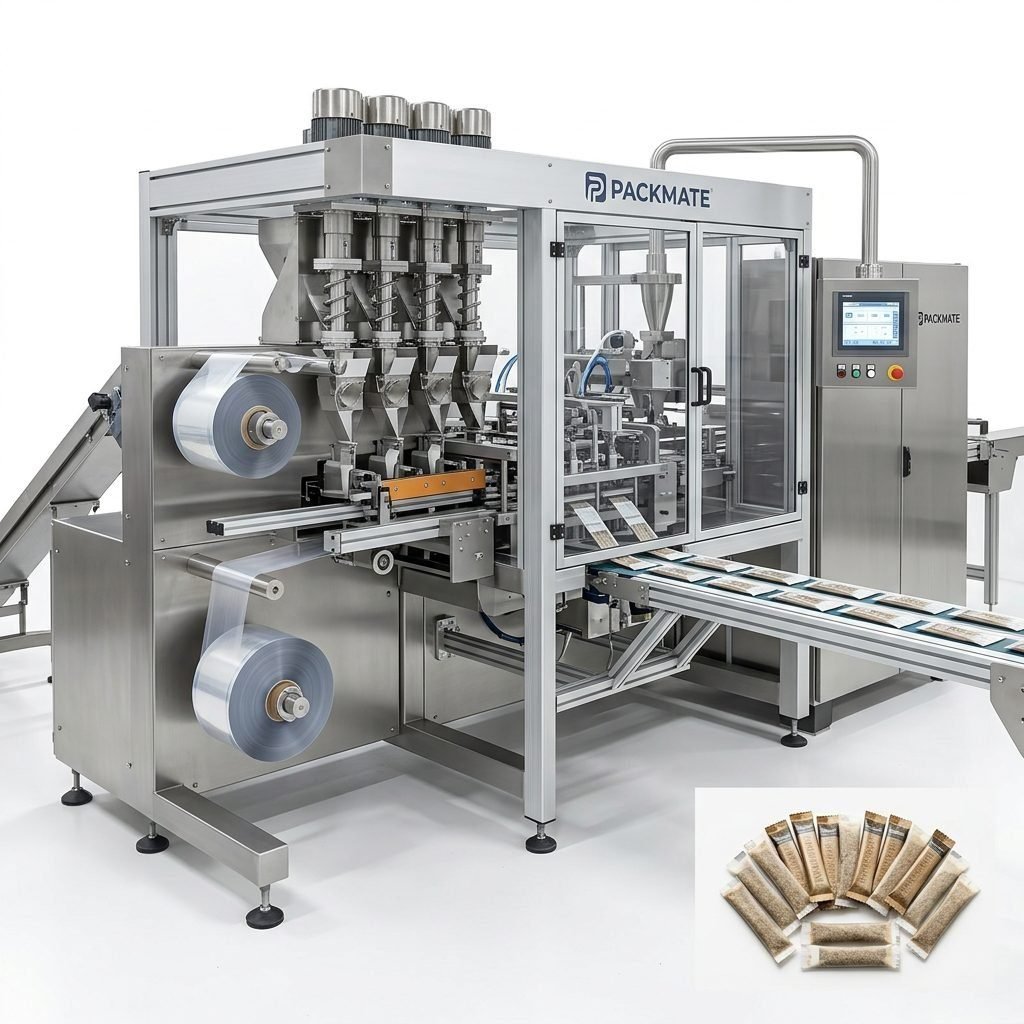
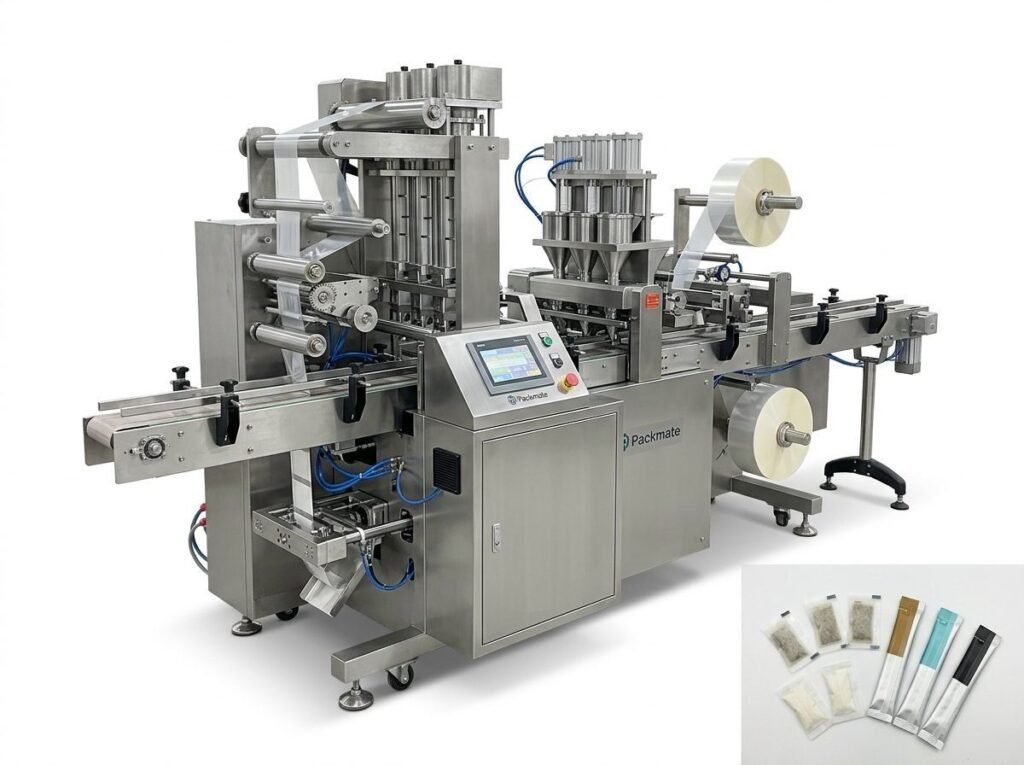
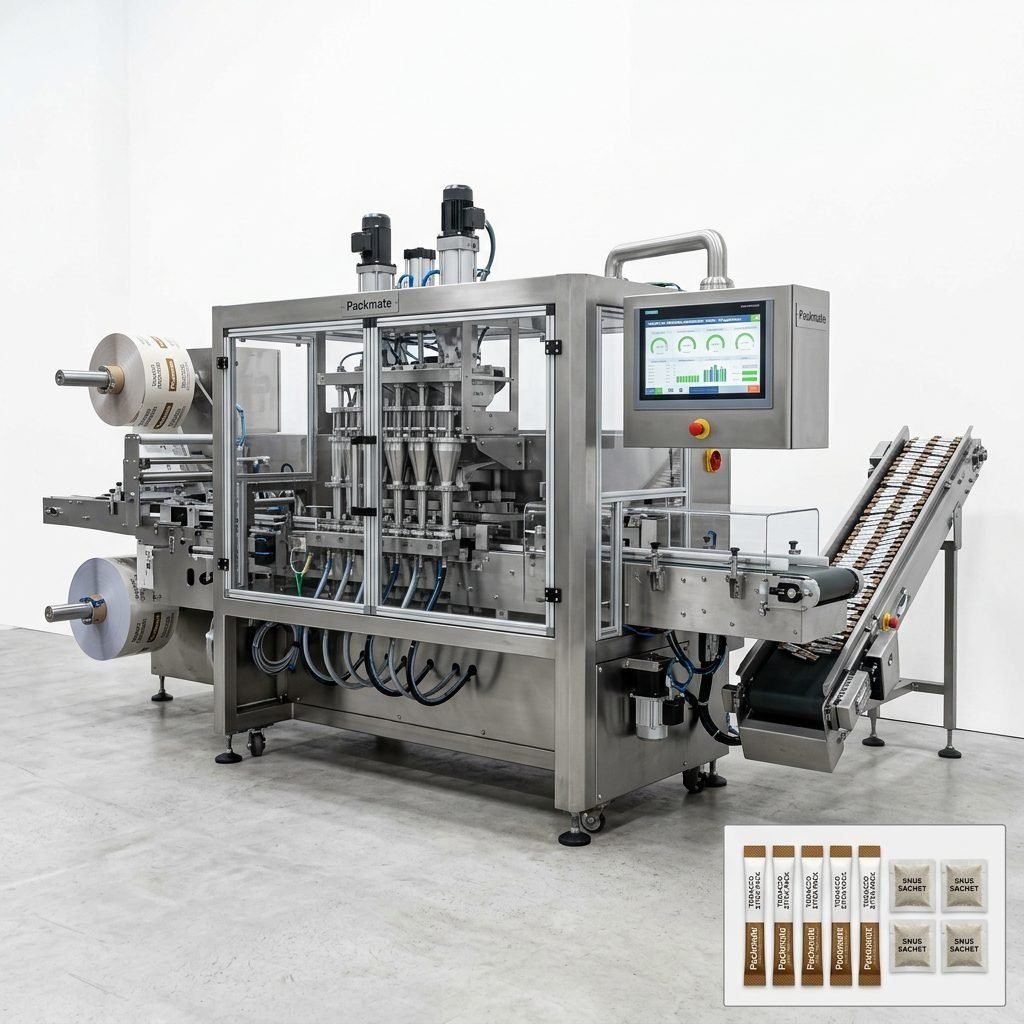
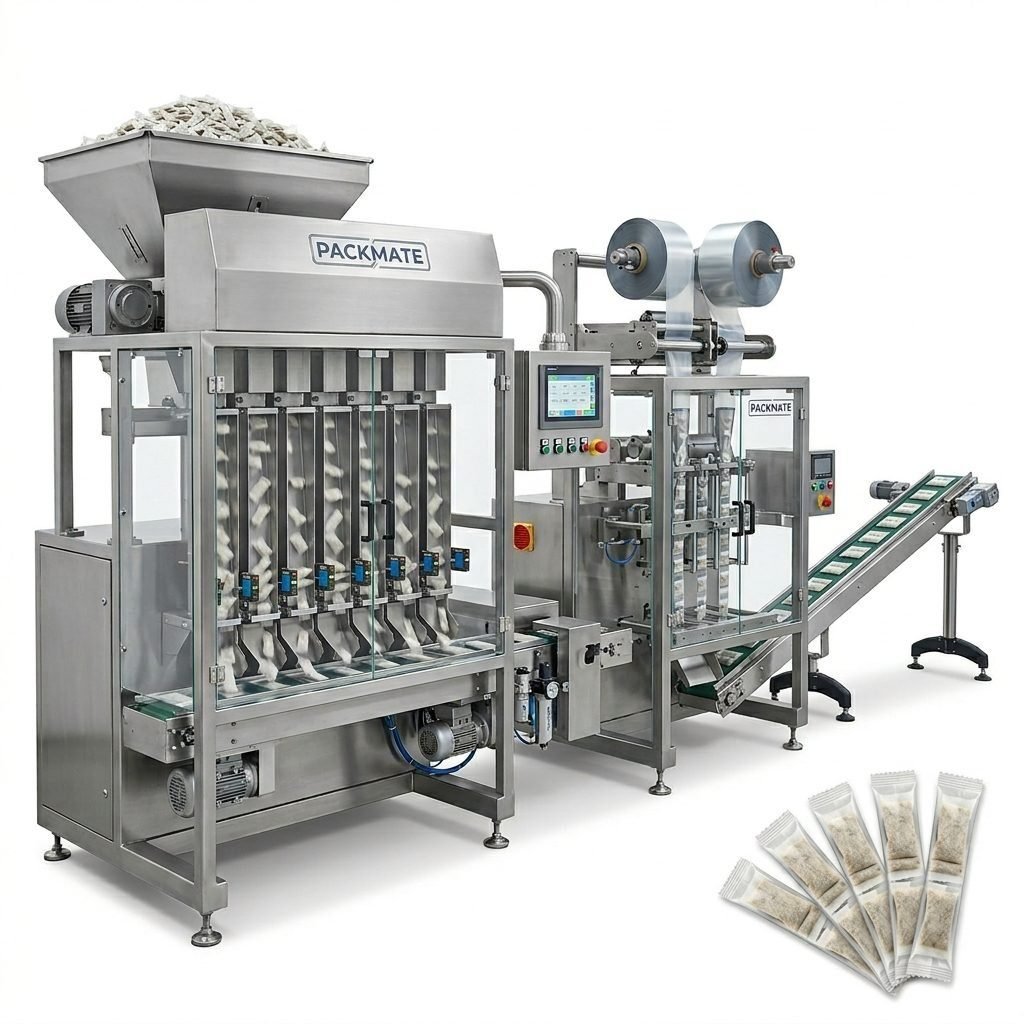
Stick-pack and sachet machines are excellent for single-dose nicotine pouches. They provide high-speed output and precise dosing for powders or moist formulations. If you plan small, uniform doses with retail-friendly sticks or sachets, prioritize machines with accurate filling and sealing capabilities.
Multi-lane Snus Pouch Systems
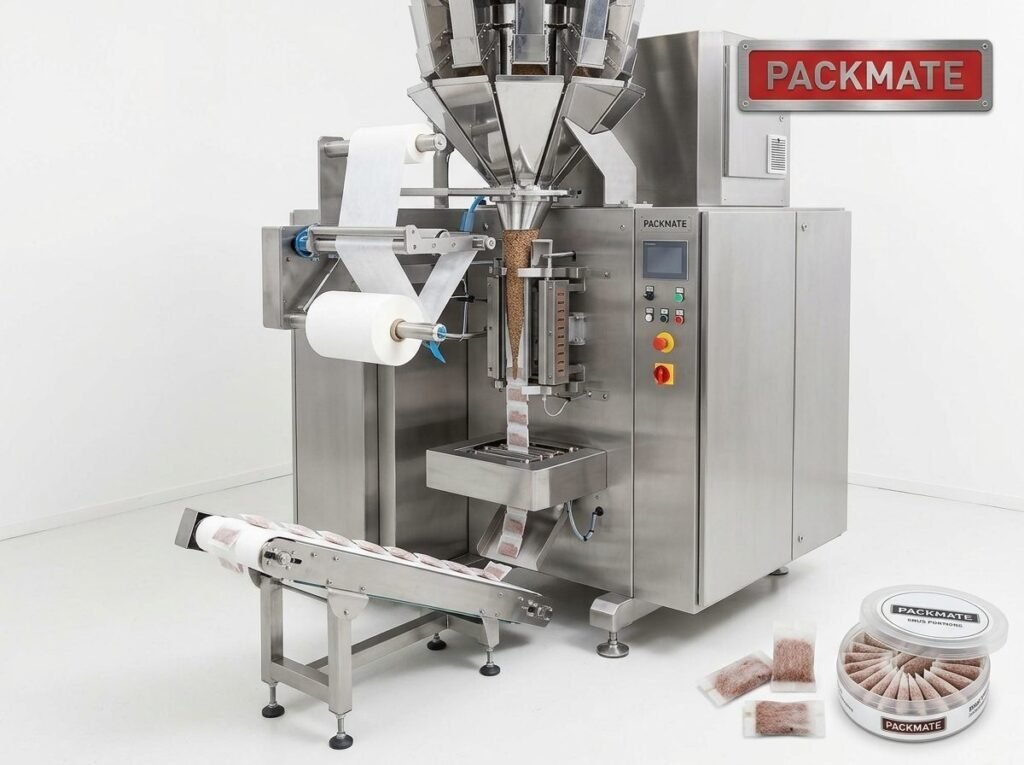
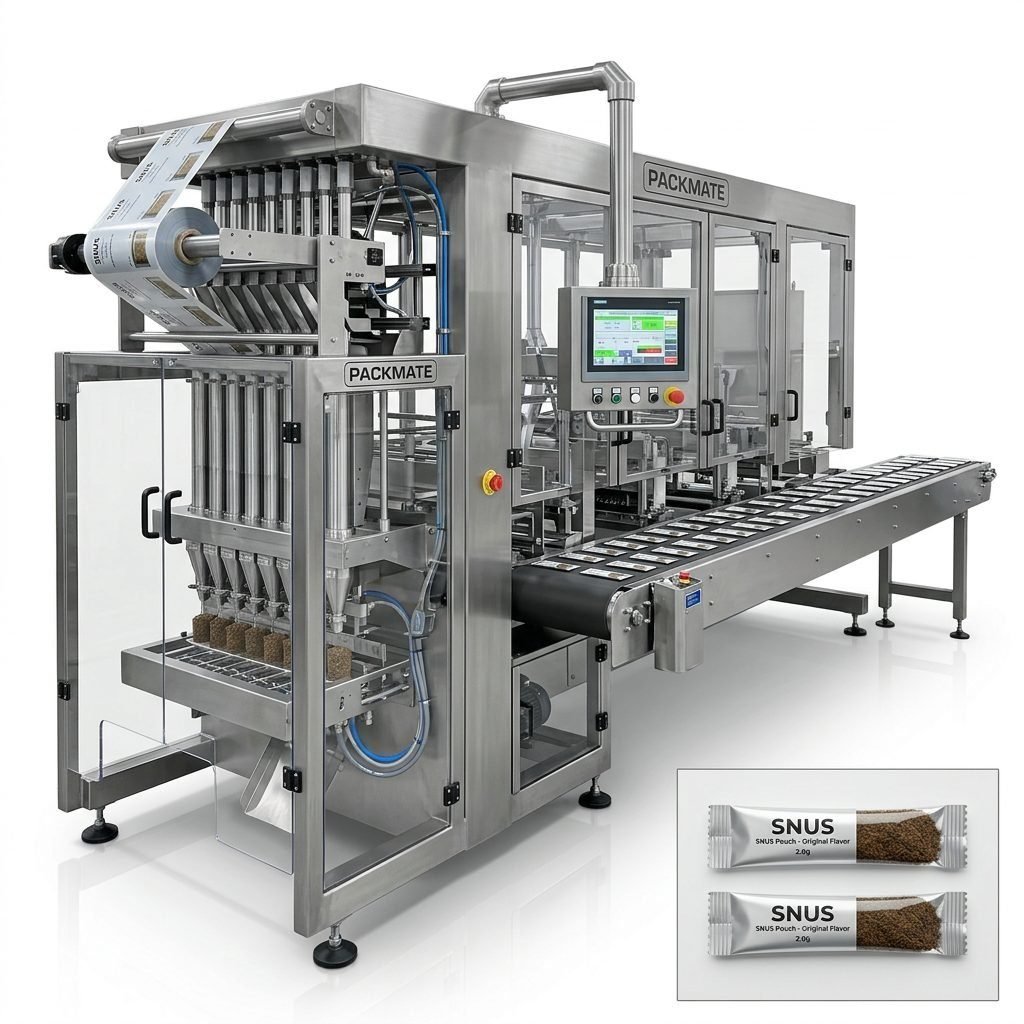
For higher volumes and multi-lane production, multi-lane pouch systems deliver efficiency and space-saving advantages. These are suited to producers targeting export or wide domestic distribution where throughput and consistency are priorities.
Complete Filling & Turnkey Lines
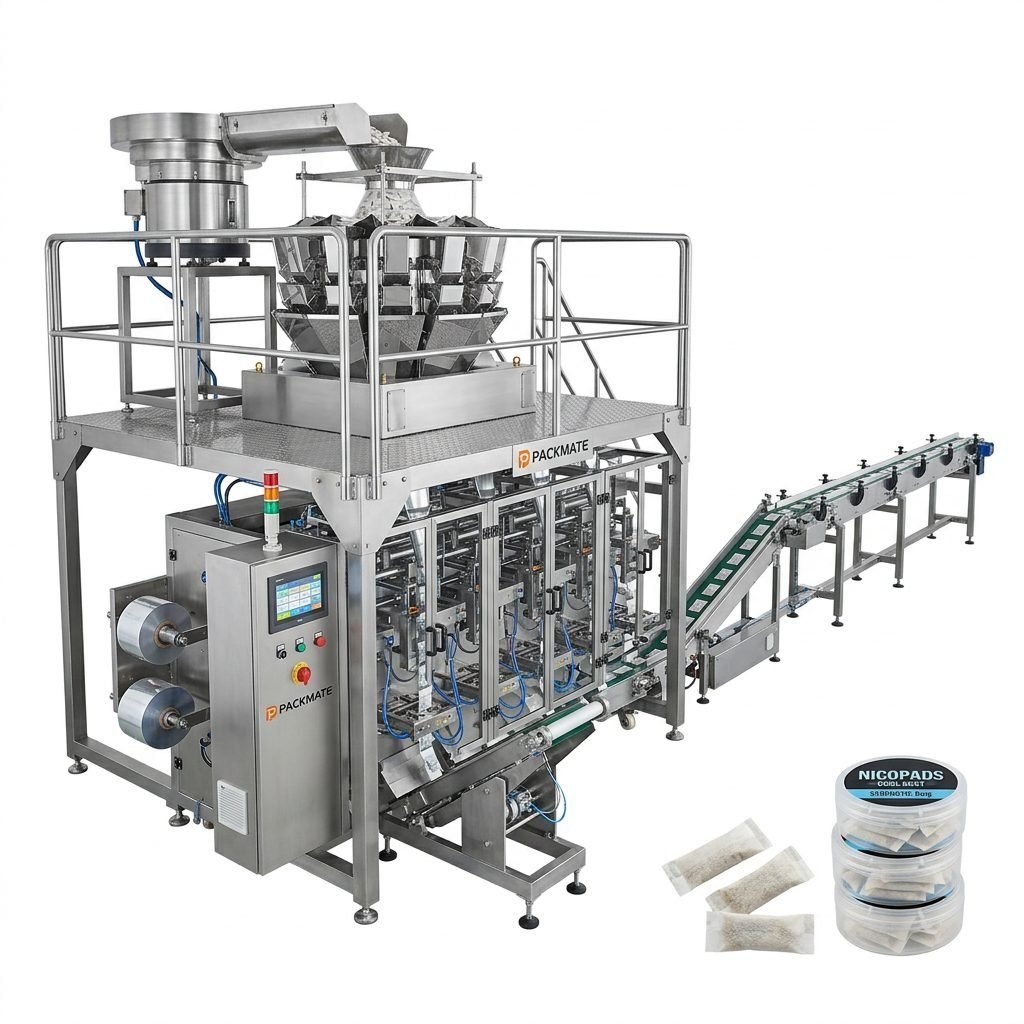
Turnkey lines that integrate weighing, filling, sealing and secondary packaging reduce integration risk and speed up commissioning. If you want minimal setup hassle, consider integrated solutions rather than piecing together separate machines.
Explore examples of integrated solutions: Filling & Packaging Lines and Weighing & Packaging Systems.
🔧 Tip: If you expect rapid market growth, choose a modular machine that allows lane expansion or an easy upgrade path to higher speeds.
Technical Selection Criteria — What Matters Most
1. Production Capacity & Speed
Determine your target output per day and peak production requirement. Machines have rated speeds (pouches/min or sticks/min). Match machine capacity to realistic order volumes and include contingency for growth. Overbuying increases capital costs; underbuying creates a supply bottleneck.
2. Filling Accuracy & Dosing Technology
Accurate dosing reduces product giveaway and ensures consistent consumer experience. Look for machines with high-precision auger, vibratory, or multi-head weighers depending on product form. For powders or small particulates, weighing-based dosing systems often give the best repeatability.
3. Compatibility with Packaging Materials
Ensure the machine supports the film types you plan to use (single-layer, laminated, heat-sealable films, biodegradable options). Incorrect film compatibility can cause poor seals or increased downtime.
4. Cleanability & Material Contact Surfaces
For nicotine products, hygienic design matters. Stainless steel contact parts, easy-to-remove feeders and sealed electrical cabinets reduce contamination risk and simplify cleaning routines.
5. Automation & Control
Modern PLC controls, HMI touchscreens and recipe storage speed changeovers and reduce operator error. Consider predictive maintenance features and remote support capability for fast troubleshooting.
6. Energy & Consumable Efficiency
Energy-efficient drives, low-air-pressure pneumatic systems and reduced film waste lower operating costs. Factor in the long-term savings when comparing machines.
✅ Must-have: CE/ISO certification and documented quality control tests for critical components used on the line.
Choosing the Right Manufacturer & Supplier
Selecting a reliable supplier is as important as choosing the right machine model. Look for manufacturers with proven experience in snus and nicotine pouch lines, global export experience, and local support capability.
Why Manufacturer Track Record Matters
Suppliers with deep industry experience deliver optimized engineering, fewer teething issues and better spare parts availability. An experienced manufacturer can also help with layout planning, commissioning and operator training.
Learn more about a seasoned supplier: About Packmate. For real-world installations, view Case studies to understand performance in similar environments.
Layout, Installation and Local Infrastructure
Your factory layout, power supply and HVAC influence the final machine selection. Machines with high-voltage or special compressed air requirements may need electrical or utility upgrades. Account for loading/unloading areas, operator access and maintenance zones when planning installation.
Include local stakeholders—facility engineers, electricians and regulatory advisors—early in the process to minimize surprises and downtime.
Customization, Spare Parts & After-Sales Service
Custom options such as different sealing jaws, pouch sizes, printing modules and anti-tamper features allow product differentiation. Ensure the manufacturer provides spare parts kits, easy access to manuals, and clear SLA terms for technical service.
📦 Checklist: Ask for a list of recommended spare parts, lead times, and remote support options. Confirm warranty terms and on-site support availability in Liberia or nearby regions.
Cost Breakdown & Total Cost of Ownership (TCO)
Purchase price is just the start. Evaluate TCO including installation, shipping, customs, training, energy, consumables, maintenance and downtime risks. A slightly higher upfront price for a more efficient, reliable machine often pays back quickly through lower operating costs.
Budgeting Tips
– Get detailed quotations with all hidden costs listed.
– Compare warranties, spare parts packages and support SLAs.
– Include sample production runs and acceptance testing in the contract to ensure delivered performance meets specifications.
Practical Procurement Steps
Follow a structured procurement process to reduce risk and speed up implementation.
Step 1: Define Requirements
Document product formats, daily throughput, packaging materials, regulatory needs and budget limits. This is the baseline for supplier discussions.
Step 2: Shortlist & Visit
Shortlist suppliers with relevant experience. If possible, visit the manufacturer or attend an exhibition to see machines running. Many suppliers showcase machines at industry fairs—attend practical demos when you can. See Our Exhibition for events.
Step 3: Factory Acceptance Test (FAT)
Insist on FAT with your product before shipping. FAT validates critical parameters like speed, sealing integrity and dosing accuracy. This avoids costly modifications after installation.
Step 4: Shipping, Installation & Commissioning
Plan for customs clearance in Liberia, on-site foundation and utility setup. Ask the supplier for a commissioning timeline and operator training schedule.
Selection Example: A Balanced Starter Line for Liberia
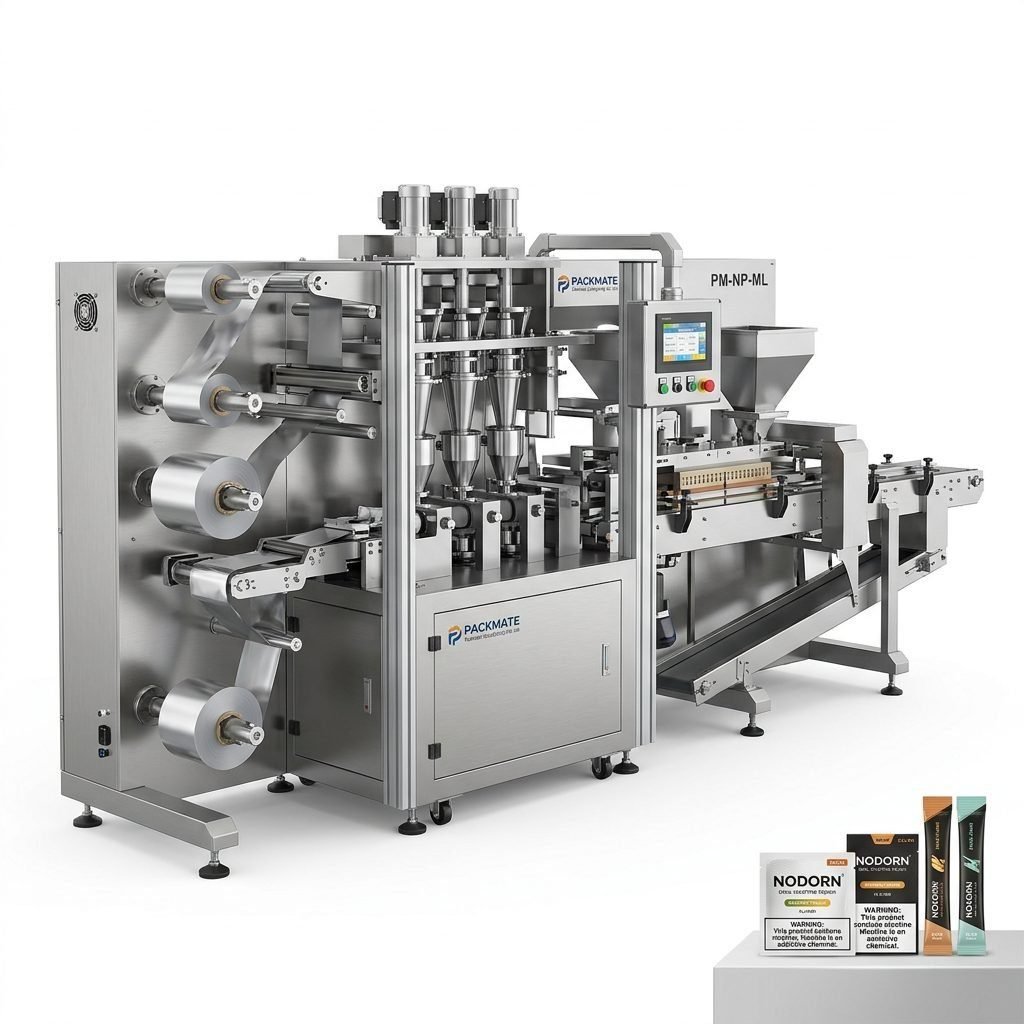
For many new operations, a balanced starter line could include a reliable dosing unit, a multi-lane sachet or stick-pack machine and a secondary cartoner or flow-wrapping unit. This setup offers flexibility for different SKUs and manageable capital expenditure.
Consider models from proven manufacturers that offer modular upgrades. View options: Snus & Nicotine Packaging Machines and Sachet & Stick Pack Machines.
⚠️ Warning: Cheap machines can cost more in the long run due to poor tolerances, high scrap and frequent breakdowns. Prioritize reliability.
After Purchase: Maximizing ROI
Train operators thoroughly, schedule preventative maintenance and monitor key performance indicators (OEE, uptime, rejects rate). Establish a spare-parts inventory and maintain a direct channel with your supplier for quick support.
Reliable suppliers provide documentation, training materials and remote troubleshooting. Check the supplier’s service offerings here: Service.
Final Decision Checklist
Use this checklist before signing a purchase agreement:
– Are capacity and speed requirements met?
– Is the machine proven with snus/nicotine products and similar materials?
– Do the supplier’s certifications and FAT reports meet your compliance needs?
– Are spare parts, training and service village-level accessible?
– Have you accounted for total cost of ownership and local installation requirements?
📞 Next step: Contact the manufacturer or distributor for a tailored proposal, FAT schedule and shipping timeline. For direct contact options see Contact Us.
Conclusion
Choosing the best snus packaging machinery for Liberia requires balancing capacity, compatibility, hygienic design, supplier reliability and TCO. Prioritize proven technology, modular upgrades, and strong after-sales support to secure long-term production stability and market success.
Common Questions
Q1: What machine speed is suitable for a new producer?
A1: For starters, many producers choose machines that run 30–60 pouches/min per lane or stick-pack machines at similar output, depending on demand. Scale up to multi-lane systems as orders grow.
Q2: How important is FAT before shipping?
A2: FAT is critical. It verifies performance with your product and prevents installation surprises or rejection on arrival.
Q3: Can machines be customized for different pouch sizes?
A3: Yes. Most reputable manufacturers provide modular tooling for different pouch sizes and sealing formats—confirm the range and changeover time.
Q4: What certifications should I ask for?
A4: Ask for CE, ISO and documentation of material traceability and electrical/PLC standards. Supplier test reports and FAT documentation are also essential.
Q5: Where can I view machine examples and specification sheets?
A5: Manufacturer websites typically list product lines. For example, check Snus & Nicotine Packaging Machines and Catalog for specification details.