Choosing the right nicotine packaging machinery for a production line in Belize is a critical step for manufacturers and entrepreneurs who want to scale reliably, comply with international standards, and protect product integrity. This guide walks you through the practical factors that matter most—production capacity, machine type, regulatory compliance, integration, supplier support, and return on investment—so you can make an informed decision that fits your operational goals.
Understand Your Production Requirements
Before evaluating specific equipment, map out your current needs and growth plans. Key questions include daily output targets, product format (snus pouch, sachet, stick pack, or multi-lane pouches), desired automation level, and whether you need integrated weighing, feeding, or secondary packaging. Estimating capacity by units per hour helps narrow options quickly.
Key
Typical capacity brackets:
small pilot lines (1–3 lanes), medium production (4–8 lanes), and high-speed multi-lane systems (10+ lanes). Choose a machine that meets peak demand without excessive overcapacity.
Know the Machine Types and Which Fits Belize Production
Nicotine and snus packaging comes in several formats. Each format impacts machine selection:
Snus & Nicotine Pouch Machines
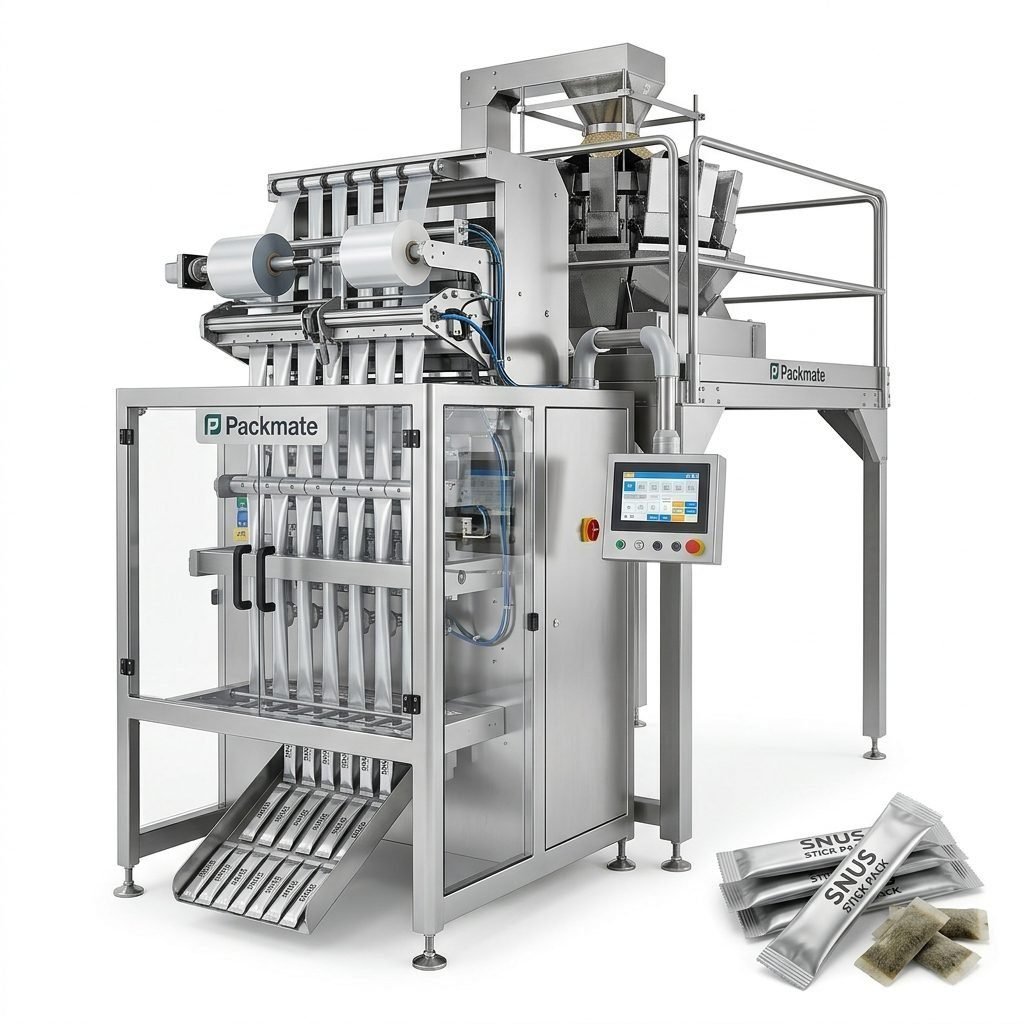
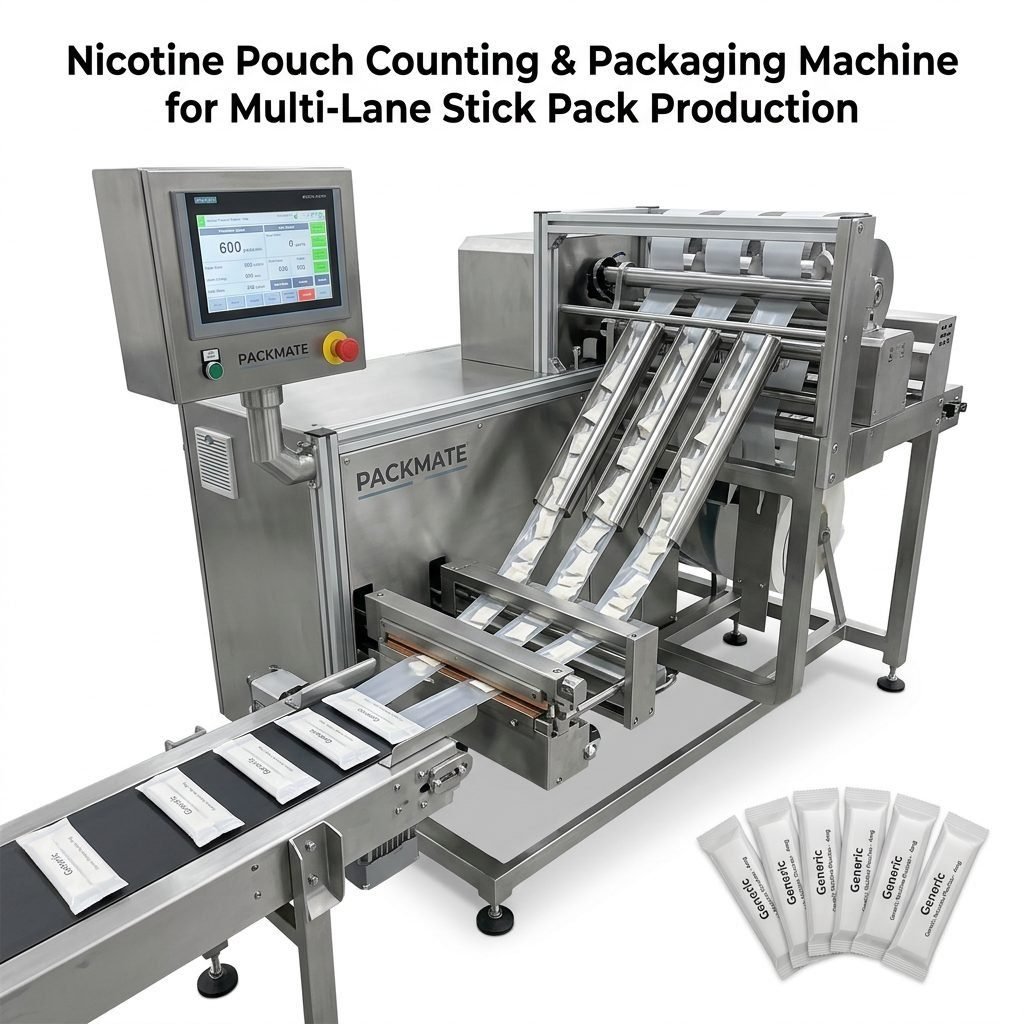
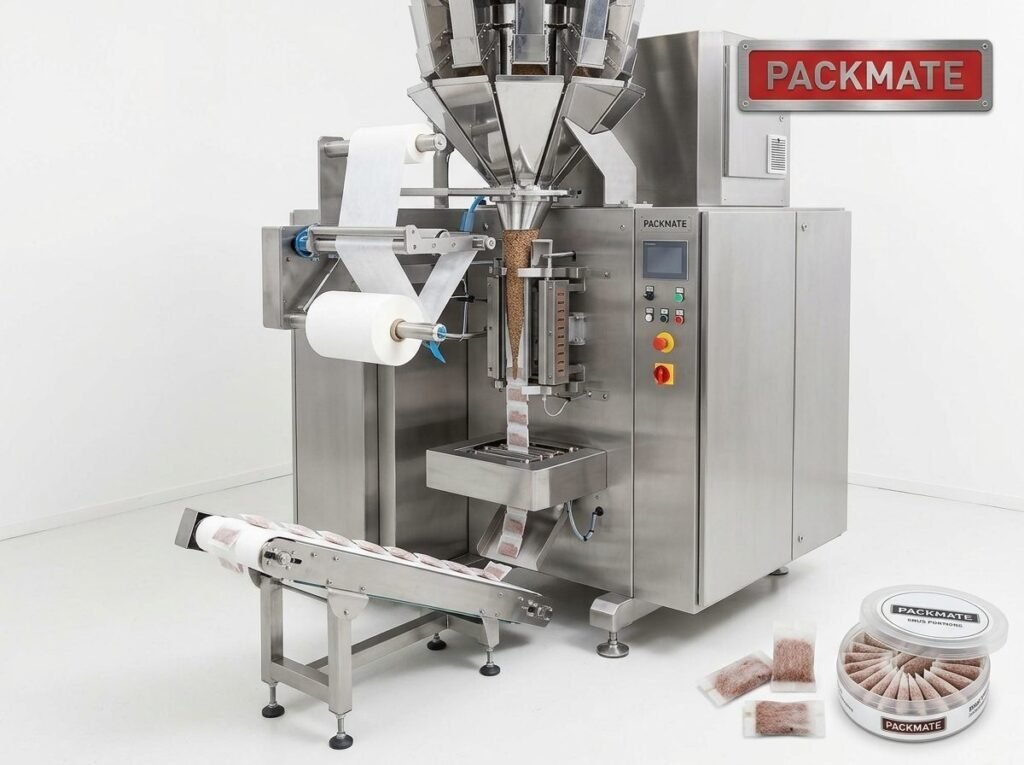
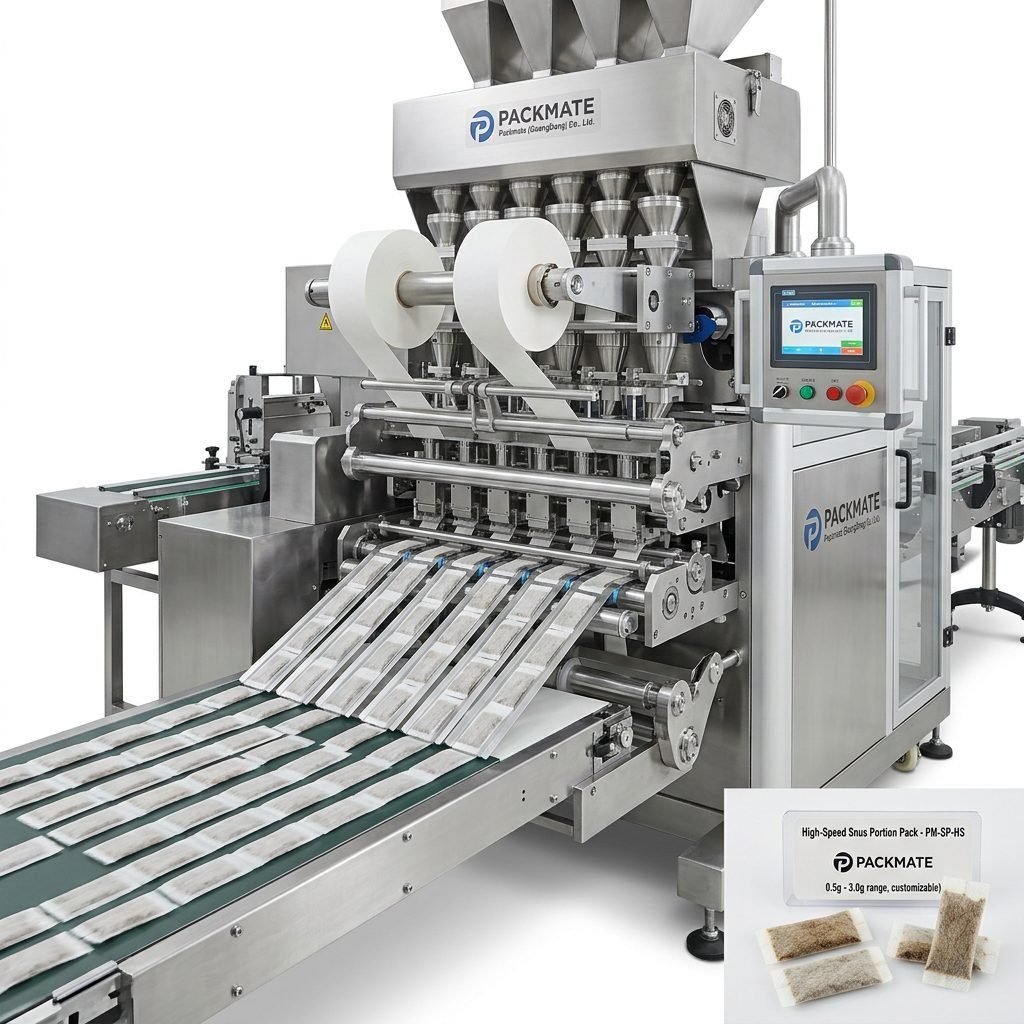
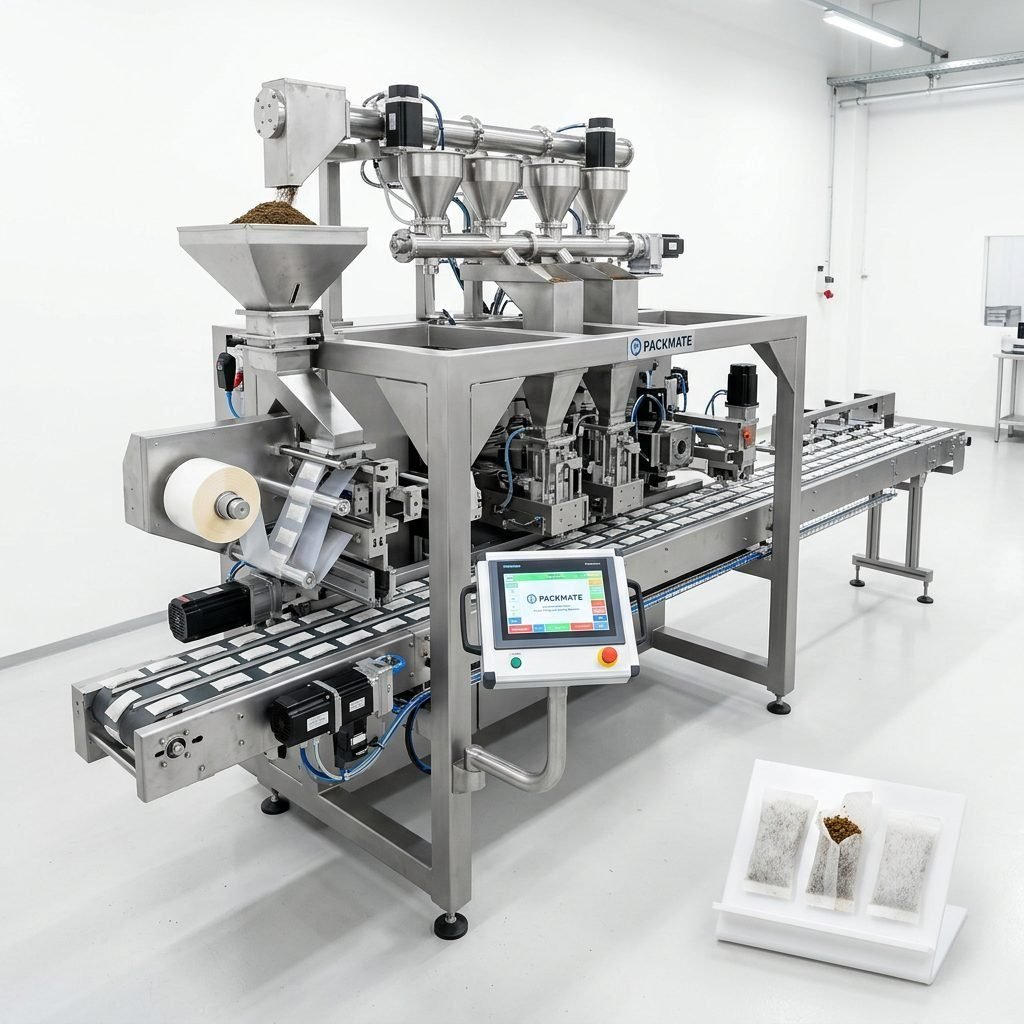
These are specialized for small-dose pouches and can include single- and multi-lane options. If your product is a nicotine pouch, look for machines designed for precise pouch weighing and gentle handling. Explore dedicated solutions at Snus & Nicotine Packaging Machines.
Sachet & Stick Pack Machines
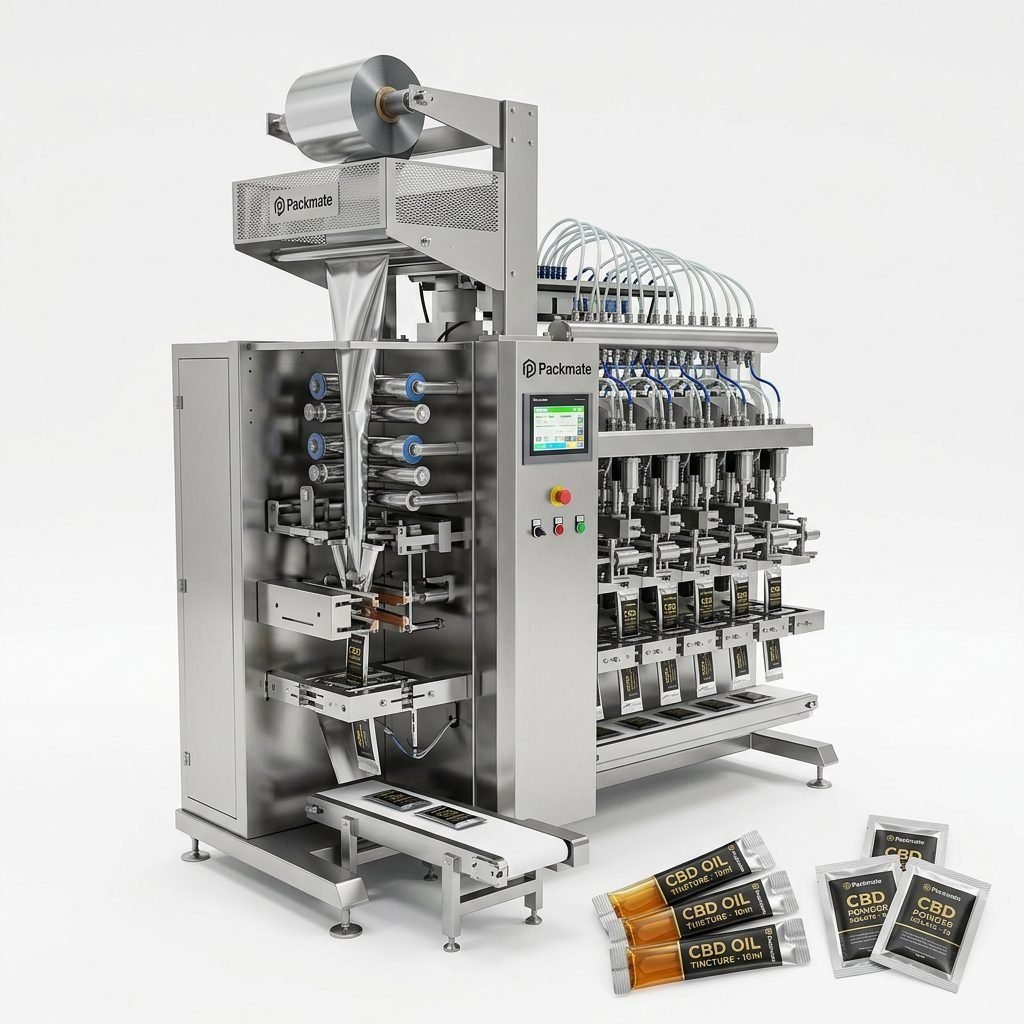
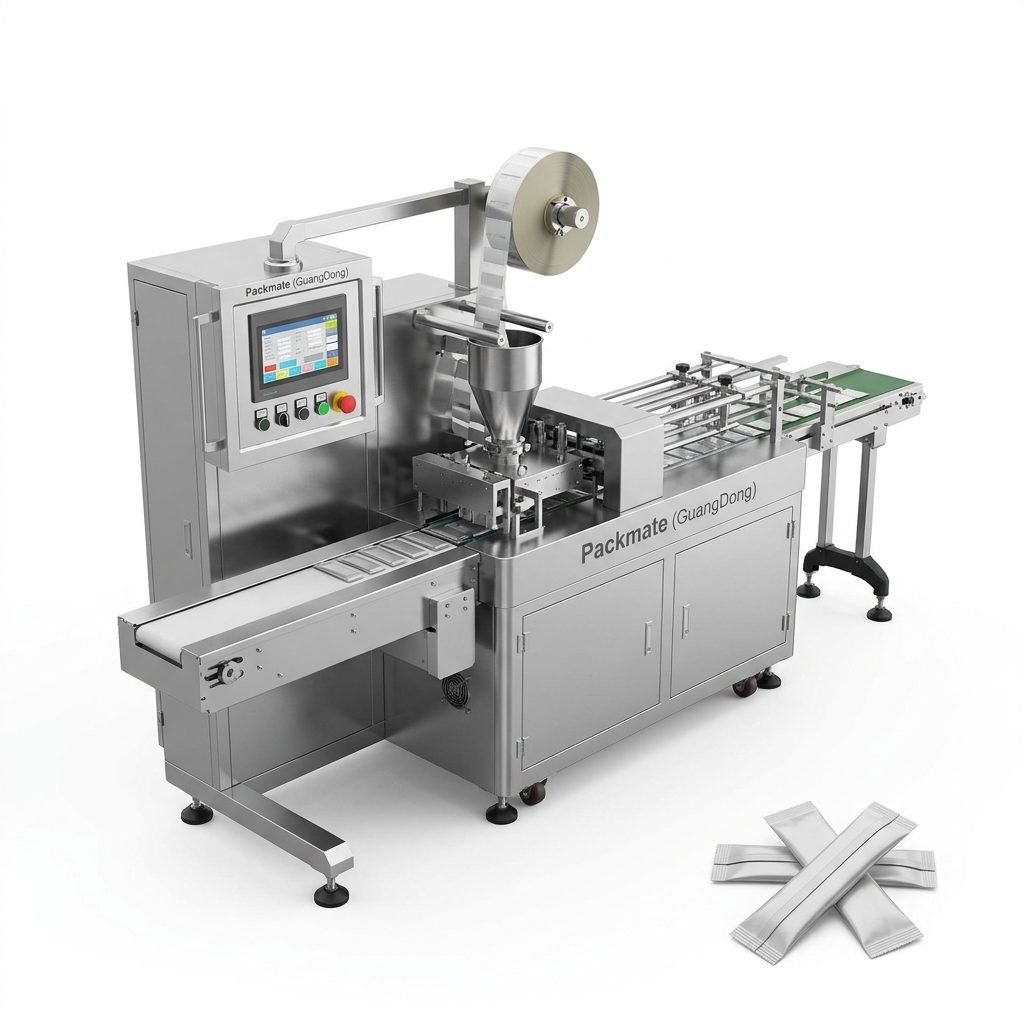
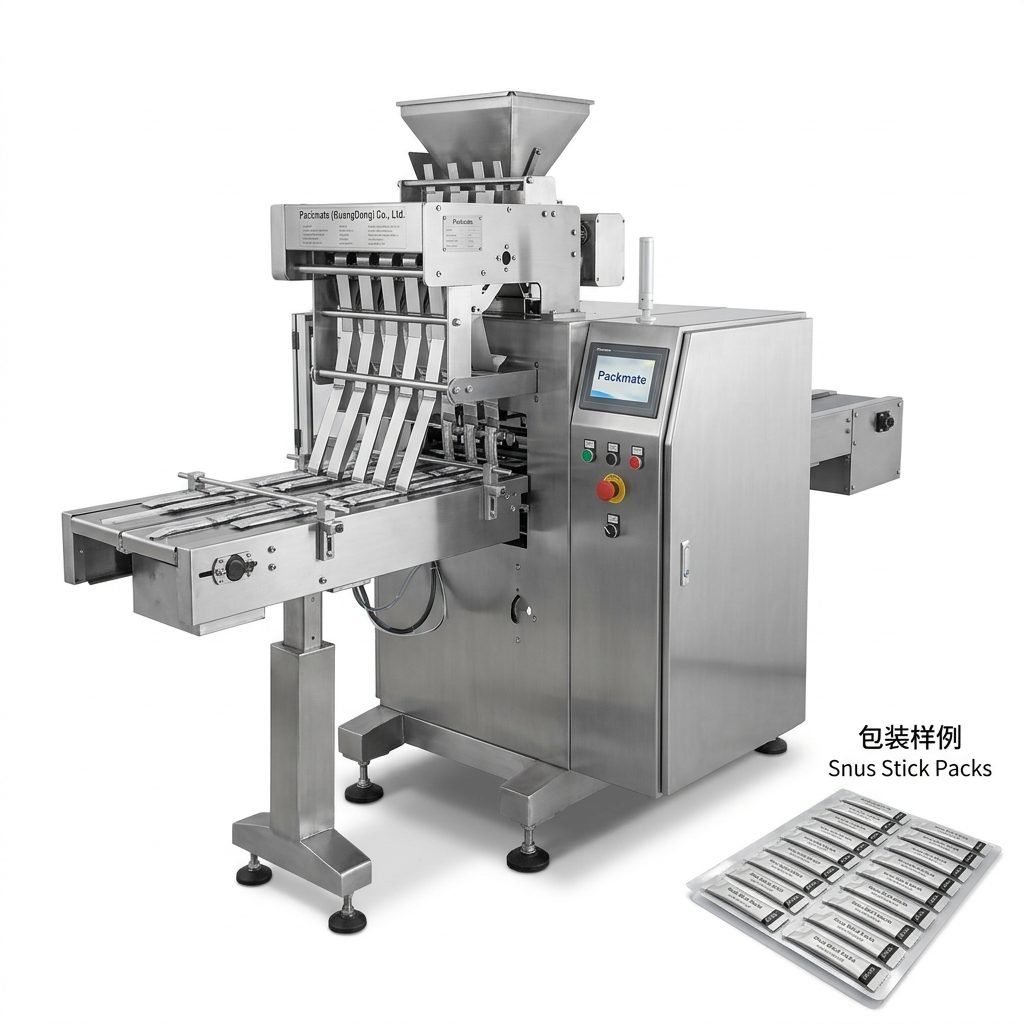
Sachet and stick pack machines are suitable for single-dose nicotine consumer formats and often cost-effective for startups. They offer fast changeovers and simple maintenance. See examples at Sachet & Stick Pack Machines.
Integrated Filling & Packaging Lines
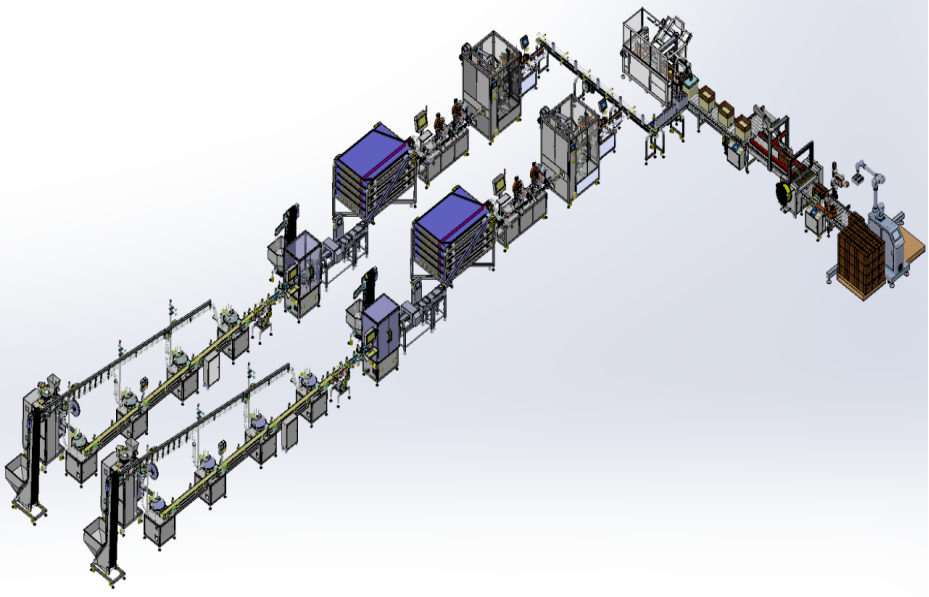
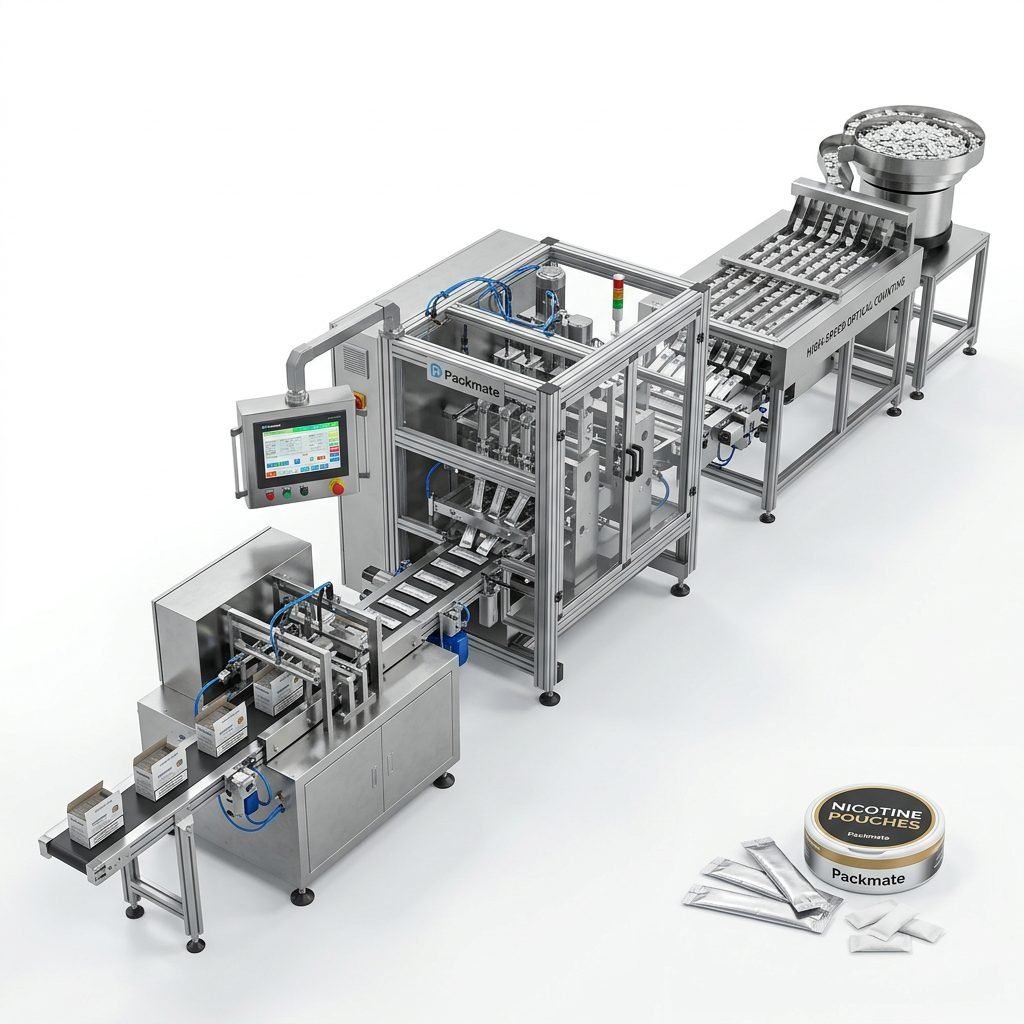
For turnkey operations requiring dosing, filling, and final packaging in one flow, integrated lines reduce manual handling and contamination risk. These systems may include weighing modules and conveyor automation: Filling & Packaging Lines.
Regulatory & Compliance Considerations in Belize
Belize has specific import and health regulations affecting nicotine products. When selecting machinery, ensure equipment facilitates compliance: accurate weigh scales, tamper-evident packaging capability, traceability features, and materials compatibility for food/pharma-grade cleaning. Machines with CE or ISO certification demonstrate adherence to international manufacturing standards.
Tip:
Select machines with easy documentation and validation packs. Certified suppliers often provide CE and ISO certificates and assist in regulatory audits.
Essential Technical Features to Evaluate
Focus on the specifications that impact performance and product quality:
- Accuracy and dosing control — critical for nicotine dosing consistency and compliance.
- Changeover time — fast rolls and modular tooling reduce downtime.
- Material compatibility — safe for nicotine chemistry and easy to sanitize.
- PLC and HMI — user-friendly controls, recipe storage, and remote diagnostics.
- Build quality — stainless steel contact parts and robust drives increase uptime.
Integration, Automation and Line Layout
A packaging machine rarely operates alone. Consider how the new equipment will integrate with upstream and downstream systems: feeders, weighers, metal detectors, cartoners, case packers, and conveyors. Multi-lane solutions demand precise synchronization—look for suppliers with turnkey capabilities or modular add-ons to build a complete line.
If you need a full solution, review manufacturers that offer turnkey lines and auxiliary equipment such as Auxiliary Packaging Equipment and Weighing & Packaging Systems.
Selecting a Reliable Supplier: What to Ask
Choosing a supplier is as important as choosing a machine. Ask these questions:
Supplier checklist:
Experience (years in snus/nicotine packing), technical support response time, spare parts availability, on-site commissioning, and references from similar installations. Companies like Packmate display track records and case studies that can help validate capability.
Service & Spare Parts
Verify lead times for critical spares and whether the supplier holds parts centrally. Remote diagnostics and training for local technicians reduce dependence on overseas service visits. Prefer suppliers offering documented preventive maintenance plans and longer warranty options.
Budgeting and Estimating Return on Investment
Price is only one part of the equation. Include installation, tooling, freight, customs, validation, spare parts, and training in your total cost of ownership (TCO). Factor in labor savings from automation, increased throughput, and reduced waste to estimate payback time. A slightly higher initial investment in a reliable, modular system often yields lower operating costs and faster ROI.
ROI example:
Upgrading to an automated 6-lane pouch line may reduce manual packing labor by 60% and increase output by 3–5x, delivering payback within 12–36 months depending on volume.
Installation, Validation and Training
Plan for factory acceptance testing (FAT) before shipment and site acceptance testing (SAT) after installation. FAT ensures the machine meets agreed specs in the supplier’s facility, while SAT verifies performance on-site with your product. Prioritize suppliers offering operator and maintenance training and detailed manuals.
Real-World Case Studies & References
Request case studies or visit exhibitions to see machines in action. Packmate often showcases production lines at international events—review exhibition histories and performance examples to judge real-world reliability. See detailed project examples at Case and upcoming shows at Our Exhibition.
Logistics, Customs and Local Support in Belize
Consider shipping methods, customs duties, and local installation partners. Machines are heavy and often require special crating—coordinate with suppliers about pre-shipment inspections and documentation to minimize delays at Belize ports. Also ensure local electricians and technicians are trained for initial setup.
Making the Final Decision: A Practical Checklist
Use this concise checklist when comparing final quotes:
- Does the machine meet your target throughput and allow scaling?
- Are dosing accuracy and material compatibility documented?
- What certifications and test reports are provided (CE, ISO)?
- Are spare parts and service contracts available locally or regionally?
- Is FAT/SAT included, and what training is provided?
- Does the supplier provide turnkey integration or work with trusted partners (e.g., for weighing and auxiliary equipment)?
Supplier reference:
Companies with 20,000㎡ manufacturing facilities, advanced CNC centers, and decades of experience—such as Packmate—provide a balance of engineering depth and turnkey services. See About Packmate for background.
Next Steps for Buyers in Belize
Start with a requirements spec and request proposals from multiple vendors. Ask for FAT videos, reference customers in similar markets, and detailed cost breakdowns (machine, tooling, freight, installation). If you plan a phased investment, evaluate scalability and modular upgrades.
For complete product ranges—including snus, bag & pouch, sachet, and auxiliary systems—review product pages such as Bag & Pouch Packaging Machines and Weighing & Packaging Systems.
Conclusion
In short:
Select machines that match your format and capacity, verify certifications and supplier support, plan for integration and service, and calculate TCO rather than only upfront cost. A well-chosen snus or nicotine packaging line will improve consistency, safety, and scale your Belize operations sustainably.
Frequently Asked Questions (FAQs)
Q1: What certifications should the packaging machine have for export and regulatory compliance?
A1: Prefer machines with CE and ISO documentation, calibration certificates for weighing systems, and material compliance reports. These make regulatory filings and audits smoother.
Q2: How do I decide between single-lane and multi-lane snus pouch machines?
A2: Base the decision on current and projected volumes. Single-lane suits low-volume or pilot production; multi-lane is cost-effective at higher throughput but requires more investment and line synchronization.
Q3: What after-sales support should I require from a supplier?
A3: Insist on spare parts availability, training, remote diagnostics, commissioning support (FAT/SAT), and clear service contracts with defined response times for Belize.
Q4: Can I upgrade an entry-level machine later?
A4: Many modern lines are modular. Confirm upgrade paths for lanes, automation modules, and integration with auxiliary equipment to protect your investment.
Q5: Where can I see real installations of nicotine packaging lines?
A5: Request case studies from suppliers or visit trade exhibitions. Packmate lists case examples and exhibition participation—use those references for validation: Case, Our Exhibition.