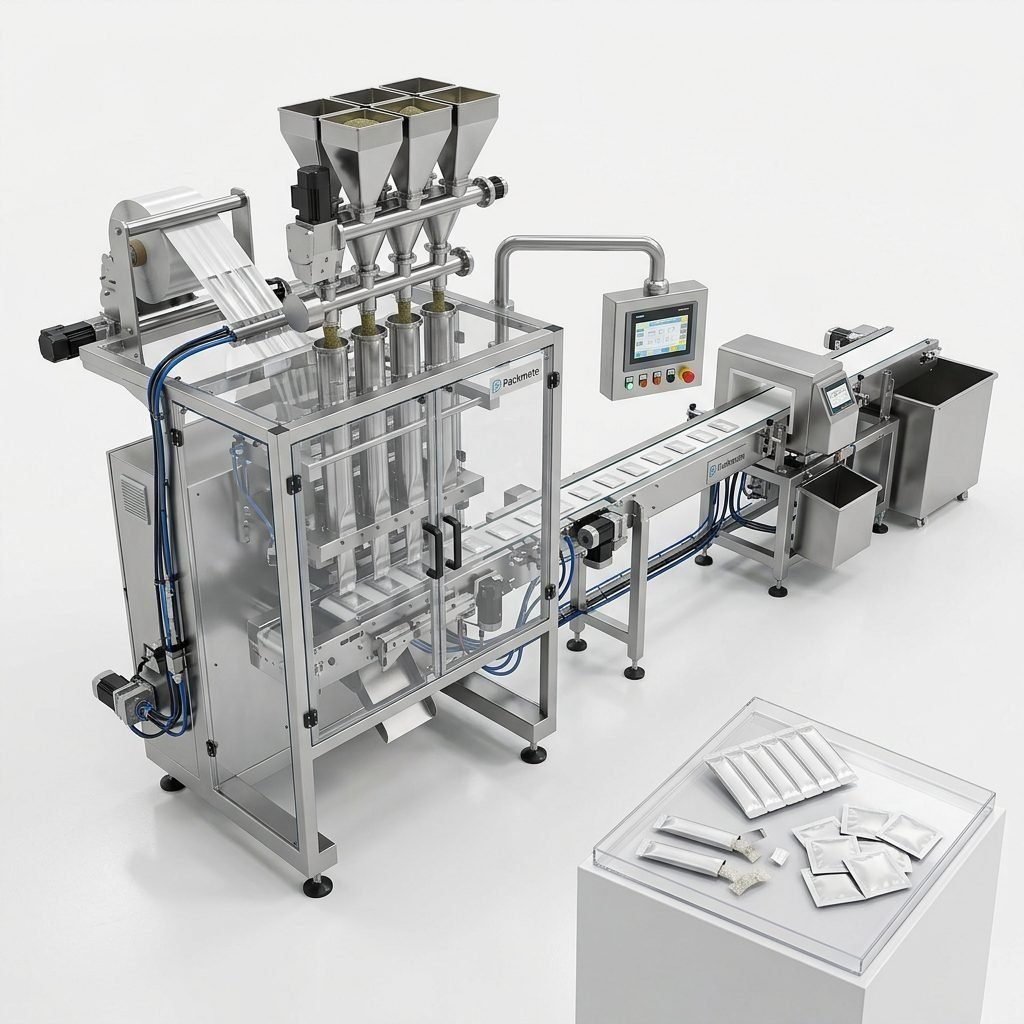
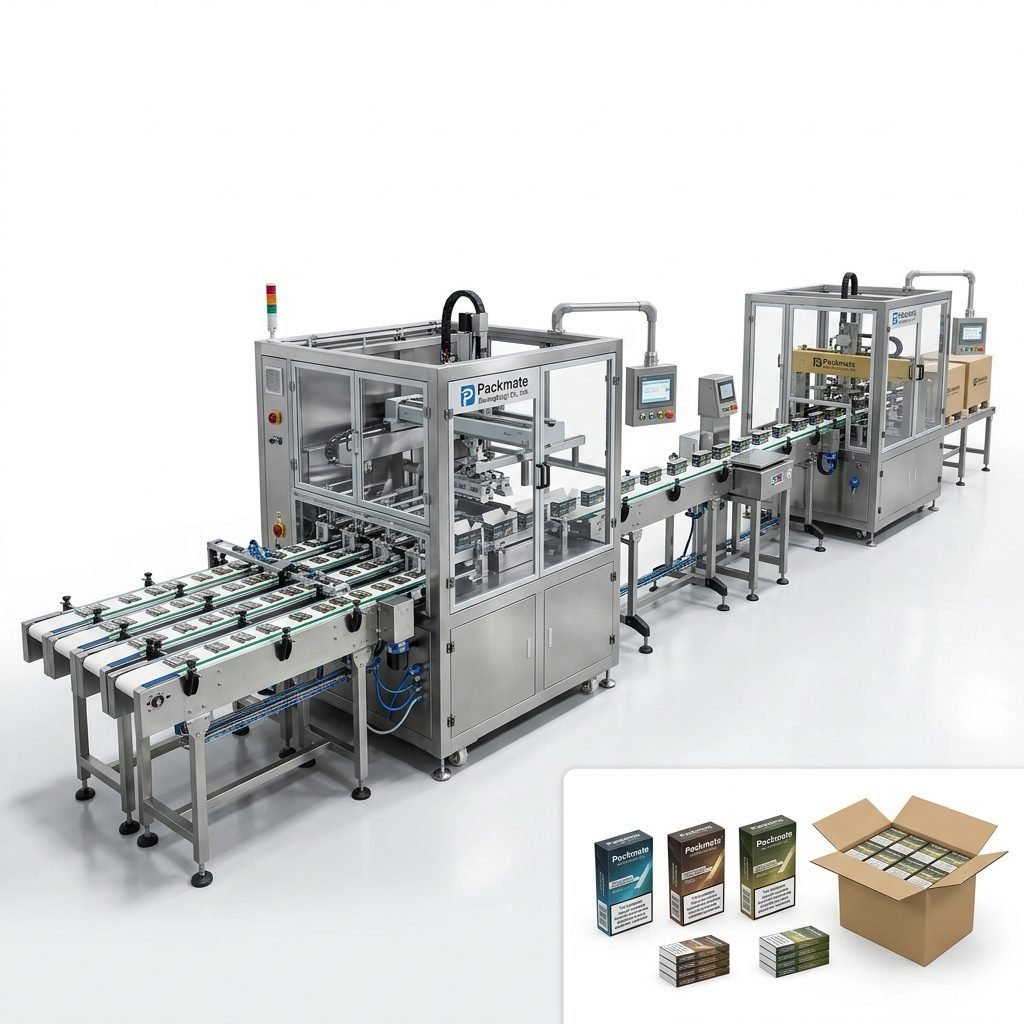
Choosing the right snus packaging machinery supplier for operations in the Marshall Islands requires more than comparing price tags. You must consider climate resilience, import and customs logistics, local business scale, after-sales support and regulatory concerns. This guide walks you through practical tips and a buying checklist to help importers, distributors and small manufacturers in the Marshall Islands make confident decisions when sourcing snus and nicotine pouch packaging equipment.
Understanding the Marshall Islands Context 🇲🇭
The Marshall Islands is a remote island nation in the central Pacific with a small population and a strong reliance on imports. Local businesses and entrepreneurs often operate in tight spaces and need machinery that tolerates high humidity, salt air and limited on-site technical resources. Respect for community norms and strict adherence to import regulations are essential — shipments can be delayed without proper documentation, and local market demand for nicotine products may be conservative.
Why climate and logistics matter
⚠️ Corrosion resistance: Choose machines with stainless steel 304/316 components and protective coatings to resist salt-air corrosion.
📦 Compact footprint: Many local operators need compact, high-efficiency lines that fit small production spaces.
🚚 Shipping & documentation: Work with suppliers who understand ocean freight, export packing, and can provide accurate customs paperwork for the Marshall Islands.
Key Factors When Choosing a Snus Packaging Machinery Supplier
1. Product Range & Flexibility
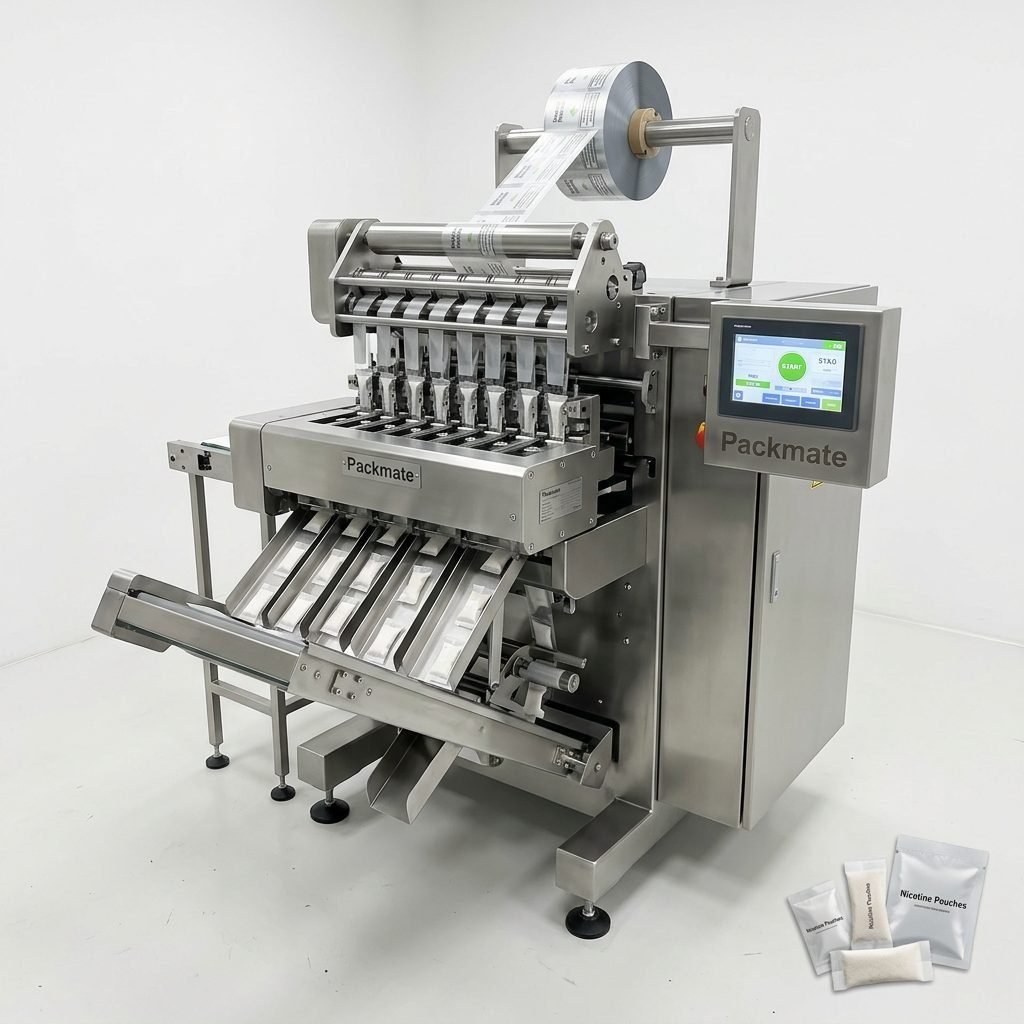
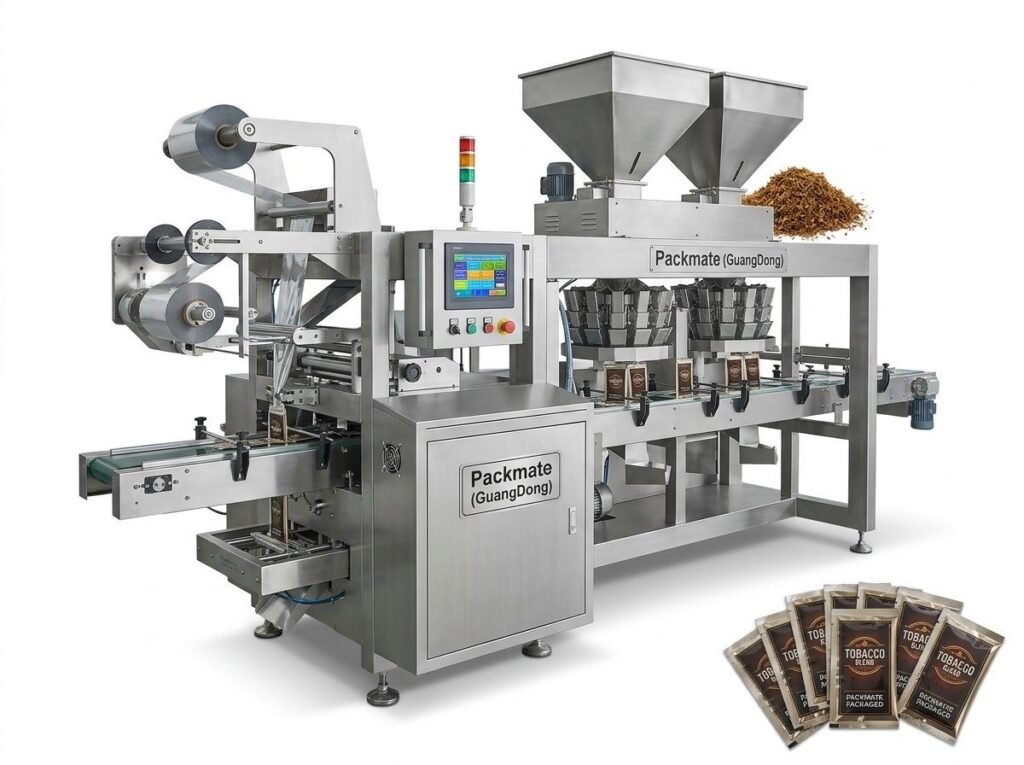
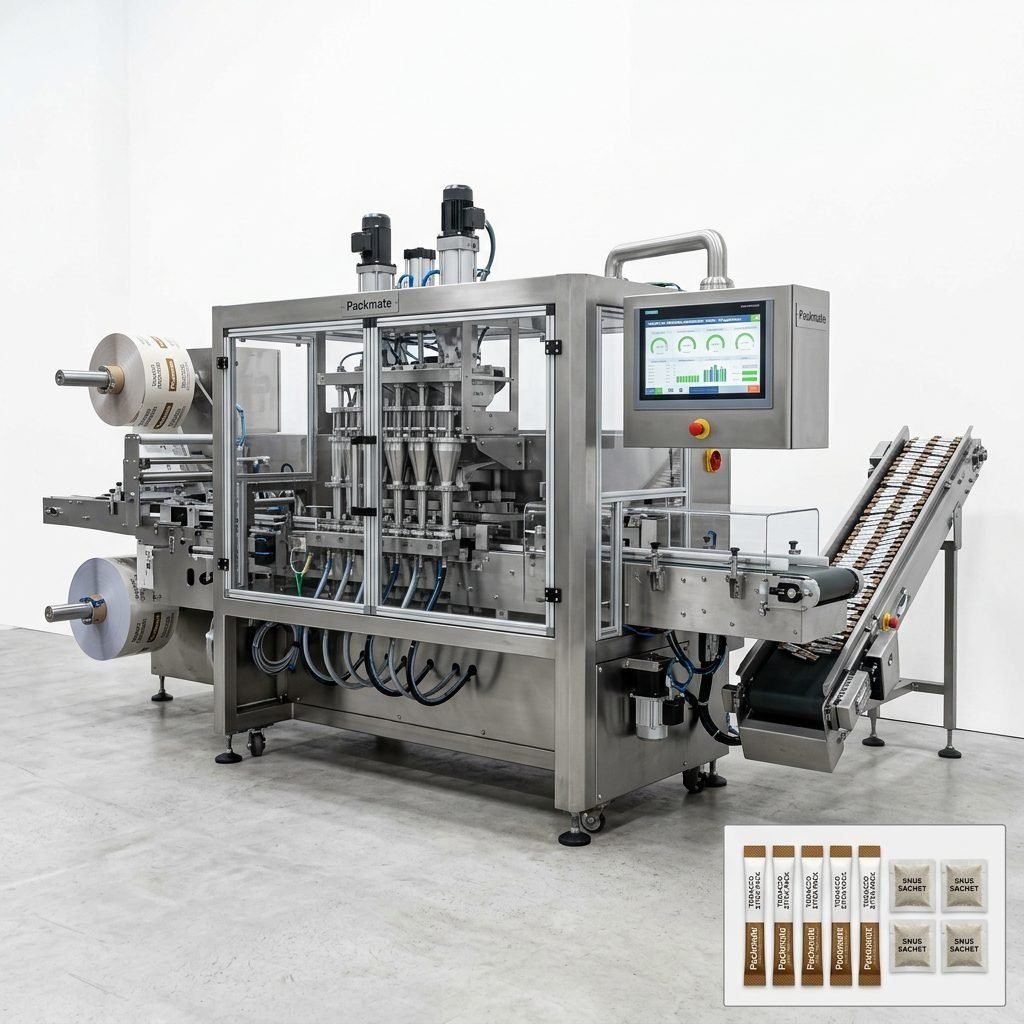
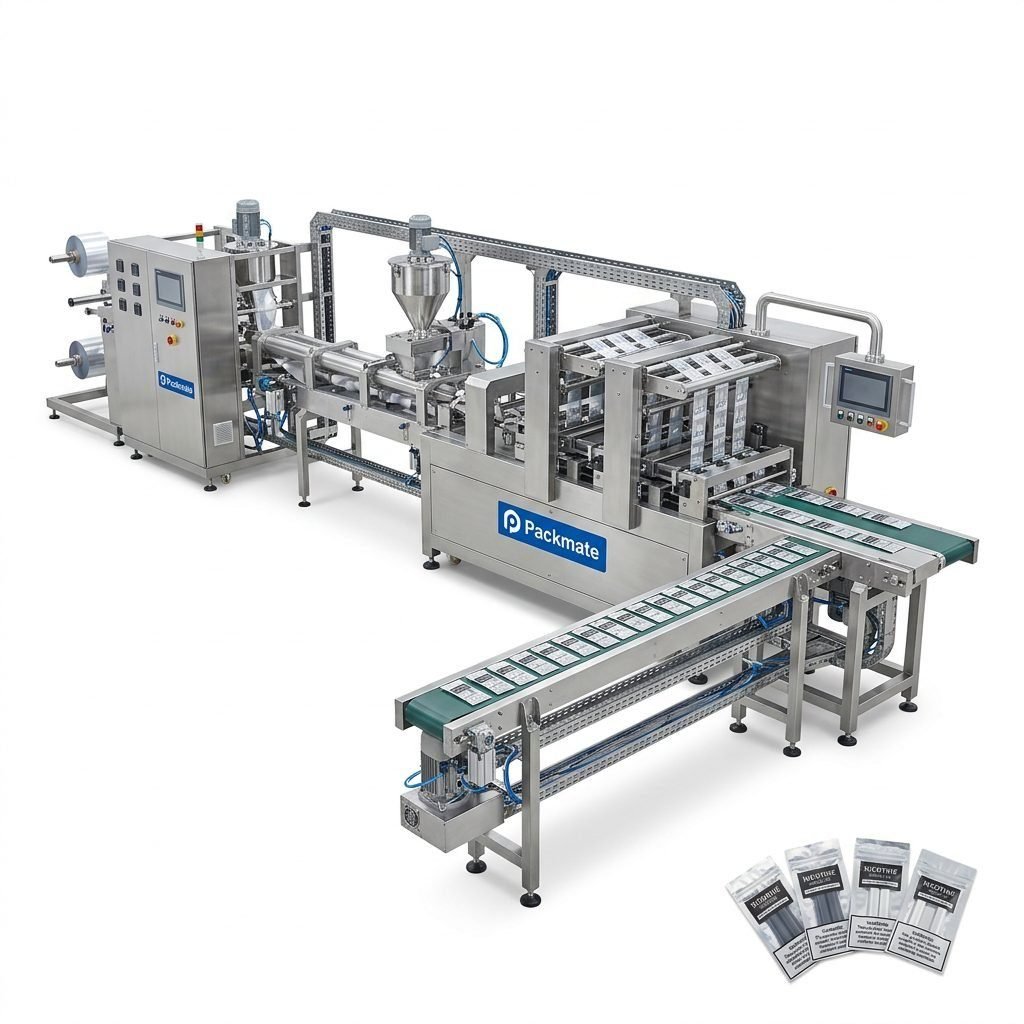
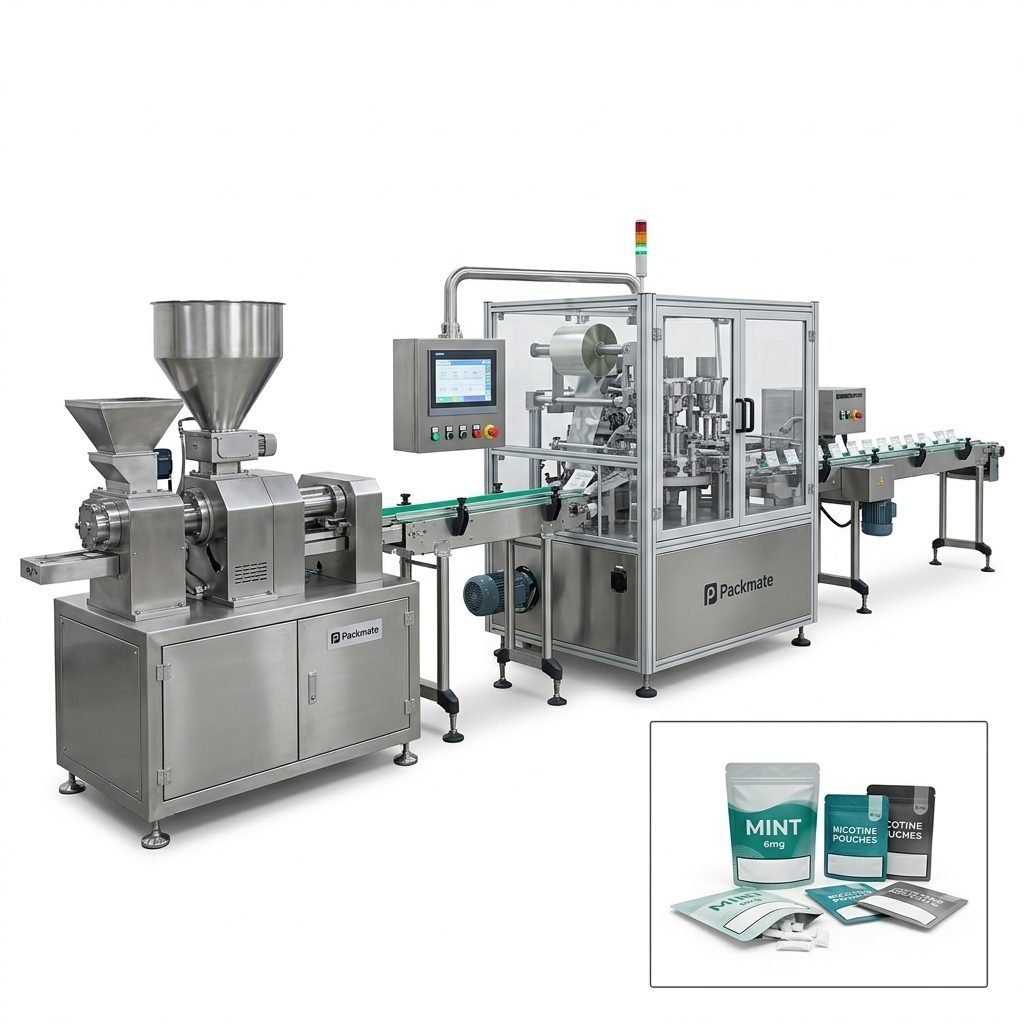
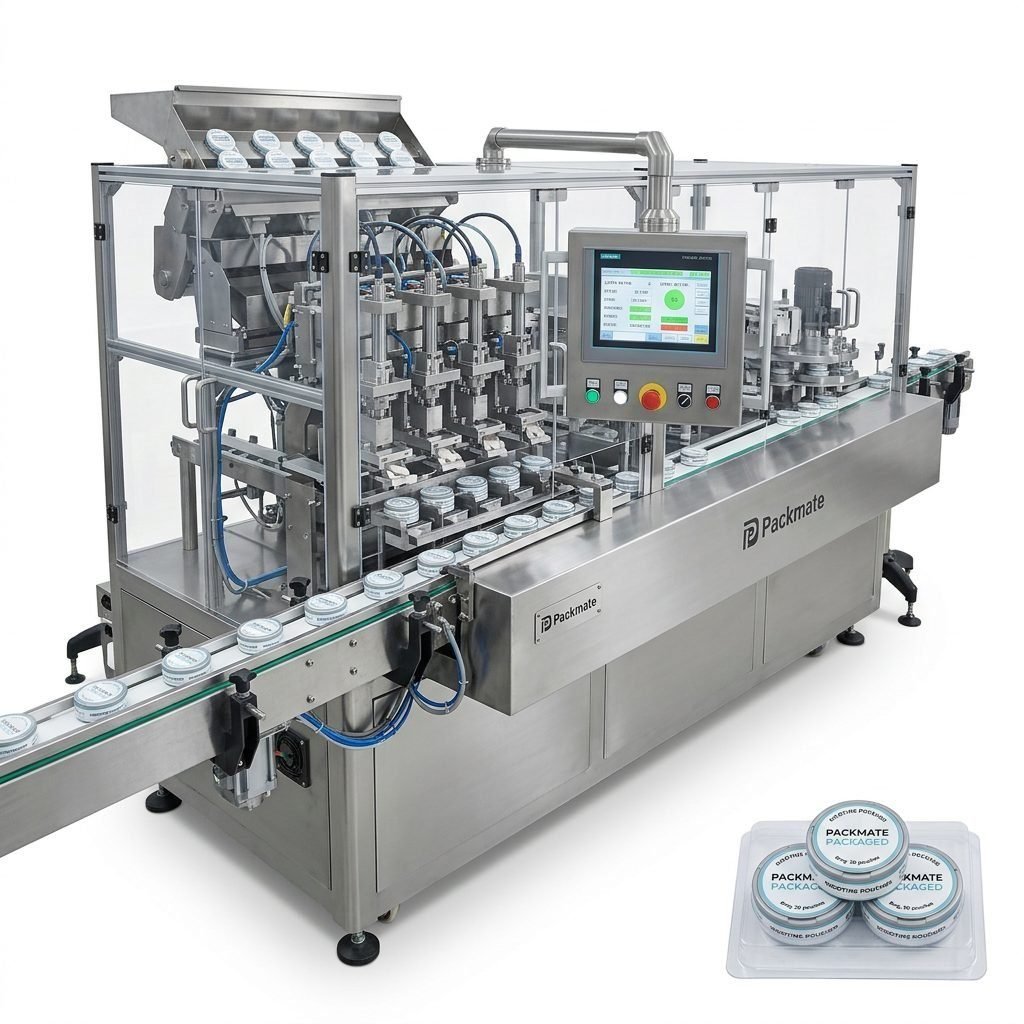
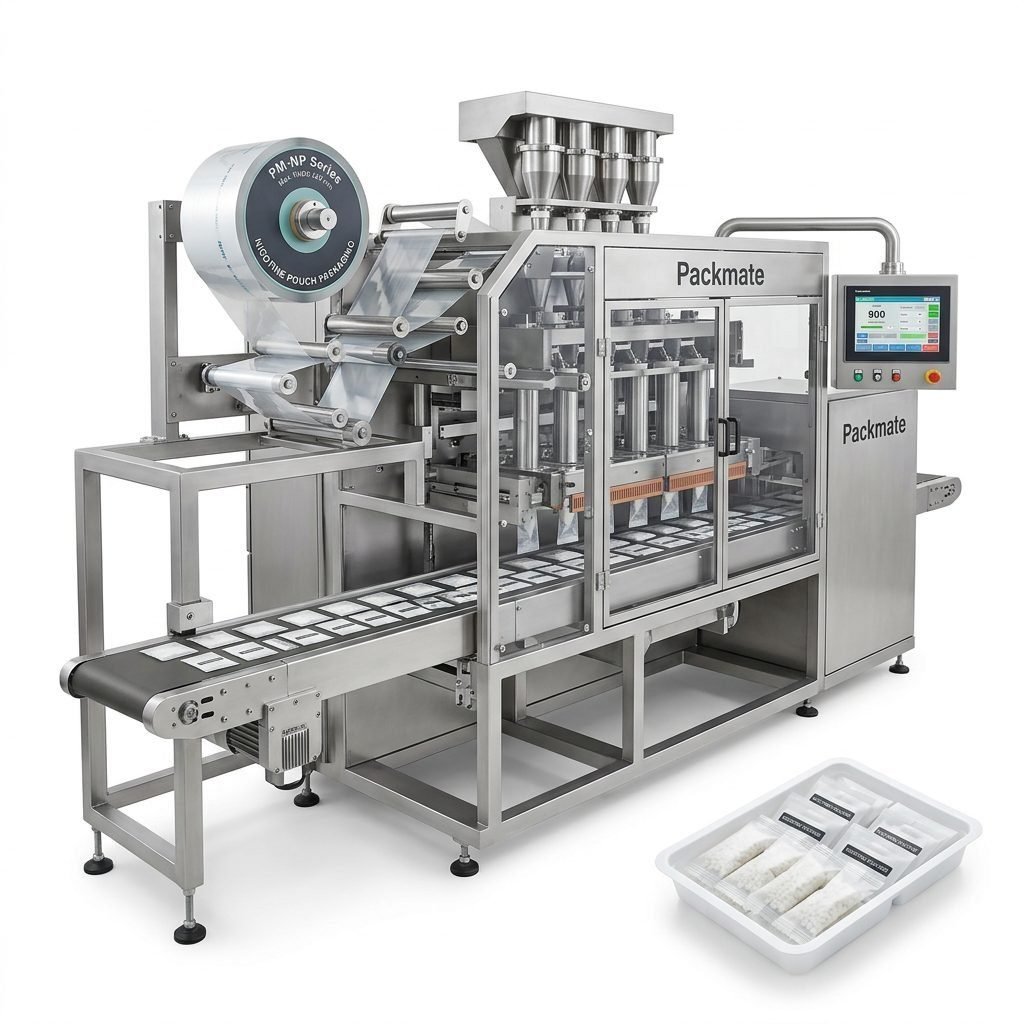
Look for suppliers that offer a variety of machine types — pouch & bag packers, stick pack, sachet systems, multi-lane lines and auxiliary equipment like weighers and labeling units. A supplier with modular options lets you scale up from small-batch production to higher capacity without replacing entire lines. Explore options such as Snus & Nicotine Packaging Machines and Bag & Pouch Packaging Machines to match product formats common in your market.
2. Engineering Quality and Certifications
Prioritize suppliers with strong manufacturing credentials and internationally recognized certifications. CE and ISO compliance indicate safety and quality control. Ask about CNC machining centers, assembly procedures and testing protocols. A reliable supplier will provide documentation and test reports for electrical systems, PLC programming and performance validation.
3. Corrosion & Humidity Protection
✅ Material selection: Confirm which structural parts are 304/316 stainless steel.
✅ Sealed electrics: Electrical cabinets and sensors should be IP-rated for humid environments.
✅ Coatings & surface treatments: Anodizing or powder coatings help protect against salt spray.
4. After-Sales Service and Spare Parts
In remote regions like the Marshall Islands, rapid local service visits may not be feasible. Choose suppliers who offer:
- Remote diagnostics and PLC backup files.
- Comprehensive spare parts kits and fast international shipping options.
- Clear training materials and virtual commissioning support.
Technical Specifications to Verify Before Purchase
Performance & Capacity
Confirm the machines’ output rates (pouches per minute), lane configuration (single or multi-lane), and product compatibility (powder, granule, liquid, nicotine pouch). For small markets, consider multi-lane small-dose systems that deliver high throughput with minimal footprint.
Precision & Consistency
Accurate dosing and sealing are critical for nicotine pouches. Verify weighing accuracy, cutter tolerances, and sealing temperature control. Ask for recorded production samples or factory acceptance tests.
Integration & Automation
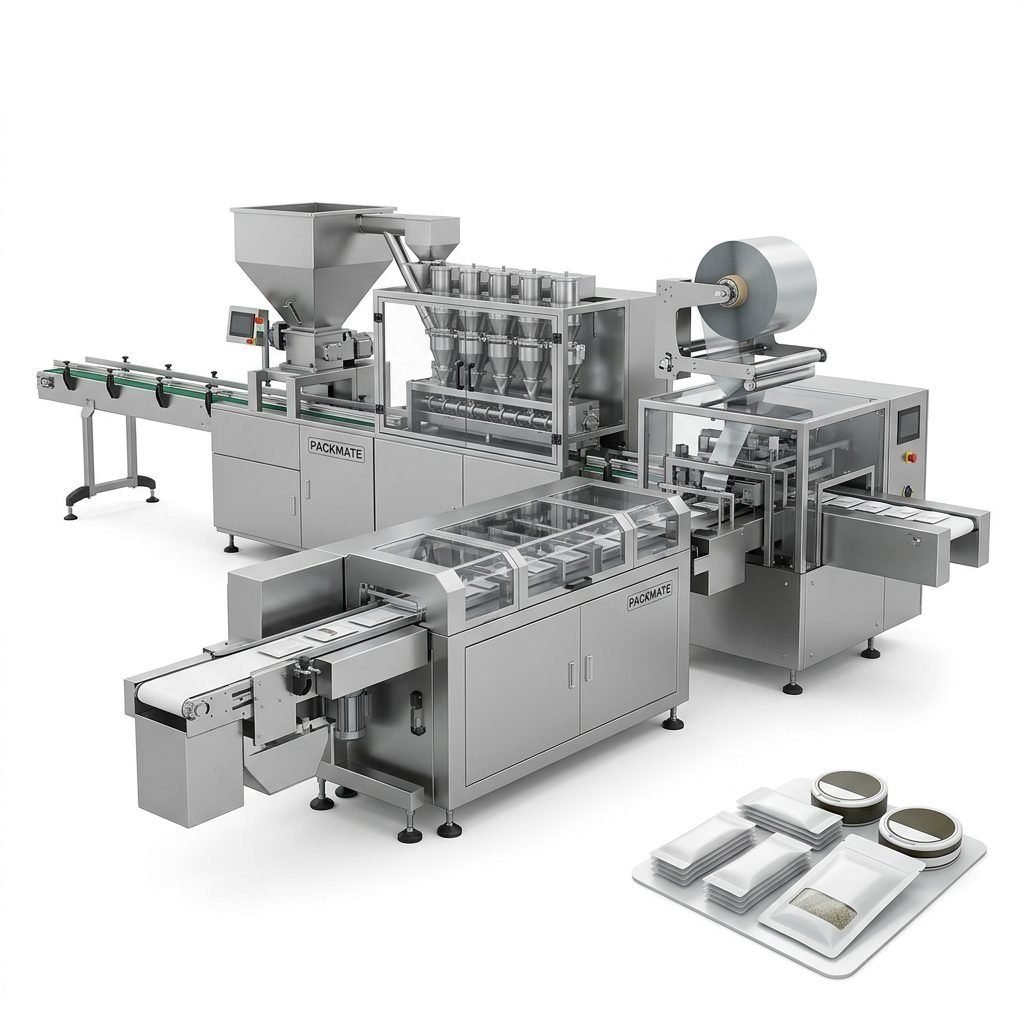
Ensure the supplier can provide integrated lines — fillers, packers, labelers and checkweighers — that work seamlessly. If you plan to expand product range, modular automation reduces future rework.
Logistics, Compliance and Local Considerations
The Marshall Islands follows specific import regulations and may have restrictions around nicotine products. Coordinate with customs brokers and seek suppliers familiar with export documentation including commercial invoices, packing lists, certificates of origin, and machine manuals in English.
Permits & Labeling
Some Pacific island jurisdictions require strict labeling or health warnings for nicotine products. Verify product labeling compliance before finalizing packaging machine capabilities so you do not need costly re-tooling later.
Shipping, Installation & Training
Discuss packaging for export, on-site installation plans, and remote or in-person training. Companies with global reach often provide detailed instruction manuals and can ship spare parts kits quickly. For example, check supplier portfolios and case studies in their Case pages to evaluate real-world performance.
Why Packmate Could Be a Good Option
Packmate Snus Machine brings over 30 years of engineering experience and a factory with advanced CNC machining and precision assembly. Their product line covers snus and nicotine packaging machines, sachet & stick pack machines, weighing systems and full filling & packaging lines. Visit About Packmate and the Snus & Nicotine Packaging Machines to see model options suitable for small islands and export markets.
Certifications & Factory Strength
Packmate emphasizes CE and ISO compliance, advanced CNC processing and a 20,000㎡ manufacturing facility — all indicators of stable production quality and the ability to supply spare parts and customized solutions for unique market needs.
Step-by-Step Buying Guide — Practical Checklist
📋 Step 1: Define your product formats and target output. Decide if you need single-lane or multi-lane lines for nicotine pouches or sachets.
🔍 Step 2: Request technical specifications, material lists and factory acceptance test (FAT) reports. Confirm corrosion-resistant materials for maritime climates.
💬 Step 3: Ask about remote support capabilities, spare parts lead times and recommended preventive maintenance schedules.
🚢 Step 4: Clarify export packing, freight terms (FOB/CIF), and documentation needed for the Marshall Islands customs clearance.
🧰 Step 5: Secure a spare parts kit and arrange training (virtual or on-site). Ensure electrical specifications match local supply or that the supplier provides compatible options.
🧾 Step 6: Review warranties, acceptance criteria and penalty clauses for performance shortfalls.
🔁 Step 7: Plan for scalability — choose modular systems that allow quick upgrades as demand grows.
Common Pitfalls and How to Avoid Them
❌ Buying only on price — cheaper machines may lack corrosion protection and reliable controls.
❌ Skipping FAT — without factory testing you risk receiving underperforming equipment.
❌ Overlooking spare parts and remote support — shipping delays can halt production for weeks.
Extra Resources
For detailed product categories and line configuration ideas, review supplier catalogs and product pages such as Sachet & Stick Pack Machines and Weighing & Packaging Systems. These pages can help match machine capabilities to your specific pouch sizes and dosing needs.
Making the Final Decision
When comparing vendors, score each supplier on technical fit, materials & corrosion protection, certifications, after-sales readiness, spare parts availability and shipping experience to the Pacific islands. Give extra weight to suppliers with documented export experience and positive case studies — a vendor who has supported global turnkey solutions will understand the unique logistical and regulatory challenges of serving the Marshall Islands.
Next steps
Contact shortlisted suppliers for quotations, FAT schedules and remote demonstrations. Request references from customers operating in humid or coastal environments. If you are considering Packmate, review their service offerings and machine range on the Service and Catalog pages to evaluate fit.
Frequently Asked Questions (Common Questions)
Q1: Can snus packaging machines handle humid, salty island conditions?
A: Yes — if you choose machines with stainless steel construction (304 or 316), sealed electrical cabinets, and protective surface treatments. Always confirm IP ratings for control panels and the supplier’s recommended anti-corrosion measures.
Q2: How do I manage spare parts shipments to the Marshall Islands?
A: Work with suppliers who stock critical wear parts and offer express shipping options. Maintain a small inventory of consumables (cutters, belts, gaskets) locally and negotiate clear lead times before purchase.
Q3: What certifications should I request from a packaging machinery supplier?
A: Request CE and ISO certificates, electrical safety test reports, FAT documentation, and material composition lists. These prove compliance and help smooth customs clearance.
Q4: Is remote commissioning effective for remote island installations?
A: Remote commissioning can be highly effective when combined with thorough documentation, video-guided setup, and supplier-provided PLC programs. However, plan for a technician visit for final acceptance if on-site complexity is high.
Q5: Where can I find reliable machine models and case studies?
A: Supplier websites and case pages are excellent resources. For example, explore Packmate’s product pages for machine models and the Case section for real-world deployment examples.