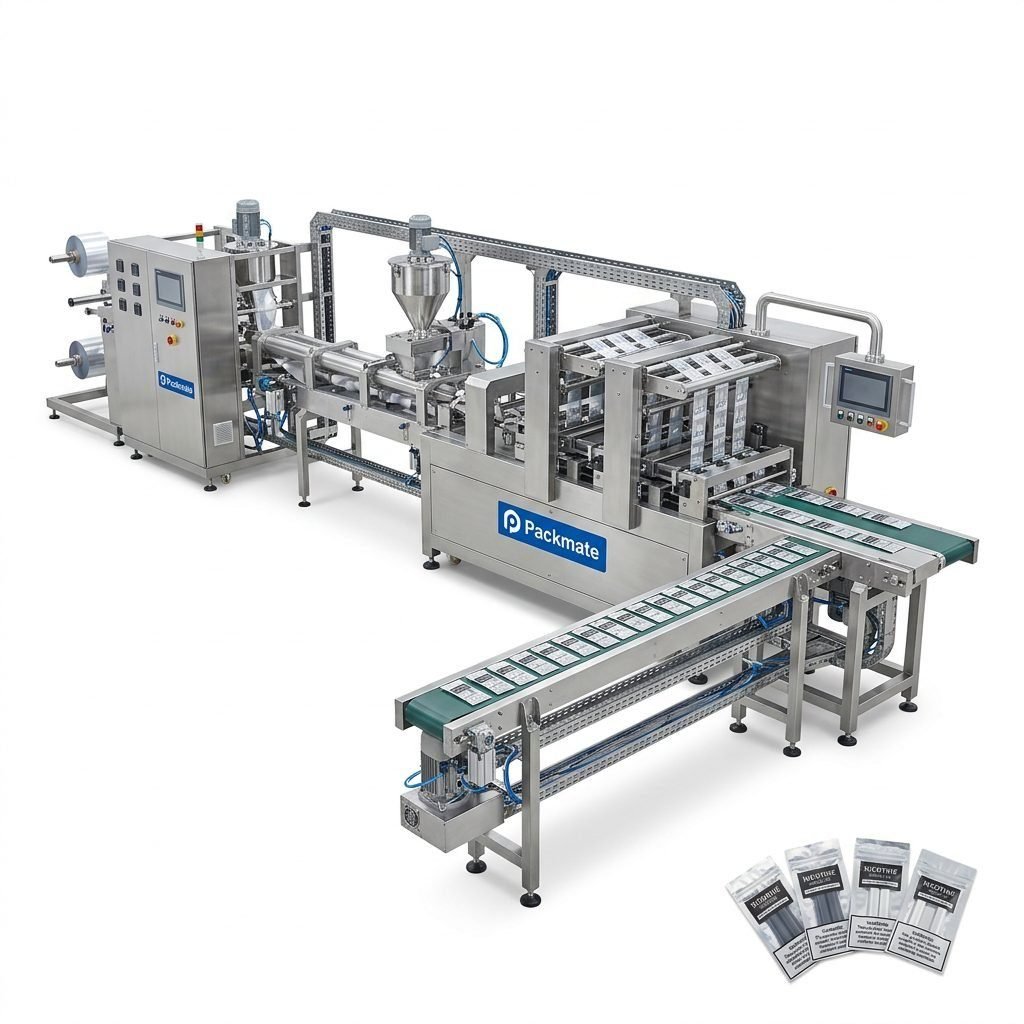
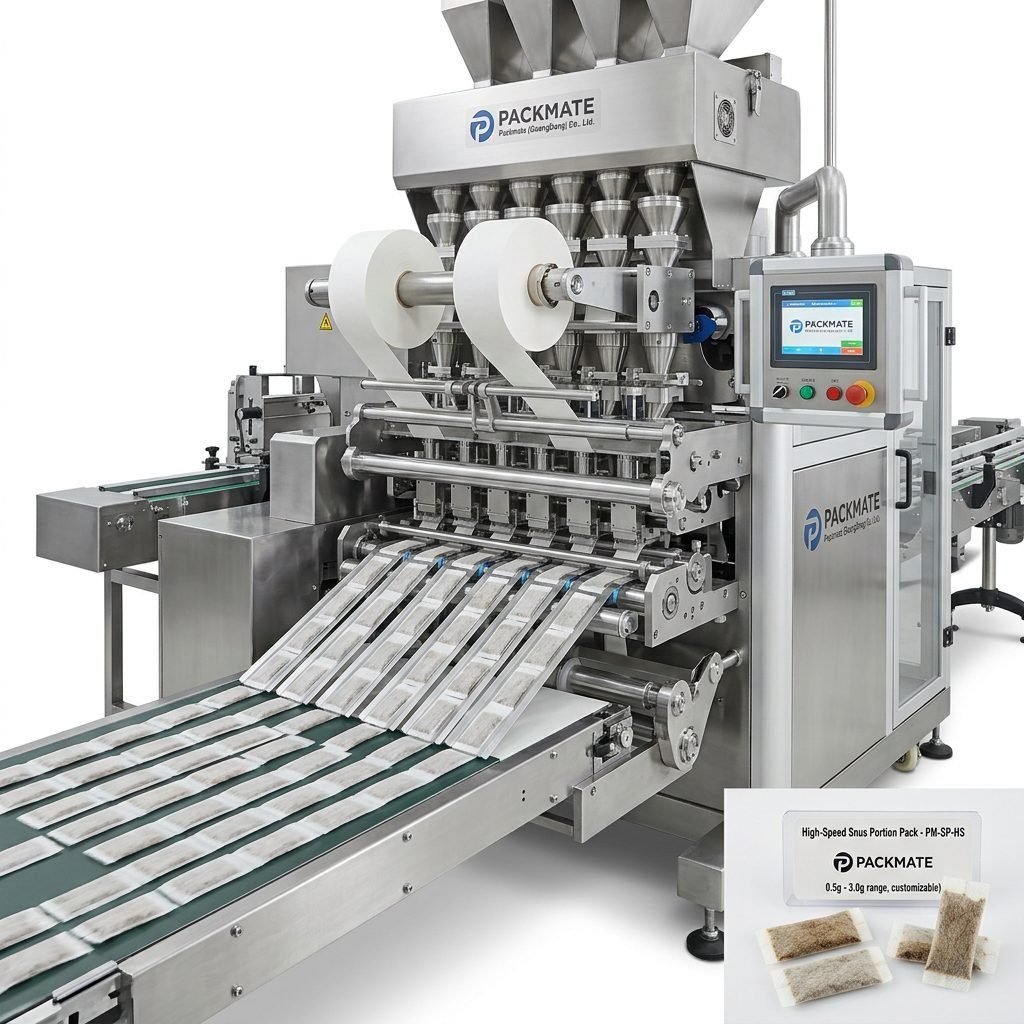
Choosing the right nicotine packaging machine manufacturer in Belize can make or break your production plan. Whether you’re launching nicotine pouches, snus, or other small-dose products, selecting a partner with proven engineering, reliable equipment, and strong after-sales support is critical. This guide walks you through practical evaluation criteria, key machine features, factory capabilities, regulatory considerations, and a procurement checklist to help you make an informed decision for your business.
Why the Manufacturer Choice Matters 🔍
A packaging machine is more than hardware: it’s a long-term production asset. Your manufacturer determines machine reliability, spare parts availability, customization options, and the quality of technical support. Choose wisely and you gain:
Fewer unscheduled downtimes, faster ramp-up to full production, and predictable operating costs. A weak partner often leads to delayed deliveries, frequent breakdowns, and inconsistent package quality — all of which harm brand reputation and margins.
Understand Your Product & Production Needs ✅
Before evaluating suppliers, be crystal clear about your product specs and production targets:
- Product format: nicotine pouch, stick pack, sachet, multi-lane pouches, or pre-formed bags.
- Dose & fill type: powder, granule, paste, or liquid filler compatibility.
- Target output: units per minute/hour and planned shifts per day.
- Packaging materials: film types, laminate structures, or pre-made pouches.
- Quality standards: tolerances, weight control, and rejection criteria.
Key Machine Features to Evaluate ⚙️
Look for machines with features that match your product needs and future growth plans:
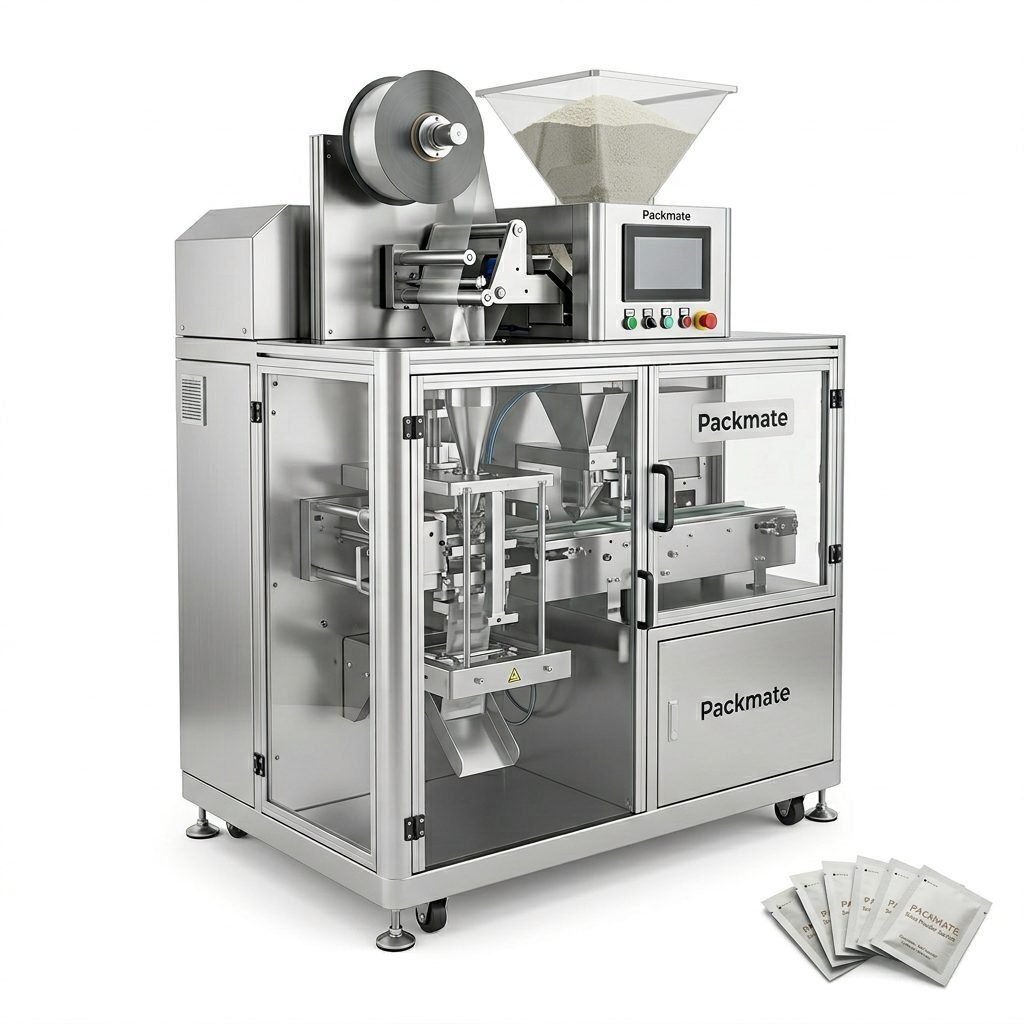
High-precision dosing and weighing: Accurate filling reduces product giveaway and ensures regulatory compliance.
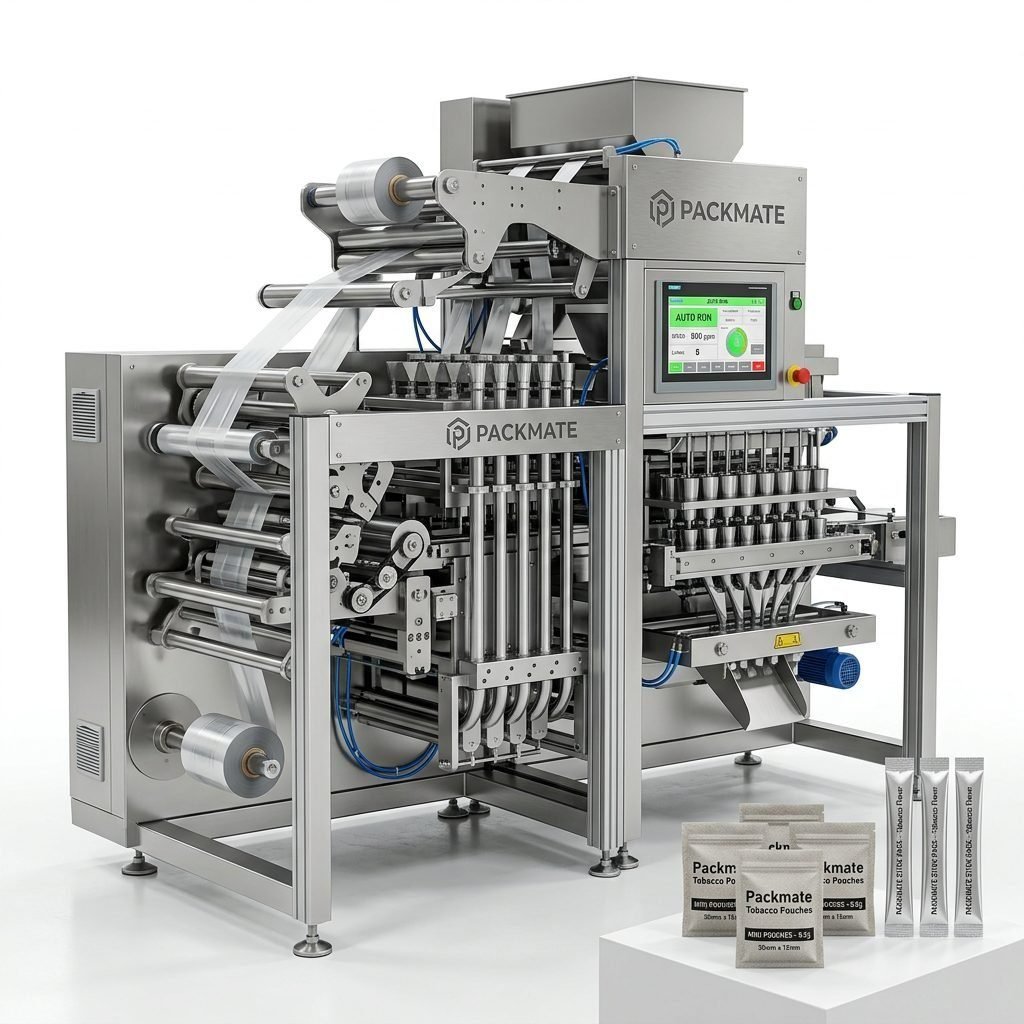
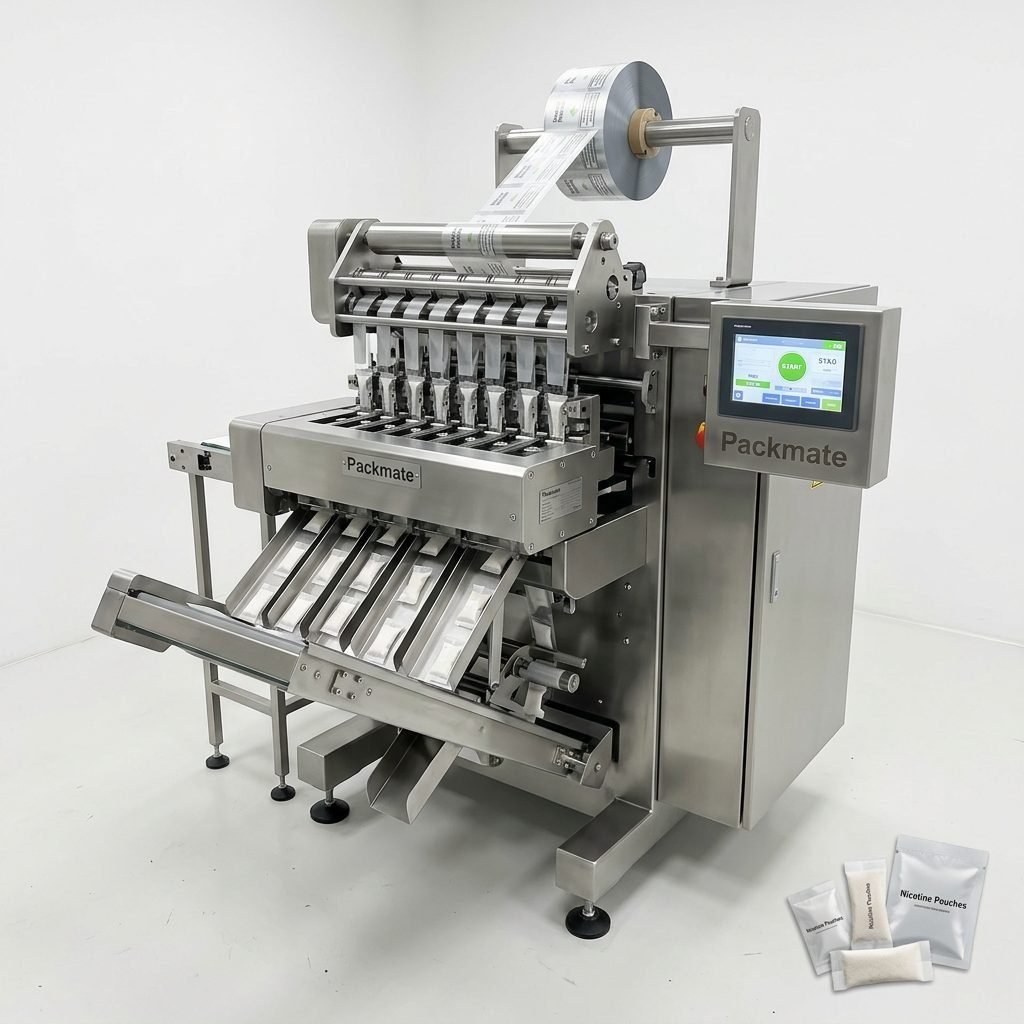
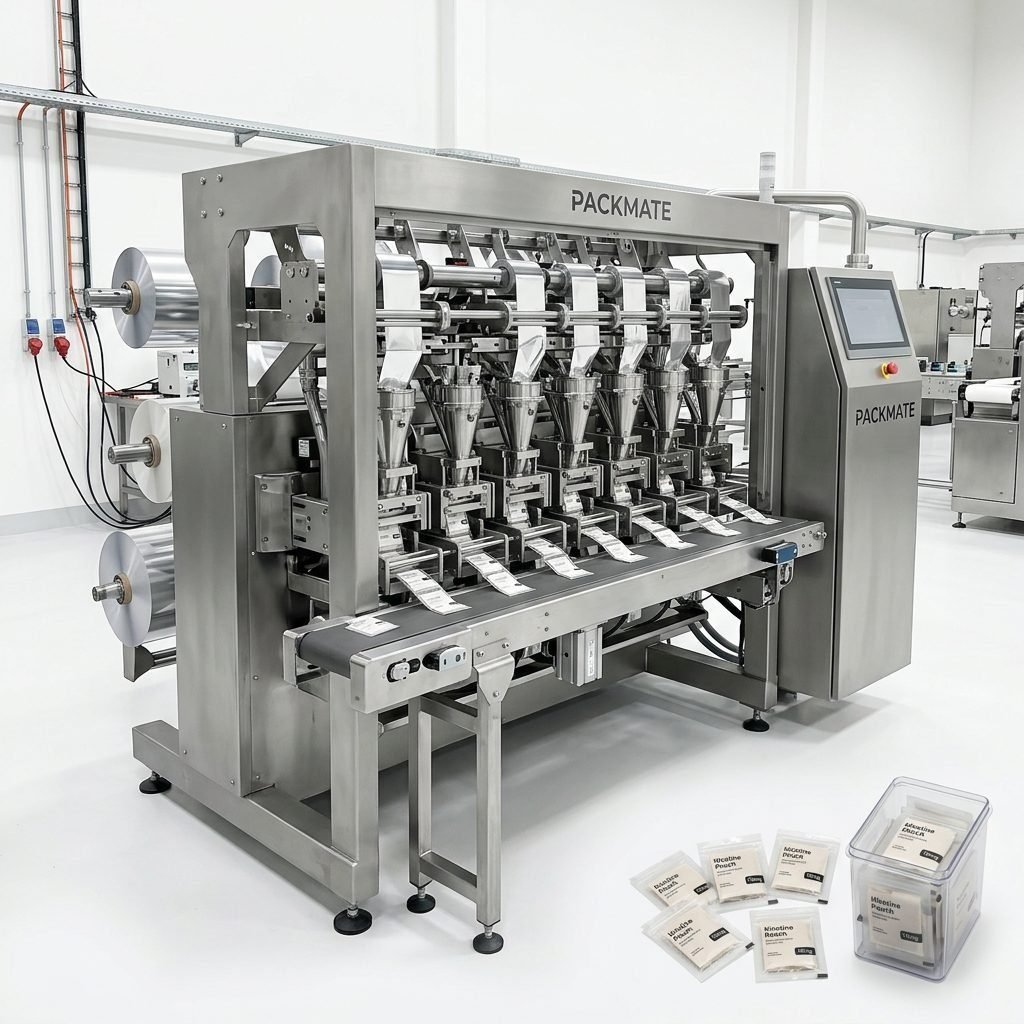
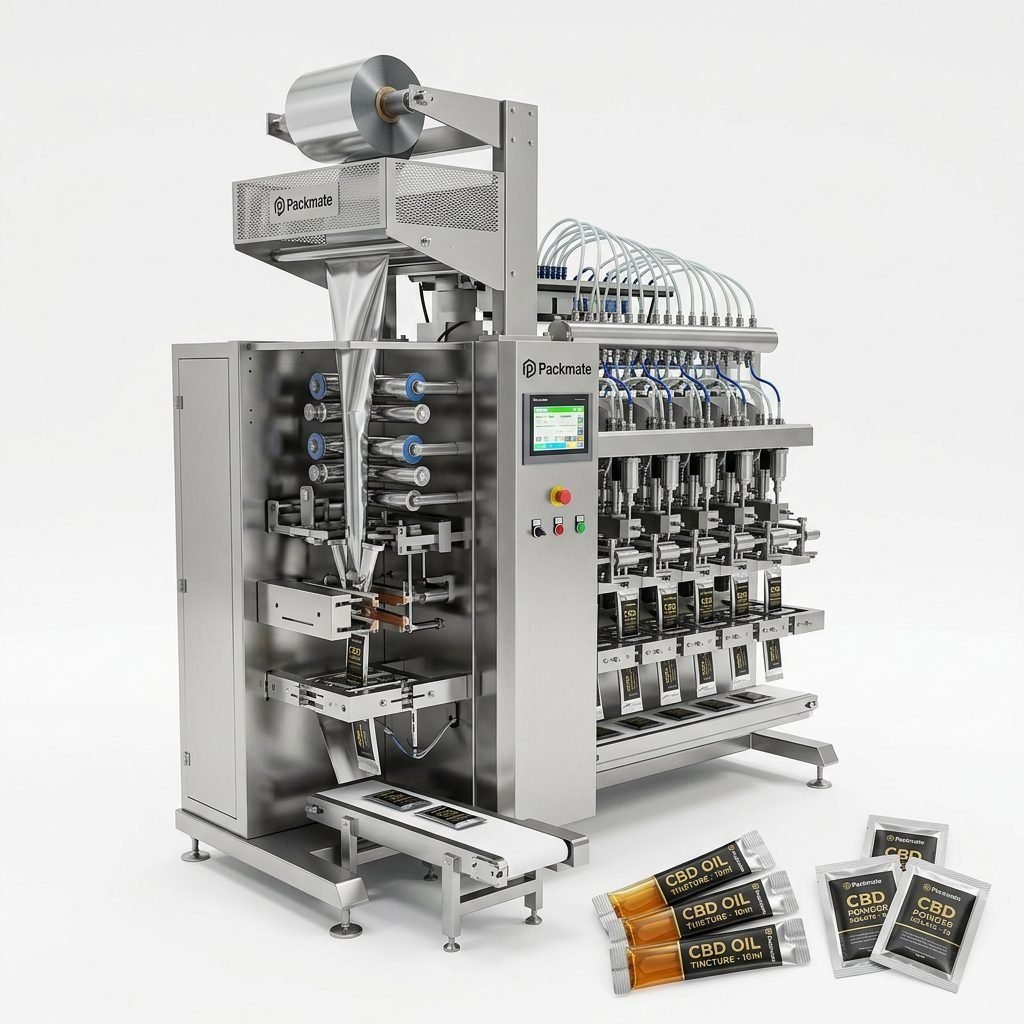
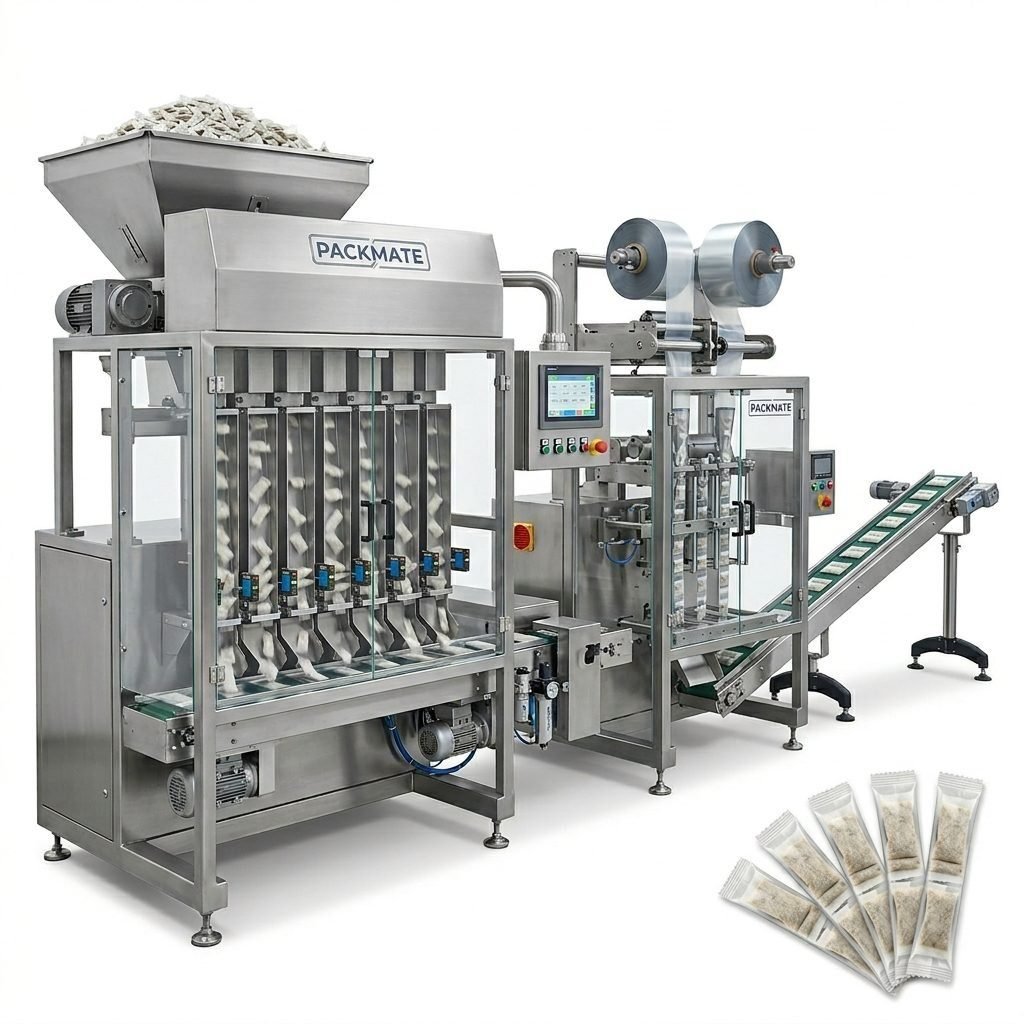
Multi-lane capability: For nicotine pouches and small-dose products, multi-lane machines increase throughput without multiplying floor footprint.
Quick changeover & modularity: Enables fast product changeovers and future upgrades.
Stable sealing and film handling: Ensures long-term package integrity and consistent appearance.
Factory & Manufacturing Strength Matters 🏭
Evaluate the supplier’s manufacturing capacity and quality systems. Key indicators include:
- Factory size and production lines — larger, well-equipped facilities often mean faster lead times and more consistent quality.
- Advanced CNC and assembly centers — precision manufacturing reduces alignment and reliability issues.
- Quality control systems and inspection procedures — ensure consistent machine performance.
- Number of models and customization capabilities — a broad product range signals engineering depth.
For a manufacturer focused on snus and nicotine packaging, look for demonstrated experience in multi-lane systems and small-dose pouch technology.
Certifications & Compliance 🔒
International certifications such as CE and ISO indicate the supplier adheres to recognized safety and quality standards. These are particularly important if you plan to export finished product or need to demonstrate compliance to local regulators in Belize or other markets.
After-sales Service & Spare Parts Support 🔧
Strong after-sales service minimizes downtime. Verify:
- Availability of spare parts and average lead times to Belize.
- Remote troubleshooting capabilities and local service partners.
- Training programs for operators and maintenance staff.
- Warranty terms and service-level agreements (SLA).
How to Assess a Manufacturer — Step-by-step 🔎
Use a structured approach when vetting vendors:
1. Request technical documentation and references
Ask for machine specifications, electrical and pneumatic schematics, and customer references in similar product categories. Request video demonstrations and case studies of existing lines.
2. Factory visit or virtual tour
If possible, visit the factory to inspect production practices, quality checks, and assembly areas. If travel is not feasible, ask for a live virtual tour and video of machine tests.
3. Perform a Factory Acceptance Test (FAT)
A FAT with your materials verifies machine performance, speed, and package quality prior to shipping. Insist on FAT results documented in an agreed acceptance protocol.
Tip: A vendor that offers on-site FAT, machine training, and commissioning support is usually more reliable for integration and long-term stability.
Cost vs. Total Cost of Ownership (TCO) 💰
Purchase price is only the start. Calculate TCO including:
- Spare parts consumption and costs
- Maintenance labor and frequency
- Energy consumption and consumables (films, adhesives)
- Downtime costs for critical failures
- Residual value and upgrade paths
Customization & Turnkey Solutions — Why They Matter
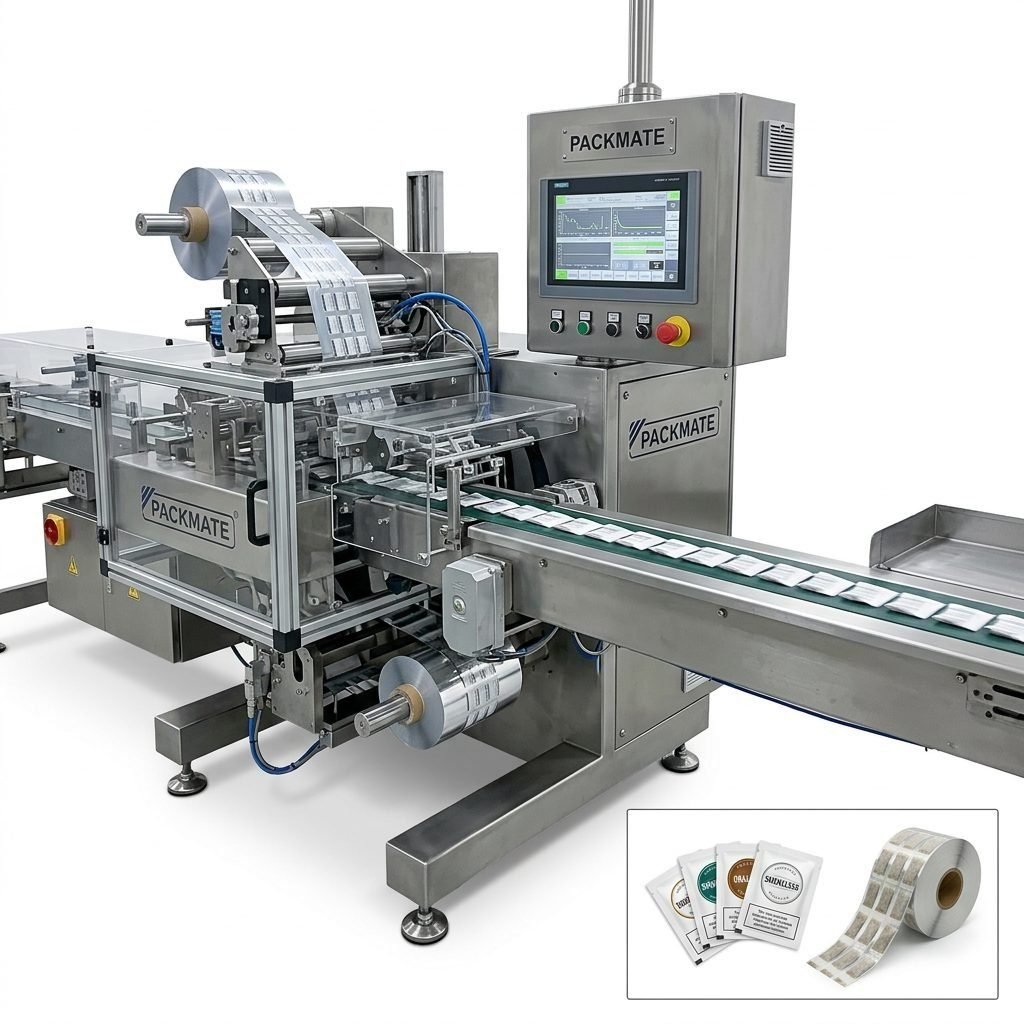
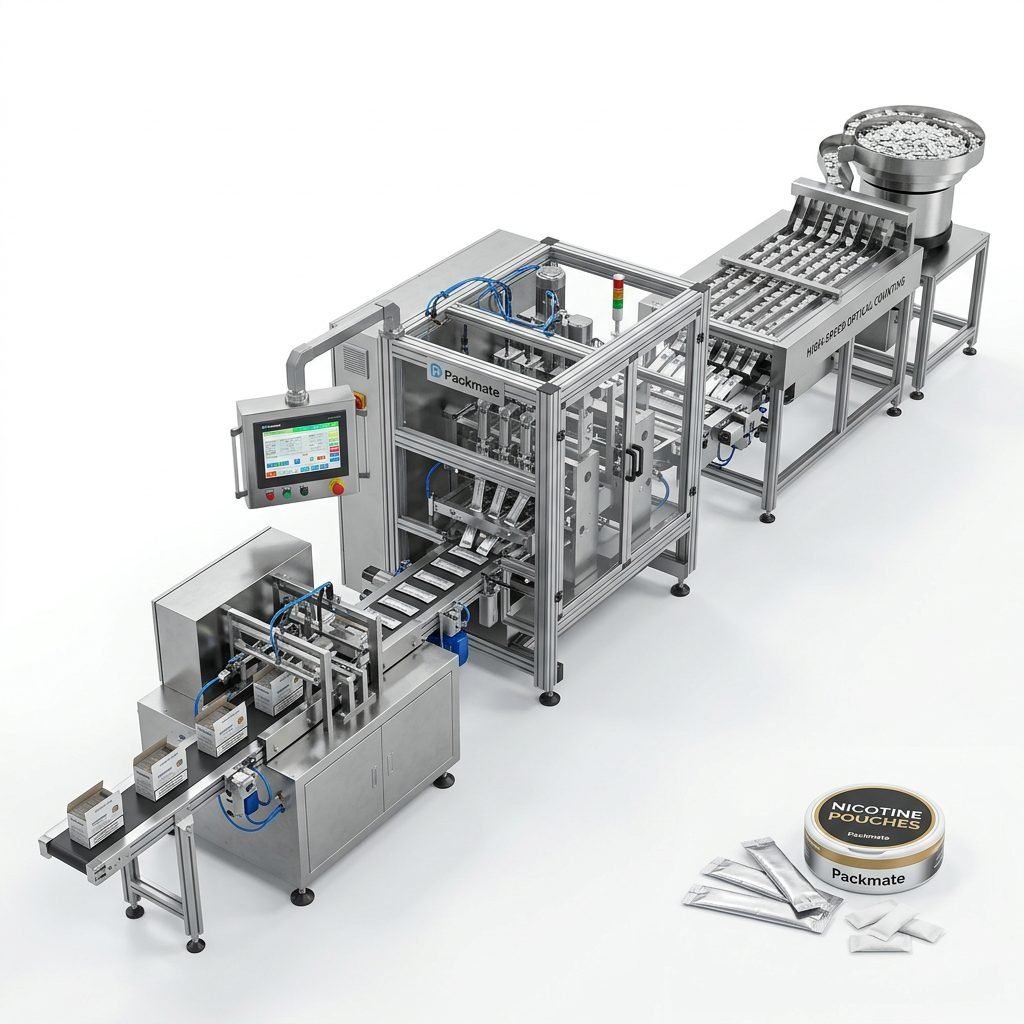
If you need a complete production line, prioritize suppliers who deliver turnkey solutions: upstream dosing/weighing, filling, packaging, labeling, and output conveyors integrated and tested as a system. This reduces integration risk and accelerates commissioning.
Manufacturers with experience in snus and nicotine pouch lines typically provide specialized modules such as multi-lane pouch formers, precision powder dosing, and automated feeding systems.
Proven Cases & Global Reach 🌍
Review supplier case studies and global installations. A manufacturer supplying lines to diverse markets demonstrates adaptability to regulatory and logistical challenges. See real-world examples, performance metrics, and customer testimonials to validate claims.
Logistics & Installation in Belize 🚚
Factor in customs clearance, import duties, shipping lead time, and local installation support. Confirm whether the supplier offers pre-shipment packaging suitable for ocean transport and assistance with customs documentation.
Local Support: Check for regional partners or agents who provide faster on-site response and spare part deliveries in Belize or nearby ports.
Practical Procurement Checklist ✔️
Use this checklist when evaluating quotes and proposals:
- Detailed technical specification and layout drawings.
- FAT protocol, acceptance criteria, and test materials.
- Warranty terms, spare parts list, and recommended spares stock.
- Lead time, shipping terms (Incoterms), and packaging details.
- Training, commissioning, and local service options.
- References and documented case studies in similar product lines.
Questions to Ask Potential Suppliers
When communicating with vendors, prioritize clarity and evidence. Ask:
- Can you provide video of the machine running with similar materials?
- What are typical OEE numbers customers achieve with this model?
- Do you provide spare parts kits for initial operation?
- What is included in installation and commissioning support?
- Can you provide references or case studies in nicotine pouch manufacturing?
Useful Resources & Trusted Product Pages
For detailed machine types and product lines, explore these resources:
• Snus & Nicotine Packaging Machines
• Sachet & Stick Pack Machines
• About Packmate
• Case Studies
Making the Final Decision — Scorecard Approach
Use a weighted scorecard to compare vendors objectively: assign weights for reliability, price, lead time, service, customization, and references. Score each supplier and prioritize the highest total score rather than the lowest price alone.
Final thought: A manufacturer with deep snus and nicotine experience, robust factory capabilities, and clear after-sales plans will reduce risk and accelerate your route-to-market.
Next Steps for Procurement Teams
1) Prepare a complete technical brief including product samples and expected throughput. 2) Shortlist 3–5 suppliers and request FAT and references. 3) Evaluate total cost of ownership and service agreements before signing.
Contact & Demonstrations
Arrange live demonstrations and request detailed proposals to compare capabilities. For suppliers offering extensive nicotine packaging solutions and turnkey lines, review their product catalogs and service pages to ensure full coverage of your needs: Filling & Packaging Lines and Service.
Frequently Asked Questions (FAQs)
1. How long does it take to install a nicotine pouch packaging line?
Typical installation and commissioning for a complete turnkey line can range from a few weeks to a few months depending on the complexity, site preparation, and local logistics. Allow time for FAT, shipping, customs clearance, and on-site commissioning.
2. What spare parts should I keep on hand initially?
Maintain a starter kit including belts, cutters, seals, sensors, and critical electrical components. Suppliers usually recommend a minimum spare parts list based on expected runtime and mean time between failures.
3. Can machines be customized for unique pouch sizes and multi-lane formats?
Yes. Reputable manufacturers provide modular designs and custom tooling to support unique pouch formats and multi-lane production. Ensure customization is validated during FAT with your materials.
4. How important is a Factory Acceptance Test (FAT)?
FAT is essential. It verifies that the machine meets agreed performance criteria using your materials and provides documented acceptance before shipment. It considerably lowers integration risk.
5. Where can I view real-world examples of nicotine packaging lines?
Review supplier case studies and galleries to compare installed solutions and performance metrics. Check manufacturer case pages and request references for lines operating in similar product segments: Case Studies.