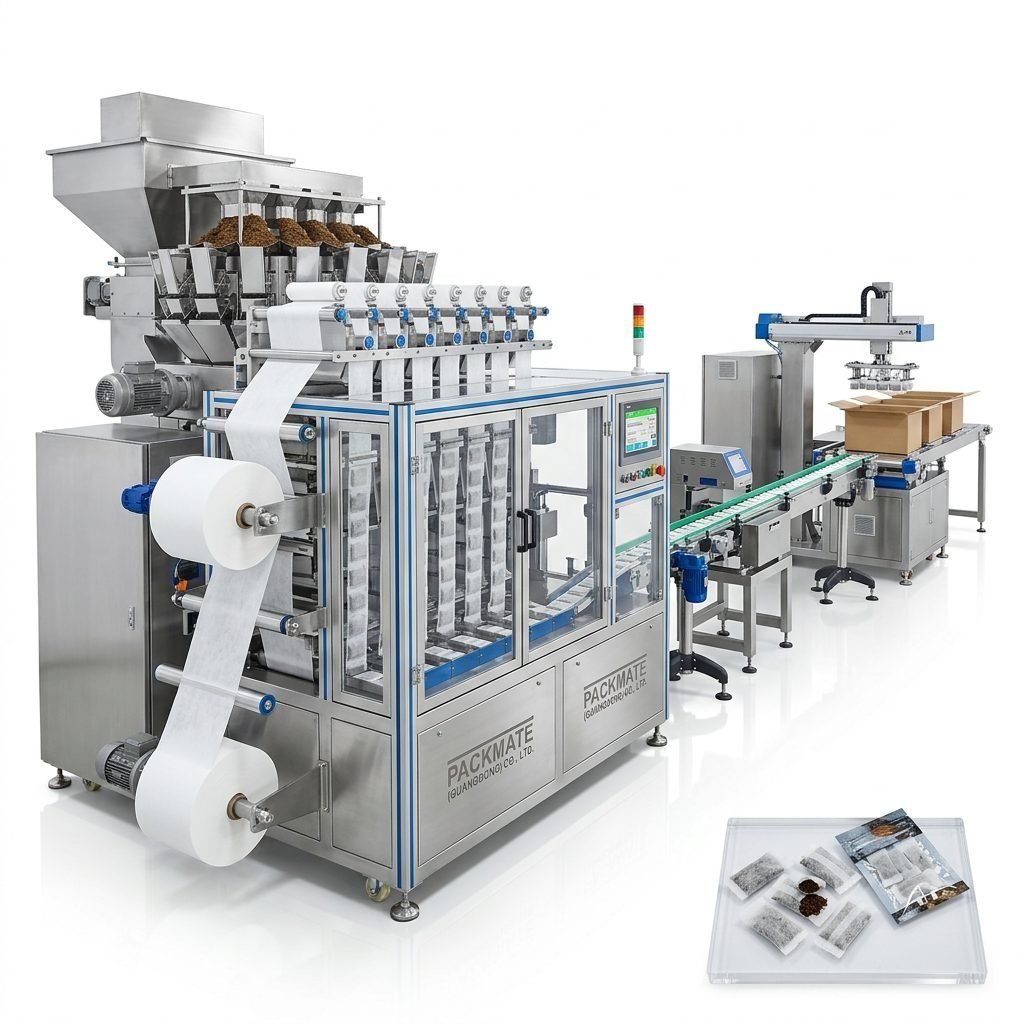
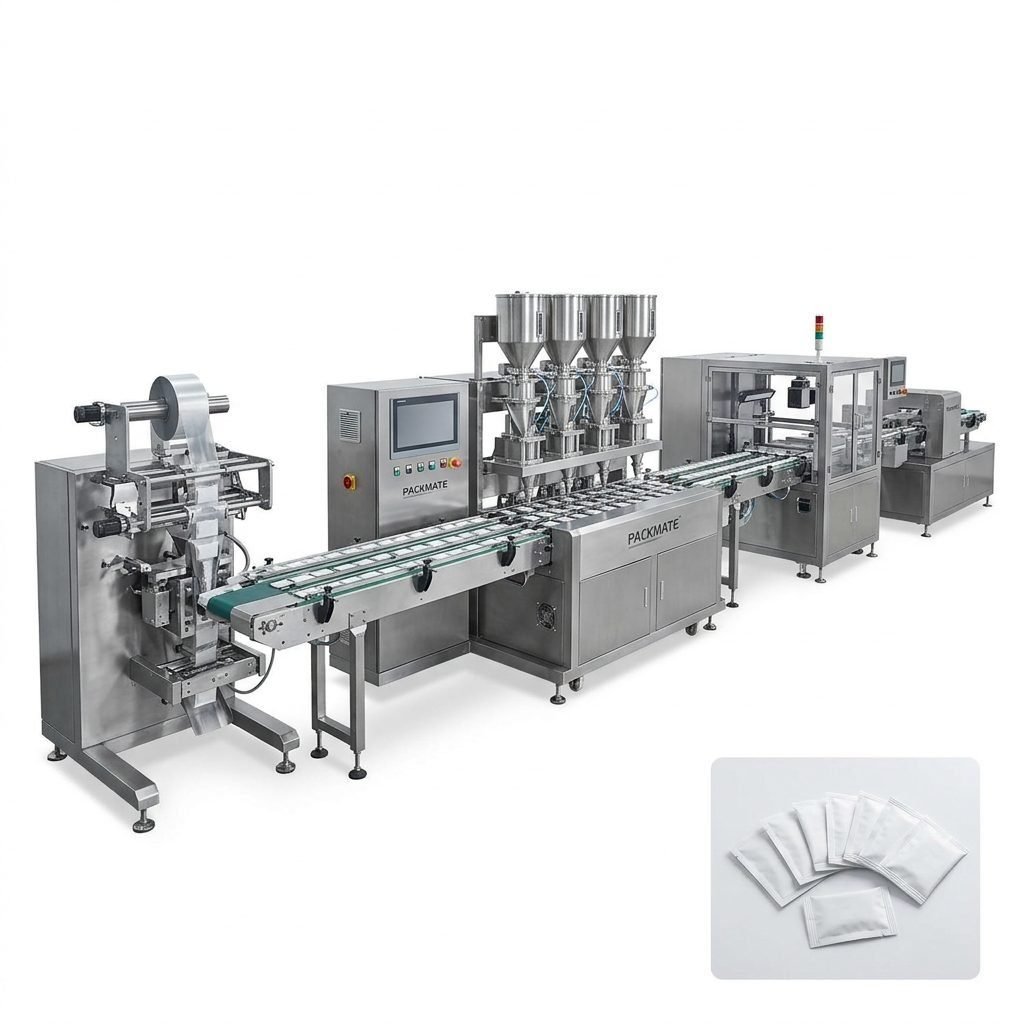
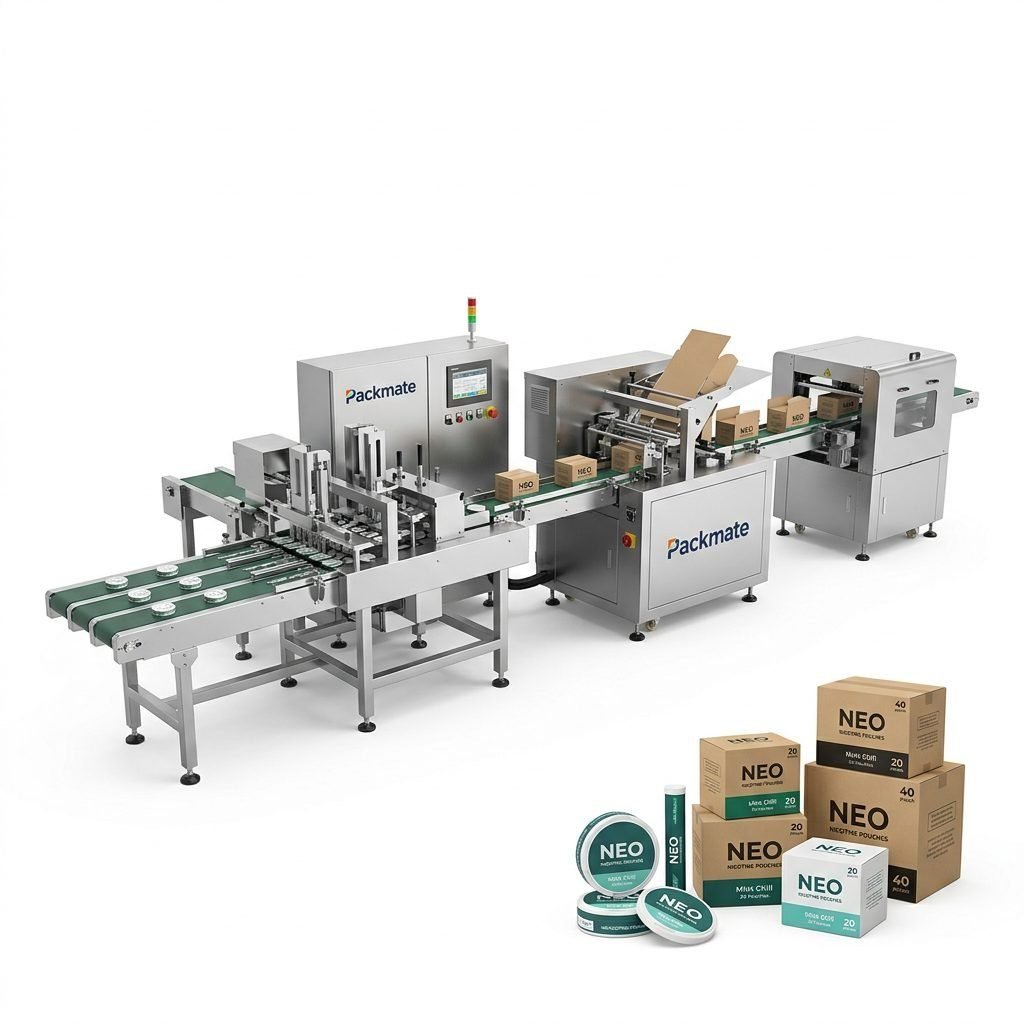
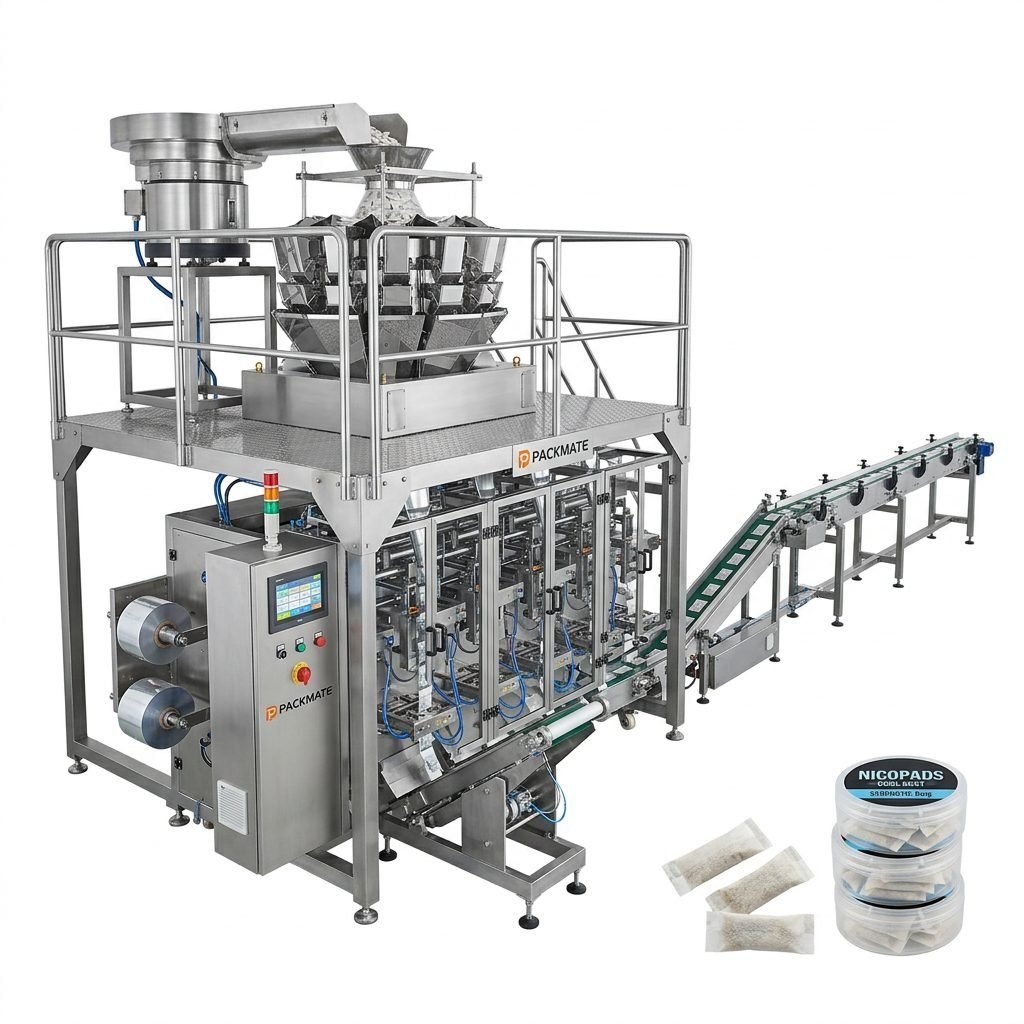
Choosing the right nicotine packaging machinery for your production line in Guatemala is a critical decision that affects product quality, regulatory compliance, and long-term operational costs. This guide walks manufacturing managers, procurement teams, and engineering leads through the practical considerations you need to evaluate — from machine types and production throughput to supplier capabilities and after-sales support.
Market Overview and Local Context
Guatemala’s growing consumer market for nicotine pouches and snus presents unique opportunities and challenges. Local regulations, import duties, and distribution logistics can influence the type of equipment you select. Prioritize machines that combine regulatory flexibility with robust construction to withstand varied operating environments across Central America.
Key regulatory considerations
Compliance with international standards such as CE and ISO is often essential for exporters and for meeting high-quality expectations from retailers. Choose equipment vendors that provide clear certification documentation, machine validation capabilities, and technical support for documentation required by authorities.
⚠️
Tip:
Before selecting equipment, confirm local labeling and ingredient disclosure requirements. Machines that support flexible label formats and variable data printing will reduce rework and downtime.
Types of Nicotine Packaging Machines and Their Uses
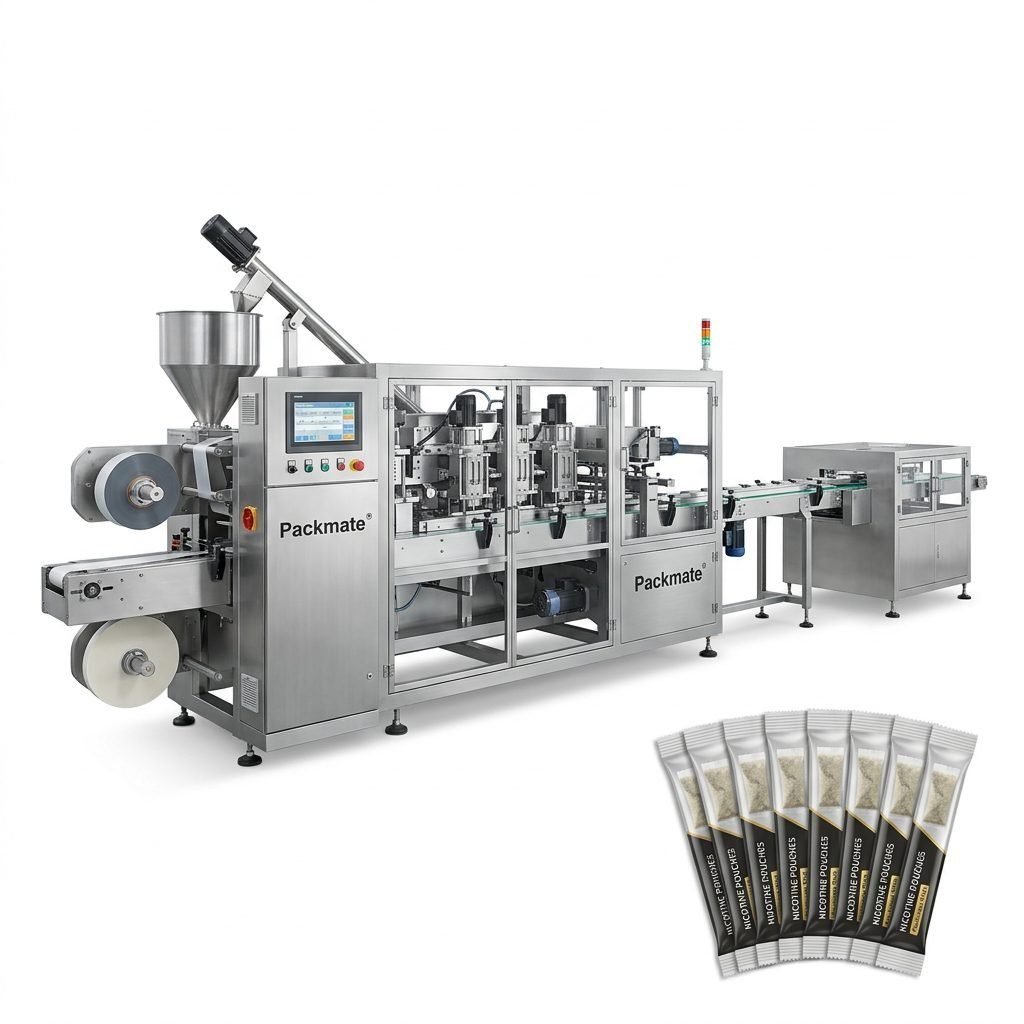
The choice of packaging format will largely determine machinery selection. Common systems include stick pack machines, sachet machines, multi-lane snus pouch machines, and complete filling-and-packaging lines that integrate weighing, dosing, and end-of-line packaging.
Stick pack and sachet machines
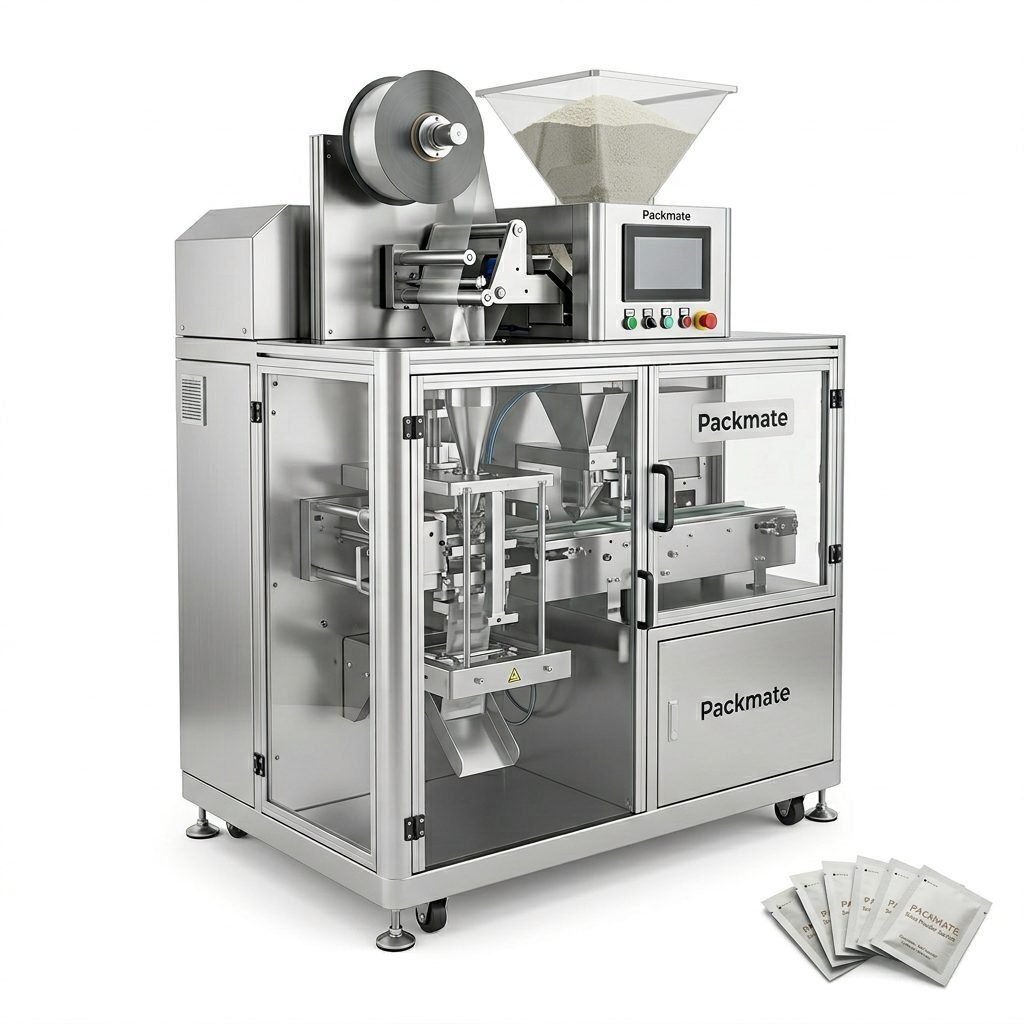
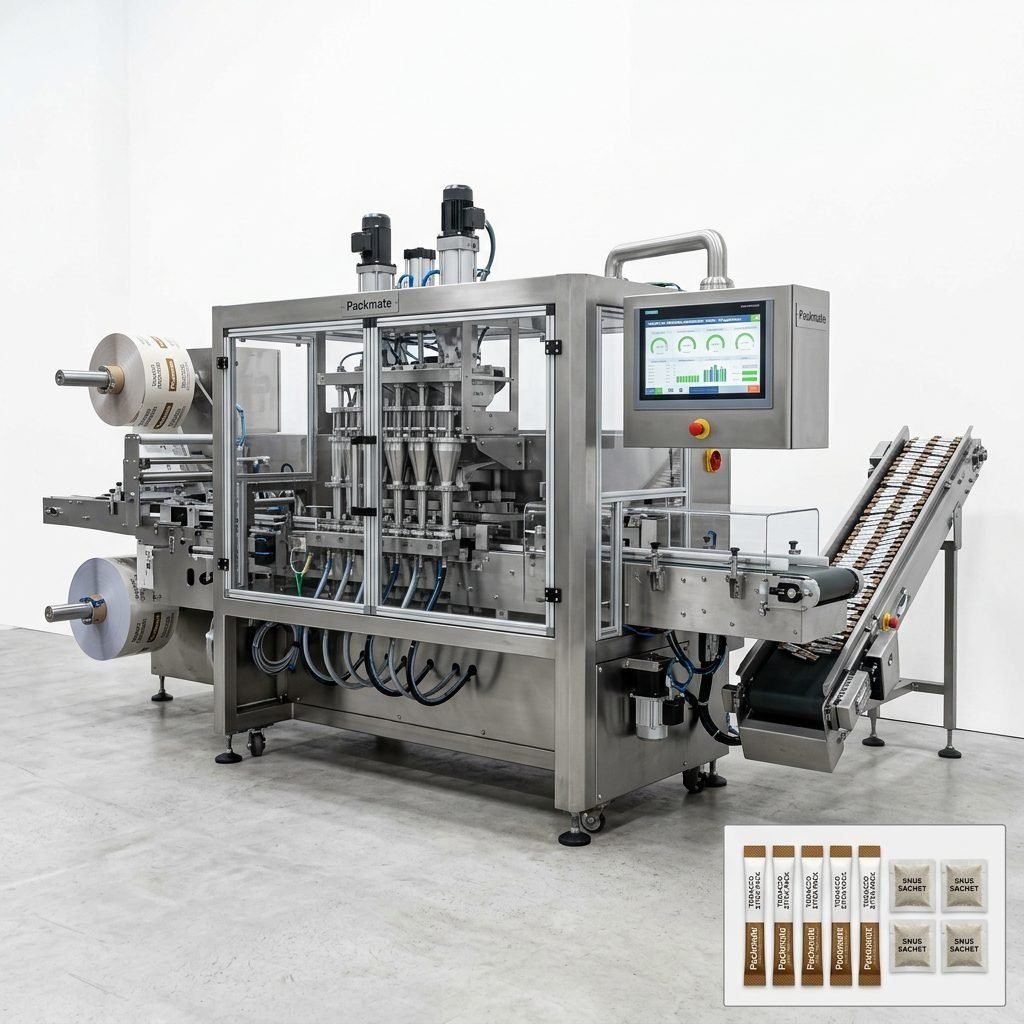
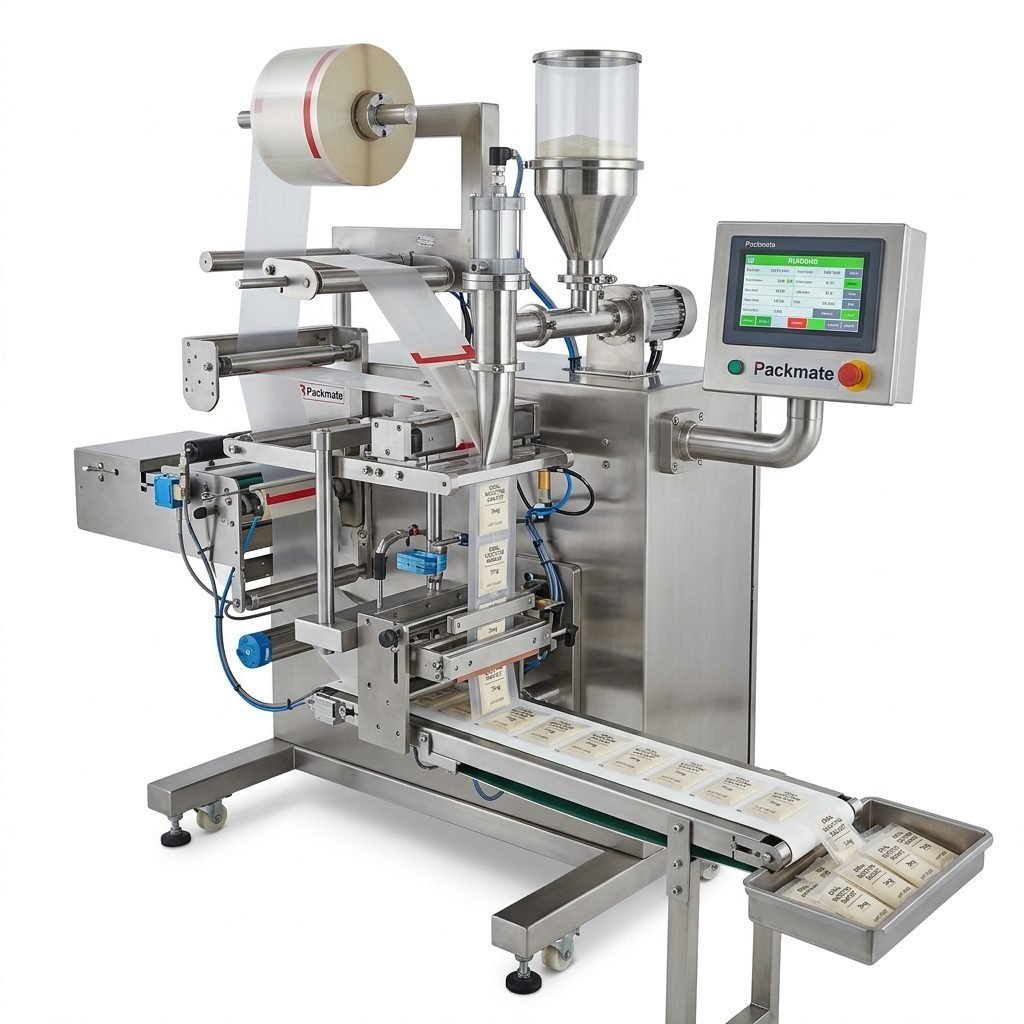
Stick pack and sachet machines are ideal for single-dose nicotine pouches and portable formats. They offer precise dosing and fast sealing speeds, making them suitable for high-volume retail products. If you need to package powders or micro-granules, select machines with stable dosing modules and gentle product handling features.
Multi-lane snus pouch systems
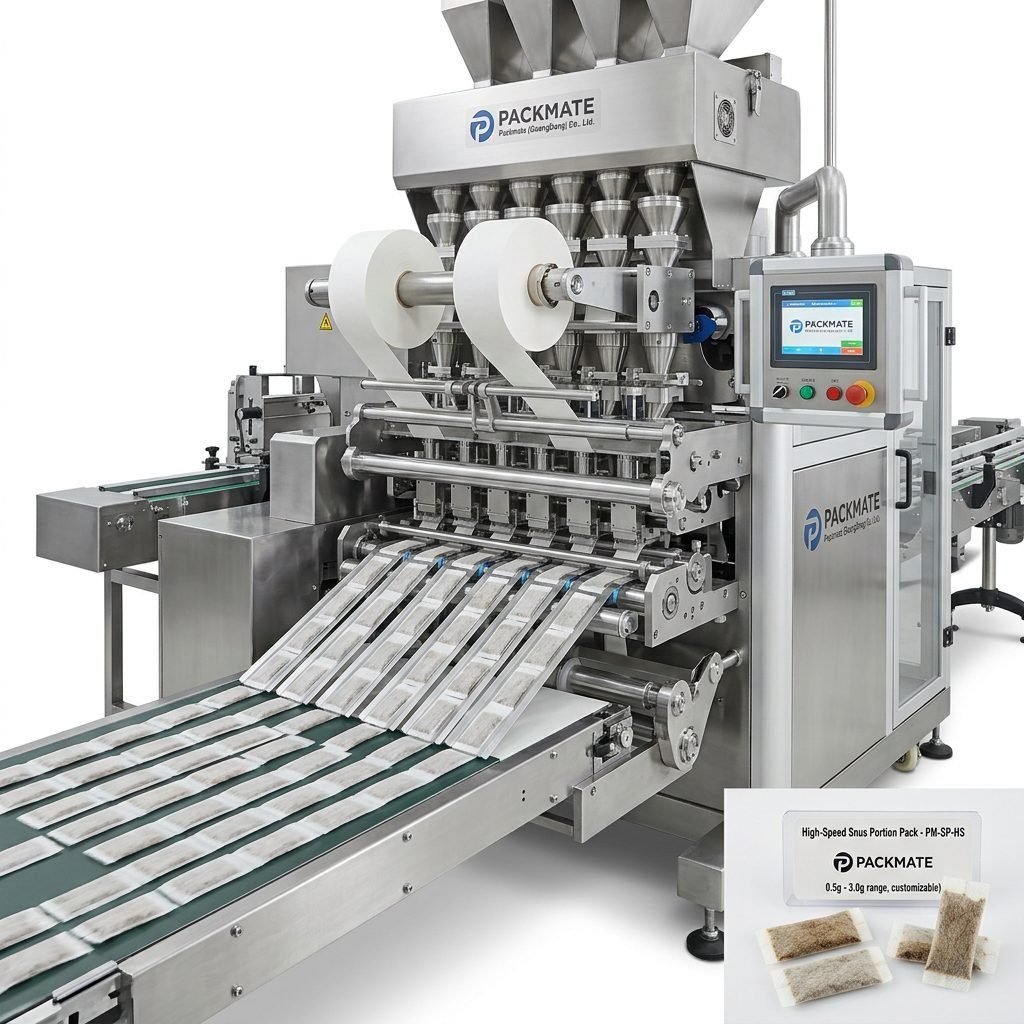
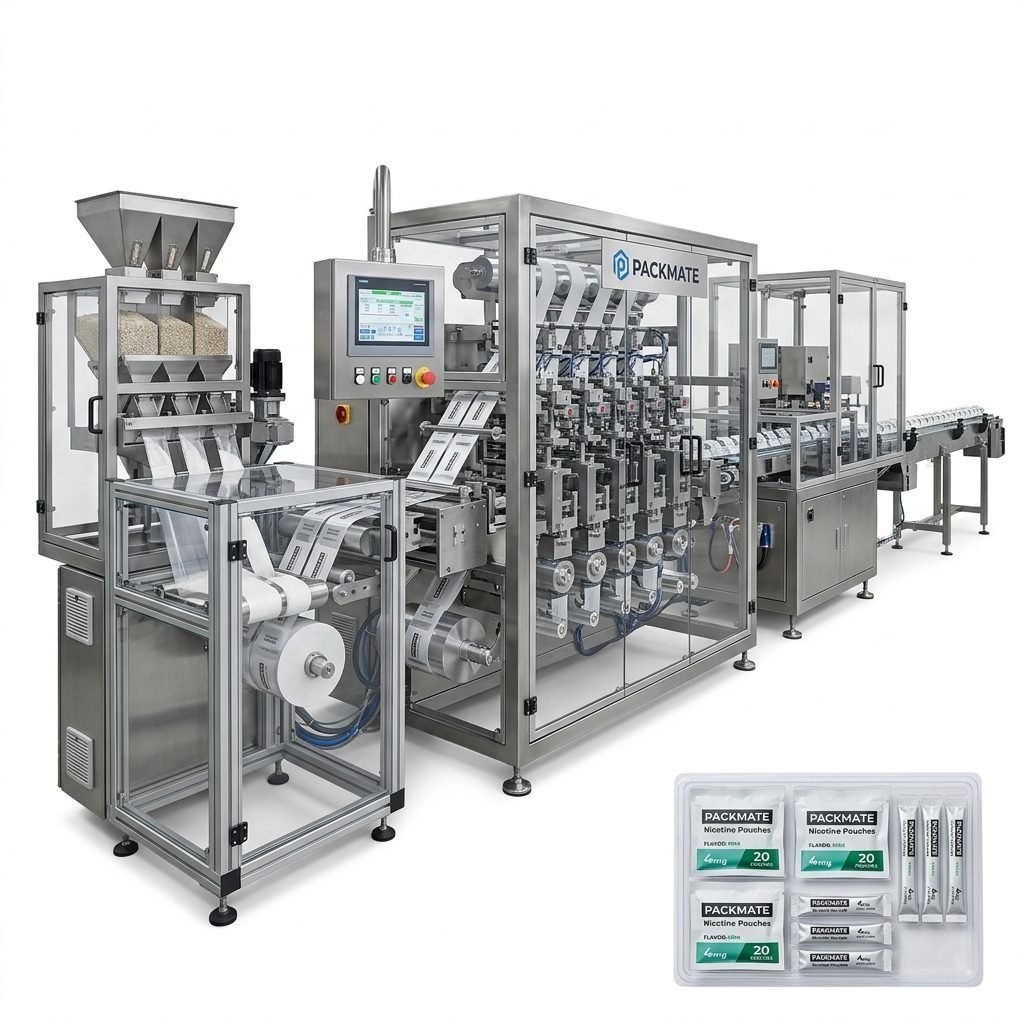
Multi-lane systems are designed for small-dose pouches and high throughput. These systems maximize output per square meter and are especially valuable when labor availability is limited. Look for synchronized multi-head systems that maintain consistent pouch quality across lanes.
Explore specialized solutions and machine models for nicotine pouch production:
Snus & Nicotine Packaging Machines and
Sachet & Stick Pack Machines.
Production Capacity, Speed and Layout Planning
Define your target daily throughput first: units per minute (UPM), shifts per day, and seasonal demand spikes. Machine speed and uptime directly impact ROI. When planning floor layout, consider the entire material flow — from bulk input and dosing to sealing, cartoning, and palletizing. Compact multi-lane systems can offer higher output without a proportional increase in footprint.
✓ Rule of thumb: Multiply your prototype speed by 1.3–1.6 to estimate a realistic production speed after packaging adjustments and material handling.
Materials, Films and Compatibility
Film selection influences seal integrity, barrier properties, and shelf life. Machines must be compatible with mono or multilayer films, heat-seal materials, and barrier laminates. Ask suppliers about pre-installed film tension control, automatic reel change systems, and in-line print registration for variable data printing.
Key features to request
– Film feed and tension control for consistent seals
– Servo-driven seal and cutting mechanisms for precision
– Quick-change tooling for fast format changes
– In-line nitrogen flushing or vacuum options for extended shelf life
Quality Control, Traceability, and Inline Testing
Inline checkweighers, metal detectors, and visual inspection systems help maintain customer trust and regulatory compliance. Integrate reject stations and data-logging capabilities to enable full traceability from batch to finished pack.
Recommended QC features
– Statistical process control (SPC) integration
– Batch coding and variable print verification
– Servo control for repeatable dosing and pocket forming
Turnkey Solutions vs. Standalone Machines
A turnkey production line includes upstream dosing, weighing systems, packaging machines, secondary packing, and palletizing. While turnkey systems have higher initial costs, they minimize integration risk and accelerate commissioning. Standalone machines are more flexible for phased investment but require careful systems integration to avoid bottlenecks.
If you plan to automate the full process, consider integrated options such as the company’s Filling & Packaging Lines and Weighing & Packaging Systems.
Selecting a Reliable Supplier: What to Evaluate
Choosing the right manufacturer is as important as the machine specification. Evaluate potential vendors on engineering experience, factory capacity, quality systems, and after-sales service. Look for documented case studies, global exhibition participation, and a wide machine portfolio.
📌
Supplier checklist:
engineering track record, factory size (20,000㎡+ is ideal), certifications (CE/ISO), spare parts availability, and local service partners.
Why factory strength matters
A large, well-equipped factory with advanced CNC machining centers and dedicated assembly lines indicates a supplier’s ability to scale production, source quality components, and perform rigorous quality testing. This reduces lead times and ensures spare parts are available long-term.
Learn more about a proven manufacturer’s background and offerings: About Packmate.
Installation, Commissioning and Training
Successful commissioning includes FAT (Factory Acceptance Test), SAT (Site Acceptance Test), and operator training. Request a clear commissioning plan with milestones and performance acceptance criteria. On-site training ensures your operators can run routine maintenance and troubleshoot common issues.
After-Sales Service and Spare Parts Strategy
Reliable after-sales service reduces downtime. Ask about guaranteed response times, remote diagnostic support, and critical spare parts kits. Suppliers with global case histories and exhibition footprints generally have better logistics for spare parts fulfillment.
🔧
Best practice: Maintain a rotating stock of high-wear parts (seals, belts, sensors) to minimize unplanned downtime.
Total Cost of Ownership (TCO) Considerations
Assess TCO rather than just the purchase price. Consider energy consumption, spare parts pricing, mean time between failures (MTBF), operator labor requirements, and potential upgrade paths. A slightly higher-capability machine often yields lower TCO through reduced waste and higher uptime.
Local Logistics, Import & Maintenance in Guatemala
Plan for customs clearance, local taxes, and transport to your facility. Ask potential vendors for CIF/CIP quotes and recommended freight forwarders. Evaluate whether the supplier provides remote commissioning and whether local technicians can be trained to service the equipment.
Real-World Case Studies and Demonstrations
Request case studies that mirror your project scope. On-site demos at exhibitions or virtual demonstrations can reveal practical machine behavior under realistic conditions. Review performance metrics such as OEE (Overall Equipment Effectiveness) from similar installations.
See examples of global implementations and customer cases here: Case.
Making the Final Decision: A Step-by-Step Procurement Checklist
1) Define product formats, materials and target throughput.
2) Shortlist suppliers with proven nicotine packaging experience.
3) Evaluate factory capability, certifications and spare parts strategy.
4) Request FAT and sample production runs.
5) Finalize contract including warranty, response times and training.
6) Plan installation, commissioning and ramp-up with KPIs.
📦
Quick action: Include a clause for spare parts supply lead times in your purchase agreement to avoid future supply chain delays.
Why Packmate (GuangDong) Could Be a Suitable Partner
Packmate Snus Machine brings over 30 years of engineering experience in snus and nicotine machinery, a 20,000㎡ manufacturing base, and more than 50 machine models tailored for nicotine pouch production. Their expertise spans multi-lane pouch systems, stick pack technology, and integrated filling solutions — making them a candidate worth evaluating for projects in Guatemala and beyond.
For direct contact and inquiries, you can reach out via their contact page: Contact Us.
Conclusion
Selecting the best nicotine packaging machinery for a Guatemalan production line requires balancing technical capability, regulatory compliance, supplier reliability, and long-term cost considerations. Prioritize suppliers with strong engineering backgrounds, clear certifications, and robust after-sales support to ensure a successful and sustainable operation.
Frequently Asked Questions (FAQs)
Q1: What certifications should I ask for when buying nicotine packaging machines?
A1: Request CE and ISO certifications, plus any additional documentation relevant to your export or local regulatory needs. Certification proves adherence to safety and quality standards.
Q2: How do I decide between turnkey lines and standalone machines?
A2: Choose turnkey if you want minimal integration risk and rapid commissioning. Choose standalone machines if you prefer phased investment and higher flexibility for custom layouts.
Q3: What local support should I require from the supplier?
A3: Ensure guaranteed response times, remote diagnostics, spare parts availability, and on-site training. A local service partner or trained local technicians are highly beneficial for Guatemala operations.
Q4: How important is it to run a Factory Acceptance Test (FAT)?
A4: FAT is critical. It verifies machine performance with your materials and specifications before shipment. Insist on results documented with agreed acceptance criteria.
Q5: Can machines be customized for new pouch formats or material changes?
A5: Many manufacturers offer modular designs and quick-change tooling for format changes. Confirm customization options and any costs or lead times for special tooling.