Choosing the right nicotine packaging machine supplier in Indonesia requires a mix of technical knowledge, local market insight, and careful supplier vetting. With rising demand for nicotine pouches and snus-style products across Southeast Asia, Indonesian manufacturers, distributors, and brand owners must select equipment that meets production goals while respecting local regulations, cultural sensitivities, and tropical environmental conditions. This guide walks you through the essential factors to evaluate, practical buying tips, and how to ensure a smooth installation and ongoing support experience.
Understanding the Indonesian Market & Local Considerations
🔶 Indonesia’s consumer landscape is unique: a predominantly Muslim population, varied regional regulations, and a strong preference for trusted retail channels. When evaluating suppliers, prioritize partners who understand local distribution networks (mini-marts, kiosks, modern retail and e-commerce) and can advise on labeling, language (Bahasa Indonesia), and any applicable regulatory constraints.
Practical local points to remember
• Climate matters: Indonesia’s high humidity and coastal salt air demand machines built from corrosion-resistant materials (food-grade stainless steel) and sealed electrical cabinets.
• Power & connectivity: Typical power supply is 220V, 50Hz in Indonesia—confirm motor specs and control systems compatibility and ask about voltage stabilizers if needed.
• Cultural and labeling considerations: ensure packaging designs respect local norms and incorporate Bahasa Indonesia on mandatory labels; suppliers who offer artwork and label compliance support can save time and costs.
Key Machine Types & Which Suits Your Product
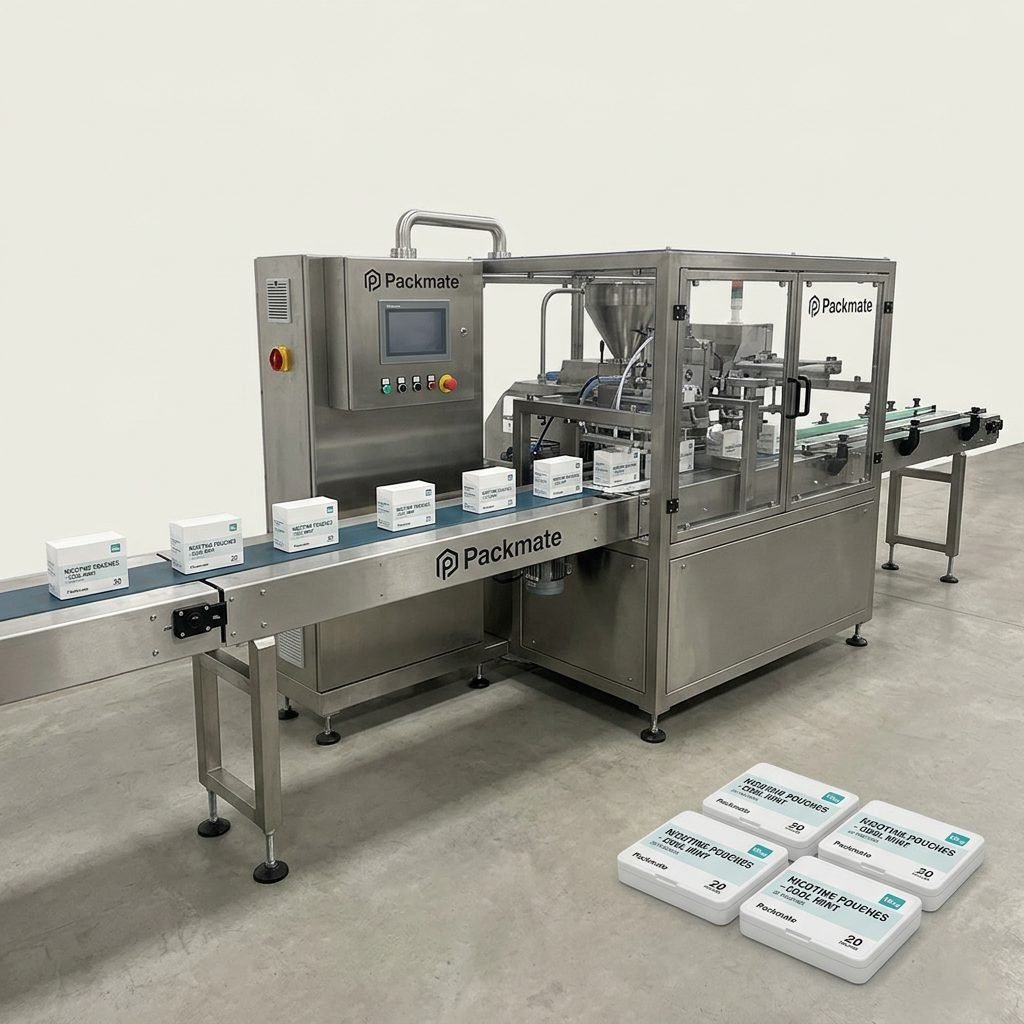
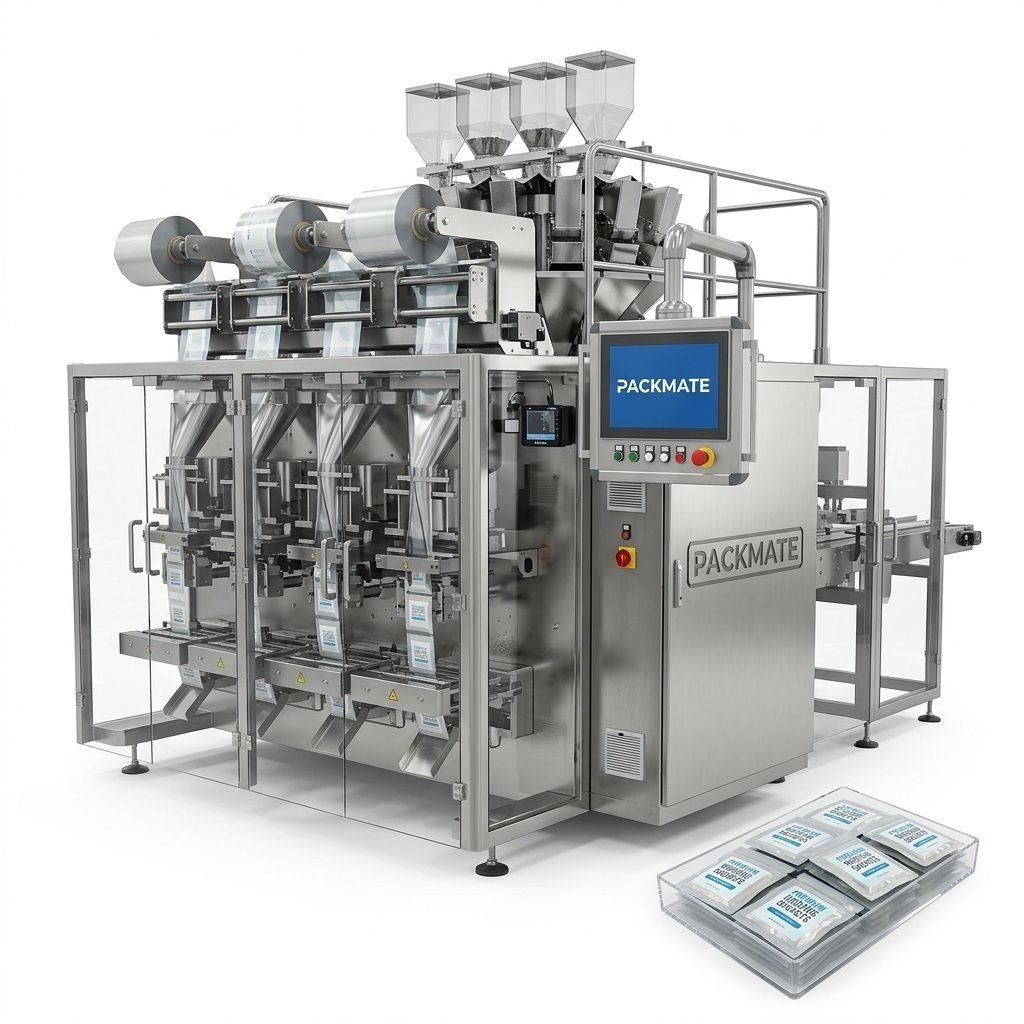
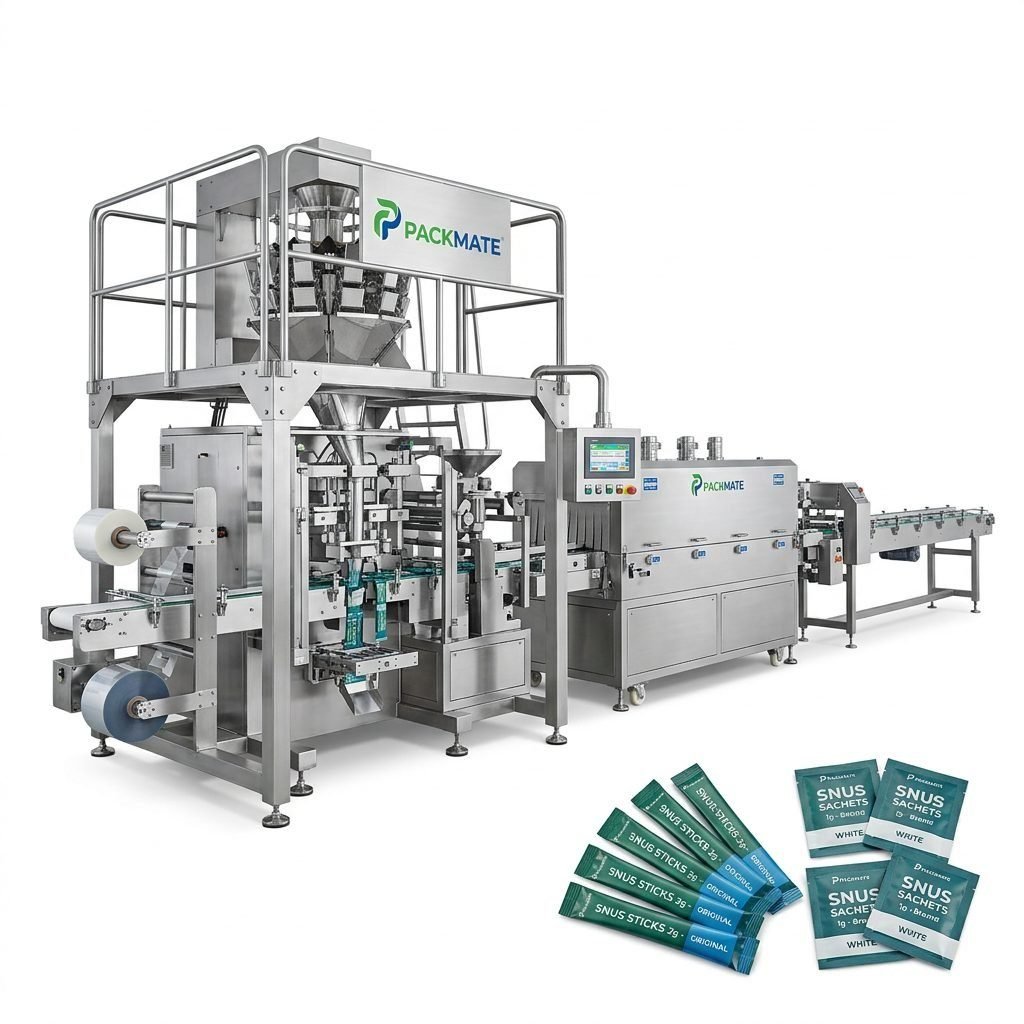
Understanding machine categories is the first buying decision. Common options include stick pack, sachet, multi-lane pouch, and specialized snus/nicotine pouch systems. Each has trade-offs in speed, flexibility, and investment level.
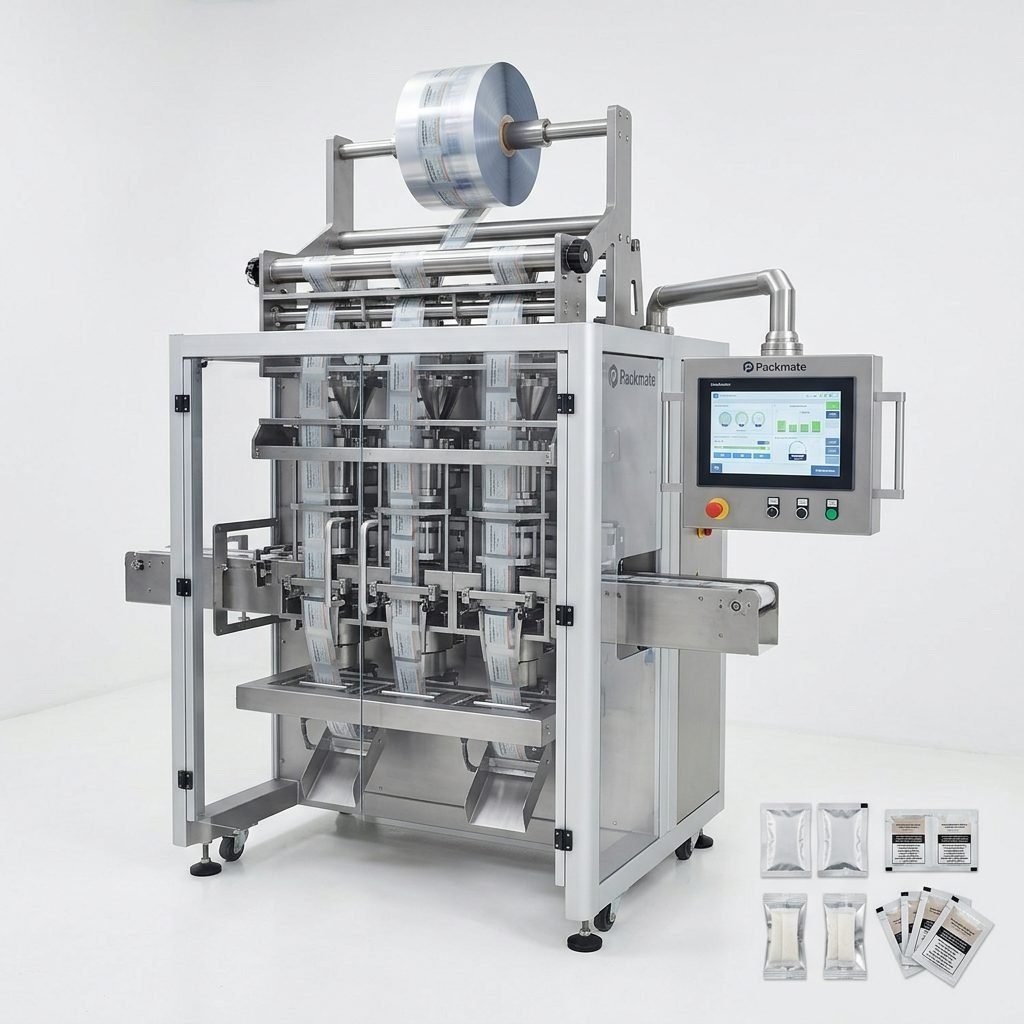
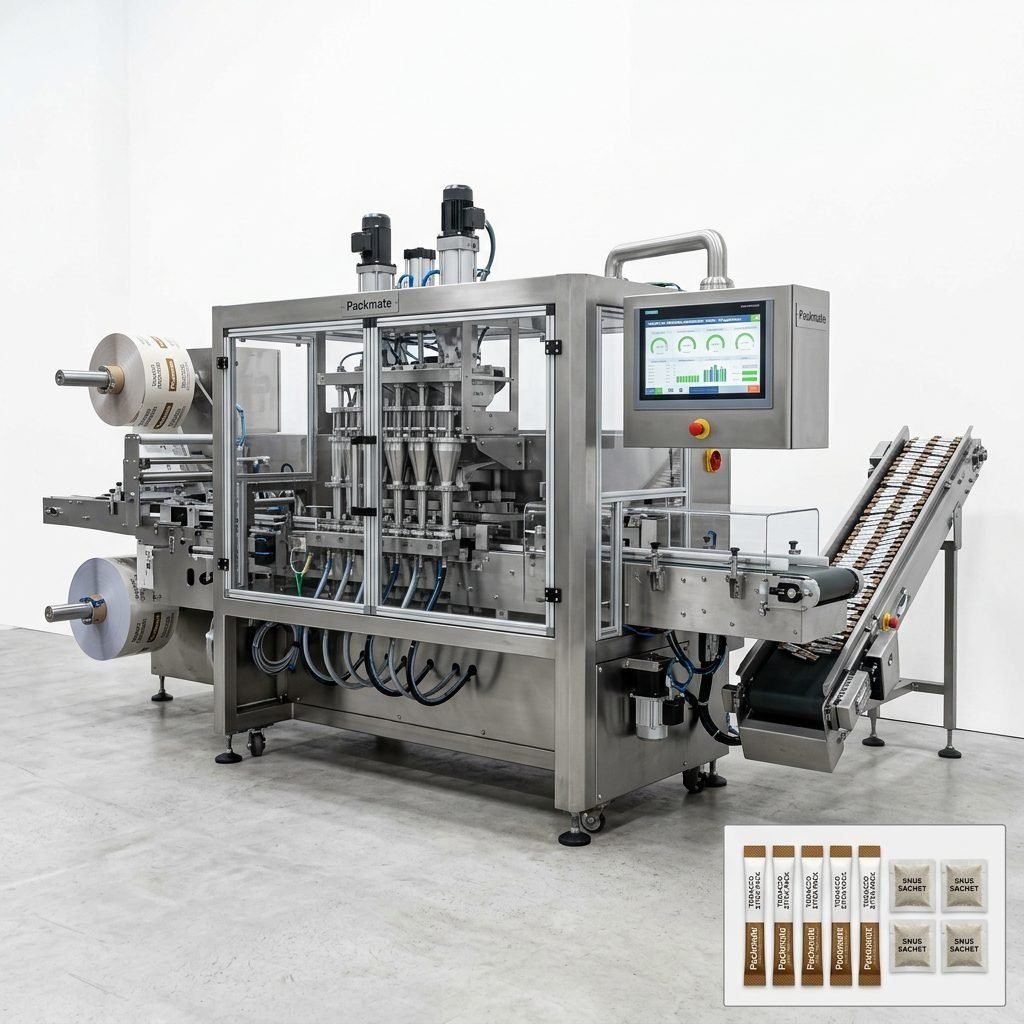
✅ Stick pack machines: ideal for single-dose stick formats and high-speed output. Great if your product strategy emphasizes portion-controlled servings.
✅ Sachet and pouch machines: versatile for bespoke pouch shapes, tear-notches, and reclosable options. Best when brand experience and premium presentation matter.
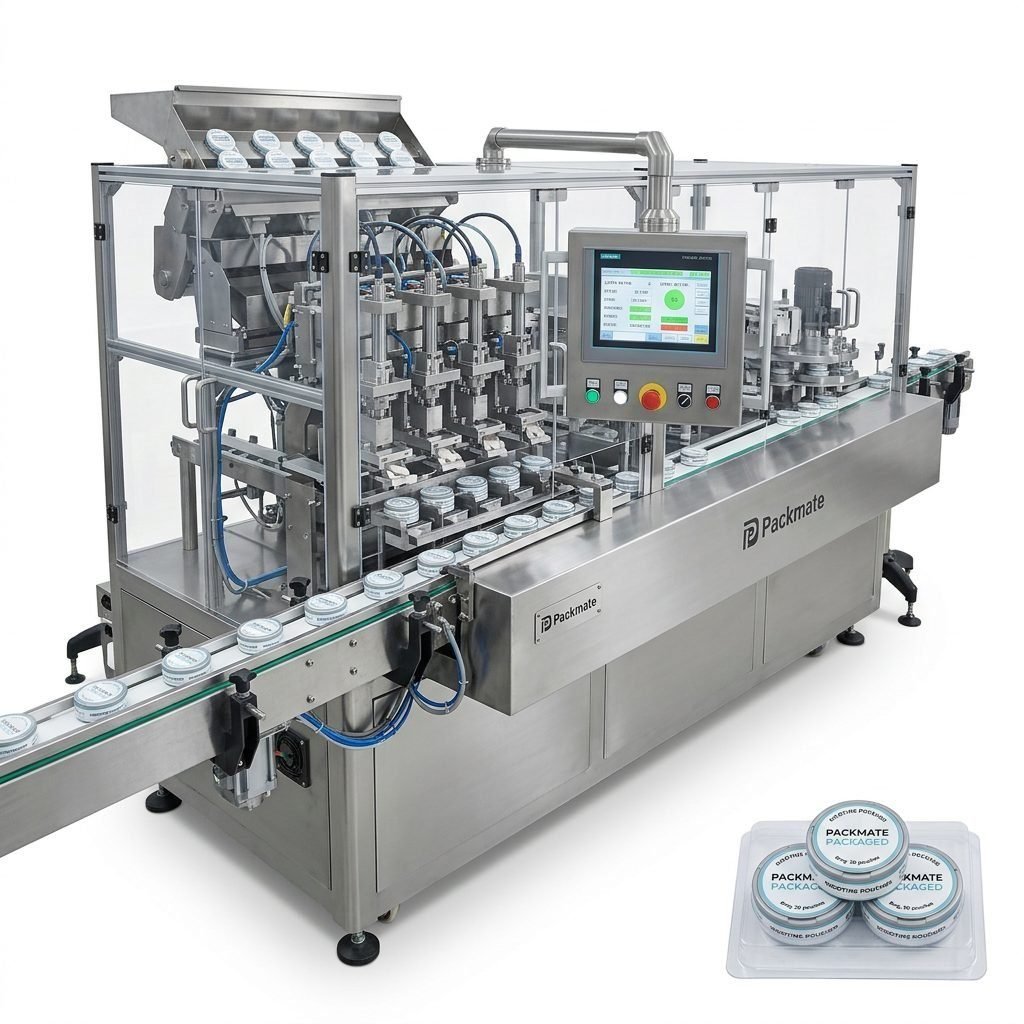
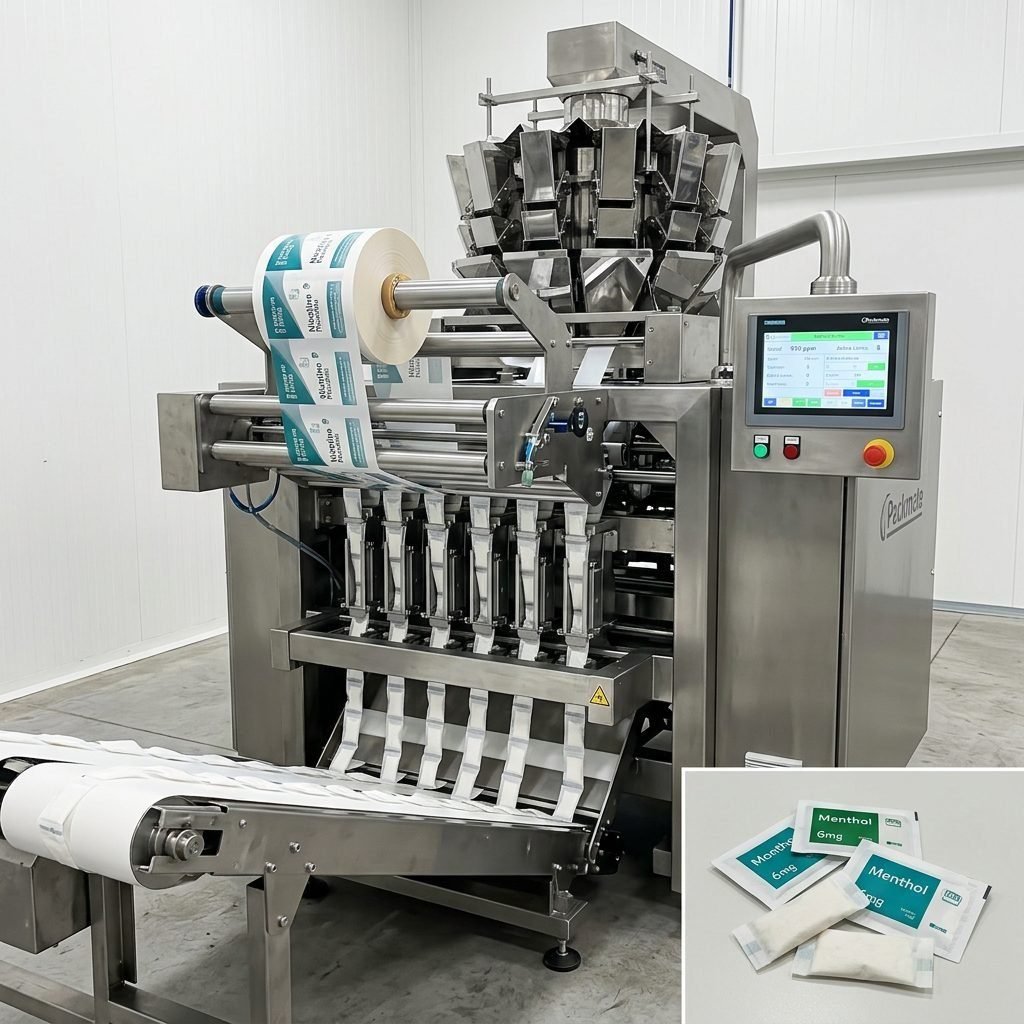
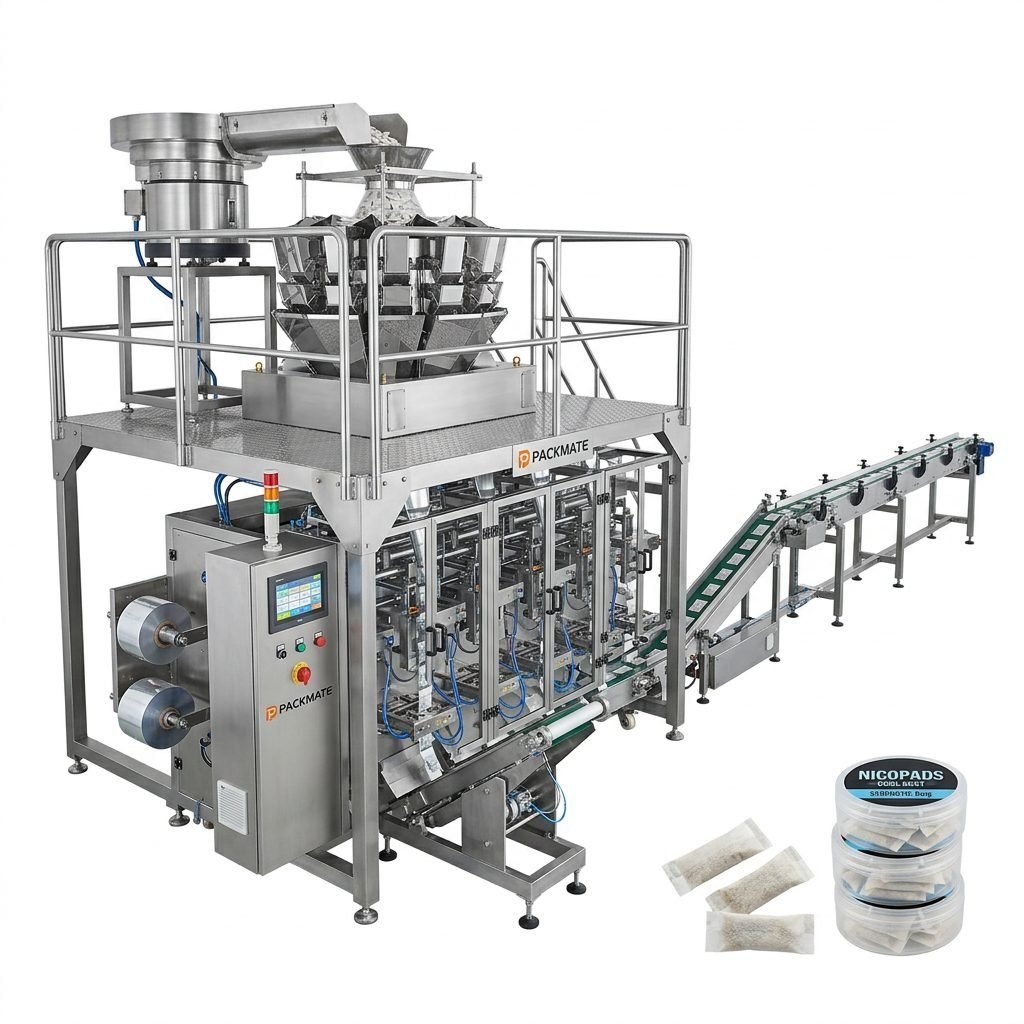
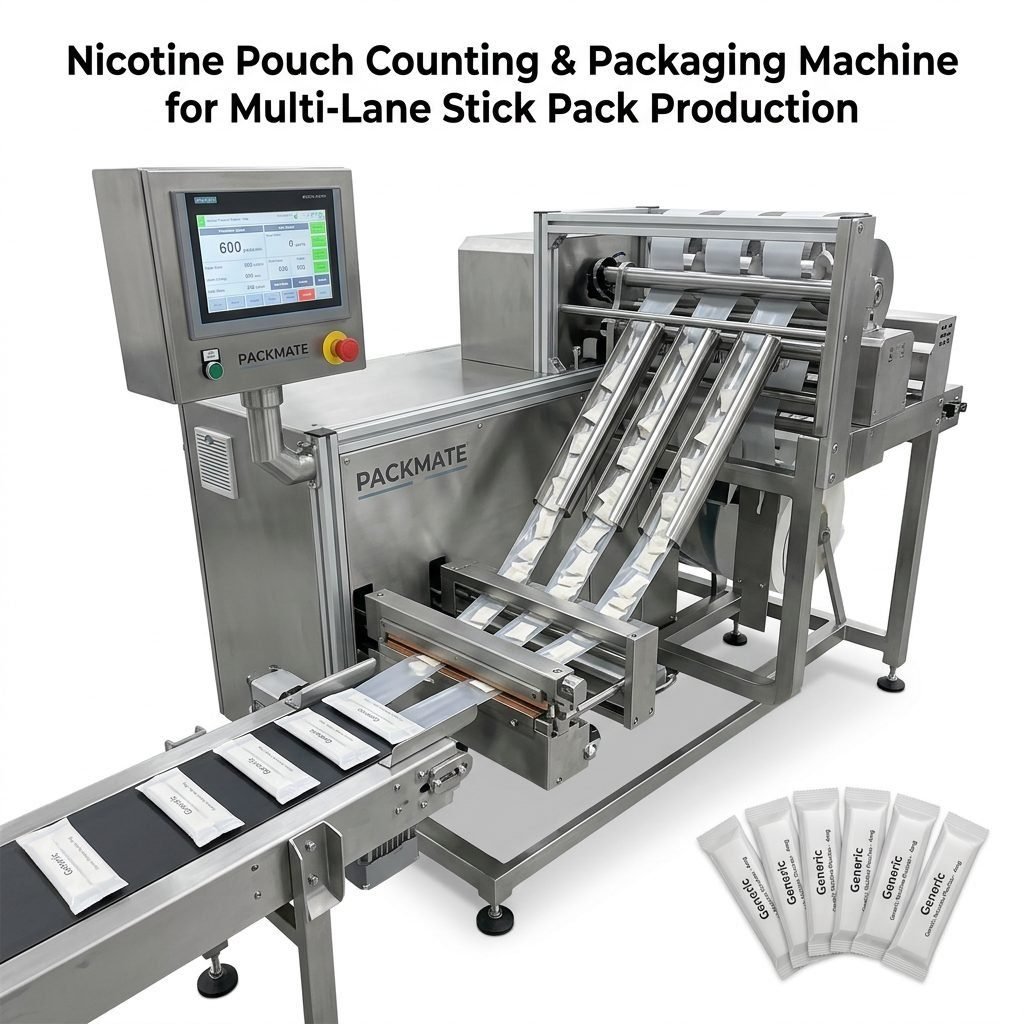
✅ Multi-lane snus/nicotine pouch systems: designed for small-dose pouches with high throughput across multiple lanes—excellent for scaling production while controlling per-unit costs.
Where to learn more about machine types
For a detailed look at specialized equipment, review manufacturer product pages such as the Snus & Nicotine Packaging Machines section to match machine features with your product needs: Snus & Nicotine Packaging Machines.
Technical Checklist: What Specifications Matter
When evaluating quotations and technical sheets, focus on the following specs—these directly impact performance, maintenance, and total cost of ownership.
- Production speed (units/min) and consistent performance under tropical conditions.
- Multi-lane capability and whether lanes can be individually adjusted for product variations.
- Material compatibility (powders, fibers, liquids in pouches) and recommended forming film types.
- Hygiene design: ease of cleaning, CIP compatibility, and food-grade material finishes.
- Control system: PLC brand, HMI language support (ask for Bahasa Indonesia options), and remote diagnostics ability.
Ask these operational questions
• What is the expected uptime percentage under continuous operation in a humid climate?
• Which parts are considered wear items, what are their lifetimes, and are spares stocked locally in Indonesia or the region?
Supplier Vetting & Certifications
⚠️ Safety and regulation are non-negotiable. Choose suppliers whose equipment complies with international standards (CE, ISO) and who provide clear documentation for import and technical compliance. Packmate, for example, highlights CE and ISO certifications across their range—look for such transparency when reviewing suppliers.
Ask for factory audits, references, and case studies. Verified installation references in similar climates or in Indonesia itself are particularly valuable. You can explore supplier background and real-world cases to verify performance: About Packmate and their Case page provide useful insights: Case.
After-Sales Service, Installation & Training
After-sales support determines how quickly you can ramp up production and how easily you resolve issues. Prioritize suppliers who offer:
- On-site commissioning and operator training in Bahasa or with local translators.
- Spare parts packages with clear lead times for shipments to Indonesia.
- Remote diagnostic tools and firmware updates to minimize downtime.
- Clear maintenance schedules and troubleshooting guides.
🔧 Tip: Request a service-level agreement (SLA) that defines response times for parts and technical support. If the supplier has a local or regional service partner, response times improve dramatically.
Customization, Tooling & Samples
Packaging formats, pouch shapes, and printing/label needs often require machine modifications or custom tooling. Confirm the supplier’s ability to:
- Design and produce specific tooling for bespoke pouch shapes or multi-lane filling plates.
- Run pilot trials with your actual product and film stock to verify weights, seals, and appearance.
- Provide samples and test reports demonstrating consistent fill accuracy and seal strength.
If possible, visit the supplier’s factory or request a live online demo. Many reputable suppliers provide machine demonstrations and can simulate your specific product. Explore product lines like Sachet & Stick Pack Machines for reference: Sachet & Stick Pack Machines.
Logistics, Import & Local Compliance
Importing packaging machinery into Indonesia requires attention to customs classification, taxes, and documentation. Ask your supplier for:
- Complete equipment packing lists, certificates of origin, and compliance documents.
- Advice on HS codes and working with experienced freight forwarders who handle heavy machinery.
- Assistance with local partner recommendations for installation if the supplier does not have an Indonesian office.
Consider local manufacturing partnerships
Some international suppliers offer partial local assembly or regional warehouses; that can reduce lead times for spare parts and facilitate faster service. Ask vendors whether they maintain regional stock or partners in Southeast Asia.
Calculating Total Cost of Ownership (TCO)
Purchase price is only one piece of the puzzle. Build a simple TCO model including acquisition, installation, tooling, training, spare parts, consumables, energy use, and expected downtime. Use realistic production forecasts to estimate payback period and per-unit packaging cost.
🔎 Example factor: a slightly higher-priced multi-lane snus machine can lower labor and per-unit costs significantly at scale—often shortening ROI timelines for medium-to-high volume producers.
Final Selection Tips & Negotiation Points
• Request a site visit or remote demo to see machines running with similar products.
• Ask for a detailed list of included accessories, available optional upgrades, and prices for consumables.
• Negotiate clear warranty terms, spare parts discounts, and training packages included in the offer.
• Verify the supplier’s commitment to compliance and their history exporting to Indonesia. If in doubt, request references from other Indonesian or Southeast Asian clients.
Where to get help and more information
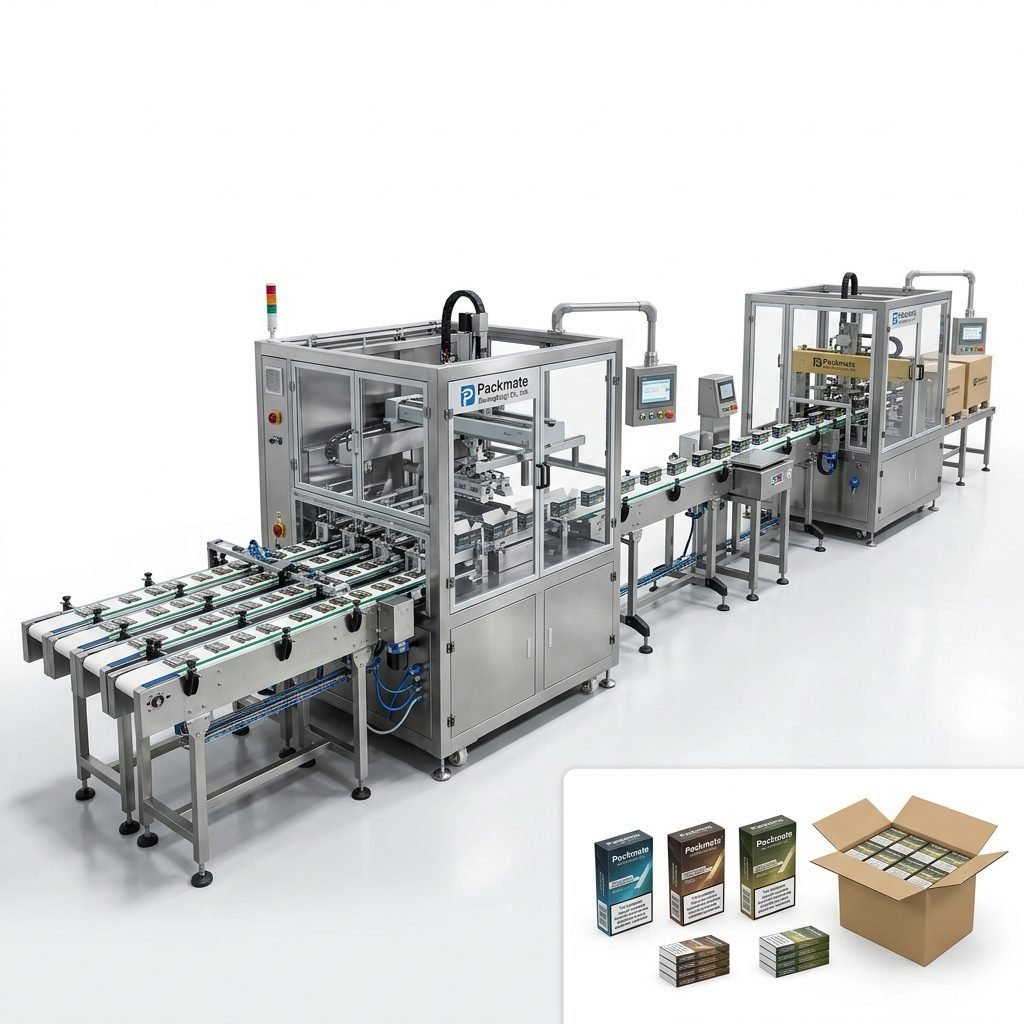
Reach out to trusted suppliers and ask for specifications, demos, and quotations. If you want to explore turnkey solutions and tailored lines for snus or nicotine pouch production, consider contacting manufacturers with proven experience in this niche. For example, manufacturers that provide full packaging lines and auxiliary systems can streamline procurement: Filling & Packaging Lines and Auxiliary Packaging Equipment. For direct inquiries: Contact Us.
Checklist Before Signing the Purchase Order
🔶 Confirm machine acceptance criteria and factory testing procedures (FAT), including sample runs and recorded metrics.
🔶 Secure clarity on delivery timeline, installation responsibilities, and penalties for missed milestones.
🔶 Ensure spare parts list, warranty specifics, and training schedule are written into the contract.
Closing advice
Building a long-term relationship with your packaging equipment supplier is crucial. Suppliers who provide engineering support, rapid parts delivery, and continuous improvement services will be strategic partners as your business grows in Indonesia and beyond.
Frequently Asked Questions
Q1: What certifications should I require from a nicotine pouch packaging machine?
A1: Require CE and ISO compliance as a minimum, plus materials safety documentation and detailed electrical schematics for import and local compliance.
Q2: Can suppliers provide training in Bahasa Indonesia and local installation support?
A2: Many global suppliers offer multilingual manuals and can arrange local translators or regional engineers. Confirm this before purchase and include training scope in the contract.
Q3: How do I manage spare parts and minimize downtime in Indonesia?
A3: Negotiate a spare parts kit with your purchase, identify fast-moving wear parts, and ask whether the supplier stocks parts in regional warehouses or works with local partners.
Q4: Should I prioritize speed or flexibility when choosing a machine?
A4: It depends on your business model. High-volume brands often prioritize multi-lane high-speed equipment; niche premium brands may prioritize flexibility for custom shapes and premium presentation.
Q5: Where can I view verified machine cases and supplier history?
A5: Review supplier case studies and exhibition records to verify performance. Manufacturer case pages and exhibition histories provide useful validation—see examples on supplier pages and case studies.