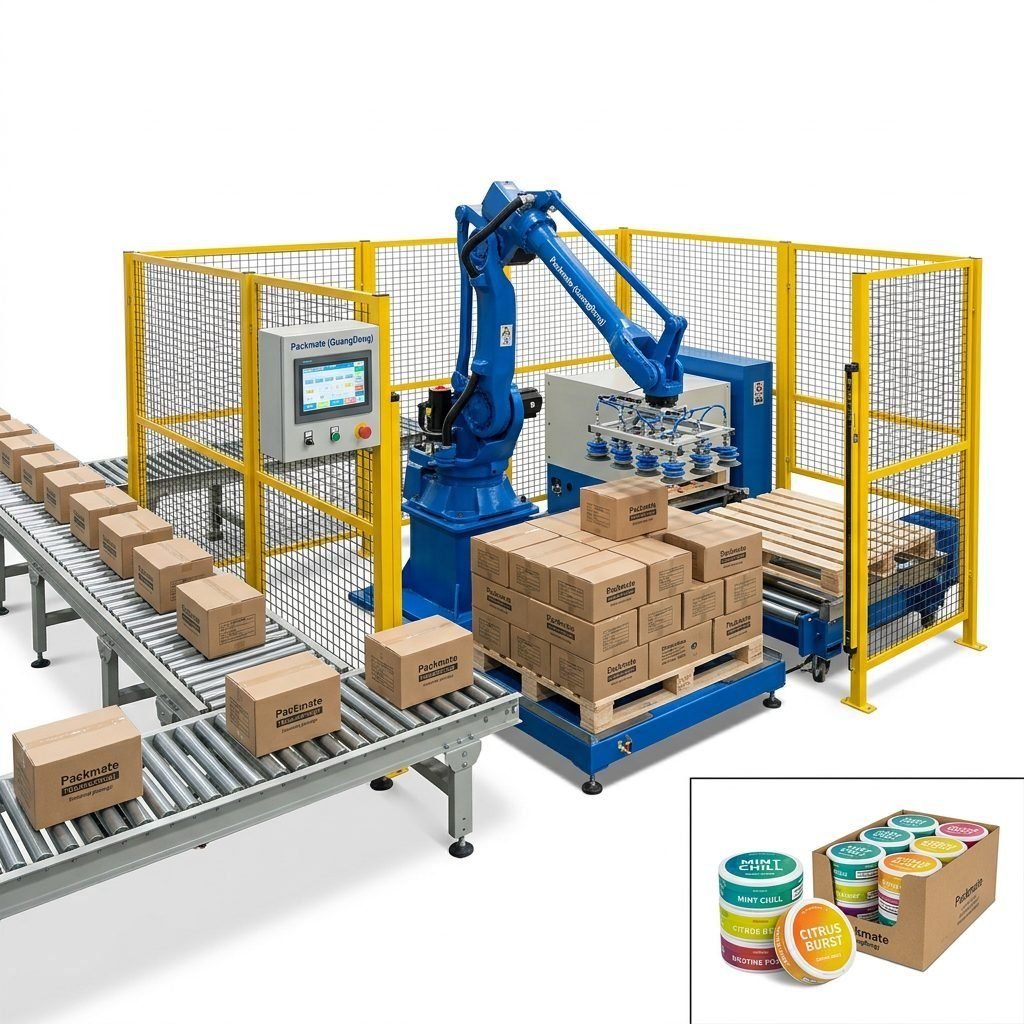
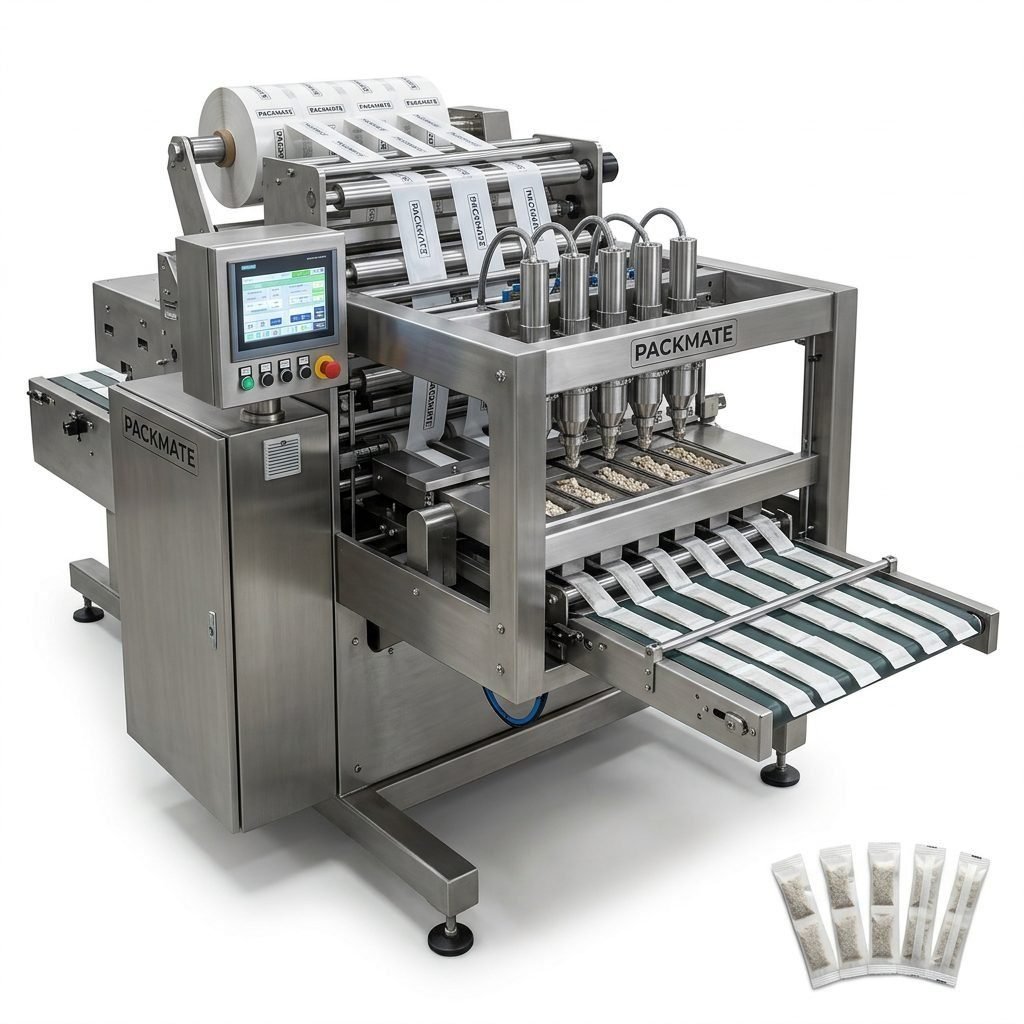
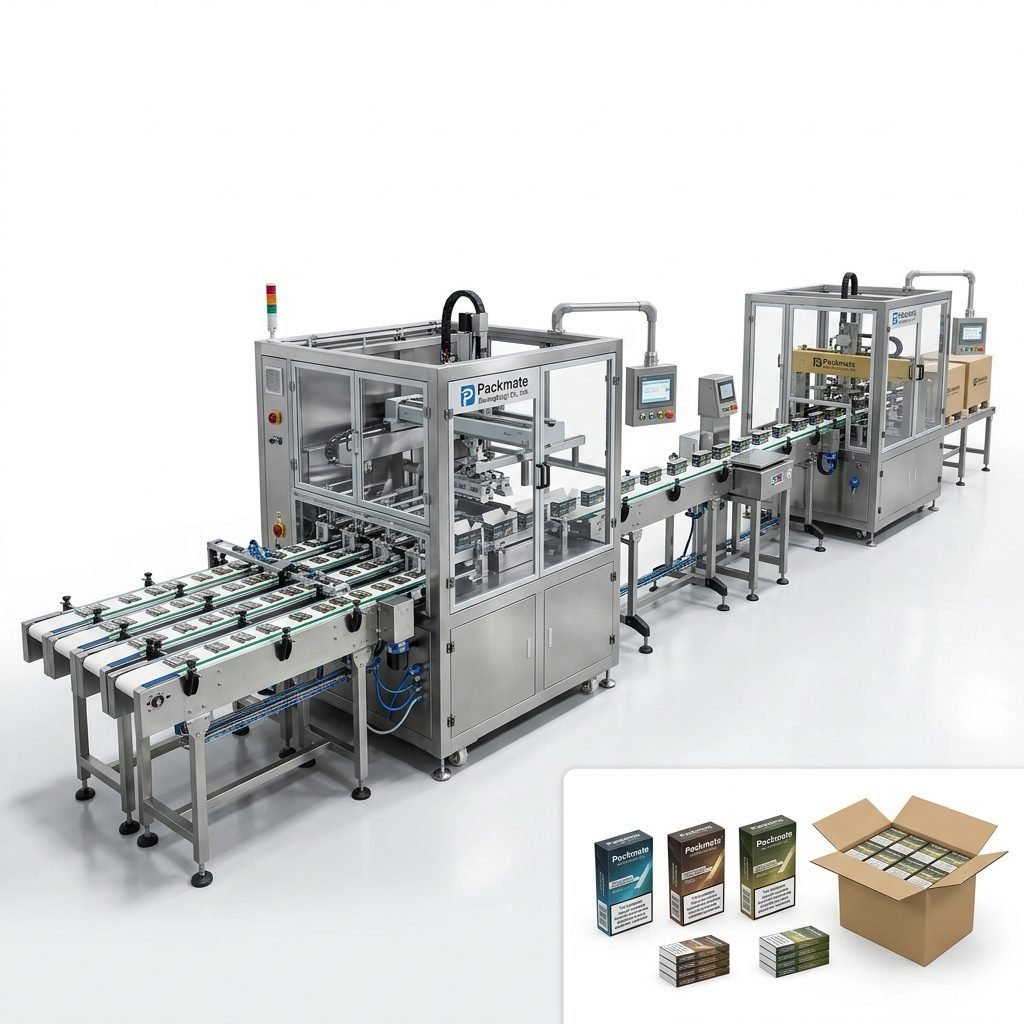
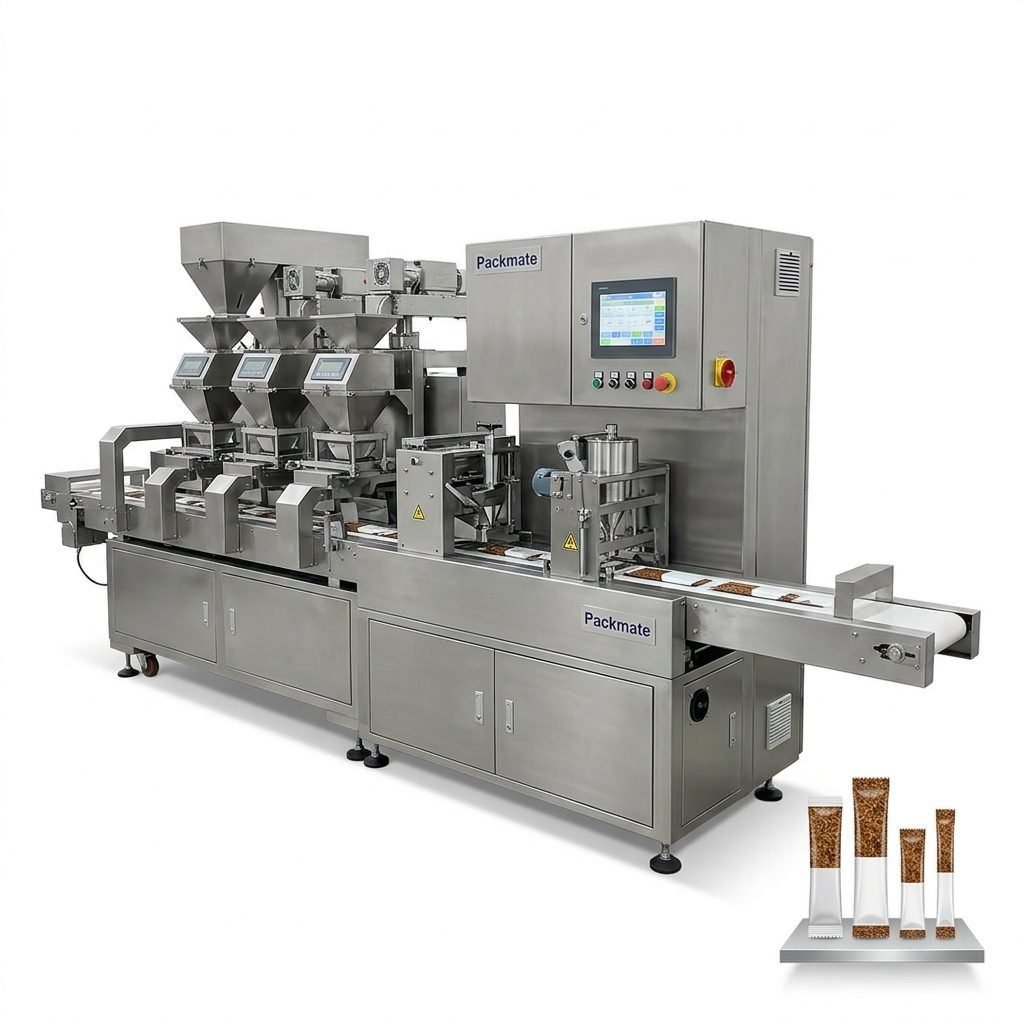
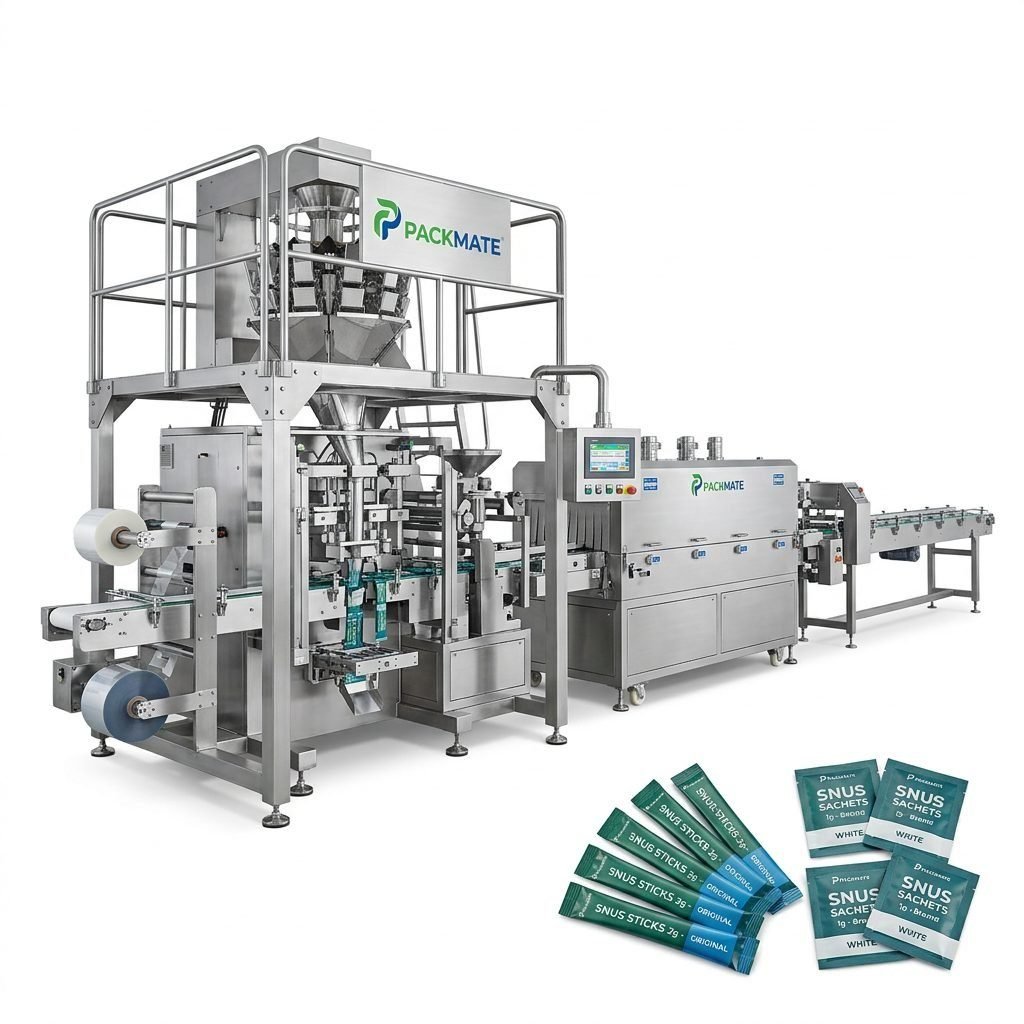
Choosing the right nicotine pouch (snus) packaging machine for a Colombian production line is more than just comparing speeds and prices. Local market preferences, regulatory constraints, production scale, and after-sales support all matter. This guide walks you step by step through the practical factors Colombian manufacturers and investors should evaluate, and highlights how to match machine features to real operational needs.
📍 Understand the Colombian Market & Local Habits
Colombia’s tobacco and nicotine product landscape has been evolving quickly. Urban consumers in Bogotá, Medellín and Cali increasingly prefer discreet, travel-friendly formats like single-dose nicotine pouches and sachets. At the same time, rural areas may demand more affordable packaging formats. Manufacturers should consider two important local realities: first, Colombian buyers appreciate compact, well-designed consumer packaging that supports portability; second, compliance with local labeling and taxation rules is essential to avoid costly delays at customs and distribution.
⚖️ Regulatory and customs considerations
Colombia requires that nicotine-containing products meet specific health and import regulations. Ensure any selected equipment enables you to produce packages with accurate labeling areas, traceability markings, and tamper-evident features. Machines that integrate date/lot coding and accommodate variable label sizes will save time when responding to regulatory updates.
🧭 Core Selection Criteria — What to Prioritize
Quick reference box — top priorities when buying:
✓ Production capacity (packs/min & daily throughput)
✓ Package format flexibility (pouches, sachets, stick packs)
✓ Filling accuracy for small-dose nicotine pouches
✓ Ease of cleaning and GMP compatibility
✓ Local technical support and spare parts availability
1. Production capacity & future growth
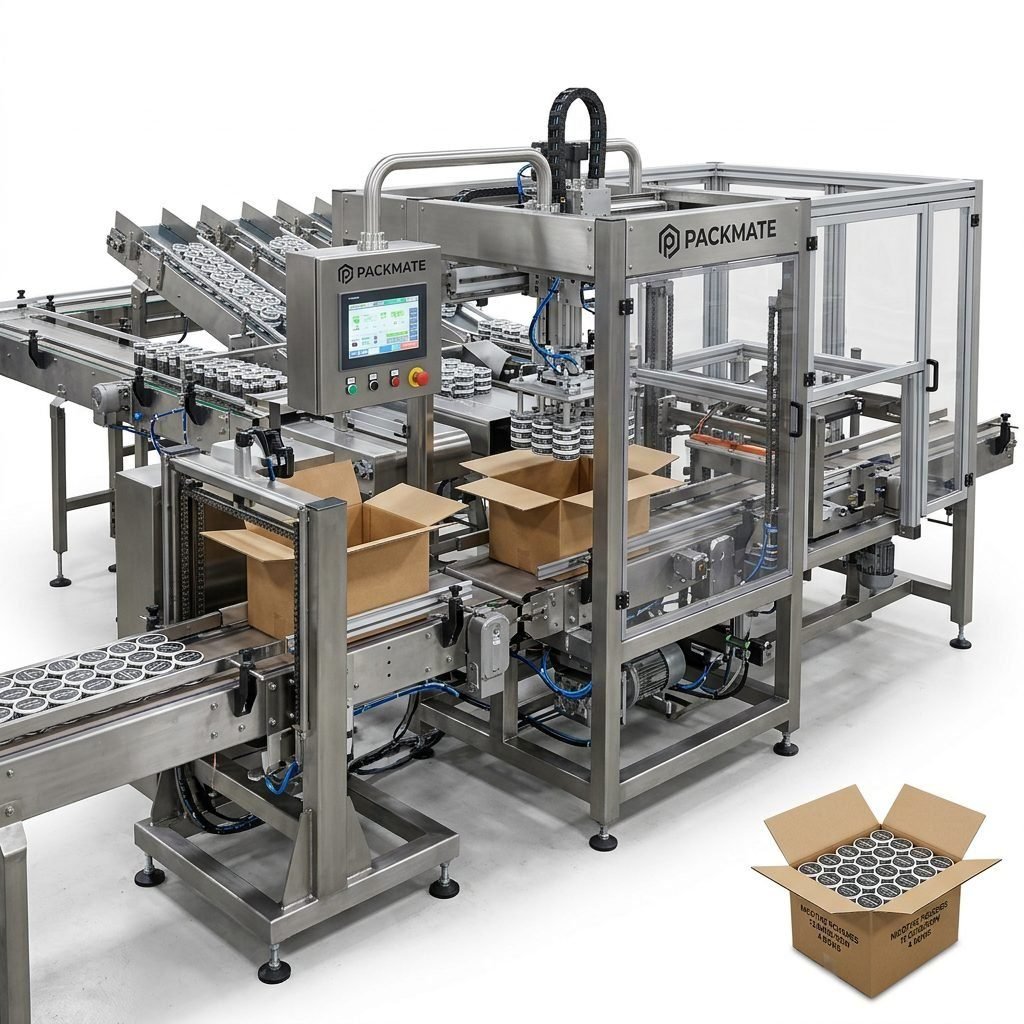
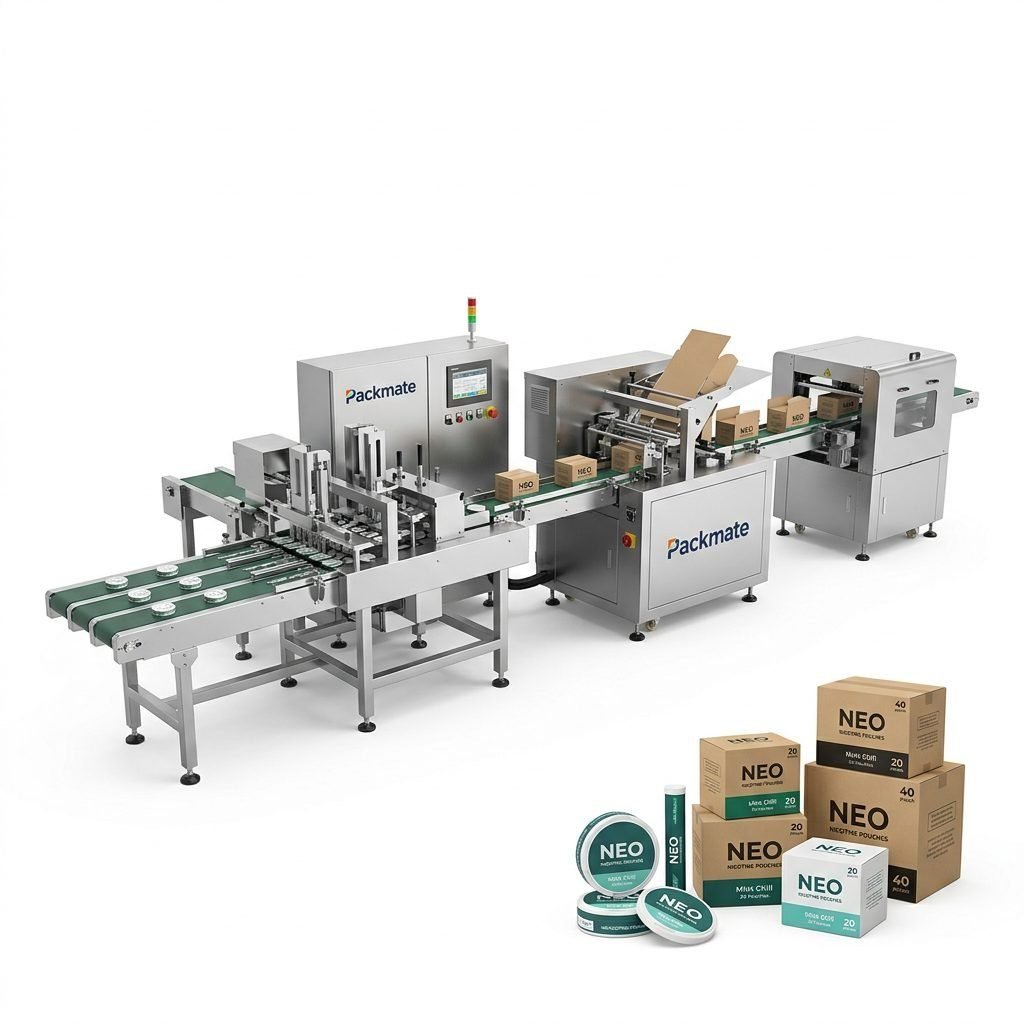
Estimate your annual and peak production volumes. Small start-ups may find a single-lane sachet or stick pack machine adequate at first, while established brands benefit from multi-lane systems that can produce thousands of pouches per minute. Consider modular machines that allow capacity upgrades without full replacement. Buying slightly above current need is often more economical than frequent machine upgrades.
2. Packaging formats & flexibility
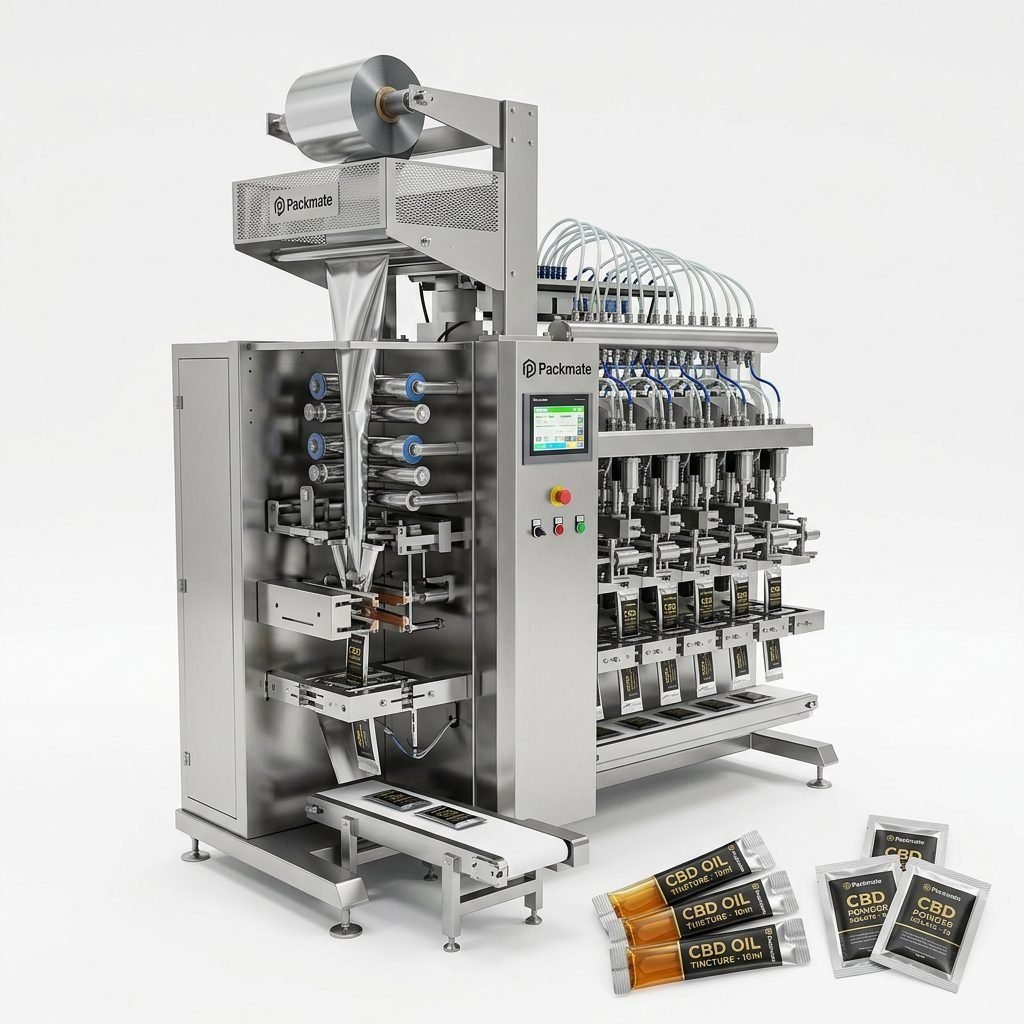
Nicotine pouch formats range from small-dose round pouches to elongated stick packs. Choose machines that support the formats you plan to sell now and in the near future. Multi-format lines reduce capital risk. If you plan to branch into complementary products (tea sachets, powders), machines with adjustable filling modules increase return on investment. For machine options, see the Snus & Nicotine Packaging Machines and Sachet & Stick Pack Machines product categories for real-world configurations.
3. Filling accuracy and weight control
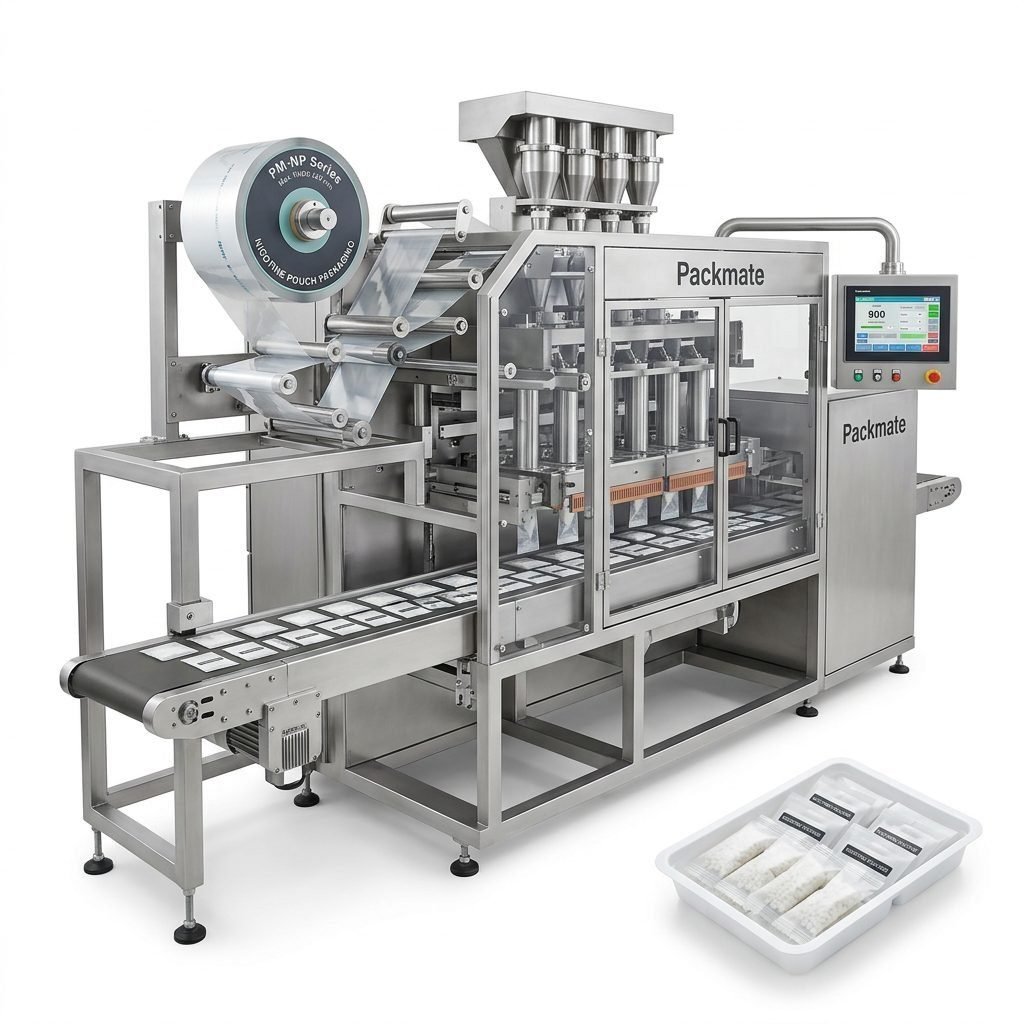
Nicotine pouches require precise filling at small doses. Choose machines with high-precision weighing and dosing systems. Look for integrated weighing & packaging systems that minimize giveaway and ensure consistent pouch weight. Machines that combine multi-head weighers with online check-weighers will be especially valuable for regulatory compliance and cost control — check Weighing & Packaging Systems for options.
🔧 Mechanical Design, Materials & Hygiene
Food-grade stainless steel (304/316) contact parts, smooth welds, and hygienic machine layouts reduce contamination risk and speed cleaning. Prioritize machines with quick-change parts and tool-free access to the filling area to shorten product changeover time. In Colombia’s tropical climate, corrosion resistance and adequate protective coatings are important to keep machines reliable over years.
Maintenance, spare parts & local support
Reliable local support is a major decision factor. Ask suppliers about lead times for critical spare parts and whether they maintain regional warehouses. For international vendors, ask about certified partners or service engineers who can provide on-site commissioning and training in Colombia. Packmate’s factory capabilities, including a 20,000㎡ facility and advanced CNC manufacturing, demonstrate how OEM strength can translate into dependable support and spare parts consistency.
💰 Cost Analysis & Return on Investment (ROI)
Total cost of ownership includes purchase price, installation, training, spare parts, and operational costs (energy, maintenance, labor). Calculate ROI based on reduced labor, lower giveaway, higher uptime, and faster time-to-market. Multi-lane machines often have higher initial capex but lower OPEX per pouch. Use lifecycle costing to compare options and include contingency for import duties and local taxes.
Important financial tip: factor in regulatory testing and packaging design iterations. Many Colombian brands tweak packaging art to meet local consumer tastes — allow budget and time for these cycles.
🛠️ After-Sales, Training & On-Site Commissioning
The best machine will underperform without proper commissioning and training. Verify that the supplier offers on-site start-up support and operator/maintenance training. Remote diagnostics and spare parts kits accelerate recovery from breakdowns. For long-term stability, sign a service-level agreement (SLA) that covers preventive maintenance, spare part delivery times, and response windows for emergency calls.
📦 Packaging materials compatibility
Your chosen machine must be compatible with the barrier films, laminates, and heat-seal properties of local packaging materials. Test film combinations early — heat seals, print positions, and film tension affect final pack quality. Suppliers often provide film qualification reports; require these as part of the purchase contract.
🌐 Supplier Verification & Factory Visits
Request factory references and virtual or in-person machine demonstrations. Visit the supplier’s manufacturing facility if possible, or inspect demo videos and case studies. Packmate’s global exhibition presence and cases can give buyers confidence in production quality and long-term relationships. Useful resources: About Packmate, Case, and Our Exhibition pages provide deeper insight into the supplier’s capabilities and track record.
📑 Contracts, warranties & spare parts clauses
Ensure the contract specifies warranty coverage, acceptance testing criteria, and spare part lead times. Include a parts list with part numbers, and negotiate preferred pricing for consumables and critical life parts. Ideally, get at least 6 months of consumables or an inventory plan for immediate production continuity.
🇨🇴 Implementing Machines in Colombia — Practical Tips
– Power & electrical considerations: Confirm voltage and phase compatibility and include stabilizers or surge protection given regional fluctuations.
– Climate control: High humidity can affect hygroscopic powders and electronics; invest in dehumidification in critical areas.
– Workforce training: Colombian operators value hands-on training; plan multi-day sessions with local language support.
– Logistics: Plan for customs clearance times and local transport — partner with a customs broker familiar with pharma-grade equipment procedures.
🔗 Helpful Product Resources & Next Steps
To explore machine categories and technical specifications, review these supplier resources:
• Snus & Nicotine Packaging Machines
• Sachet & Stick Pack Machines
• Weighing & Packaging Systems
• About Packmate
✅ Practical Purchase Checklist
Use this checklist before signing:
1. Confirm capacity and upgrade path.
2. Verify film and pouch format compatibility.
3. Validate filling accuracy and weight control systems.
4. Review warranty, spare parts list and SLA terms.
5. Organize operator training and commissioning timeline.
6. Inspect demo runs or factory acceptance tests (FAT).
📈 Case Example — From Trial to Full Line
A Colombian start-up may begin with a single-lane stick pack machine for limited SKUs and expand to a 4-lane multi-head pouch line as demand grows. During expansion, the most important aspects are compatibility of new modules with existing control systems, consistent spare parts, and operator familiarity. Suppliers that provide modular multi-lane upgrades help minimize downtime and capital rework.
🔎 Final Recommendations
In summary, choose the best nicotine packaging machine for Colombia by aligning machine capabilities with local market habits, regulatory requirements, and future growth plans. Prioritize: packaging format flexibility, precise filling systems, hygienic design, reliable local support, and a clear spare parts strategy. If you need a starting point, review targeted product families such as Snus & Nicotine Packaging Machines and contact qualified vendors to schedule live demonstrations and factory acceptance tests.
❓ Frequently Asked Questions
Q1: What machine speed is realistic for small-dose nicotine pouches in Colombia?
A1: Realistic line speeds depend on pouch size and fill method; typical single-lane machines can do hundreds of pouches per minute while multi-lane systems reach several thousands per minute. Prioritize weight control and reject systems to ensure consistent quality.
Q2: How important is CE/ISO certification for packaging equipment imported into Colombia?
A2: Very important. CE and ISO indicate adherence to international safety and quality standards and make customs clearance and regulatory approvals smoother. Also request machine documentation and compliance statements.
Q3: Can machines be customized for unique pouch shapes or premium packaging?
A3: Yes. Many manufacturers offer customization of forming jaws, sealing tools, and feeding systems. Confirm design feasibility during vendor discussions and request prototype trials before full production.
Q4: What local services should I confirm before purchasing?
A4: Confirm local technical support availability, spare parts lead times, training language, and whether the vendor has partners or agents in Colombia to assist with commissioning and maintenance.
Q5: Where can I get more information and contact suppliers?
A5: Visit the supplier contact pages such as Contact Us and review catalogs on product pages to prepare a detailed RFQ.