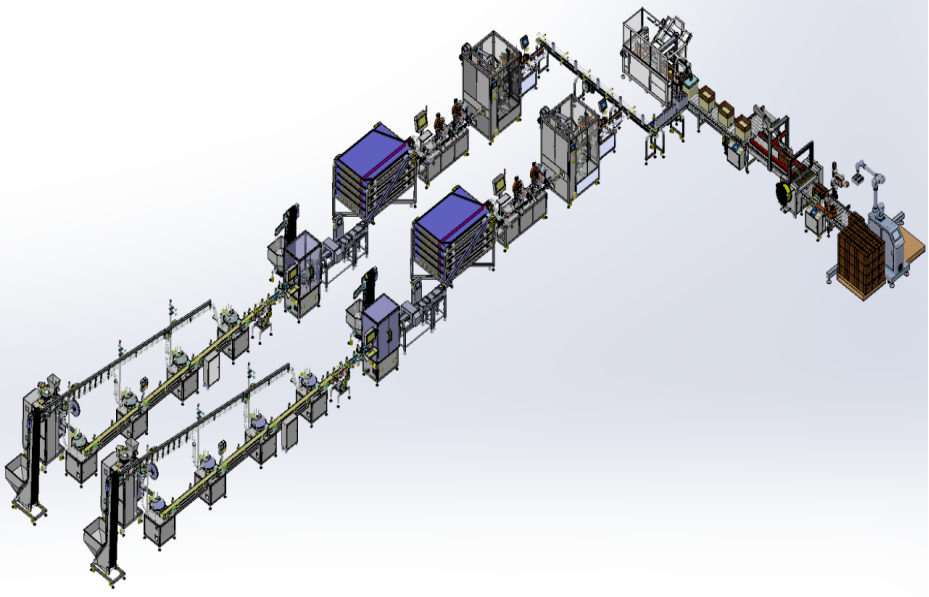
The modern nicotine pouch packaging landscape demands speed, precision, and compliance. Manufacturers are transitioning from semi-automatic lines to fully integrated automated systems that deliver consistent pouch weight, accurate sealing, and scalable throughput. This article explores advanced automation solutions for nicotine pouch packaging — covering machine types, multi-lane systems, key automation components, safety and regulatory best practices, and how a turnkey supplier can accelerate your production with reliable engineering and global support.
Why Automated Nicotine Pouch Packaging Matters
Increasing consumer demand, tighter quality regulations, and labor constraints make automation essential. Automated lines reduce human error, increase output, and ensure consistent sealing and portioning for each nicotine pouch. For producers targeting high-volume markets or multiple SKU runs, automation delivers measurable ROI through reduced waste, lower labor costs, and higher overall equipment effectiveness (OEE).
Key benefits of modern automated nicotine pouch packaging include:
- High-speed multi-lane pouch forming and filling
- Precision dosing for consistent nicotine content and pouch weight
- Automated inspection and rejection systems to maintain quality
- Modular lines for easy SKU changes and future scalability
Core Machine Types for Nicotine Pouch Lines
Depending on product format and output goals, producers commonly select from several proven packaging machine classes. Each machine can be integrated into a complete line with conveying, counting, cartoning, and case packing.
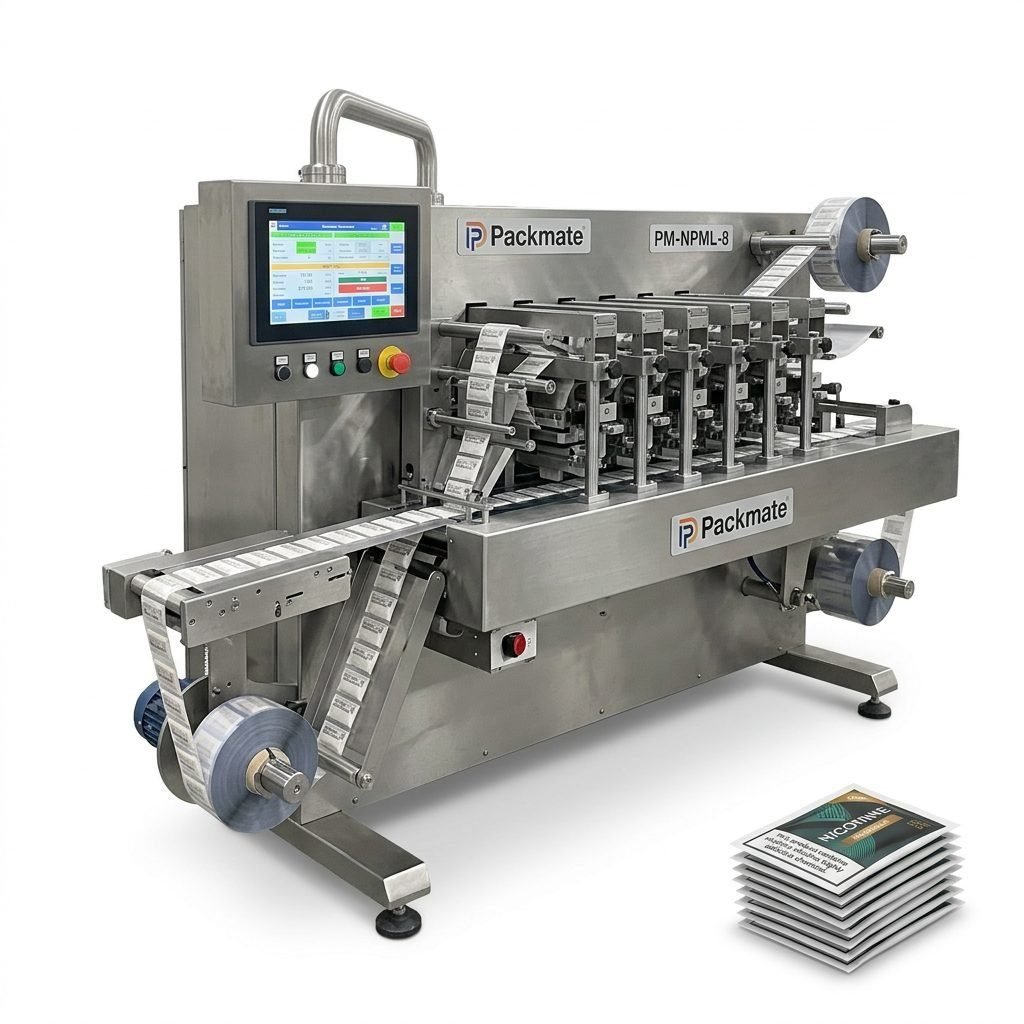
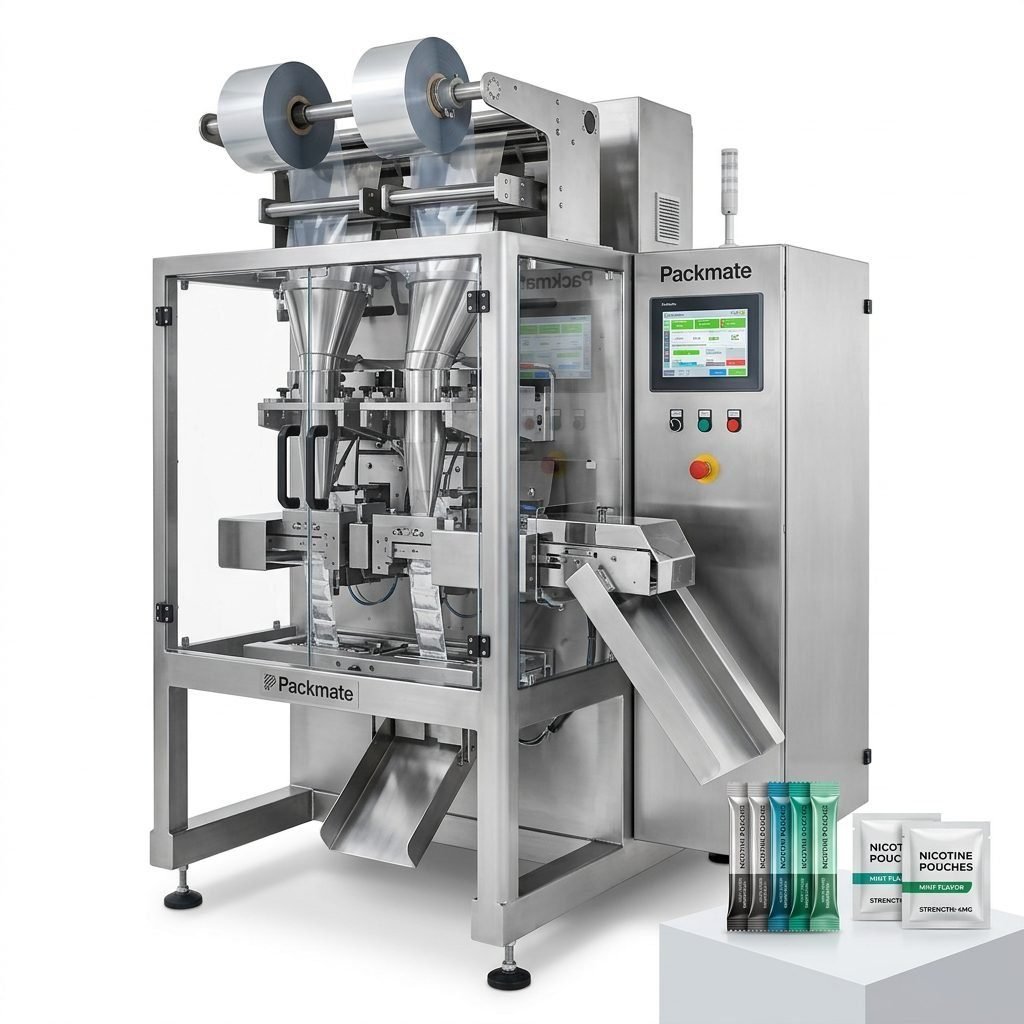
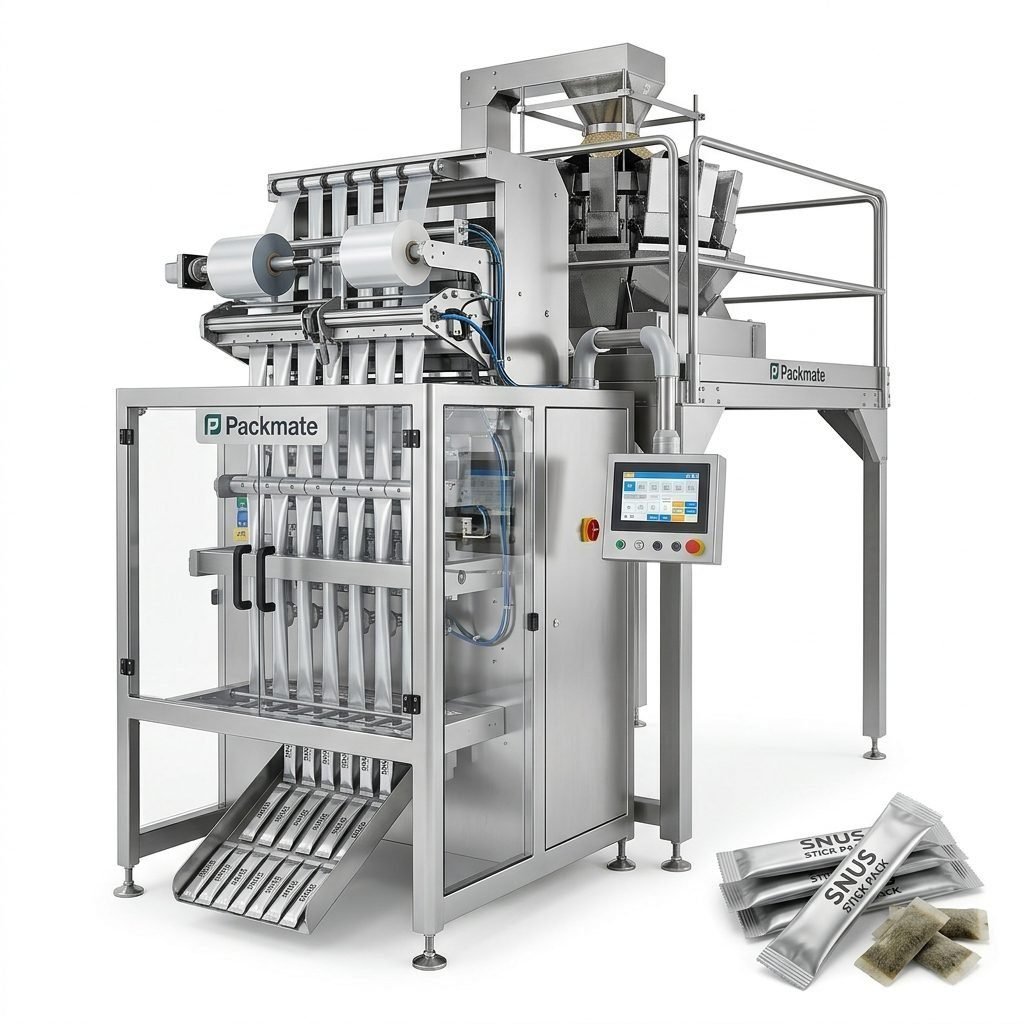
1. Multi-lane Snus & Nicotine Pouch Machines
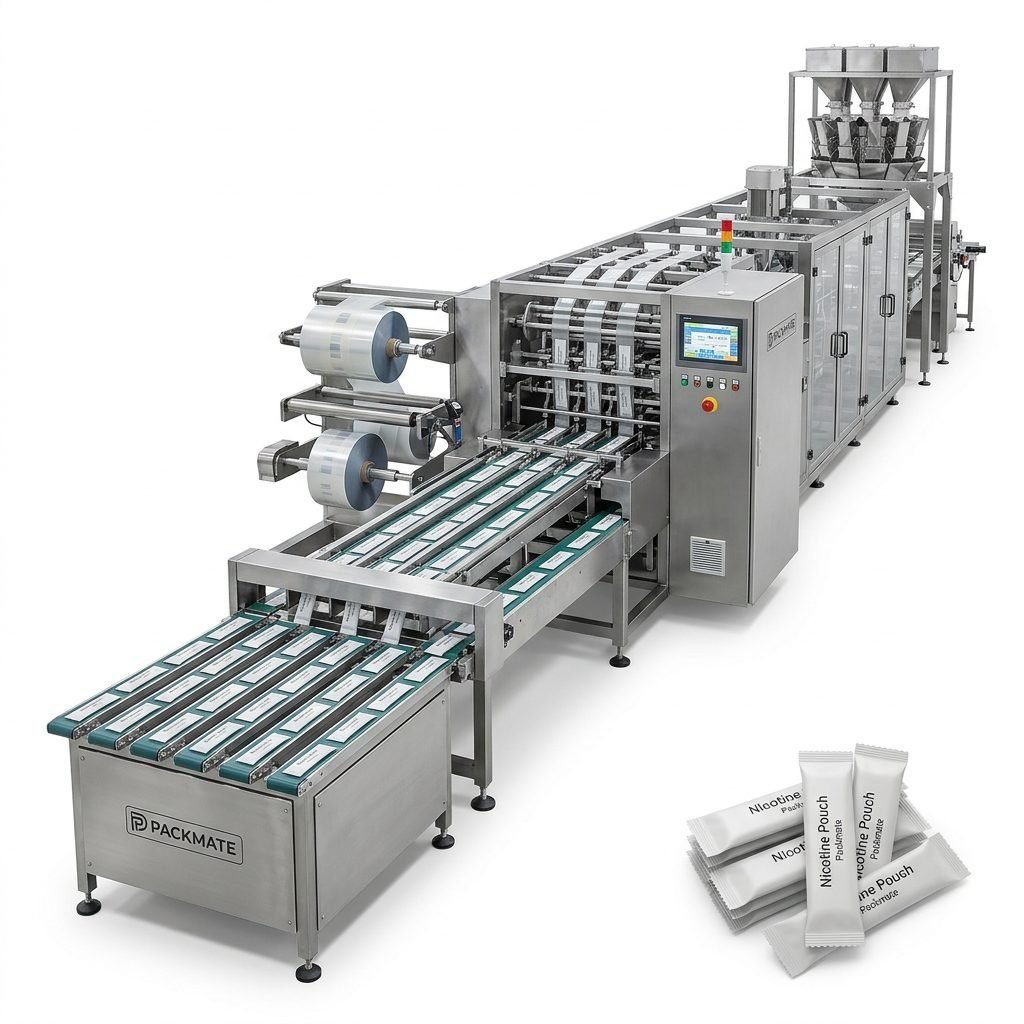
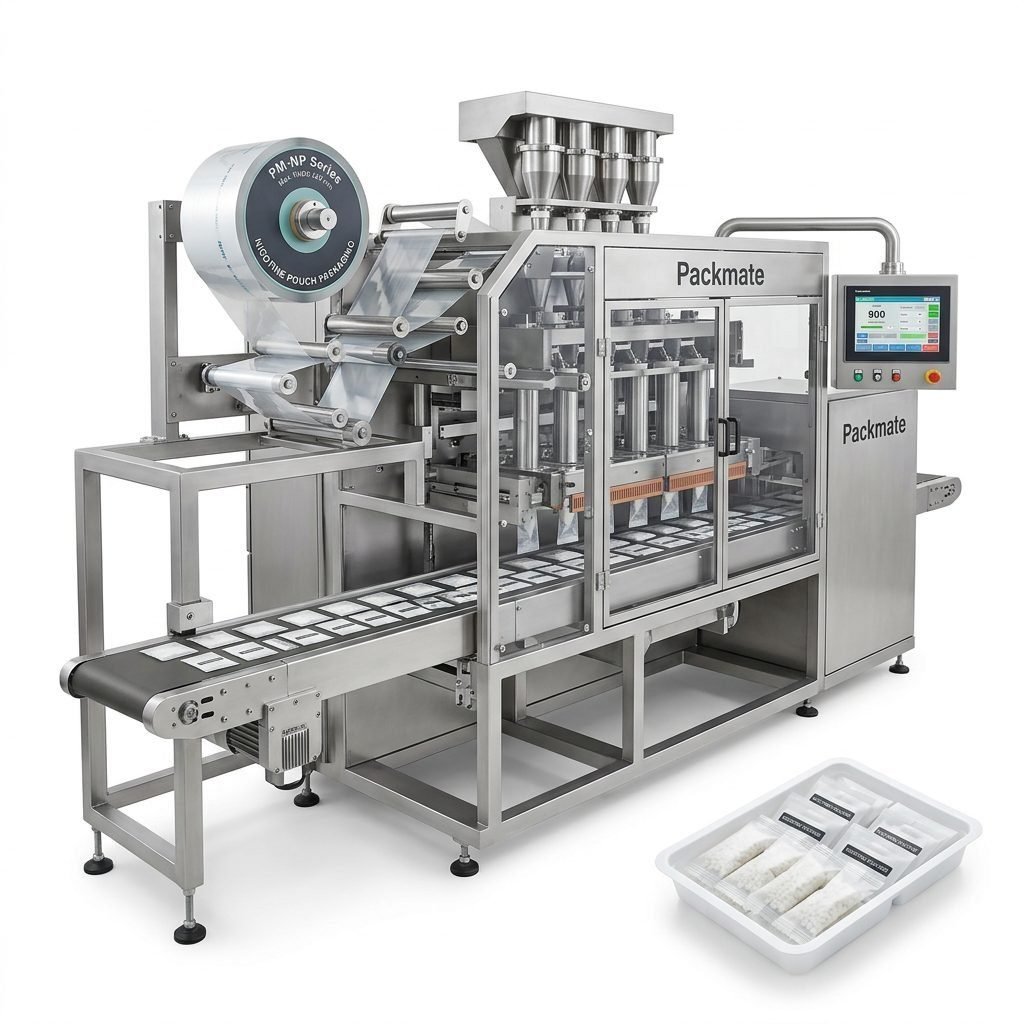
Multi-lane pouch machines enable parallel production across multiple lanes, multiplying throughput without proportionally increasing floor space. These systems are ideal for small-dose pouches where speed and consistent portioning are critical. Modern multi-lane machines offer servo-driven controls, central HMI, and recipe management to switch between product formats quickly.
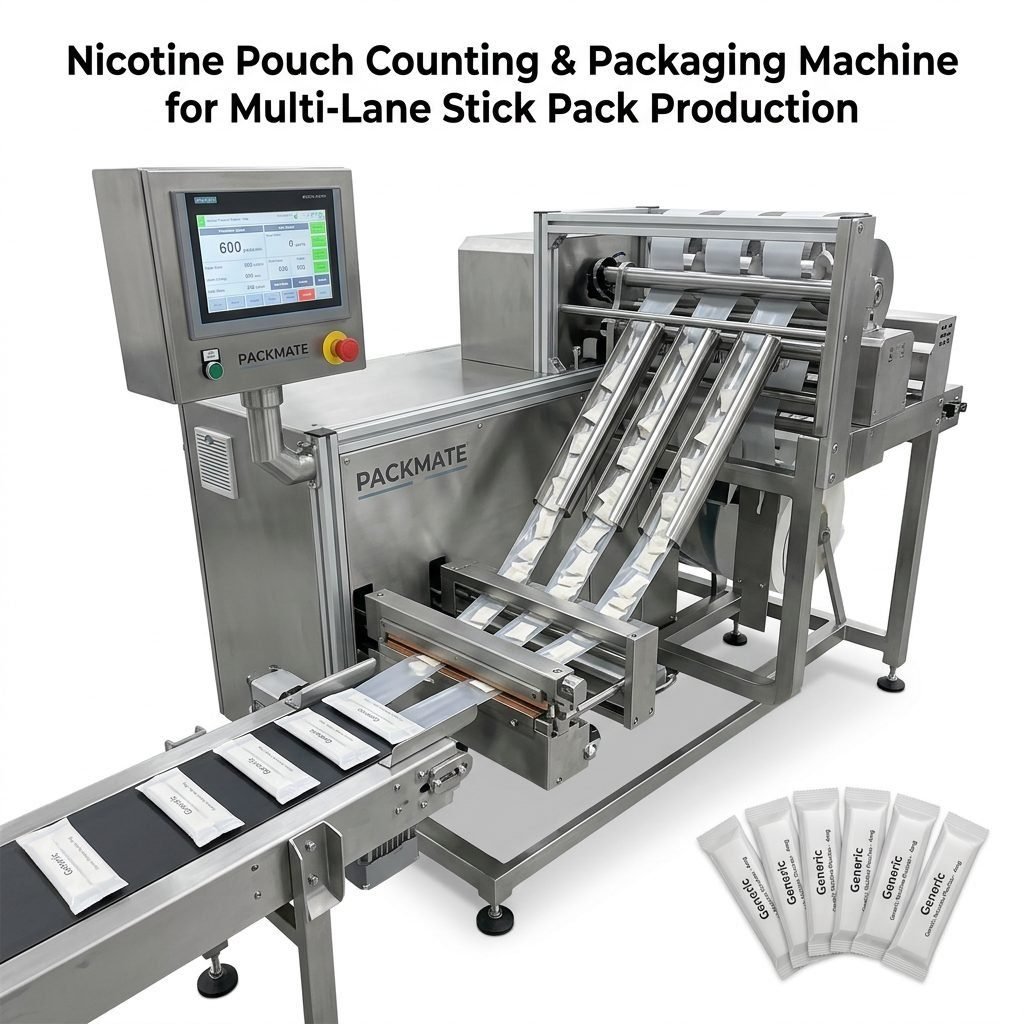
2. Stick Pack & Sachet Machines
For certain nicotine pouch styles and accessories, stick pack and sachet machines provide high-speed single-serve packaging. These machines are often paired with precision weighing systems for powder or granular fillings and can run at high speeds with reliable sealing performance.
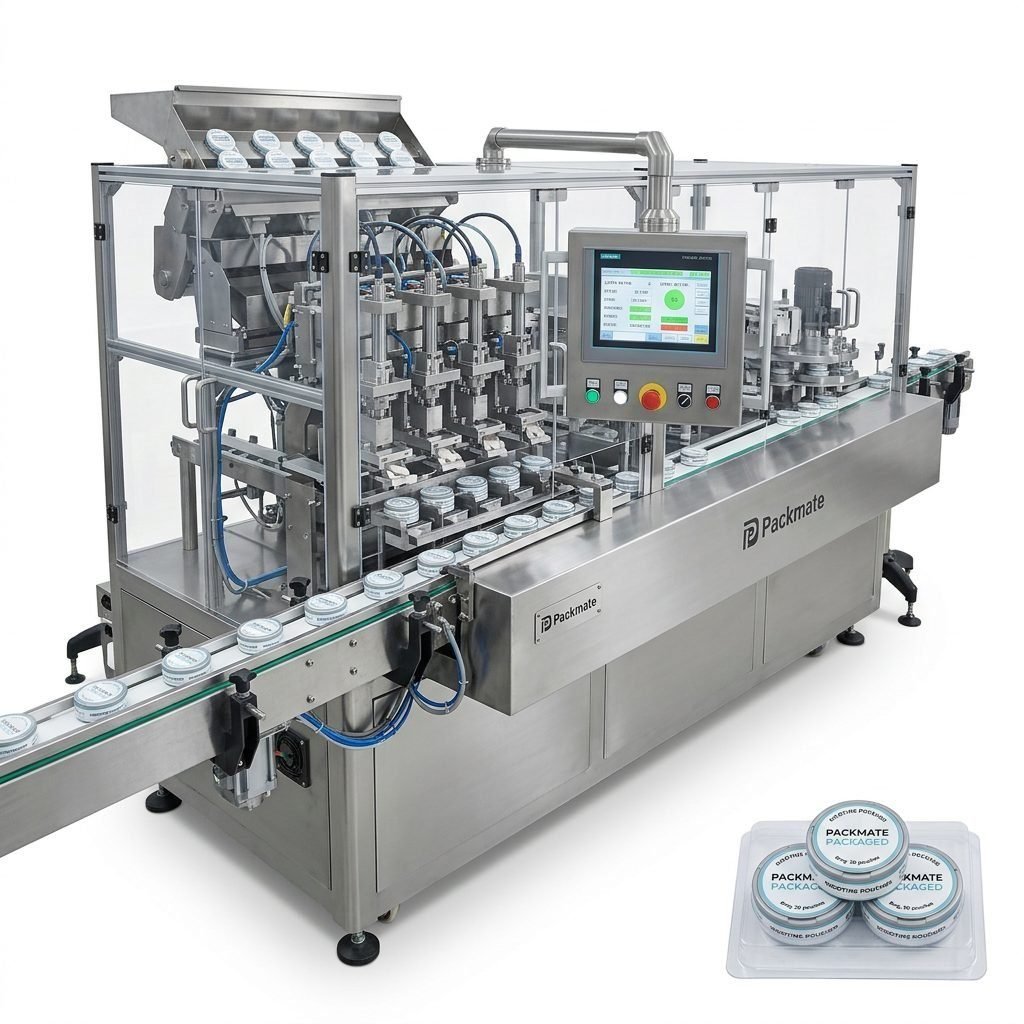
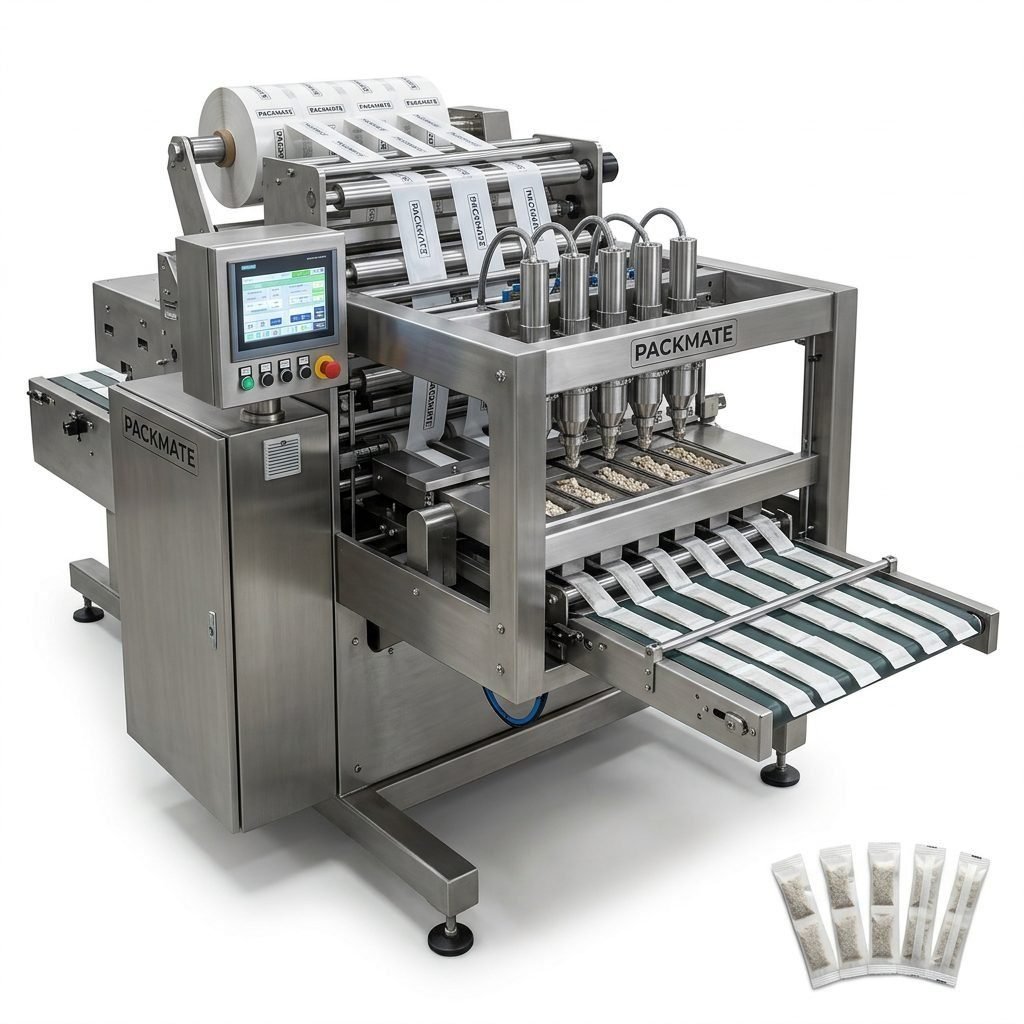
3. Automated Filling & Ancillary Equipment
Robust filling stations (for powder, granules, or liquid infusions), vibratory feeders, and specialized dosing units maintain tight fill tolerances. Ancillary equipment such as vibratory sorters, pouch opening devices, and automated carton erectors complete the line and reduce manual touchpoints.
Interested in machine models and configurations? Explore specialized product lines:
Advanced Automation Components
Successful high-speed nicotine pouch lines rely on an ecosystem of precision components. Integrating the right combination of motion control, sensors, and software is essential for stable production and regulatory compliance.
Servo Drives & Motion Control
Servo motors provide accurate, repeatable motion for pouch feeding, cutting, and sealing. They enable rapid changeovers using digital recipes and reduce mechanical wear. Centralized motion control simplifies synchronization of multi-lane operations.
Vision Inspection & Inline Quality Systems
Inline cameras and machine vision systems inspect pouch integrity, fill levels, and label placement. Coupled with automated rejection mechanisms, they ensure only compliant units proceed to secondary packaging. Advanced AI-assisted vision can detect subtle defects that traditional sensors miss.
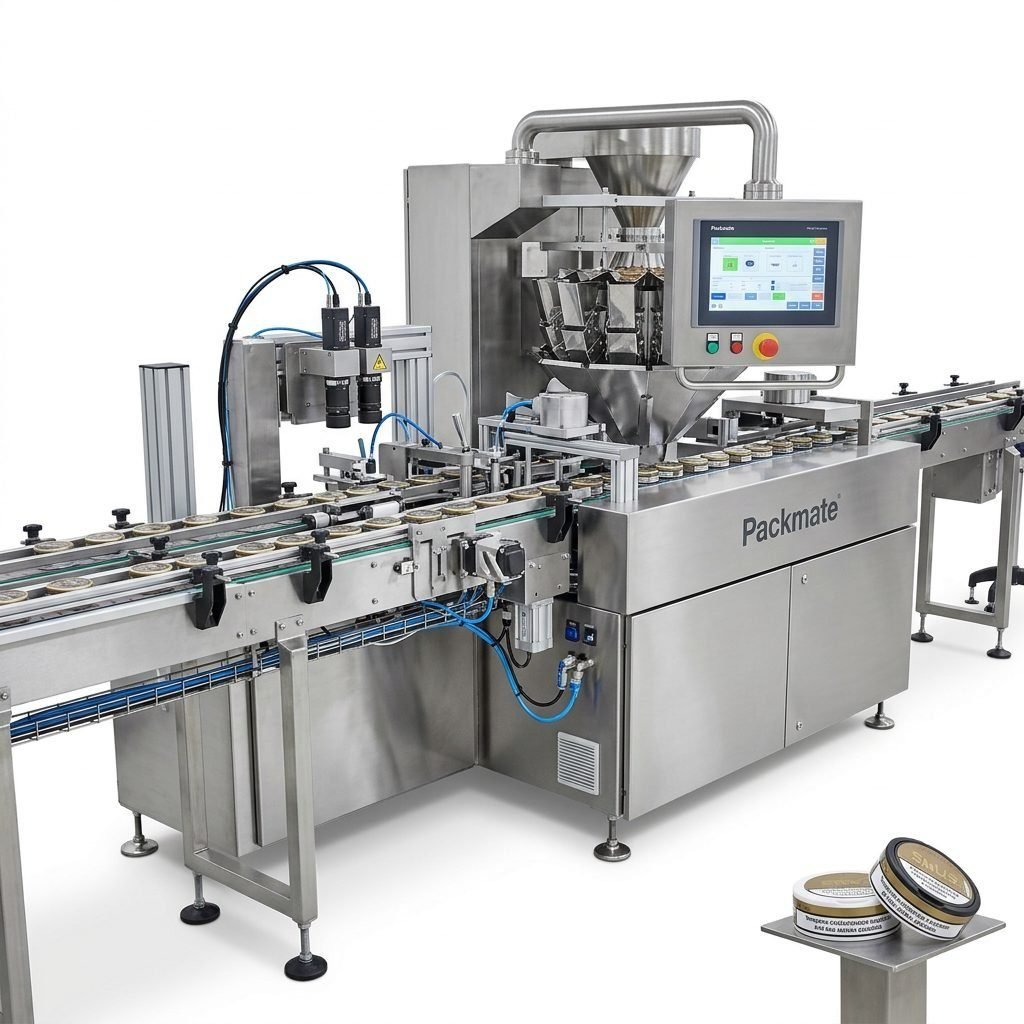
Weighing & Dosing Technologies
High-precision weighing systems and auger or vibratory dosing units maintain consistent nicotine dosage per pouch. Multi-head weighers may be used for blends or granulated bases, while micro-dosing assemblies handle very low-dose formulations.
Performance tip: Combine servo-driven feeding with vision verification to reduce pouch rejects by up to 40% in many lines.
Design Considerations for Faster, Safer Production
When planning or upgrading a nicotine pouch line, prioritize modularity, hygiene, and safety. These considerations ensure the line runs reliably and adapts to regulatory changes or new product launches.
Modular & Scalable Architecture
Modular equipment allows production managers to add lanes, swap filling heads, or insert inspection modules without a full line rebuild. Scalable systems reduce initial capital expenditure while protecting long-term production capacity.
Hygienic Design & Material Selection
Choose stainless steel contact parts and sanitary fasteners to meet cleaning protocols and avoid cross-contamination. Smooth surfaces and minimal crevices reduce product buildup and simplify cleaning-in-place (CIP) or manual washdowns.
Operator Safety & Regulatory Compliance
Integrated guarding, interlocks, and emergency stops are essential. Compliance with CE, ISO, and local regulations protects workers and expedites market approvals. A certified supplier will also provide documentation and validation support for audits.
Safety reminder: Ensure regular maintenance schedules and operator training are documented to maintain certifications and safe operations.
Turnkey Solutions: From Concept to Commissioning
A full turnkey approach covers system design, equipment manufacturing, line integration, on-site installation, and post-sale support. Working with a single supplier reduces integration complexity and aligns engineering responsibilities.
Engineering & Customization
Experienced manufacturers can adapt machine frames, lane counts, and dosing modules for product specifics. Whether you need compact floor plans, automated case packing, or cleanroom-ready designs, customization ensures the line meets your operational and regulatory constraints.
Factory Capabilities & Quality Control
Leading suppliers maintain advanced CNC machining, precision assembly lines, and rigorous QC workflows to ensure machine reliability. Factory acceptance tests (FAT) simulate production runs and reduce commissioning time at your site.
Learn more about a supplier’s manufacturing strength and certifications to assess long-term reliability and serviceability: About Packmate and their certifications pages provide useful background.
Operational Best Practices
After installation, operational discipline determines the line’s real-world performance. Implementing robust SOPs, predictive maintenance, and data-driven monitoring helps maximize uptime and product quality.
Preventive & Predictive Maintenance
Use PLC and IoT-enabled sensors to collect vibration, temperature, and cycle-count data. Predictive analytics can flag wear-prone components before failures occur, reducing unscheduled downtime and spare parts costs.
Operator Training & Changeover Procedures
Standardized training reduces setup errors and speeds changeovers between SKUs. Maintain digital recipes for each product to ensure repeatable machine settings and reduce setup time.
Operational KPI focus: Track OEE, reject rate, and mean time between failures (MTBF) to continually improve line performance.
Case Studies & Global Reach
Proven systems in international markets demonstrate scalability and adaptability. From multi-lane snus lines in Europe to integrated filling and cartoning systems in Asia and the Americas, successful deployments highlight the value of complete solutions.
Explore real-world projects and exhibition highlights to see machine performance under production conditions: Case and Our Exhibition.
Selecting the Right Supplier
Choose a supplier with deep industry expertise, strong manufacturing capabilities, and a global service network. Look for companies with a long track record in snus and nicotine pouch machinery, diverse machine models, and documented support processes.
Why Packmate? With 30+ years of engineering experience and a 20,000㎡ manufacturing facility, Packmate offers a wide range of snus and nicotine packaging solutions tailored for global markets. Learn about their product range:
Implementation Roadmap
A clear roadmap ensures smooth deployment from concept to production. Typical phases include requirements analysis, layout & engineering, factory acceptance testing (FAT), on-site installation, validation, and ongoing service.
Phase 1 — Needs Assessment & Layout
Define product SKUs, target throughput, floor space, and regulatory constraints. A layout study reveals optimal equipment placement, utilities needs, and material flow.
Phase 2 — FAT & Commissioning
Conduct FAT at the factory to verify machine performance using your product or representative materials. This reduces onsite surprises and accelerates final commissioning.
Phase 3 — Training & After-sales
Comprehensive operator and maintenance training ensures the line meets production targets. Ongoing support and spare parts programs preserve uptime and machine life.
Conclusion
Investing in modern nicotine pouch packaging systems delivers faster, safer, and more consistent production. By combining multi-lane machinery, precision dosing, vision inspection, and modular turnkey solutions, manufacturers can scale swiftly while maintaining regulatory compliance and high product quality. Partnering with an experienced supplier streamlines integration, reduces risk, and accelerates time-to-market.
For inquiries on tailored packaging lines and machine specifications, visit Contact Us or review available catalogs and services online.
Frequently Asked Questions
Q1: What throughput can a multi-lane nicotine pouch machine achieve?
A1: Throughput depends on lane count, pouch size, and dosing method. Typical modern multi-lane systems can produce tens to hundreds of thousands of pouches per hour across all lanes. Precise figures require product specifications and machine model selection.
Q2: How are quality and dosage consistency ensured?
A2: Accuracy is maintained via precision dosing units, advanced weighing systems, and inline vision inspection. Recipe management, servo control, and regular calibration further guarantee consistent dosage and pouch weight.
Q3: Can I expand my line later without major downtime?
A3: Yes. Choosing modular and scalable equipment allows adding lanes or modules with minimal disruption. Early planning for utilities and spare space in the layout simplifies future expansions.
Q4: What certifications should packaging equipment carry?
A4: Look for CE and ISO certifications, and verify materials and design meet local food, pharmaceutical, or consumer product regulations. Suppliers often provide validation documentation to support customer audits.
Q5: Where can I see machine demonstrations or real-world cases?
A5: Visit supplier case studies and exhibition pages to view demonstrations and ask for FAT videos. Packmate’s case and exhibition resources provide practical examples of deployed lines.