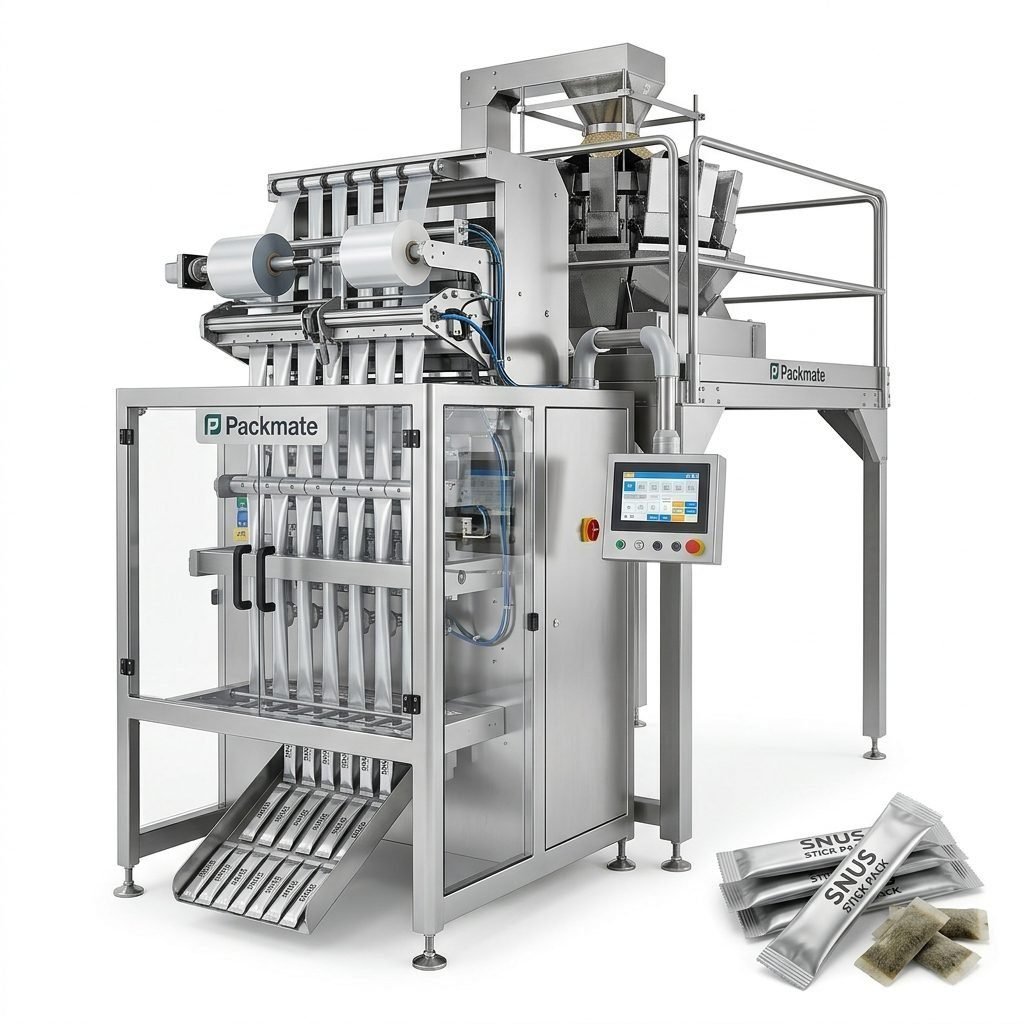
Choosing the right nicotine packaging machine supplier in North America is a strategic decision that affects product quality, regulatory compliance, operating costs, and speed to market. Whether you are launching nicotine pouches, snus, or tobacco-free products, this guide walks you through the practical selection criteria, negotiation tips, and on-the-ground considerations specific to the US, Canada, and Mexico. Use the checklist and examples below to build a procurement plan that balances performance, risk, and long-term serviceability.
Understand product and market requirements first
Before approaching suppliers, get clarity on your product format, dose, and packaging needs. Are you planning single-portion pouches, multi-lane sachets, stick packs, or flow-packed trays? Throughput targets (pieces/minute), pouch materials (foil, paper, biodegradable films), and regulatory labeling requirements in North America impact the choice of machinery. In the US and Canada, varying state/provincial rules and local labeling conventions often require flexible software and quick format changeovers.
Local market nuances to factor in
North American buyers often prioritize: reliable uptime, easy maintenance, and clear documentation in English and Spanish. Proximity of spare parts and service engineers reduces downtime — a critical advantage in fast-moving consumer categories. Consider seasonal demand fluctuations, distributor packaging preferences, and the need for child-resistant or tamper-evident features depending on local law.
Key machine types and what they deliver
Machine selection depends on packaging style and capacity. Typical options include:
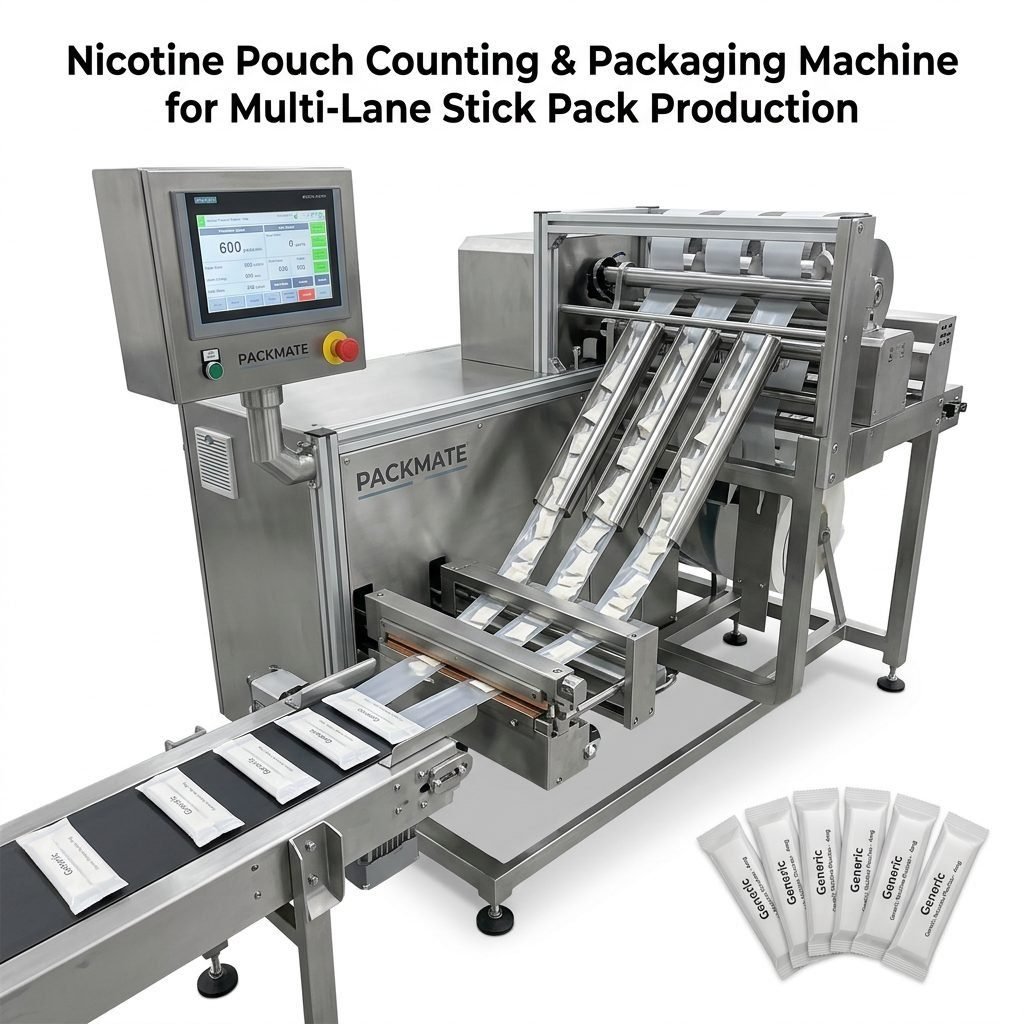
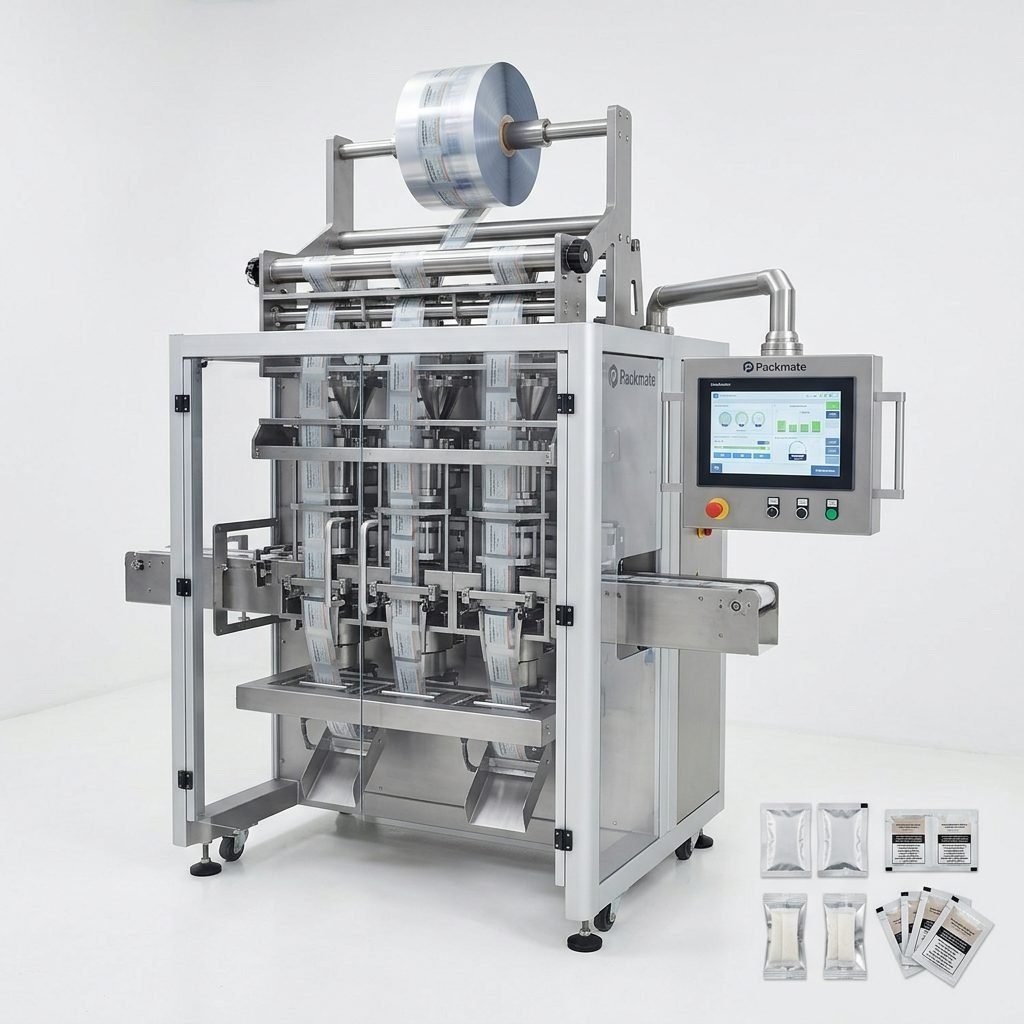
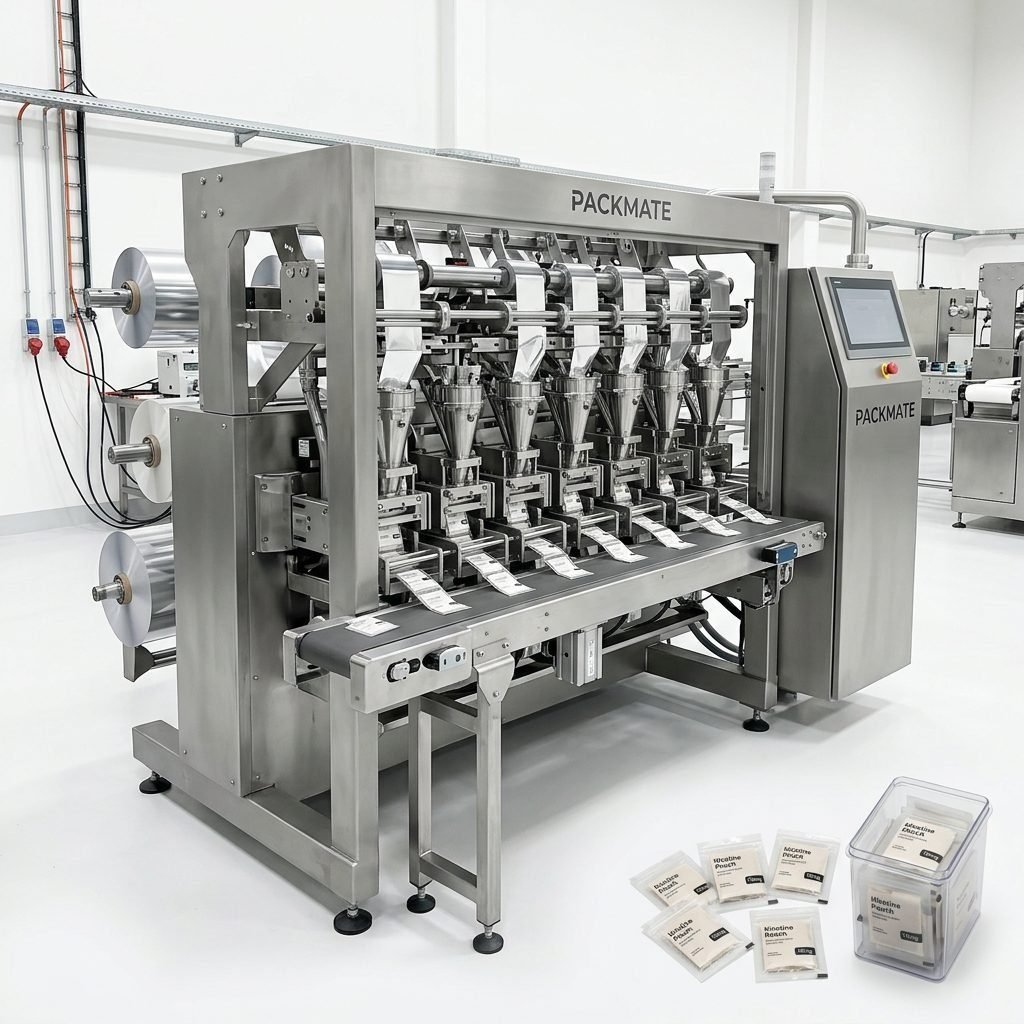
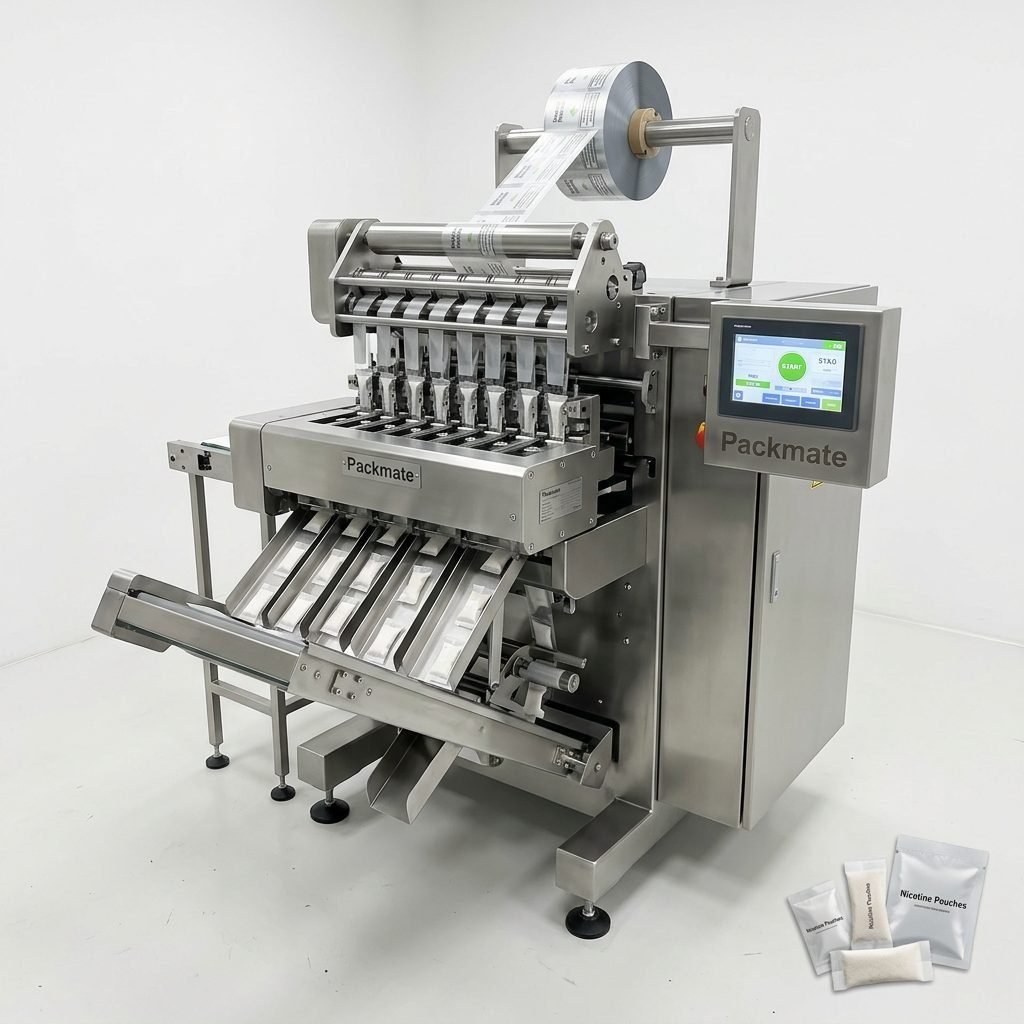
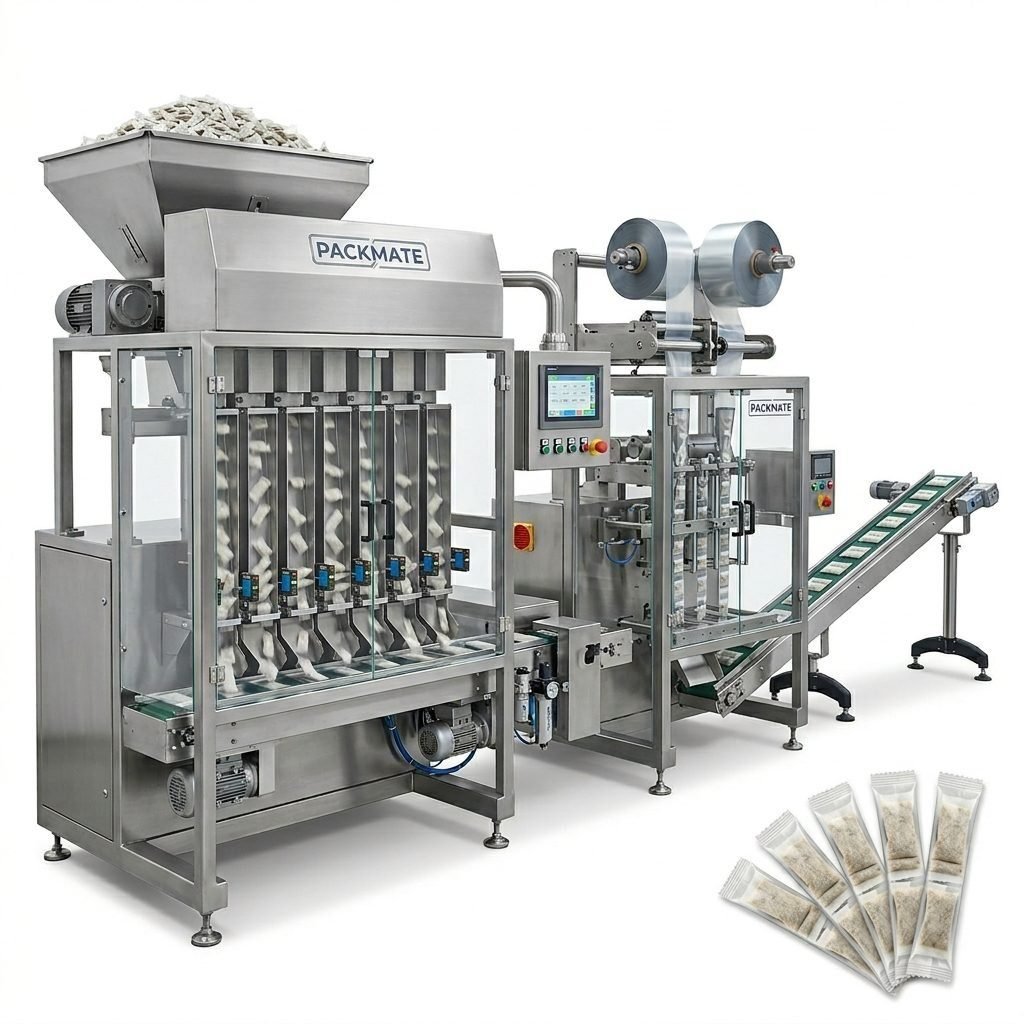
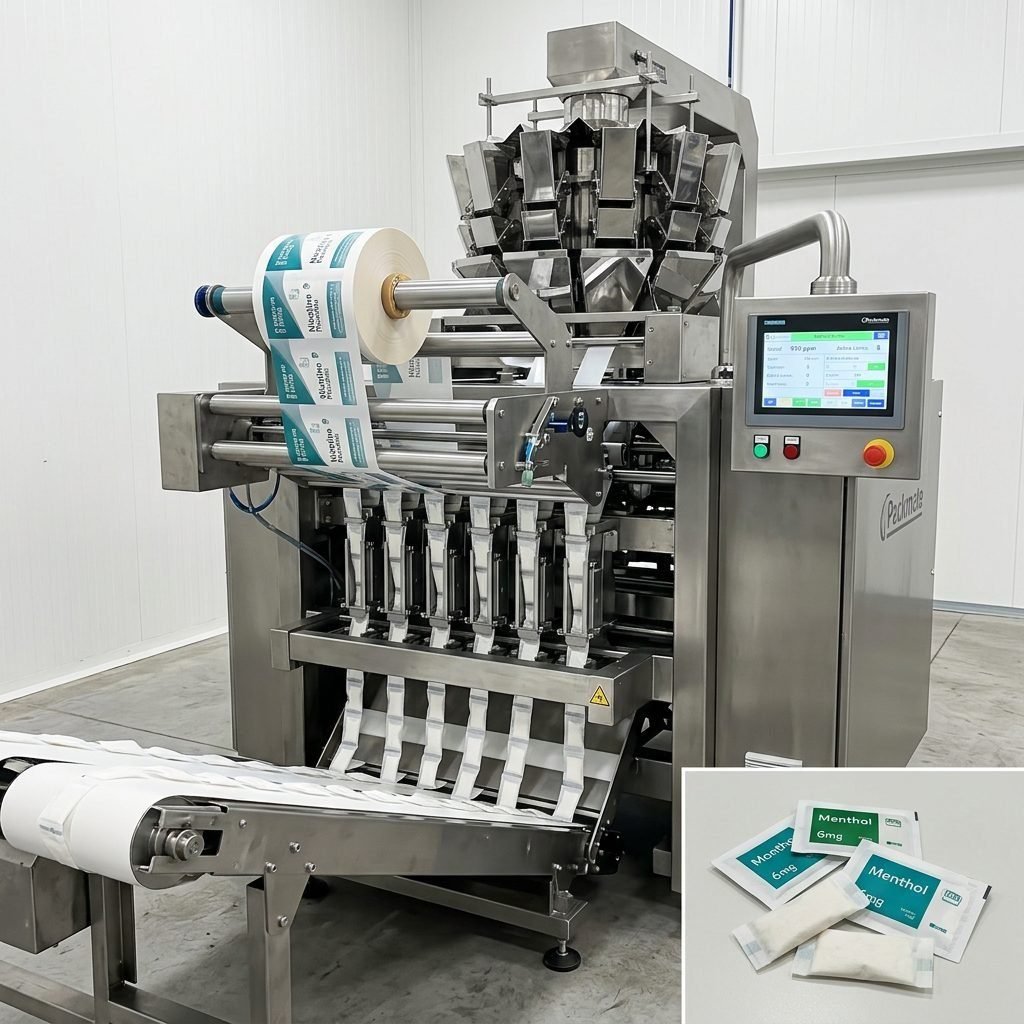
🔶 Snus & Nicotine Pouch Machines — Designed for precise small-dose pouches and often available in multi-lane configurations to maximize output.
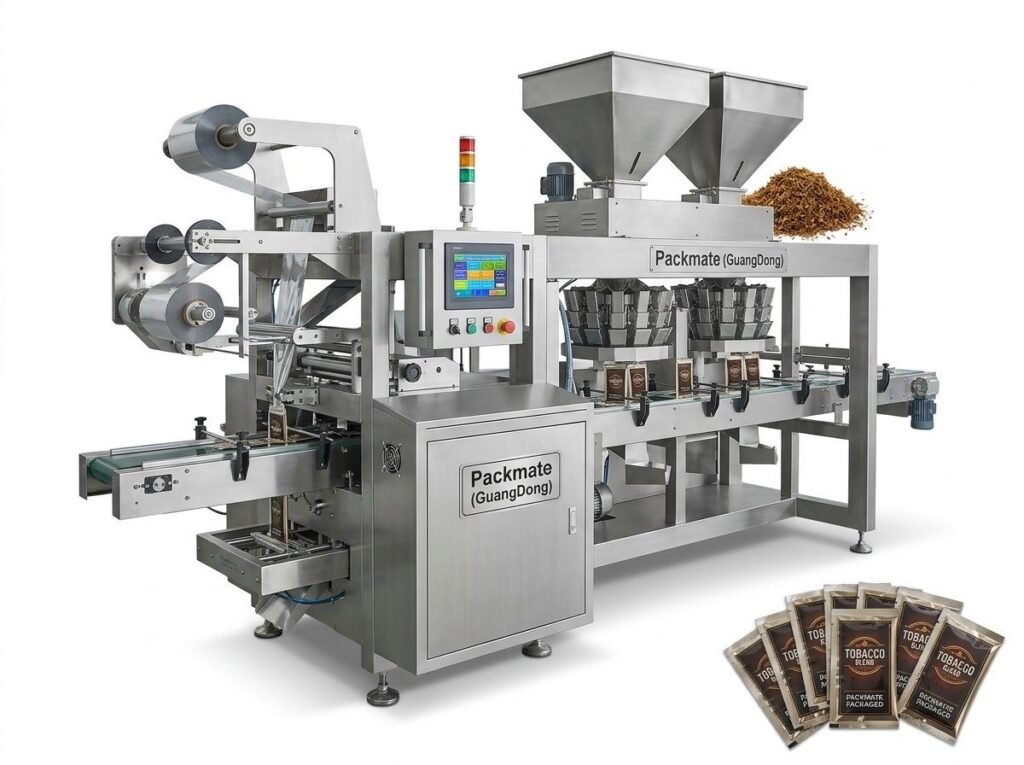
🔶 Sachet & Stick Pack Machines — Ideal for single-portion stick packs or sachets with high-speed sealing and accurate dosing.
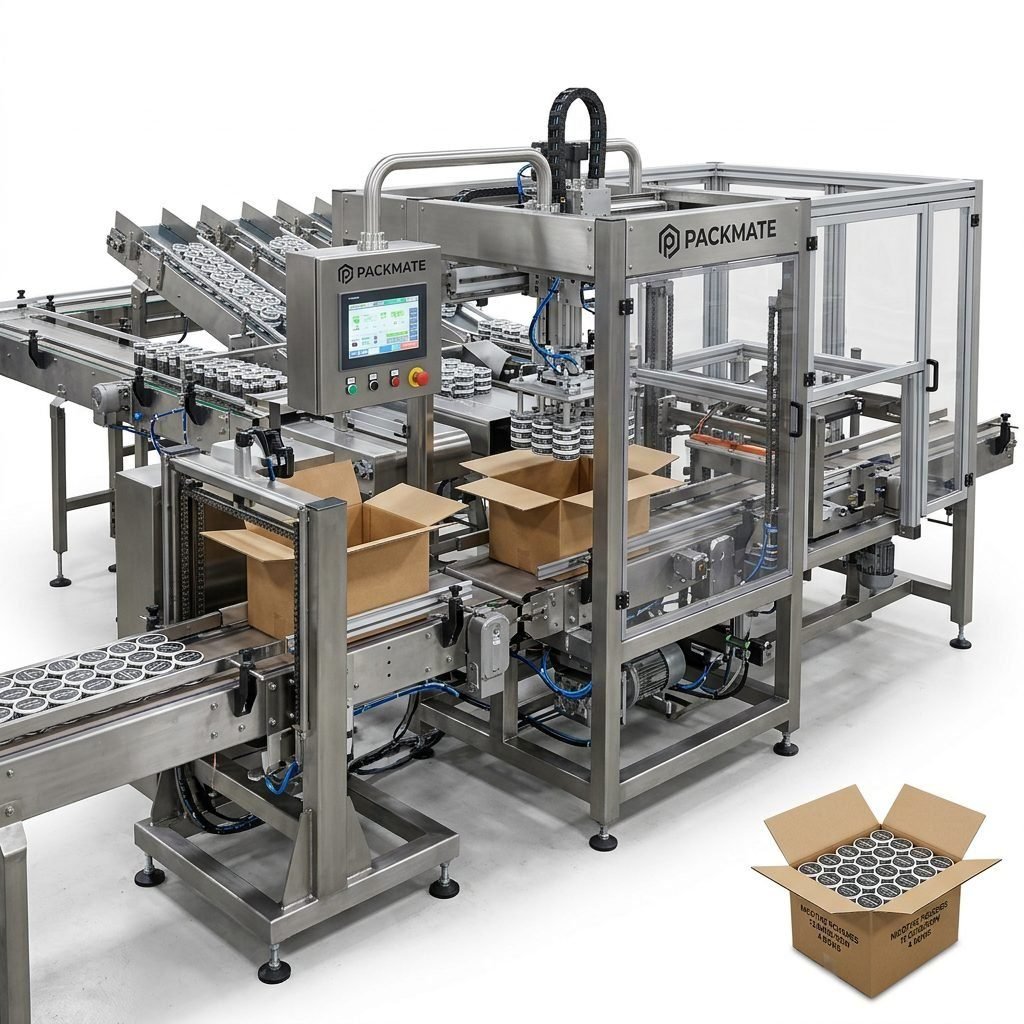
🔶 Filling & Packaging Lines — Integrated solutions that combine weighing, filling, and secondary packaging for turnkey production. For examples and equipment ranges, see Snus & Nicotine Packaging Machines and Filling & Packaging Lines.
Performance metrics: what to require from suppliers
Ask suppliers to provide measurable performance data:
- Design speed vs. recommended running speed (pieces/minute)
- Average Overall Equipment Effectiveness (OEE) based on similar installations
- Typical changeover times and tool-less changeover options
- Acceptable materials and tolerance ranges for pouch weight and seal integrity
Quick checklist ✅ — Request these documents during evaluation:
• Factory capacity and lead time estimates
• Machine test reports and video of your product on the line
• Spare parts list and recommended spares stock
• Maintenance schedule and training program details
Quality, certifications, and compliance
For North American operations, safety and quality systems matter. Suppliers who hold ISO and CE certificates show adherence to international standards (note: CE is not a North American regulatory mark but signals manufacturing quality). Also verify electrical standards compatibility, UL listings if required, and adherence to specific industry audits. Manufacturers should be familiar with labelling and product safety frameworks used by USFDA or Health Canada when relevant.
Factory & supplier capability: what to inspect
Arrange a virtual or in-person audit. Important points:
🔶 Production floor layout and testing cells — do they run pre-production tests with third-party products? About Packmate explains factory capabilities and equipment lines if you want an example of a mature production setup.
🔶 CNC capacity, assembly cleanliness, and quality control checkpoints — these reduce variability in machine builds and support consistent performance.
🔶 Spare parts logistics — are parts stocked near North America? Does the supplier maintain a recommended spare-parts kit for first-year operations?
Turnkey, customization and integration
Many buyers prefer turnkey solutions to reduce integration risk. A turnkey vendor manages conveying, weighing, primary packaging, secondary packaging, and labeling. Confirm responsibilities for PLC integration, data connectivity, and vendor-neutral HMI protocols. If you require unique pouch geometries or multi-lane dosing, check the supplier’s customization record and ask for case studies — see Case examples to review similar implementations.
Software and traceability
Prioritize machines that support batch traceability, digital alarm logs, and production reporting. These features simplify audits and continuous improvement projects. For export-oriented operations, ensure label printing supports variable data and multi-language output (English/Spanish/French if serving Canada).
Service, warranty and lifecycle costs
After-sales service is where many projects succeed or fail. Assess:
- Warranty length and what it covers (electronics, drives, wear parts)
- Response SLAs for on-site support vs. remote troubleshooting
- Training scope — operator + maintenance training days, and multilingual manuals
- Spare part lead-times and stocking options
Suppliers with a regional service network or partners in North America can dramatically reduce downtime. Consider a service contract for the first 12–24 months to stabilize production.
Service red flags ⚠️
• No local spare parts stock or long shipping times from overseas
• Vague troubleshooting support or pay-per-call pricing that becomes expensive
• No structured training plan or lack of bilingual documentation for North American teams
Total cost of ownership (TCO) approach
The purchase price is only part of TCO. Include these factors:
- Energy consumption and efficiency of drives
- Labor required per shift for operation and changeovers
- Mean time between failures (MTBF) and spare parts cost
- Resale value and modular upgrades to extend machine life
Use scenario modeling (conservative, expected, optimistic) to compare suppliers on a 5- to 10-year horizon.
Shipping, customs and regional logistics
North American buyers should plan for customs clearance, duties, and timing. Look for suppliers experienced with USMCA trade documentation and incoterms that match your risk profile. Suppliers who provide consolidated packing lists, electrical certifications, and freely communicate freight timelines remove surprises.
Factory acceptance test (FAT) and site acceptance test (SAT)
Insist on a FAT with your specific product or a product with similar viscosity/particle profile. A comprehensive FAT should include performance runs, changeovers, and integration tests. After installation, a SAT verifies performance in your environment — document acceptance criteria in the contract.
Negotiation & contract essentials
Include clear deliverables in contracts:
- Detailed scope: hardware, software, spares, training, and documentation
- Acceptance criteria for FAT and SAT
- Warranty period and escalation path
- IP ownership of custom tooling and software modifications
- Payment milestones tied to deliverables
References, exhibitions and industry presence
Visit trade shows and review references to validate supplier claims. Reputable vendors exhibit at international shows and publish case studies. For example, manufacturers often present at global events where you can see live demos and compare performance side-by-side. Learn more about exhibition presence and events through resources like Our Exhibition.
Why consider a supplier like Packmate for North America
Suppliers with decades of experience, a wide machine portfolio, and turnkey capabilities reduce procurement risk. A manufacturer that offers multi-lane snus systems, sachet and stick pack machines, and integrated filling solutions can streamline your line development. Explore product ranges and capabilities at Snus & Nicotine Packaging Machines, Sachet & Stick Pack Machines, and review their service offerings at Service.
Practical timeline for selection and deployment
Typical timeline from supplier short-list to production:
- Weeks 0–4: Requirement definition and supplier RFI
- Weeks 4–8: Technical Q&A, quotes, and virtual demos
- Weeks 8–12: Factory visits, FAT scheduling, and contract negotiation
- Months 4–7: Manufacturing and FAT
- Months 7–9: Shipment, customs, installation and SAT
Lead times vary by complexity, customization, and factory workload — plan buffer time for regulatory labeling updates or material trials.
Final procurement tips ✅
• Always request video evidence of your product running on the proposed machine configuration.
• Negotiate a clear spare-parts kit and first-year support package.
• Build a small pilot run to validate process windows before committing to full-scale production.
Next steps and how to contact suppliers
Start by collecting detailed specifications and product samples. Share them with selected vendors and request a formal proposal that includes FAT videos and reference sites. If you want to evaluate a proven partner with turnkey capabilities and experience in nicotine pouch lines, review the factory profile and contact pages at About Packmate and Contact Us.
Summary — what matters most
In North America, prioritize uptime, service responsiveness, documentation in local languages, and suppliers who understand regulatory and market nuances. A strong supplier will offer a clear path from FAT to SAT, local support options, and a realistic TCO model. Use the checklists in this guide to compare proposals objectively and reduce procurement risk.
Frequently Asked Questions
Q: How long does it typically take to get a snus packing line installed and running in North America?
A: From contract signature to SAT, expect roughly 6–9 months for standard configurations; customized lines may require longer. Early FAT validation shortens on-site commissioning time.
Q: What regulatory considerations should US and Canadian buyers check before purchasing?
A: Ensure the supplier can support variable labeling, traceability, and can provide documentation to assist with USFDA or Health Canada reviews when applicable. Verify electrical and safety certifications for import and local installation.
Q: Are multi-lane systems a good investment for small-dose nicotine pouches?
A: Yes — multi-lane systems increase throughput while keeping the per-unit footprint efficient. They are especially valuable when scaling product lines or managing seasonal demand.
Q: What level of spare-parts inventory is recommended when starting production?
A: Maintain a first-year spare-parts kit covering wear parts, critical sensors, and a few PLC or drive components. Coordinate stocking with your supplier for regional distribution.
Q: How can I validate a supplier’s performance claims remotely?
A: Request FAT videos using your product or a closely matched sample, ask for references, and review documented OEE or performance logs from existing installations.