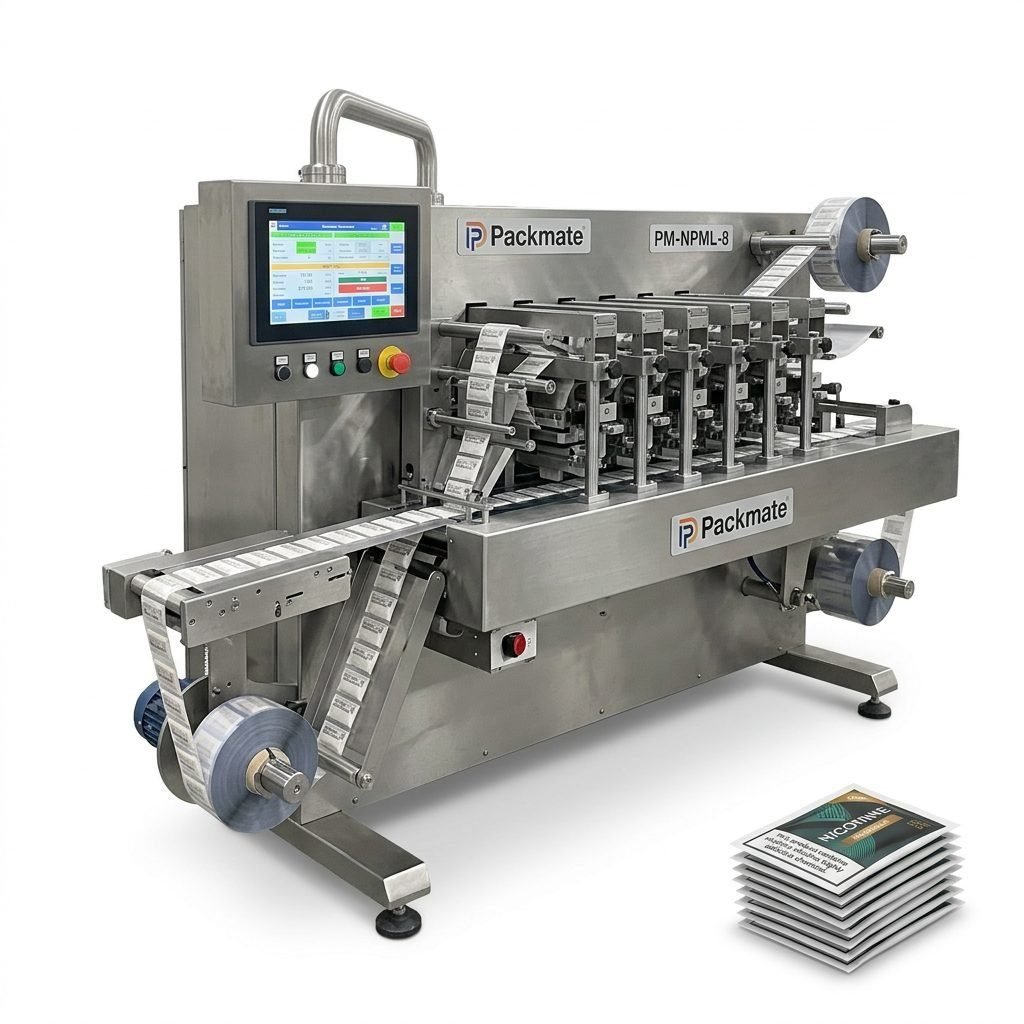
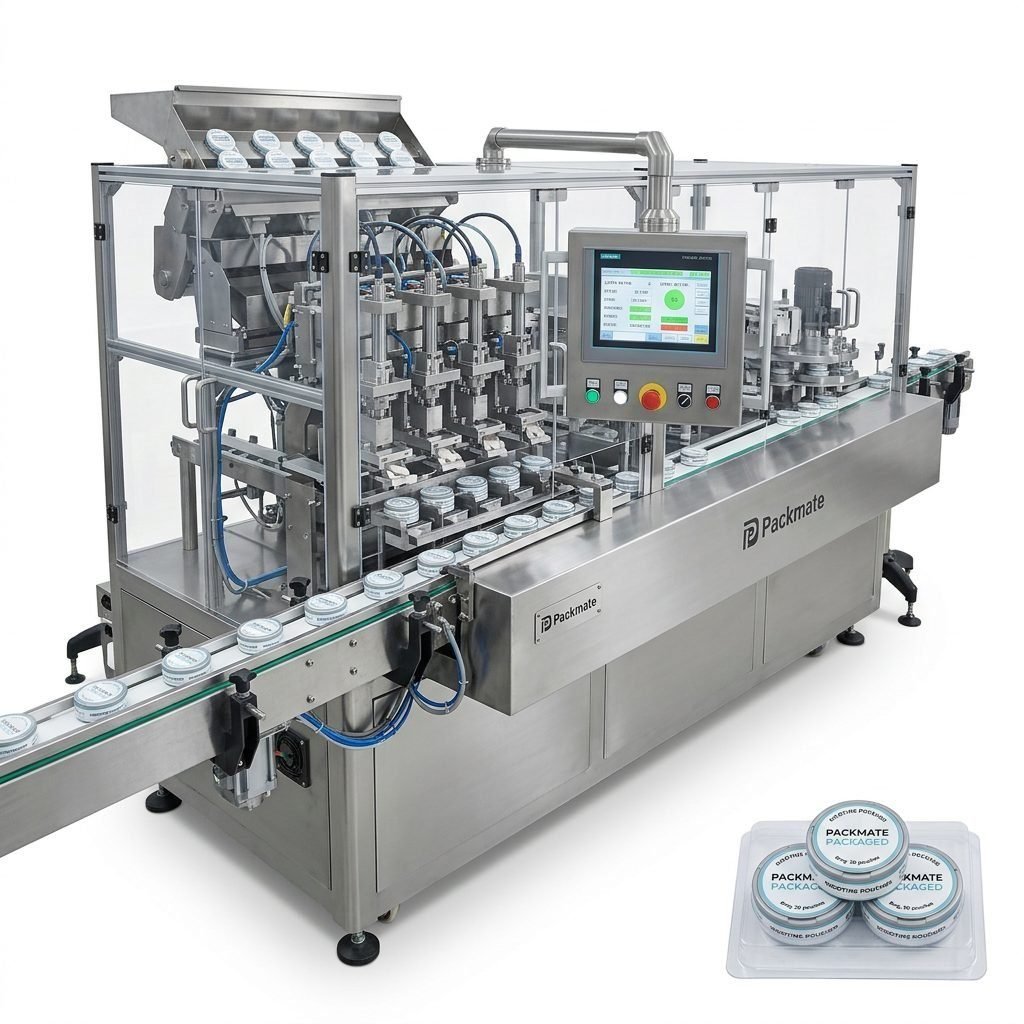
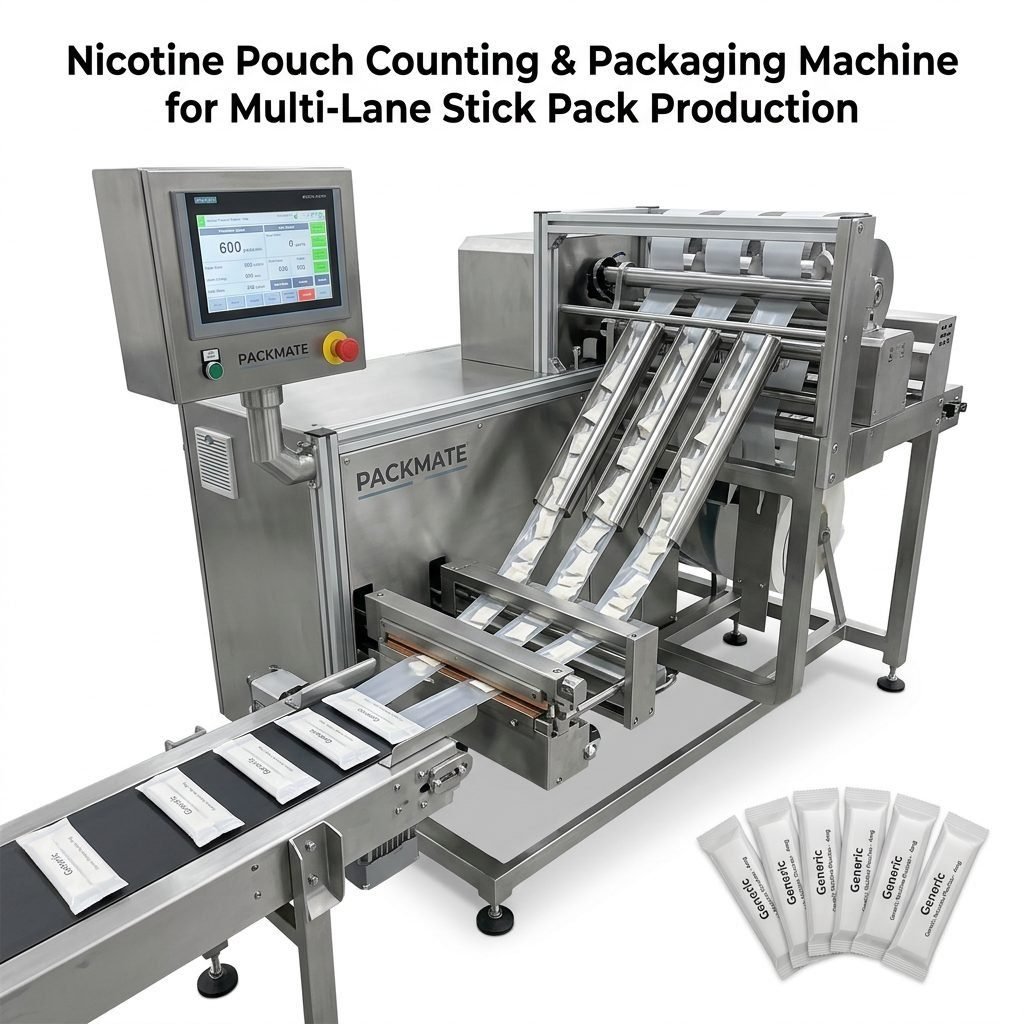
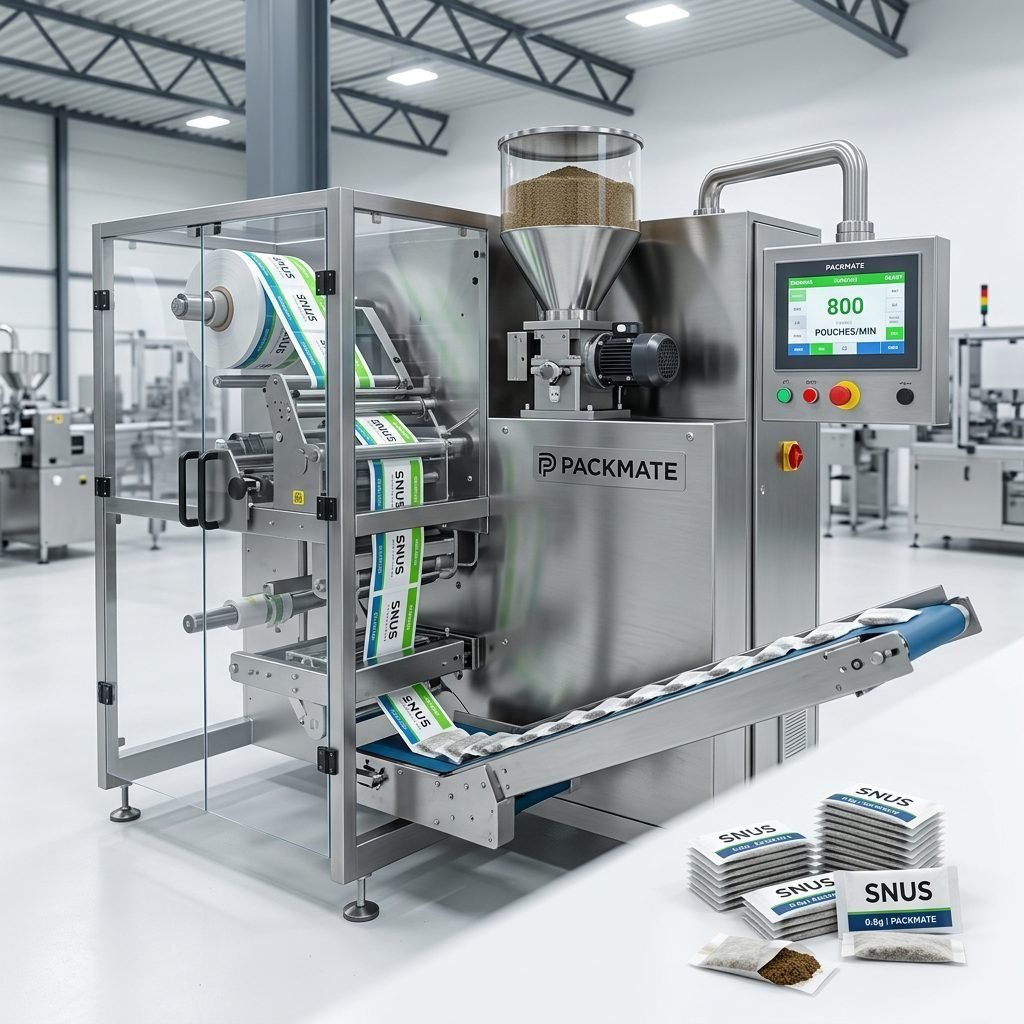
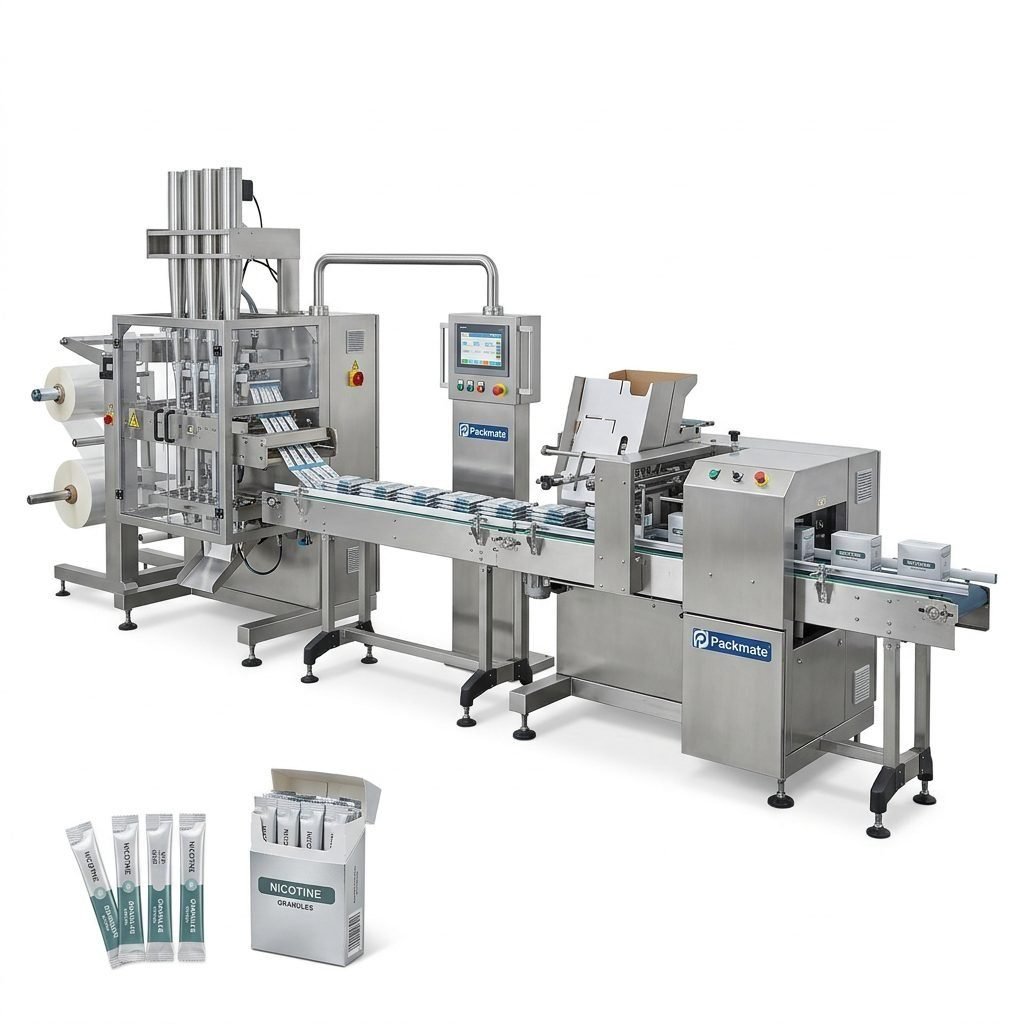
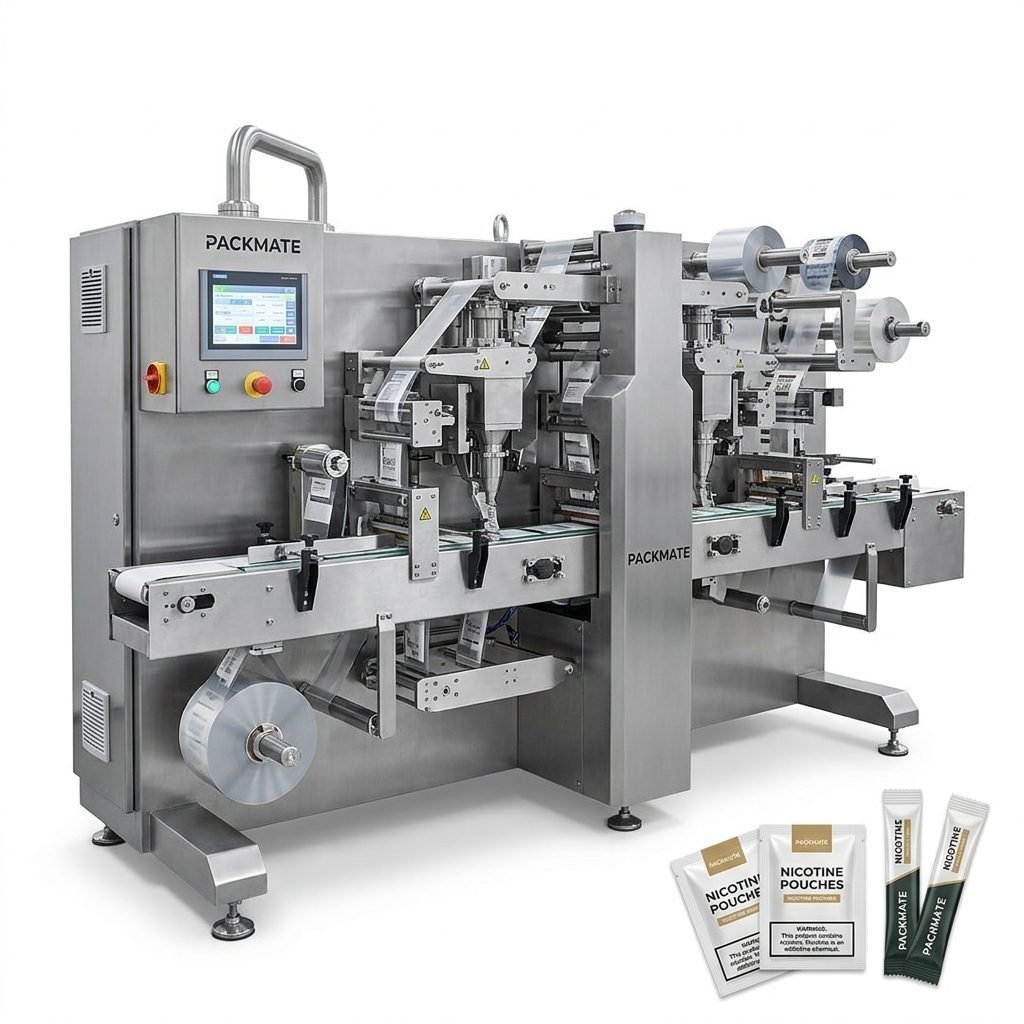
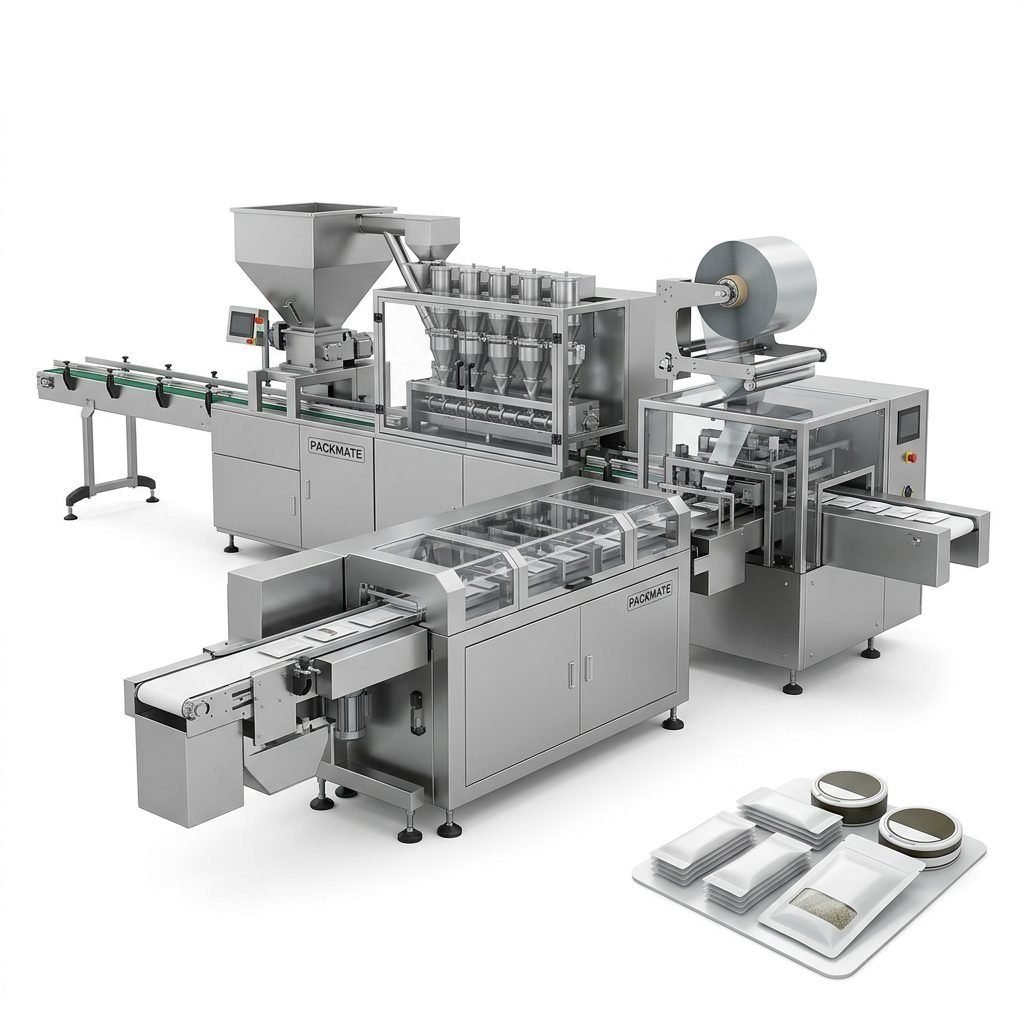
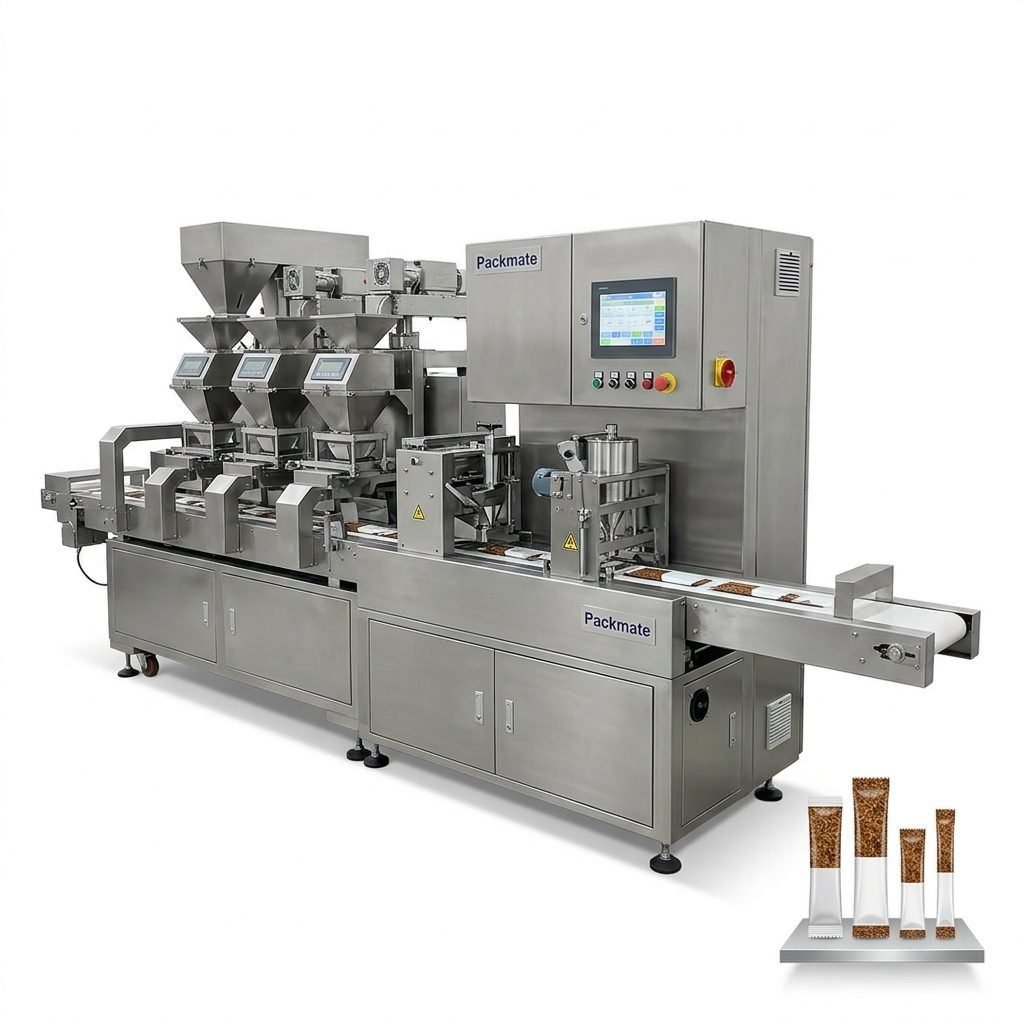
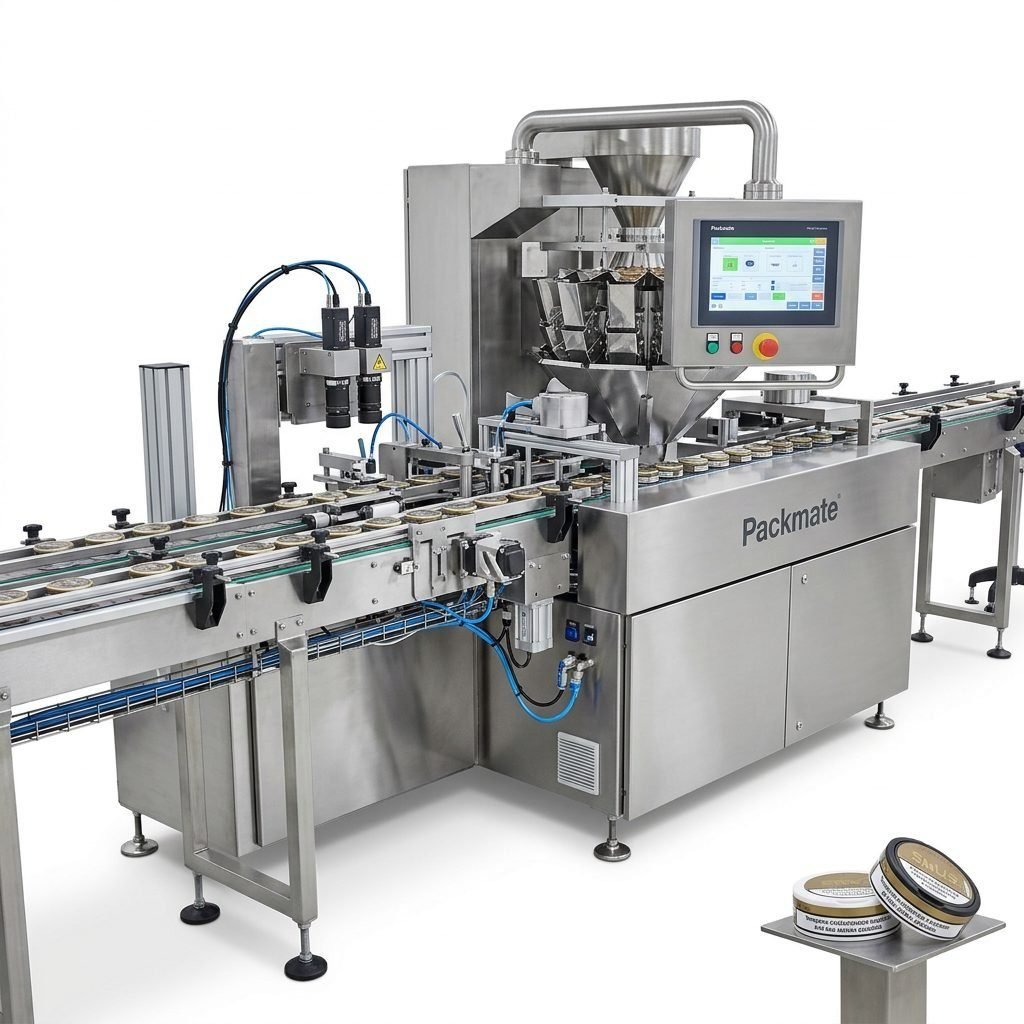
Choosing the right supplier for nicotine pouch and snus packaging machinery in Switzerland requires a balance of precision engineering, strict regulatory compliance, and long-term service reliability. In the Swiss market — where quality, punctuality, and environmental responsibility are highly valued — your machinery partner must deliver not only high-performance equipment but also tailored support for multilingual production lines and sustainability initiatives. This guide walks you through practical criteria, decision checkpoints, and local considerations that will help you select the best supplier for your operations.
Understand the Swiss Market Context
Switzerland’s tobacco and nicotine product landscape is unique. Manufacturers often serve multilingual consumers (German, French, Italian), strict cantonal regulations, and high expectations for product safety and sustainability. Swiss buyers prioritize:
Key Swiss priorities: precision engineering, clear CE/ISO/compliance documentation, energy-efficient solutions, compact floor layouts for smaller production sites, and reliable local or regional after-sales support.
Why supplier selection matters in Switzerland
Selecting the right supplier reduces downtime, ensures compliance with local product labeling and safety rules, and supports sustainability goals. Swiss customers also value punctual delivery and precise installation planning to minimize disruptions during integration into existing lines.
Technical Capabilities: What to Inspect
Evaluate suppliers by their product range and engineering depth. For nicotine pouch or snus packaging, focus on machine accuracy, throughput options, and flexibility for small-dose formats and multi-lane systems.
Look for:
high-performance multi-lane systems, stick pack and sachet options, modular designs for future upgrades, and robust filling/further packaging integration.
Checklist: technical questions to ask
– What are the machine’s tolerance and error rates for small-dose nicotine pouches?
– Can the machine handle multi-lane production to increase output without expanding floor footprint?
– How modular is the design for converting between pouch sizes and formats?
– Are automatic weight-check and rejection systems available and calibrated for your target specs?
Quality, Certification, and Regulatory Compliance
In Switzerland, adherence to international and European standards is often required by customers and regulators. ISO and CE certifications, traceable component sourcing, and documented quality systems are non-negotiable. Request evidence and recent certificates.
Packmate Snus Machine, for example, emphasizes global compliance by offering equipment that meets CE and ISO requirements, which can simplify your acceptance testing and regulatory filings.
Documentation to request
– CE declarations, ISO certificates, and recent inspection reports.
– Machine test reports and calibration certificates for weighing systems.
– Material and contact-surface documentation to verify pharmaceutical/food-grade components.
After-Sales Service, Spare Parts, and Local Support
Swiss operations often value a supplier’s regional presence or local agents. Consider lead times for spare parts, availability of technicians, remote diagnostics, and training options in the local language(s).
Must-have after-sales attributes:
spare parts inventory planning, remote monitoring, multilingual service manuals, and scheduled maintenance contracts.
Tips for Swiss buyers
– Negotiate clear SLAs for response times.
– Ask for local training sessions or certified technicians in Switzerland or nearby EU countries.
– Ensure spare parts lists include part numbers and approximate delivery windows.
Customization, Turnkey Solutions, and Production Integration
Many Swiss manufacturers require customized solutions — compact lines, special cleaning procedures, or specific packaging aesthetics. A trustworthy supplier will offer turnkey solutions, including upstream weighing systems and downstream case packaging.
Packmate’s portfolio covers complete production lines from filling to final packaging, including weighing & packaging systems and filling & packaging lines, which can simplify integration and vendor coordination.
Integration checklist
– Confirm electrical and utility requirements for Swiss plants (voltage, phase, air, and water).
– Validate floor loading, footprint, and access for installation.
– Coordinate software protocols and PLC interfaces for Industry 4.0 readiness.
Financial Considerations: Total Cost of Ownership
Don’t focus only on purchase price. Consider lifecycle costs: energy consumption, changeover time, maintenance frequency, and spare parts pricing. In Switzerland, higher initial investment in energy-efficient or modular equipment often yields lower operating costs and faster ROI.
TCO factors to compare:
energy use, maintenance intervals, spare parts availability, training needs, and resale/residual value.
Factory Strength and Track Record
A supplier’s manufacturing capability and history indicate their ability to deliver consistent, high-quality machines. Look for companies with established factories, advanced CNC centers, and documented case studies.
For instance, Packmate highlights over 30 years of industry experience, a 20,000㎡ factory with advanced CNC and assembly systems, and a history of providing turnkey solutions and multi-lane systems — important signals of manufacturing depth and repeatable quality. You can review their examples and project references in the case studies.
Factory visit: what to look for
– Clean and organized assembly lines.
– Demonstration machines and live testing facilities.
– Quality control stations and CNC/precision machining capabilities.
– Documentation and traceability practices.
Supplier Transparency and Communication
Transparent suppliers provide clear timelines, milestone-based payments, and open communication channels. Swiss customers especially appreciate punctual updates and detailed project plans in multiple languages when necessary.
Good suppliers will share a documented project timeline from order confirmation to FAT (Factory Acceptance Test), shipping, installation, and SAT (Site Acceptance Test). If you need more information, check the supplier’s profile and mission statements such as on their About Packmate page.
Sustainability and Waste Management
Switzerland places strong emphasis on environmental standards. Ask suppliers about energy-saving modes, recyclable materials, and design choices that minimize product waste during changeovers. This can help with both compliance and brand reputation in eco-aware markets.
Practical green features to request
– Low-energy drives and efficient motors.
– Automated purge/reject strategies to reduce wastage.
– Material choices that support recycling or easier disposal.
Visiting Exhibitions and Live Demos
Attend industry exhibitions to see machines in action and talk to engineers. Suppliers often showcase the latest features and real-world demonstrations — valuable for validating performance claims. Packmate regularly participates in global exhibitions; details can be found on their exhibition page.
Final Selection Framework
Narrow your supplier shortlist using a weighted matrix that covers: technical fit, certification, after-sales support, TCO, factory capability, and cultural fit with Swiss business expectations.
Scoring tip:
assign higher weights to regulatory compliance and local service for Switzerland, then score suppliers to pick the best overall partner.
Negotiating the contract
Include clear acceptance criteria, warranty terms, spare parts supply agreements, training schedules, and penalties for delayed delivery. Ensure the contract specifies documentation language needs and FAT/SAT procedures.
Why Packmate Might Be a Fit for Swiss Buyers
Packmate Snus Machine combines decades of R&D, multiple machine models including multi-lane snus and nicotine packaging systems, and full turnkey capabilities. Their manufacturing footprint, advanced CNC centers, and global case history make them a candidate worth evaluating for Swiss firms seeking reliable partners.
Explore Packmate’s portfolio of Snus & Nicotine Packaging Machines and additional product lines such as sachet & stick pack machines to see whether their designs match your production needs.
Practical Next Steps for Swiss Buyers
1) Create a prioritized requirement list (capacity, formats, footprint, energy limits).
2) Request technical proposals and FAT schedules from 2–4 shortlisted suppliers.
3) Visit at least one factory or attend an exhibition demo.
4) Negotiate clear service-level agreements and local support options.
5) Plan installation with precise scheduling to avoid production downtime.
Quick decision checklist:
certifications verified, FAT dates set, spare parts lead times confirmed, local training arranged, and energy/space constraints validated.
Conclusion
Choosing the best nicotine packaging machinery supplier for Switzerland means prioritizing regulatory compliance, precision engineering, robust after-sales service, and sustainability. Suppliers with documented factory strength, turnkey capabilities, and a clear record of international cooperation will reduce risk and accelerate time-to-market for your snus or nicotine pouch products.
Frequently Asked Questions
Q1: How important are CE and ISO certificates for machines used in Switzerland?
A1: Very important — CE and ISO certificates demonstrate compliance with international standards and simplify regulatory acceptance across Swiss cantons.
Q2: Should I prefer a local service partner or the original manufacturer for maintenance?
A2: A combination is best: an original manufacturer for complex technical issues and training, and a local partner for rapid on-site response and routine maintenance.
Q3: What is the typical lead time for multi-lane snus packaging machines?
A3: Lead times vary by complexity and customization; established manufacturers with large factories often provide realistic schedules during RFQ and may offer expedited options.
Q4: Can suppliers help with FAT and SAT planning for Swiss installations?
A4: Yes, reputable suppliers run FAT at their facility and provide SAT procedures, training, and checklists for smooth local commissioning.
Q5: Where can I get more details or request a quote?
A5: Visit the supplier’s contact page to request technical brochures, factory visit arrangements, and quotation details: Contact Us.