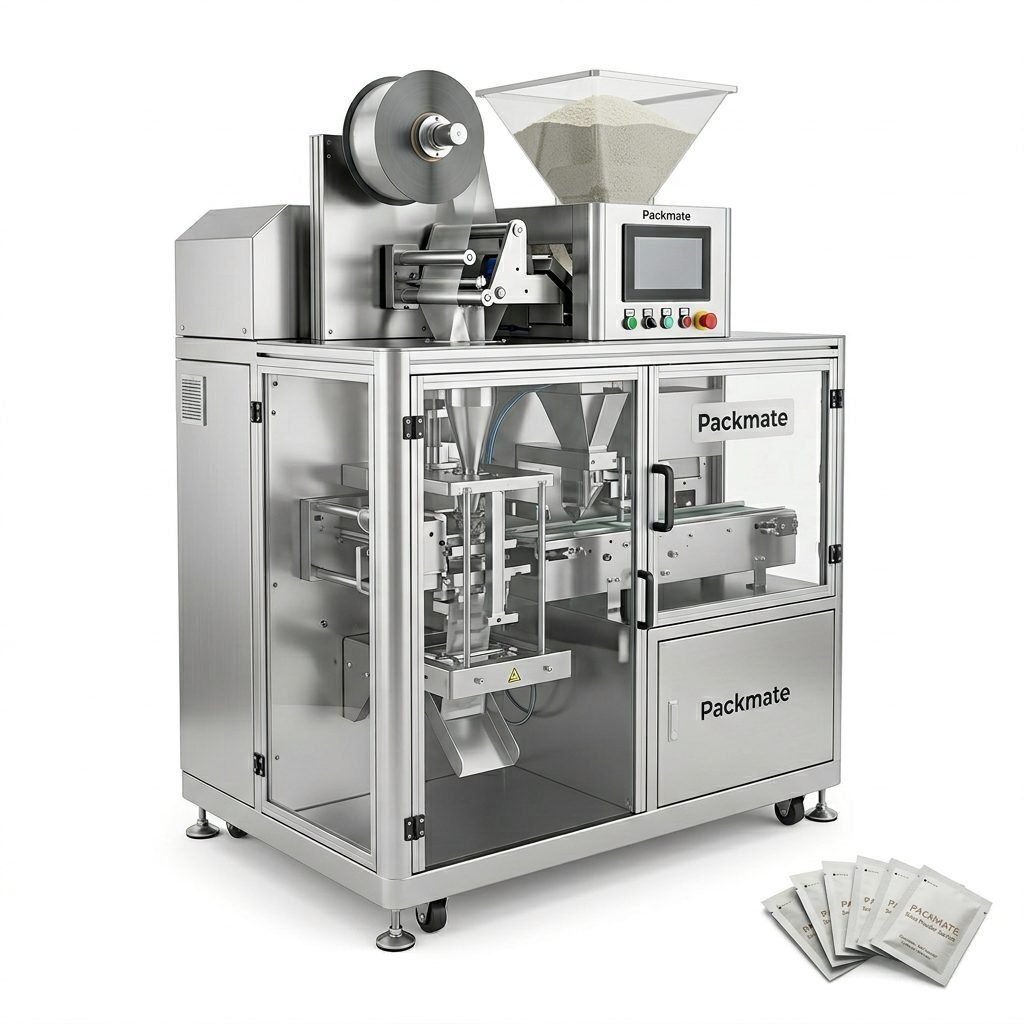
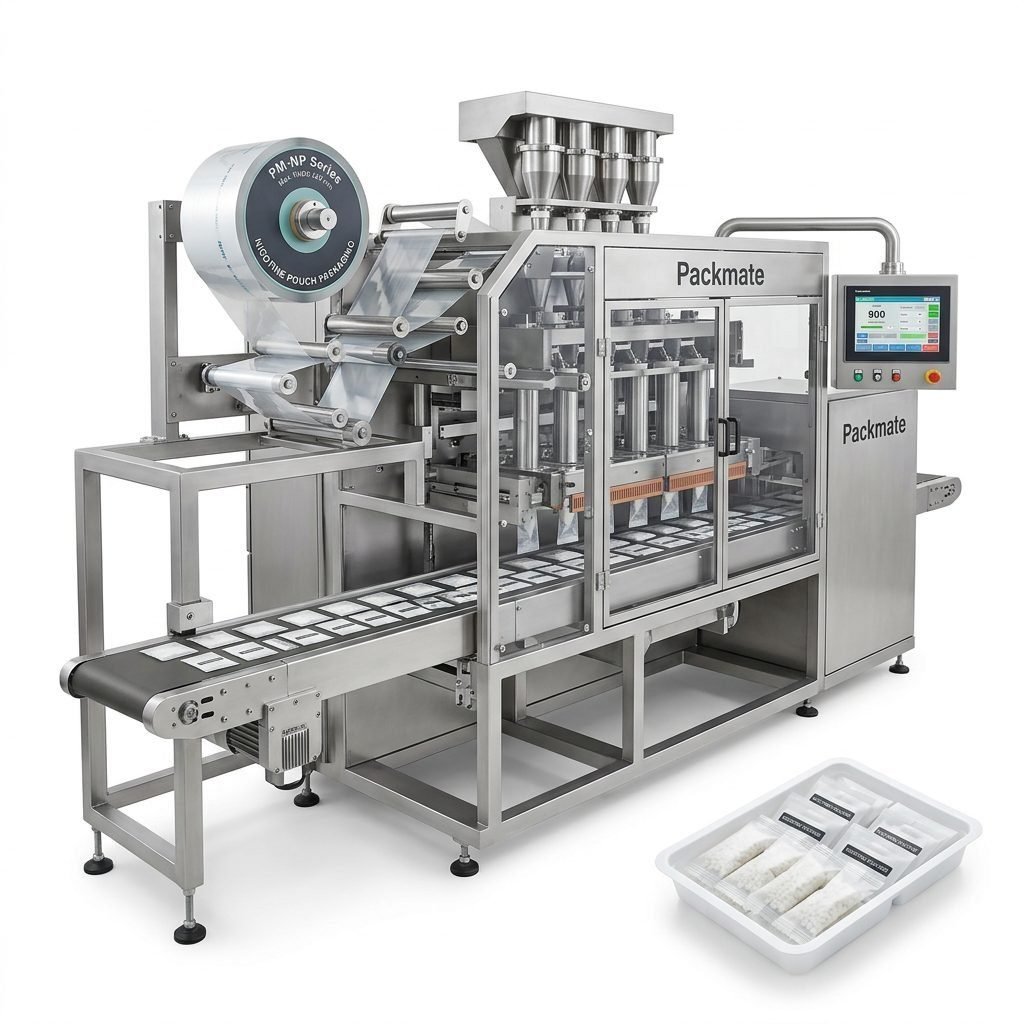
Nicotine pouch packing requires precision, regulatory awareness, and scalable automation. This guide explains how to build an efficient, compliant and automated packing line for nicotine pouches and snus products — covering machine choices, integration options, quality controls, factory layout tips, and maintenance strategies to keep throughput high and downtime low.
Why a Specialized Nicotine Pouch Packing Solution Matters
Nicotine pouches are small-dose consumer products that demand consistent fill weight, tamper-evident packaging, and precise pouch sealing. A general-purpose packaging machine may not meet these needs. A tailored solution reduces waste, protects product integrity, and simplifies regulatory compliance. Key outcomes of a specialized line include higher first-pass yield, predictable OEE (Overall Equipment Effectiveness), and improved consumer experience.
Core Benefits
Improved accuracy — meter feeds and multi-lane dosing systems keep dose variation minimal. Regulatory alignment — hygienic designs and validated processes help meet international standards. Scalability — modular machines allow capacity to grow with demand.
Key Components of a Complete Packing Line
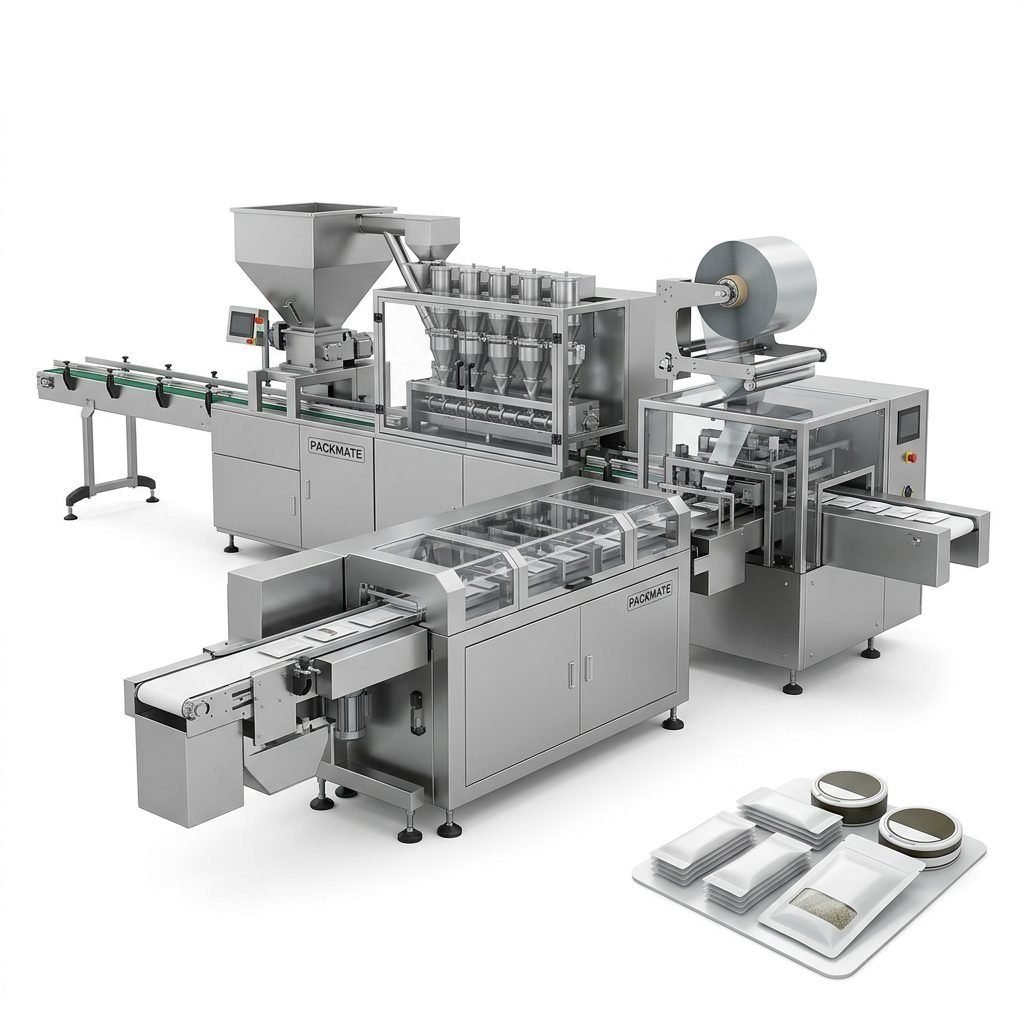
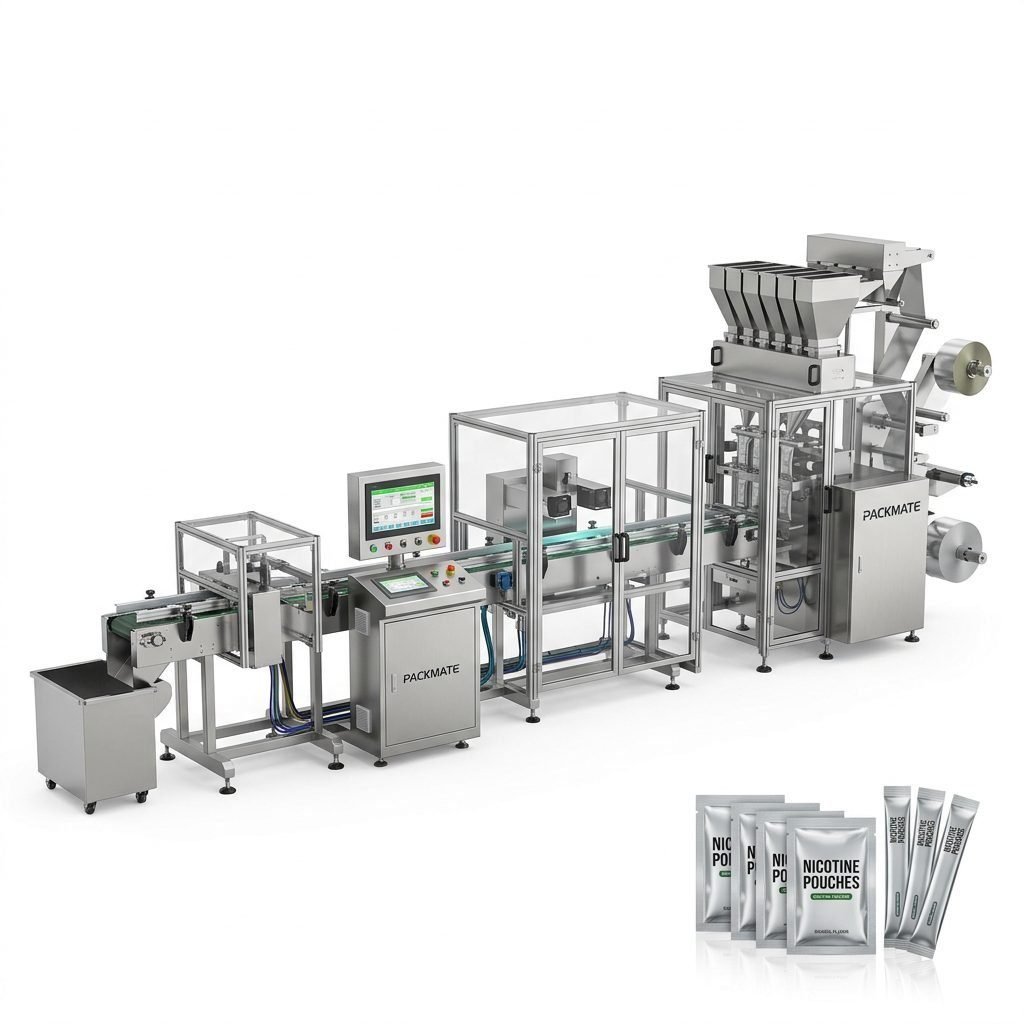
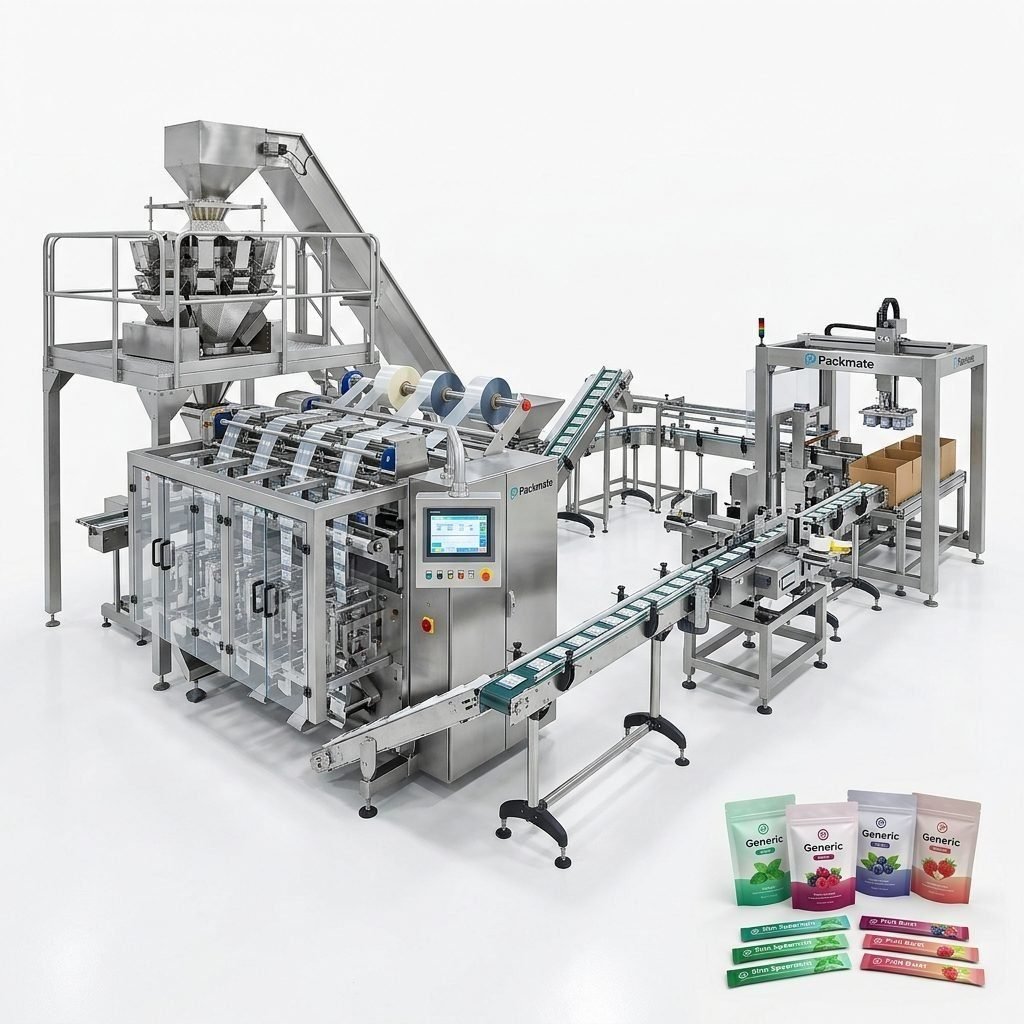
A complete nicotine pouch packaging line integrates multiple systems. Each component has a specific role and must be selected and configured to work seamlessly in the line.
Primary Machines
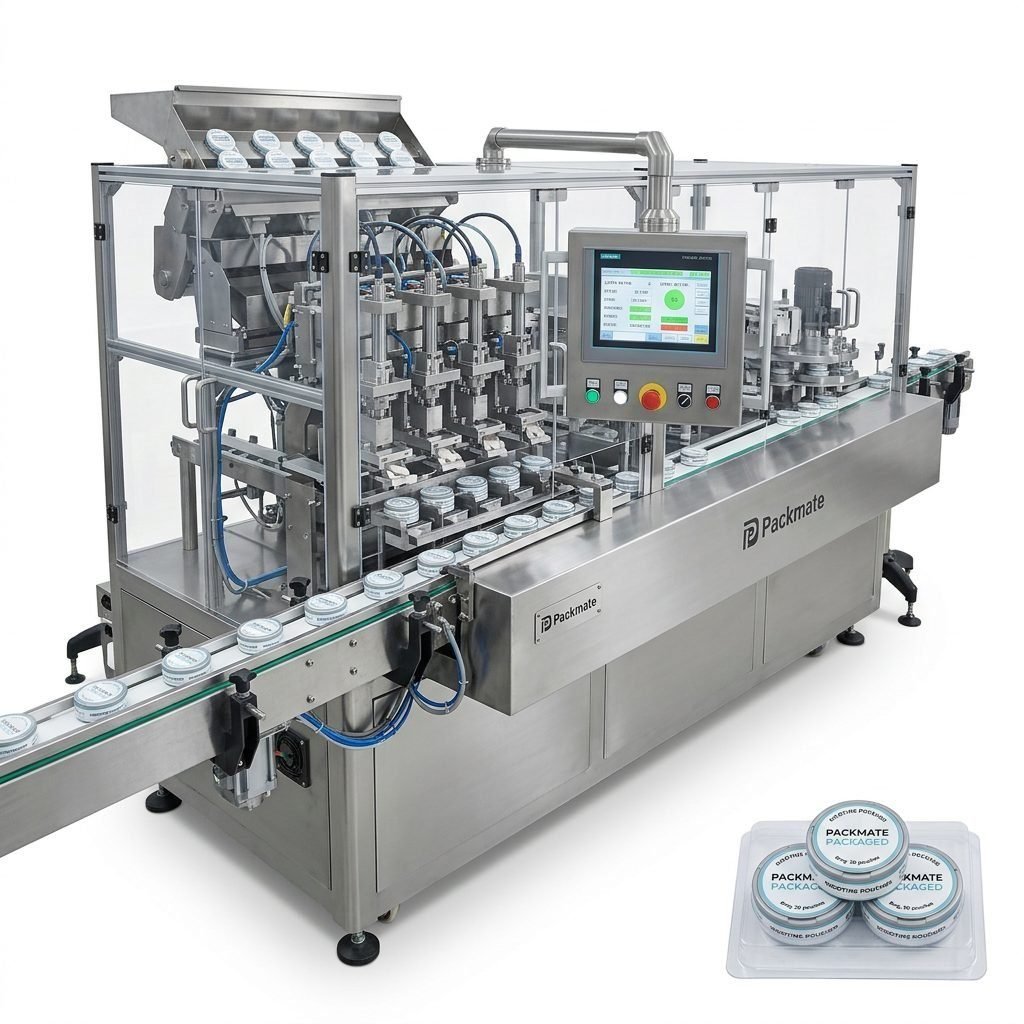
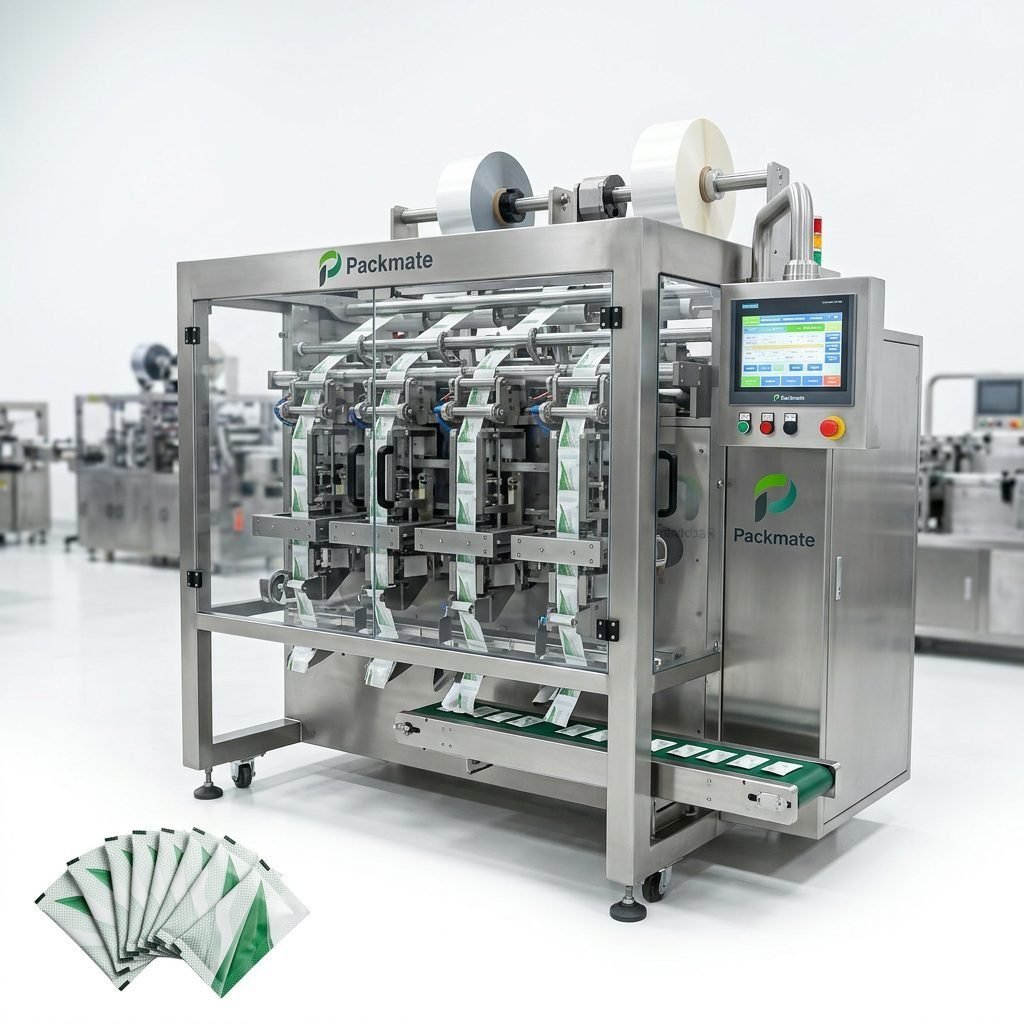
– Pouch forming and sealing machine (vertical or multi-lane horizontal systems) — provides pouch shaping, filling and sealing in one unit. See specialized models for snus and nicotine packaging: Snus & Nicotine Packaging Machines.
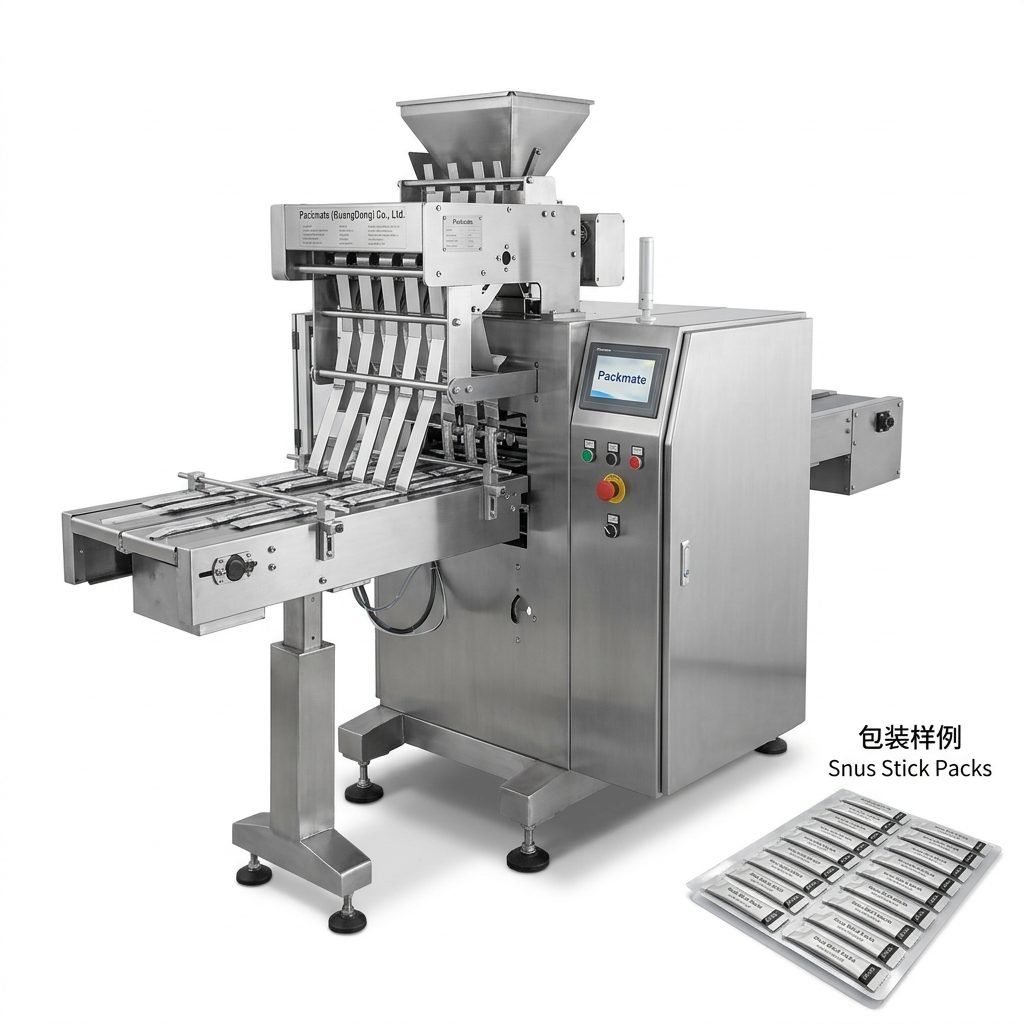
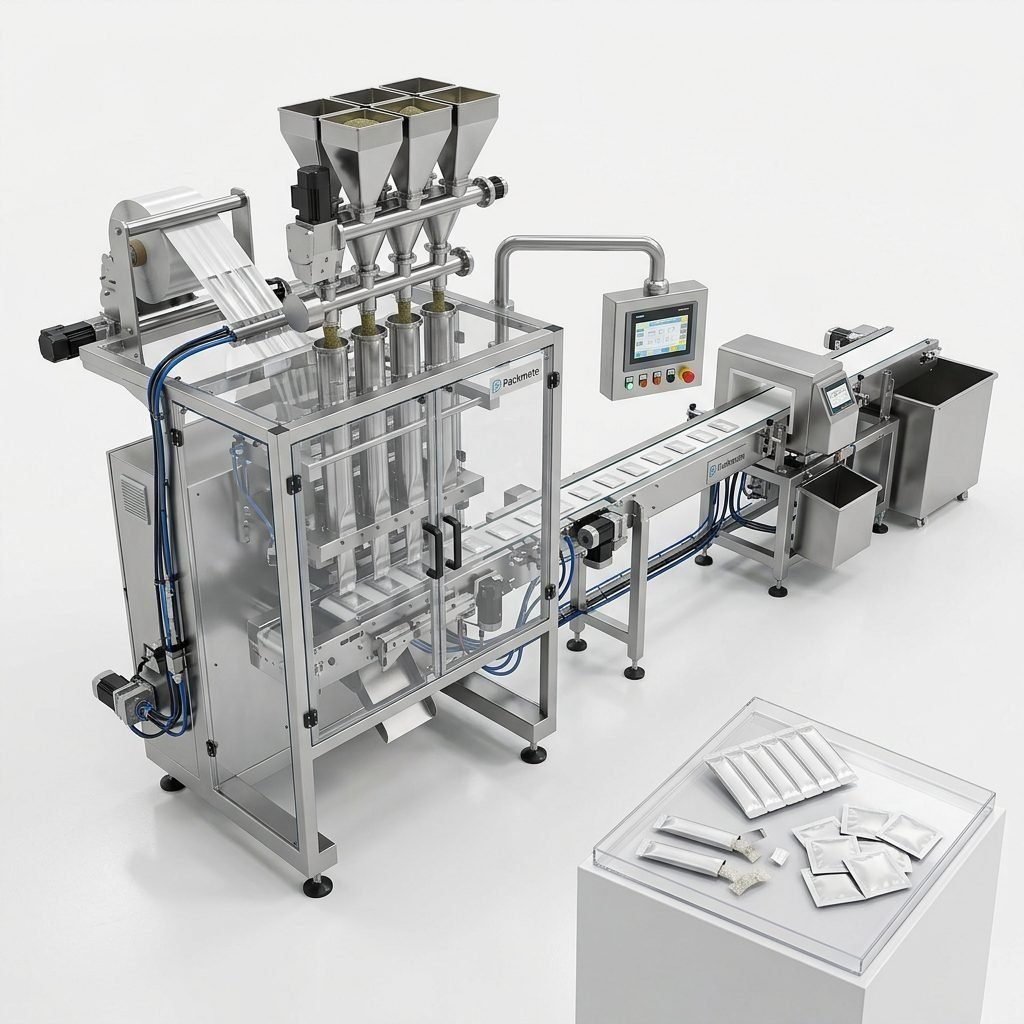
– Sachet and stick pack machines — suitable for single-dose or stick formats where consumer convenience matters: Sachet & Stick Pack Machines.
– Multi-lane pouch lines — increase throughput by producing many lanes simultaneously; ideal for small-dose high-volume production.
Auxiliary Systems
– Dosing and weighing equipment to ensure accurate fill (gravimetric or volumetric), often paired with Weighing & Packaging Systems for in-line verification.
– Feeding, orientation and belt conveyors for smooth transfer between operations.
– Metal detection and X-ray inspection for product safety.
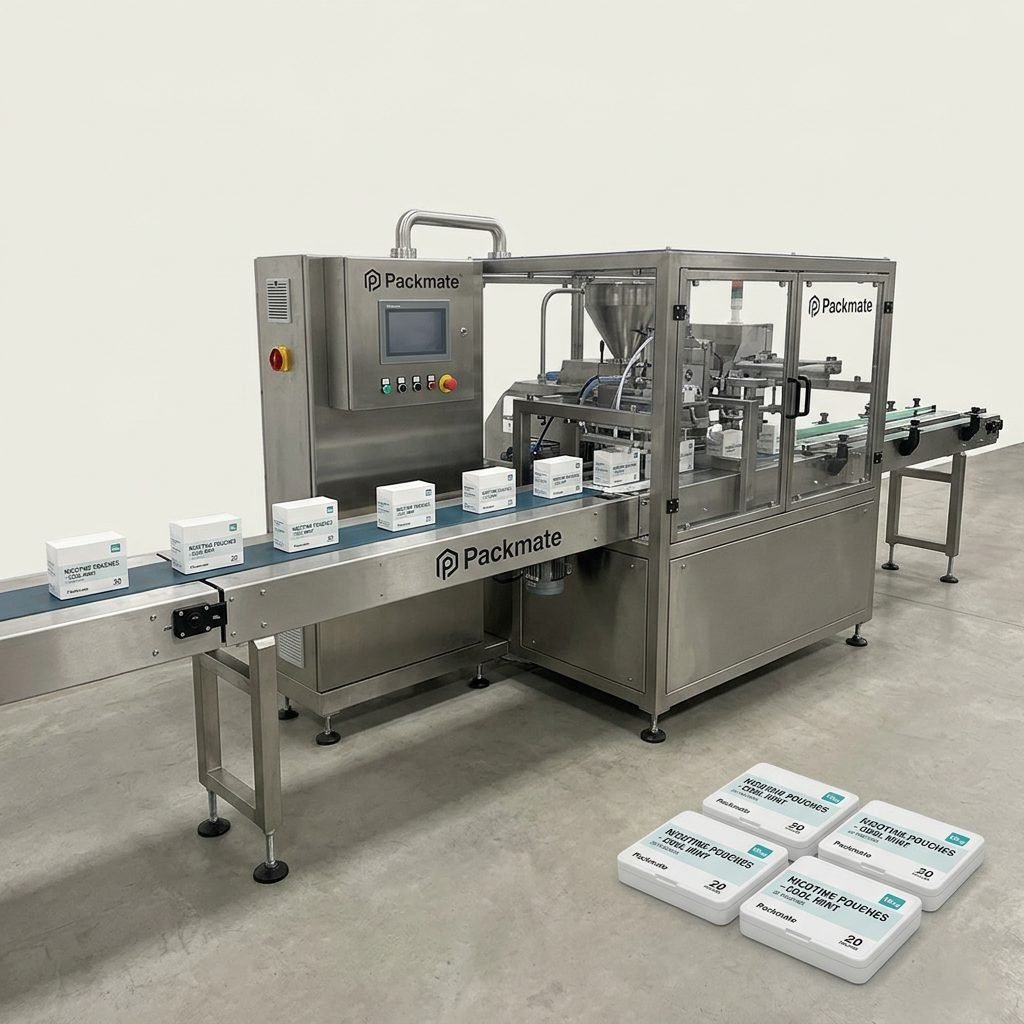
– Secondary packaging systems (cartoning, case packing) and end-of-line automation for palletizing.
Critical Integration Points (highlight)
🔧 Communication interfaces: PLC, OPC-UA or Ethernet/IP connections must be specified early so scales and fillers report status and alarms to the line controller.
⚙️ Indexing synchronization: Multi-lane machines require precise indexing to avoid cross-lane misfeeds and ensure simultaneous sealing.
🔒 Traceability: Batch codes, date stamps and serialization should be integrated into the filling or sealing station for full traceability.
Design Considerations for Efficiency and Compliance
Begin with a clear product specification: pouch type, target throughput, target lane count, product consistency, and regulatory labeling needs. From there, choose equipment with hygienic construction, easy-clean features, and reachable components for maintenance. Consider dust control for powders and atomizers for liquids.
Hygiene, Materials, and Guards
Machines should use FDA/food-grade contact materials for product paths, and stainless steel (304/316) for frames. Guards must be interlocked and easy to remove for cleaning. A validated cleaning protocol shortens purge times when switching SKUs.
Regulatory & Safety Requirements
Nicotine products fall under strict regulations in many jurisdictions. Ensure equipment documentation supports CE or ISO certification, and request risk assessments, IQ/OQ/PQ packages, and FAT reports. For supplier verification, review the manufacturer’s certificates: Certificate.
Optimizing Line Performance — Practical Tips
Performance depends on operator skill, machine reliability, and process control. Focus on predictable changeovers, robust spare parts inventory, and real-time OEE monitoring. Use the following tactics to raise throughput and reduce losses.
- Standardize changeover kits and quick-change tooling to reduce format change time.
- Use predictive maintenance: monitor vibration, motor current and cycle counts to plan interventions before failures occur.
- Implement automatic weight checks and in-line rejection to limit rework and ensure compliance.
- Train a core team in mechanical, electrical and PLC troubleshooting to reduce MTTR (Mean Time To Repair).
Case Example
A mid-size manufacturer switched from single-lane stick-packers to a multi-lane nicotine pouch line and cut production time by 60% while reducing scrap by 30%. The integrated weighing system and in-line inspection caught underfilled pouches early, lowering customer returns.
Planning Your Turnkey Project
Turnkey packaging solutions require upstream planning: utilities, floor loading, HVAC for dust control, and operator zones. Engage suppliers early for site surveys and FAT (Factory Acceptance Test) planning. Packmate Snus Machine and similar manufacturers often provide modular turnkey options that include installation and operator training — review their service offerings: Service.
Project Timeline & Milestones
– Phase 1: Requirements and process definition (2–4 weeks)
– Phase 2: Design, equipment selection and procurement (6–12 weeks)
– Phase 3: Factory Acceptance Testing (1–2 weeks)
– Phase 4: Installation, IQ/OQ, validation and training (2–6 weeks)
– Phase 5: Ramp-up and optimization (4–12 weeks)
Supplier Selection Checklist
📦 Experience: Look for vendors with domain expertise in snus and nicotine pouch lines and a track record across global markets.
🛠️ After-sales support: Confirm spare-part availability, remote support capabilities, and training programs.
📄 Documentation: Ensure the supplier provides FAT reports, CE/ISO certificates, and qualification packages.
Factory & Manufacturing Strength — What to Expect from a Reputable Manufacturer
A reliable supplier should show transparent manufacturing capability: CNC machining centers, precision assembly lines, and rigorous QC. Look for factory tours and demonstrations at exhibitions — review their presence and past exhibitions for confidence: Our Exhibition.
Documentation & Certification
Verified CE or ISO compliance, combined with test reports and client case studies, helps validate manufacturing claims. Request reference installations and production metrics from existing global customers when evaluating vendors: Case.
Maintenance, Training and Long-term Support
Planned maintenance is essential for nicotine pouch lines. Establish a yearly service plan, keep critical spares on site, and invest in operator training courses to maintain stable output. Remote diagnostics and spare-part kits accelerate recovery from faults.
Spare Parts & Consumables
Identify high-wear parts (seals, dies, belts, sensors) and stock them. A supplier who provides fast replacement parts and clear part numbers reduces downtime risks.
Quick Start Checklist (use before purchase)
✔ Define SKU list, pouch format and target throughput.
✔ Map facility utilities and floor plan; confirm power, compressed air and exhaust requirements.
✔ Request FAT, IQ/OQ and warranty terms.
✔ Confirm after-sales response times and remote support capabilities.
✔ Inspect supplier certificates and client references.
Cost Drivers and ROI Considerations
Initial capital for a high-speed multi-lane pouch line can be significant, but ROI is realized through lower unit labor costs, reduced scrap and higher throughput. Consider lifecycle costs: energy use, spare parts, consumables, and validation activities. Factor in potential regulatory costs for labeling and serialization features.
Financing & Total Cost of Ownership
Leasing, vendor financing, or phased upgrades can reduce upfront burden. Always model total cost of ownership over 5 years to capture maintenance and upgrade expenses.
Getting Started — Practical Next Steps
Start with a discovery call to clarify product specs and site constraints. Request a proposal that includes line layout, utility needs, FAT schedule and training. Many suppliers offer modular pilot systems to validate product handling before committing to full-scale equipment — ask about pilot testing when you contact vendors: Contact Us.
Supplier Resources
Review vendor catalogs and product pages for machine options: Bag & Pouch Packaging Machines and Filling & Packaging Lines often provide complementary equipment.
Final Recommendations
– Choose multi-lane solutions for high-volume small-dose pouches.
– Prioritize hygienic design and easy access for maintenance.
– Ensure supplier provides full validation documentation and after-sales support.
– Pilot test new formats before full production rollout.
Frequently Asked Questions
1. What machine types suit nicotine pouches best?
A: Multi-lane pouch machines and specialized snus packers are ideal; for single-dose stick formats, sachet & stick pack machines work well. See product options on the manufacturer’s pages for specifics.
2. How do I ensure regulatory compliance for nicotine products?
A: Work with a supplier that provides CE/ISO documentation, IQ/OQ packages, and validated cleaning/inspection procedures. Request evidence of past regulatory approvals and test reports.
3. What is the typical lead time for a turnkey nicotine pouch line?
A: Lead times vary by complexity but generally range from 12 to 24 weeks for full turnkey systems including FAT, shipping and installation. Early engagement reduces surprises.
4. Can I expand capacity later without replacing the entire line?
A: Yes — modular multi-lane systems and additional auxiliary modules (weighing, inspection, secondary packing) enable phased capacity expansion to protect capital.
5. Where can I see reliable suppliers and case studies?
A: Review manufacturer case pages and exhibition records to validate experience. For example, see Packmate Snus Machine case studies and exhibition history for reference projects.