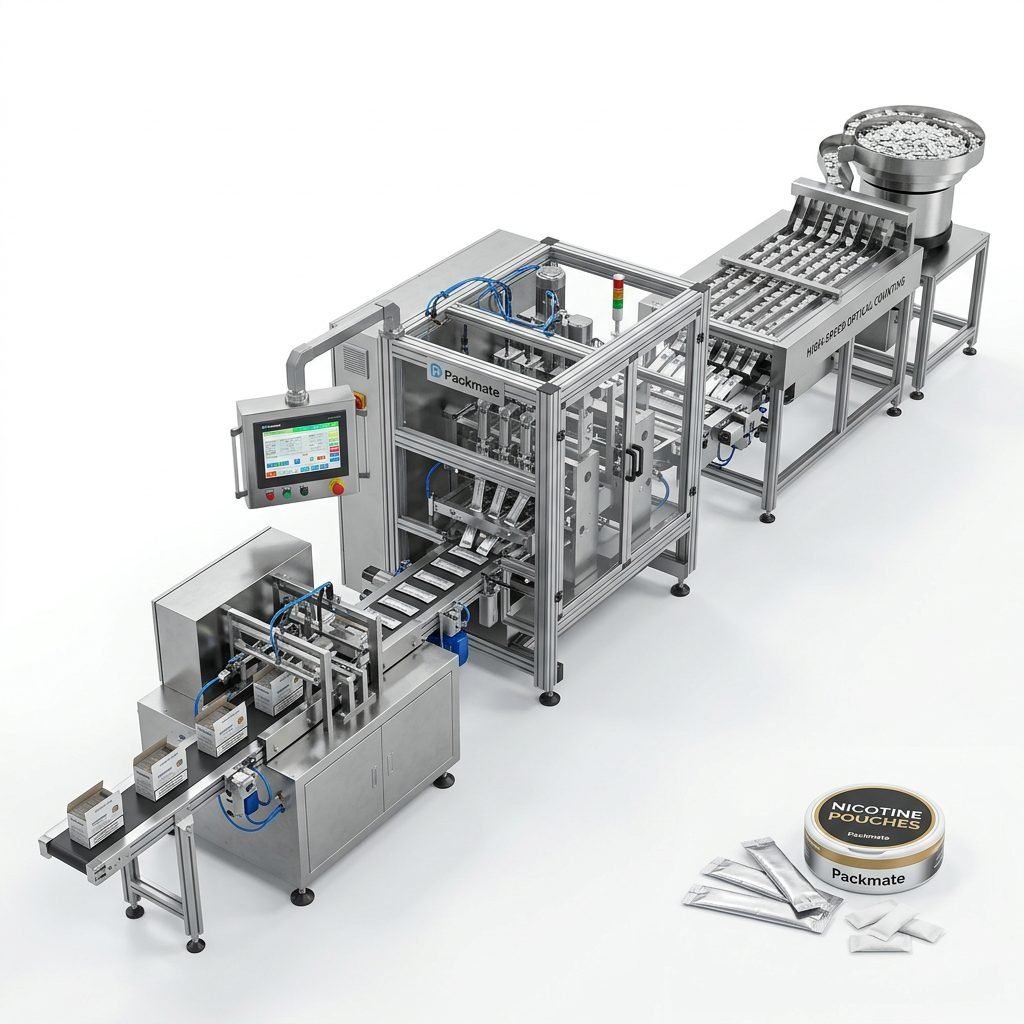
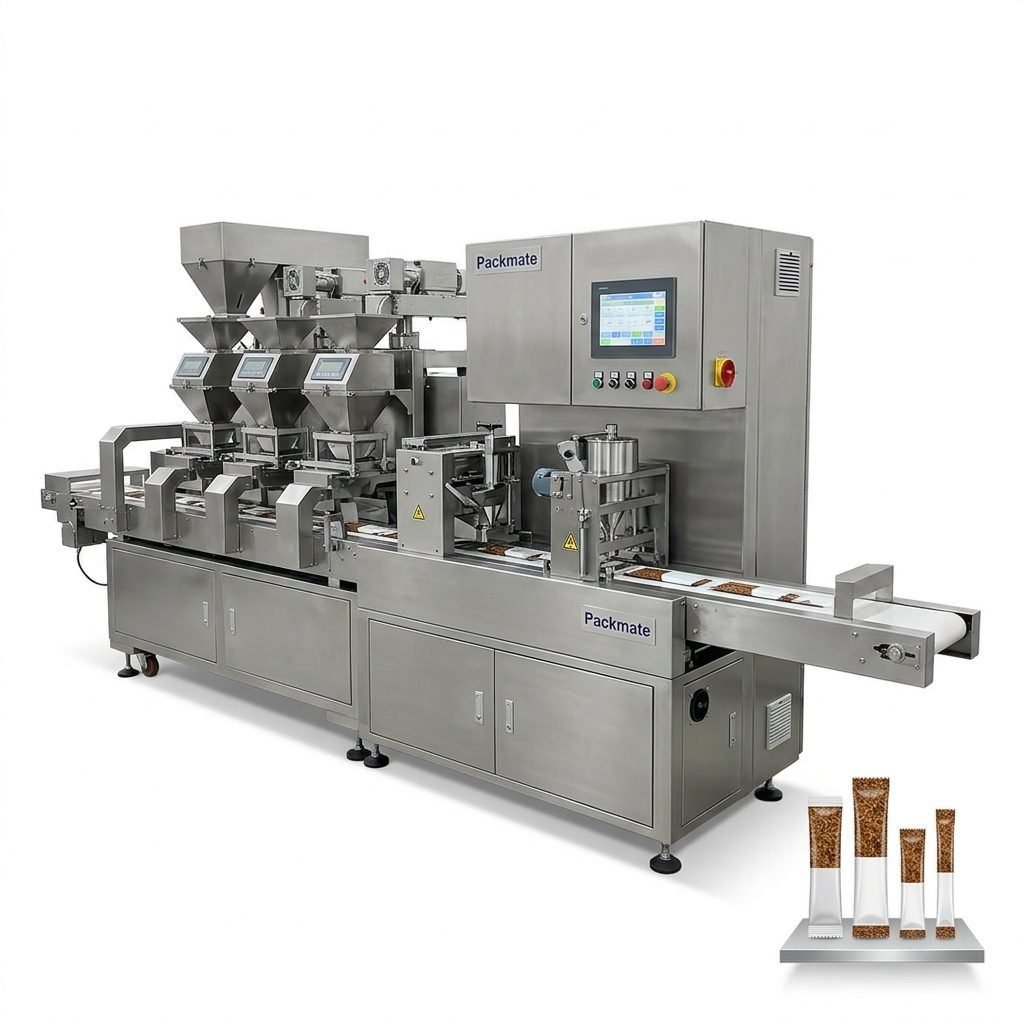
Choosing the right snus packaging machinery supplier for a factory in Croatia is a strategic decision that affects product quality, production efficiency, and regulatory compliance. Whether you are launching a new nicotine pouch brand for the Adriatic market or upgrading an existing line, this guide walks you through the most important factors to evaluate, practical steps to vet suppliers, and specific considerations unique to Croatia and the broader European market.
Understand Your Production Needs First
Before contacting suppliers, write down a clear set of requirements. Key items include target daily output, pouch formats (single-dose snus, multi-lane sticks, sachets), fill materials (powder, granule, wet tobacco or nicotine pouch), packaging film types, and downstream operations such as boxing or palletizing. For example, Croatian manufacturers often balance smaller batch flexibility with the desire to serve both domestic retailers and neighboring EU markets, so modular or multi-lane equipment can be ideal.
Must-have production parameters
🔶 Target output per hour/day — define realistic throughput goals.
🔶 Pouch size and tolerance — small nicotine pouches require high dosing accuracy.
🔶 Product sensitivity — consider moisture control and gentle handling for delicate blends.
🔶 Future scalability — look for modular systems or multi-lane upgrades.
Why Manufacturer Reputation Matters — Focus on Proven Experience
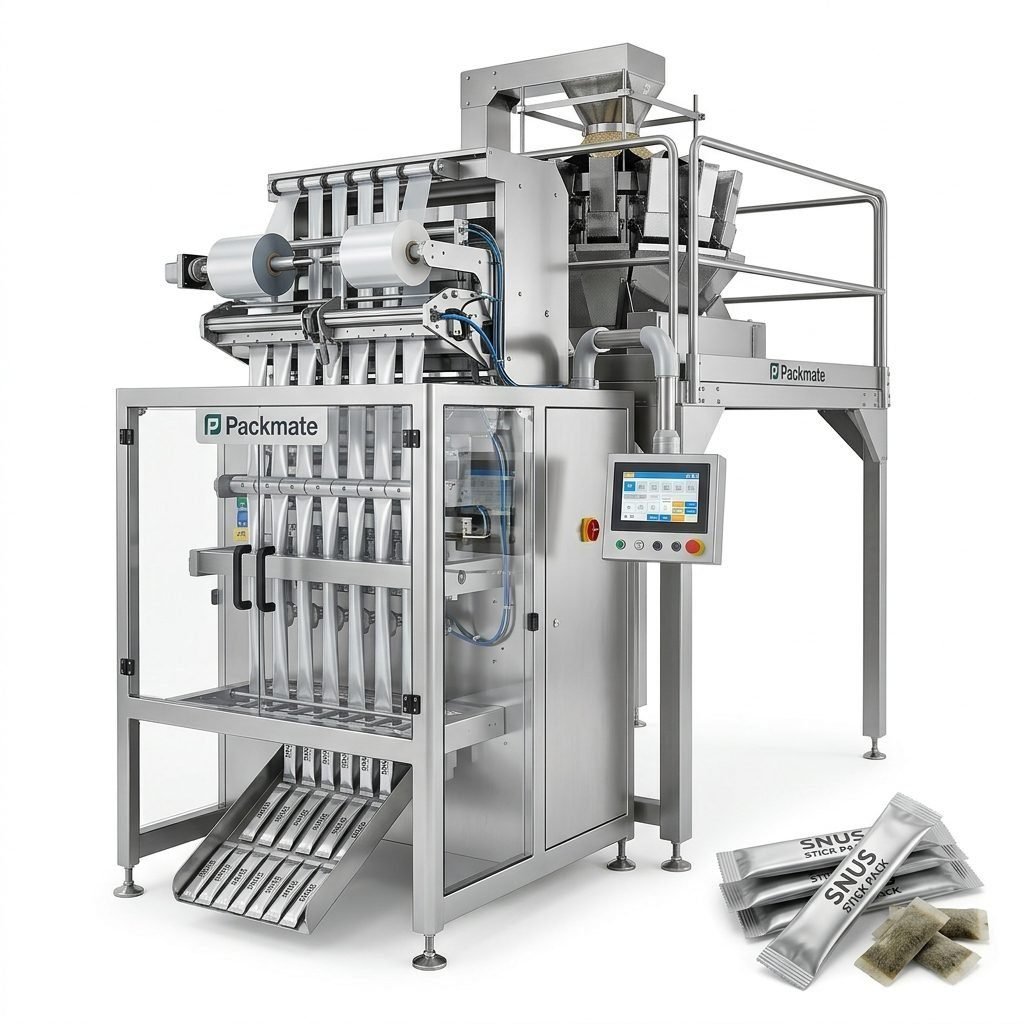
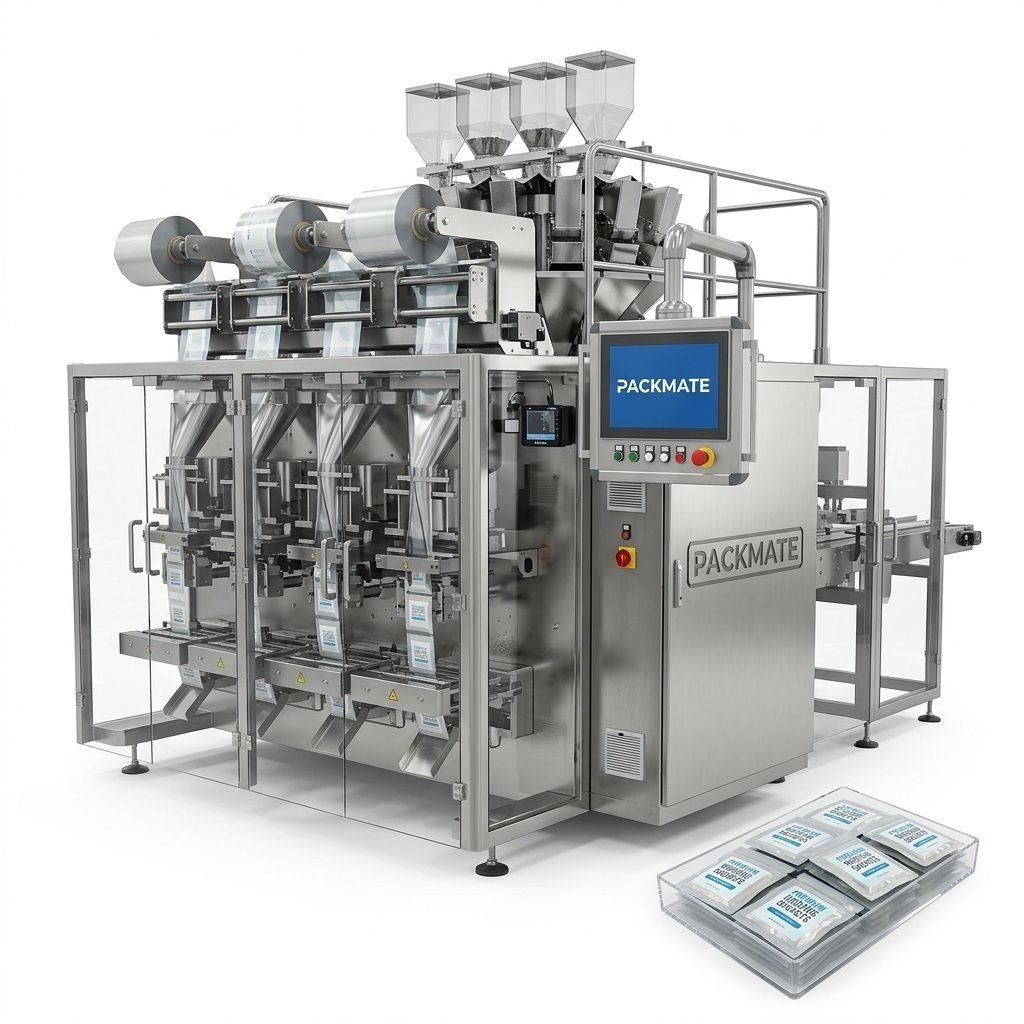
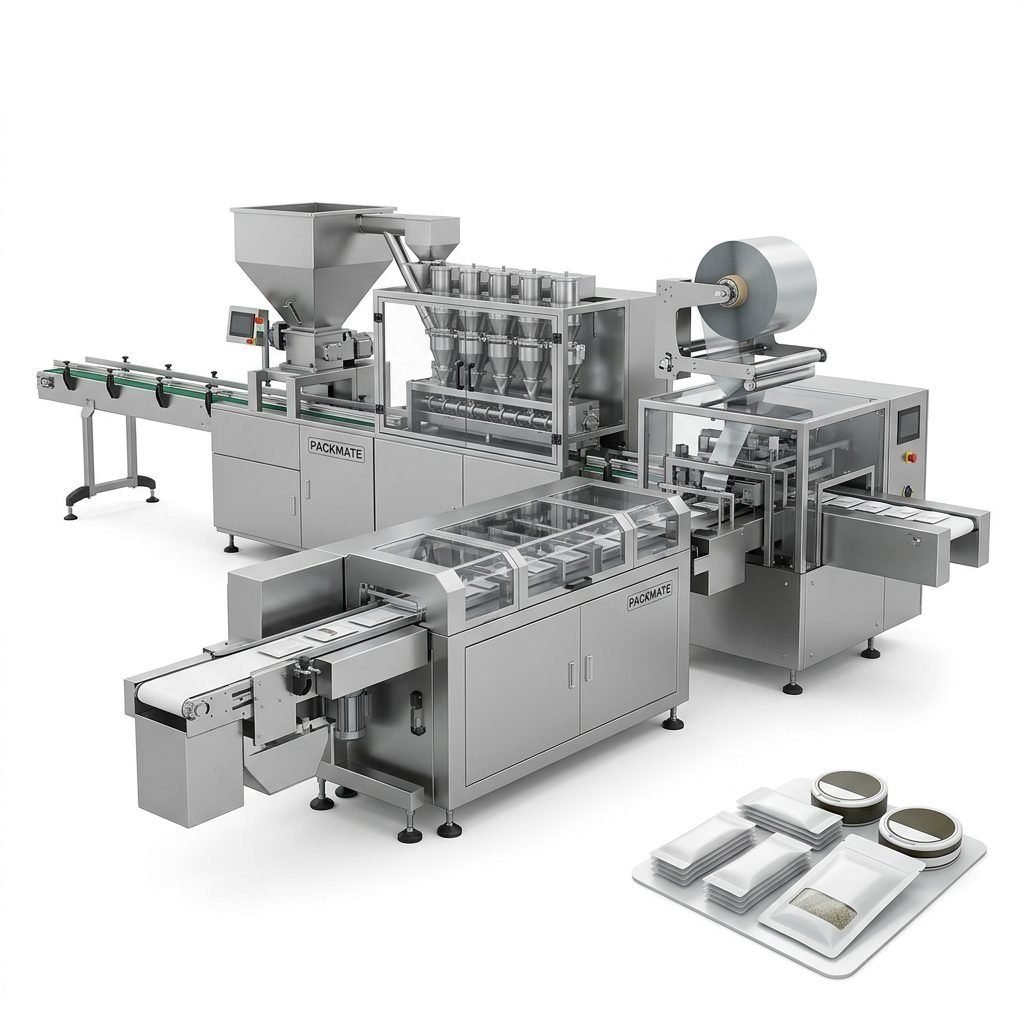
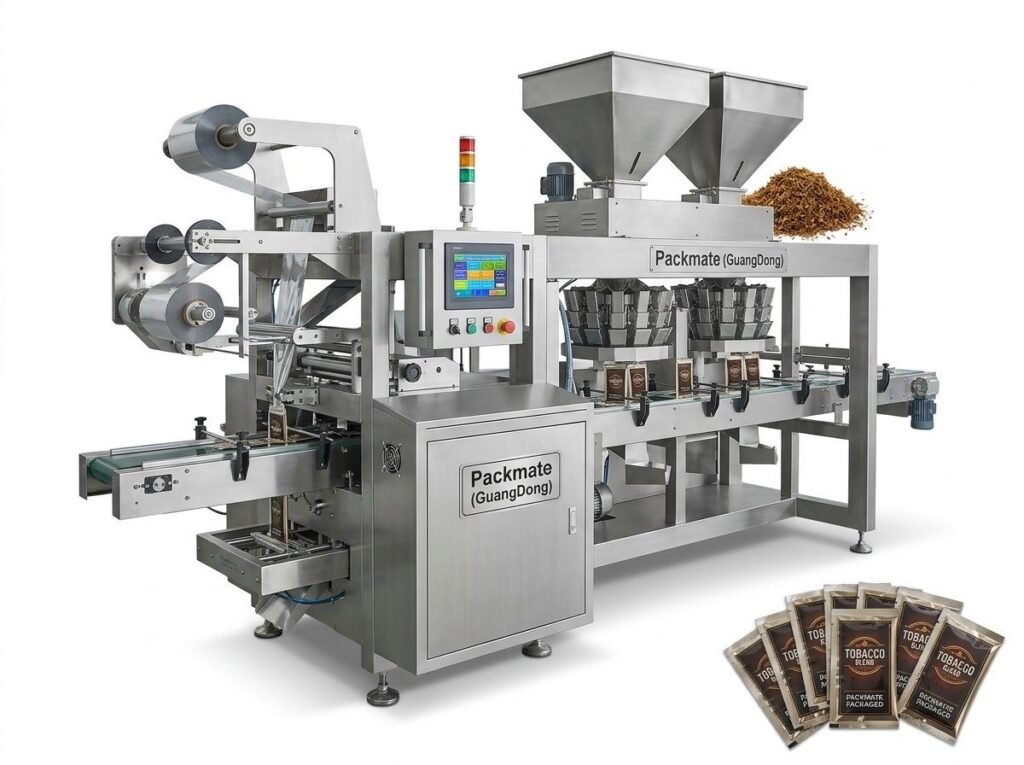
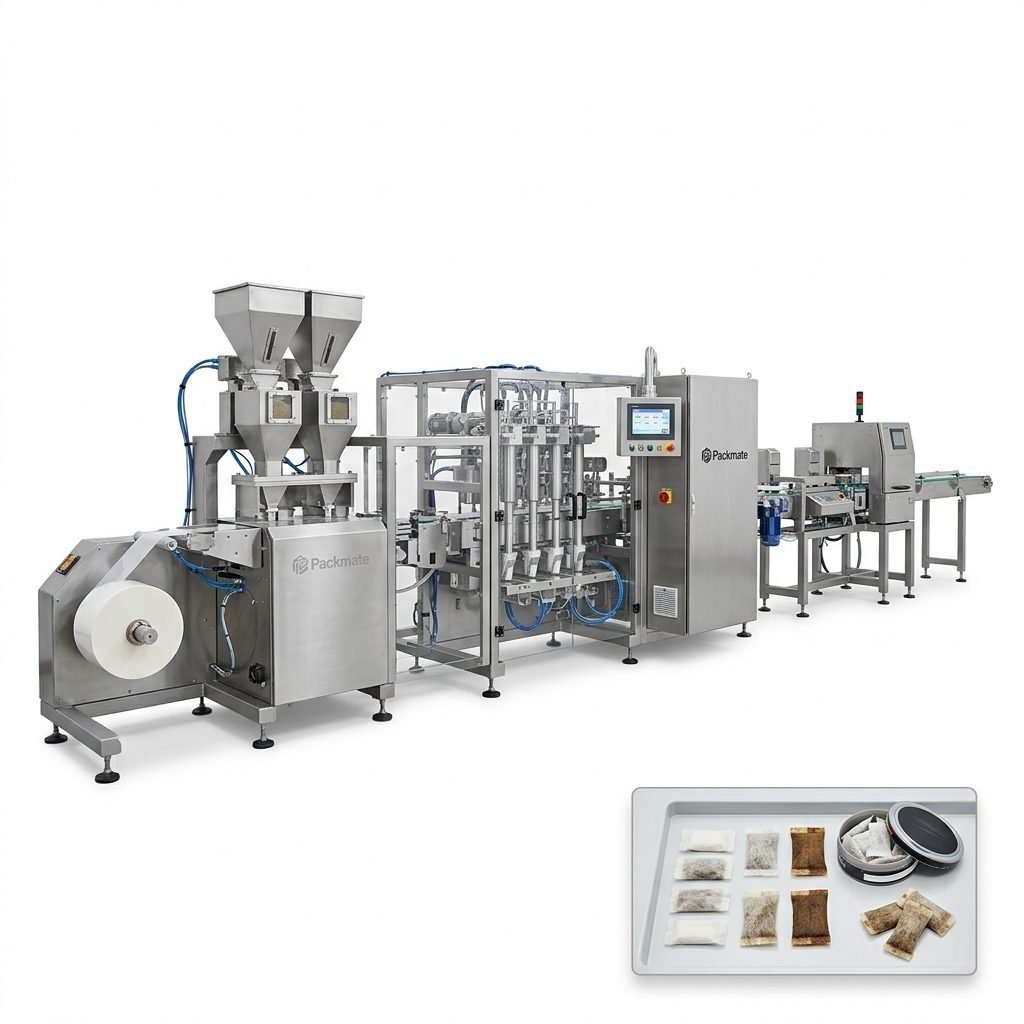
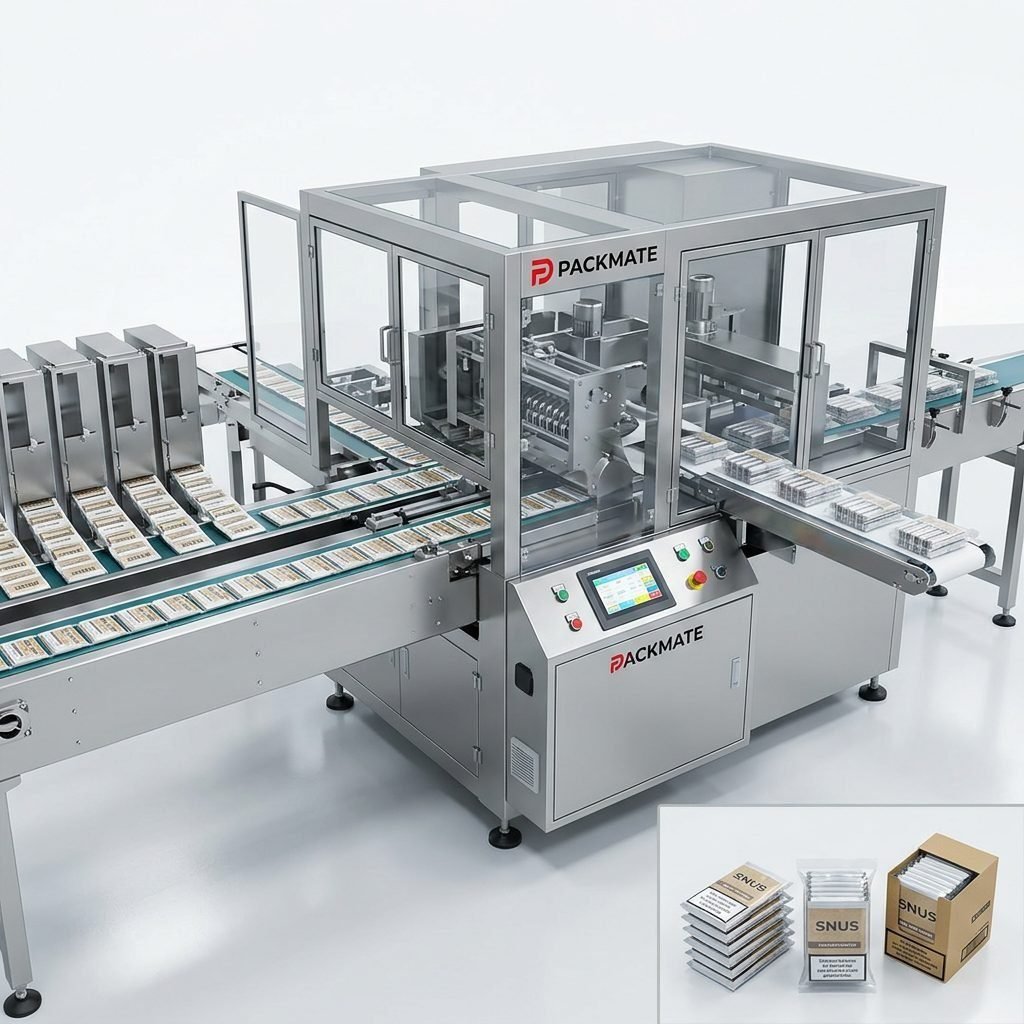
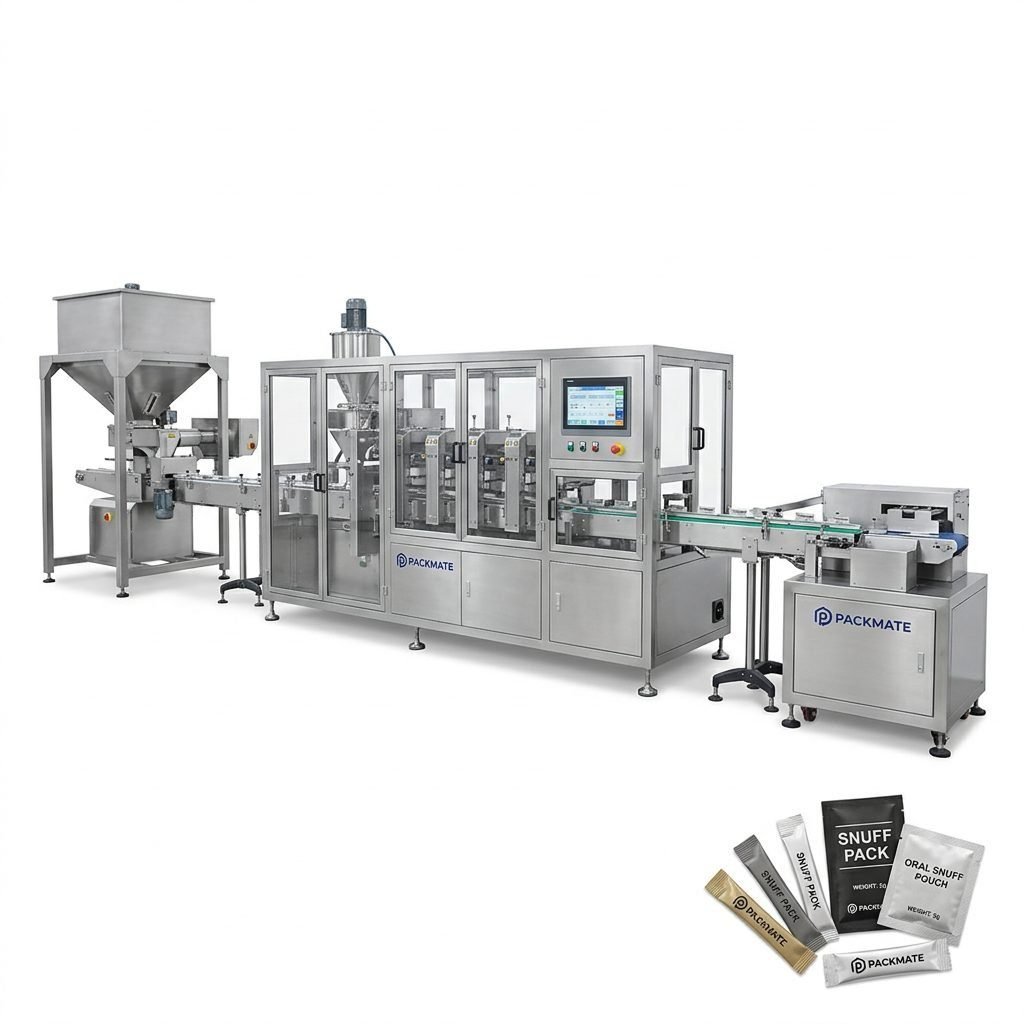
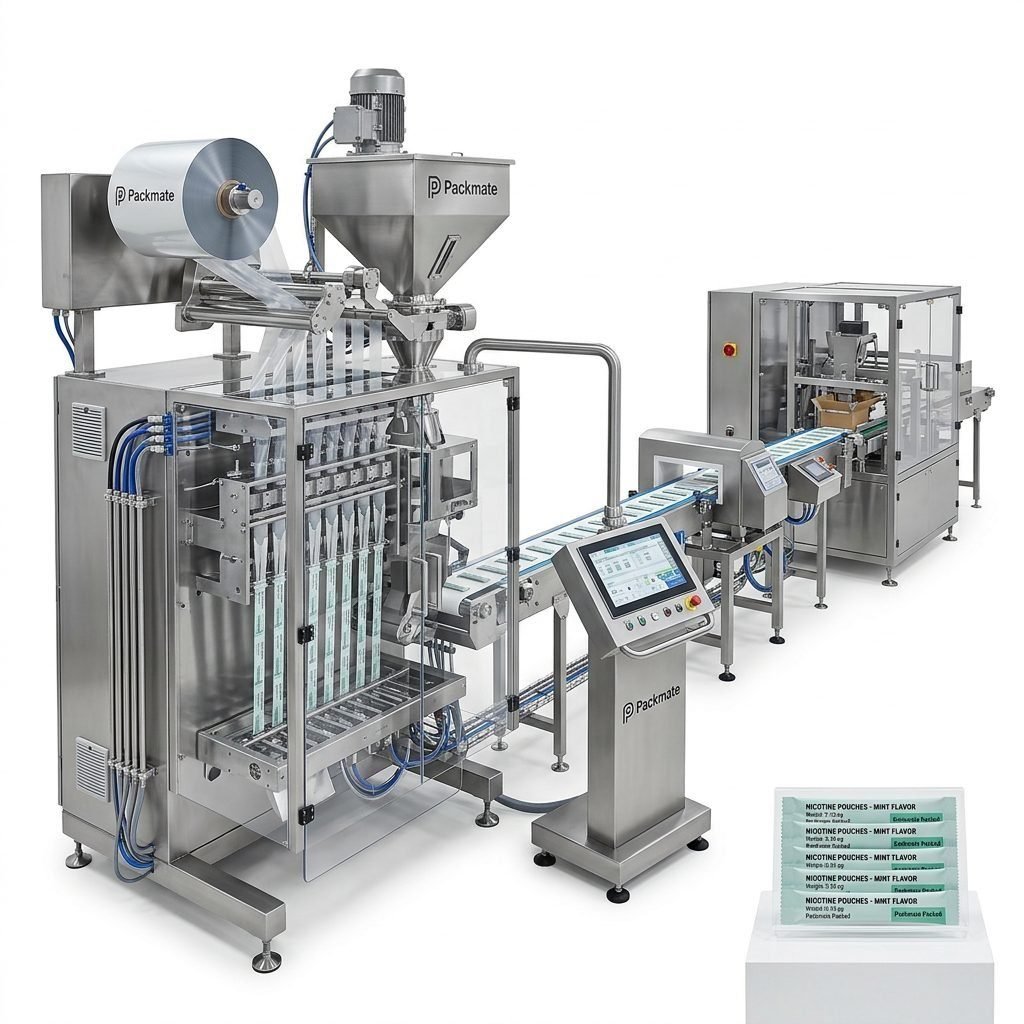
A supplier with decades of packaging engineering experience reduces technical risk. Look for companies with a track record in snus or nicotine pouch systems, multi-lane configurations, and CE/ISO certifications. Manufacturers that exhibit at global trade shows or share detailed case studies demonstrate confidence in performance and after-sales support. To explore an example of dedicated snus equipment lines, review Snus & Nicotine Packaging Machines.
Red flags and green lights
✅ Green lights: long-term references, on-site demonstrations, detailed technical specs, and customizable automation.
⚠️ Red flags: vague lead times, missing spare parts policies, no compliance documentation with EU health and safety standards.
Technical Capabilities: What to Inspect
When assessing a supplier, insist on concrete technical details. These include dosing accuracy (important for nicotine content control), sealing integrity (to preserve shelf life), material compatibility (heat sealing films, aluminum foil, biodegradable films), and line automation level (PLC control, HMI interfaces, data logging). For multi-lane snus production, check synchronization accuracy between lanes to avoid rejects and wasted material.
Checklist for machine specs
🔶 Servo vs. pneumatic control — servo-driven systems offer better repeatability.
🔶 Material changeover time — short changeovers reduce downtime for multi-SKU factories.
🔶 CIP/cleaning access — easy sanitation is crucial for nicotine and food-contact lines.
🔶 Spare parts availability — ask for a recommended spare parts list and local stocking options.
Certifications, Compliance and European Regulations
Croatia is an EU member, so equipment used for nicotine and food-adjacent products must meet EU regulations and industry standards. Verify CE marking, ISO quality management records, and any product-specific safety tests. You may also require documentation for electromagnetic compatibility and machine safety directives. Suppliers who proactively provide certificates and testing reports save you time during local acceptance and import customs processes.
Supply Chain and Logistics: Importing to Croatia
Consider shipping routes, freight costs, and customs clearance. Many Croatian factories opt for sea or land shipments routed through Rijeka or ports in nearby EU countries. Ask potential suppliers about DDP (Delivered Duty Paid) or EXW terms, packaging protection for long transit, and whether they can handle end-to-end logistics. A trusted supplier will coordinate crate dimensions, lifting points for cranes, and provide clear installation instructions to minimize on-site surprises.
Local considerations in Croatia
Croatians value transparent business relationships and punctual deliveries. Local language support (Croatian) can be a plus but many Croatian technical teams are comfortable with English. If you plan to scale across the EU, choose machinery that adheres to EU standards to avoid re-certification in every country.
After-sales Service, Training and Spare Parts
After-sale support is frequently the differentiator between suppliers. Ask about warranty terms, remote support capabilities, on-site commissioning, and training for Croatian operators and maintenance staff. A reliable supplier will offer spare parts kits, preventive maintenance schedules, and fast-response hotlines. Consider suppliers that provide local representatives or partner technicians within Europe for faster response times.
Service indicators to request
🔶 SLA for critical spare parts delivery (48–72 hours within EU is ideal).
🔶 Remote diagnostic tools and software updates.
🔶 On-site commissioning package including operator & maintenance training.
🔶 Annual maintenance contracts and estimated MTBF (mean time between failures).
Price vs Total Cost of Ownership (TCO)
A low initial price can hide long-term costs. Evaluate TCO by factoring in energy consumption, spare parts consumption, downtime rates, and consumables like sealing films. Energy-efficient servo-driven machines often pay back the premium through reduced operating costs and fewer rejects. Ask suppliers for typical energy draw, spare part lists with pricing, and real-life examples of OEE improvements.
Factory Acceptance Test (FAT) and Site Acceptance Test (SAT)
Schedule FAT at the supplier’s factory to witness the machine running with your product or representative materials. FAT reduces risk by allowing you to verify performance before shipment. After installation in Croatia, perform SAT with full documentation, acceptance criteria, and sign-off procedures. Make FAT and SAT mandatory elements of your contract.
What to cover in FAT/SAT
🔶 Full-speed run tests for at least several hours.
🔶 Measurement of fill accuracy, seal strength, and reject rates.
🔶 Operator training and maintenance walkthrough.
🔶 Documentation handover: manuals, electrical diagrams, PLC backups, and spare parts list.
Customization and Modular Solutions
The snus market often requires flexibility for different pouch sizes and packaging materials. Prefer suppliers who offer modular platforms that let you add lanes, change dosing modules, or upgrade HMI and safety systems without a full machine replacement. This reduces capital expenditure as your product mix evolves.
Visiting the Supplier: What to Inspect in Person
When you visit a supplier’s factory or showroom, prioritize: build quality, machine cleanliness, assembly precision, CNC capabilities, and quality control procedures. Inspect welding quality, cable management, and the quality of electrical cabinets. Ask for video references of long-term installations and speak to existing customers in similar markets if possible. Packmate’s manufacturing scale and decades of experience are examples of the type of supplier credentials worth seeking.
Negotiation Tips and Contract Clauses
Push for clear contractual terms around delivery timelines, warranty coverage, spare parts pricing, training scope, and agreed FAT criteria. Include penalties for missed milestones and a clear acceptance testing procedure. For Croatian buyers, ensure import documentation and customs assistance are detailed in the contract.
Local Market & Cultural Notes for Croatia
Croatia is a relatively compact manufacturing market with strong ties to Italy, Slovenia, and Central Europe. Business relationships are often built on trust and reliability — demonstrating consistent delivery and clear communication (in English or Croatian) goes a long way. Croatian companies also place importance on EU compliance, so presenting transparent certification and references from European clients helps accelerate negotiations.
Useful Resources and Suppliers to Explore
Review specialized product pages and case studies to gauge a supplier’s focus. Useful links include Snus & Nicotine Packaging Machines, Bag & Pouch Packaging Machines, and Case pages with actual customer implementations. Also explore service and certification pages to confirm after-sales capabilities and regulatory compliance.
Suggested learning links
Decision Checklist (Quick Reference)
✅ Production capability and scalability match your targets.
✅ CE / ISO and other compliance documents provided.
✅ Clear spare parts policy and EU-friendly shipping options.
✅ FAT/SAT procedures defined and included in the contract.
✅ After-sales support, training, and local response commitments.
Final Practical Tips
Start with a pilot line or rental option if available, so you can validate product acceptance with local retailers. Consider modular systems that can be expanded as demand grows. Build a multi-year service relationship rather than a one-off purchase — this secures priority support and can reduce effective downtime. Finally, keep your production documentation and QC records organized for easy cross-border compliance checks when selling throughout the EU.
Frequently Asked Questions
Q: How long does it usually take to install a snus packaging line in Croatia?
A: Typical lead times vary by machine complexity, but expect 8–16 weeks for standard lines plus 1–3 weeks for on-site installation and commissioning. Complex multi-lane systems and customizations may extend this timeline.
Q: Do I need special permits to operate nicotine pouch packaging machinery in Croatia?
A: Operating the machinery itself generally does not require special permits, but product regulatory compliance for nicotine content, labeling, and consumer safety falls under EU and Croatian rules. Ensure your product dossiers and safety documentation are in order.
Q: What level of on-site support can I expect from experienced manufacturers?
A: Reputable suppliers offer on-site commissioning, operator training, remote diagnostic tools, and spare parts lists. Many provide extended service contracts and fast-response options within Europe.
Q: How can I validate a supplier’s claims about machine throughput and accuracy?
A: Require FAT with your product or representative materials, request real-world case studies or references, and ask for performance logs from installed lines. A reliable supplier will welcome these verification steps.
Q: Where can I find more detailed equipment specifications and support materials?
A: Visit specialized product pages such as Snus & Nicotine Packaging Machines and the Contact Us page to request catalogs, datasheets, and personalized proposals.