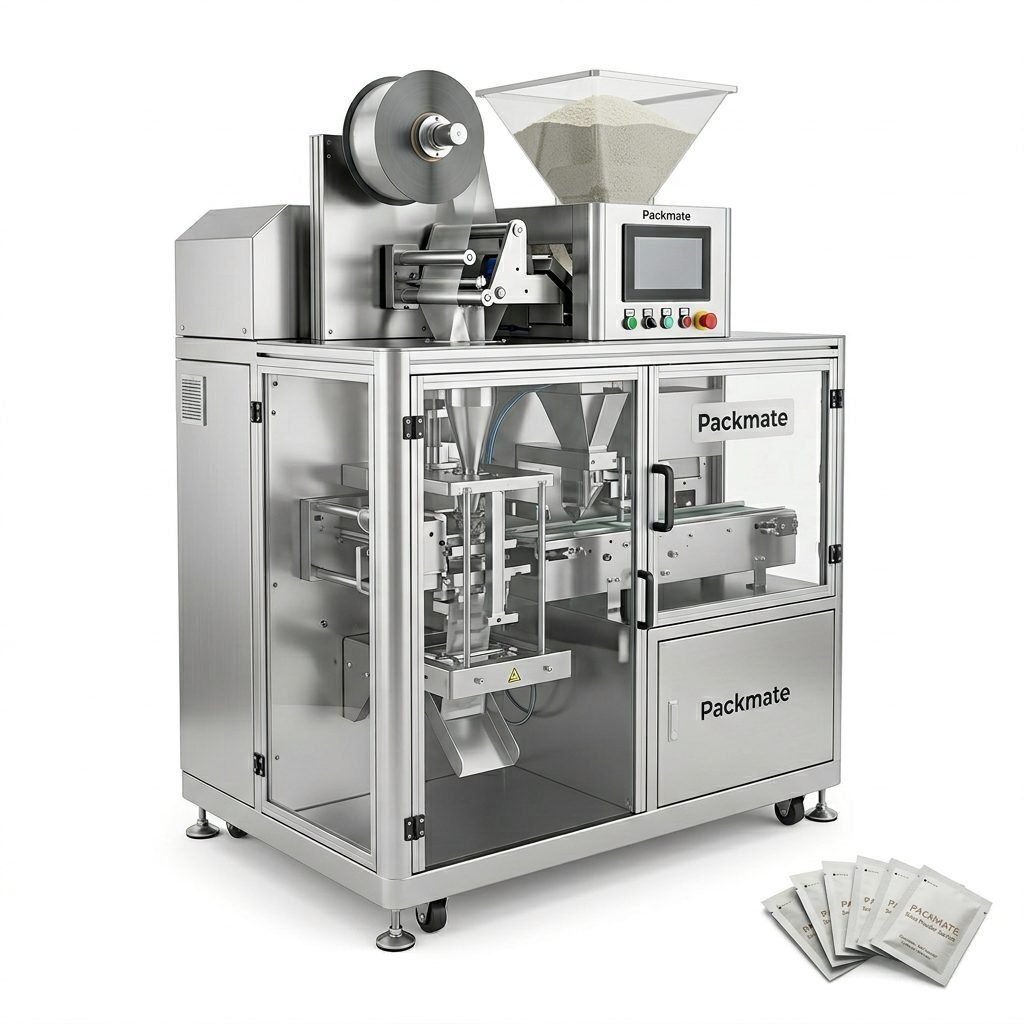
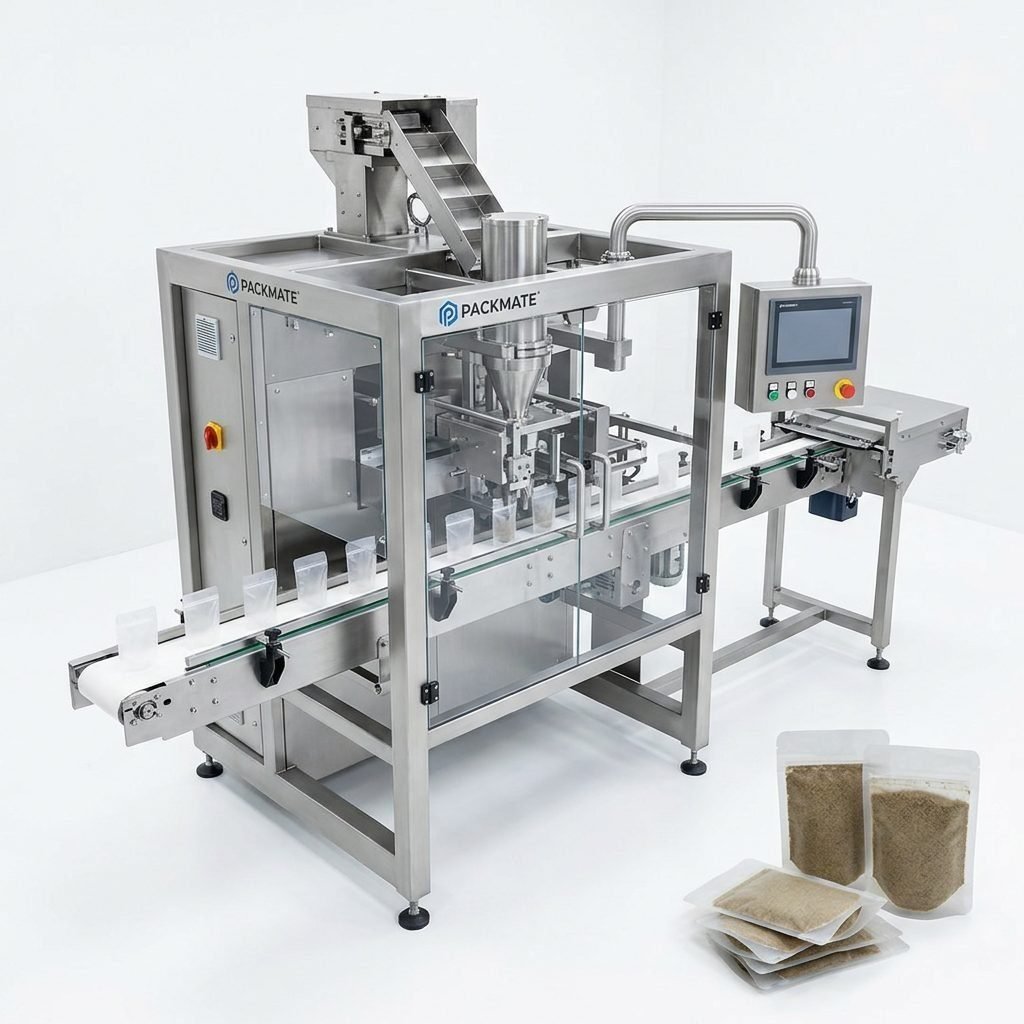
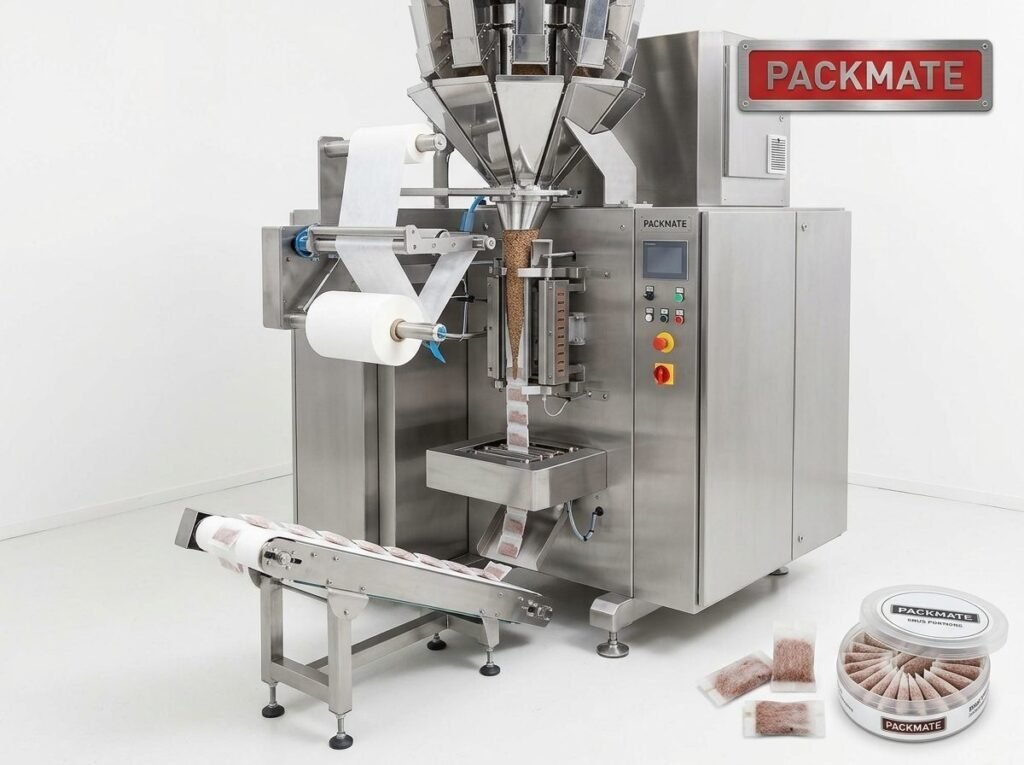
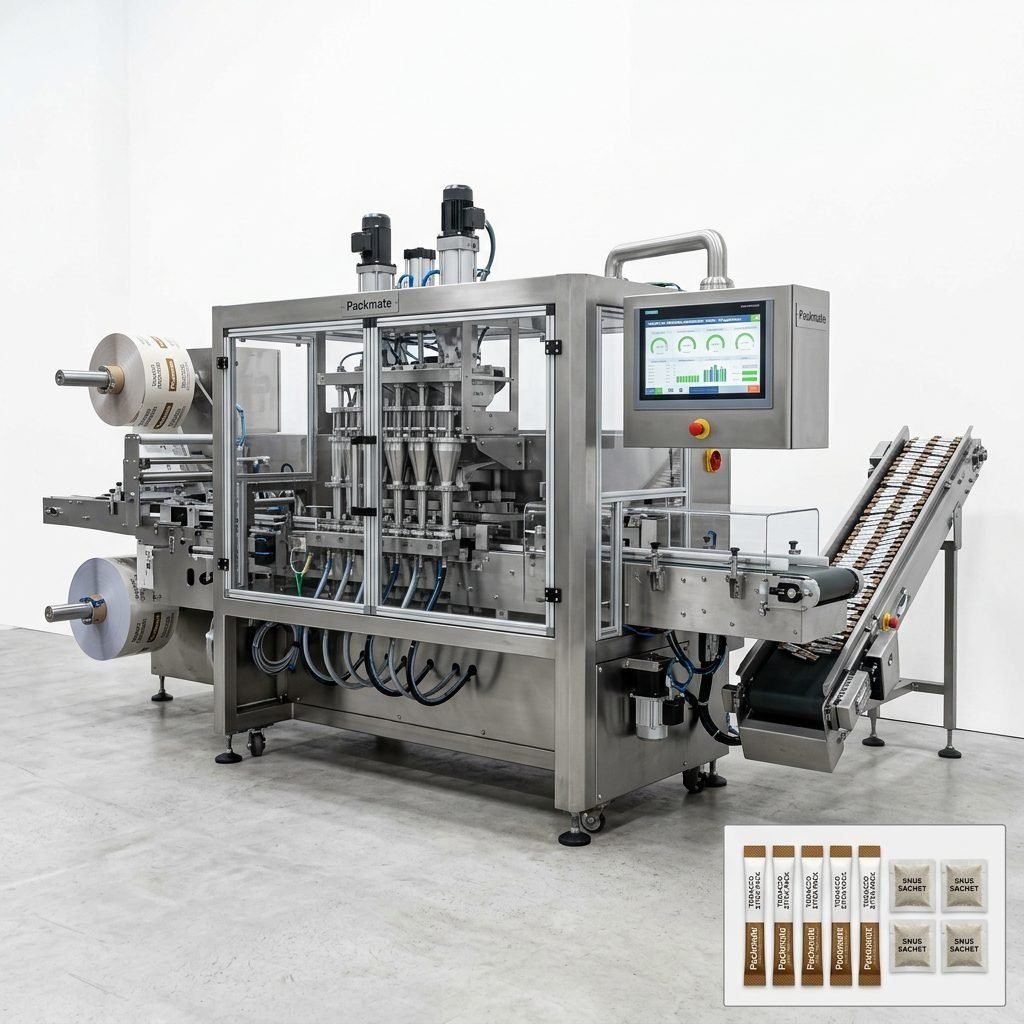
Entering the snus and nicotine pouch market in Sierra Leone requires more than a good recipe and reliable distribution — it demands the right packaging machinery to ensure product consistency, regulatory compliance, and production efficiency. This guide will walk you through how to choose the best snus packaging machine for your production needs in Sierra Leone, highlighting machine types, capacity planning, regulatory considerations, after-sales support, and cost vs. value trade-offs.
Understand Your Product and Packaging Format
The first step is to define what you will pack. Snus and nicotine pouches come in a variety of formats — single-dose pouches, sachets, stick packs, or multi-pouch trays. Each format requires different mechanical handling and sealing technologies. For instance, multi-lane systems excel at small-dose, high-volume pouches, while stick pack or sachet machines may be better for variable lengths and shapes.
Key product parameters to lock down
• Pouch size and pouch material (paper, foil, laminated films)
• Fill type: dry powder, granular snus, wet paste, or liquid flavors
• Required sealing and barrier properties for shelf-life and moisture control
• Labeling or date coding needs
Pro tip: If your product is moisture-sensitive, prioritize machines with precise dosing and high-quality sealing jaws to maintain product integrity during transport and storage.
Match Machine Type to Your Production Volume
Production volume is a decisive factor. Machines are ranged from small benchtop units for R&D and pilot runs to fully automated multi-lane production lines. Choose a machine family that allows scalable growth without forcing a complete line replacement as demand grows.
Pilot & Small Runs
Ideal for product development and low-volume production. Look for modular machines that can test different pouch sizes and materials. Cost-efficient but limited in speed.
High-Volume Multi-Lane Lines
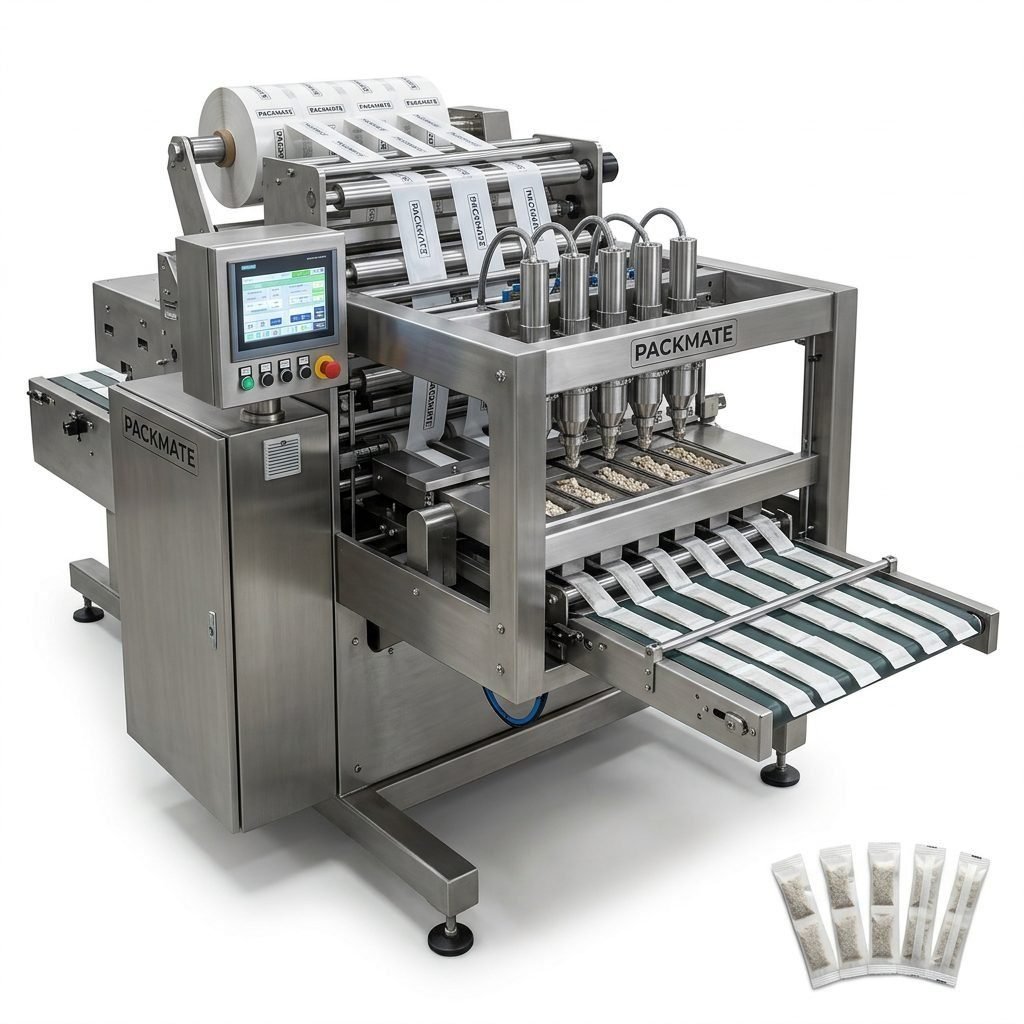
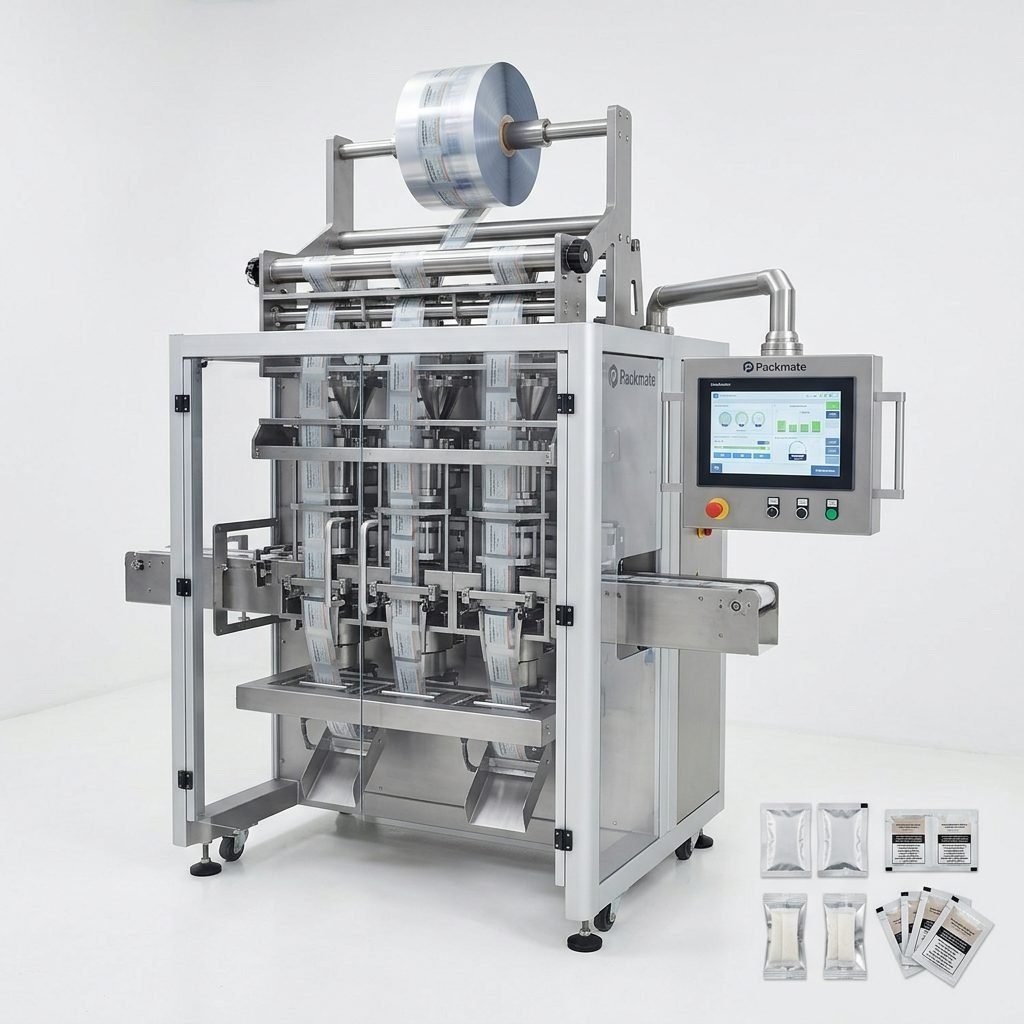
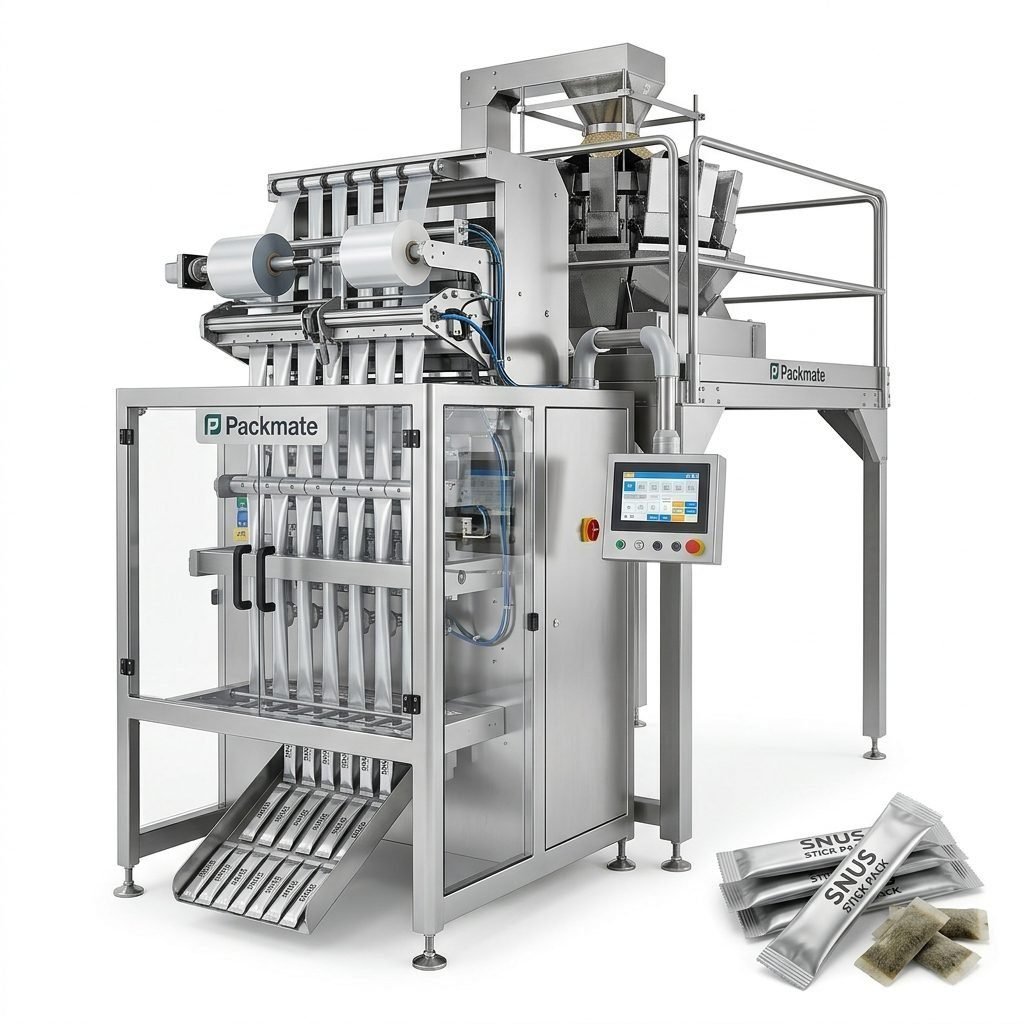
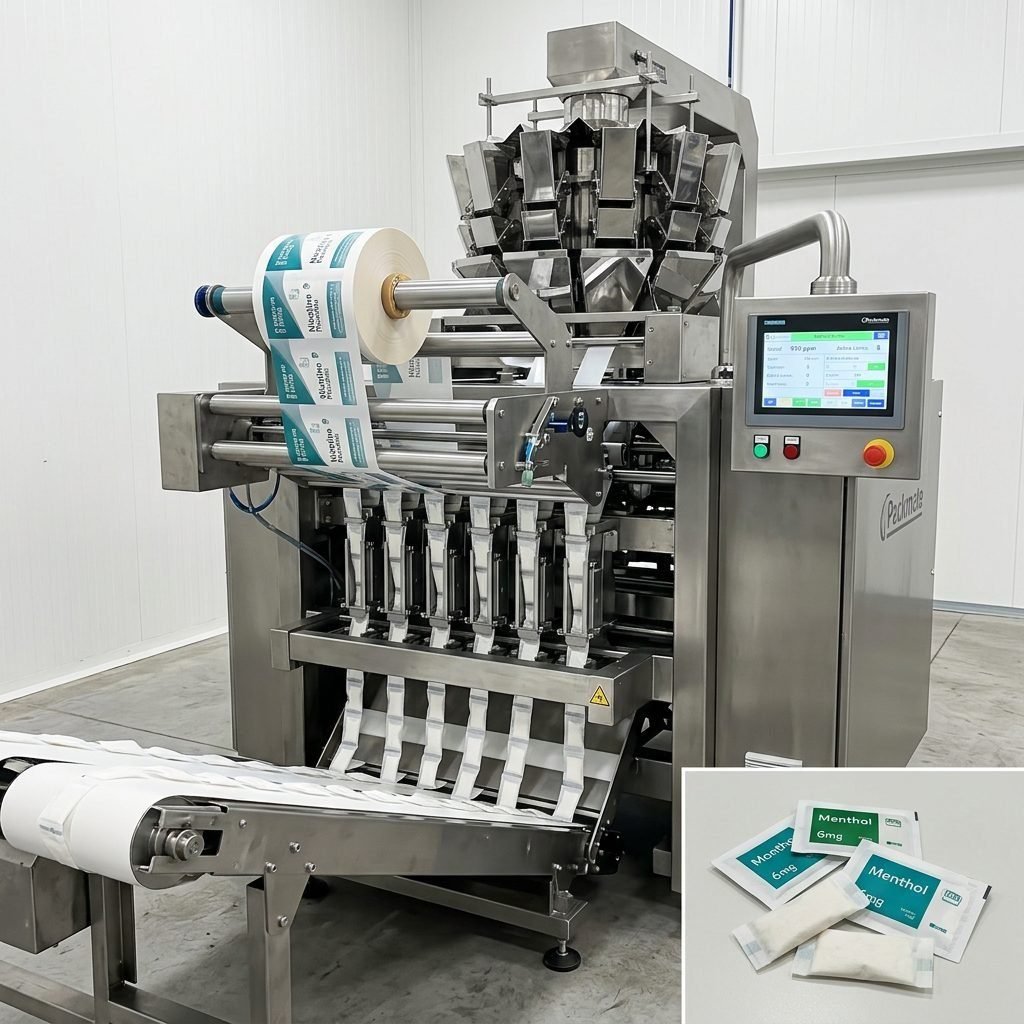
Multi-lane snus packing machines provide high throughput for small-dose pouches. They deliver consistent dosing across multiple lanes and are ideal for scaling production in Sierra Leone or for export.
Technical Specifications and Performance Metrics
When comparing manufacturers, focus on measurable performance metrics:
• Cycle speed (pouches/minute) — how many finished units per minute at optimal settings.
• Dosing accuracy — the margin of error for product weight per pouch.
• Downtime and changeover times — how long it takes to switch pouch sizes or perform maintenance.
• Mean time between failures (MTBF) and availability percentage for 24/7 operations.
Must-have specification: Accurate weighing and dosing systems when producing nicotine pouches to ensure regulatory compliance and consistent consumer experience.
Compliance, Certifications and Local Regulations
Sierra Leone must meet specific import, health and safety, and product regulations depending on the product classification. Purchasing machines with international certifications helps streamline approvals and builds trust with partners.
Look for manufacturers whose equipment complies with CE and ISO standards and who can provide documentation for import clearance and operation. Packmate Snus Machine, for example, lists CE and ISO compliance across its portfolio, which eases international trade and local regulatory processes.
Hygiene, Cleanability & Material Compatibility
Hygienic design is critical for food-like products such as snus and nicotine pouches. Stainless steel contact parts, easy-to-clean surfaces, and minimal product trap points prevent cross-contamination and simplify maintenance.
Tip: Choose equipment with tool-free disassembly for wash cycles to reduce cleaning time and downtime on production lines.
Automation, Integration and Line Architecture
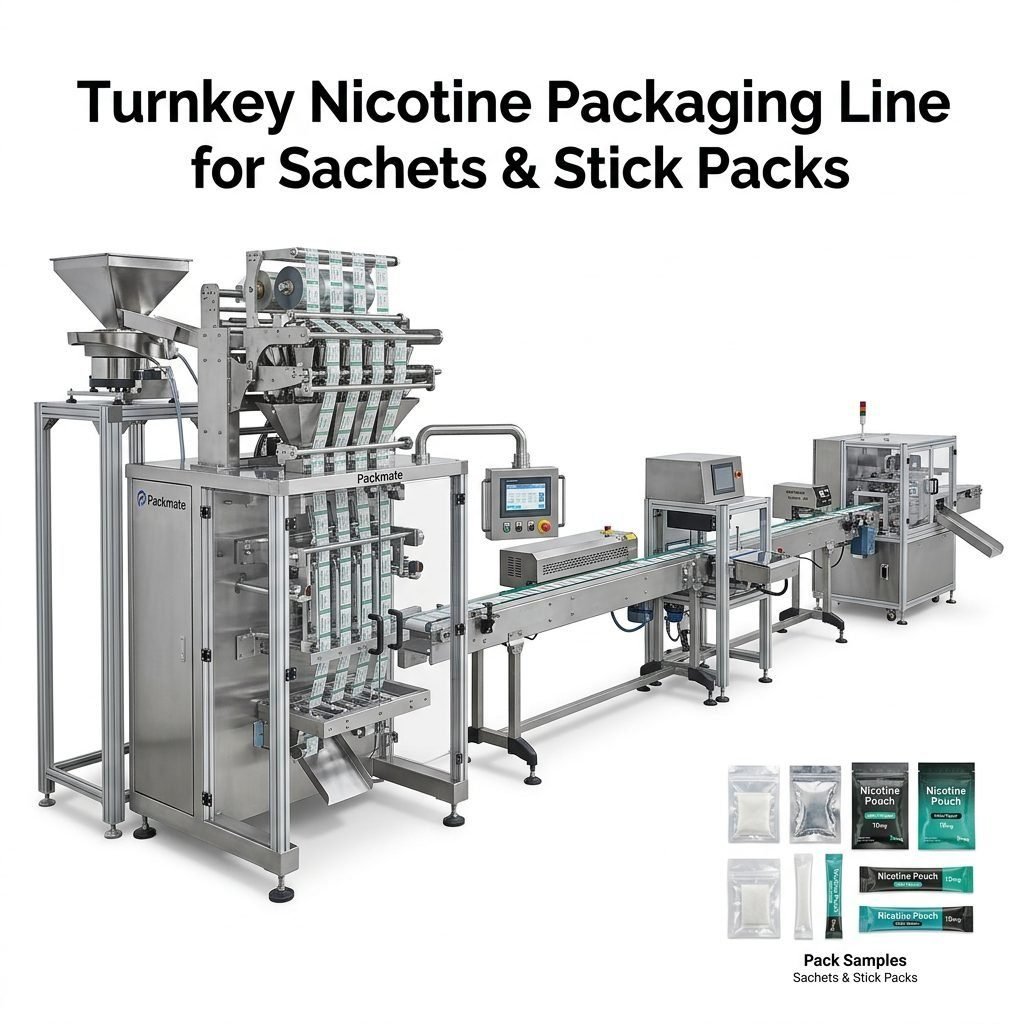
Evaluate how the snus packaging machine will integrate with upstream mixers/portioners and downstream case packers, labeling machines, and checkweighers. Seamless line integration reduces labor needs and improves throughput.
If you plan a fully automated line, consider turnkey suppliers who can deliver coordinated systems such as weighing, filling, pouch forming, sealing, and secondary packaging. Packmate’s portfolio includes modular filling & packaging lines, which is useful when building an integrated production line.
Spare Parts, Local Support, and After-Sales Service
In Sierra Leone, local or regional support is invaluable. Consider suppliers who provide:
• Rapid spare parts supply chains
• Remote troubleshooting and on-site commissioning
• Training for local technicians and operators
• Clear warranty and service contracts
A manufacturer with a global footprint and exported cases across continents will often offer more robust service networks and proven spare part logistics.
Total Cost of Ownership (TCO) vs. Upfront Cost
Avoid choosing a machine based solely on its purchase price. Evaluate Total Cost of Ownership, which includes energy consumption, spare parts, maintenance labor, expected lifetime, and throughput. A higher initial investment in a reliable multi-lane system can yield lower unit costs and better ROI if your volumes scale.
Cost assessment checklist: Energy use, sealing efficiency, part wear rates, and compatibility with your pouch material.
Key Questions to Ask Potential Suppliers
When engaging suppliers, be prepared to ask direct questions that reveal real-world performance:
• Can you provide reference sites or case studies in similar climates or markets?
• What is the expected throughput for my specified pouch and fill type?
• How quickly can critical spare parts be shipped to Sierra Leone?
• What training and documentation are included with purchase?
• Can the machine be adapted for regulatory labeling and coding requirements?
Supplier selection criteria
Prioritize suppliers with proven manufacturing strength, such as large factories with advanced CNC machining centers and strict quality control. Companies that offer turnkey lines, extensive model ranges, and export experience reduce project risk and provide scalable solutions.
Warranty, Training and Documentation
Comprehensive training and clear operational documentation are non-negotiable. Ensure manuals, spare parts lists, and maintenance schedules are provided in English and that on-site commissioning and operator training are part of the contract.
Logistics, Installation and Site Preparation in Sierra Leone
Plan for import logistics, crane or forklift handling, electrical supply compatibility, compressed air requirements, and factory layout. Coordinate with your supplier for site acceptance tests and pre-shipment inspections to minimize installation delays on arrival.
Checklist for site readiness: Stable power supply, floor loading capacity, compressed air quality, and adequate ventilation for certain sealing processes.
Real-World Example: Multi-Lane Snus Production
A business aiming to produce high volumes of small-dose nicotine pouches in Sierra Leone might select a multi-lane snus packing machine capable of 4–8 lanes. This approach multiplies throughput while using a single control system and shared upstream dosing equipment. Choosing modular units from a manufacturer with a broad model range allows future expansion without full replacement.
Where to Learn More and Source Equipment
Explore manufacturer catalogs, case studies, and technical pages to compare equipment options and request quotations. For example, view specific product lines and turnkey solutions at:
Snus & Nicotine Packaging Machines
Bag & Pouch Packaging Machines
About Packmate
Contact Us for Quotation & Support
Making the Final Decision
Consolidate your findings into a decision matrix that weighs throughput, cost, serviceability, spare parts availability, local support, and compliance documentation. Engage a shortlisted supplier to run product samples on candidate machines — real trials are the most reliable indicator of success.
Decision checklist (short): Throughput, dosing accuracy, hygienic design, spare parts lead time, warranty & training, TCO projection.
Next Steps for Businesses in Sierra Leone
1. Define product specs and forecast volumes.
2. Request machine trials or video demonstrations and ask for local or regional references.
3. Confirm certifications and documentation for import and regulatory compliance.
4. Prepare factory layout and utilities based on supplier recommendations.
5. Finalize contract terms covering warranties, spare parts, training, and commissioning.
Useful resource links
For more detailed product specifications and case studies, visit the supplier’s product pages and case archives to see real installations and configurations.
📦 Case Studies ⚙️ Catalog
Final Recommendations
For manufacturers in Sierra Leone, focus on machines that combine precision dosing, robust sealing, and strong after-sales support. Multi-lane snus systems often provide the best path to scale while maintaining quality. Prioritize suppliers with a history of global deliveries, certifications, and documented case successes.
Common Questions
Q1: How do I determine the correct machine speed for my needs?
A1: Estimate your target daily production volume, divide by planned operating hours, and choose a machine whose rated throughput exceeds that number to allow downtime and maintenance contingency.
Q2: Are multi-lane machines suitable for small startups?
A2: Multi-lane systems offer great scalability but require higher initial investment. Startups may begin with modular single or dual-lane machines and plan upgrades to multi-lane lines as demand grows.
Q3: What certifications should I require from suppliers?
A3: Require CE and ISO certifications at a minimum, plus detailed documentation for electrical, mechanical compliance, and export/import paperwork to ensure smooth customs clearance.
Q4: How important is local spare parts availability?
A4: Extremely important. Long lead times for essential parts can cripple operations. Prioritize suppliers with regional warehouses or guaranteed fast shipping and spares packages.
Q5: Can suppliers support installation and operator training in Sierra Leone?
A5: Reputable suppliers provide commissioning, operator training, and remote support. Confirm these services in the contract and clarify travel and accommodation responsibilities if on-site visits are needed.