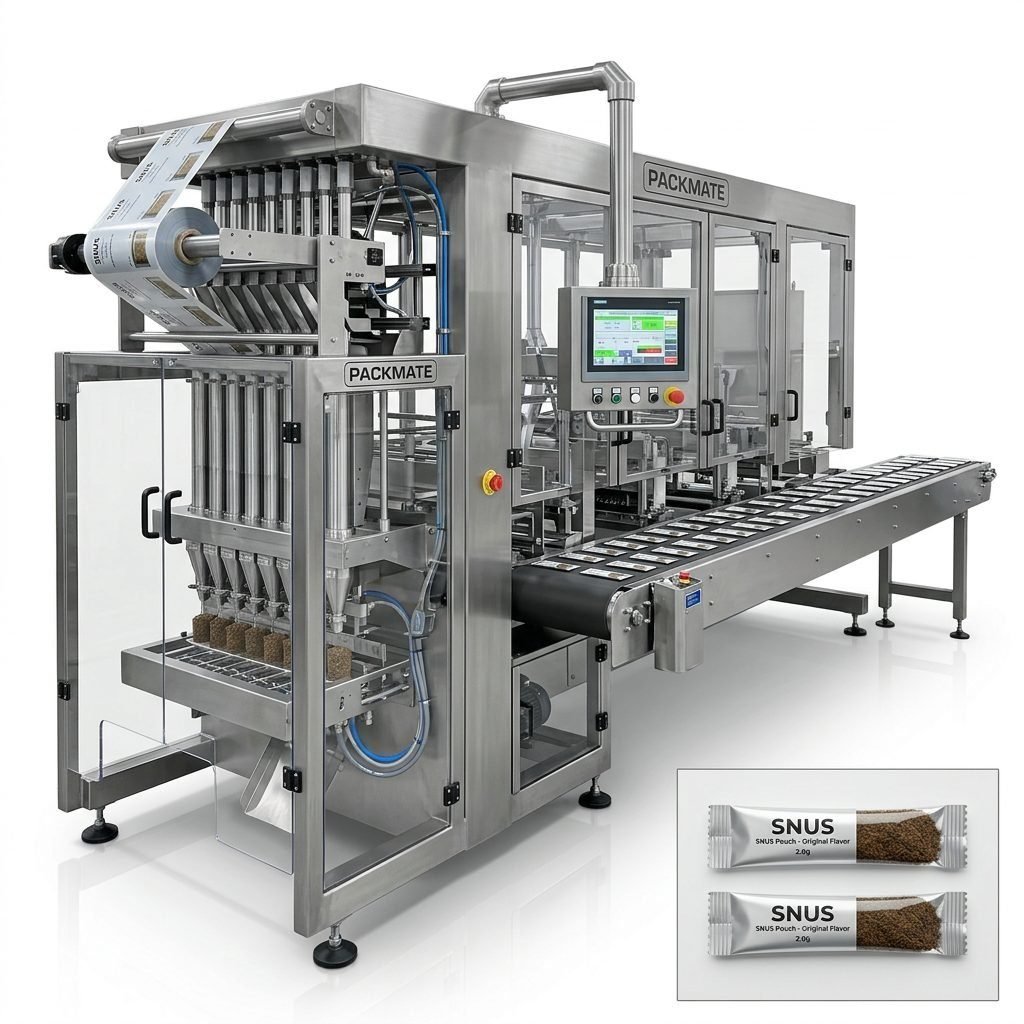
Choosing the right nicotine packaging machinery supplier in Kyrgyzstan is a strategic decision that affects product quality, regulatory compliance, and long-term cost of ownership. This guide explains practical evaluation criteria, local considerations, and how to match your production needs with reliable snus and nicotine pouch packaging solutions. It draws on proven industry practices and highlights what to look for when vetting international suppliers who serve Central Asia.
Understand Your Local Market and Regulatory Context
Kyrgyzstan’s tobacco and nicotine product landscape is influenced by cultural norms, trade relationships with neighboring countries, and evolving regulation. Before selecting a supplier, confirm local standards for nicotine-containing products, customs procedures for importing machinery, and labelling requirements. Consider engaging a local legal or compliance advisor to avoid delays at customs or issues with local health authorities.
Key local considerations
– Familiarity with Central Asian import documentation and any Kyrgyz-specific permits.
– Supplier experience delivering equipment to countries with similar logistical profiles.
– After-sales support and spare parts availability within the region.
Technical Capabilities: What to Inspect
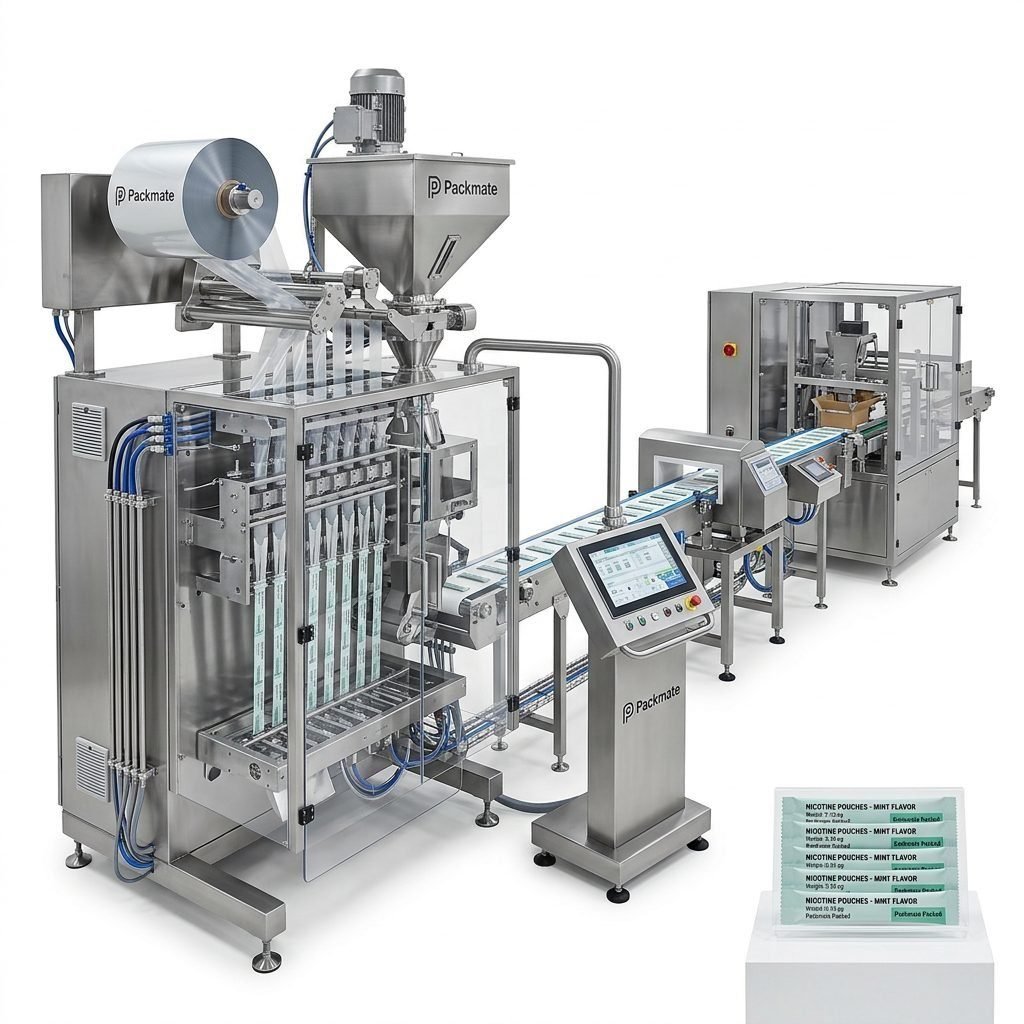
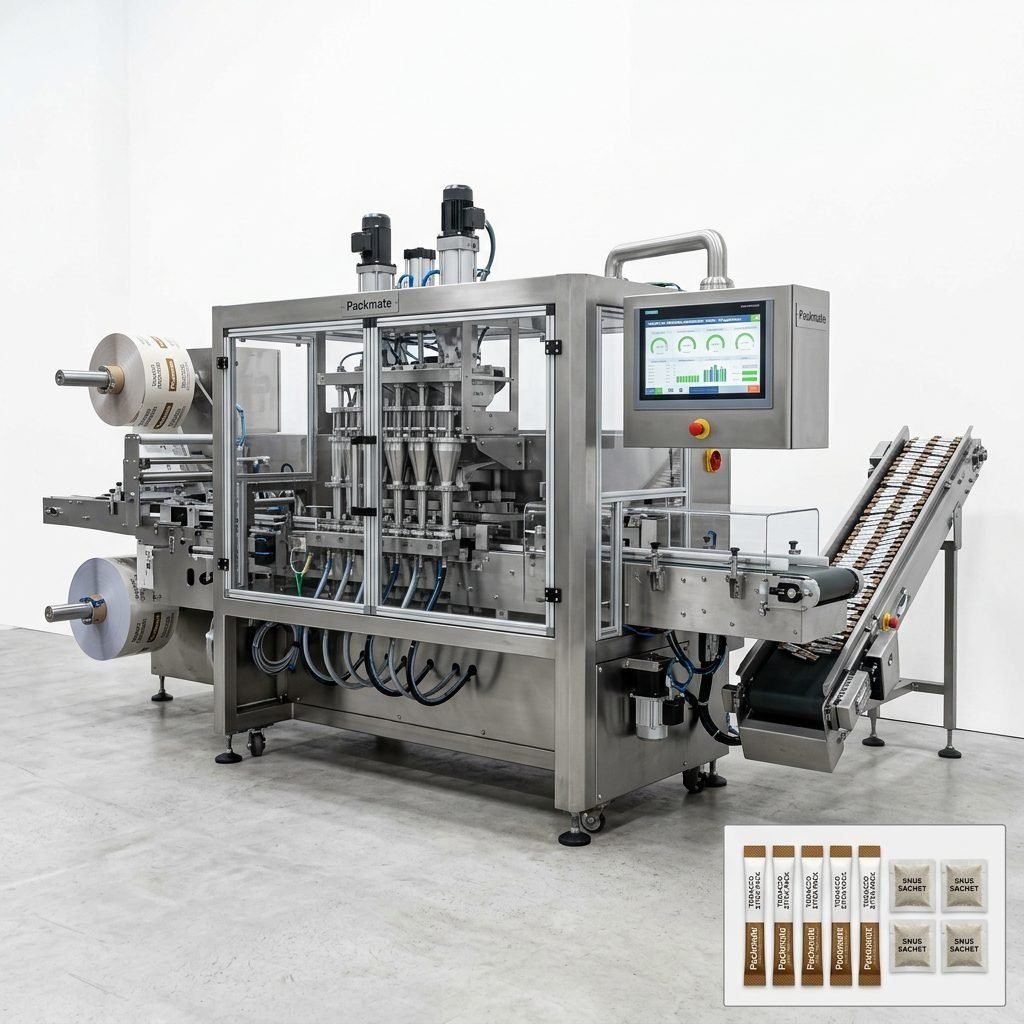
Selecting the best supplier starts with technical fit. Focus on machines that precisely match your product format (snus pouches, nicotine pouches, sachets, stick packs) and production targets. Reliable suppliers will provide detailed specifications and performance guarantees.
🔧 Production capability checklist
• Nominal output (pouches/min or packages/min) and proven multi-lane performance.
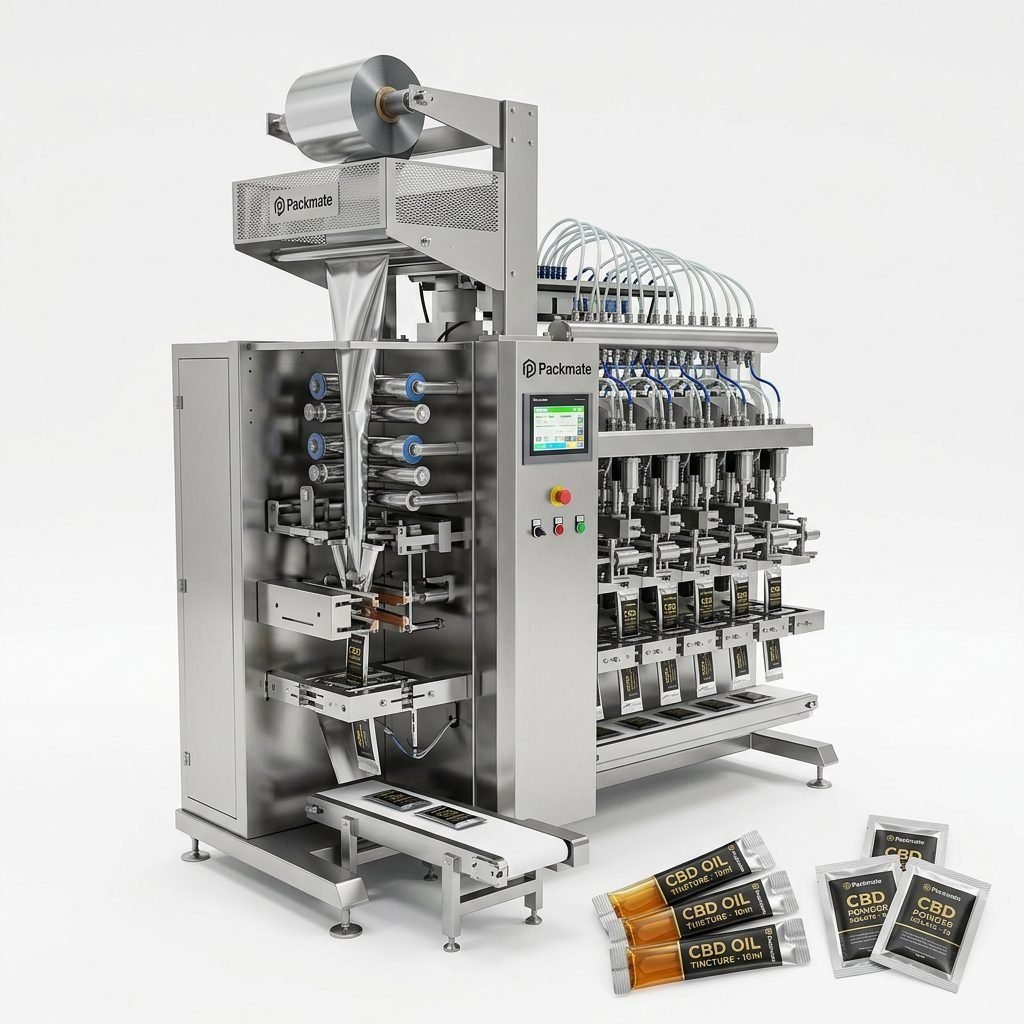
• Fill accuracy and dosing system options for powders, granules, and liquids.
• Changeover time and flexibility for different pouch sizes.
• Material compatibility (films, laminates, biodegradable options).
Why multi-lane and modular design matter
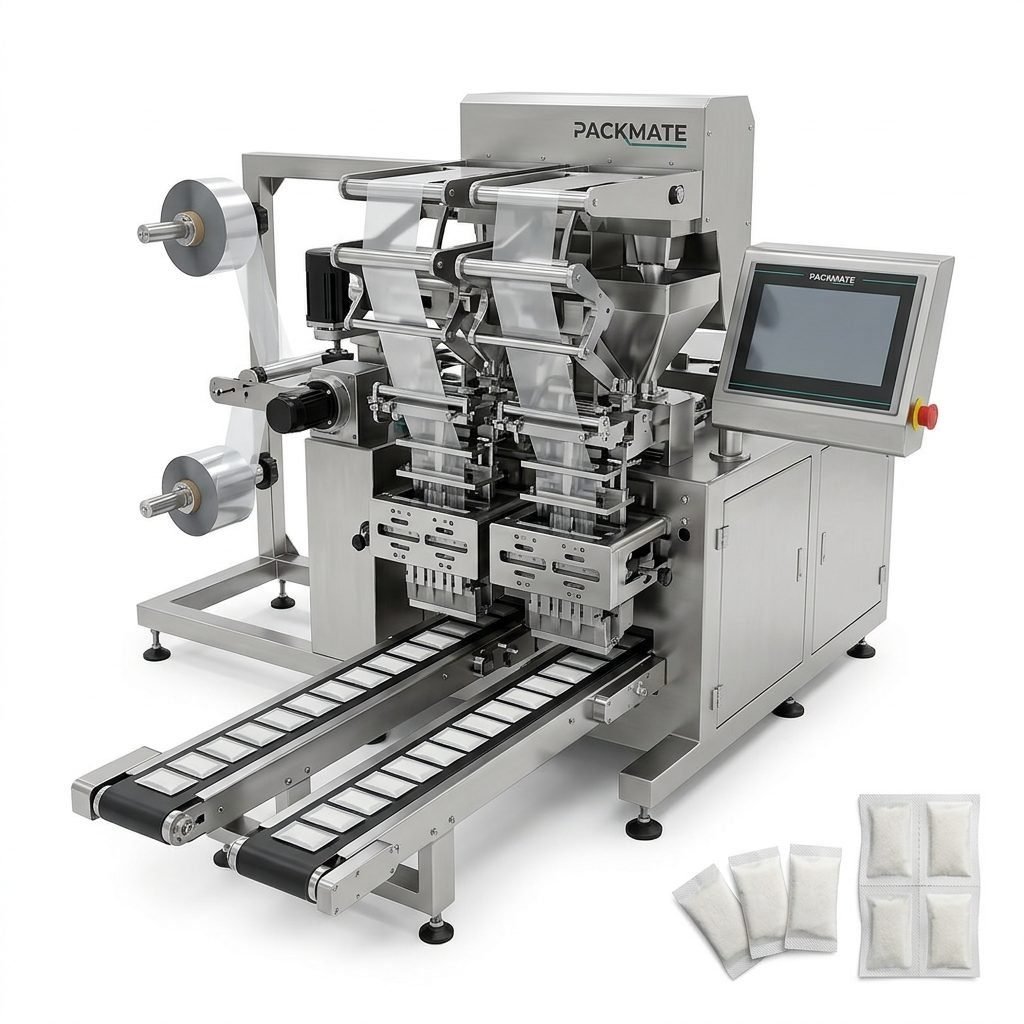
Multi-lane machines reduce floor space and increase throughput—crucial for small-dose nicotine pouches. Modular designs allow incremental investment: start with fewer lanes and expand later. Ask for case studies or references demonstrating stable multi-lane runs.
Quality, Certifications, and Manufacturing Strength
Equipment reliability is rooted in manufacturing quality and compliance. Look for suppliers with robust factory capabilities, transparent quality control, and international certifications.
✓ Important indicators
• Factory size, machining centers, and assembly lines (indicates consistency).
• CE, ISO, and other international certifications.
• Test reports, FAT (Factory Acceptance Test) protocols, and warranty terms.
Manufacturer profile matters
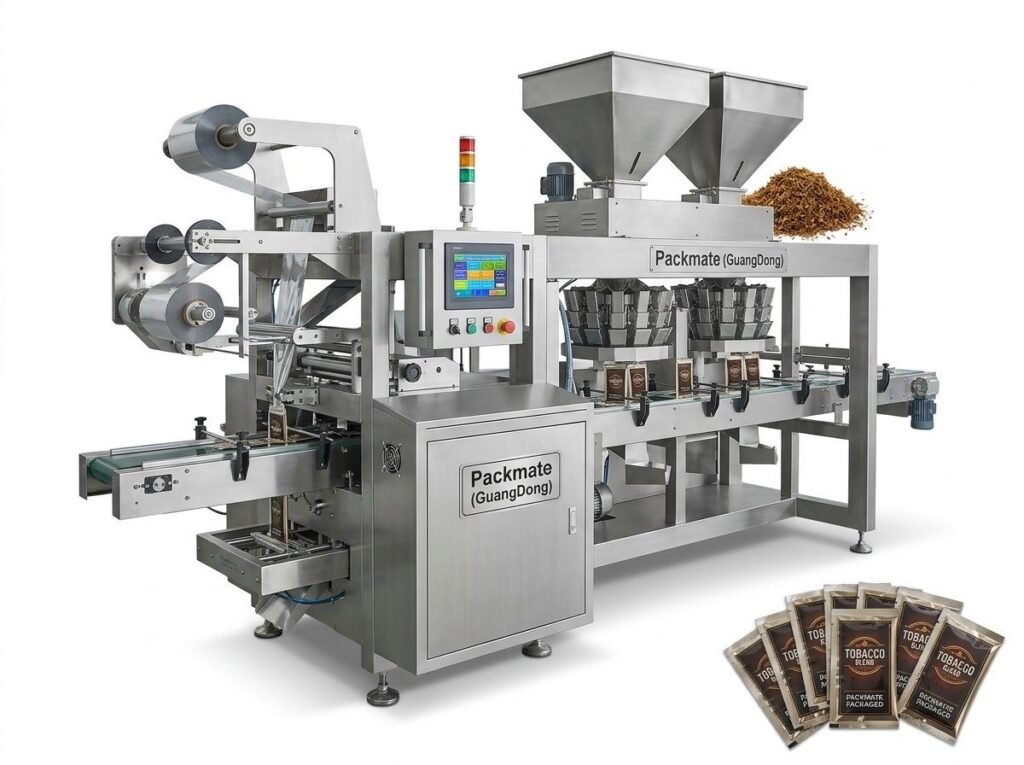
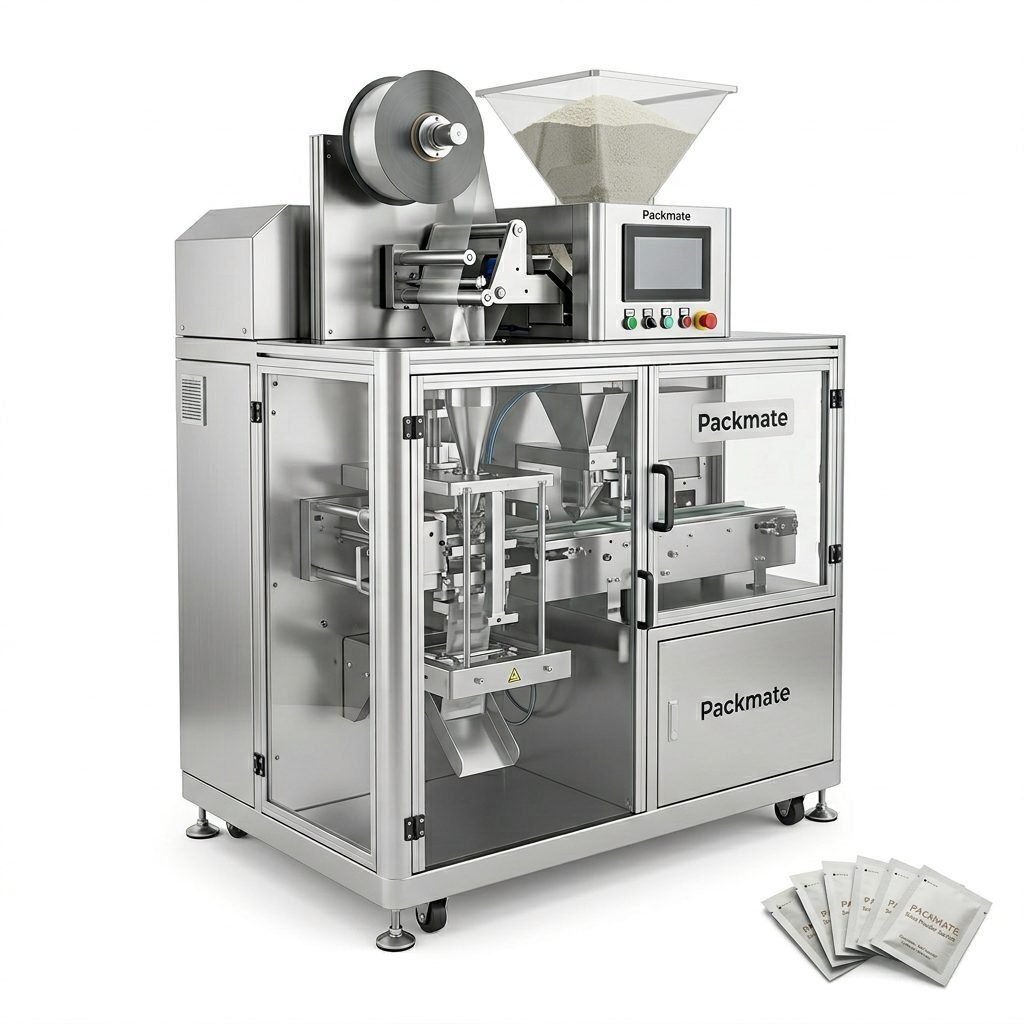
A supplier with decades of experience in snus and nicotine pouch equipment is better positioned to solve niche challenges. Packmate Snus Machine, for example, offers 30+ years of engineering history and a 20,000㎡ manufacturing facility—details that indicate capacity to supply robust, compliant lines.
Service, Spare Parts, and Local Support
For operations in Kyrgyzstan, reliable after-sales service is essential. Evaluate how the supplier handles installation, training, remote diagnostics, and spare parts logistics.
Ask the supplier:
- Do they offer commissioning support and operator training onsite or remotely?
- What is the lead time for critical spare parts, and do they stock parts regionally or ship from the factory?
- Are maintenance manuals and troubleshooting guides available in English or Russian?
Logistics, Installation and Import Considerations
Importing heavy machinery into Kyrgyzstan can involve transit through neighboring countries and customs steps. A supplier experienced with Central Asia can reduce delays and additional costs.
⚠️ Practical logistics tips
• Clarify Incoterms (EXW, FOB, CIF) to understand who manages shipping, insurance and customs.
• Verify crating, lifting points, and on-site installation requirements.
• Request clear documentation for customs classification to avoid delays.
Cost vs. Value: Total Cost of Ownership
Price is important, but focus on total cost of ownership (TCO): purchase price, installation, spare parts, energy consumption, downtime, and upgrade costs. A low upfront price may cost more in the long run if reliability or service is poor.
When comparing quotes:
- Request a breakdown that includes spare parts, tooling, and recommended consumables.
- Ask about mean time between failures (MTBF) and typical lifecycle parts.
- Consider energy efficiency and waste reduction features.
Factory Visits, Demos and References
Nothing substitutes seeing equipment run. Schedule live demonstrations, virtual FAT sessions, or a factory visit where possible. Verify customer references—especially those operating in similar regulatory and logistical environments.
Request:
- Videos of the exact model running your product type.
- Contact information of customers in Europe, Asia, or neighboring markets.
- FAT reports and acceptance criteria documentation.
Customization, Upgrades and Turnkey Solutions
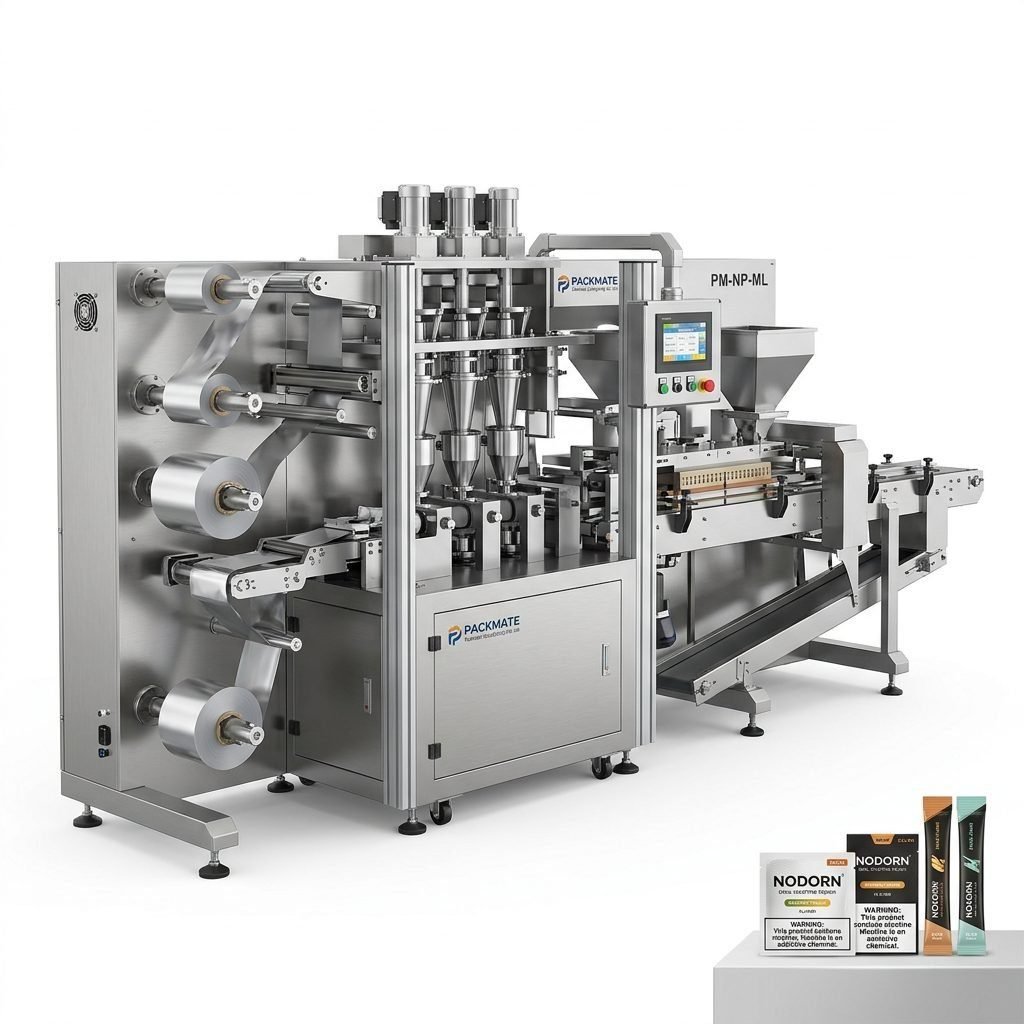
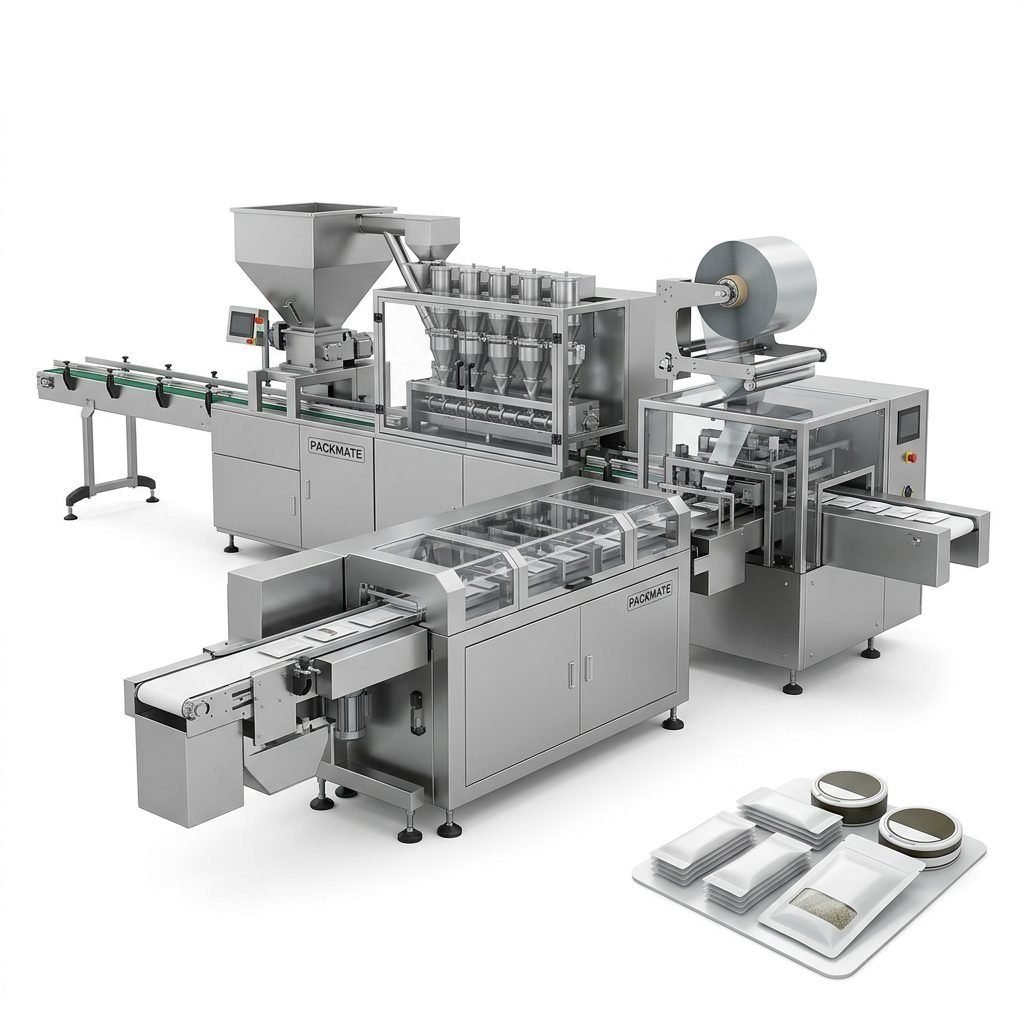
Your product line may evolve. Choose suppliers who offer modular solutions and the capacity to provide turnkey lines—integrating filling, weighing, pouch forming, and end-of-line packaging—so future expansions are seamless.
For integrated lines, evaluate:
- Compatibility of upstream and downstream equipment.
- Electrical, pneumatic and software integration standards.
- Availability of centralized control, batch tracking, and traceability features.
Commercial Terms and Warranty
Carefully review contractual terms: warranty duration, scope of coverage, response times, and penalty clauses for missed delivery or performance shortfalls. Ensure the contract specifies acceptance tests, performance guarantees, and remedies.
🔍 Negotiation pointers
• Define clear KPIs for machine uptime and output.
• Include spare parts kits in initial order where possible.
• Agree on remote support SLAs and response escalation paths.
Cultural Fit and Long-Term Partnership
Suppliers who understand your business culture and local market realities are more likely to become trusted partners. For Kyrgyzstan, prioritize clear communication in English or Russian, flexible scheduling for time-zone differences, and respect for local business customs.
Working smoothly with international suppliers
• Maintain regular milestones and video calls during project execution.
• Clarify documentation language and translations for manuals.
• Build local technical capability through training to reduce future dependency.
Why Choose an Experienced Snus & Nicotine Equipment Supplier
An experienced manufacturer focused on nicotine pouch lines brings specialized engineering knowledge and pre-tested solutions. Their experience yields faster ramp-up, fewer quality issues, and tailored guidance for niche formats such as small-dose snus pouches.
Explore specialized solutions like Snus & Nicotine Packaging Machines and Bag & Pouch Packaging Machines for targeted formats. For full line solutions, look into Filling & Packaging Lines and Weighing & Packaging Systems to ensure you get a cohesive production flow.
Useful resources:
Decision Matrix: A Practical Scoring System
Use a simple scoring matrix across categories: Technical fit, Quality & Certification, Service & Spare Parts, Logistics & Delivery, and Commercial Terms. Weight each category according to your priorities (e.g., production reliability might be 30%).
Example weighting
• Technical Fit: 30%
• Quality & Certification: 20%
• Service & Spare Parts: 20%
• Logistics & Delivery: 15%
• Commercial Terms: 15%
Final Checklist Before Signing
– Confirm FAT criteria and acceptance tests in writing.
– Ensure clear warranty terms and spare parts lead times.
– Validate references and watch run videos of the exact machine model.
– Agree on training, documentation language, and remote support methods.
– Verify shipping terms and prepare import documentation for Kyrgyz customs.
Closing Thought
Choosing the right nicotine packaging machinery supplier for Kyrgyzstan is a mix of technical evaluation, supplier credibility, and logistical readiness. Prioritize long-term value over short-term savings, and partner with a manufacturer that demonstrates strong engineering capability, regional experience, and a commitment to service.
Need more information or a tailored quote?
For product catalogs, service offerings, and turnkey packaging solutions, explore the supplier’s product range and reach out to confirm details: Filling & Packaging Lines or Contact Us.
Frequently Asked Questions
Q1: What certifications should I expect from an international supplier?
A1: Look for CE and ISO compliance as baseline certifications. Suppliers with documented FAT procedures, safety reports, and conformity declarations provide extra assurance for international delivery.
Q2: How long does it take to install a snus packaging line in Kyrgyzstan?
A2: Installation and commissioning vary with line complexity. A single machine can be installed in days, while integrated turnkey lines may require several weeks including FAT, shipping, onsite assembly, and validation.
Q3: Are spare parts and consumables easy to source locally?
A3: Suppliers who stock common wear parts and offer spare kits reduce downtime. Confirm lead times for critical parts and whether parts are shipped from regional warehouses or the factory.
Q4: Can a supplier customize machines for local packaging preferences?
A4: Many experienced suppliers provide customization and modular upgrades. Discuss local pack sizes, languages on HMI, and regulatory labelling needs upfront.
Q5: How can I verify supplier reliability remotely?
A5: Request virtual FAT sessions, detailed video demonstrations of the same model, client references, and third-party inspection reports. Check case studies for deployments in similar markets or nearby regions.