Choosing the right nicotine packaging machinery in Haiti requires balancing technical performance, local regulations, and cultural considerations. This guide walks Haitian manufacturers and international suppliers through the essential steps to evaluate machines—covering production capacity, packaging formats, reliability in areas with unstable utilities, and after-sales support tailored to Haiti’s market. Whether you are a startup launching nicotine pouches or an established factory scaling output, these practical criteria will help you select equipment that boosts productivity while complying with local customs and safety standards.
Understand Your Product and Market in Haiti
Before evaluating machinery, define the exact product you plan to fill and pack. In Haiti, many small-to-medium enterprises focus on niche, locally-branded products sold in urban centers and border markets. Determine:
- Target pack formats: pouch, sachet, stick pack, or multi-lane sachets;
- Nicotine pouch weight ranges and tolerance requirements;
- Primary sales channels: kiosks, pharmacies, supermarkets, or duty-free shops.
Small batches are common in Haiti—start with flexible machines that support quick changeovers and low-minimum runs to avoid large inventory and cash-flow strain.
Choose the Right Machine Type for Your Production Needs
Match the machine to your packaging format and production goals. Typical options include:
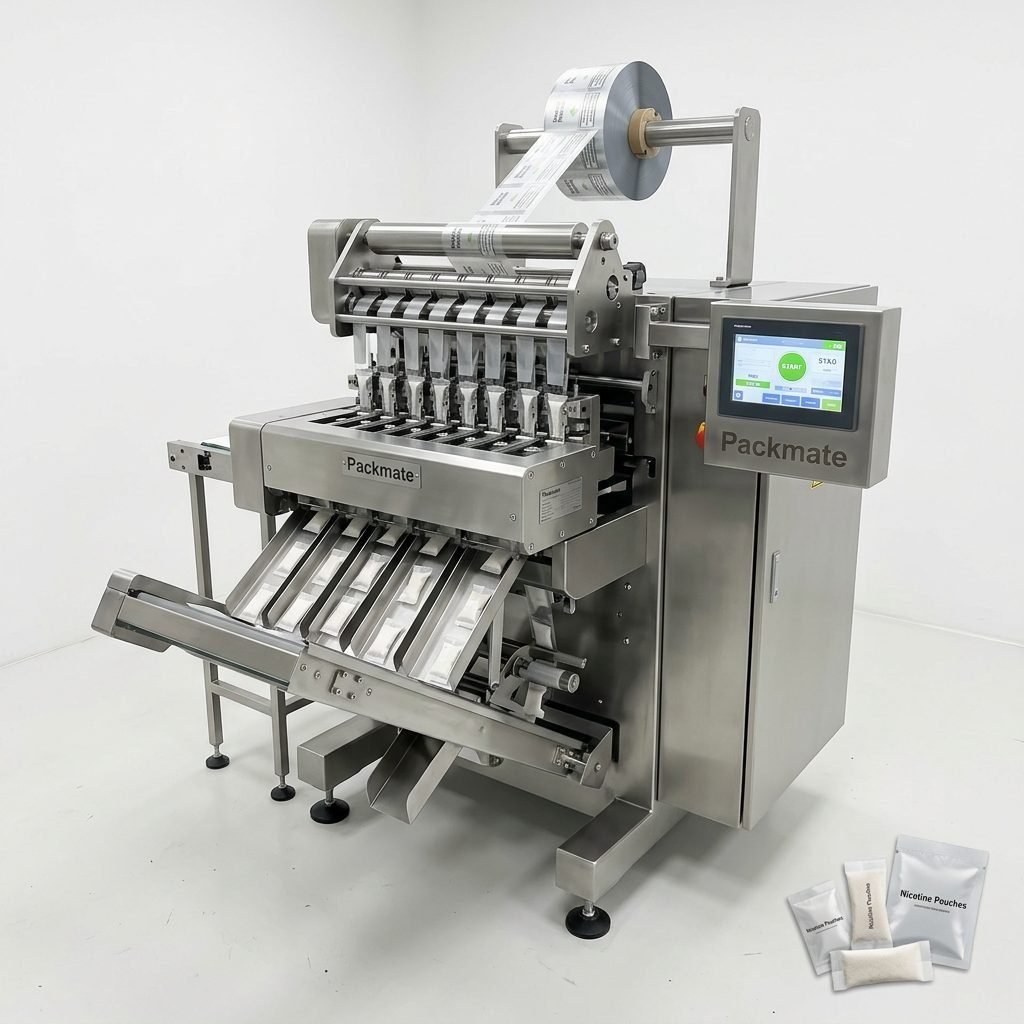
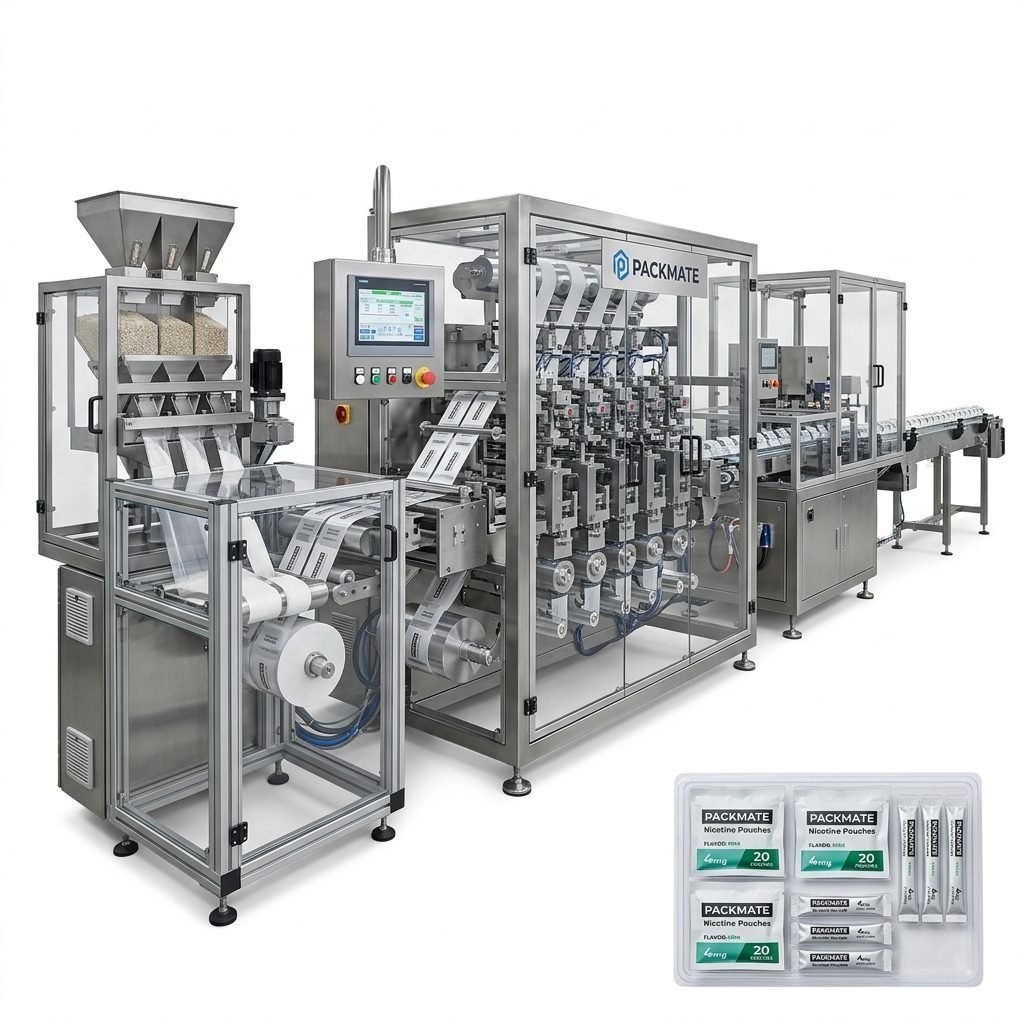
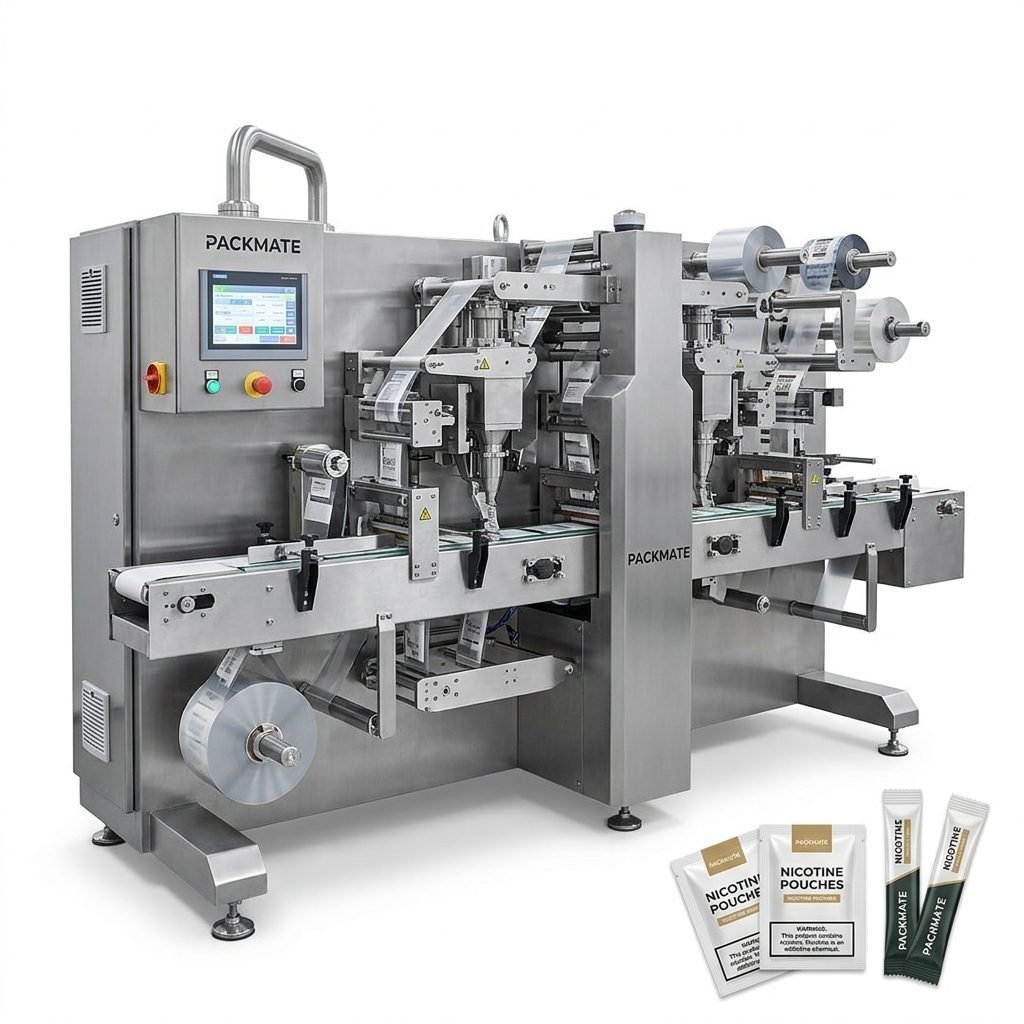
Snus & Nicotine Pouch Machines
These are designed specifically for small-dose nicotine pouches, offering precise dosing and a gentle product handling system. For Haitian producers focusing on pouch products, machines that allow multi-lane output can increase throughput while conserving floor space.
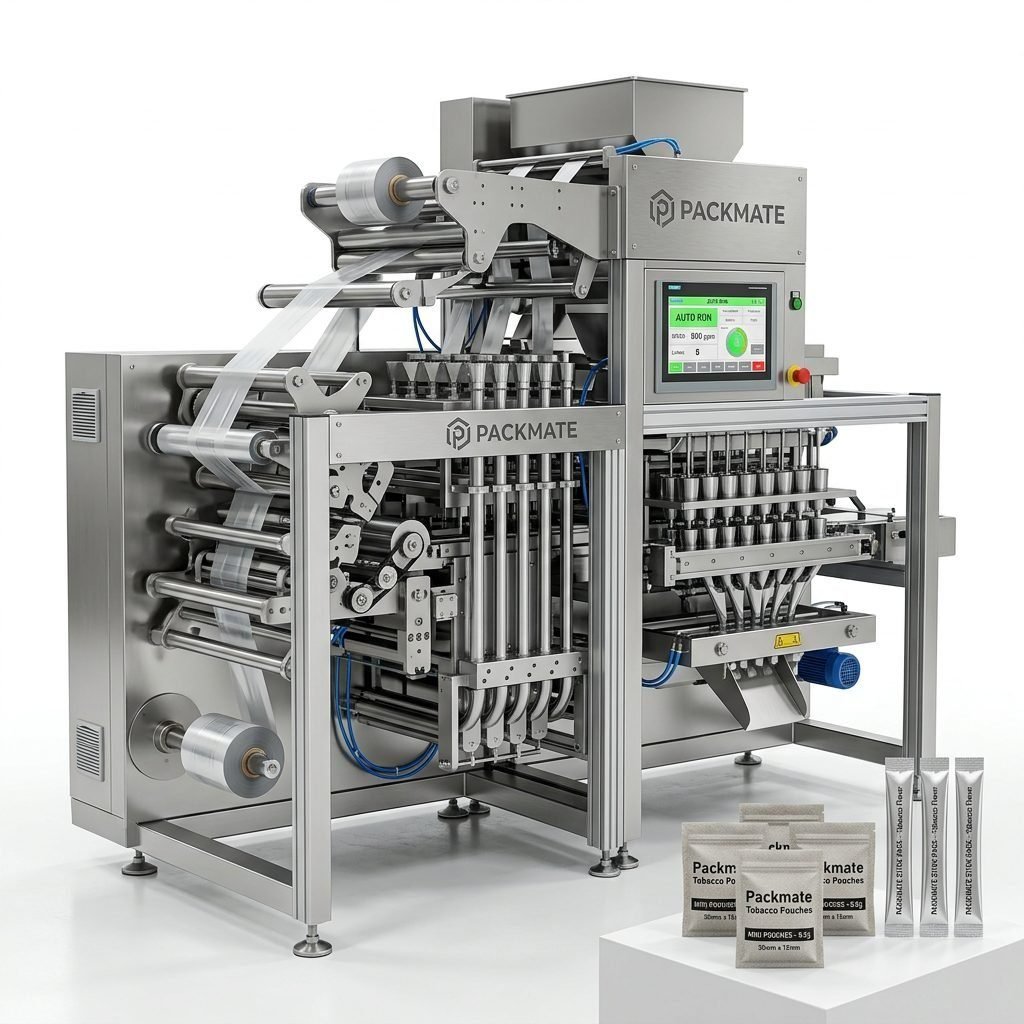
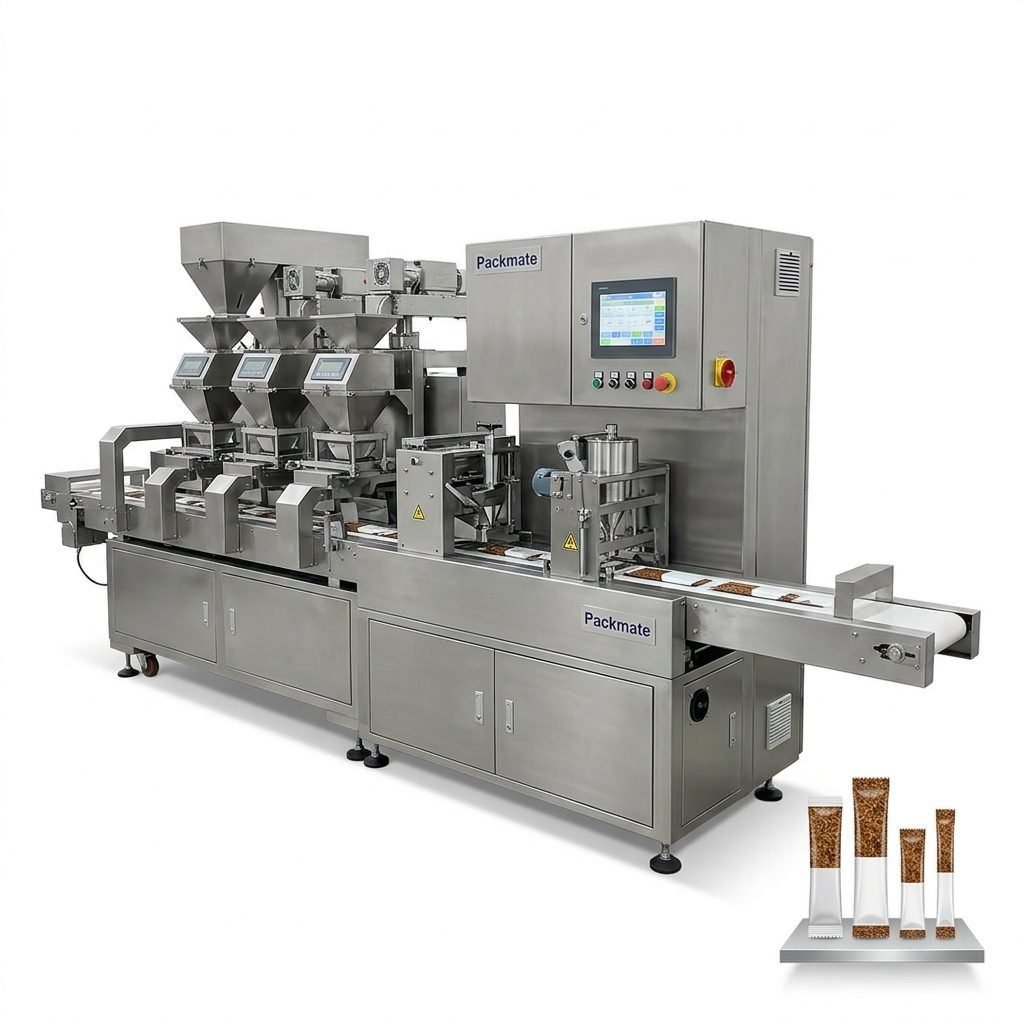
Sachet & Stick Pack Machines
Sachet and stick pack systems are versatile for single-dose or short-term consumption markets. If your brand plans to distribute samples or single-use formats, a stick pack machine can be cost-effective.
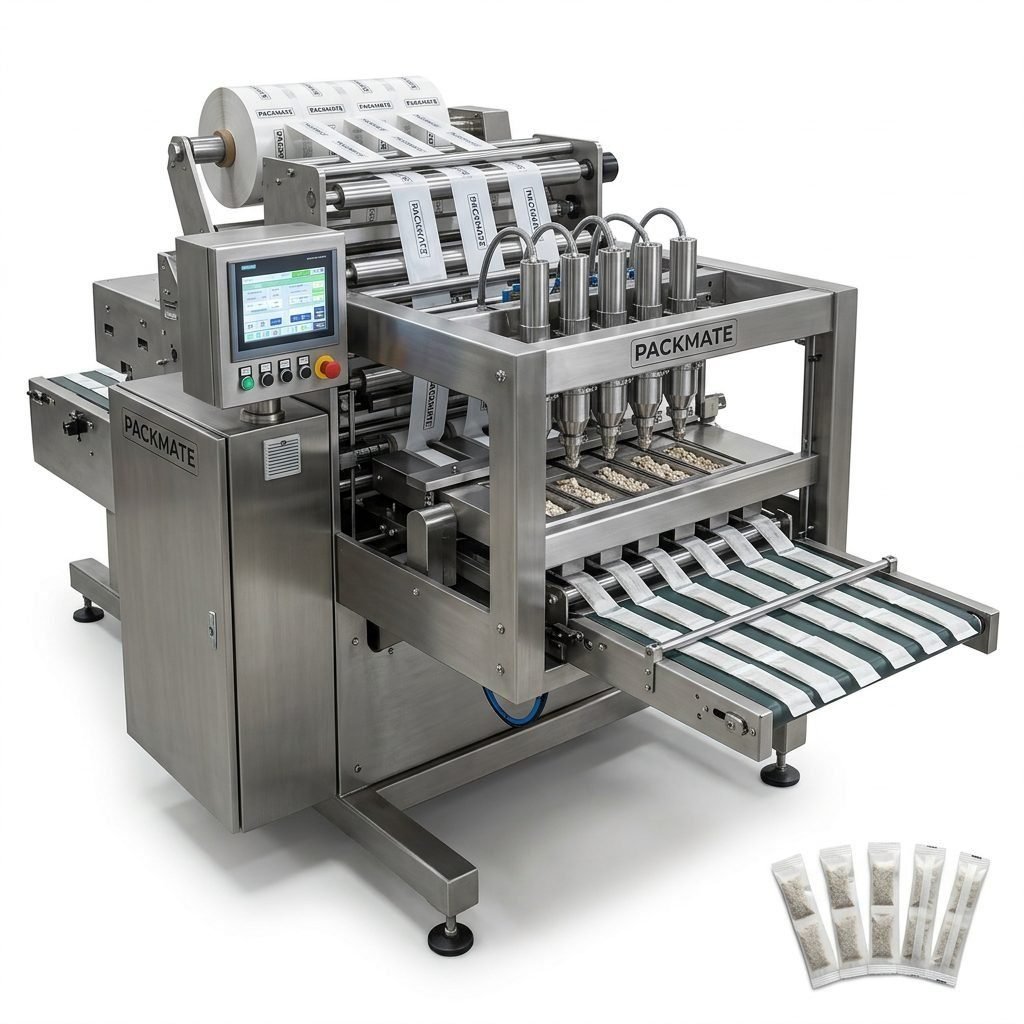
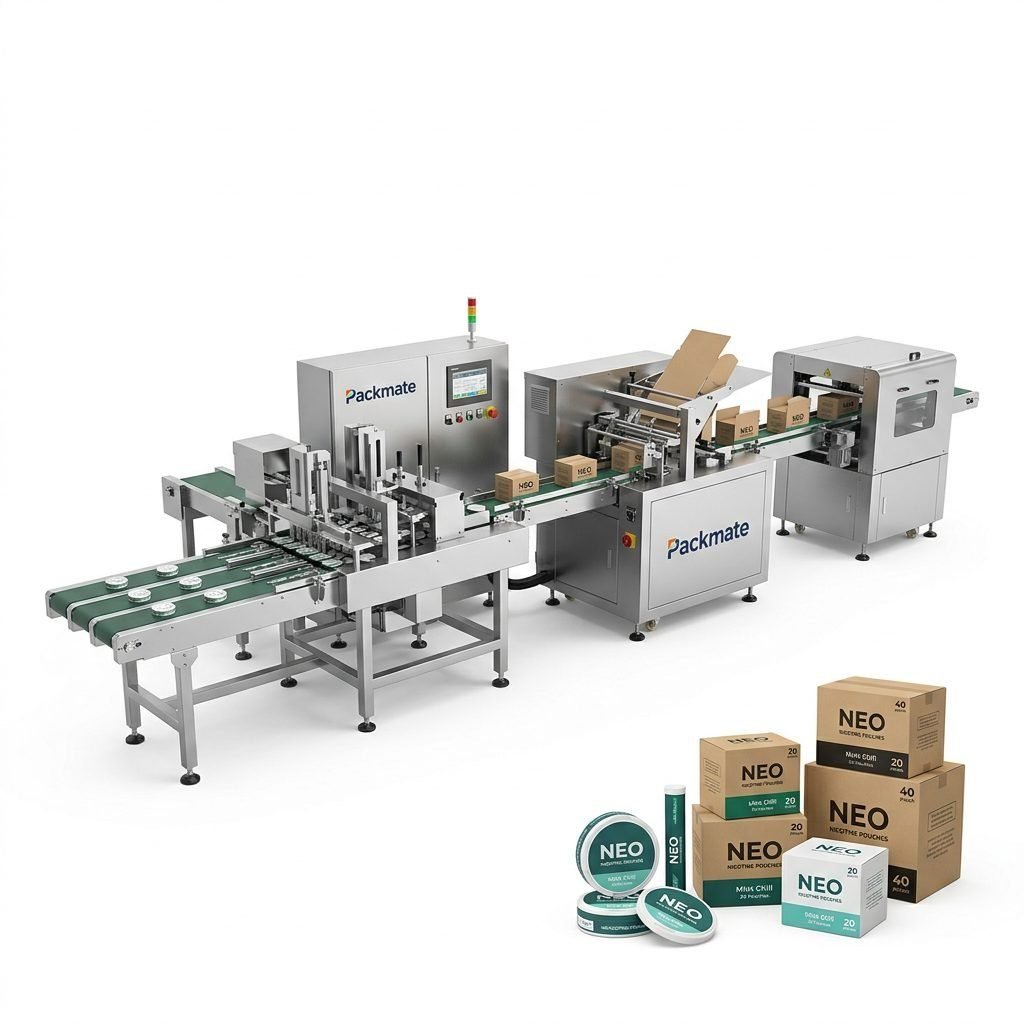
Filling & Packaging Lines with Weighing Systems
Integrated filling and weighing lines are ideal for powder and granule nicotine preparations, or when you need automated material handling with tight weight control. Look for +/- tolerance and stable dosing systems for regulatory compliance.
Explore product categories and machine examples here:
Snus & Nicotine Packaging Machines,
Sachet & Stick Pack Machines,
Filling & Packaging Lines.
Capacity Planning: Match Speed to Demand
Calculate realistic daily and monthly targets before buying. Haitian manufacturers often face fluctuating demand—plan for peak seasons (local festivals, holidays, or increased tourism) and slow months. Key factors:
- Output per minute/hour of the machine;
- Changeover time between formats;
- Uptime expectations given local power quality;
- Space constraints in your facility.
Operational Reliability: Handling Haiti’s Infrastructure Realities
Unstable electricity and variable workshop conditions in Haiti require robust machines:
- Prefer equipment with built-in surge protection and the ability to resume production after mains failure;
- Choose simple, easy-to-service components—local technicians should be able to perform routine maintenance;
- Consider machines with lower compressed-air dependency if your plant has limited utility infrastructure.
Quality, Compliance and Certifications
Compliance with international standards reassures buyers and regulators. Look for CE, ISO, and documented quality testing protocols. Suppliers with export experience are more likely to provide machine commissioning, spare parts, and user manuals in multiple languages.
Ensure the machine’s materials of contact meet hygiene and chemical-resistance standards needed for nicotine-containing products.
Service, Spare Parts and Local Support in Haiti
After-sales service is critical. Evaluate suppliers on:
- Availability of spare parts and typical delivery times to Port-au-Prince or Cap-Haïtien;
- Remote support options (video commissioning, troubleshooting);
- Training programs for local operators and maintenance technicians;
- Warranty terms and clarity on consumable wear components.
Packmate’s global experience can be an advantage—visit their company page to learn about service and global turnkey solutions:
About Packmate.
Customization and Packaging Materials
Haitian manufacturers should select machines that accept a wide range of film types and sachet materials. Consider:
- Barrier properties for humidity control in tropical climates;
- Printable films for attractive local branding;
- Compatibility with biodegradable or recyclable laminates if targeting export markets or eco-conscious customers;
- Ability to handle reclose or child-resistant features if legally required.
Total Cost of Ownership (TCO) — Beyond Purchase Price
Evaluate running costs over the machine lifespan:
- Energy consumption and pneumatic needs;
- Spare parts consumption and shipping costs to Haiti;
- Operator labor and maintenance overheads;
- Downtime cost—choose machines with proven MTBF (mean time between failures).
Local Regulations and Cultural Considerations
In Haiti, compliance and cultural fit matter:
- Language: Provide SOPs and training in French or Haitian Creole when possible to improve adoption and safety;
- Labeling: Ensure labels meet Haitian customs and any regional export market requirements (translation, ingredient declaration, warning labels);
- Community relations: Be mindful of community norms—packaging sizes and pricing should reflect local purchasing habits and religious observances that affect consumption patterns.
Factory Layout and Installation
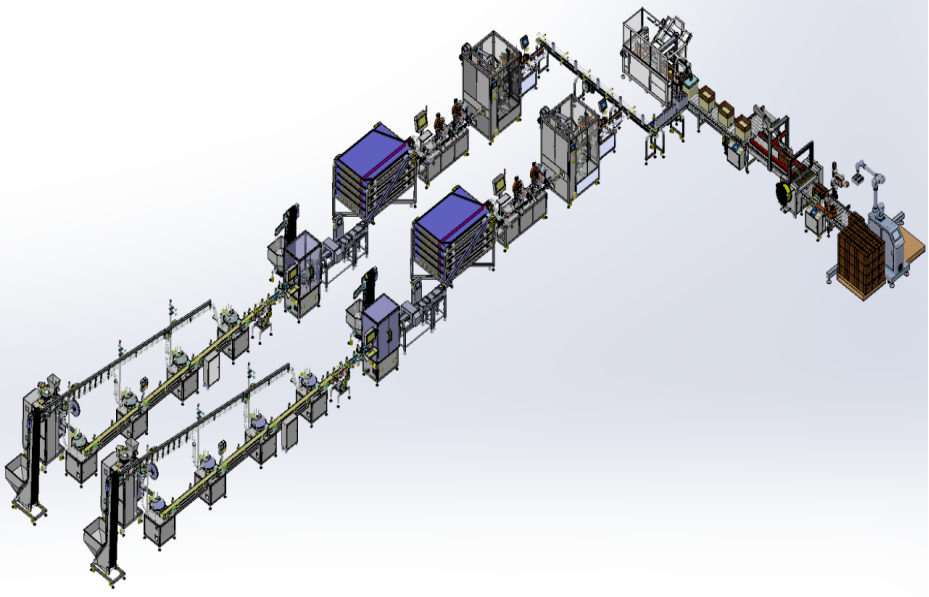
Consider the footprint of the machine and required clearances. Haitian facilities often optimize limited floor space. Modular and vertical solutions can maximize capacity while minimizing the plant footprint. Also plan for:
- Access for loading raw materials and unloading finished packs;
- Clearances for maintenance and part replacement;
- Ventilation and dust control if handling powders.
Trial Runs, Factory Acceptance Tests (FAT) and Shipping to Haiti
Always request FAT and trial runs with your actual materials. Verify:
- Dosing accuracy using your nicotine pouch formulation;
- Packing integrity under tropical humidity;
- Repeatability across shifts and operator changes.
Ask the supplier about export documentation, crating standards, and customs clearance to Port-au-Prince. Suppliers experienced with global shipping, such as those who exhibit internationally, can streamline logistics—see past exhibitions:
Our Exhibition.
Selecting a Trusted Supplier
Look for a manufacturer with long-term experience and global references. Consider these selection criteria:
- Years of R&D and production experience;
- Number of models and customization capabilities to fit your niche;
- Factory size and machining capabilities indicating quality control;
- Certifications and international case studies demonstrating export success.
Request references from similar markets and inspect case studies that show long-term performance. See global cooperation cases for examples:
Case Studies
Practical Checklist Before Purchase
Use this checklist to compare vendors objectively:
- Machine output meets your peak production needs;
- Spare parts availability and shipping time to Haiti;
- Warranty, training, and remote commissioning options;
- Compatibility with local utilities and available floor space;
- Compliance certificates and documented FAT results.
Next Steps and How to Engage with Suppliers
When ready, engage with suppliers by sending detailed product specs, desired throughput, and site photos. Request a proposal that includes lead time, shipping terms, installation, and training. For integrated solutions and auxiliary equipment, explore:
Auxiliary Packaging Equipment
and
Weighing & Packaging Systems.
Always validate the supplier’s ability to provide documentation and spare parts delivery to Haiti, and schedule operator training in the language most comfortable for your team (French or Haitian Creole) to ensure smooth ramp-up.
Frequently Asked Questions
Q: What machine type is best for a small Haitian startup producing 10,000 pouches per month?
A: A single-lane snus pouch machine with easy changeover and modular expansion capacity is ideal. It balances affordability with the option to increase lanes as demand grows.
Q: How can I ensure reliable spare parts supply to Haiti?
A: Choose suppliers with global logistics experience and ask for a spare parts package that includes high-wear items. Confirm lead times and shipping ports, and consider stocking critical parts locally.
Q: Are there specific packaging materials recommended for Haiti’s climate?
A: Use films with good moisture and UV barriers. Laminates with moderate barrier properties help maintain product stability in coastal and humid regions.
Q: Where can I find reliable manufacturers with export experience?
A: Look for companies with established product lines and global case studies. For example, review manufacturers and their product ranges on pages like
Snus & Nicotine Packaging Machines
and
Contact Us for direct inquiries.
If you are ready to evaluate machines, prepare your product specs, desired throughput, and a short video or photos of your facility. This information helps suppliers provide accurate proposals and reduces the risk of unexpected modifications during installation.