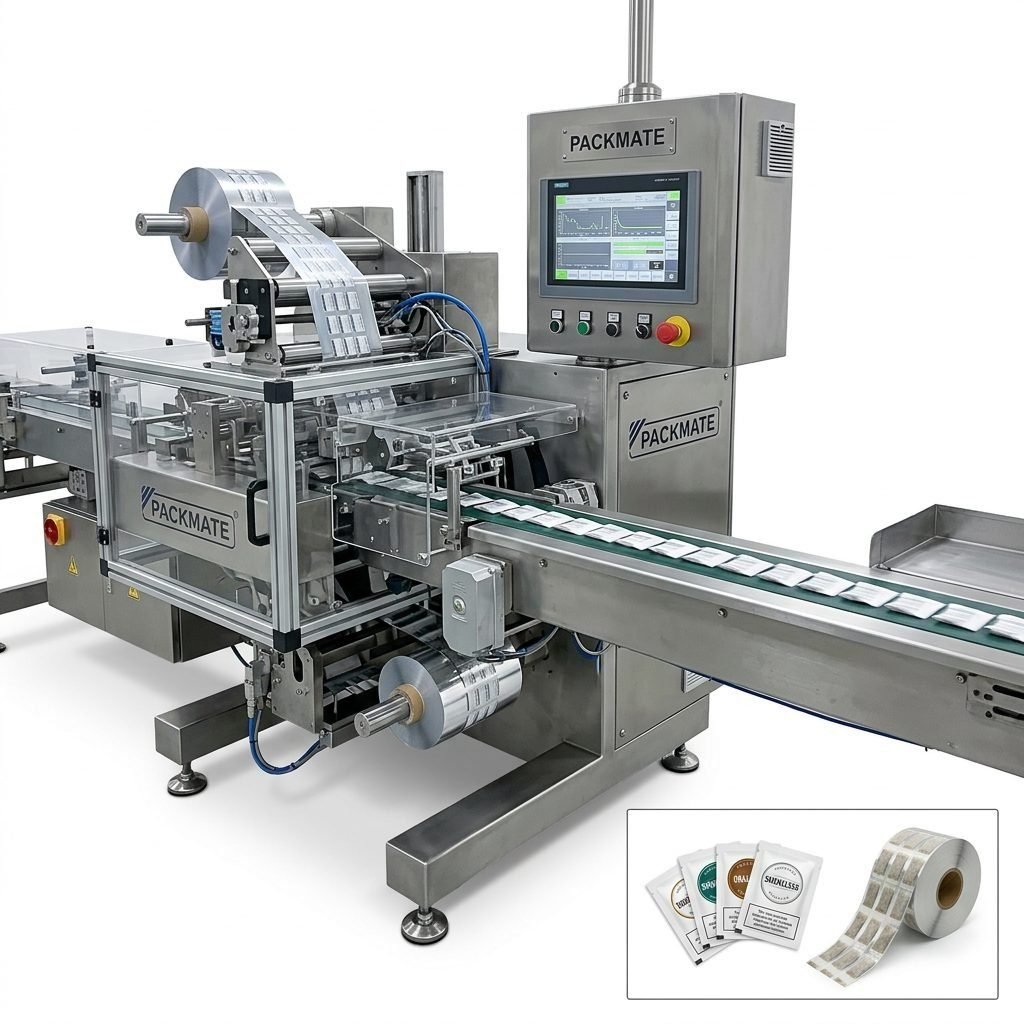
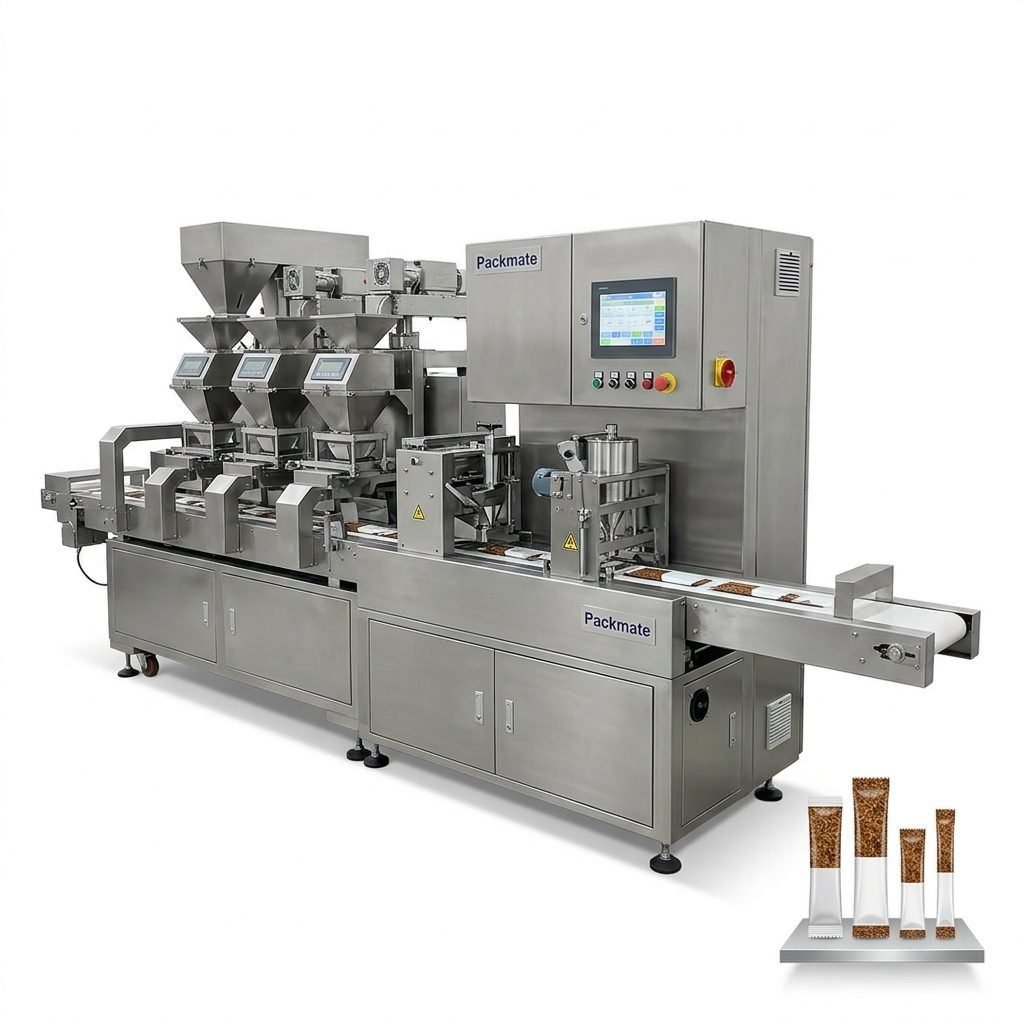
Choosing the right snus packaging machine supplier in Europe can make or break your production efficiency, compliance, and long-term profitability. Whether you’re producing nicotine pouches for Nordic markets or supplying novel tobacco-free sachets across the continent, the right partner must combine industry experience, certified manufacturing, localized support and flexible engineering. This guide walks you through practical selection criteria, European considerations, technical checkpoints and negotiation tips so you can confidently select the best supplier for your snus and nicotine pouch packaging needs.
Why choosing the right supplier matters
🔎 The supplier is not just a vendor of machines — they are your production partner. A reputable supplier affects:
✅ Machine reliability and uptime — fewer stoppages, lower waste and consistent output.
✅ Regulatory compliance — CE and ISO certifications ensure machines meet European safety and quality expectations.
✅ After-sales service — fast spare parts, remote diagnostics and local support reduce downtime.
✅ Long-term customization and integration — ability to tailor multi-lane systems, stick packs, sachets and full turnkey lines.
Europe-specific realities you must consider
⚠️ European markets are diverse — laws, customs and consumer preferences vary regionally. For example, snus is culturally entrenched in Scandinavian countries (especially Sweden and parts of Norway) where traditional moist snus and modern nicotine pouches are widely consumed. In contrast, many EU countries restrict or ban the sale of smokeless tobacco products: always confirm local market legality and labeling rules before scaling production.
⚙️ Logistics and language matters: choose a supplier able to provide documentation, user manuals and training in English and, when needed, in local languages. Look for European exhibition presence or clients — this indicates better familiarity with regional distribution and after-sales expectations.
Key technical features to evaluate
Top performance indicators
⚙️ Production speed and throughput (pouches per minute) — ensure machine speed aligns with your planned volumes.
🎯 Filling accuracy and weight control — critical for nicotine dosing/consistency; check integrated weighing systems or compatibility with your chosen feeders.
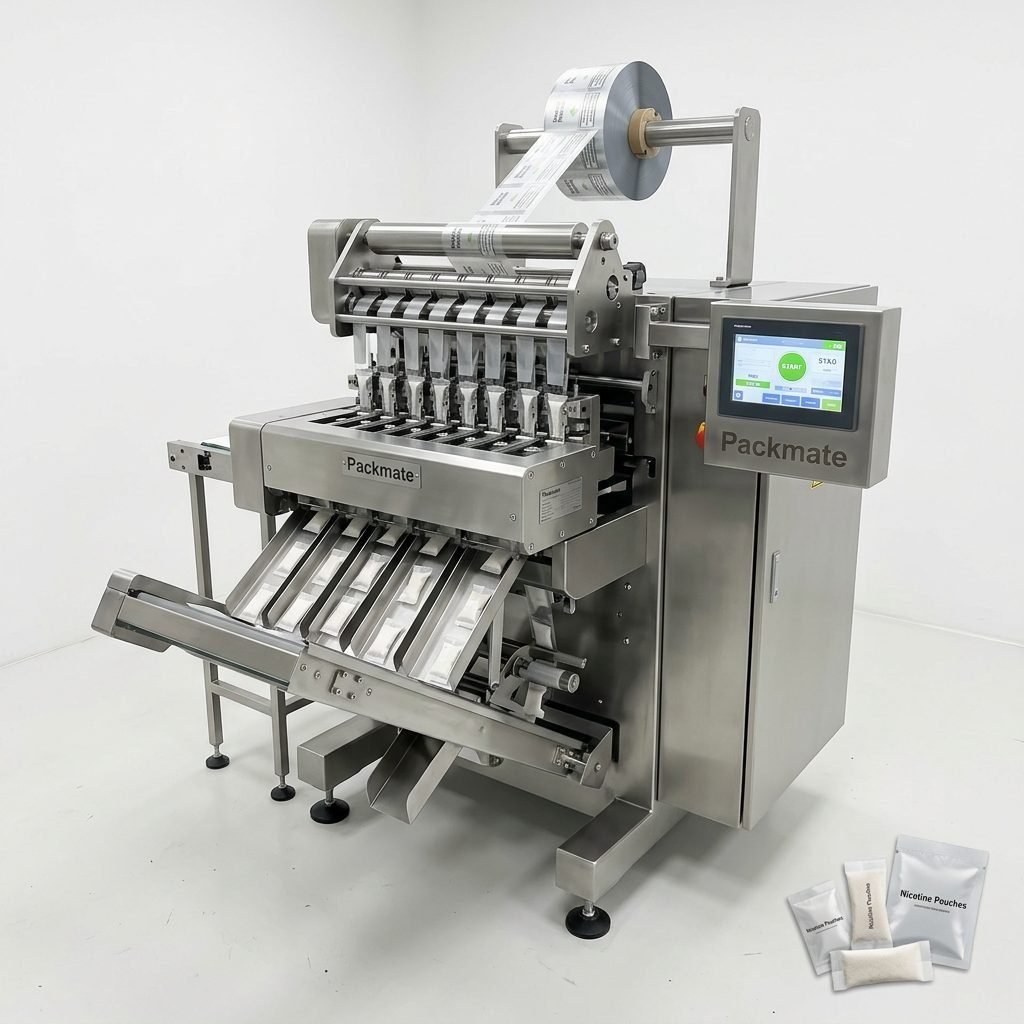
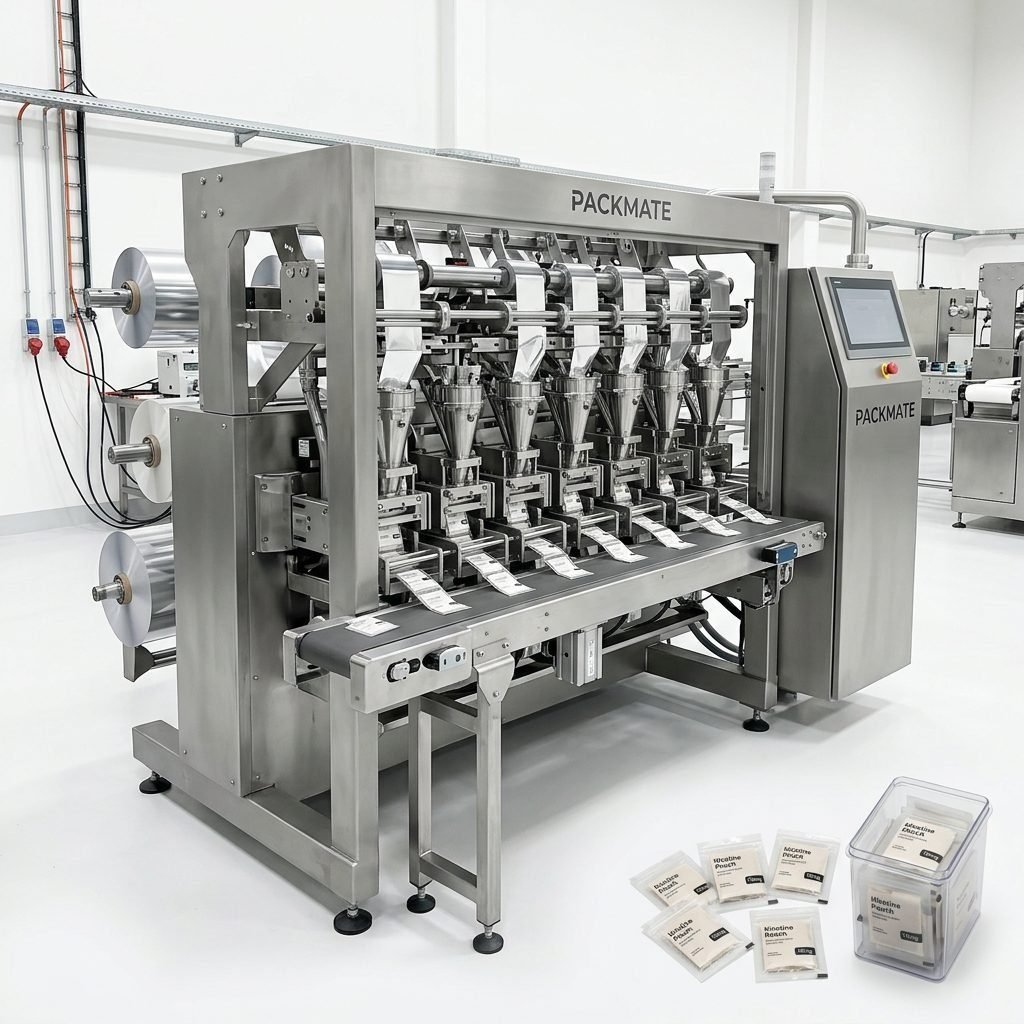
🧩 Multi-lane capability — multi-lane systems increase throughput without expanding floor space; confirm lane count options and lane-to-lane consistency.
♻️ Material flexibility — ability to run different pouch formats (stick pack, sachet, pillow, zip pouches) and handle powders, granules and moisture-sensitive blends.
Machine categories to compare
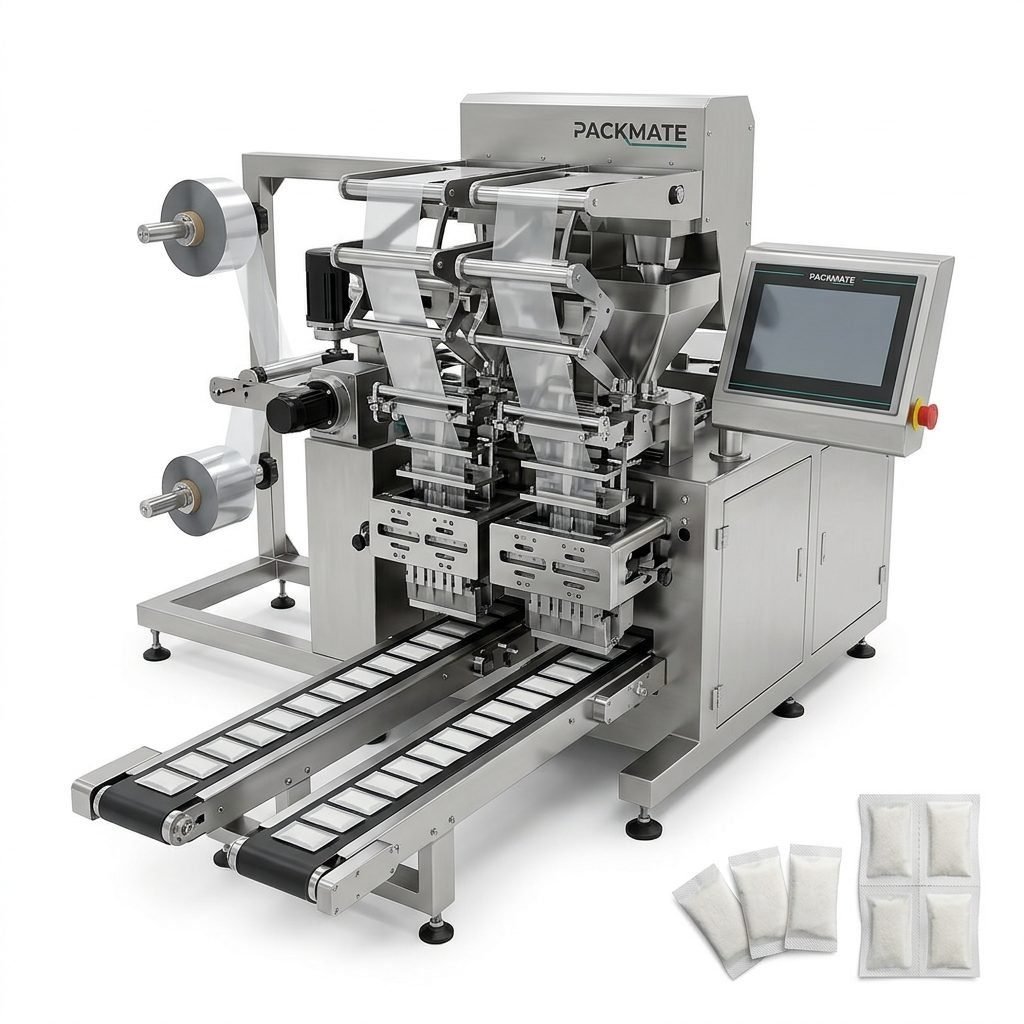
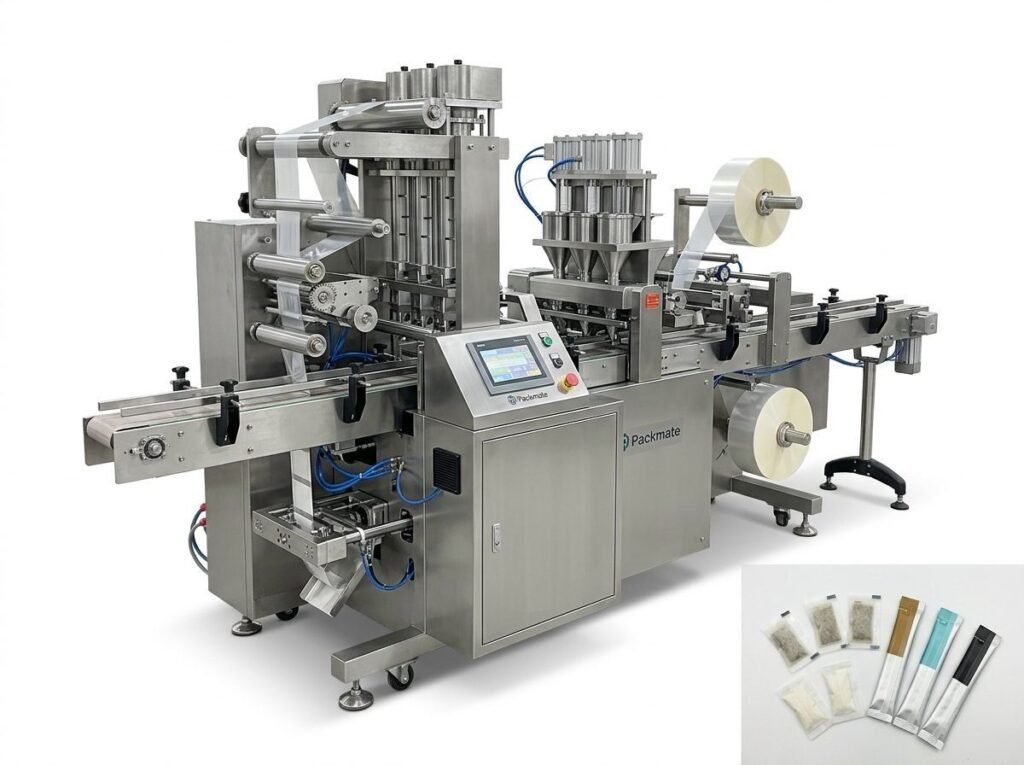
– Standalone snus and nicotine pouch machines for small-batch or specialty products.
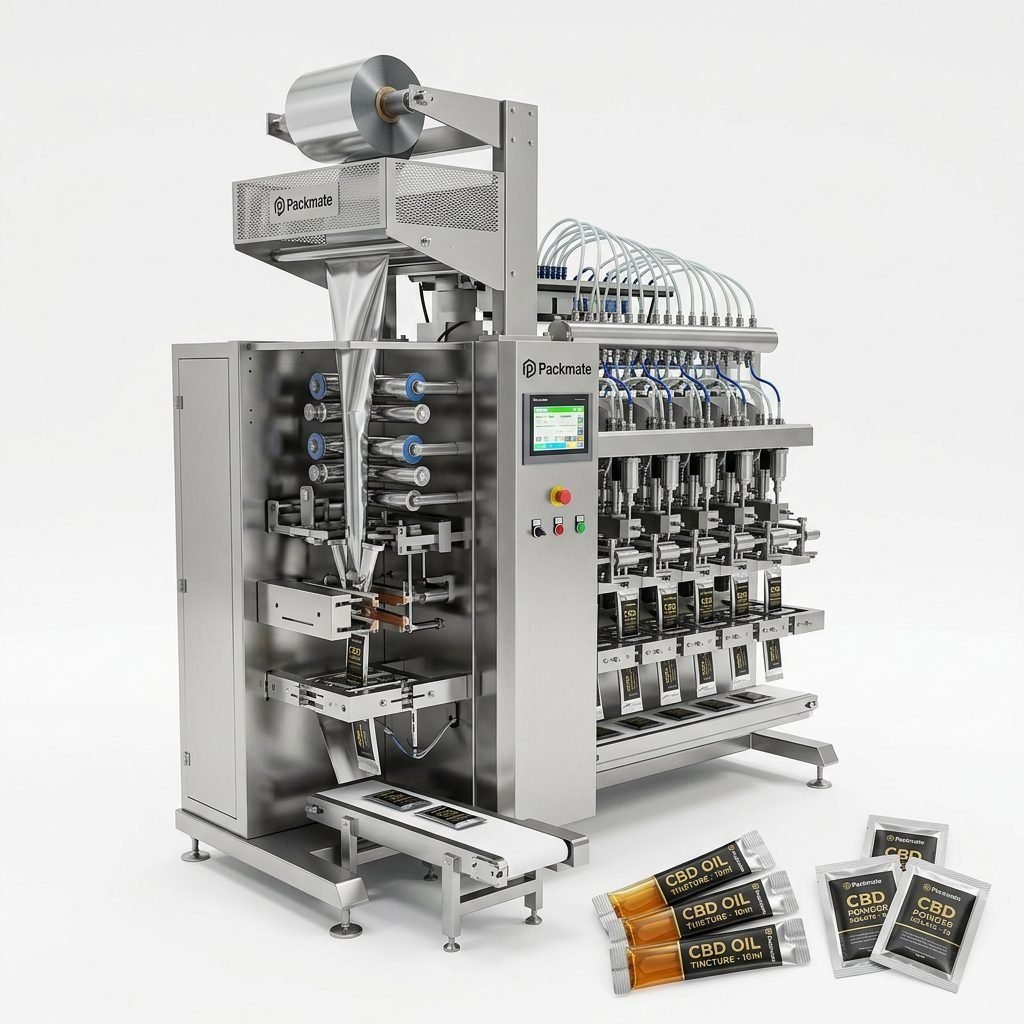
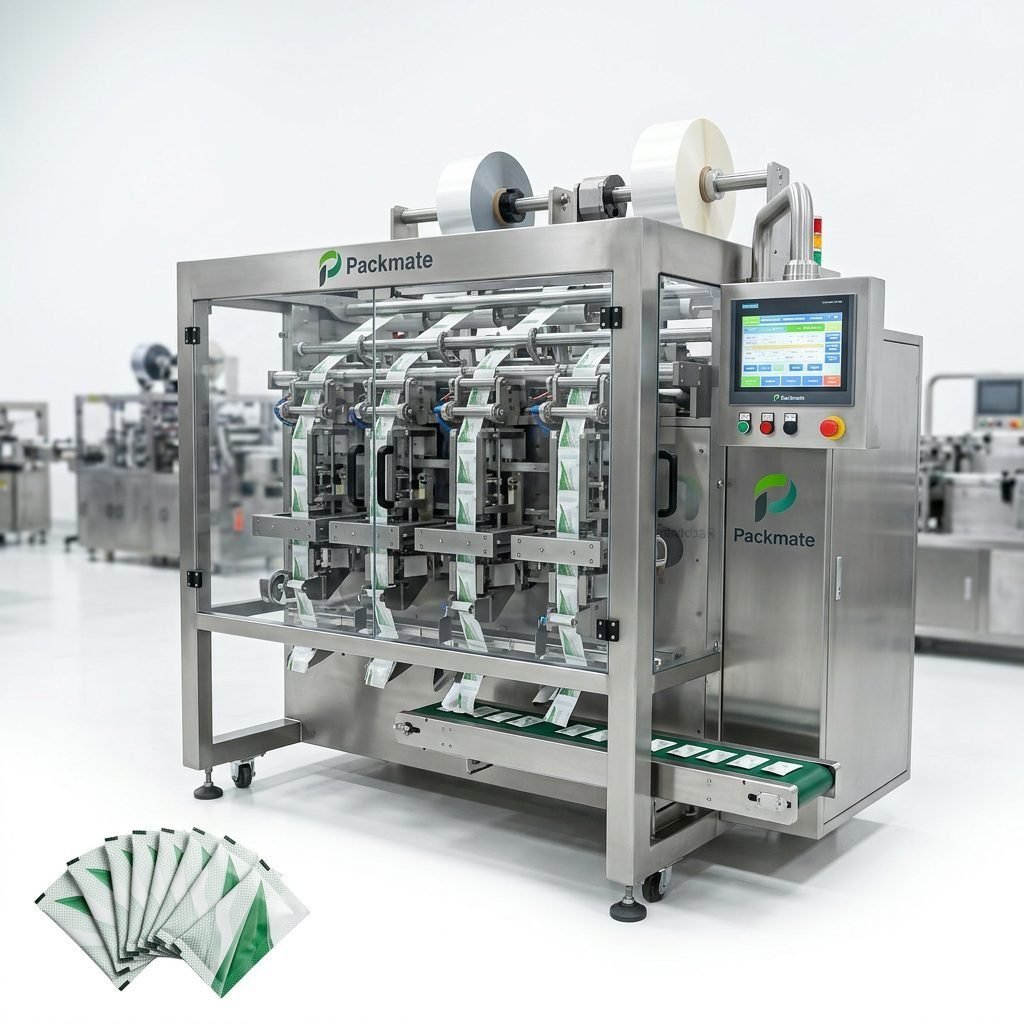
– High-speed multi-lane sachet or stick pack systems for mass-market production.
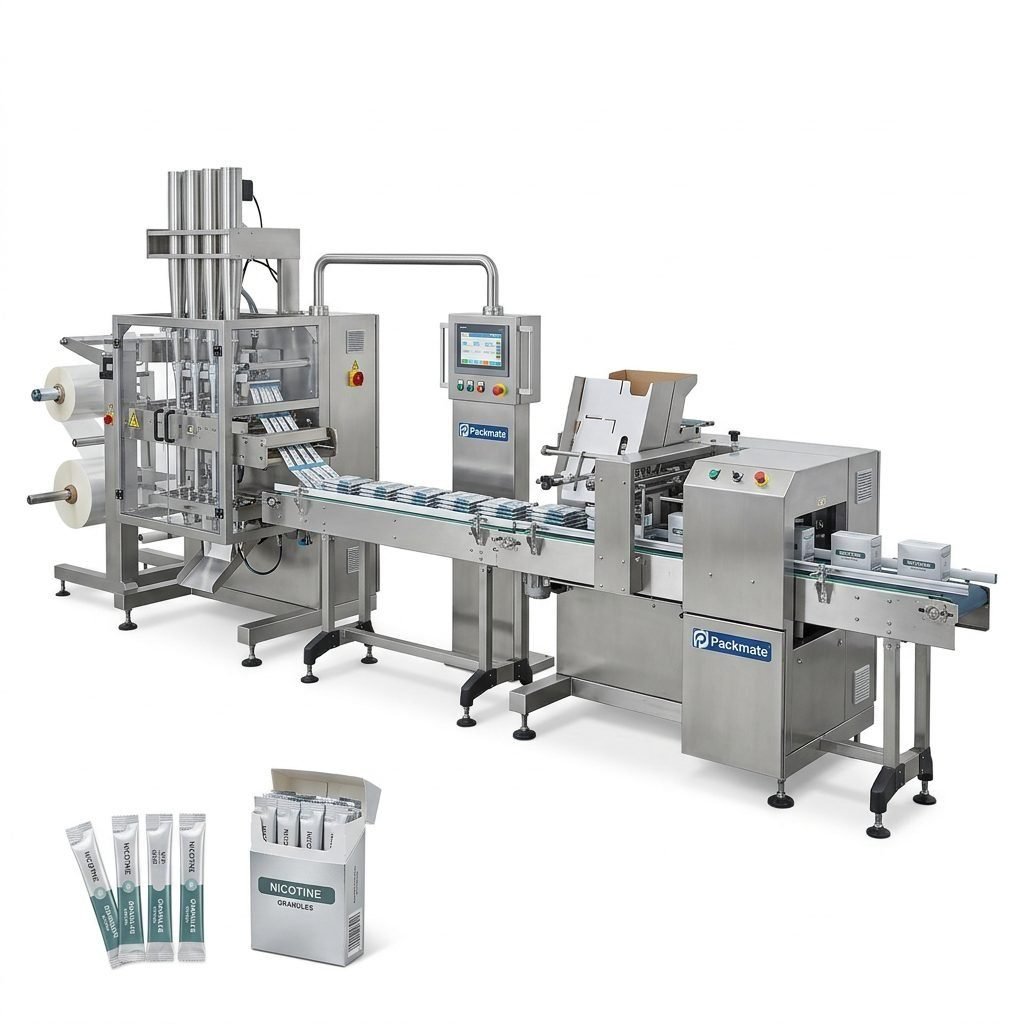
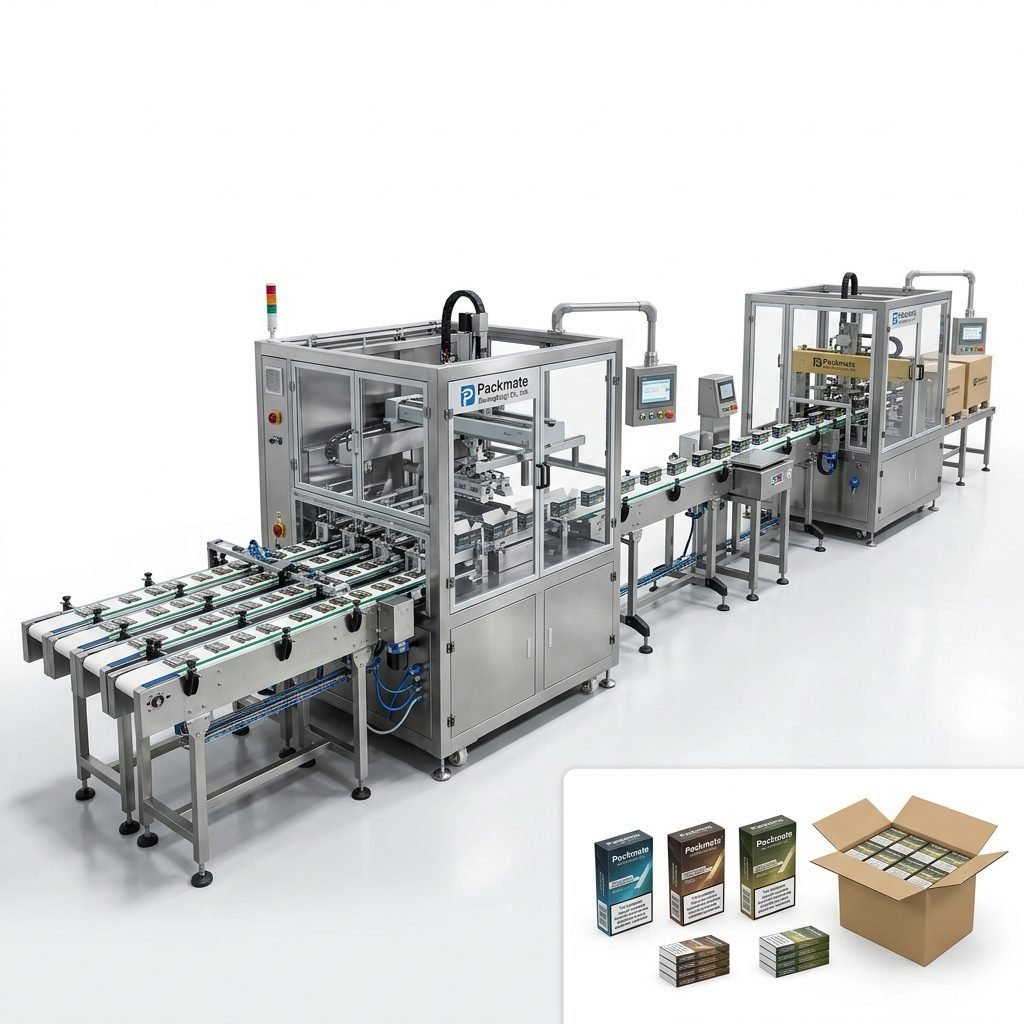
– Full automated lines that include weighing, filling, sealing, and secondary packaging for palletizing and cartoning.
Assessing manufacturing quality and capacity
📦 Inspect supplier factory scale and equipment capabilities. A modern, well-equipped facility with advanced CNC machining and precision assembly lines shows the supplier’s ability to produce durable, serviceable machinery. For example, suppliers with a large facility (e.g., 20,000㎡) and 30+ years of engineering experience typically provide robust quality control and faster custom development cycles.
Checkpoints
– On-site CNC capability and certified weld/join processes.
– Clear assembly and quality testing procedures.
– Documented production capacity, lead times and spare parts inventory.
Certifications, standards and compliance
📑 Certifications are non-negotiable for European operations. Ask for CE declarations, ISO certificates, electrical safety documentation and any regional approvals relevant to food or pharmaceutical contact materials. If the supplier’s machines are used for nicotine products, ensure traceability for materials and that machine surfaces meet hygiene standards.
For supplier reference pages see: Certificate and company background like About Packmate.
After-sales support, spare parts and training
✅ Fast, reliable after-sales is essential. Confirm spare parts lead times, availability of common wear parts, and whether the supplier offers local stocking or European distribution. Remote support, PLC program backups, and on-site commissioning are crucial for rapid startup.
🔧 Training: ensure operator and maintenance training are included, ideally with local language options and clear documentation. Video guides and remote troubleshooting portals add value.
Service offerings to request
– Standard warranty and extended maintenance contracts.
– Spare parts kits for first 12 months.
– Remote PLC/servo support and annual preventive maintenance visits.
– Commissioning and test runs at the supplier factory or at your site.
Customization and R&D capabilities
⚙️ Look for suppliers with a strong R&D track record who can adapt machine tooling, dosing systems, or product handling to unique pouch constructions or nicotine blends. Suppliers with many models and a history of continuous innovation (for example, evolving multi-lane systems since early 2010s) typically respond faster to bespoke requests.
Price vs total cost of ownership (TCO)
💶 Initial purchase price is only part of the equation. Estimate TCO across:
– Energy consumption and spare-part replacement costs.
– Labor requirements and training needs.
– Downtime risk and mean time to repair.
– Integration costs for upstream/downstream equipment (weighing systems, cartoners, case packers).
Factory acceptance tests and trial runs
🔍 Demand factory acceptance tests (FAT) and if possible sample production using your actual materials and pouch films. A reliable supplier will perform test runs and provide video/documentation, and allow you to witness FAT or schedule a site visit during exhibitions or demonstrations.
Useful resources: product pages such as Snus & Nicotine Packaging Machines and integrated systems like Filling & Packaging Lines.
Logistics, lead times and installation
🚚 Confirm shipping modes, crate specifications, and partner freight forwarders experienced with heavy machinery. For European deliveries, check if the supplier offers DAP/EXW/CIF incoterms and whether they support customs clearance assistance. Installation and onsite commissioning times should be written into the contract.
Contract terms, warranties and intellectual property
📑 Make sure the purchase agreement covers warranty duration, scope (mechanical, electrical, control systems), acceptance criteria, performance guarantees and penalties for missed delivery. Clarify ownership of PLC code and whether customization IP is transferable or licensed.
How to vet suppliers quickly — a short checklist
🔎 Quick vetting checklist:
• Confirm CE/ISO certifications and provide copies.
• Ask for factory photos, equipment lists and CNC capability.
• Request references from European customers and case studies — see supplier case pages such as Case.
• Verify spare parts lead times and local stocking options.
• Schedule a demo, FAT, or visit their stand at exhibitions — see Our Exhibition.
Negotiation tips
💡 Negotiate bundled terms: machine + spare parts kit + commissioning + training. Ask for a breakdown of costs and propose performance-linked payment milestones (e.g., deposit, FAT acceptance, on-site commissioning).
Why a partner like Packmate might be the right fit
📌 Consider suppliers with deep experience in snus and nicotine pouch equipment — they understand product-specific challenges such as low-dose filling, dust control, and consistent sealing of small pouches. Packmate Snus Machine, for example, highlights decades of engineering experience, a 20,000㎡ manufacturing facility, CE/ISO compliance and a broad product range across snus, stick pack and sachet systems.
If you want to review full product capabilities or contact sales teams for tailored solutions, explore Packmate’s product sections for snus and pouch machines and auxiliary equipment: Bag & Pouch Packaging Machines, Sachet & Stick Pack Machines and get in touch via Contact Us.
Final decision framework — making the purchase
Use a weighted scoring model to compare suppliers across technical fit, compliance, factory capability, TCO, lead times and after-sales. Assign weights aligned to your priorities (e.g., 30% machine performance, 25% support, 20% compliance, 15% price, 10% logistics) to reach an evidence-based decision.
Final practical tips
• Insist on FAT with your actual materials.
• Reserve budget for spare parts and first-year preventive maintenance.
• Document acceptance testing criteria in the purchase contract.
• Build a relationship for continuous improvement: regular reviews and upgrades keep production efficient.
FAQs — common questions from European buyers
Q1: Are snus packaging machines legal across Europe?
A1: Regulations vary by country. Snus sales are historically restricted in many EU countries, with exceptions (e.g., Sweden). Nicotine pouches (tobacco-free) often face different regulatory pathways. Always verify national rules and labeling requirements before production.
Q2: What certifications should I demand from a supplier?
A2: At minimum, request CE certification for machine safety, ISO quality system documentation, and any food-contact material compliance certificates relevant to your product.
Q3: How important is FAT and sample testing?
A3: Extremely important. Factory Acceptance Tests using your actual materials confirm dosing accuracy, sealing integrity and production speeds before shipment, minimizing on-site surprises.
Q4: How do I ensure fast spare parts supply in Europe?
A4: Choose suppliers with European distribution partners or confirm express shipping options. Negotiate a spare parts kit for the first 12 months and request recommended preventive maintenance schedules.
Q5: Can I visit the supplier’s factory or see demonstrations?
A5: Yes — reputable suppliers arrange factory visits, live demos at exhibitions, or provide FAT video evidence. Visiting the factory is the best way to verify manufacturing quality and discuss custom requirements.