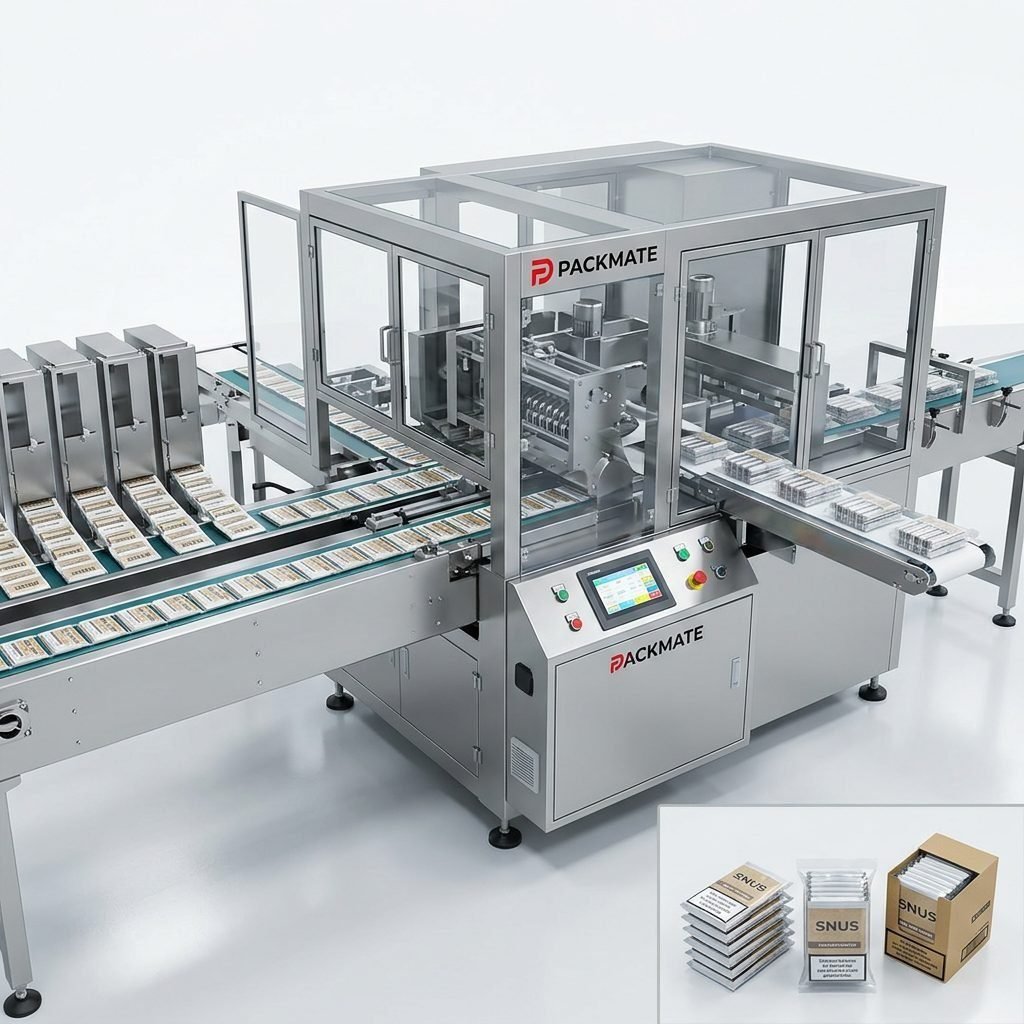
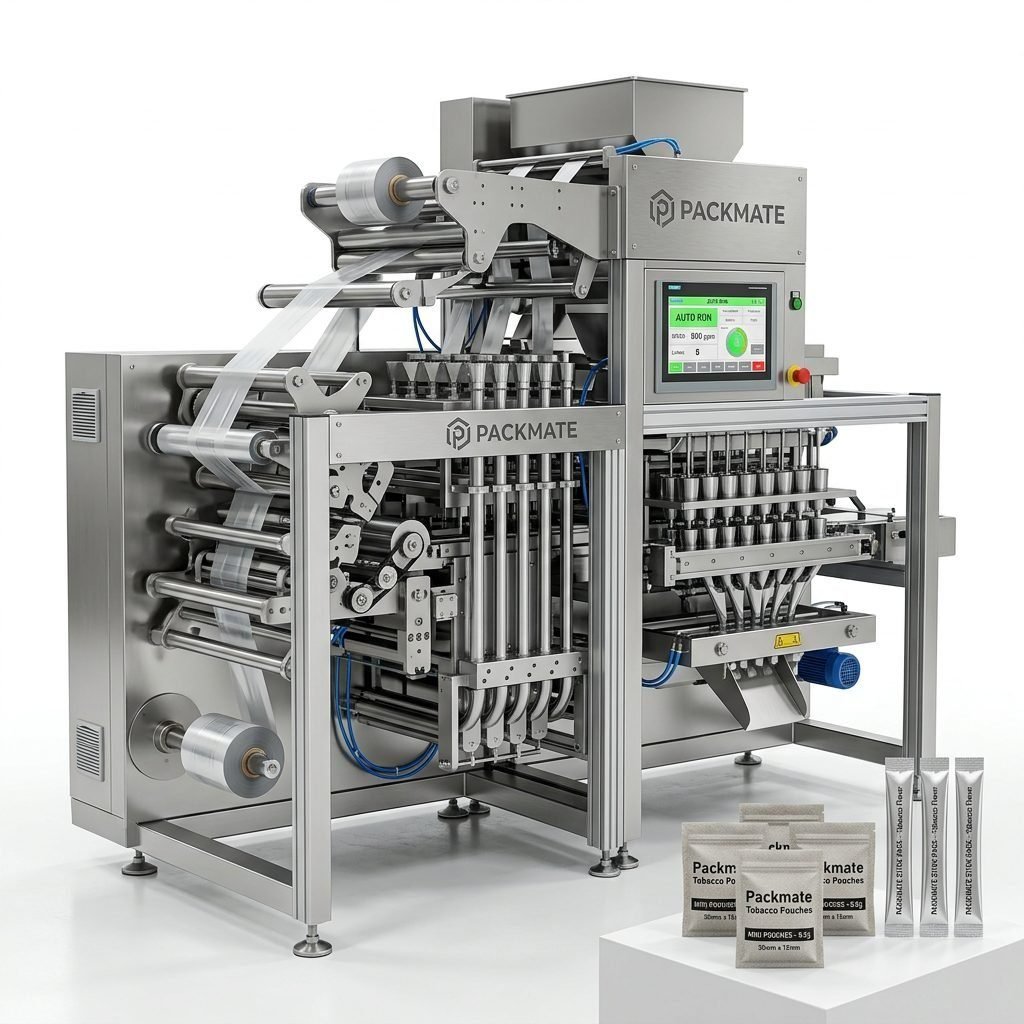
Choosing the right snus packaging machine manufacturer in Nigeria is a strategic decision that affects product quality, production efficiency, regulatory compliance, and long-term costs. Whether you are launching a new nicotine pouch brand or scaling an existing operation, this guide walks you through the most important factors to evaluate so you can select a partner that aligns with your business goals.
Understand the Machine Types and Production Needs
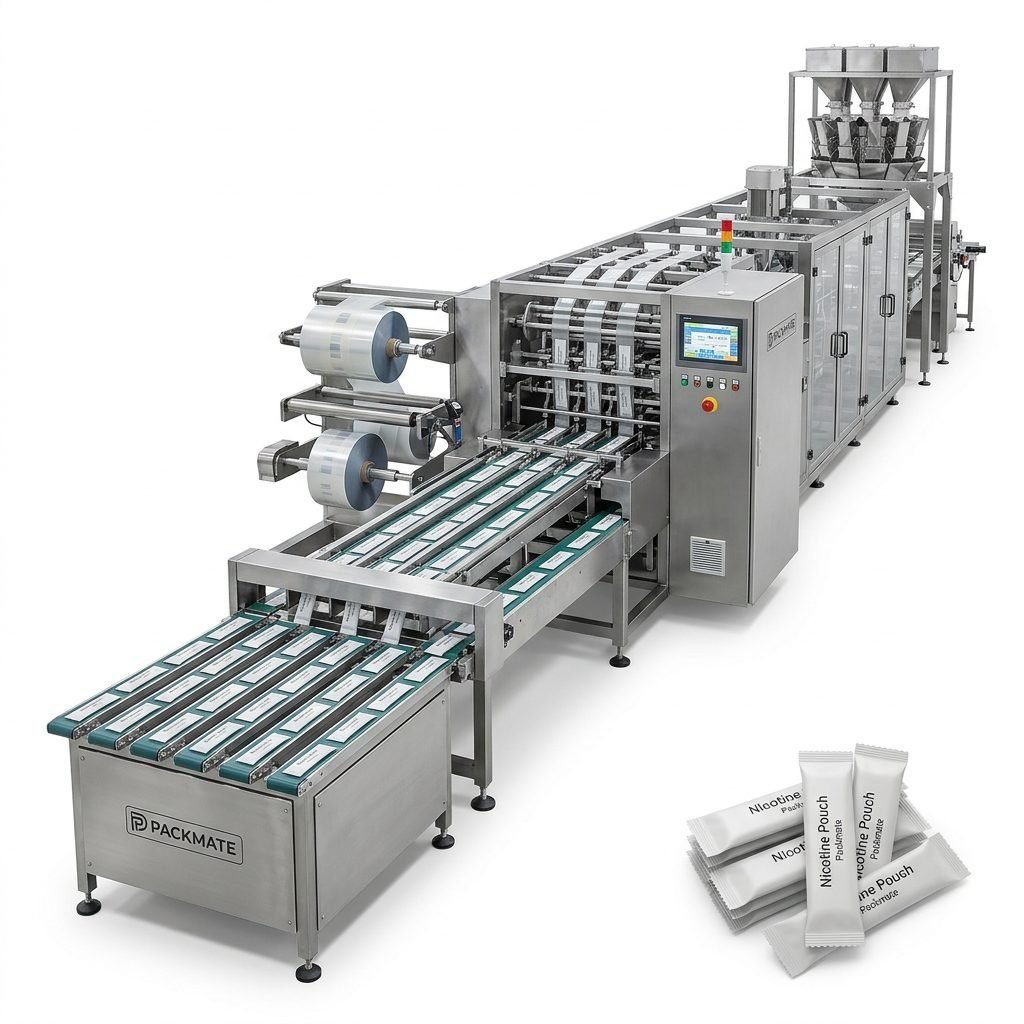
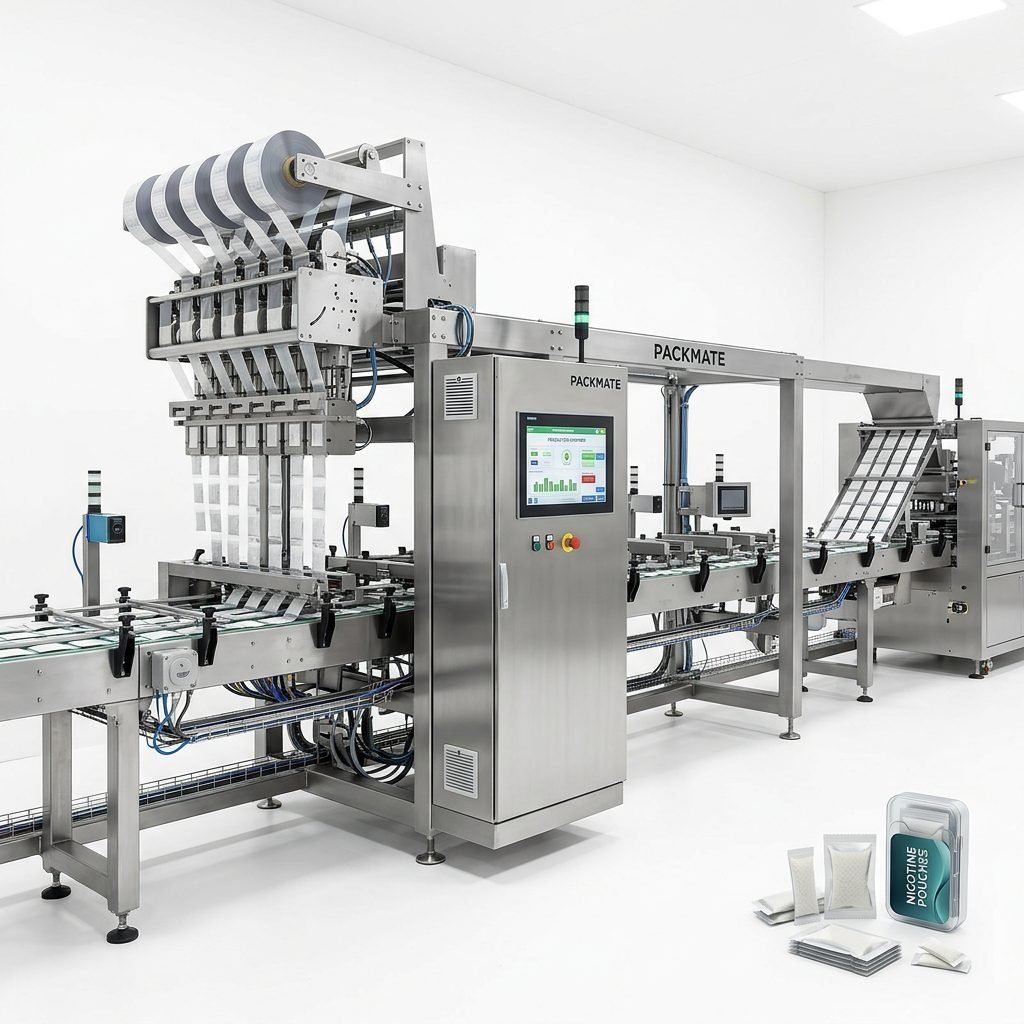
Start by defining what you need to produce. Snus and nicotine pouches require specialized packaging formats, such as sachets, stick packs, or multi-lane pouches. Consider:
🔎 Production format: single-lane stick pack, sachet, multi-lane pouch or custom pouch shapes.
⚙️ Output capacity: pieces per minute and shift throughput — be realistic about daily demand and growth plans.
Match Machine Capabilities to Product Characteristics
Different fill materials and pouch sizes demand specific handling: powders, granules, moisture-sensitive snus blends, or liquid inclusions all have unique requirements. Look for machines with appropriate dosing systems, hygienic design, and gentle handling to preserve product integrity.
Evaluate Manufacturer Experience and Track Record
Experience in the industry translates to better engineering choices, tried-and-tested solutions, and fewer surprises during commissioning. Consider manufacturers with a clear history of delivering snus and nicotine pouch lines.
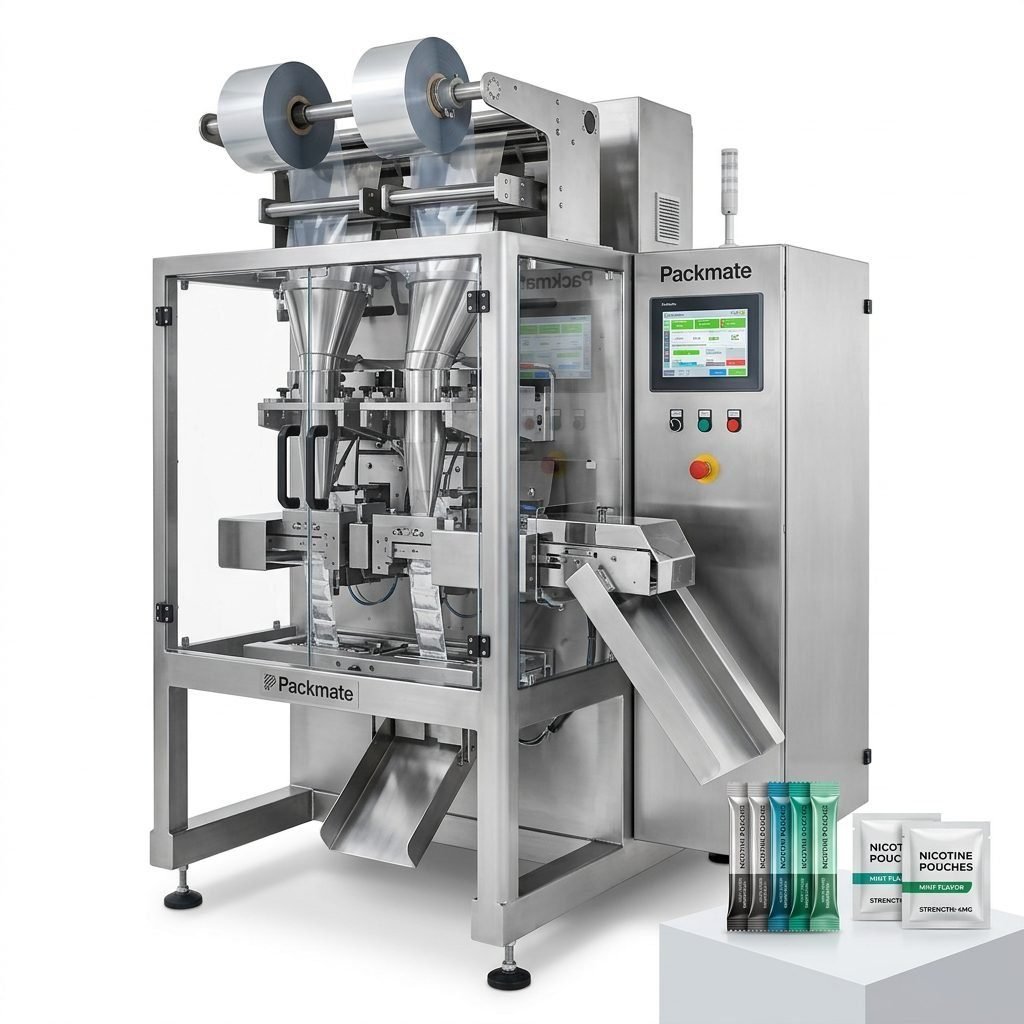
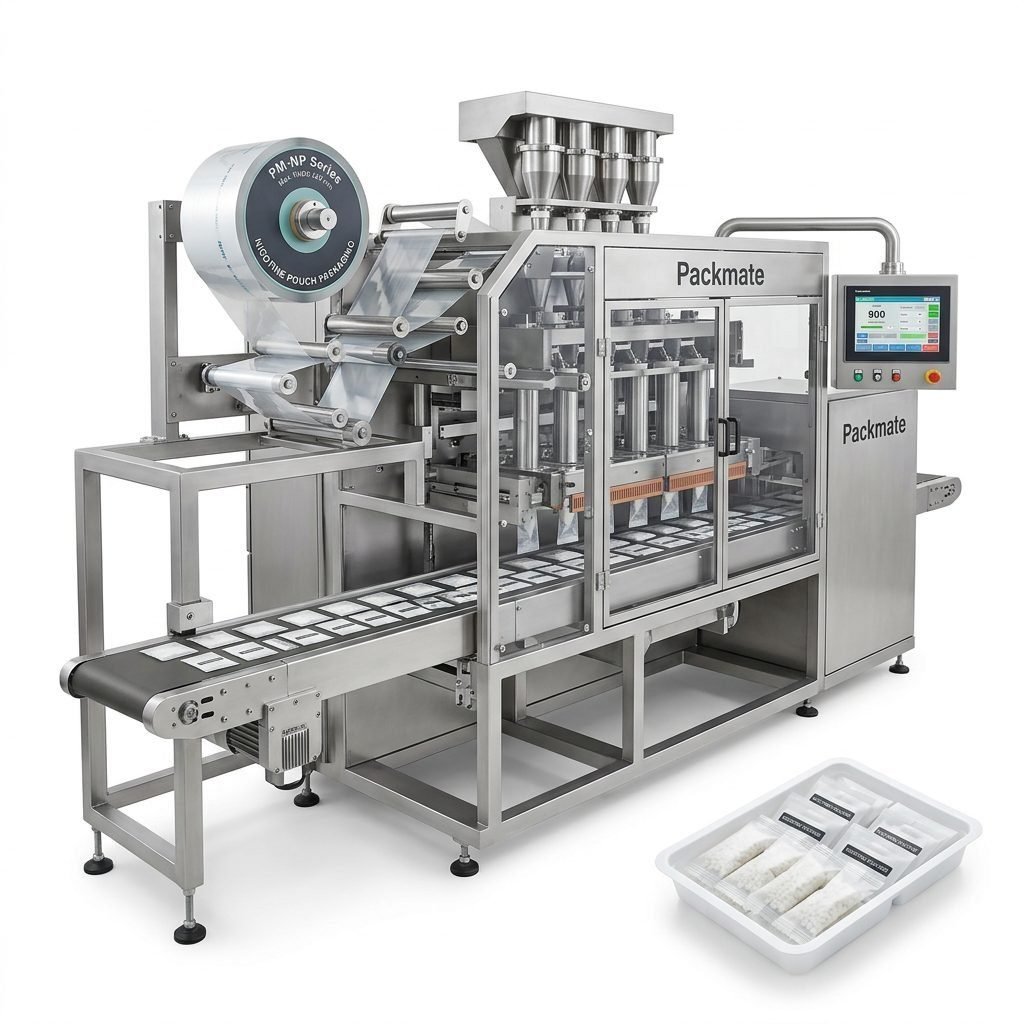
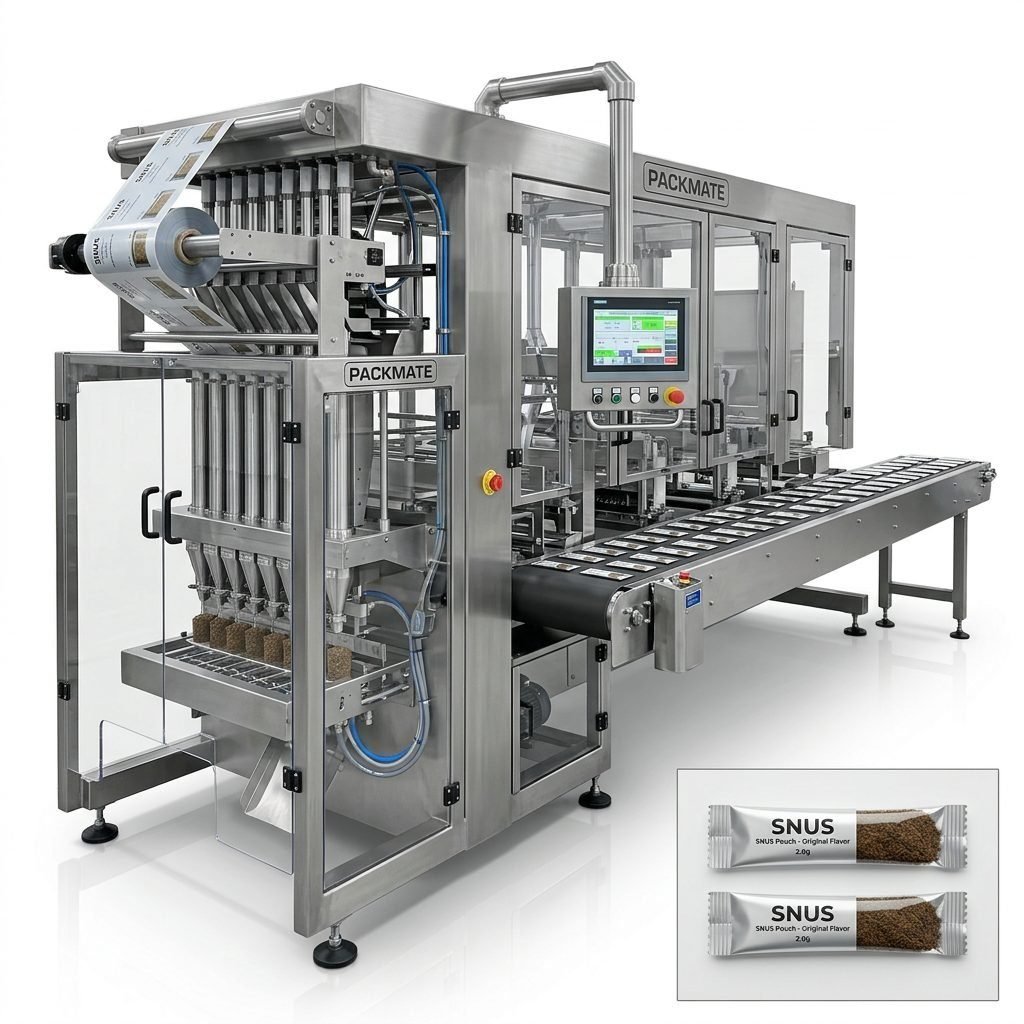
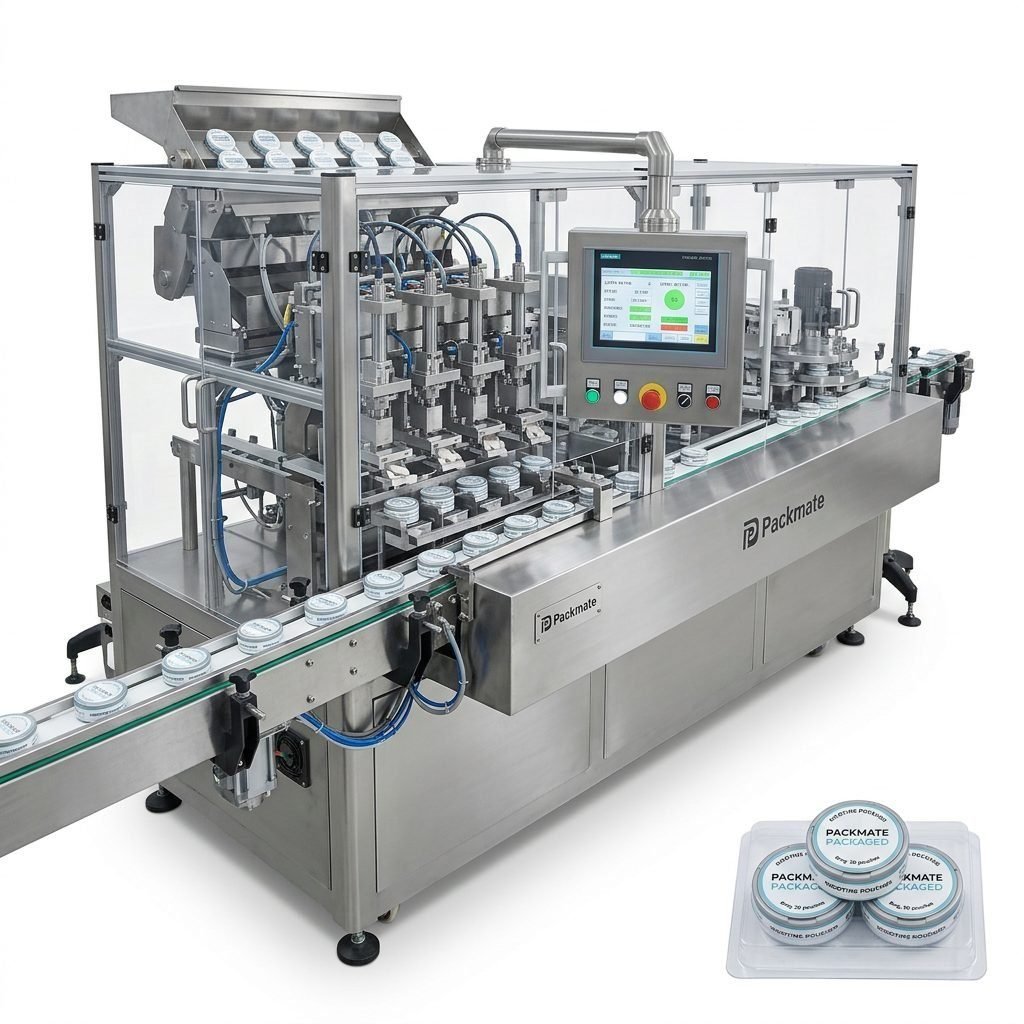
📌 Example: Packmate Snus Machine brings over 30 years of engineering experience and a focused product range including multi-lane snus packaging lines, making them a credible choice for producers looking for specialization and reliability.
Factory Strength and Quality Control
Inspect manufacturer capabilities: facility size, machining centers, assembly lines, and quality control processes. A large, well-equipped factory usually means consistent part quality and shorter lead times.
Look for details such as CNC machining, precision assembly, and thorough testing procedures. For reference, a manufacturer with a 20,000㎡ facility and advanced CNC equipment is more likely to deliver robust machines that endure continuous production.
Certifications, Standards, and Compliance
Regulatory compliance can affect export potential and local approvals. Check for internationally recognized certifications such as CE and ISO, which indicate adherence to safety and quality management standards.
If you plan to sell across borders, choose a manufacturer that already complies with international norms and can provide documentation to simplify approvals and audits.
Customization and Turnkey Solutions
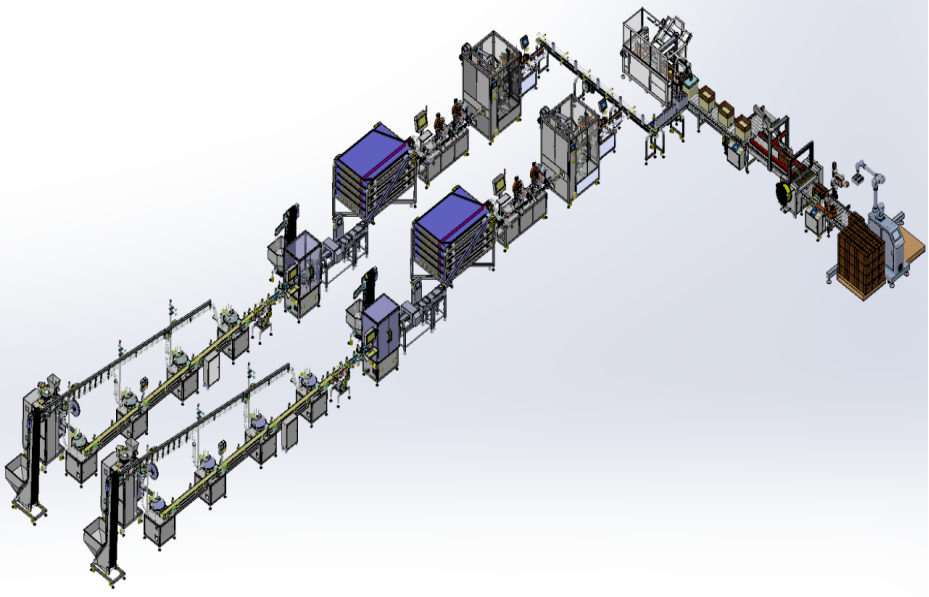
Your product specifications and production workflow might require tailored solutions. A supplier that offers turnkey lines — from filling and dosing to packaging and auxiliary equipment — reduces integration risk and speeds up commissioning.
🔧 Tip: Request references of prior turnkey projects to see how the supplier handled layout, automation, and material flow for similar products.
After-Sales Support, Spare Parts, and Local Presence
Reliable after-sales service is critical. Evaluate the manufacturer’s network for spare parts, technical support, and local partners in Nigeria or nearby regions to minimize downtime.
Ask about response times, availability of critical spare parts, and whether the supplier provides remote troubleshooting, on-site technicians, and operator training.
Training, Commissioning, and Documentation
Proper commissioning and operator training are often overlooked but determine how quickly your team reaches stable production. Ensure the contract includes on-site commissioning, operator manuals, maintenance plans, and staff training.
Warranty, Reliability Metrics, and Performance Guarantees
Compare warranty terms, mean time between failures (MTBF), expected uptime, and performance guarantees. A manufacturer that stands behind their machines with a clear warranty and measurable performance indicators demonstrates confidence in quality.
Energy Use and Operating Costs
Low capital cost is attractive, but lifetime operating expenses determine ROI. Ask for details on energy consumption, maintenance intervals, and consumables to calculate total cost of ownership (TCO).
Supply Chain and Lead Times
Global supply chains may affect delivery. Confirm realistic lead times, especially for customized lines. A manufacturer with large production capacity and in-house machining can typically shorten lead times and mitigate component shortages.
🚚 Logistics note: For Nigeria, verify export documentation, shipping options, local customs clearance support, and installation logistics to avoid surprises on arrival.
Cost vs Value: Making the Right Investment
Price is important, but compare it against long-term value. Cheaper machines with poor service or short lifespans can cost more overall. Consider:
- Initial investment vs production capacity and flexibility
- Spare parts pricing and availability
- Service contracts and response time
- Expected machine lifespan and resale value
Request Performance Data and References
Ask the vendor for case studies, references, production test reports, and videos of machines running similar products. Visiting a working installation is ideal to assess real-world performance and operator ergonomics.
Key Questions to Ask Prospective Manufacturers
When you engage with potential suppliers, make sure to ask:
- Can you provide CE/ISO certificates and relevant test reports?
- Do you have experience with nicotine pouch/snustype products?
- What is the lead time for a standard vs customized line?
- What support and spare parts supply do you offer in Nigeria or regionally?
- Can you provide performance guarantees and acceptance testing criteria?
✅ Must-have: operational acceptance test (OAT) or factory acceptance test (FAT) with your product to verify machine performance before shipment.
Why Choose a Specialist Manufacturer?
Specialist manufacturers who focus on snus and nicotine packaging bring tangible advantages: deeper process understanding, specialized dosing and sealing techniques, and optimized multi-lane systems for small dose products. Companies that concentrate on snus packaging lines are more likely to anticipate industry challenges and offer robust, scalable solutions.
Supplier Example and Resources
For comprehensive snus packaging options, consider reviewing product portfolios and company profiles of experienced suppliers. Examples include dedicated product pages with machine categories and turnkey solutions:
- Snus & Nicotine Packaging Machines: https://www.snusmachinery.com/products/snus-nicotine-packaging-machines/
- Bag & Pouch Packaging Machines: https://www.snusmachinery.com/products/bag-pouch-packaging-machines/
- About Packmate: https://www.snusmachinery.com/about-us/
- Contact Us for inquiries: https://www.snusmachinery.com/contact-us/
Inspection, Factory Visits and FAT
Whenever possible, schedule a factory visit or request a live factory acceptance test. Evaluate assembly quality, cleanliness, wiring layout, guarding, and calibration procedures. Observing a FAT with your product gives you confidence that the line will meet expectations once installed.
Negotiating Contracts and Service Levels
Contracts should clearly define delivery milestones, acceptance tests, warranty coverage, spare parts kits, training scope, and penalties for missed commitments. Clarify responsibilities for import, customs, taxes, and installation.
📄 Checklist: Include FAT criteria, spare parts list, training hours, and escalation path in the purchase order to avoid ambiguity.
Integration with Upstream/Downstream Lines
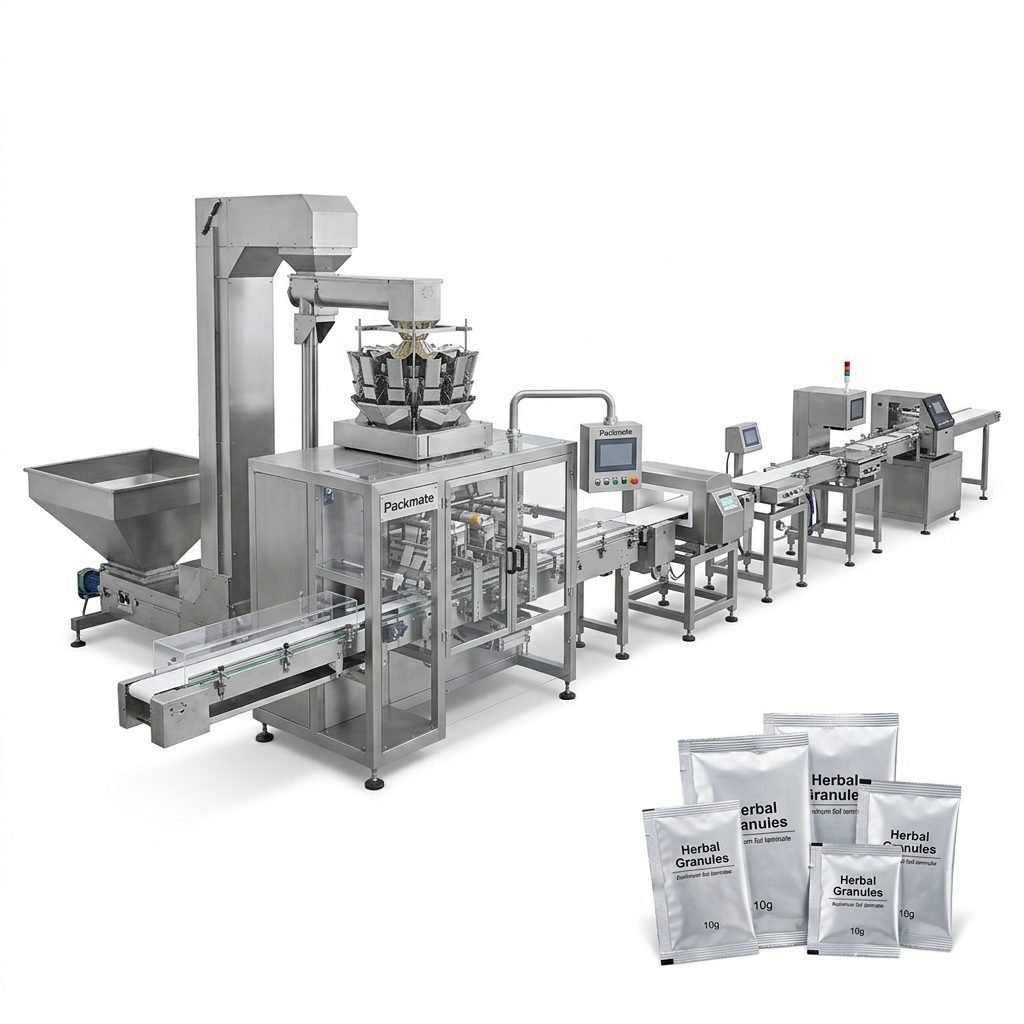
If your packaging line needs feeding from weighing, blending, or pouch forming units, ensure the manufacturer can provide compatible upstream or downstream equipment and systems such as weighing & packaging systems or auxiliary equipment to create a smooth production flow.
For integrated systems, consider vendors who list complete line solutions and have experience in synchronization across multiple machines.
Making the Final Selection
Narrow your options to vendors who meet quality standards, demonstrate relevant experience, provide transparent TCO calculations, and offer reliable local support. Request formal proposals that include performance guarantees, OAT/FAT procedures, training plans, and spare parts packages.
🔎 Decision anchor: Favor the manufacturer that balances technical fit, documented experience (cases & references), and a robust service offering for your region.
Useful Links and Further Reading
Explore product categories and technical resources to better understand different machine options and auxiliary systems:
Final Recommendations
In summary, prioritize manufacturers who demonstrate specialized snus packaging expertise, have strong factory capabilities, provide documented certifications, and deliver comprehensive after-sales support. Performing due diligence with FAT, reference checks, and clear contractual terms will protect your investment and help ensure a smooth ramp-up to full production.
Next Steps for Nigerian Buyers
Start by shortlisting 3-4 vendors, request detailed proposals, and schedule product trials or factory visits. Engage local logistics and regulatory advisors early to streamline import and site readiness. If you need turnkey solutions or product-specific advice, reach out to specialist suppliers who publish clear product portfolios and service offerings.
Frequently Asked Questions
Q1: What certifications should a snus packaging machine supplier have?
A: Look for CE and ISO certificates for safety and quality management. Additional documentation for electrical standards, material contact safety, and FAT reports are also valuable.
Q2: How important is local service availability in Nigeria?
A: Very important. Local or regional service partners reduce downtime, simplify spare parts logistics, and enable faster commissioning and training.
Q3: Should I choose a turnkey supplier or assemble a line from different vendors?
A: Turnkey suppliers reduce integration risk, simplify procurement, and provide a single point of responsibility. However, if you need best-of-breed modules and have integration expertise, a multi-vendor approach can work.
Q4: How can I verify machine performance before purchase?
A: Request a factory acceptance test (FAT) using your actual product, or visit an installed customer site to observe long-term performance and operator interaction.
Q5: What are common hidden costs to watch for?
A: Consider spare parts, import duties, installation, commissioning fees, training, and potential downtime during ramp-up. Factor energy consumption and consumables into your TCO.