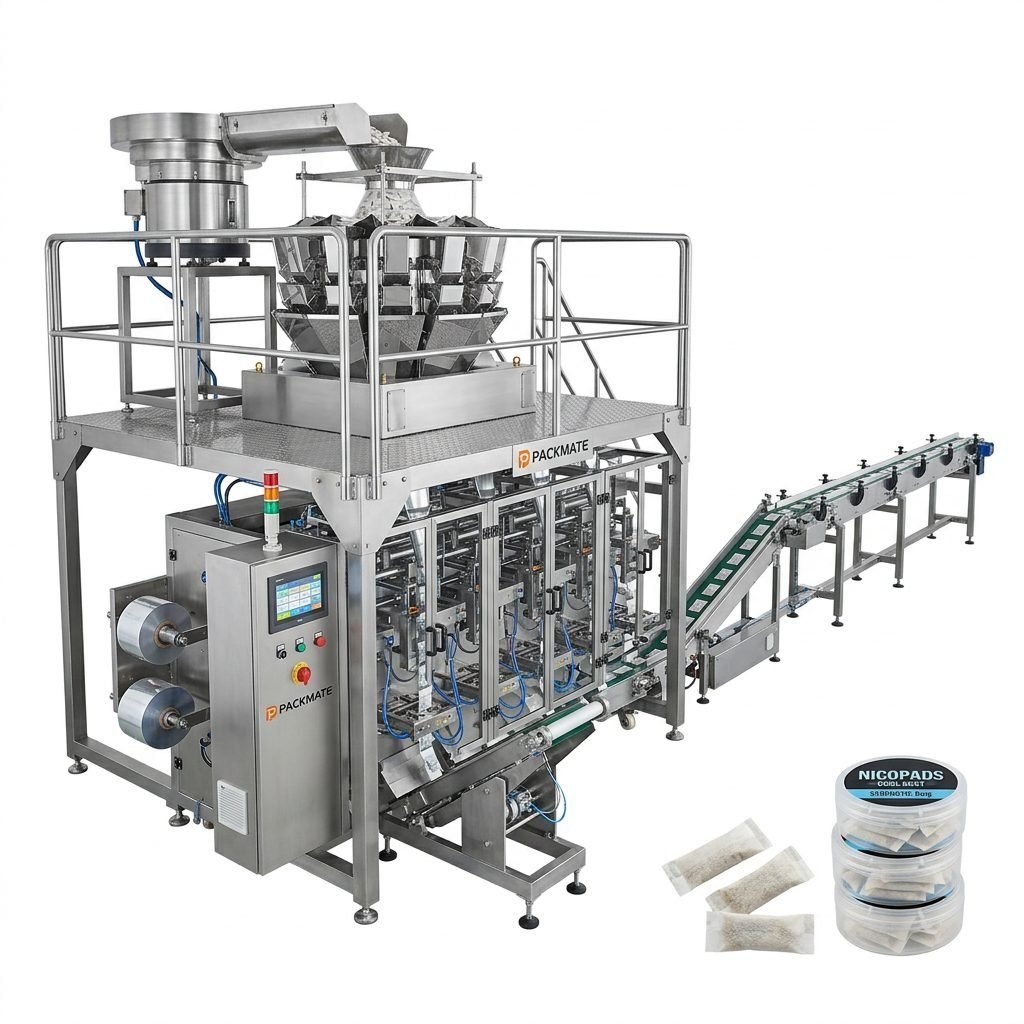
Choosing the right nicotine packaging machine manufacturer in South Korea can make or break your production plans. Whether you produce nicotine pouches, snus, or related sachet and stick-pack products, the decision touches on product quality, regulatory compliance, uptime, and long-term profitability. This guide walks you through practical, culturally-informed criteria and an actionable checklist to help you select the best manufacturer for your business needs in the South Korean market.
Understand the Local Market & Cultural Context
South Korea is known for high consumer expectations, strict regulatory frameworks, and strong emphasis on product quality and traceability. When entering this market, you must account for local labeling rules, consumer preferences for compact and premium packaging, and sustainability expectations. Companies operating here value punctual communication, formal documentation, and clear after-sales agreements. 🇰🇷
Key Technical Criteria to Evaluate
⚙️ Machine accuracy & dose control: Nicotine pouch production requires precise weighing and dose consistency. Look for machines with reliable multi-head weighers, advanced dosing systems, and repeatable tolerances to avoid product variability and regulatory issues.
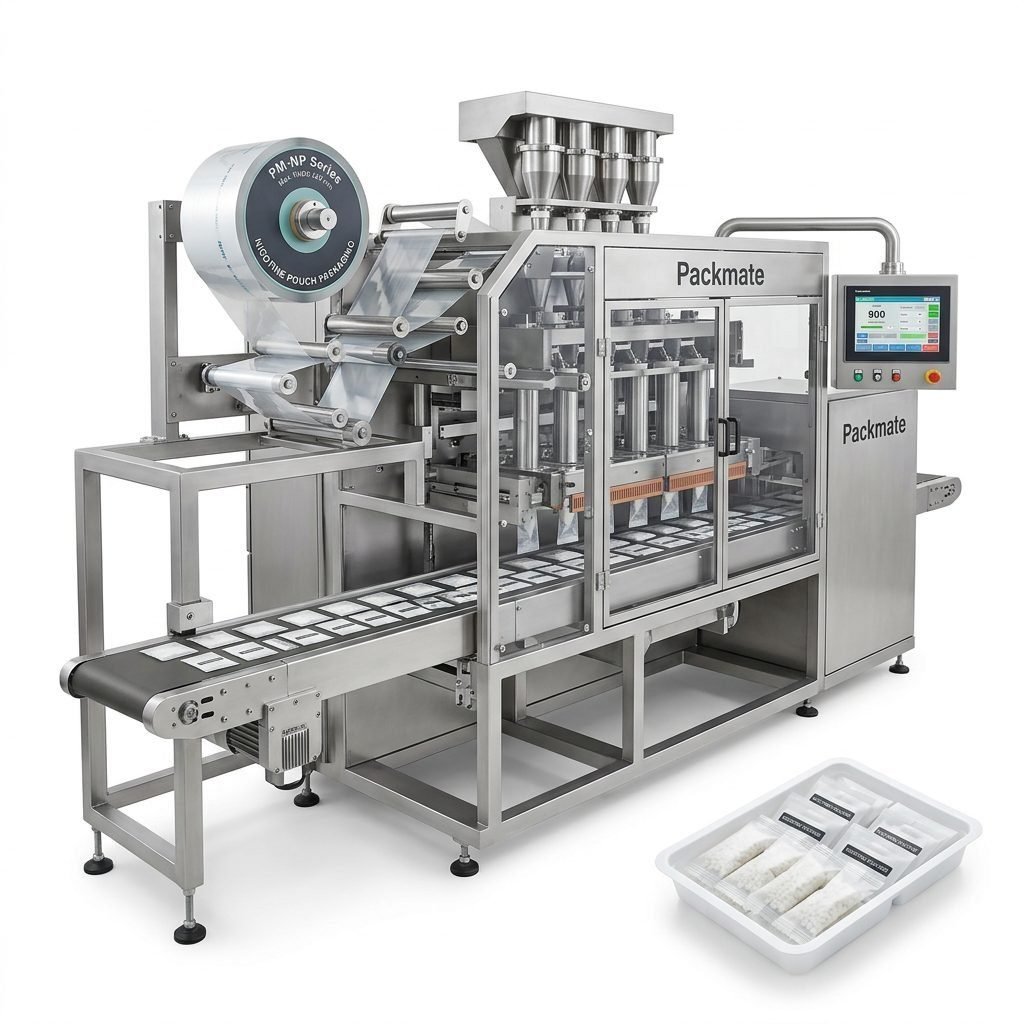
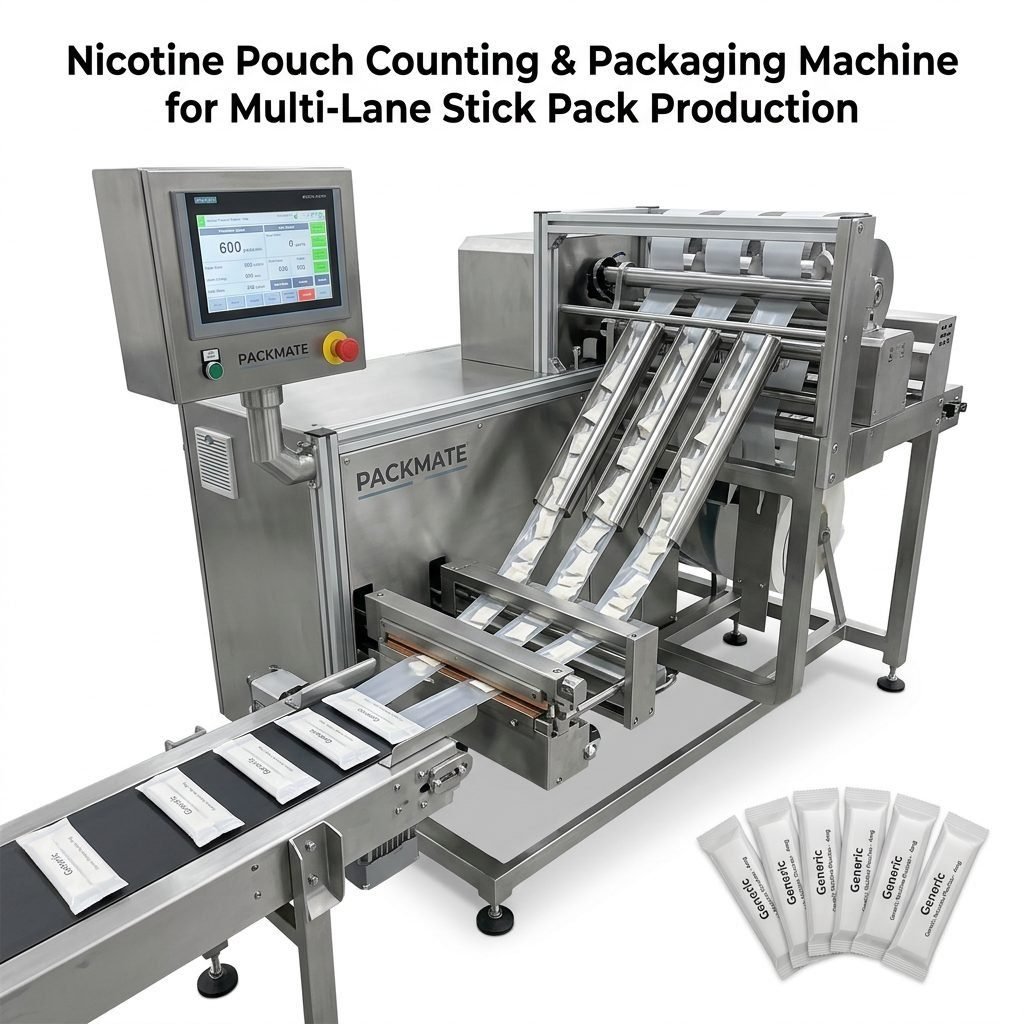
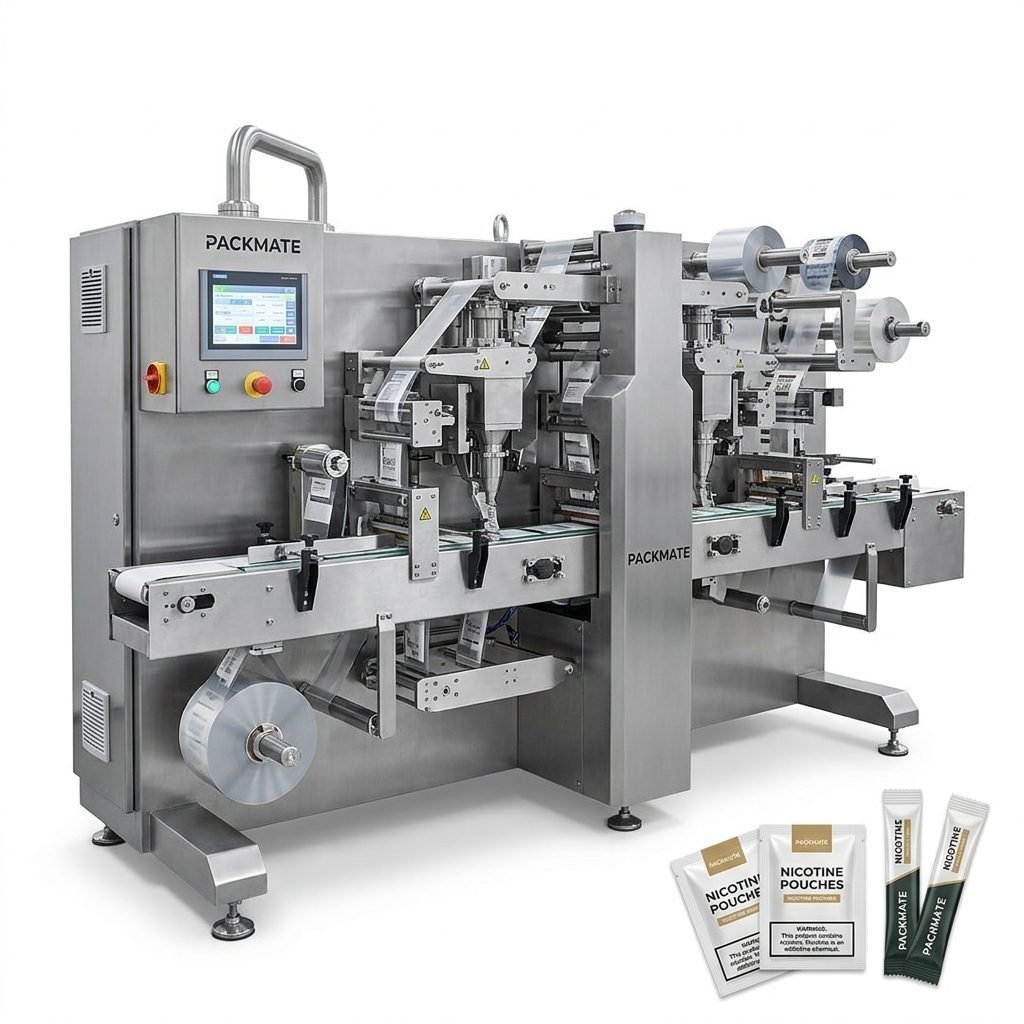
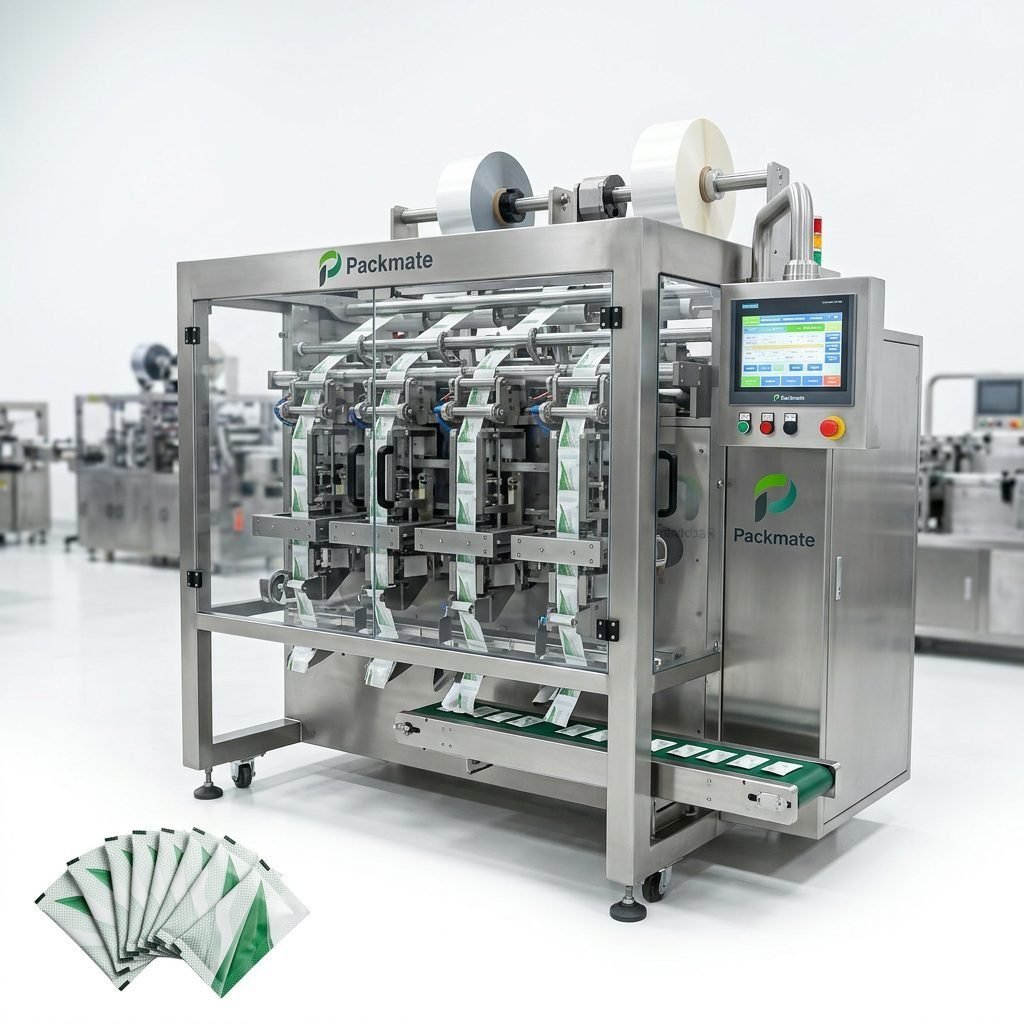
📦 Speed and throughput: Compare nominal speeds (pouches/min) across models and ensure the manufacturer can provide multi-lane options for higher output. For small-dose nicotine pouches, multi-lane sachet and stick-pack systems often deliver the best balance of speed and accuracy.
🔧 Build quality & serviceability: Stainless steel contact parts, modular design, easy-to-reach components, and standardized spare parts reduce downtime. Confirm availability of replacement parts and clear maintenance documentation.
🔒 Hygiene and safety standards: Ensure the machines meet international hygiene standards and local regulatory requirements for nicotine products. IP protection, safety interlocks, and cleanable designs are critical.
Verify Factory Capabilities & Manufacturing Strength
A strong factory footprint indicates reliable production capacity and control over quality. When evaluating manufacturers, ask about their CNC machining, assembly lines, and facility size. For example, manufacturers with extensive CNC centers and precision assembly lines are better positioned to deliver durable, high-performance machines.
📍 What to request: factory tour photos or video, evidence of production capacity (workshops, lines), and uptime metrics. Suppliers who openly share these details demonstrate transparency and confidence.
Certifications & Compliance
Certificates like CE and ISO are baseline indicators for safety and quality. For South Korean market entry, be prepared to verify any additional documentation required by local regulators or Korean customs. Ask your manufacturer for up-to-date certificates and testing records. For more details on certifications, see the manufacturer’s certificate pages and compliance statements.
Assess Product Range & Customization Options
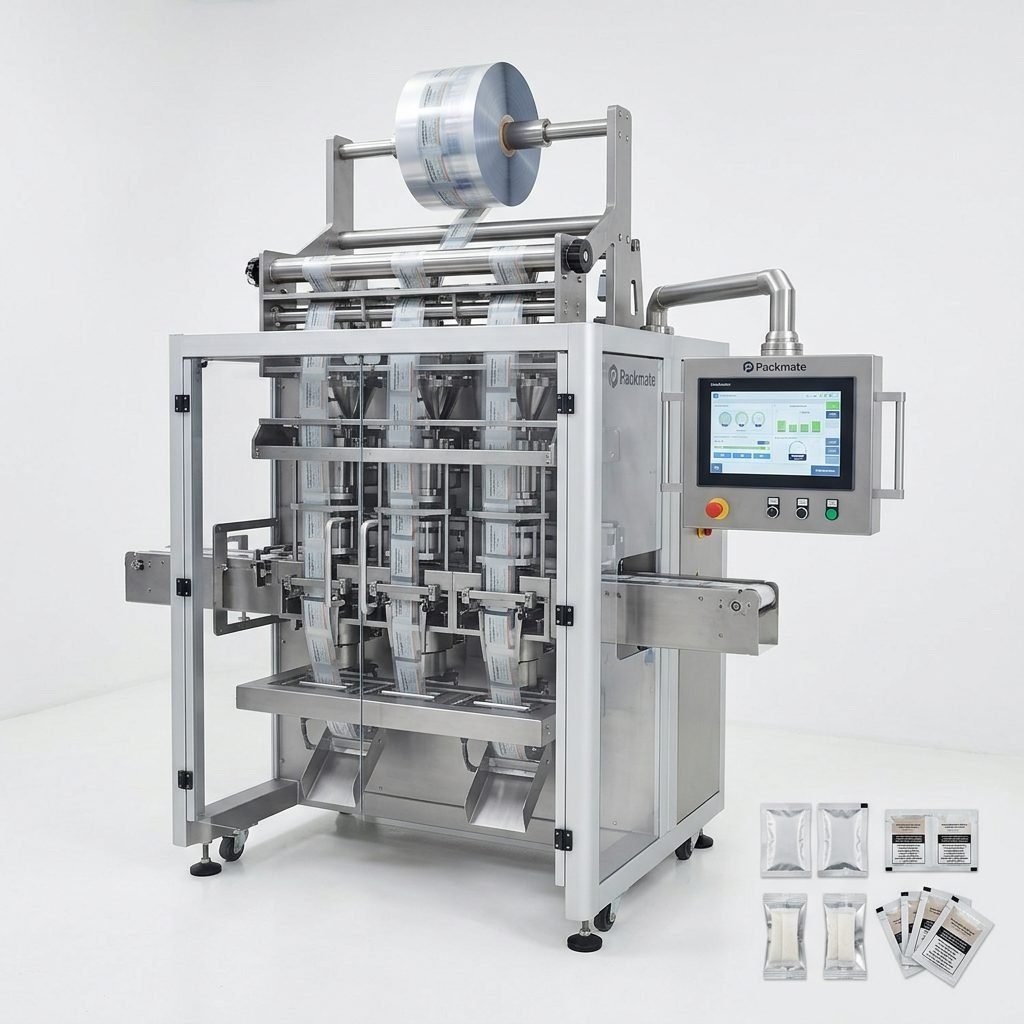
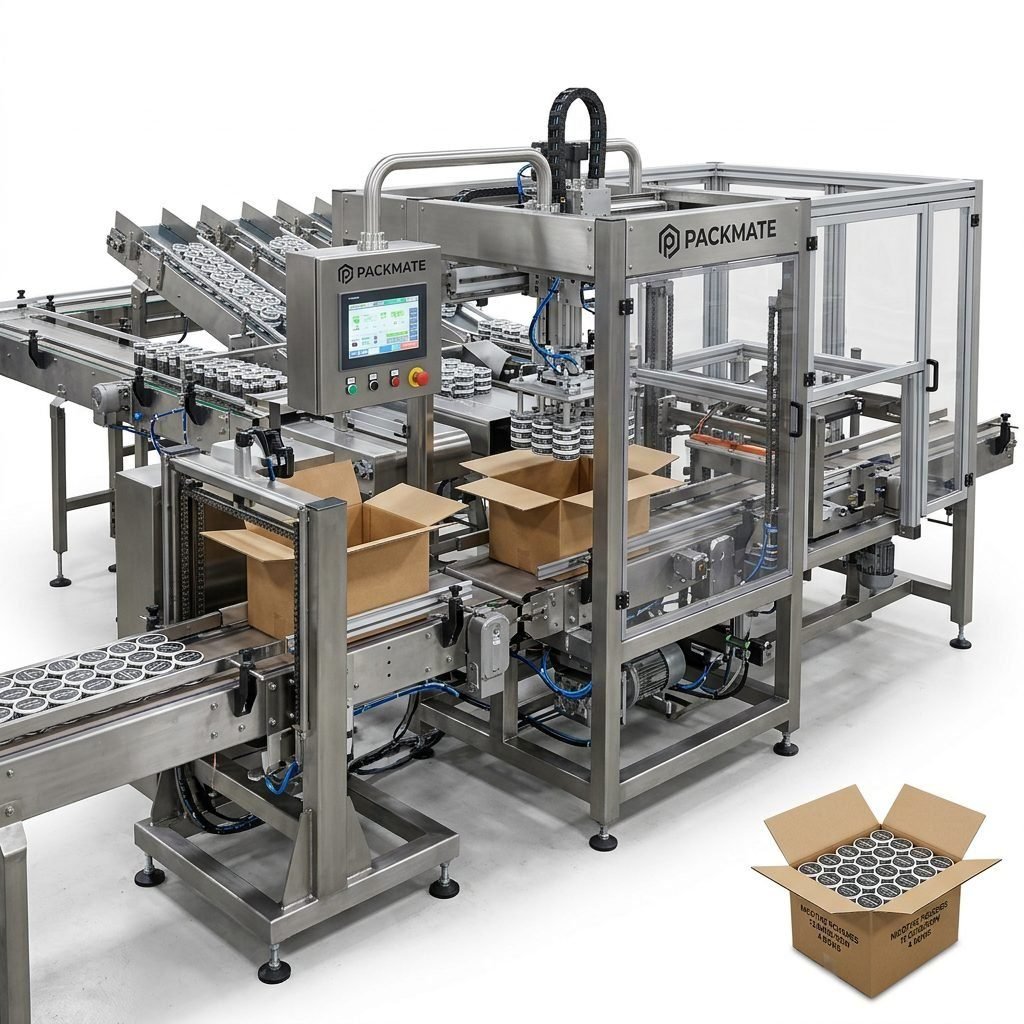
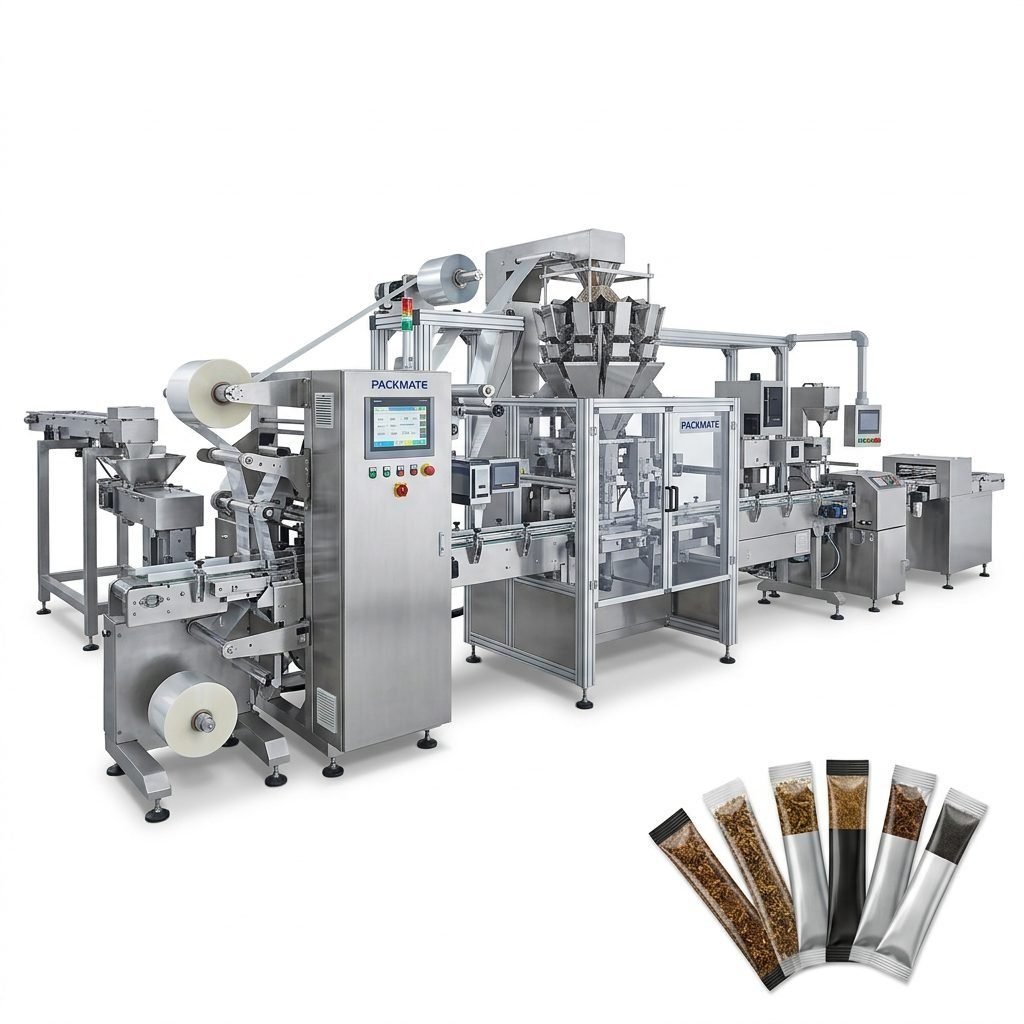
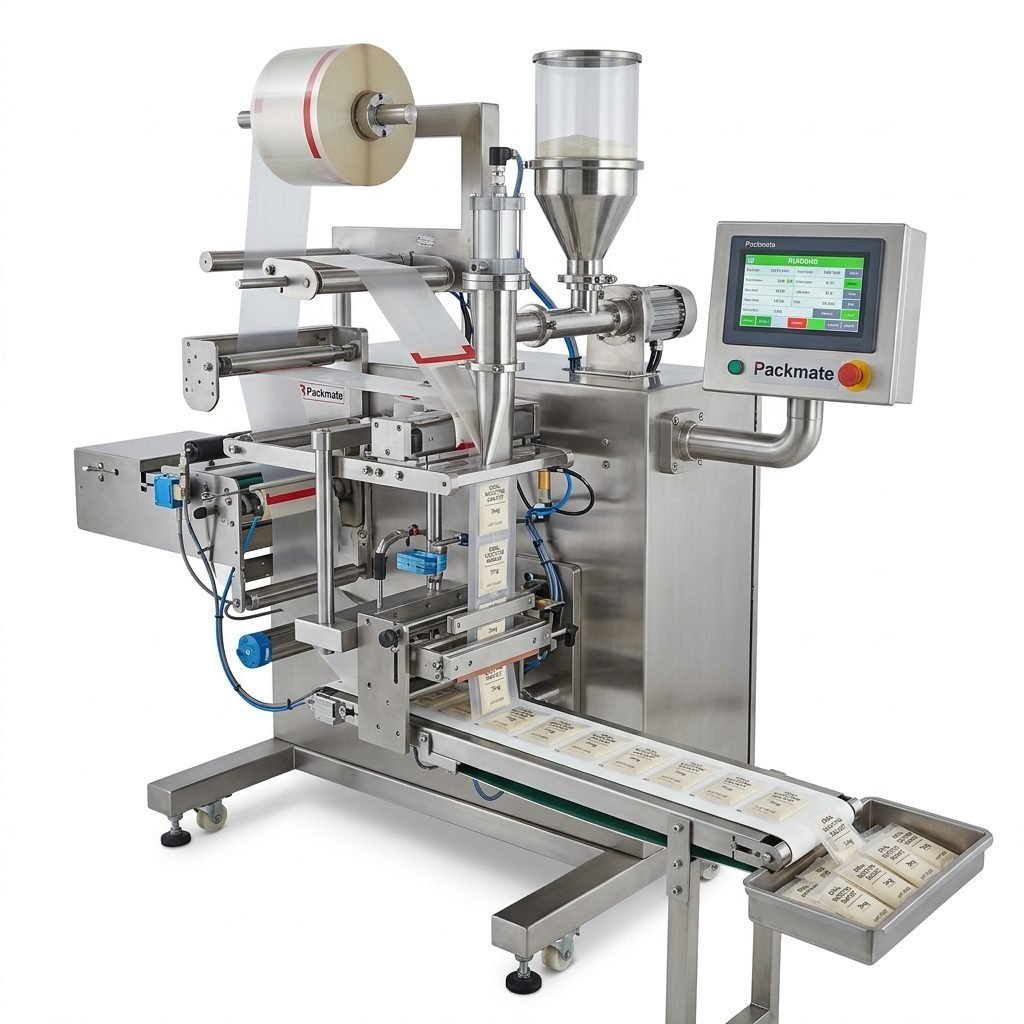
A broad product range signals flexibility. Manufacturers that offer multiple machine platforms such as stick pack, sachet, and multi-lane systems can adapt to evolving SK market demands. If you need fully automated lines or specialized pouches for nicotine doses, ensure the supplier provides turnkey and customization services.
📌 Recommended resources: review machine families like Snus & Nicotine Packaging Machines and Sachet & Stick Pack Machines to compare models and capabilities.
– Snus & Nicotine Packaging Machines: https://www.snusmachinery.com/products/snus-nicotine-packaging-machines/
– Sachet & Stick Pack Machines: https://www.snusmachinery.com/products/sachet-stick-pack-machines/
Evaluate After-Sales Support & Spare Parts Availability
After-sales service is often the differentiator. Confirm lead times for spare parts, availability of local support or technicians, remote troubleshooting capability, and training programs. A reliable manufacturer provides fast spare parts delivery and offers installation, commissioning, and operator training.
☎️ Ask for a clear service agreement: response time commitments, spare parts lists, and documented warranty terms. You can explore service offerings here: Service
Price, ROI, and Total Cost of Ownership
Price is only one element — evaluate the total cost of ownership (TCO). Calculate ROI by considering machine price, installation, training, spare parts, maintenance intervals, downtime risk, energy consumption, and expected lifespan. High initial cost for robust, accurate machines often pays back through less waste, higher uptime, and regulatory compliance.
Factory Visit & Audit Checklist
When possible, schedule an on-site visit or a virtual factory tour. Use a checklist to standardize assessments across manufacturers:
• Production floor cleanliness and organization
• Presence of CNC centers and precision tooling
• Quality control area with testing equipment
• Spare parts inventory and lead time estimates
• Evidence of past turnkey projects and reference customers
Contract Terms, Warranty & Shipping Logistics
Negotiate clear contract terms: delivery timelines, performance acceptance tests at factory (FAT), installation acceptance tests (SAT), penalty clauses for missed delivery, warranty period, scope of warranty, and training obligations. For shipments to South Korea, confirm freight terms, customs documentation, and installation site requirements.
🚚 Useful link: contact the manufacturer early to coordinate logistics and paperwork: Contact Us
Reference Projects & Proven Cases
Review case studies and references to validate real-world performance. Manufacturers with global turnkey projects and exhibition presence demonstrate market acceptance and continuous improvement. Check previous cases for similar product types and capacities you require.
For a deeper look at finished projects and global deployments, explore published cases and exhibition records to see live demonstrations and client feedback.
Case references: Case • Exhibitions: Our Exhibition
Scoring Matrix — How to Compare Suppliers Objectively
Create a weighted scoring matrix to compare suppliers across core categories: technical performance, quality & certifications, service & spares, price & TCO, references & exhibitions, and cultural fit for South Korea. Assign weights that matter most to your business (for example, accuracy and service might weigh 30% each).
✅ Sample weights: Accuracy 25%, Throughput 15%, Quality & Certifications 20%, Service & Spare Parts 20%, Price/TCO 10%, References 10%. Adjust these based on your priorities.
Local Partnering & Business Etiquette in South Korea
To succeed in South Korea, adapt to local business customs: be punctual, present well-prepared documentation, and show respect for hierarchy. Building long-term relationships (jeong) and trust is key — frequent, clear communication and prompt follow-up are highly valued. Providing Korean-language labeling options and user manuals will also accelerate market acceptance.
Language & Labeling
Make packaging and manuals available in Korean. Local consumers and regulators prefer native-language instructions and labeling. Ensure your manufacturer can support label placement accuracy and printing or coding systems compatible with South Korean requirements.
Implementation & Ramp-Up Expectations
A well-managed installation plan speeds time-to-market. Expect phased milestones: delivery, onsite installation, commissioning, operator training, and production validation runs. Plan for an initial debugging period during which cycle speeds may be deliberately reduced to tune dosing and sealing parameters.
📈 Tip: schedule remote support and a follow-up onsite visit 4–8 weeks after start-up to iron out production stabilization and ensure spare part stocking aligns with real consumption.
Why Work with an Experienced Manufacturer Like Packmate Snus Machine
Established manufacturers with decades of experience bring process knowledge, proven machine families, and global service networks. For instance, a company that has focused on snus and nicotine pouch packaging for years will better understand small-dose multi-lane systems and regulatory documentation. If you want reference materials and product catalogs, check the company’s About and Catalog pages.
About the manufacturer: About Packmate • Catalog resources: Catalog
Final Selection Checklist (Quick Reference)
• Technical fit: dosing, sealing, lane configuration, speed.
• Quality: stainless contact parts, CNC-built components, test records.
• Compliance: CE/ISO and local documentation support.
• Service: spare part lead times, training, warranty scope.
• Commercial: TCO, payment terms, delivery schedules, contract clarity.
• Cultural fit: responsiveness, local language support, respect for Korean business norms.
🔎 Pro tip: ask for a live FAT or a recorded machine running the exact SKU or a close proxy to evaluate real-world performance before signing.
Conclusion
Selecting the best nicotine packaging machine manufacturer for South Korea requires a balanced view of technical performance, factory strength, certifications, after-sales support, and cultural compatibility. Prioritize accuracy, serviceability, and documented quality, and use a weighted decision matrix to compare suppliers objectively. With careful evaluation and clear contractual terms, you can secure a partner that not only supplies equipment but also helps you scale reliably in the South Korean market.
Frequently Asked Questions
Q1: How important are CE and ISO certificates when importing machines to South Korea?
A1: Very important. CE and ISO indicate adherence to international safety and quality norms. South Korean customs and local regulators often look for these certificates as part of compliance checks; additionally, they support your internal quality and safety audits.
Q2: What lead time should I expect for a customized nicotine pouch line?
A2: Lead time depends on customization level and capacity, but expect several months from order to delivery for a fully customized turnkey line. Always confirm factory production schedules, FAT timing, and shipping windows upfront.
Q3: Can manufacturers provide Korean-language documentation and training?
A3: Many established suppliers offer translated manuals and can arrange local-language training or interpreter-supported sessions. Confirm this capability early and include language support in the contract.
Q4: How do I ensure quick spare parts availability after purchase?
A4: Negotiate spare parts lists and stocking levels as part of your contract, and consider stocking critical wear parts onsite. Also ask for estimated consumption rates during the first production months to plan reorder levels.
Q5: Where can I see real machines and case studies before buying?
A5: Visit manufacturer exhibition pages and case study sections to view demos and project references. If possible, request a factory visit or virtual FAT to observe machines running similar SKUs. Check reported cases and exhibition schedules for live demos.