Choosing the right snus packaging machine in the United Kingdom is more than a capital decision — it shapes product quality, regulatory compliance, production flexibility and long-term profitability. This guide walks you through practical considerations that UK manufacturers and brand owners should weigh when selecting the best machinery for snus and nicotine pouch production, from machine type and hygiene to after-sales support and local market preferences.
Understand UK Market & Regulatory Context
The UK market for nicotine pouches and related alternatives has grown rapidly, driven by adult consumers seeking smoke-free options. When evaluating equipment, keep in mind:
⚖️ Consumer preferences — UK consumers often prefer discreet, well-sealed pouches with consistent dosing and minimal dust. Machine accuracy and pouch sealing quality matter.
🕒 Flexibility — Seasonal demand and SKU variation (flavours, pouch sizes) mean modular machines that allow quick format changeovers are valuable.
Which Machine Types Should You Consider?
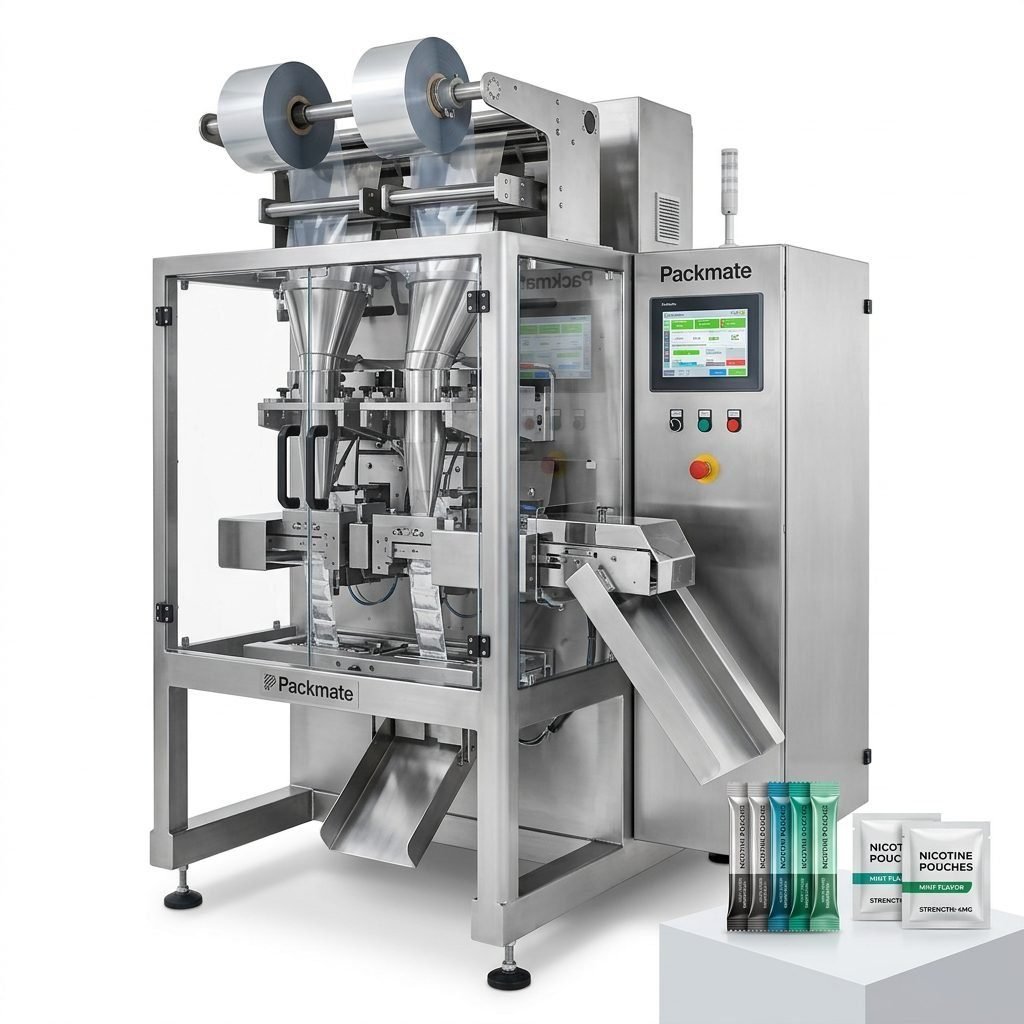
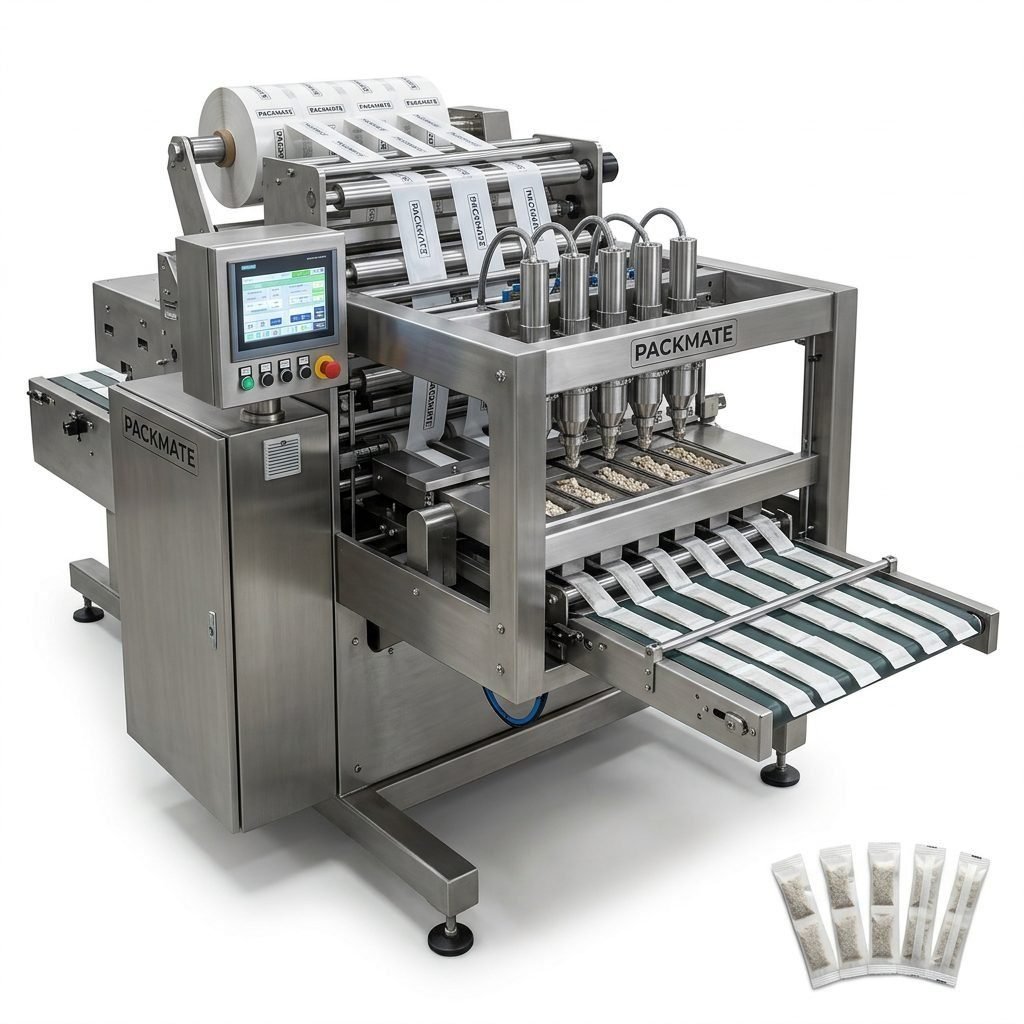
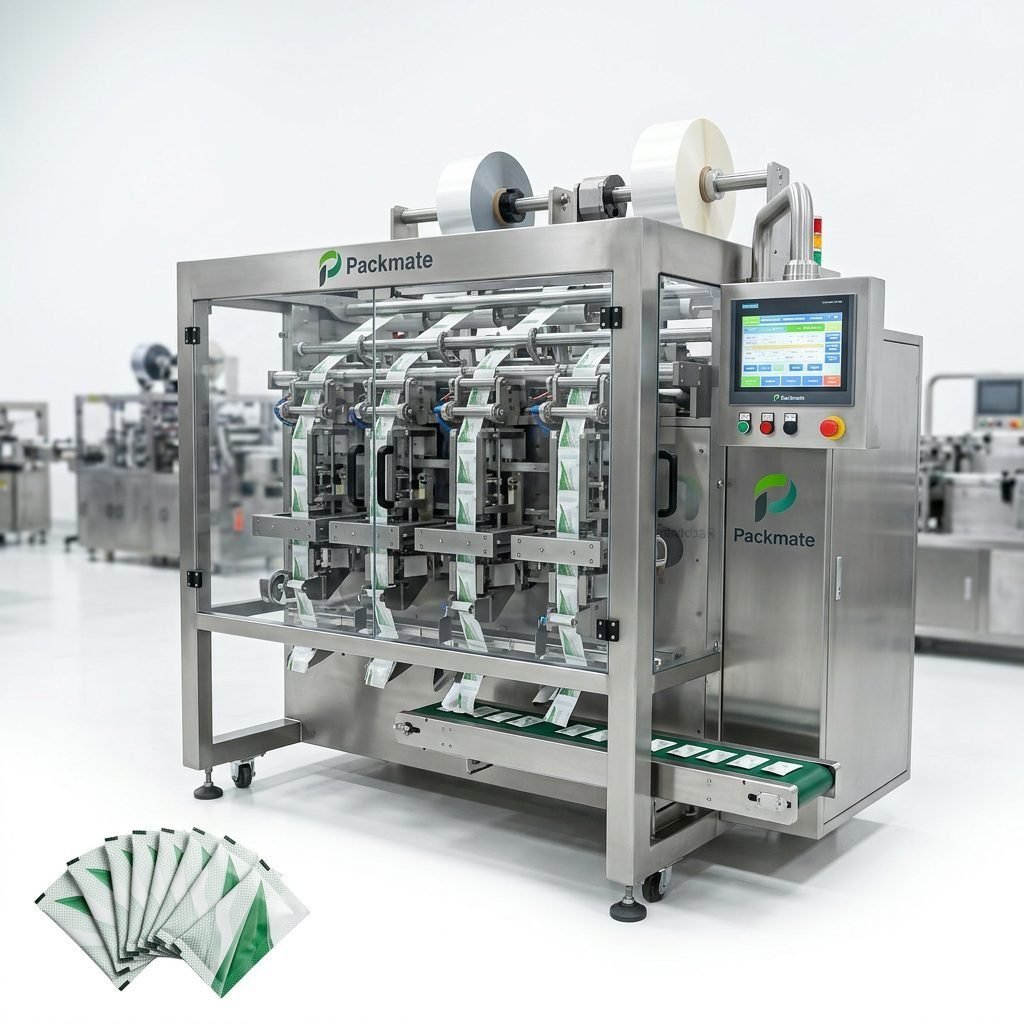
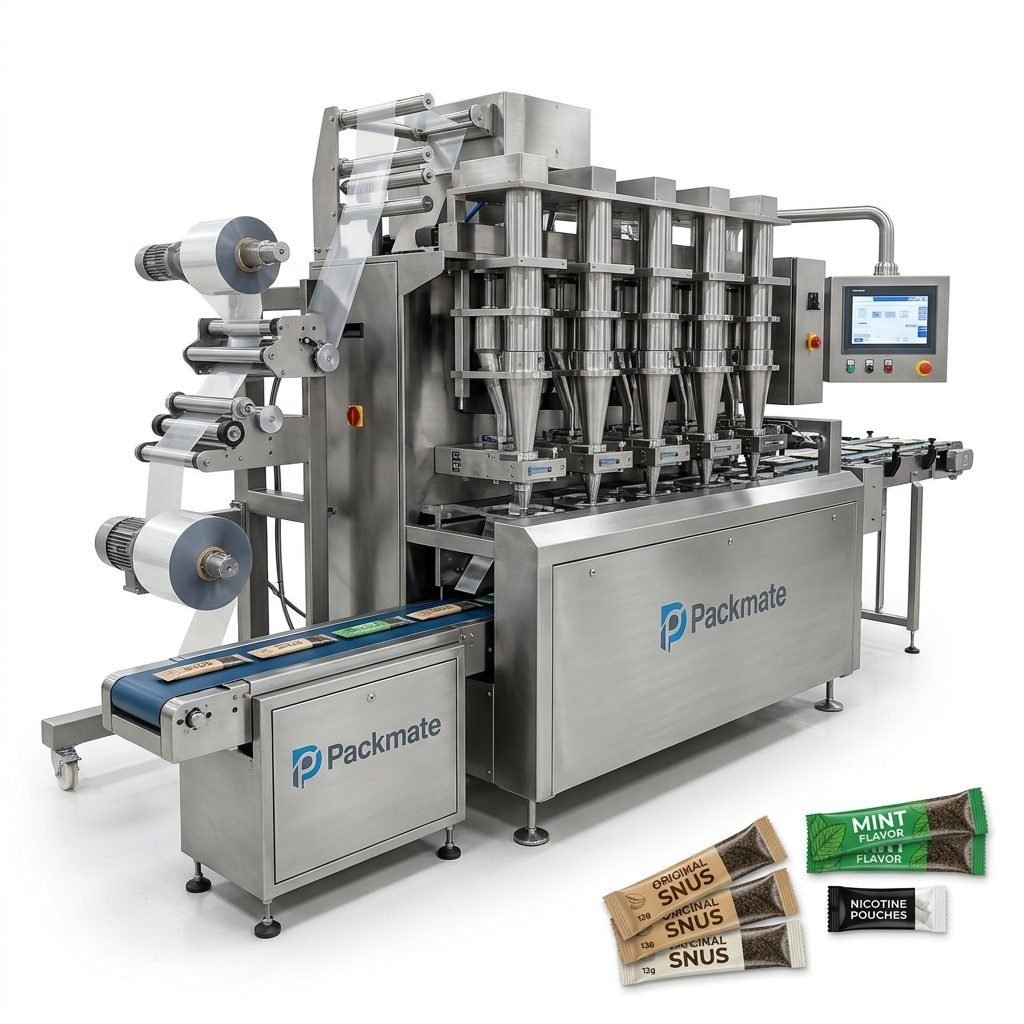
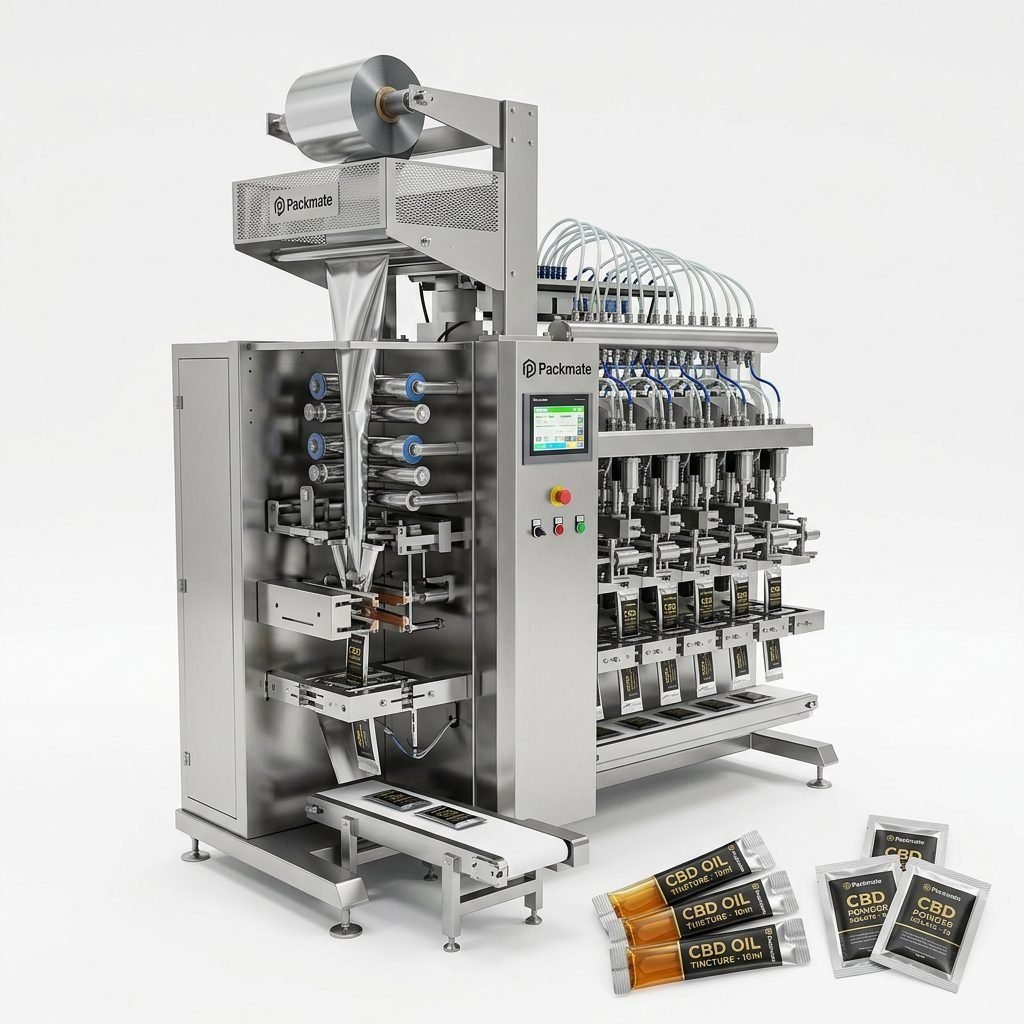
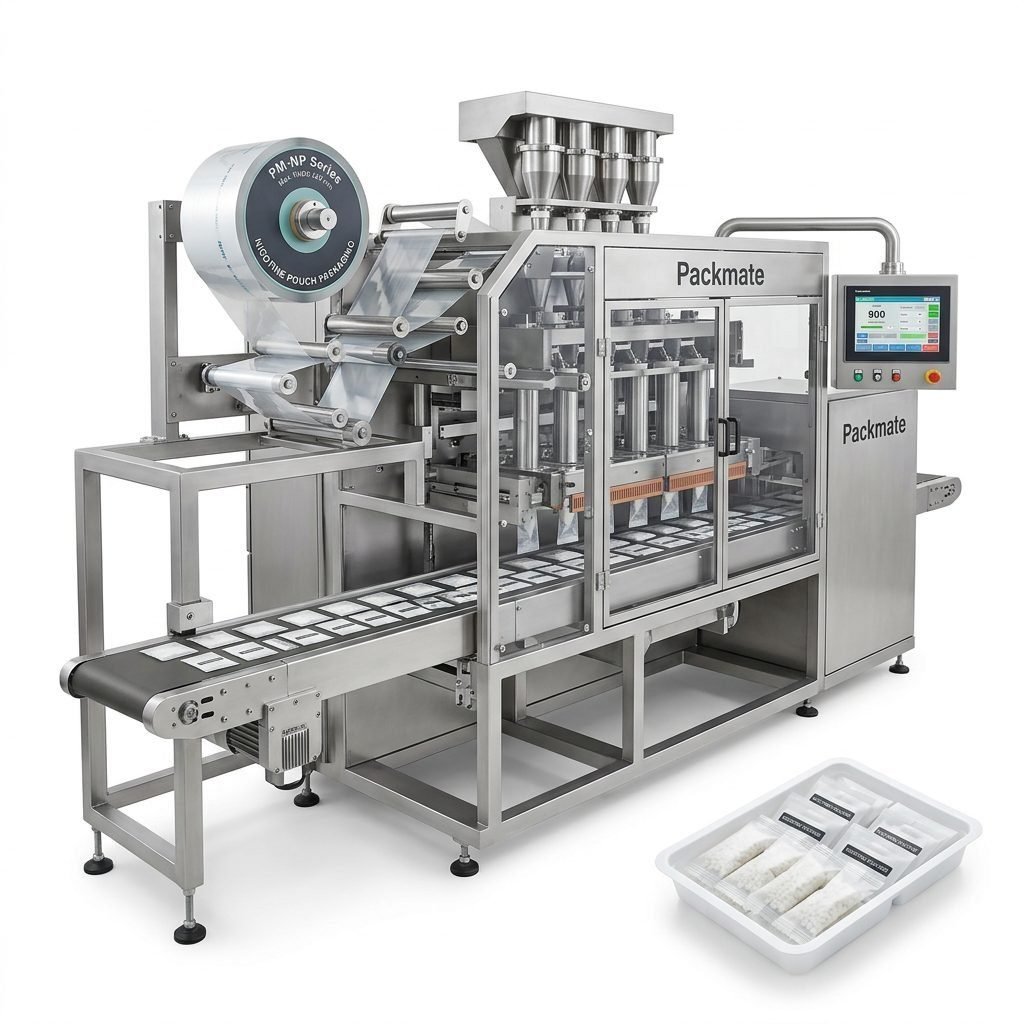
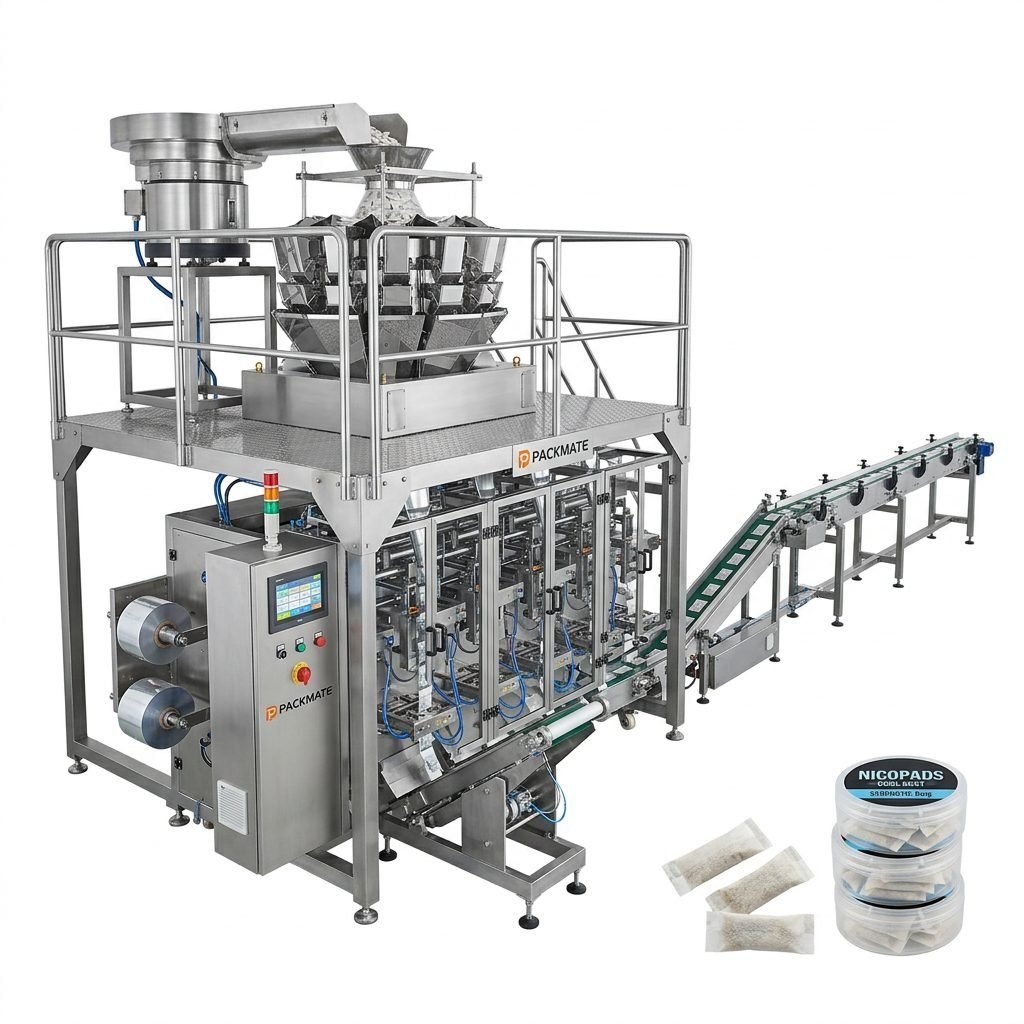
Packmate and other suppliers offer several machine families tailored to snus and nicotine pouches. Select the format that matches your product design, throughput needs and footprint.
- Multi-lane pouch machines — High output for small-dose pouches; ideal for brands scaling production.
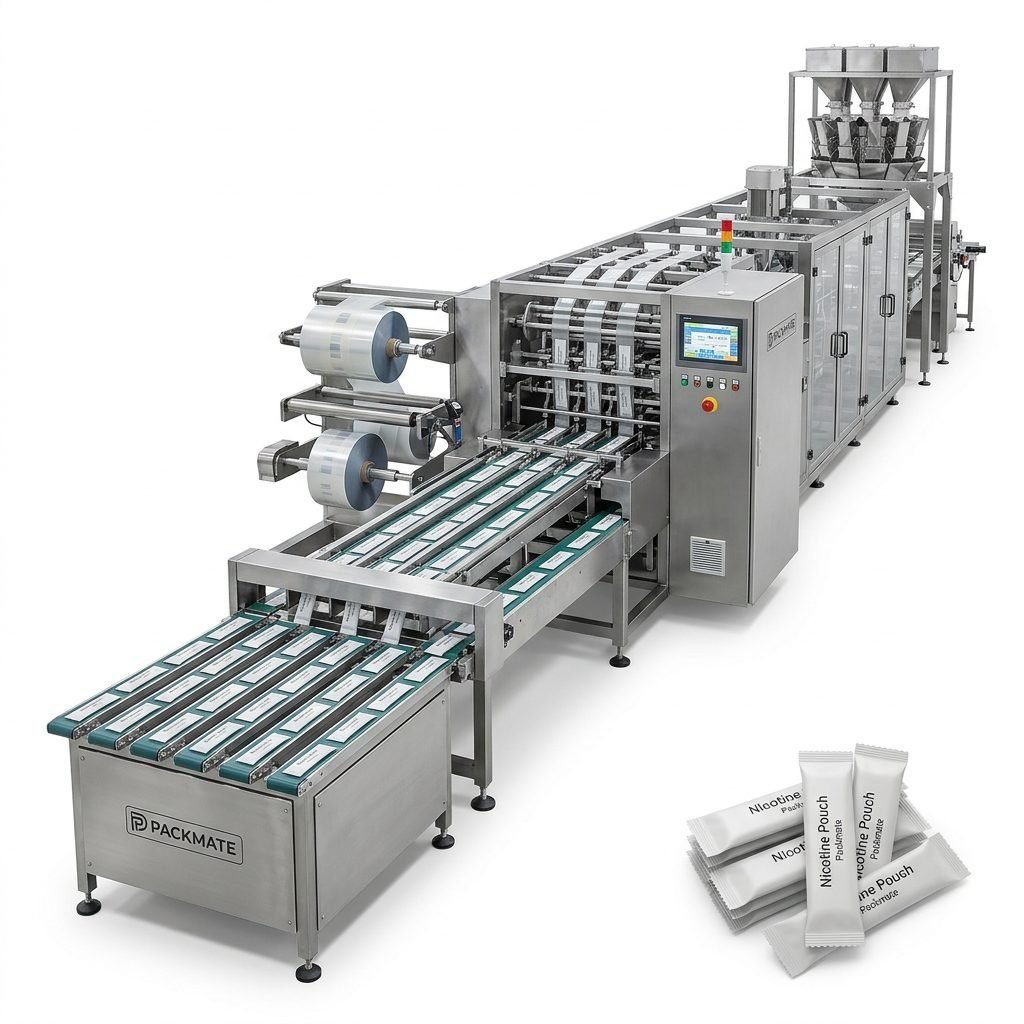
- Stick pack & sachet systems — Good for single-dose, consumer convenience sticks and sachets; compact footprint.
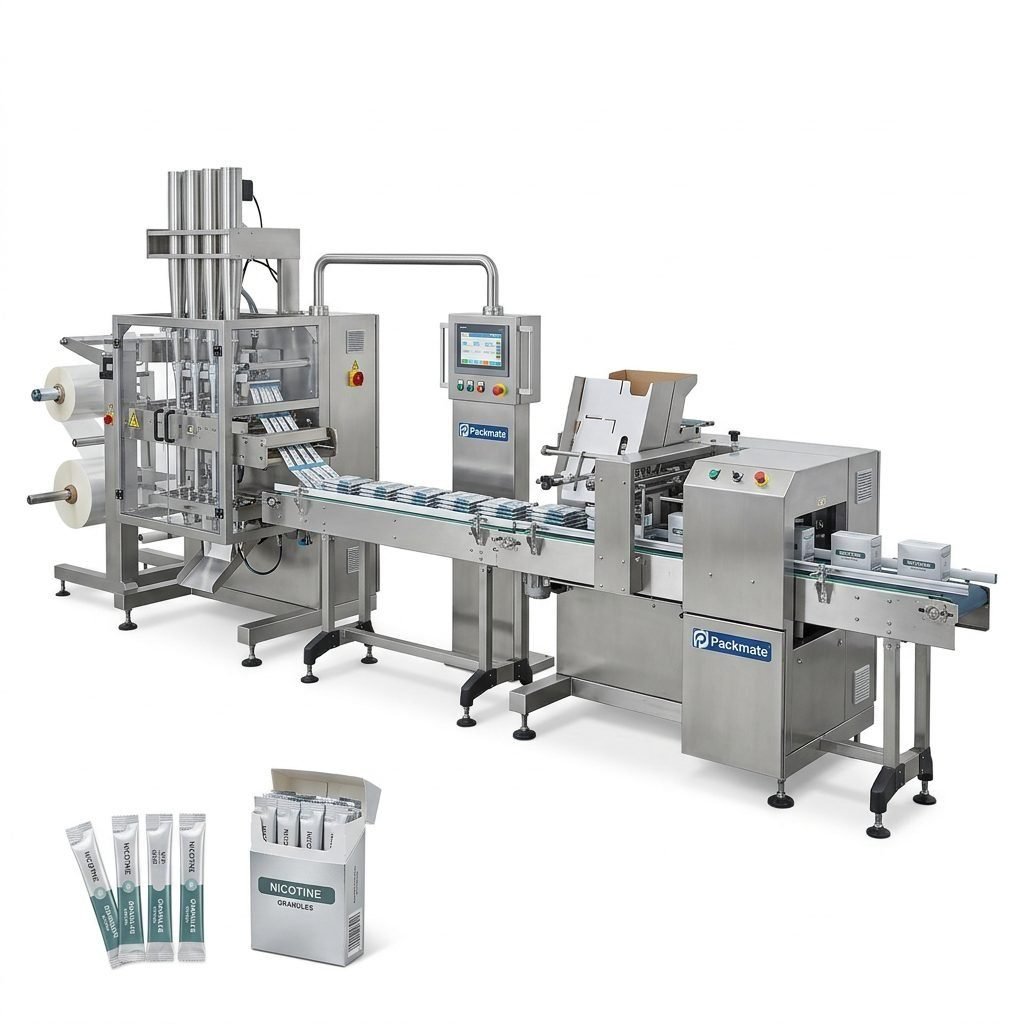
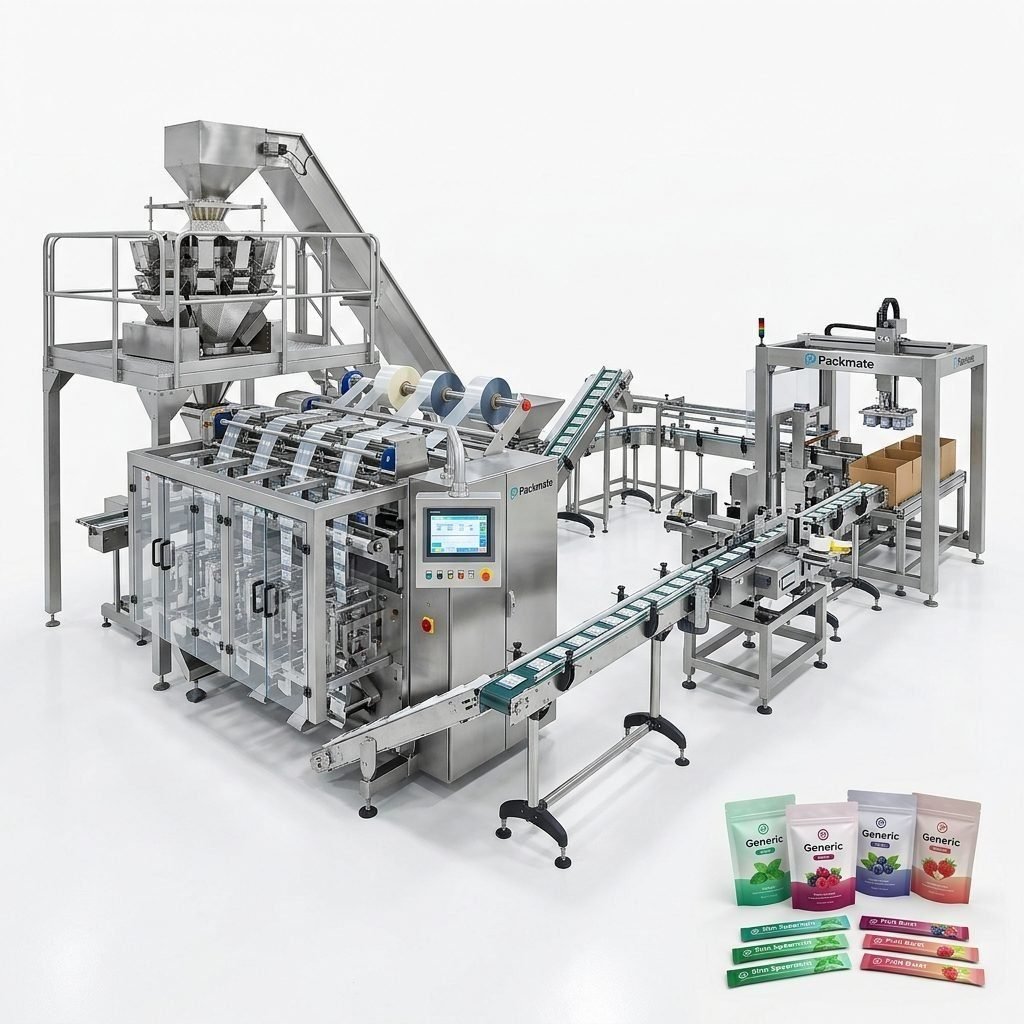
- Filling & complete lines — Integrated filling, weighing and packaging lines streamline production and quality control across the process.
Explore typical equipment categories and models to match these formats: Snus & Nicotine Packaging Machines, Sachet & Stick Pack Machines.
Quick decision checklist
✓ Formats & pouch types — Pillow, stick, or sachet; choose a machine family that handles your primary SKU.
✓ Future scaling — Modular, multi-lane machines are often better for growth.
Capacity, Speed & Line Efficiency
Speed is one of the most visible metrics, but balance it with reliability and product quality. A high-speed machine that produces inconsistent doses or poor seals will cost more in waste and recalls than a moderately slower but accurate system.
Tip: Request case studies and uptime figures — many suppliers publish performance data and examples on their case pages (Case).
Accuracy, Dosing & Weighing Solutions
For nicotine pouches, tight dosing tolerance is essential for safety and consumer trust. Look for integrated weighing systems and volumetric fillers designed for powders and moist blends.
Suppliers commonly offer weighing modules and checkweighers to reject out-of-spec pouches. If you need end-to-end automation, investigate combined Weighing & Packaging Systems that reduce manual handling and improve traceability.
Material Compatibility & Packaging Materials
Packaging material selection influences machine choice. Laminates, paper-based pouches, and biodegradable films each present different forming and sealing characteristics. Confirm the machine’s sealing temperature range, film tension control and forming shoulder design.
Hygiene, Cleaning & Material Handling
Cleanability is critical. Machines built with hygienic design — stainless steel frames, easy-to-remove covers and minimal crevices — reduce contamination risk and ease daily sanitation. In the UK, many buyers prefer equipment that supports rapid cleaning to meet retailer audits and GMP audits.
Certifications such as CE and ISO indicate adherence to manufacturing standards; confirm documentation and factory inspection availability (Certificate).
Automation, Integration & Industry 4.0
Modern lines often include PLC control, HMI interfaces and remote diagnosis capabilities. Choose machines that can integrate with your MES, weighers, metal detectors and secondary packaging to maintain production visibility and quality control.
If you plan a full line, review complete offerings under Filling & Packaging Lines.
Total Cost of Ownership (TCO)
Upfront price is only one element of TCO. Include spare parts availability, mean time between failures, energy consumption, waste rates and service contract costs. UK operators often factor in downtime penalties due to strict retailer delivery windows.
Consider machines from vendors with local or regional support, documented spare parts supply chains and remote troubleshooting to cut mean time to repair.
After-sales Support, Training & Spare Parts
Excellent after-sales service reduces risk. Ask suppliers for response time SLAs, training packages for your operators and documentation in English. Vendors with global exhibition presence and case references signal an established support network — see Our Exhibition and case examples.
⚙️ Local engineer availability or rapid remote support
📚 On-site training for operators and maintenance teams
🔧 Readily available spare parts and consumables
📄 Clear warranty and service-level agreements
Practical factory acceptance tips
Before final acceptance, perform FAT/SAT with your product and film. Insist on acceptance criteria for dosing variance, seal integrity, cycle time and reject rates. Video record test runs for future reference.
Selecting a Reliable Supplier: What to Ask
When engaging suppliers, ask these practical questions to compare offers:
- Can you run my product and film during FAT?
- What is your average lead time and spare parts delivery time?
- What remote diagnostic tools and training do you provide?
- Can you provide CE and ISO documentation and customer references?
Case & References
Review supplier case studies and customer references to validate claims about throughput and uptime. Many reputable manufacturers publish real customer examples that demonstrate machine performance with specific formulations. See real-world examples here: Case.
Final checklist before purchase
✔ Spare parts & service SLA confirmed
✔ Regulatory documentation (CE/ISO) available
✔ Operator training & maintenance plan included
✔ Clear acceptance criteria and performance metrics
Why consider Packmate and where to learn more
Suppliers like Packmate bring decades of machine development experience, multi-lane system expertise and a portfolio that spans snus/nicotine packaging and full packaging lines. For technical specifications, product families and to contact the manufacturer, visit the company’s overview and contact resources: About Packmate and Contact Us.
Quick summary box
Common Questions
Q: How do I know what machine speed I need?
A: Calculate projected daily production (units/day), divide by expected operating hours and include allowance for maintenance and changeovers. Discuss real-product test runs with suppliers to validate speed under real conditions.
Q: Are there suppliers who handle full lines including filling and cartoning?
A: Yes — many manufacturers provide integrated lines. Review options under Filling & Packaging Lines and Weighing & Packaging Systems to ensure seamless integration.
Q: What documentation should I request from the supplier?
A: Request CE/ISO certificates, machine manuals in English, spare parts lists, FAT reports and performance case studies. Confirm warranty and service terms.
Q: How important is local support in the UK?
A: Very important. Local or regional support shortens repair times, helps with audits and trainer availability, and often reduces the cost of spare parts logistics.
Q: Can machines be customised for new pouch designs?
A: Many manufacturers offer modular design and custom tooling to adapt machines for new pouch geometries. Discuss prototype runs and tooling timelines up front.