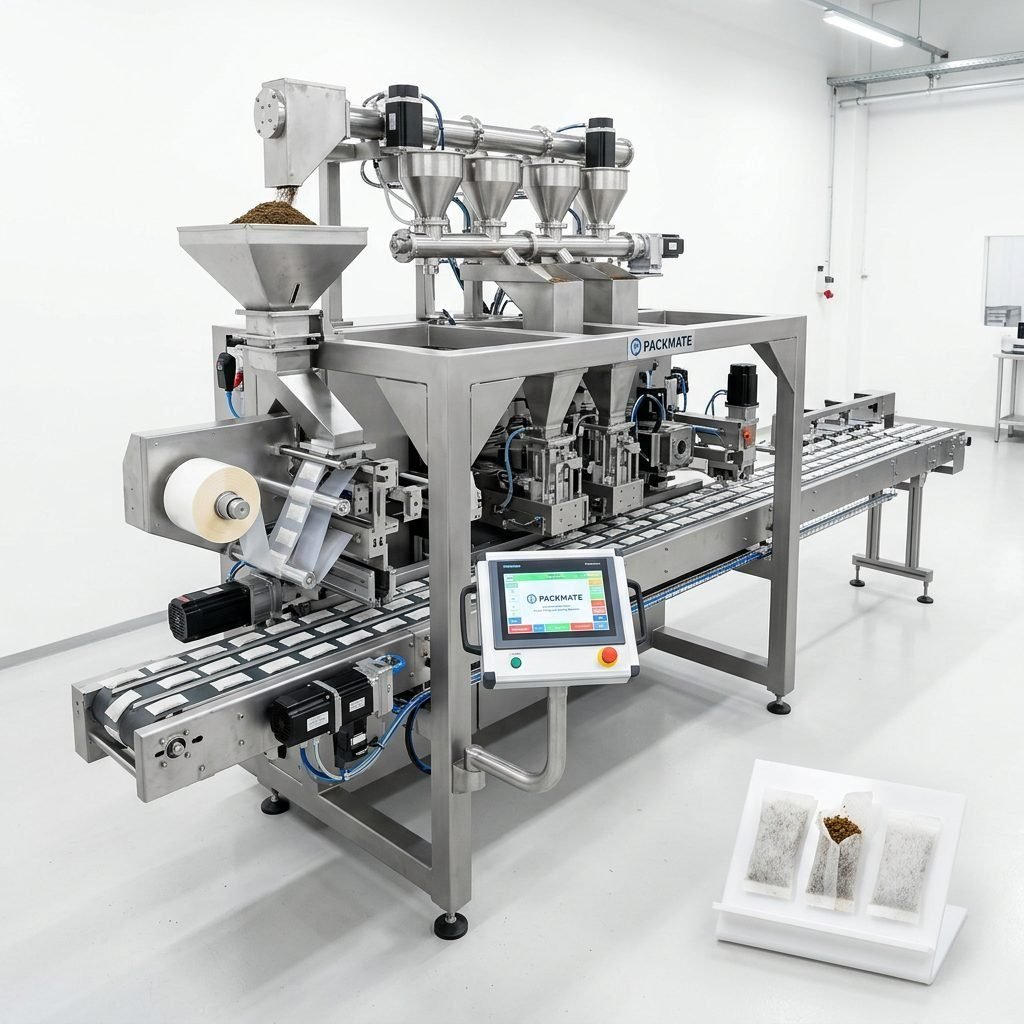
Choosing the right nicotine packaging machinery for production in Russia requires a careful balance of regulatory compliance, climate-adapted engineering, consistent performance, and supplier reliability. This guide walks through practical selection criteria, machine types, local considerations for the Russian market, and how to evaluate suppliers so you can secure a stable, compliant production line for nicotine pouches, snus, and related products.
Understand the Russian market and regulatory landscape
Russia has its own regulatory framework for nicotine products and packaging materials. Local authorities pay close attention to labeling, child-resistant features, and materials safety. In addition, logistical realities—long transport distances and varied climates from Siberia to the western regions—mean machines must be robust and flexible. Consider engaging local regulatory advisors early to confirm requirements for ingredient disclosure, language on labels, and packaging warnings.
Key compliance points to verify
• Verify that your packaging materials and finished products meet Russian labeling regulations.
• Ensure traceability features (batch codes, production dates) can be printed and integrated.
• Check requirements for child-resistant closures if applicable to your product format.
• Confirm documentation for import and clearance if components are sourced internationally.
Tip: In Russia, providing packaging and user info in Russian is often necessary. Plan your printer configuration and label templates accordingly to avoid rework.
Select the right machine type for your product format
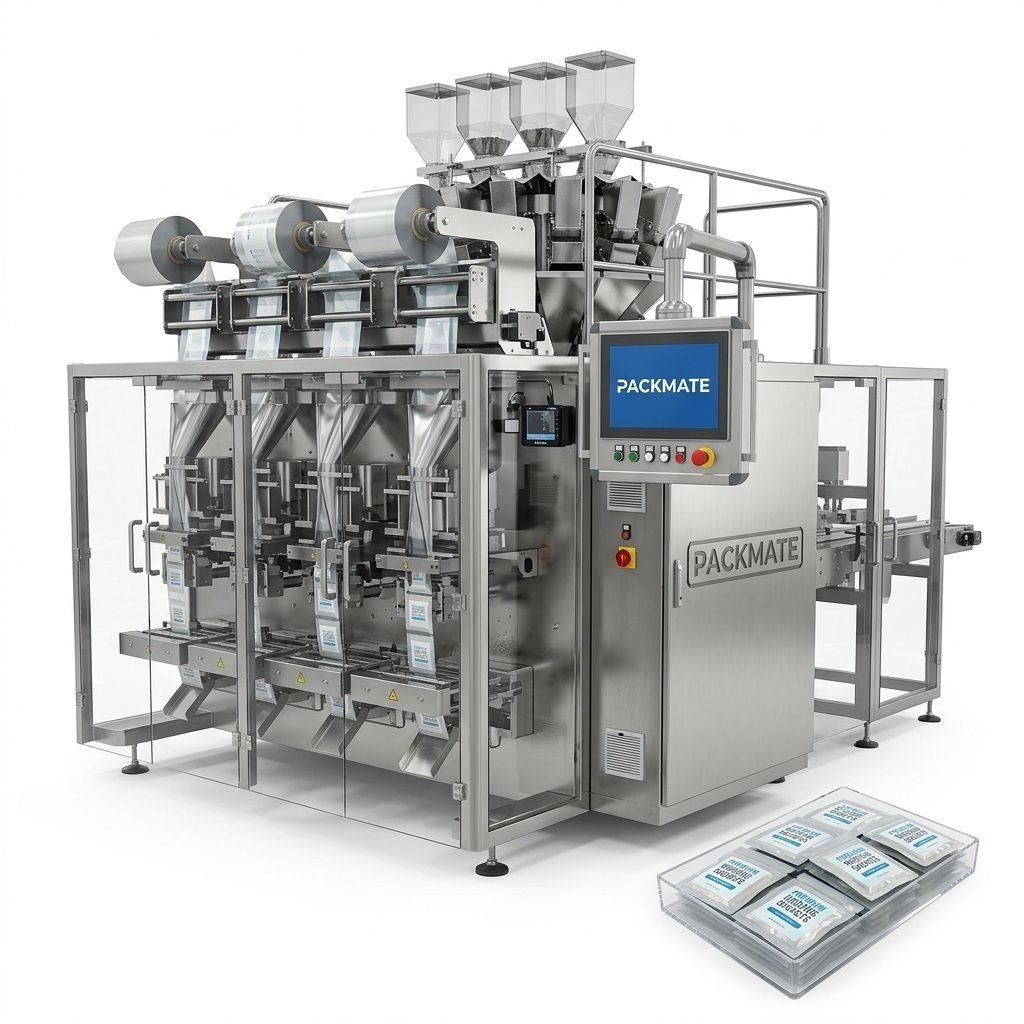
Nicotine pouch and snus producers commonly choose between stick pack, sachet, and multi-lane pouch systems. Each format has trade-offs in speed, material use, and flexibility.
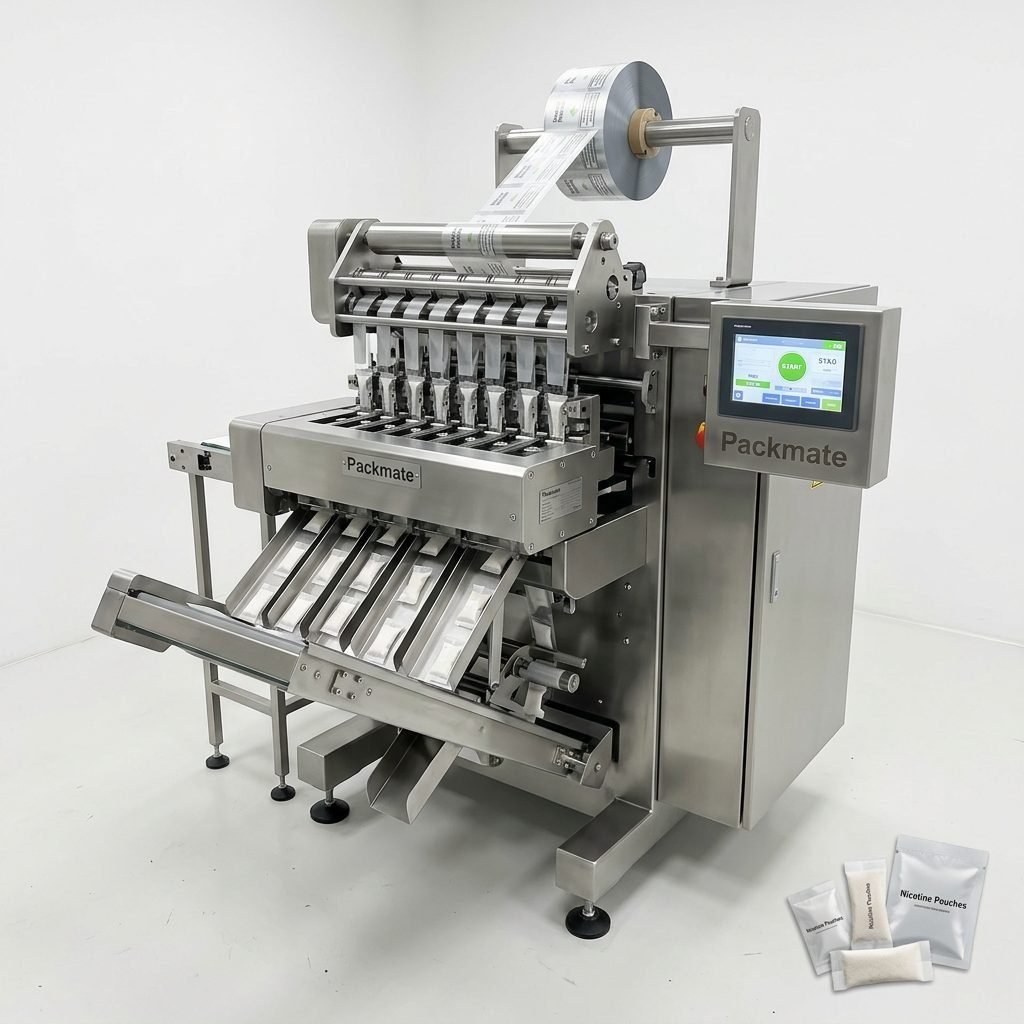
Stick pack machines
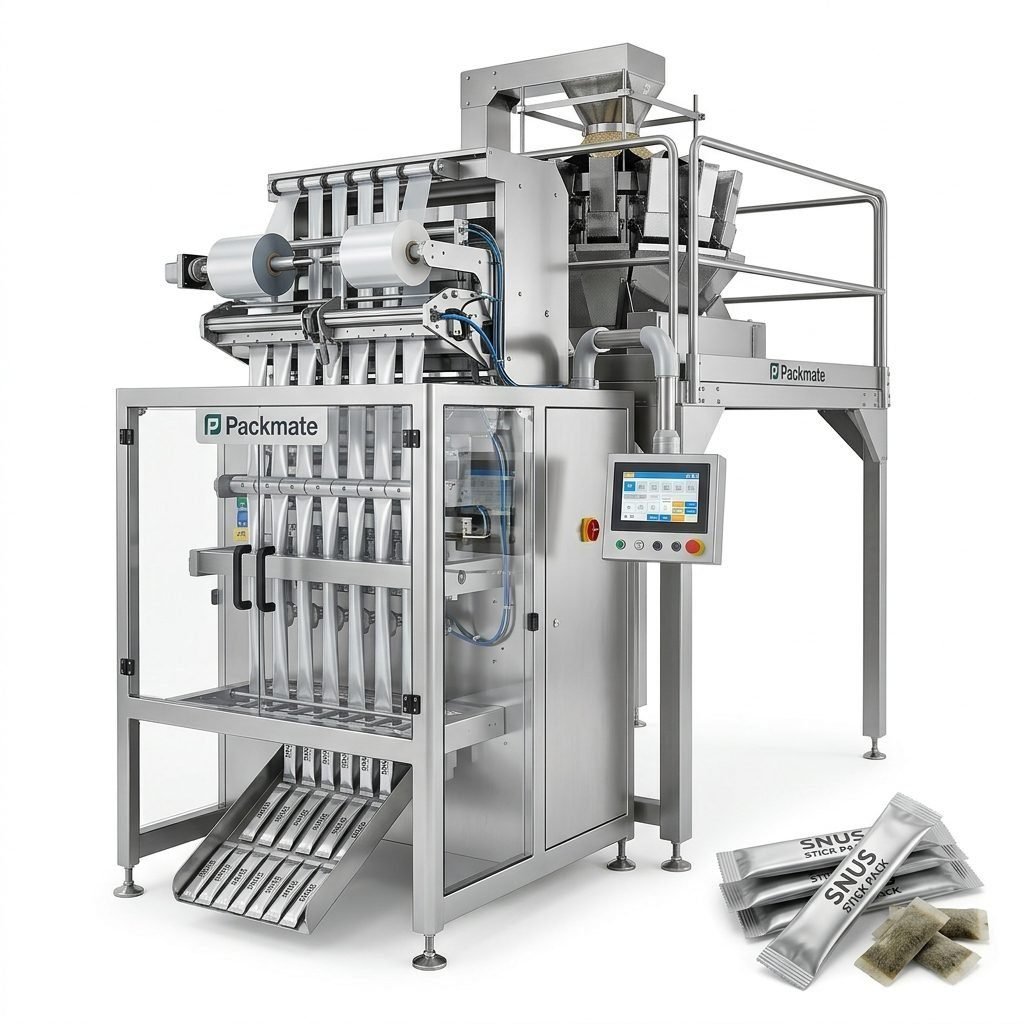
Stick pack machines are ideal for single-dose, slim packets. They require precise dosing systems and fast forming/ sealing stations. Consider them when you need a compact portion format favored in convenience channels.
Sachet and pillow pack machines
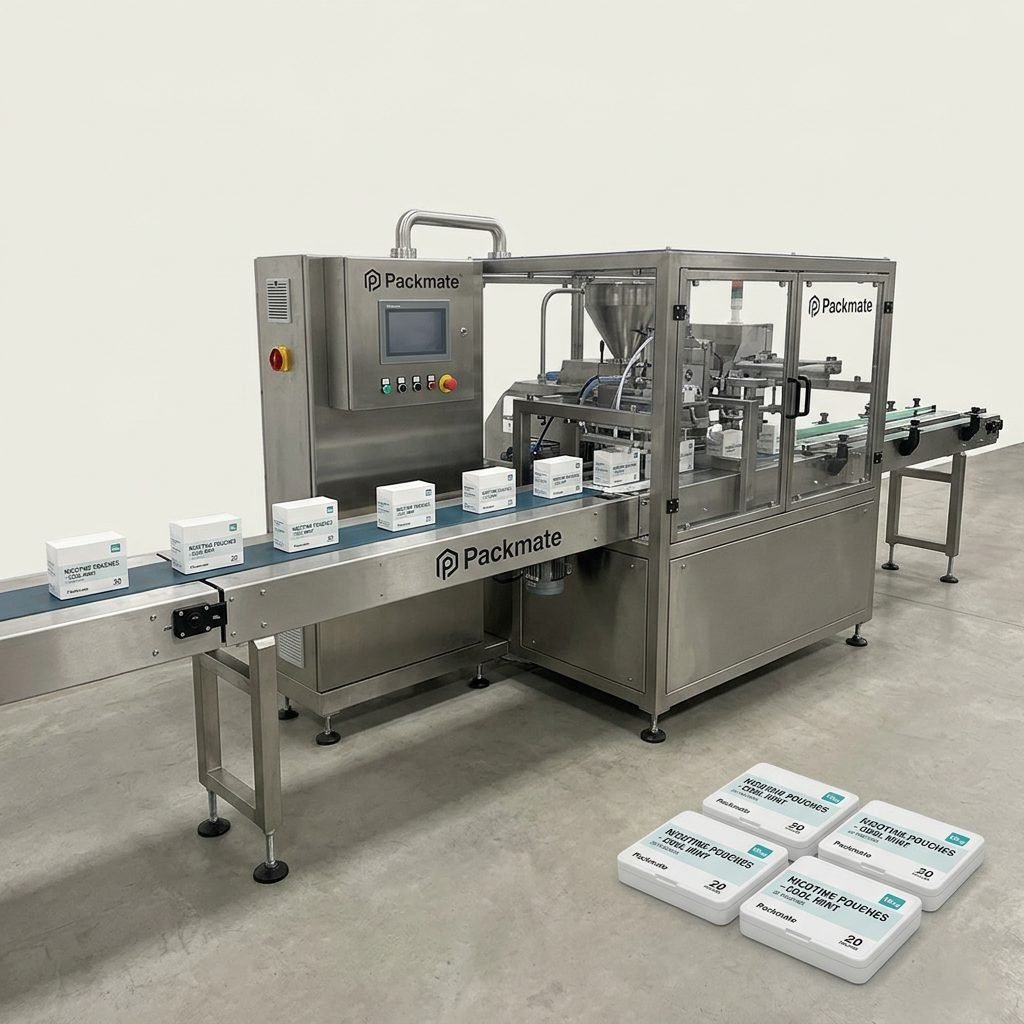
Sachet machines are versatile for single-portion pouches and have easier format-changeovers. They often suit producers offering varied product sizes or testing new SKUs.
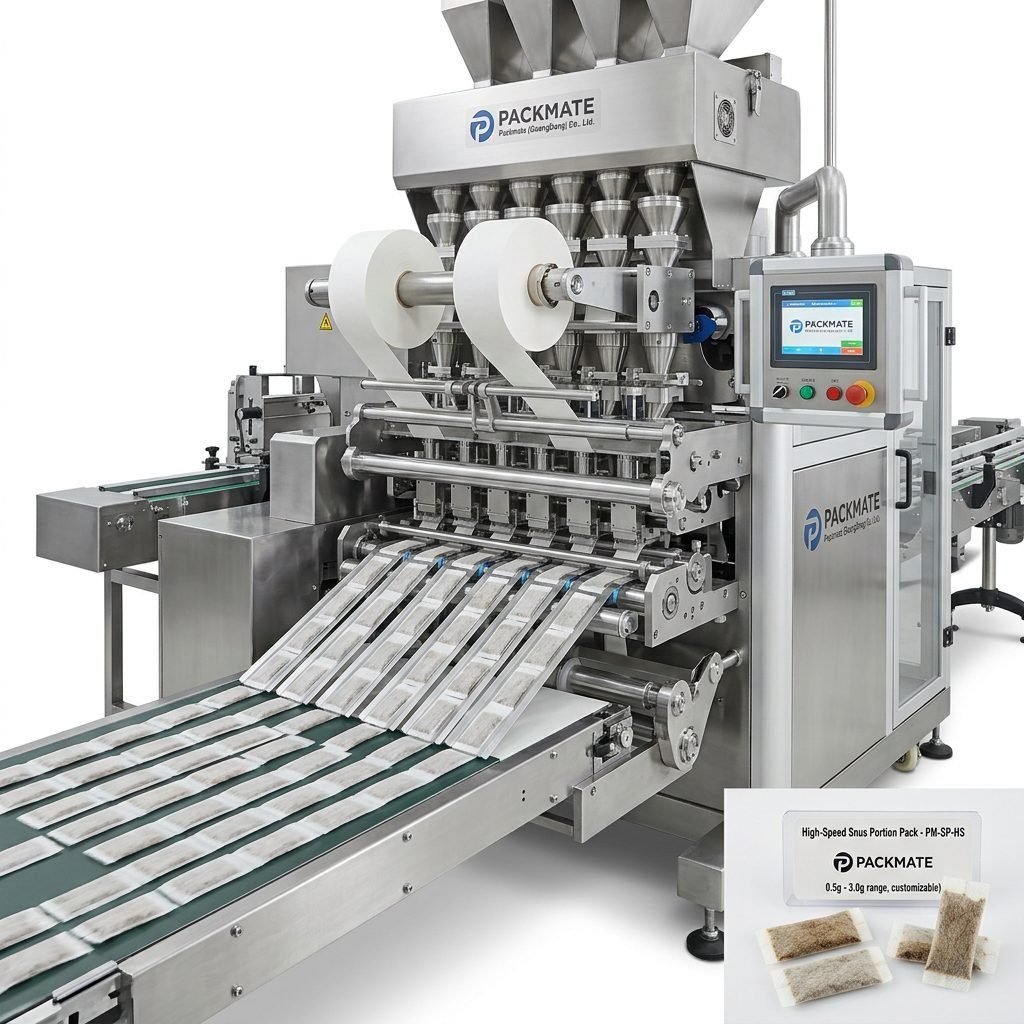
Multi-lane snus / nicotine pouch systems
For high-volume, small-dose pouches, multi-lane machines deliver throughput and efficiency. Modern multi-lane lines reduce per-unit cost but demand stronger process control and maintenance discipline.
Important: If you plan to scale across Russian regions, prioritize multi-lane architectures for best long-term ROI.
Evaluate machine performance and stability
Machine uptime, reproducible dose accuracy, and stable sealing quality are non-negotiable. When assessing suppliers or models, focus on real-world metrics, not just theoretical speeds.
Critical performance indicators
✅ OEE (Overall Equipment Effectiveness) figures from reference customers.
✅ Mean Time Between Failures (MTBF) and Mean Time To Repair (MTTR).
✅ Filling and weight accuracy standards for nicotine powders or granules.
✅ Sealing integrity over different foil/film laminates common in the local supply chain.
Ask suppliers for machine videos from actual installations and ask to speak with existing Russian or European customers to validate claims. References that demonstrate performance in cold warehouses or long shipping conditions are especially valuable.
Consider engineering for Russian climate and logistics
Russia’s temperature variations and long-distance transport require machines built to tolerate a wide range of ambient conditions and dust exposure. Corrosion-resistant finishes, reliable electrical components, and winterized service kits can reduce downtime in remote regions.
Local habit: Russian distributors and processors often value rugged, low-maintenance machines that can run long shifts with minimal on-site parts. Prioritize suppliers that document spare-part lead times and local support options.
Automation, integration and traceability
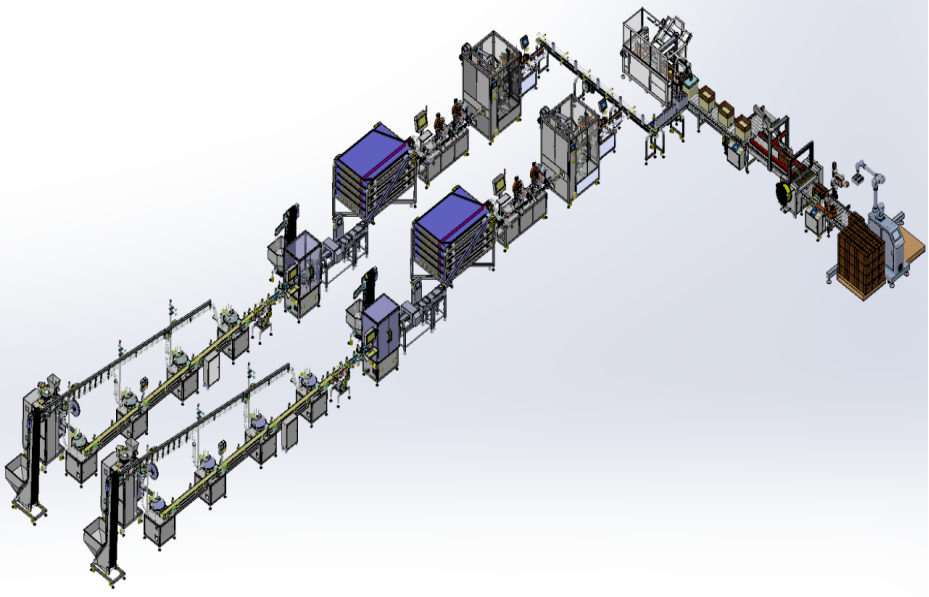
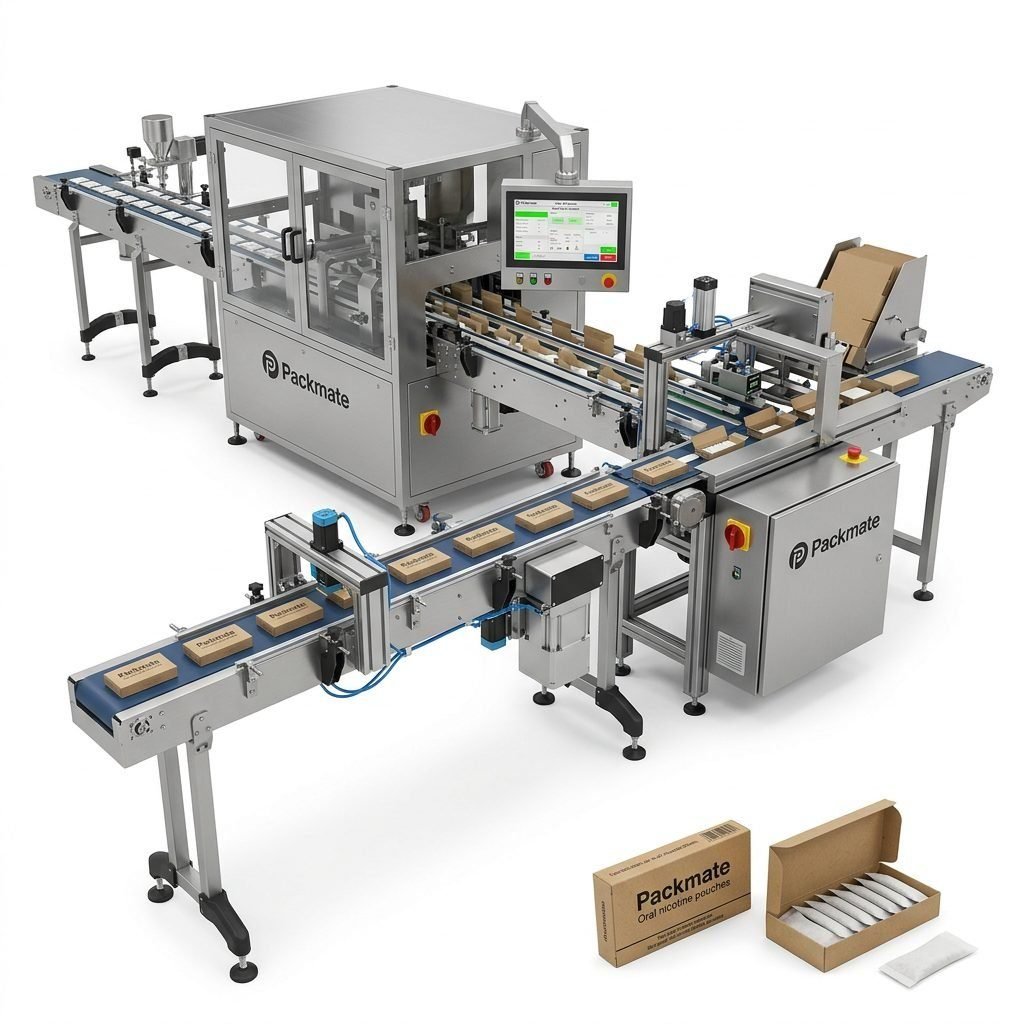
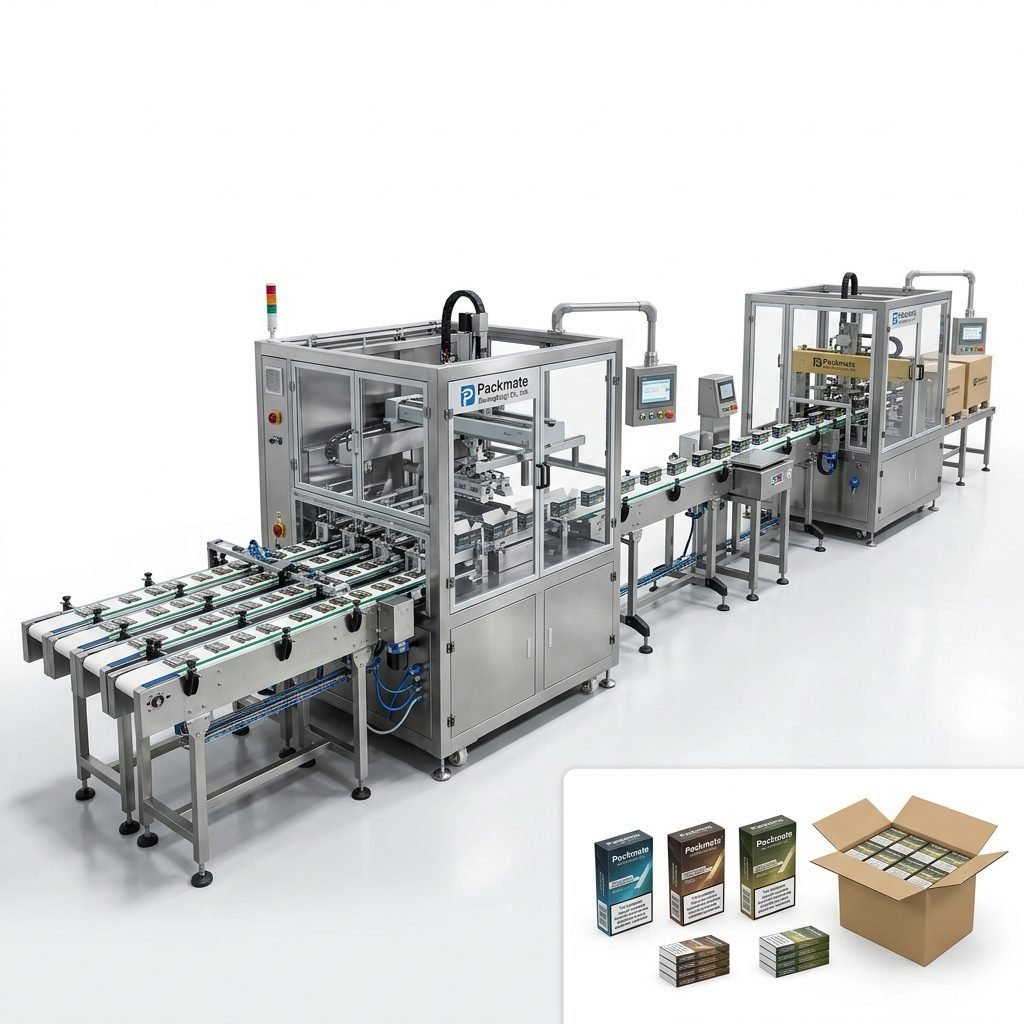
Integrate weighing, filling, printing, and end-of-line boxing to maintain traceability across the production chain. Modern lines should support PLC/SCADA connectivity and AMQP/OPC-UA options so your MES can capture batch-level information and comply with audit requirements.
If you need modular expansion, confirm how easy it is to add lanes or upgrade dosing stations without a major retrofit. Also check if the supplier offers ready-made integration with upstream filling or downstream cartoning equipment.
Quality assurance, certifications and supplier credibility
Choose equipment from manufacturers with recognized certifications and a strong global track record. CE and ISO certifications are baseline indicators that equipment meets international machine-safety and quality-management norms.
For a trusted supplier profile and product solutions, review proven product lines such as
Snus & Nicotine Packaging Machines,
Sachet & Stick Pack Machines and
Filling & Packaging Lines.
Why it matters: Suppliers with certified processes and a visible case history reduce technical risk and shorten commissioning time.
Service, parts and local support in Russia
After-sales service is crucial. Confirm spare-parts stock, lead times for critical components, remote support capability, and whether local technicians are trained for first-line service. A supplier that provides online troubleshooting, remote PLC diagnostics, and fast parts dispatch will minimize downtime across Russia’s dispersed regions.
If applicable, explore local service partnerships or on-site training packages that include detailed maintenance manuals in Russian to empower your local teams.
Total cost of ownership (TCO) vs. purchase price
Don’t be swayed only by the lowest capital cost. Evaluate consumables usage, energy consumption, maintenance intervals, spare-parts pricing, and expected throughput. A slightly higher initial investment in a more reliable line frequently produces lower TCO through increased uptime and better yield.
TCO checklist
🔧 Spare part pricing and packages
🔧 Energy consumption and drive technology (servo vs. pneumatic trade-offs)
🔧 Ease of format changeover and associated downtime
🔧 Training and documentation in Russian
🔧 Warranty terms and performance guarantees
Factory acceptance test (FAT) and site acceptance test (SAT)
Insist on a thorough FAT with your product and material film before shipment. This proves key processes—dosing accuracy, sealing integrity, code printing—under controlled conditions. After installation, a detailed SAT verifies the line under local site conditions, including power variations and ambient climate.
Ask for: documented FAT reports, video proof of runs with your SKU, and defined acceptance criteria tied to performance.
Sourcing and visiting manufacturers
When selecting a vendor, prioritize those who welcome factory visits and who can demonstrate long-term references. A manufacturer with a large, modern factory and more than two decades of R&D is usually better positioned to provide reliable customization and parts support.
Packmate’s factory and product portfolio are examples of suppliers that offer comprehensive snus and nicotine pouch solutions. Visit the About Packmate page and review their certifications before final discussions.
Procurement and negotiation tips
Negotiate clear acceptance criteria, spare parts kits, warranty lengths, and training scope. Add penalties or remedies for missed performance guarantees. Request spare-part lists with lead times and confirm packaging for safe long-distance shipping to Russian facilities.
Sample contract items to include
• Commissioning support hours and expertise level.
• FAT and SAT acceptance criteria tied to throughput and weight accuracy.
• Spare parts kit contents and initial stock levels.
• Remote support SLA (response time guarantees).
Final checklist before purchase
1. Confirm regulatory compliance and Russian-language labeling capability.
2. Validate supplier references and factory capability.
3. Review FAT results with your specific materials.
4. Lock in spare parts and training in the contract.
5. Plan logistics and protective packaging for long-distance shipment.
Helpful links: Explore specific machine families and systems at
Snus & Nicotine Packaging Machines,
Bag & Pouch Packaging Machines,
and Contact Us for tailored consultations.
Conclusion
Selecting the best nicotine packaging machinery for Russia combines careful regulatory preparation, choosing the right format and machine architecture, verifying supplier credibility, and planning for local service and logistics. Prioritize machines that demonstrate stable yield, precise dosing, and easy maintenance—this will ensure a reliable and compliant production line across Russia’s diverse market.
Common Questions
Q1: What machine type is best for initial testing of a nicotine pouch concept in Russia?
A1: Start with a flexible sachet or stick pack line that supports low-volume runs and quick format changeovers to test the market before investing in multi-lane high-speed lines.
Q2: How important are FAT and SAT when buying packaging equipment for Russia?
A2: Extremely important—FAT validates performance under factory conditions while SAT ensures the line runs reliably at your site; both reduce commissioning risk.
Q3: Do I need machines adapted to cold climates for Russian operations?
A3: Yes. Consider corrosion-resistant finishes, sealed electrical components, and service kits for low-temperature operation to avoid downtime in colder regions.
Q4: What certifications should I expect from a reputable supplier?
A4: At minimum, request CE and ISO certifications as indicators of machine safety and quality management; additional local approvals may be required depending on the product type.
Q5: Where can I find real-world examples and support when evaluating suppliers?
A5: Review supplier case studies, exhibition appearances, and customer references. For more information and product examples, see the company’s product pages and contact their sales team via the provided links.