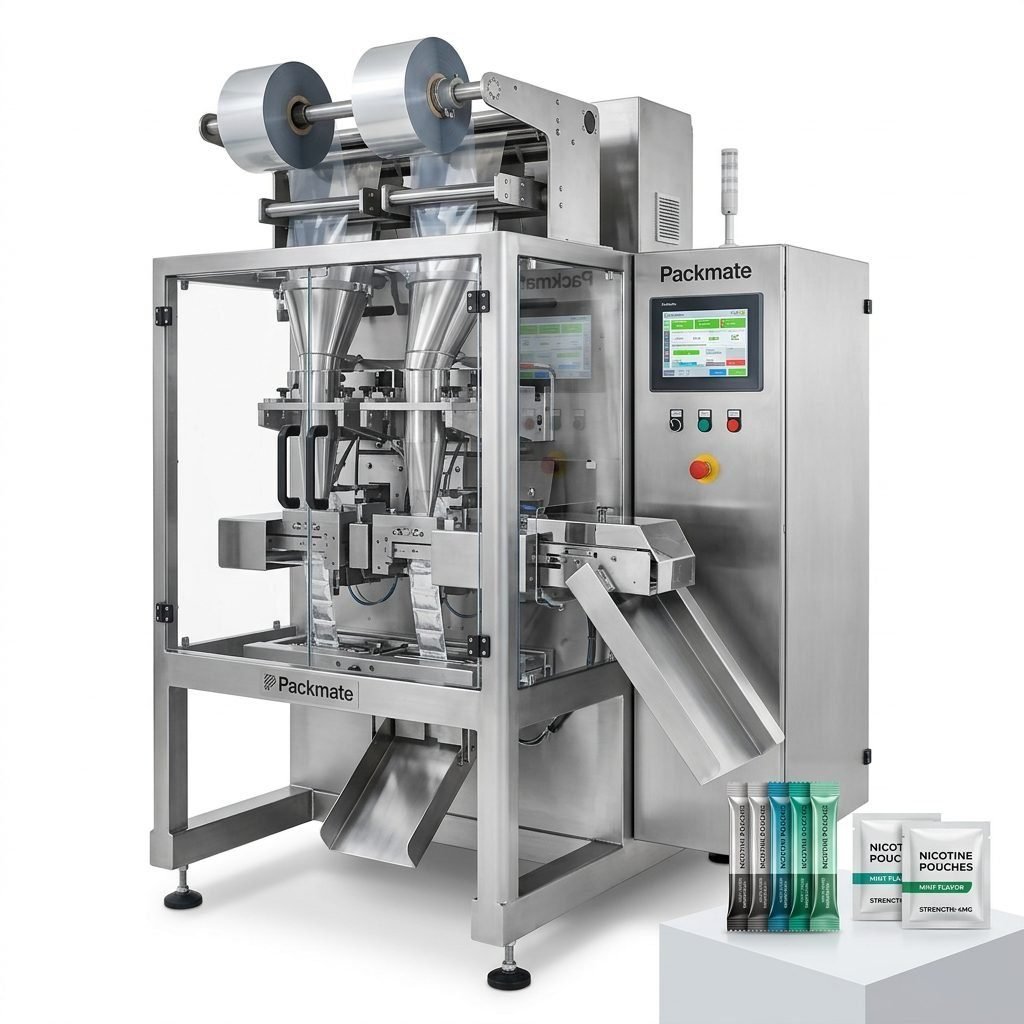
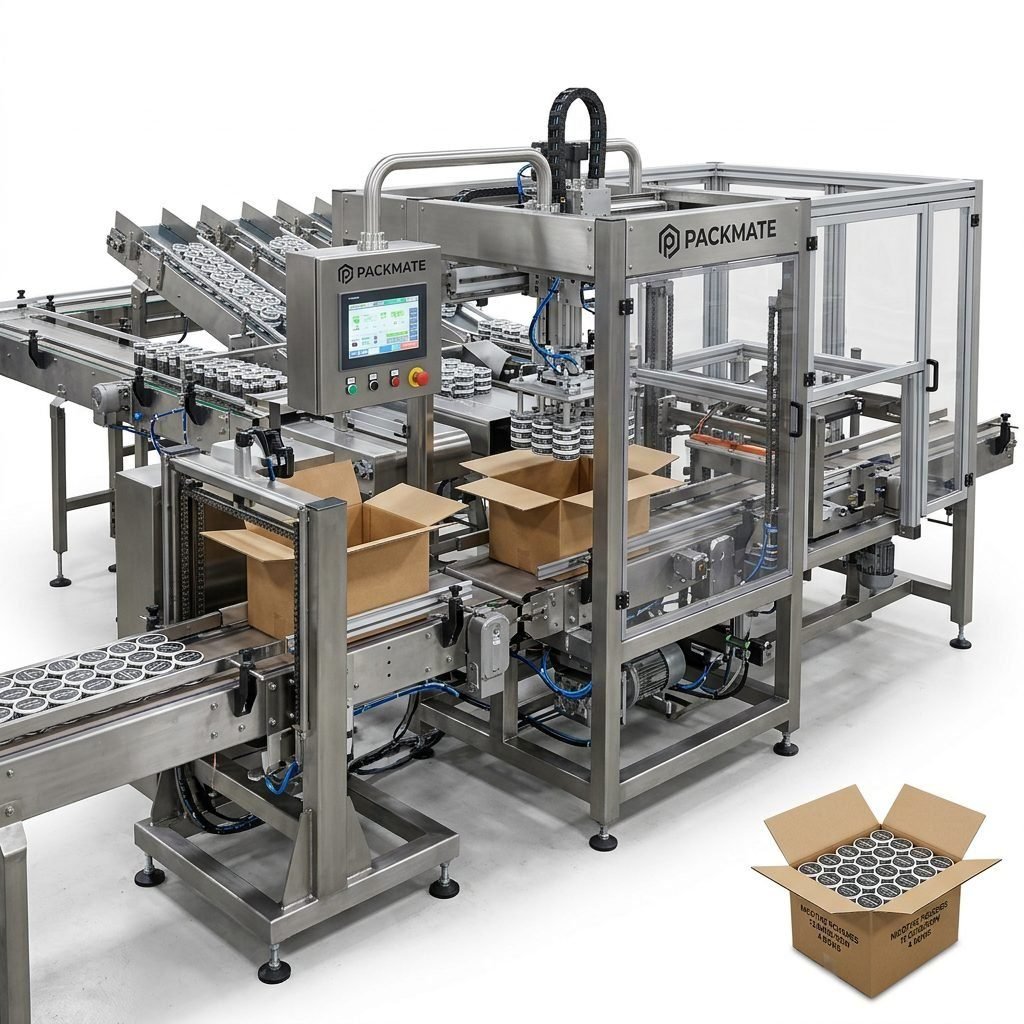
Choosing the right nicotine pouch machine supplier is a strategic decision that affects product quality, production efficiency, regulatory compliance, and long-term profitability. This guide walks you through the essential factors to evaluate when selecting a manufacturer for your snus or nicotine pouch production line, practical checklists to use during vendor assessment, and real-world considerations based on decades of industry experience.
Understand the Machine Types and Production Needs
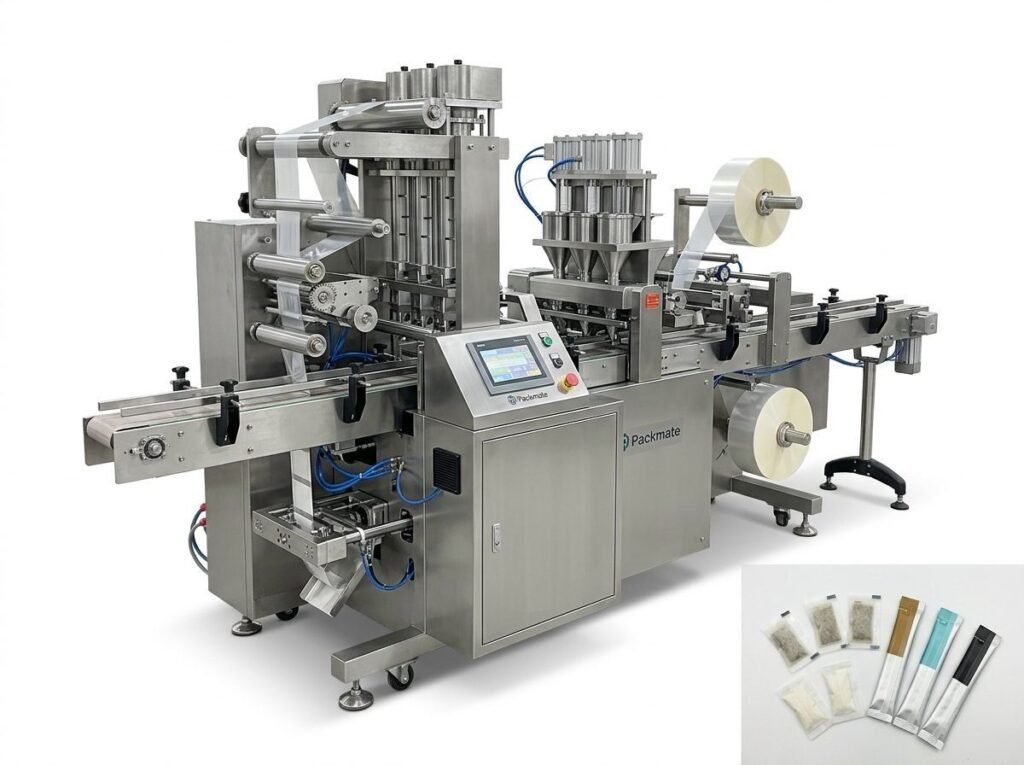
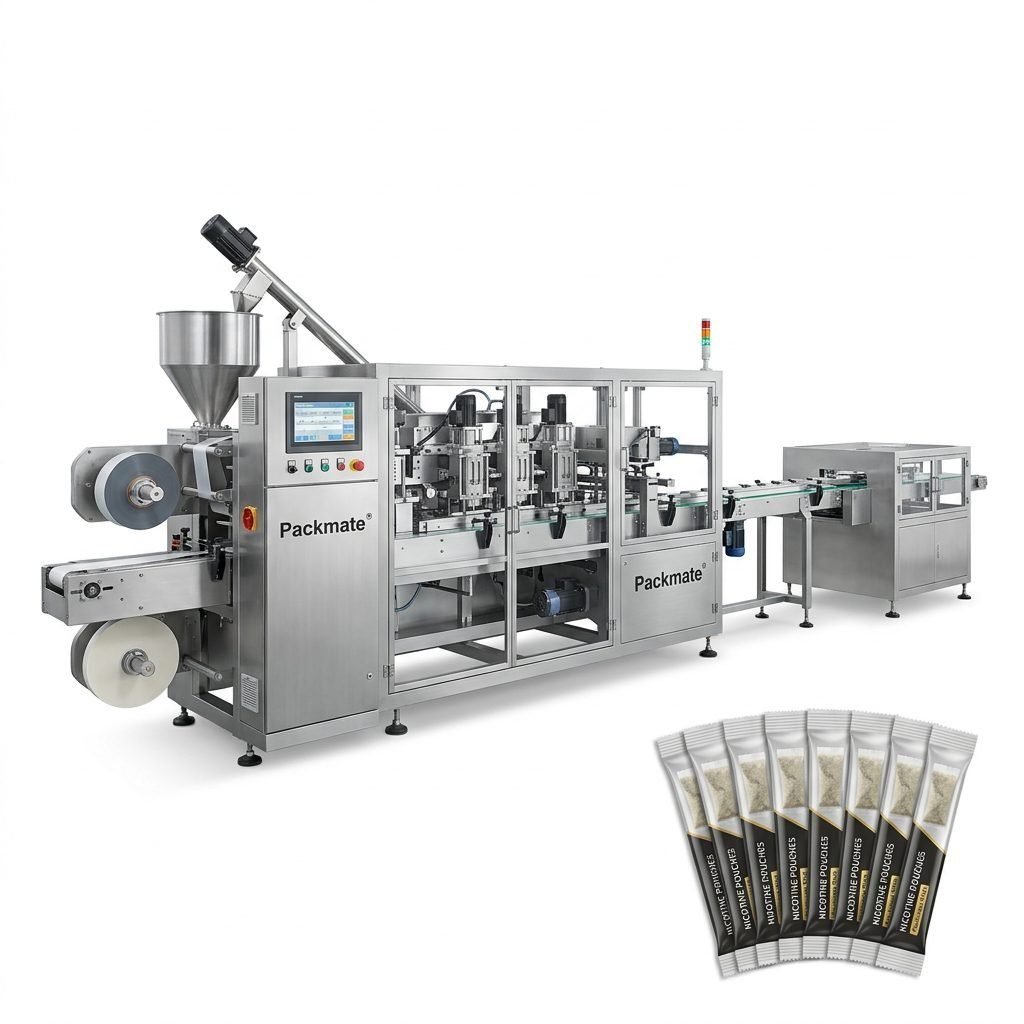
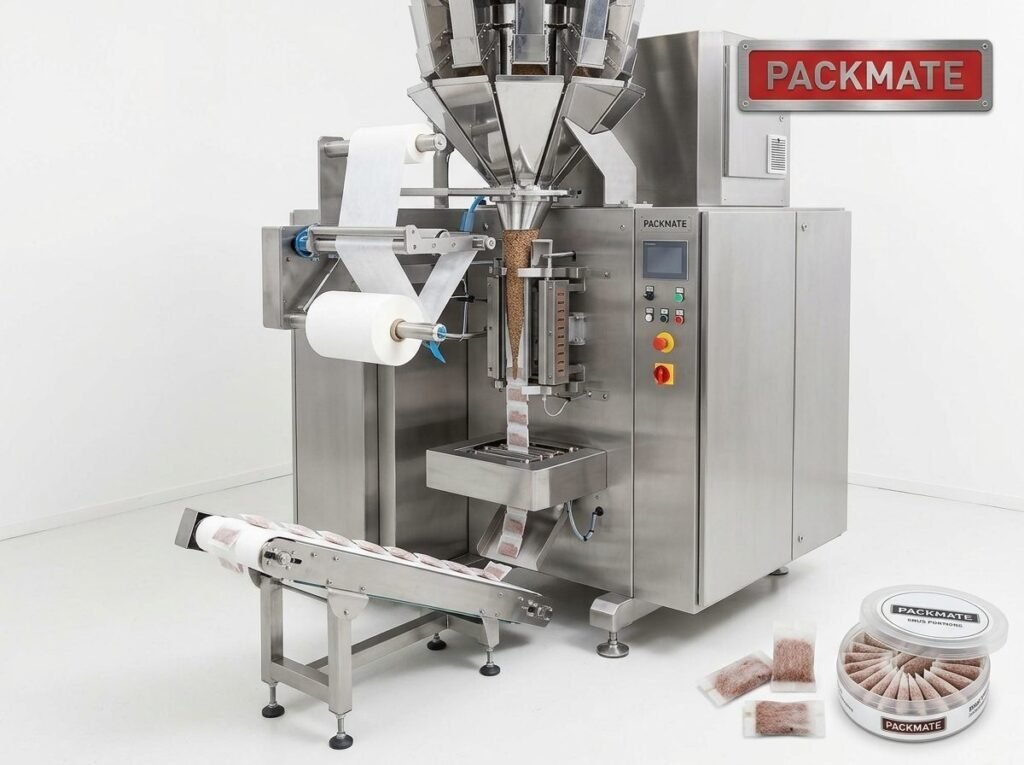
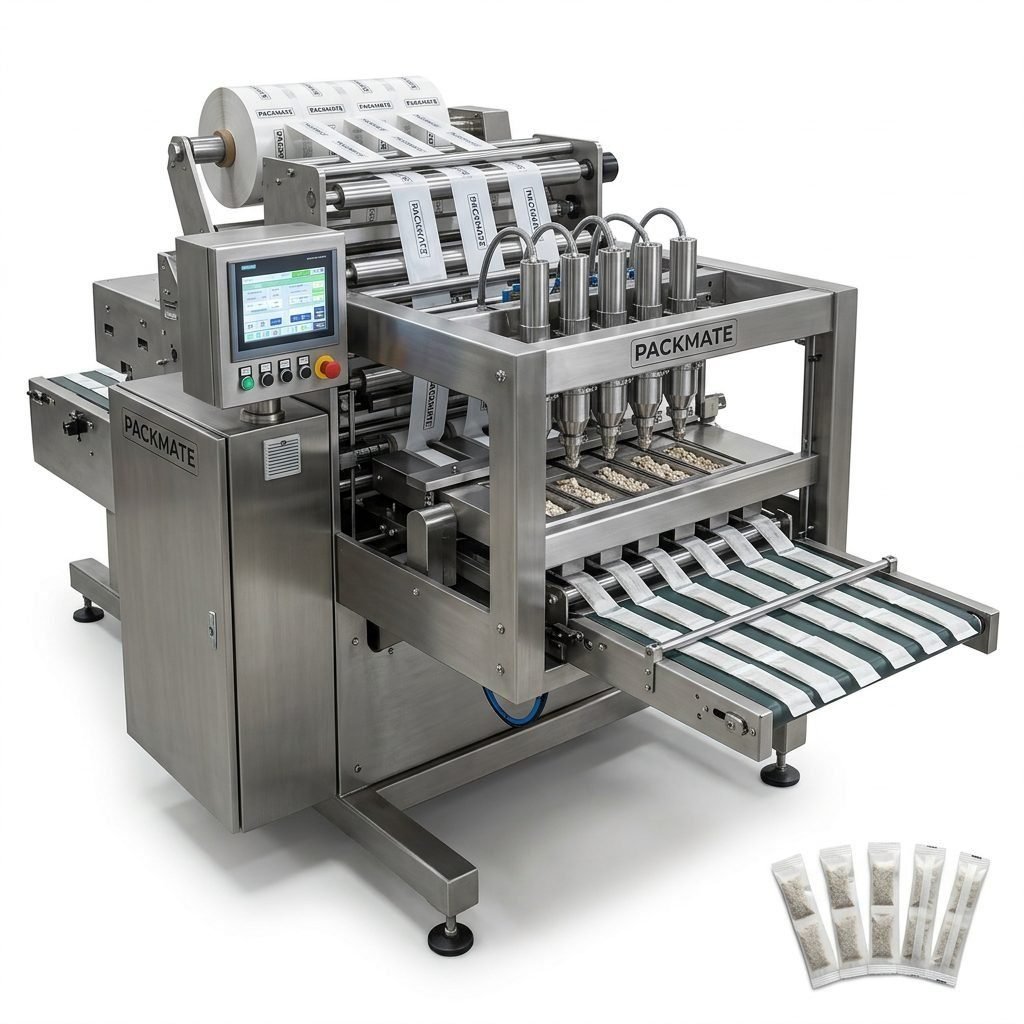
The first step is to match machine capabilities with your product format and production targets. Nicotine pouch lines can vary greatly: single-lane stick pack machines, multi-lane sachet systems, and specialized snus pouch lines for micro-doses and multi-lane output. Assess your current and projected SKU range — pouch sizes, dose weights, material types (non-woven, cellulose), and secondary packaging requirements.
If your product mix includes several pouch sizes or variable weights, look for flexible designs and modular systems that allow quick changeovers. For higher volumes, consider multi-lane systems engineered for small-dose consistency and synchronized filling — these reduce labor and footprint while increasing throughput.
Key machine families to consider
– Stick pack and sachet machines for simple sealed pouches.
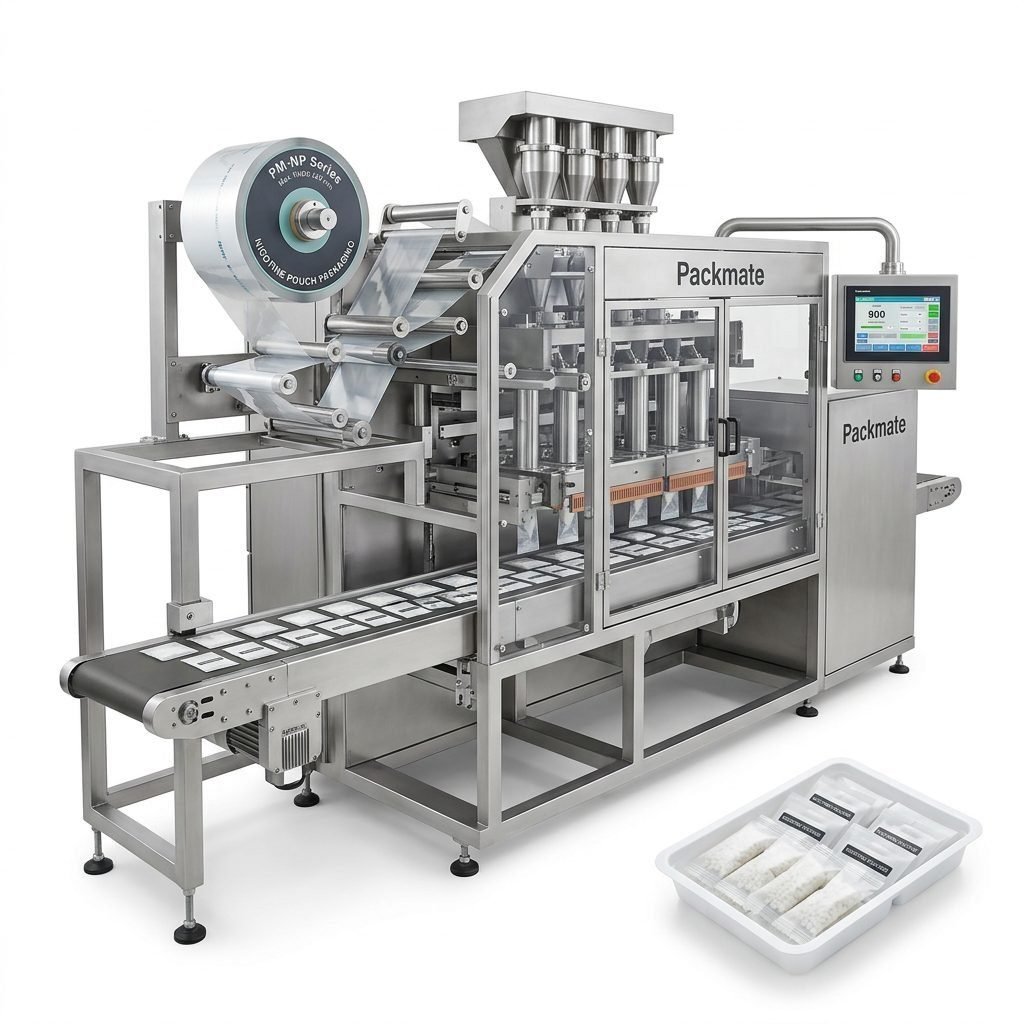
– Multi-lane snus packaging machines for small-dose nicotine pouches.
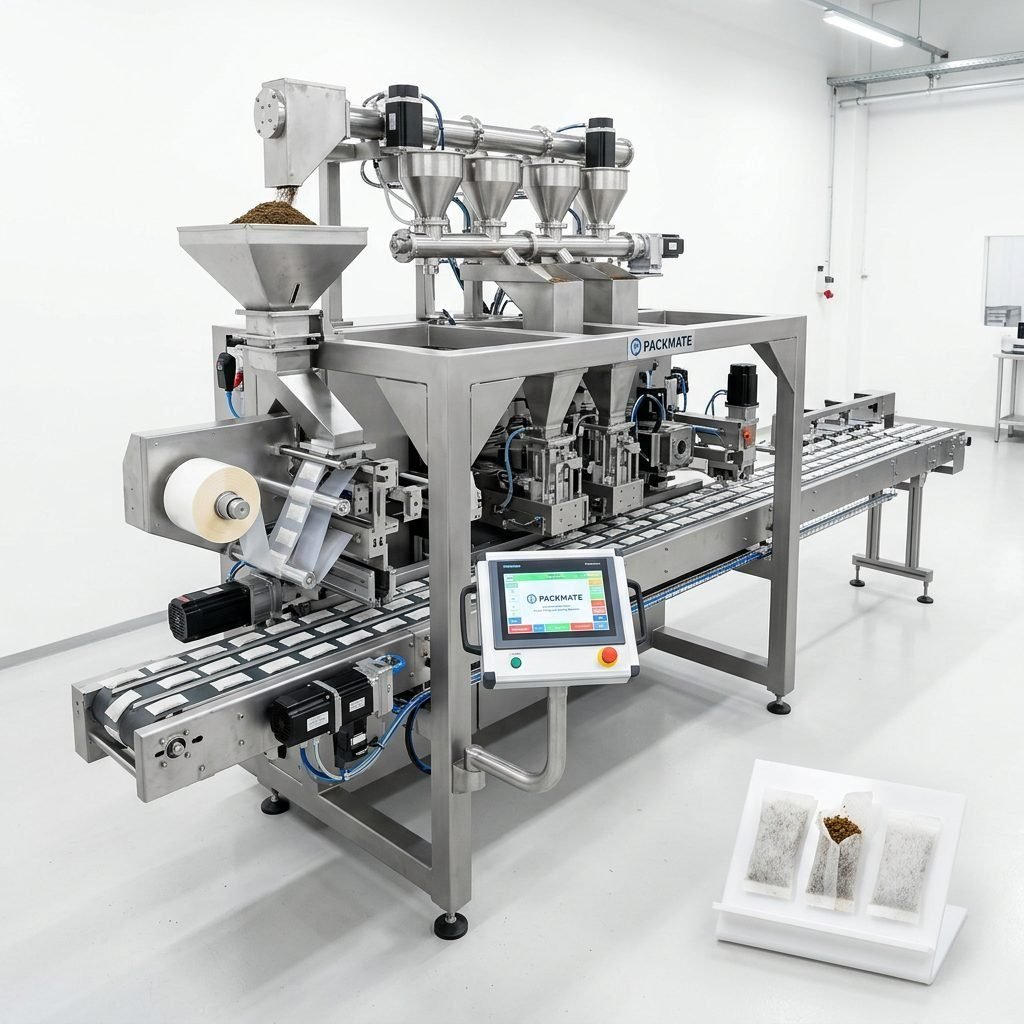
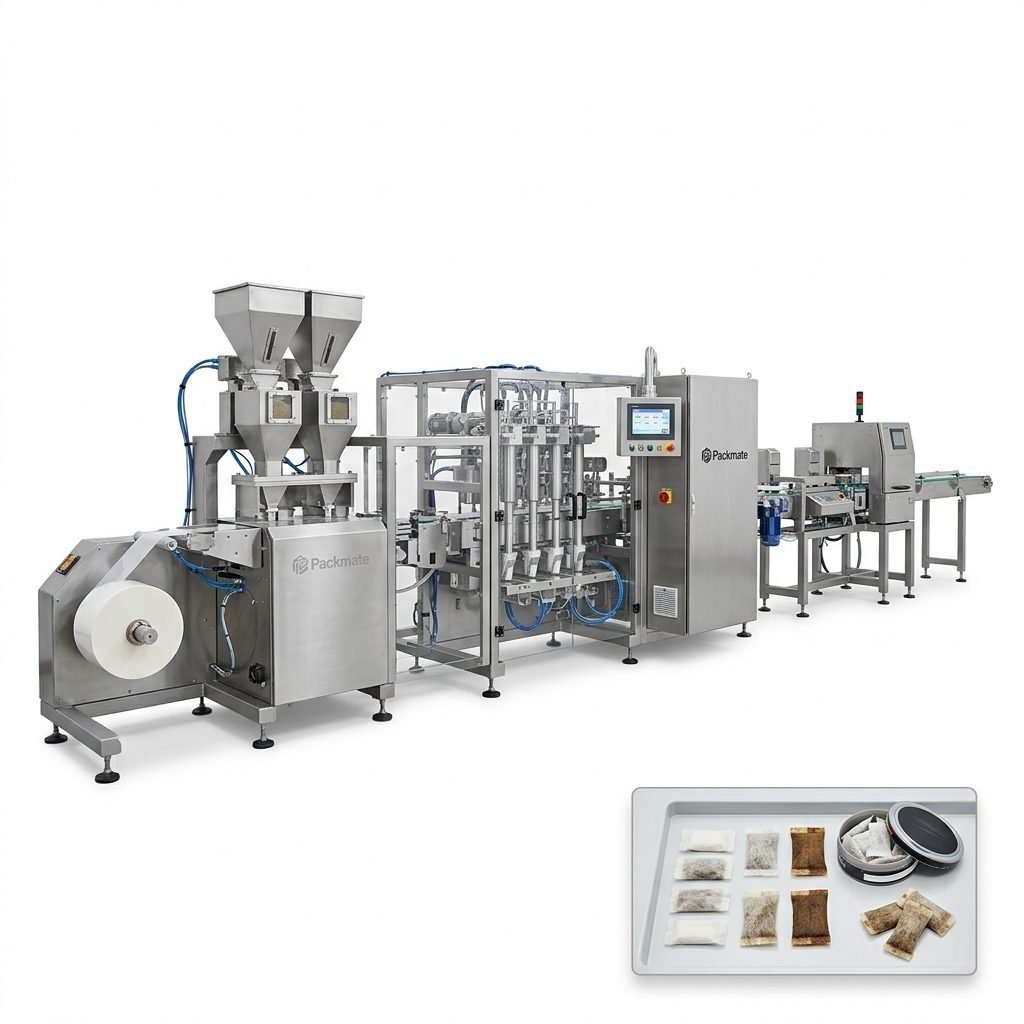
– Integrated weighing & dosing systems for accurate micro-doses.
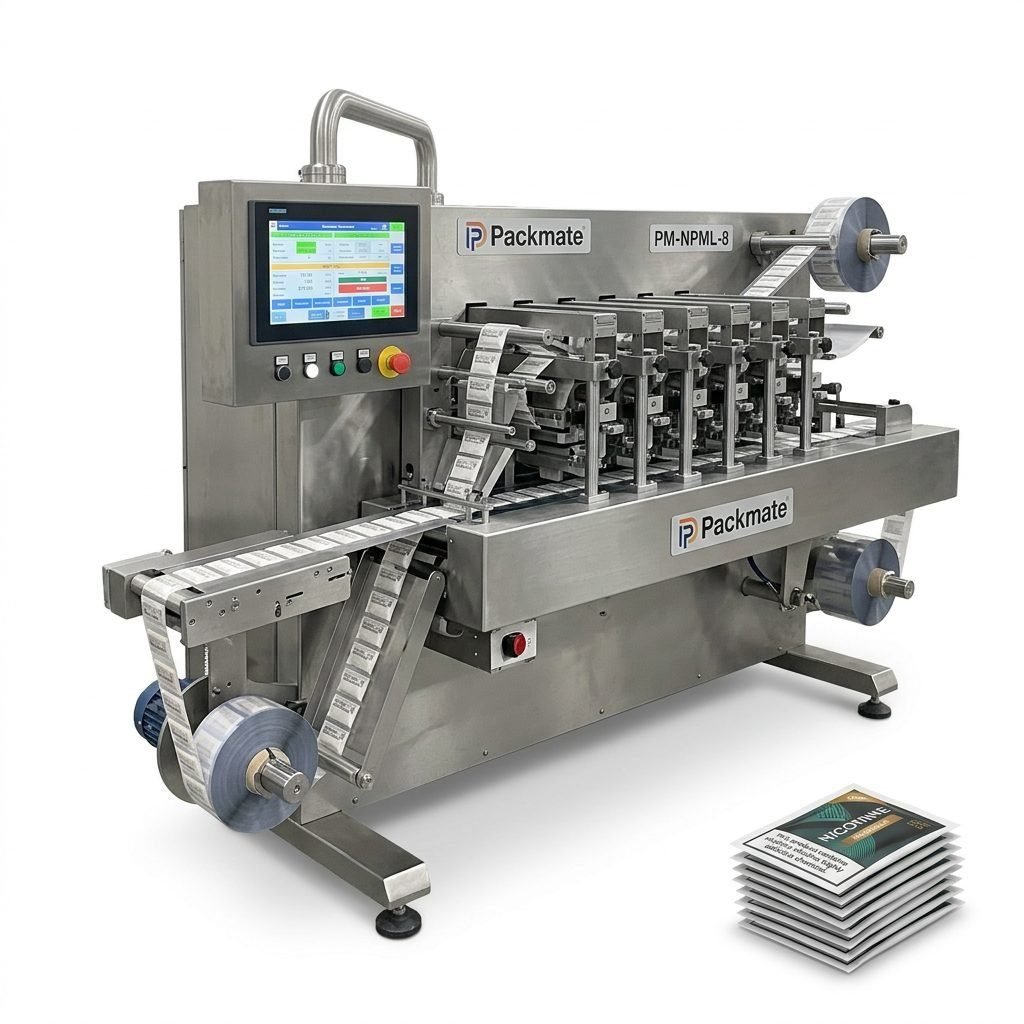
– Auxiliary equipment (capping, cartoning, labeling) for a complete line.
🔧
Tip: For nicotine pouch production, prioritize accuracy of dosing and minimal product handling. Machines designed specifically for snus and nicotine pouches reduce rework and ensure consistent user experience.
Evaluate Manufacturer Experience and Track Record
Experience in the snus and nicotine packaging industry is invaluable. A supplier with a proven track record understands material behaviors, small-dose challenges, and regulatory expectations. Look for companies with:
– 10+ years of focused R&D and machine evolution in snus or pouch packaging.
– Demonstrated multi-lane system deployments and turnkey lines.
– A portfolio of machine models and customization cases.
Packmate Snus Machine, for example, has deep expertise in snus packing machines and multi-lane systems. Their product range and factory capability reflect decades of refinement in pouch packaging engineering.
Checklist — Proven Performance
– Factory footprint and machining capability (CNC centers, precision assembly).
– Number of installed lines in similar product categories.
– References and site visits: request client cases and machine demos.
Quality Assurance, Standards and Certifications
Compliance and certification are non-negotiable. A reputable supplier will design machines that meet international safety and quality standards such as CE and ISO. Also confirm traceability of critical components and routine factory tests like OEE validation, endurance runs, and hygiene checks for food-contact parts.
✅
Must-have: Certificates (CE, ISO) and documented performance tests. Confirm validation protocols for dosage accuracy and machine hygienic design.
Factory Strength and Manufacturing Capability
Manufacturing capability directly influences delivery lead time, custom options, and serviceability. Visit or verify details about the supplier’s factory area, machining centers, assembly lines, and quality control labs. A modern facility with advanced CNC and precision fixtures delivers consistent manufacturing tolerances and faster spare parts turnaround.
Packmate’s 20,000㎡ factory and dedicated assembly lines are examples of infrastructure that supports complex multi-lane machine production and quick scaling for OEM requests.
Customization and Turnkey Solutions
Many brands require unique features: specialized dosing units, modified pouch formats, integrated packaging and cartoning sequences, or automation to meet regulatory segregation. Determine whether the supplier offers:
– Full turnkey lines (from feeding and dosing to final packaging).
– Control system integration (PLC, HMI, Industry 4.0 features).
– Custom tooling and quick-change mechanisms.
If you need modules beyond filling — like weighing systems, carton erecting or inspection — check the supplier’s ability to provide or integrate these. See products like their Weighing & Packaging Systems and Filling & Packaging Lines for examples.
Service, Spare Parts and After-Sales Support
Machine uptime depends heavily on supplier service. Consider response times for remote support, availability of spare parts, and whether on-site commissioning is included. SLA elements to confirm:
– Remote diagnostics and software updates.
– Spare parts lead time and local stock options.
– Training programs for operators and maintenance staff.
A supplier with global cooperation cases and exhibition presence typically supports international clients well. Verify if technical documentation and training manuals are available in your language and if the supplier offers field engineers for initial runs.
📌
Service checklist: On-site commissioning, spare parts kits, remote HMI access, and preventive maintenance schedules.
Cost vs. Value — Total Cost of Ownership
Purchase price is only part of the equation. TCO includes installation, validation, consumables, spare parts, downtime costs, and energy consumption. When comparing quotes, request a breakdown of:
– Machine base price, VAT/import duties, and freight.
– Installation and FAT (Factory Acceptance Test) / SAT (Site Acceptance Test) costs.
– Warranty duration and scope, and spare parts kits included.
Cheaper machines may lead to higher operating costs. Prioritize proven stainless-steel food-contact components, low-maintenance drives, and established PLC platforms to minimize surprises.
Testing, Trials and Factory Acceptance Tests (FAT)
A robust FAT demonstrates machine performance before shipment. Ask for full demonstration with your product or a close proxy. FAT should cover parameters such as:
– Dose accuracy over a large sample set.
– Production speed and stability at target throughput.
– Changeover process and tooling adjustments.
Where possible, visit the supplier’s facility or request a recorded FAT run. Many manufacturers also provide live demonstrations at trade fairs — check their exhibition schedule to arrange a demo.
Regulatory and Hygiene Considerations
Nicotine products are highly regulated. Machines must support hygienic design, easy cleaning, and material traceability. Ensure the supplier understands local regulations for nicotine product manufacturing and can provide compliant machine documentation.
Materials, seals, and contact surfaces should be non-reactive and easy to sanitize. Look for quick-release guards, minimal horizontal surfaces where residue can collect, and sealed bearings where needed.
Global References and Case Studies
A manufacturer with international clients proves they can handle varied regulatory and operational environments. Ask for case studies that show:
– Turnkey lines delivered and integrated in multiple countries.
– Solutions for niche formats or challenging materials.
– Long-term customer relationships for service and upgrades.
You can review client cases to see how suppliers adapted lines for different markets — for example, Packmate’s global cooperation cases are illustrative of scalable solutions and ongoing support. See a portfolio of successes in their Case section.
Important Questions to Ask Potential Suppliers
Use the following checklist during vendor discussions:
– Can you provide FAT videos and client references?
– What is the documented accuracy and throughput for our pouch size?
– What spare parts are critical and what are lead times?
– Do you provide local support or international field engineers?
– Which standards and materials are used for food-contact parts?
– Can the line be expanded or upgraded later?
⚠️
Red flag: Vague answers about spare parts, undocumented FAT, or refusal to demonstrate machine performance with similar materials.
How to Run a Smart Supplier Selection Process
1. Define clear technical specifications and target OEE.
2. Solicit detailed proposals with FAT scope and timelines.
3. Request sample runs or product demos (on-site or recorded).
4. Compare TCO rather than lowest purchase price.
5. Negotiate acceptance criteria, training, and spare parts kits.
For reference product lines and machine families, review packaging ranges such as Snus & Nicotine Packaging Machines, Bag & Pouch Packaging Machines, and Sachet & Stick Pack Machines.
Negotiation, Payment and Delivery Terms
Agree on clear milestones: deposit, engineering approval, FAT completion, shipment, installation, SAT, and final acceptance. Include warranty terms and penalties for missed milestones if timelines are critical. For international purchases, clarify Incoterms, customs support, and commissioning responsibilities.
Final Selection — Prioritize Reliability and Partnership
Your ideal supplier acts as a long-term partner, helping you iterate on production, reduce costs, and expand capacity. Select a manufacturer that combines proven technology, a strong factory base, accessible service, and a collaborative approach to customization. This ensures your nicotine pouch line will scale reliably as your brand grows.
🚀
Quick takeaway: Choose suppliers with demonstrable snus/nicotine packaging experience, robust factory capability, clear FAT protocols, and comprehensive after-sales support.
Where to Learn More and See Machines in Action
Attend industry exhibitions or request remote or in-person demos. Many manufacturers publish catalogs and product pages — for full product ranges and further reading, consult the supplier’s product pages and about information, such as About Packmate and their service descriptions in the Service section.
Conclusion
Selecting the best nicotine pouch machine supplier is a mix of technical evaluation, quality assurance, and strategic partnership. Prioritize suppliers with targeted product expertise, transparent testing procedures, strong factory infrastructure, and responsive after-sales service to minimize risk and ensure consistent product quality as you scale.
Common Questions
Q1: How important is Factory Acceptance Testing (FAT)?
A1: FAT is critical — it validates machine performance, dosing accuracy, and repeatability before shipment. Always request documented FAT protocols and product-specific runs.
Q2: What certifications should a nicotine pouch machine have?
A2: At minimum, machines should comply with CE for safety and relevant ISO quality standards. Ensure food-contact materials meet local regulations and that hygiene design practices are followed.
Q3: Can I upgrade a single-lane machine to multi-lane later?
A3: Some suppliers offer modular upgrades, but not all machines are designed for easy lane expansion. Discuss scalability early and request modular options if future throughput increases are likely.
Q4: How do I assess total cost of ownership (TCO)?
A4: Include machine price, installation, spare parts, consumables, energy, downtime risk, and training. A lower purchase price may lead to higher operating costs over the machine lifetime.
Q5: Where can I see real installations and client references?
A5: Ask the supplier for case studies and site references. Many manufacturers provide documented cases and exhibition demos — explore the supplier’s case portfolio for real-world examples.