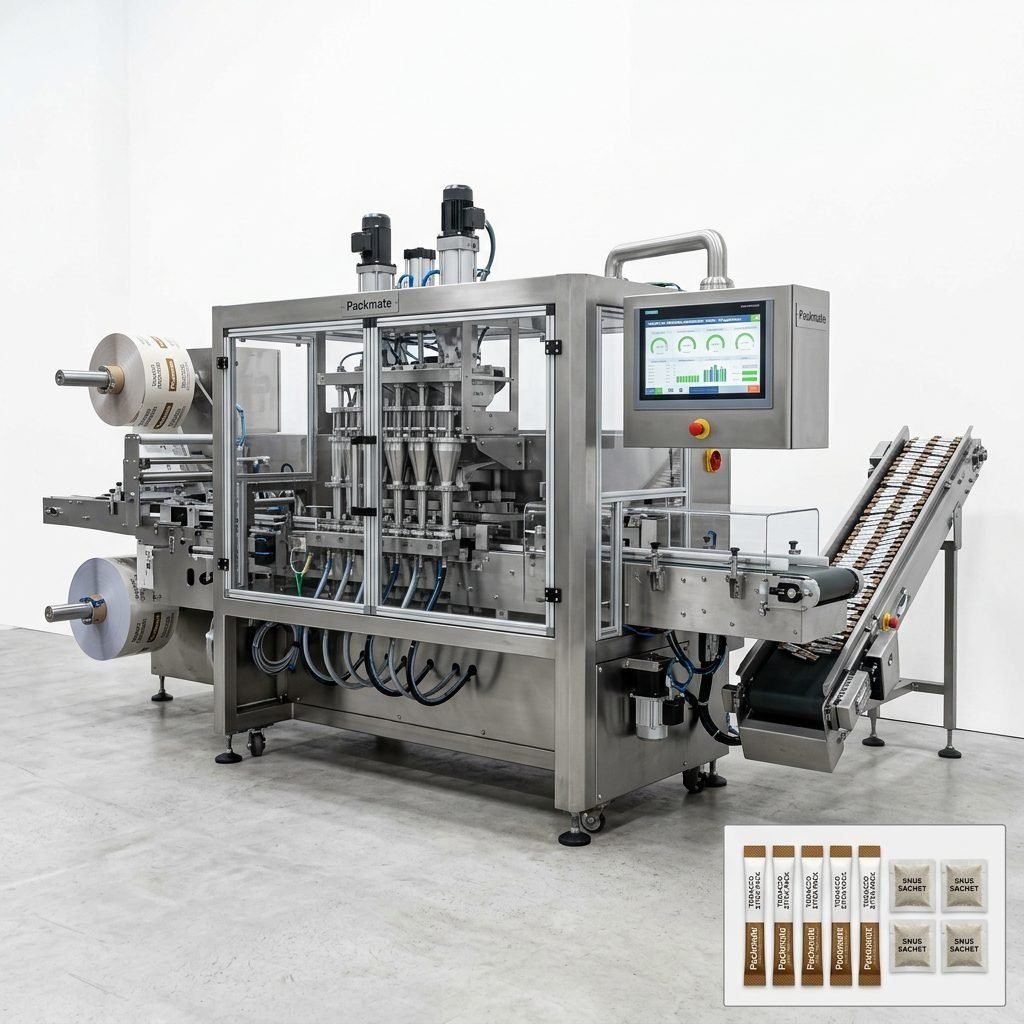
Choosing the right nicotine packaging machinery in Bolivia requires a practical balance of regulatory awareness, technical specifications, production capacity, and long-term support. This guide walks you through the critical factors buyers should evaluate when selecting snus and nicotine pouch packaging equipment, helping manufacturers, distributors, and entrepreneurs make informed decisions that align with local requirements, product formats, and budget goals.
Why Packaging Machinery Choice Matters in Bolivia
Bolivia’s growing interest in alternative nicotine products and snus-style pouches means manufacturers must meet both consumer expectations and regulatory requirements. The right packaging equipment ensures consistent pouch quality, correct dosing, airtight seals, and efficient production—factors that directly affect product safety, shelf life, and market acceptance.
🔧 Key takeaway: Investing in machines designed specifically for nicotine pouches or snus reduces waste, prevents dosing errors, and speeds up regulatory approval processes because these solutions are built with product-specific hygiene and sealing controls.
Understand Local Regulations and Compliance
Before purchasing any packaging line, confirm Bolivia’s regulations for nicotine products including labeling, child-resistant packaging, and allowable ingredients. Machines should support compliant labeling and be capable of producing tamper-evident seals or secondary packaging when needed.
Certification & Testing
Look for equipment that meets international standards such as CE and ISO. These certifications indicate adherence to safety and manufacturing norms, and machines from reputable factories often include thorough testing before shipment.
Common Nicotine Packaging Machine Types
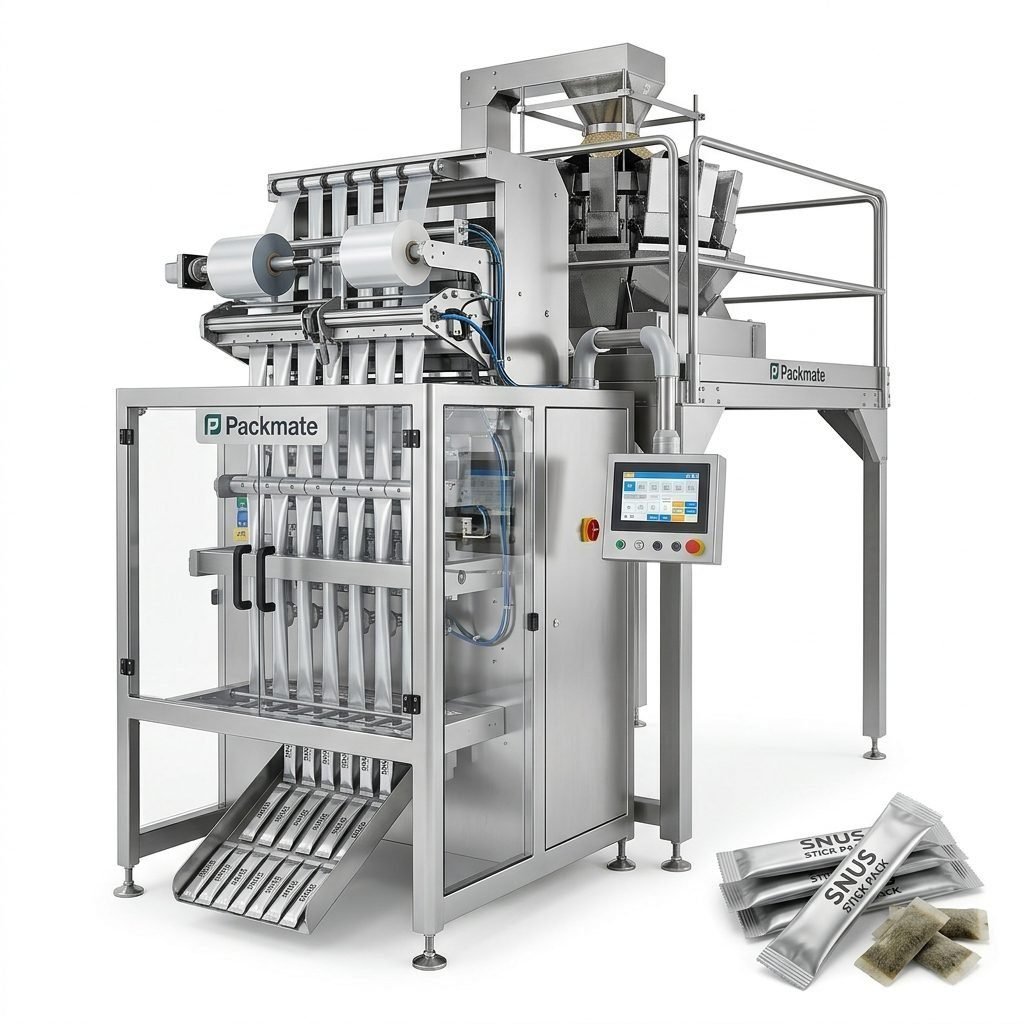
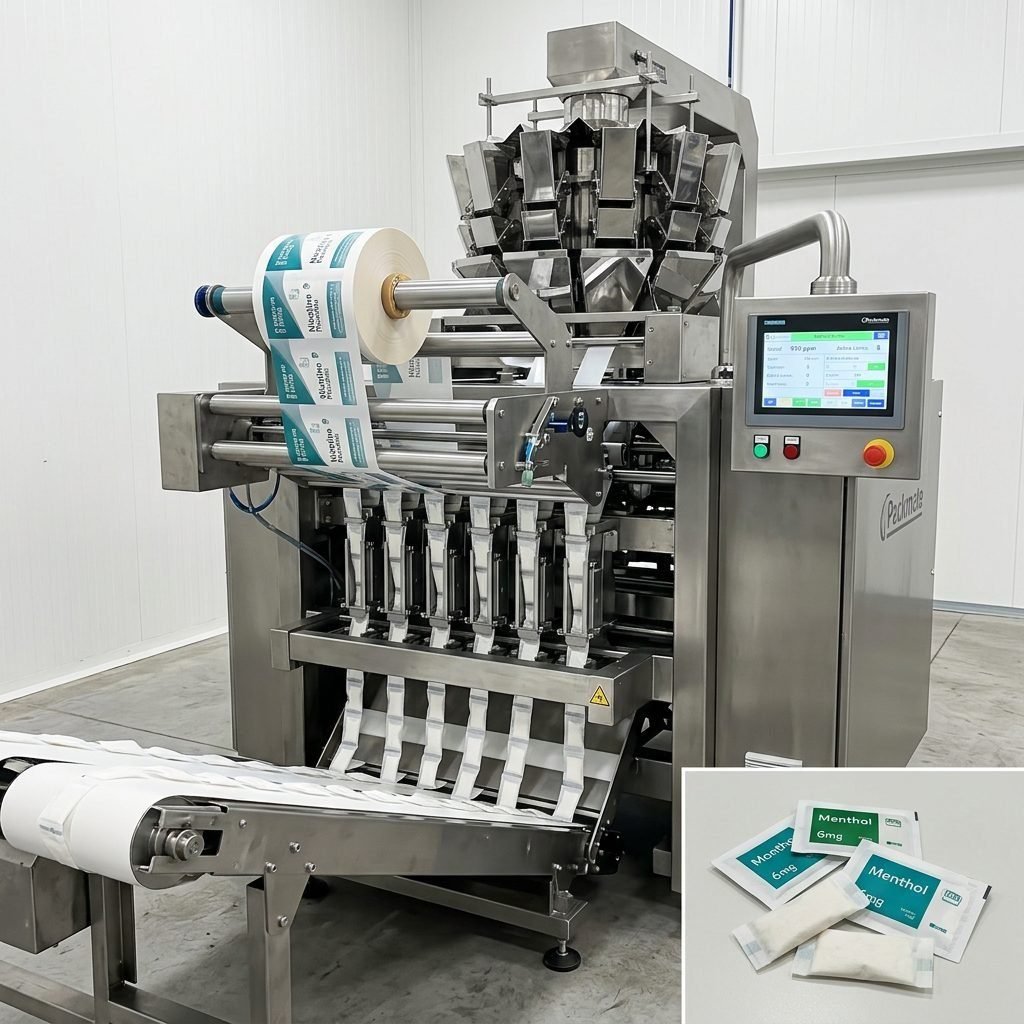
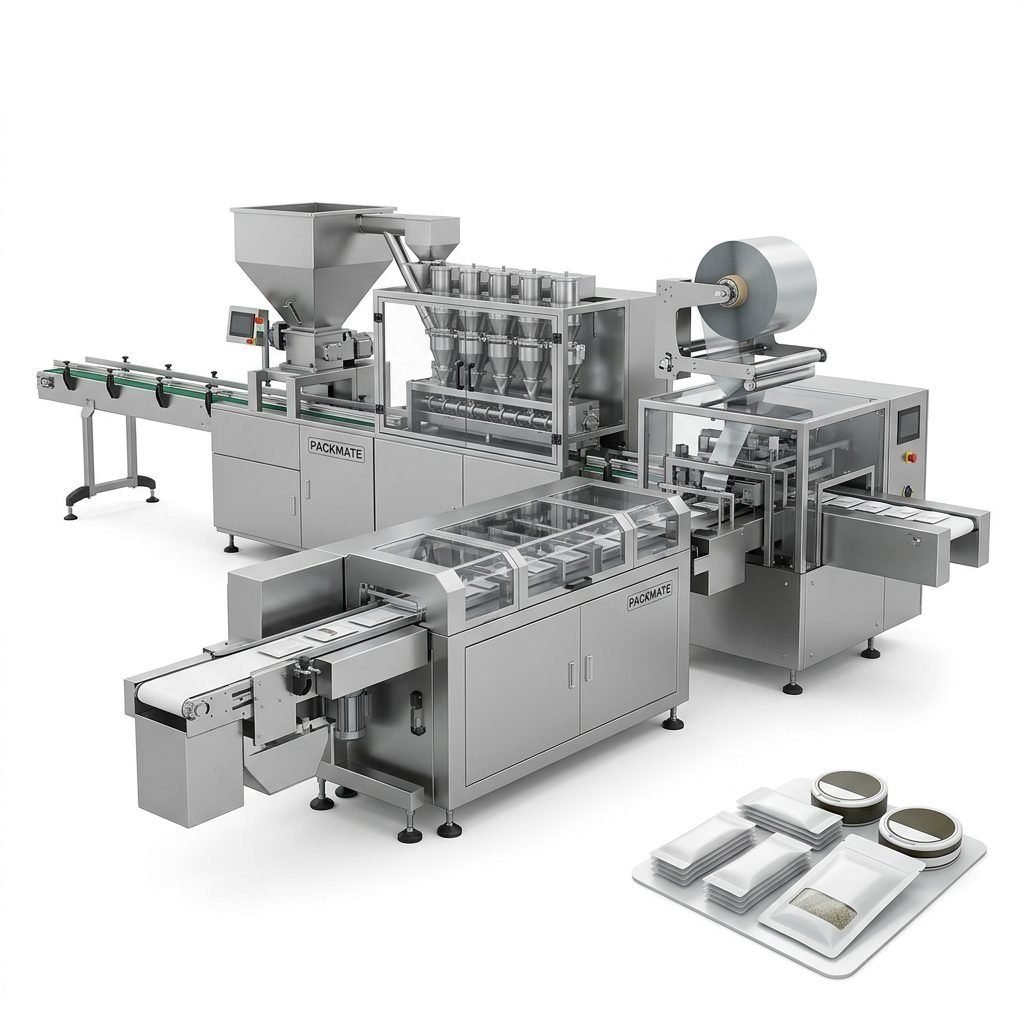
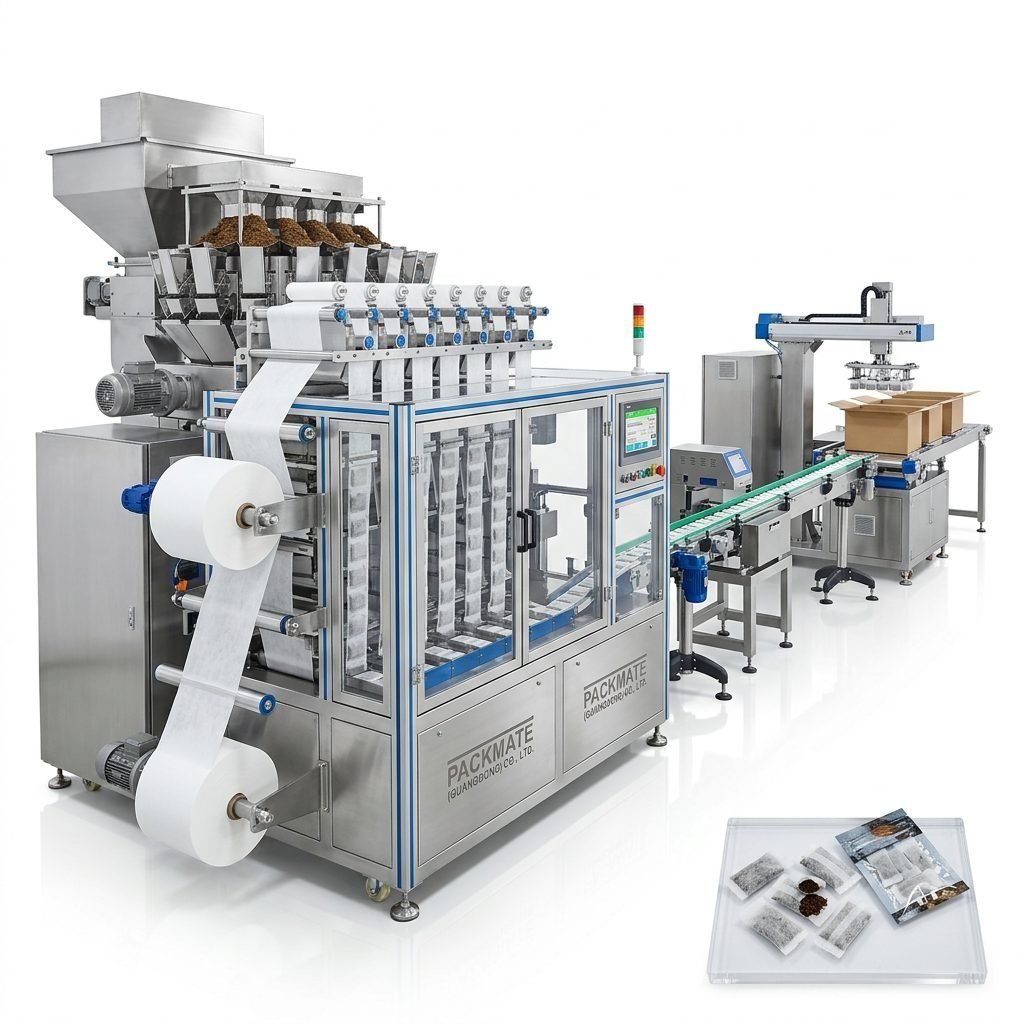
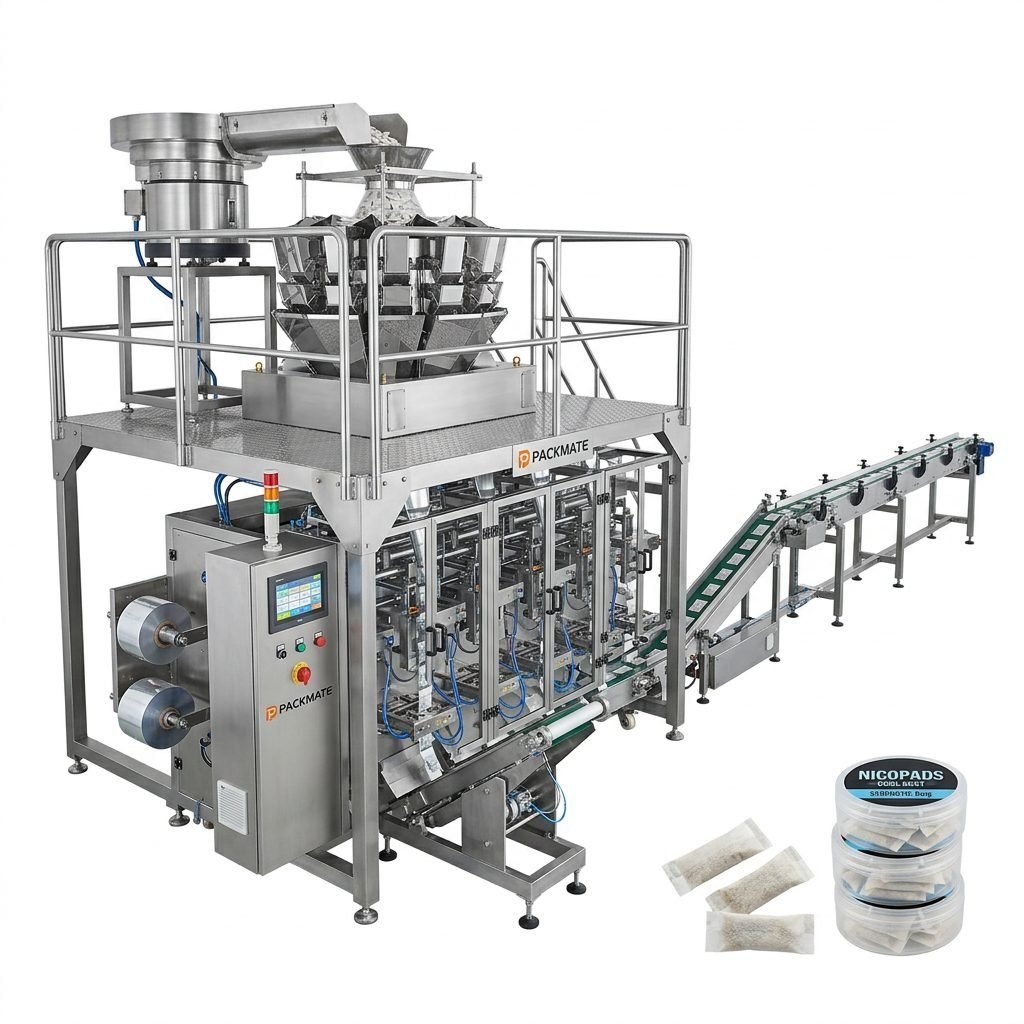
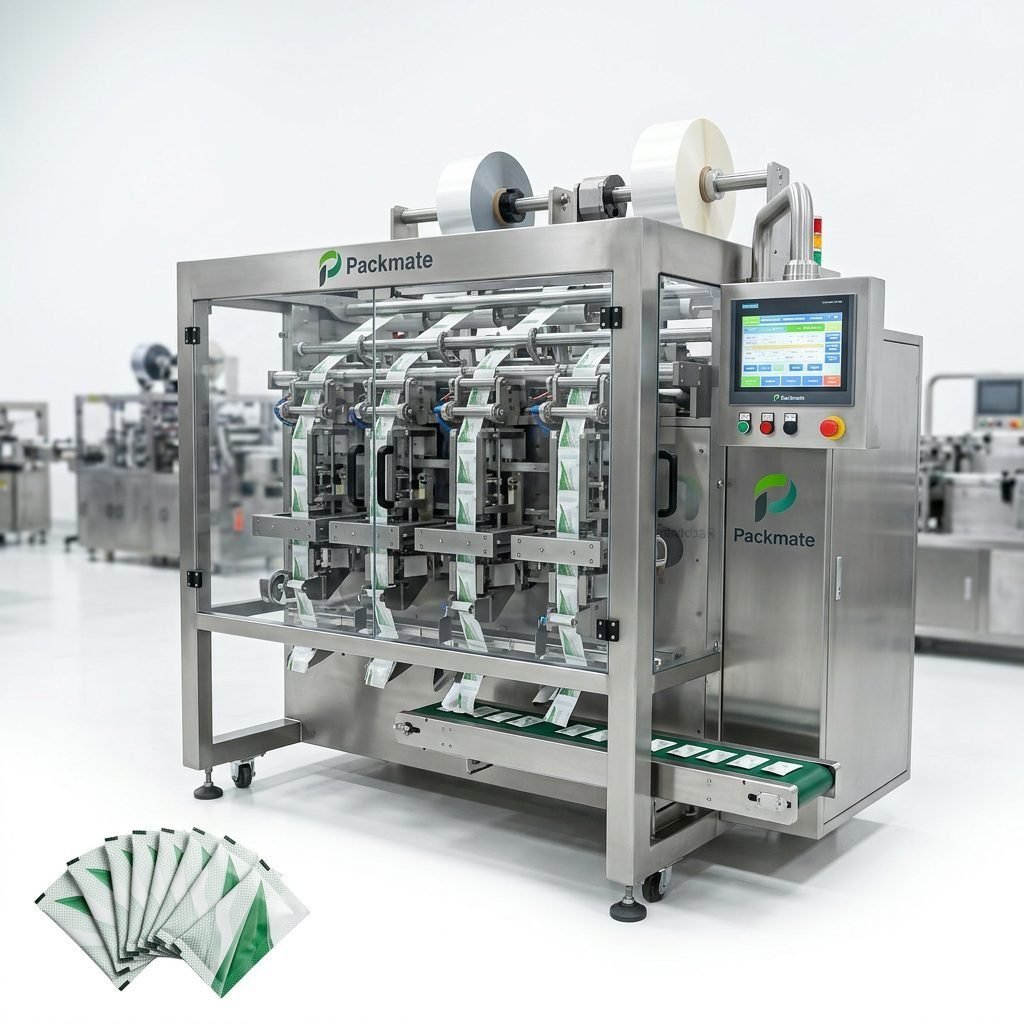
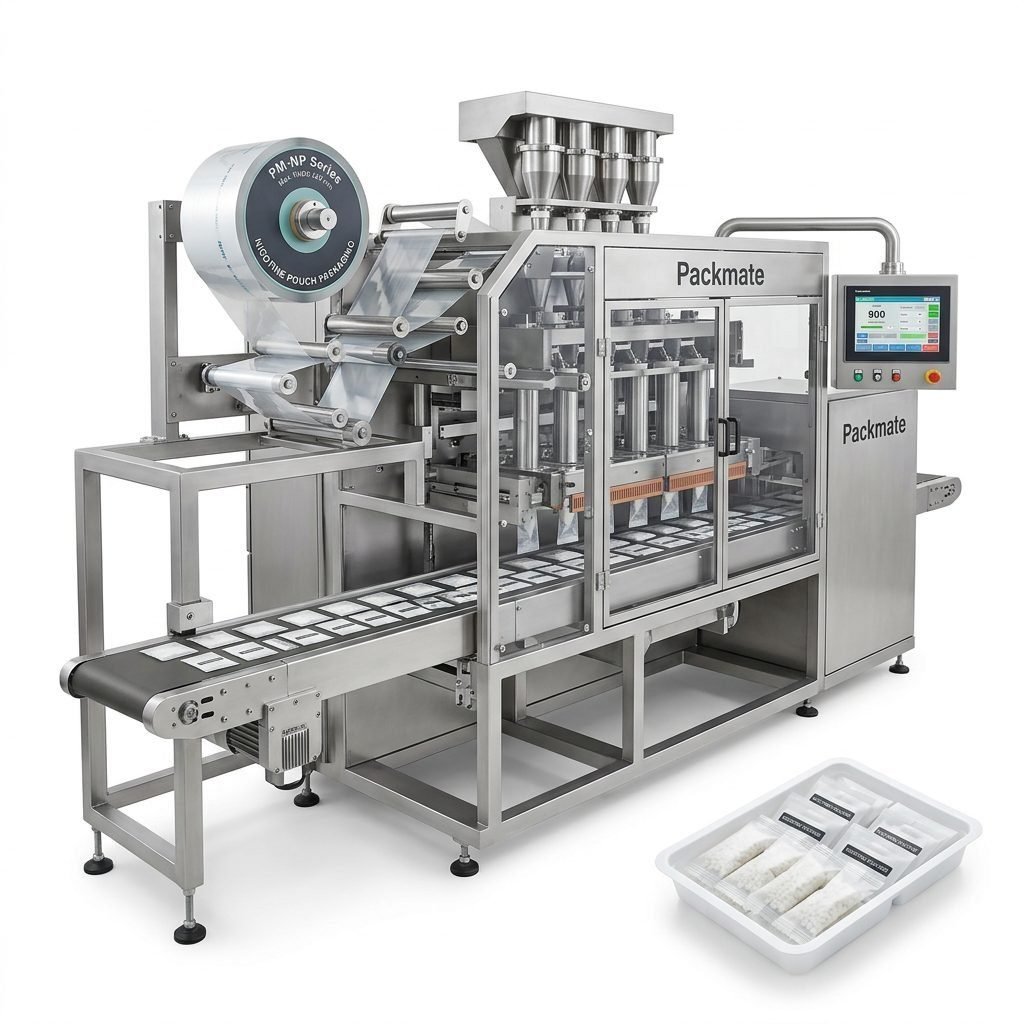
Different product formats require different machinery. Typical machine categories include stick pack machines, sachet machines, multi-lane snus pouch machines, and integrated filling and packaging lines. Choosing the right category depends on pouch size, dosage accuracy, desired speed, and secondary packaging requirements.
- Stick pack machines — efficient for single-dose sachets and narrow pouches.
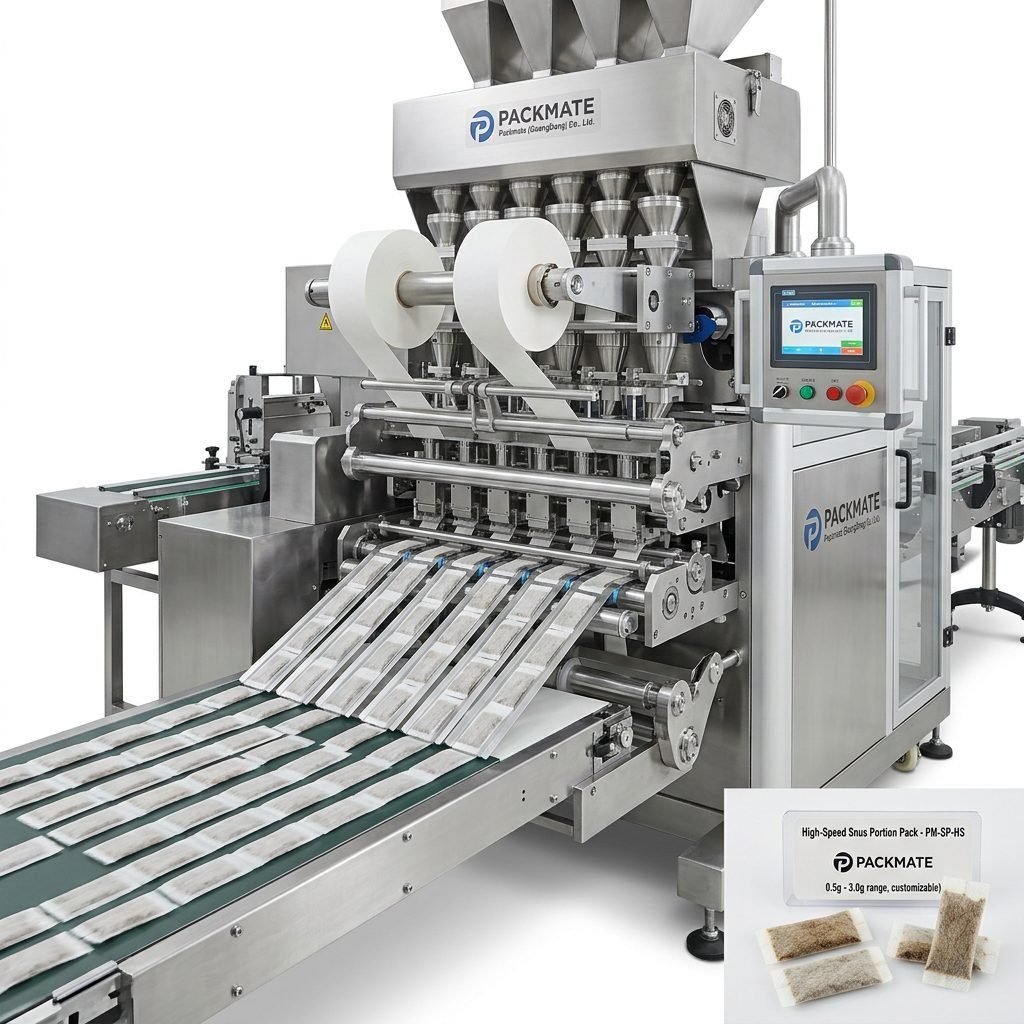
- Multi-lane snus pouch machines — high throughput for small-dose nicotine pouches.
- Sachet & stick pack systems — flexible for promotions and single-serve portions; see examples: Sachet & Stick Pack Machines.
- Fully integrated filling & packaging lines — best for turnkey production that combines weighing, filling, sealing, and secondary packing: Filling & Packaging Lines.
Key Technical Features to Evaluate
When comparing models, focus on features that directly influence product quality and operational efficiency.
1. Dosing Accuracy
Accurate dosing is critical for nicotine products. Choose machines with high-precision weighing systems or metering pumps that maintain dose consistency within tight tolerances across long runs.
2. Speed and Throughput
Match machine speed to your production goals. Multi-lane machines can multiply output by running several lanes simultaneously; assess whether your demand justifies the investment in multi-lane technology.
⚠️ Attention: Higher speed often increases complexity and maintenance needs. Prioritize robust design and easy access for cleaning when selecting faster models.
3. Material Compatibility & Sealing
Ensure machines can handle your chosen pouch materials—foil-laminates, PET/PE, or eco-friendly films—and provide reliable sealing to preserve freshness and prevent leaks.
4. Automation & Integration
Consider options for automatic product feeding, inline weighing, quality detection, and robotic case packing. Integration capabilities reduce manual labor and increase consistency.
Quality, Factory Strength, and After-Sales Support
Reliable long-term operation depends on a manufacturer’s production capabilities and support network. Evaluate factory size, machining capabilities, and experience with nicotine packaging lines.
For instance, manufacturers with advanced CNC machining centers, precision assembly lines, and a history of customized turnkey projects are better positioned to deliver robust machines and comprehensive commissioning. Learn more about an experienced supplier profile: About Packmate.
Spare Parts & Training
Check spare parts availability, warranty terms, and whether the vendor provides on-site installation, training, and remote diagnostic services. Local support or clear logistics for part delivery reduces downtime.
📦 Factory fact: A manufacturer with a large facility and 30+ years of experience typically offers more model options and can customize multi-lane systems to your exact pouch size and production targets.
Budgeting, ROI, and Total Cost of Ownership
Don’t focus only on initial purchase price. Factor in installation, training, commissioning, spare parts, routine maintenance, energy consumption, and expected uptime. Higher-quality machines often yield better ROI due to reduced rejects and maintenance.
Financing & Phased Upgrades
Consider starting with a core line and adding modules—such as additional lanes or robotic boxing—once demand rises. Ask vendors about financing options and modular upgrade paths.
Selecting the Right Supplier in Practice
A supplier should provide clear technical documentation, references, and demonstrable case studies. Request videos of machines running your product, and ask for factory acceptance tests before shipment.
Useful resources and product categories to review: Snus & Nicotine Packaging Machines, Bag & Pouch Packaging Machines, and auxiliary equipment listings for lifting, conveying, and metering: Auxiliary Packaging Equipment.
Factory Visits & Live Demonstrations
If possible, schedule a factory visit or see the machine at an exhibition. Live demos reveal build quality, noise levels, and operator ergonomics more effectively than photos or specs alone. Many suppliers present at international exhibitions where you can observe performance and ask technical questions: Our Exhibition.
Implementation Checklist Before Purchase
✅ Confirm product specifications: pouch style, film materials, nicotine dose range, fill weight tolerance.
✅ Verify capacity needs: daily/weekly targets and room for growth.
✅ Inspect hygiene & GMP features: easy-to-clean surfaces, enclosed zones, and CIP options when relevant.
✅ Evaluate warranty & training: on-site commissioning, spare parts kit, and operator manuals in your language.
Real-World Example: Scaled Multi-Lane Lines
Multi-lane snus pouch machines are ideal for manufacturers targeting high-volume markets. These machines multiply output without increasing per-lane labor, but require a well-trained maintenance team and reliable spare parts supply. When specifying a multi-lane line, get a clear map of lane spacing, changeover process, and expected waste rates to estimate uptime accurately.
Why Choose an Experienced Manufacturer
Suppliers with decades of experience and a broad model range can better tailor solutions to unique product formats. They generally offer tested solutions for common issues like static, hygroscopic powders, and delicate pouches. Companies with onsite CNC machining and assembly lines can also offer faster customizations and more reliable quality control.
For more examples and machine categories, review manufacturer portfolios and catalogs: Catalog.
🔎 Pro tip: Ask suppliers to share case studies or references in similar climates and markets — this helps assess how machines perform under local environmental and logistical conditions.
Next Steps for Buyers in Bolivia
Start by defining your product specs and production targets. Shortlist vendors based on industry experience, certifications, and localized support. Arrange machine demonstrations and obtain detailed quotations including installation, spare parts, and training packages. If you need integrated solutions, look for providers that offer weighing, filling, and packaging lines together to minimize integration risks.
When you are ready to contact suppliers, use the manufacturer’s contact page to request tailored proposals and technical sheets: Contact Us.
Conclusion
Selecting the best nicotine packaging machinery in Bolivia requires a careful assessment of product format, dosing accuracy, speed requirements, material compatibility, and supplier capabilities. Prioritize factories with strong manufacturing capacity, clear certifications, and reliable after-sales support. Use live demonstrations and factory tests to validate performance and reduce risk. With the right partner and clear requirements, you can build a high-efficiency production line that meets regulatory demands and delivers consistent product quality.
Frequently Asked Questions
Q1: How do I ensure dosing accuracy for nicotine pouches?
A1: Choose machines with precision weighing systems or volumetric metering proven for your product’s powder or blend. Conduct pre-shipment tests and request calibration certificates.
Q2: What maintenance should I expect for multi-lane machines?
A2: Routine cleaning, lubrication, periodic belt or seal replacement, and prompt spare-parts availability are essential. Train local technicians and keep a critical spares kit onsite.
Q3: Are turnkey lines more cost-effective than single machines?
A3: Turnkey lines reduce integration time and mismatch risks, often delivering faster ramp-up. They can be more cost-effective when considering total implementation time and labor savings.
Q4: How can I verify a supplier’s claims before purchase?
A4: Request factory acceptance tests, video demonstrations running your product, client references, and detailed technical documentation including spare parts lists and electrical schematics.
Q5: Where can I find reputable snus packaging machine models?
A5: Review specialized manufacturers’ product pages and catalogs for snus and nicotine packaging options such as Snus & Nicotine Packaging Machines and auxiliary systems to design a complete line.