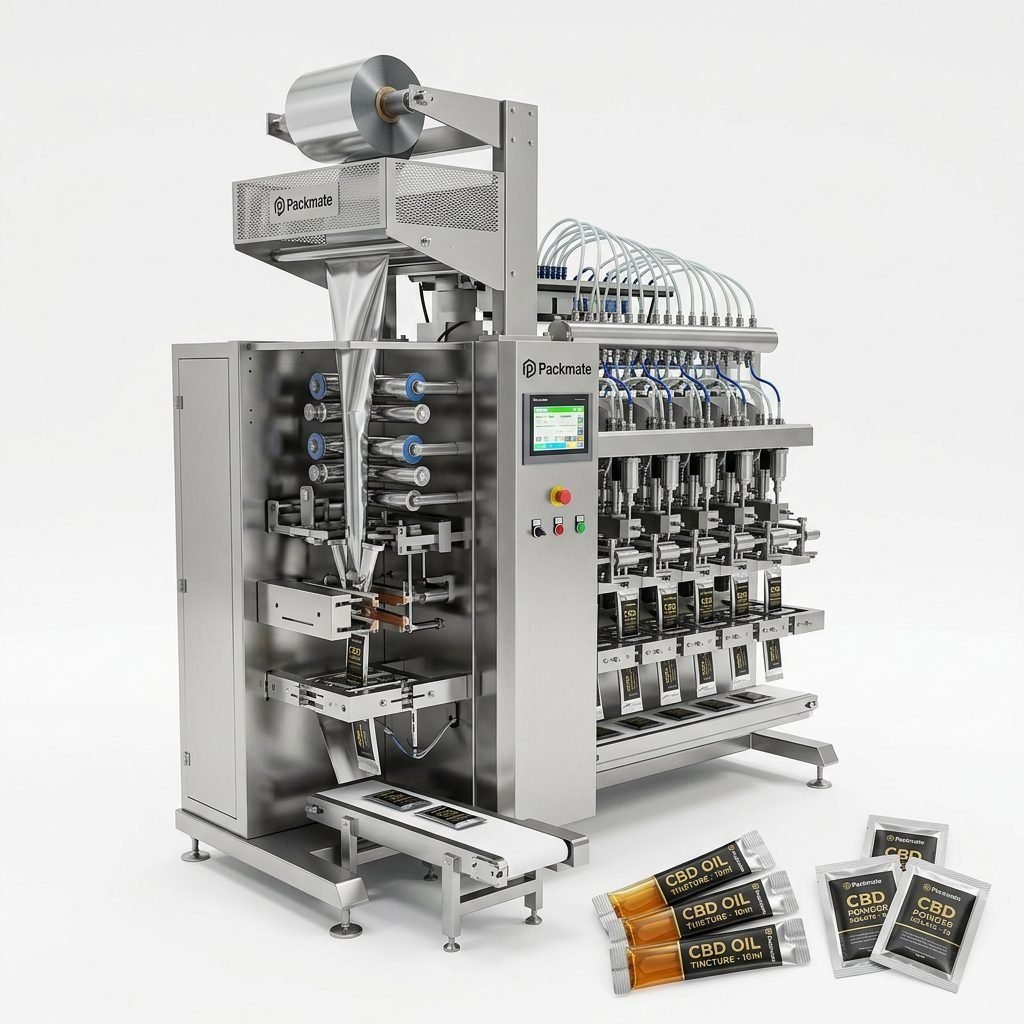
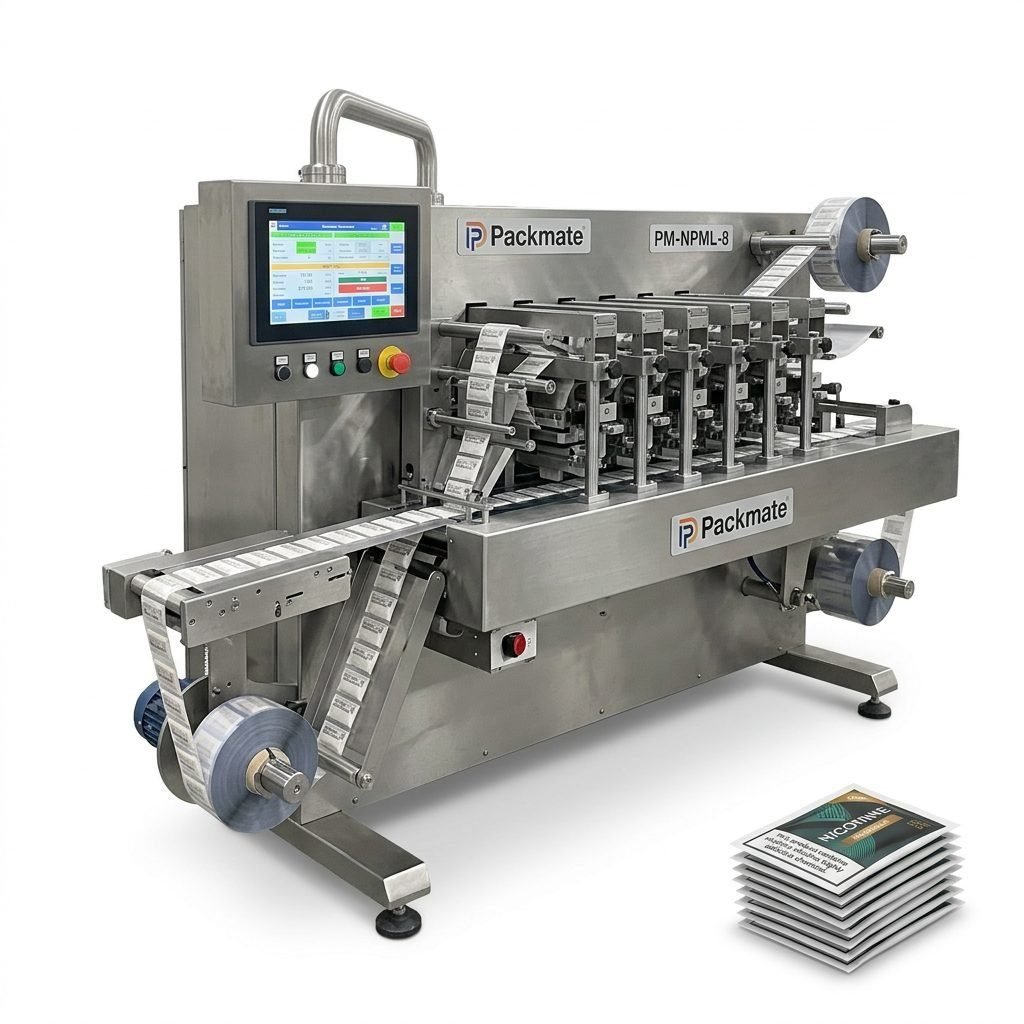
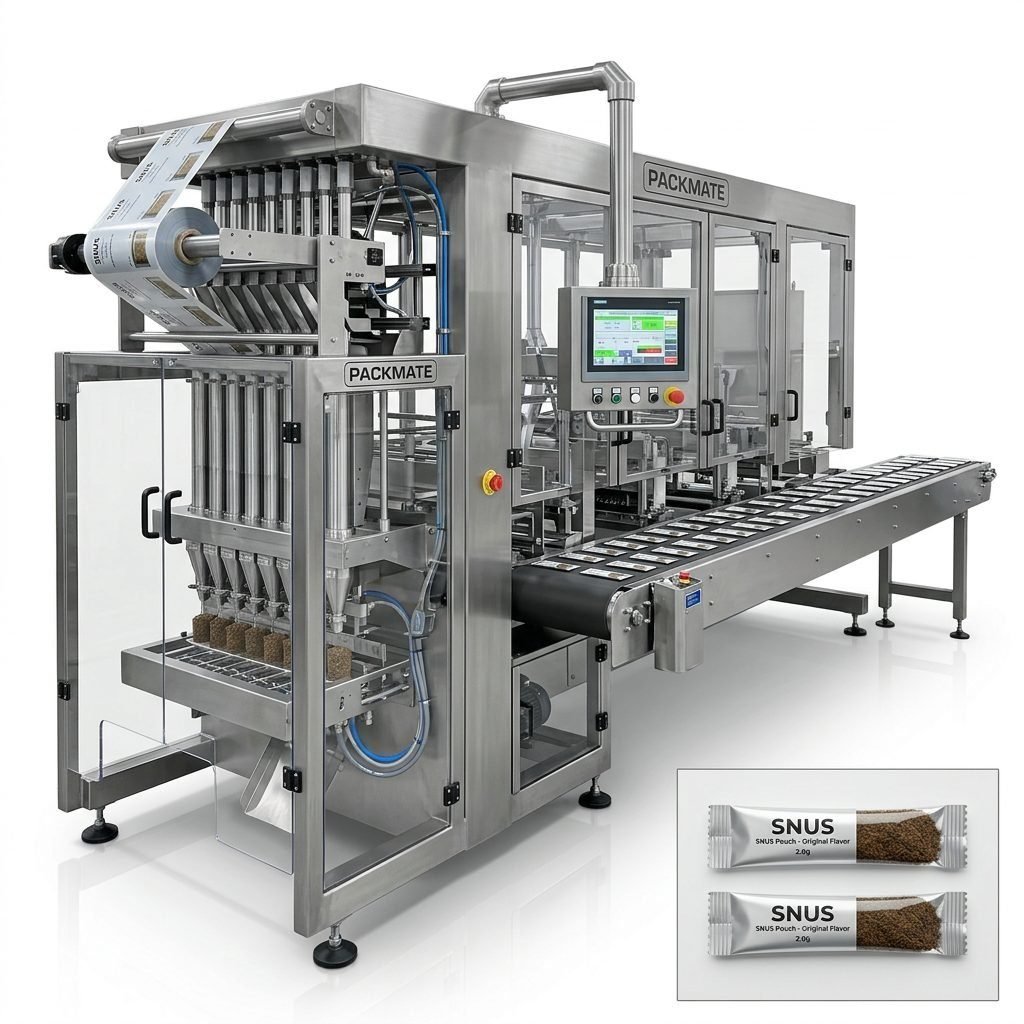
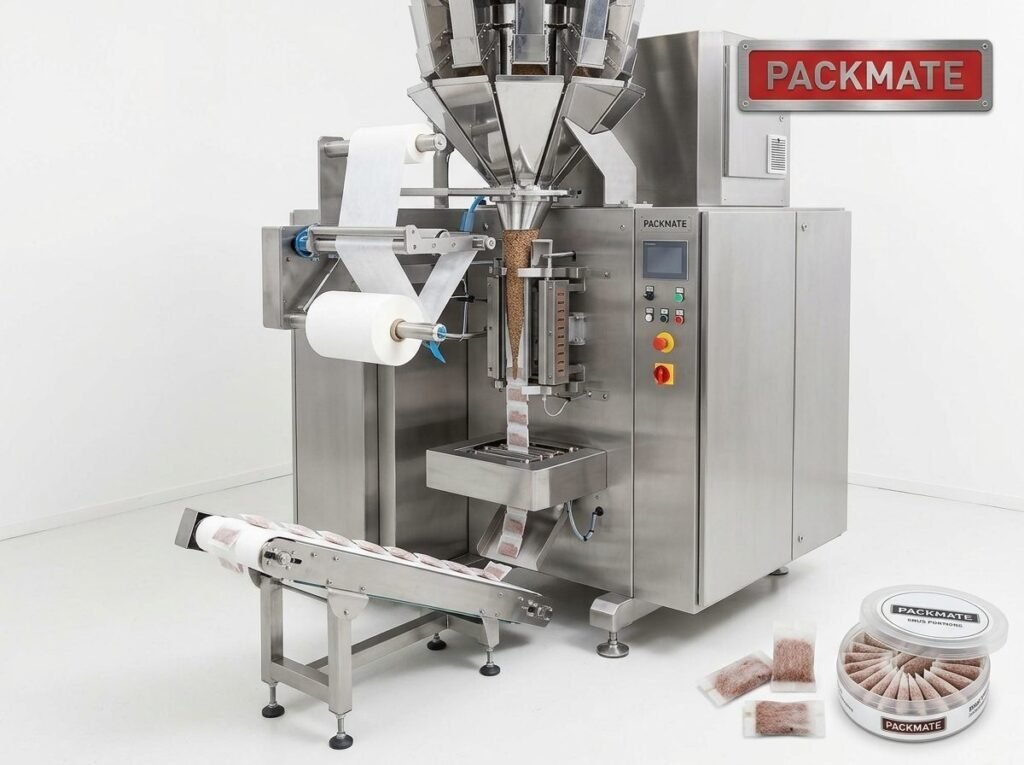
Choosing the right nicotine packaging machinery manufacturer for your business in Nigeria is a critical decision that affects product quality, regulatory compliance, production uptime, and long-term profitability. Nigeria’s market dynamics — with a large youth population, rising urbanisation, and evolving consumption patterns — demand packaging solutions that are reliable, adaptable, and compliant with both local rules and international trade partners. This guide walks you through practical steps, must-have criteria, and local considerations to help you select the best partner for nicotine pouch and snus packaging machinery.
Understand Local Market Needs and Consumer Habits
Nigeria’s consumer base is diverse: metropolitan areas like Lagos and Abuja show faster adoption of modern nicotine products, while smaller cities may still prefer traditional tobacco formats. Consider:
• Urban youth demand discreet, single-dose formats such as pouches and sticks.
• Cultural sensitivities and public health policies can influence packaging requirements — tamper evidence, child-resistant options, and clear labelling are often expected by distributors and regulators.
Key Criteria When Evaluating Manufacturers
1. Industry experience and track record
Look for manufacturers with decades of machine-building expertise. A supplier with established multi-lane snus and pouch systems has a proven ability to handle throughput and product variation.
2. Product range and customization
The ideal partner offers a wide range of machines—stick pack, sachet, multi-lane pouch lines—and can tailor equipment for pouch sizes, dosing types, sealing materials, and secondary packaging. Consider suppliers that provide integrated weighing and filling solutions.
3. Quality systems, certifications and compliance
International certifications such as CE and ISO are strong indicators of consistent manufacturing and safety practices. For nicotine products, manufacturers who understand regulatory marking, material traceability, and hygienic design are preferred.
4. After-sales support and spare parts
Downtime in Nigeria can be costly due to longer logistics lead times. Prioritize partners offering fast spare parts supply, remote diagnostics, local training, and preventive maintenance programs.
Why Factory Strength Matters: Manufacturing Capacity & Precision
High-precision machines require advanced machining and assembly systems. A manufacturer with a large, well-equipped factory and CNC centers is more likely to deliver machines with consistent tolerances, long life, and minimal rework. If you plan to scale production in the next 2–5 years, ensure the supplier can handle custom modifications and produce additional units on a reliable timeline.
Important production features to verify
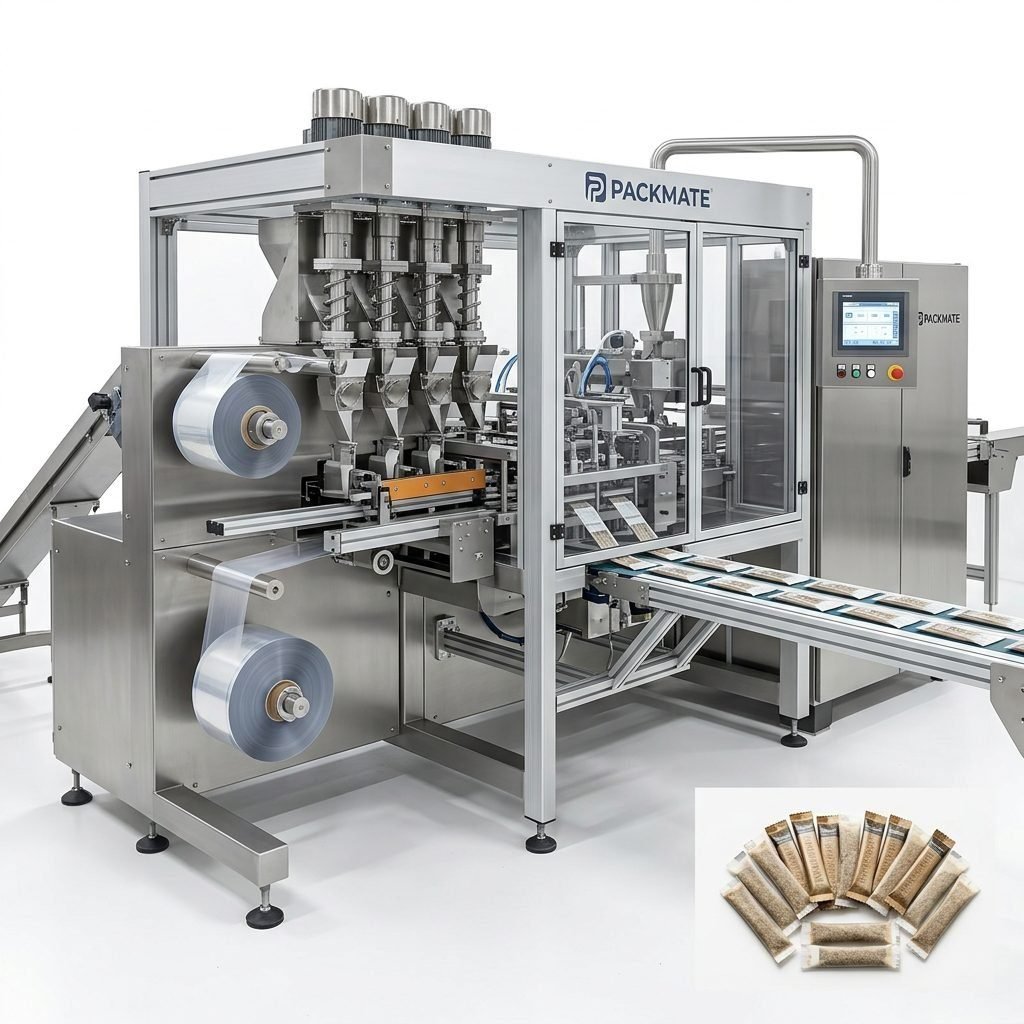
• Multi-lane capability: For small-dose pouches, multi-lane systems increase throughput while keeping footprint compact.
• Accurate dosing: Weighing and metering systems must maintain consistent fill weights to meet regulatory and customer quality expectations.
• Modular design: Allows future upgrades and simplifies maintenance.
Assessing Technical Competence and R&D
A manufacturer that invests in R&D can solve complex packaging challenges — such as new pouch materials, low water-activity products, or special sealing requirements. Check whether the vendor publishes technical case studies, offers pilot testing, or provides access to an engineering team that can run trials with your formulations.
Local Service & Logistics: Critical in the Nigerian Context
Nigeria’s geography and customs procedures can add lead time to machine delivery. When evaluating suppliers:
• Prioritise manufacturers with export experience to West Africa and reliable freight partners.
• Confirm availability of local agents, authorized service centres, or rapid remote support. This mitigates downtime and ensures faster recovery.
• Ask about spare parts kits commonly consumed (belts, sensors, seals) and expected replenishment lead times.
Financial Considerations: Total Cost of Ownership
Price is important, but the lowest purchase price may lead to higher lifetime costs. Evaluate:
Initial cost vs. energy efficiency: Modern servo-driven machines save power and reduce wear.
Maintenance intervals and spare parts pricing: Ask for standard maintenance schedules and likely consumable costs.
Resale and upgrade paths: Machines with modular upgrades retain value and adapt as your product portfolio expands.
Factory Visits, References and Live Demonstrations
Insist on visiting the manufacturer’s factory or attending trade shows where their machines run live. Live demos reveal machine stability, changeover speed, and build quality. Ask for references in markets similar to Nigeria or neighboring countries and request to see case studies that highlight successful installations and long-term performance.
Useful check-points during a factory audit
• Assembly quality, wiring neatness, and calibration procedures.
• Test reports, acceptance criteria, and quality control documentation.
• Availability of demonstration trials with your specific pouch or nicotine formulation.
Service Contracts, Training and Local Staff Enablement
A strong partnership includes formal service agreements and operator training. In Nigeria, training local technicians ensures continuity despite travel restrictions or supplier delays. Clarify:
• On-site commissioning duration and scope.
• Training modules for operators and maintenance staff.
• Remote support capabilities—video diagnostics, spare part identification, and software updates.
Selecting the Right Machine Type for Your Product Line
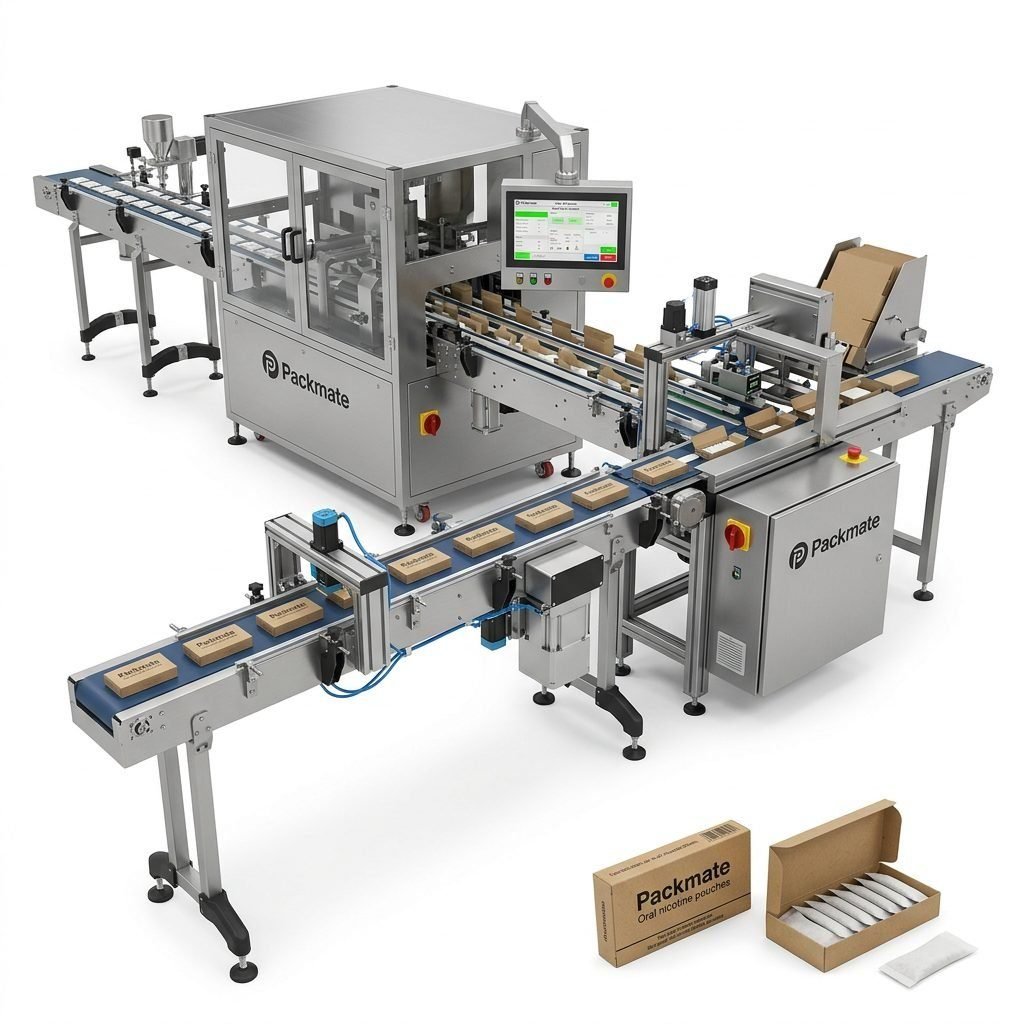
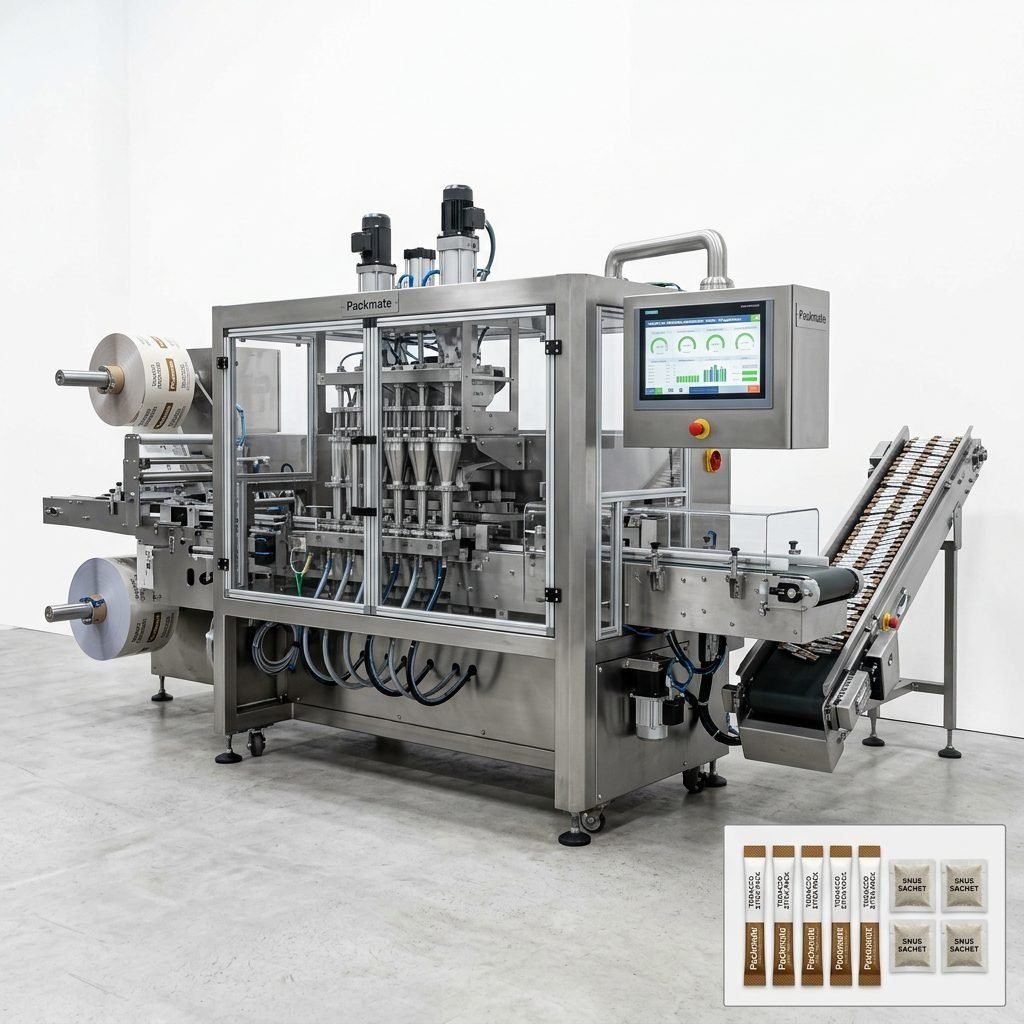
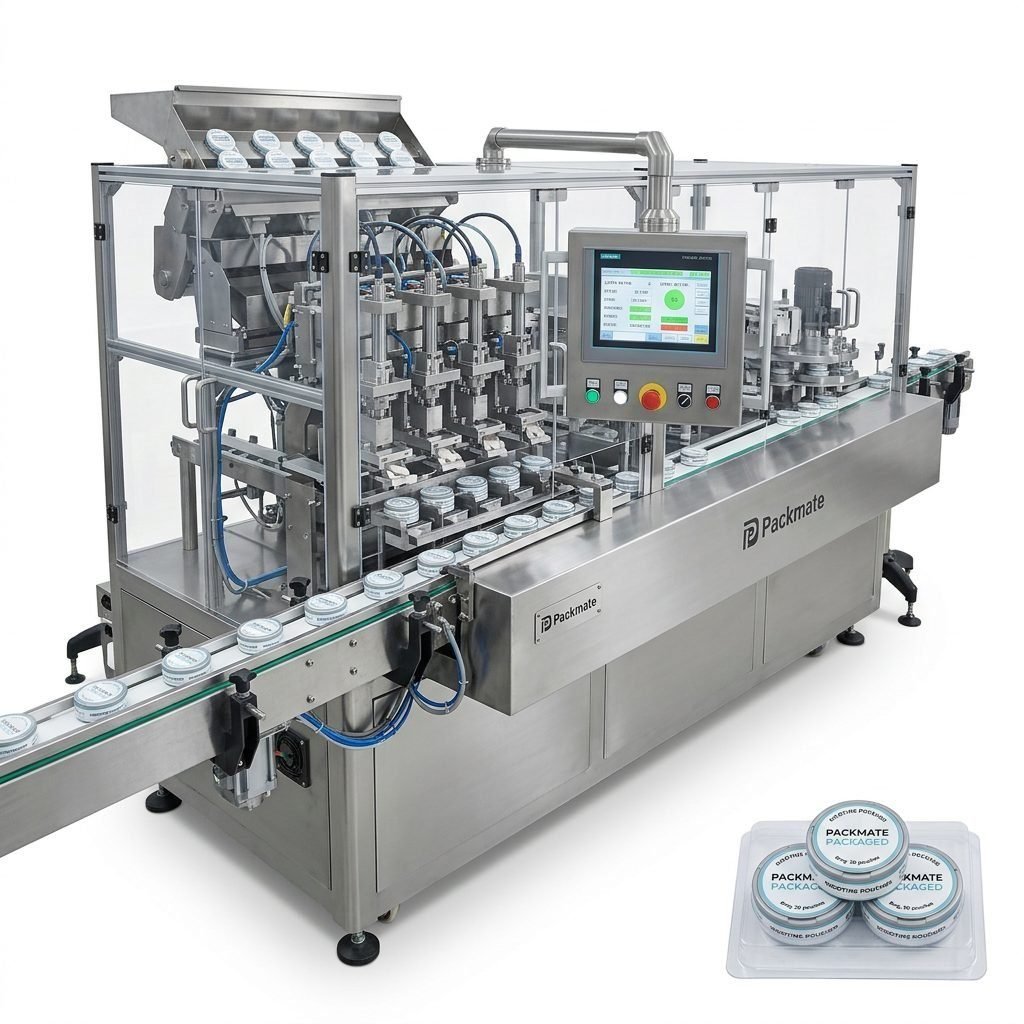
Match the machine to your product and business goals. Common lines include stick pack machines for single-serve nicotine sticks, sachet and stick pack machines for single pouches, and multi-lane systems for high-volume small-dose pouches. If your product mix includes powders, granules, or liquids, choose vendors that offer integrated filling systems or compatible auxiliary equipment.
Explore product pages and machine categories such as Snus & Nicotine Packaging Machines, Bag & Pouch Packaging Machines, and Sachet & Stick Pack Machines to compare features and options.
Turnkey Solutions vs. Component Suppliers
Decide whether you need a single-source turnkey supplier that delivers end-to-end lines (weighing, filling, pouch making, secondary packaging), or if you prefer to source key components and integrate locally. Turnkey suppliers reduce integration risk and often include line-level guarantees—valuable if you want a fast ramp-up in production capacity.
For turnkey capabilities, review references and case studies that demonstrate successful installations similar to your planned production. The Case pages provide real-world examples you can evaluate.
Negotiation Tips and Contract Essentials
When negotiating, include clear acceptance criteria, FAT (Factory Acceptance Test) obligations, delivery schedules, warranty periods, and penalties for missed milestones. A well-drafted purchase contract should also specify spare parts lists, training deliverables, and intellectual property for any custom tooling or software.
Smart contract items to request
• Performance guarantees (e.g., uptime percentage, throughput at specified pouch size).
• Spare parts kit and lead time commitments.
• Training, installation, and commissioning timelines.
Why Choose an Experienced Global Supplier
Global suppliers with a long history in snus and nicotine packaging bring tested designs and global best practices. They typically maintain strict quality controls, meet international standards, and have experience across multiple markets—advantages when exporting finished products or scaling operations. For background information on manufacturers and their credentials, see their About Packmate page and Certificate listings.
Tip: Attend regional exhibitions or invite suppliers to demonstrate machines on-site. The Our Exhibition page is a useful resource to find live demonstrations and schedule factory visits.
Final Checklist Before You Sign
Before committing, ensure you have verified the following items:
• Machine specifications match your product dimensions, speed targets and material types.
• Factory Acceptance Test (FAT) conditions, sample production and acceptance criteria are documented.
• Warranty, spare parts lead times, and on-site support obligations are clearly stated.
• Training scope, manuals, and access to remote technical help are included.
Where to Start: Practical Next Steps for Nigerian Buyers
1. Define your product lineup and annual volumes. 2. Shortlist manufacturers with proven nicotine/snус experience and strong service footprints. 3. Request detailed specs, pricing, and FAT arrangements. 4. Schedule demos and factory visits where possible. 5. Negotiate a contract that protects uptime, ensures training, and includes realistic lead times.
For examples of machines and full lines that can support Nigerian operations, review Weighing & Packaging Systems and Filling & Packaging Lines.
Partner Selection Summary
• Choose a manufacturer with deep snus/nicotine packaging experience and proven multi-lane systems.
• Verify certifications (CE/ISO), quality control processes, and factory capabilities.
• Prioritise suppliers that offer prompt spare parts, remote support, and operator training for Nigerian teams.
• Negotiate strong FAT criteria, warranties, and service agreements to lower operational risk.
Frequently Asked Questions (FAQs)
Q1: How long is a typical lead time for snus/nicotine packaging machines?
Lead times vary by machine complexity and customization. Standard models may ship in a few months, while fully customized turnkey lines can take longer. Ask suppliers for a detailed schedule including FAT and shipment timings.
Q2: Can suppliers support local installation and training in Nigeria?
Many global suppliers provide on-site commissioning and training. Confirm whether they have local partners or provide remote training to minimize travel costs and speed up ramp-up.
Q3: What certifications should I expect for export and safety?
CE and ISO certifications are common and indicate compliance with international safety and quality standards. For specific market requirements, check local regulatory guidance and confirm material traceability and hygiene design.
Q4: How do I evaluate total cost of ownership (TCO)?
Consider initial purchase price, energy consumption, maintenance costs, spare parts pricing, expected uptime, and potential revenue from increased production capacity. A reliable supplier will help you model TCO based on your production plan.
If you are ready to compare suppliers, request detailed proposals and FAT plans from shortlisted manufacturers. For more information about product ranges and services, use the supplier pages and contact links to arrange demonstrations and technical discussions: Service and Contact Us.