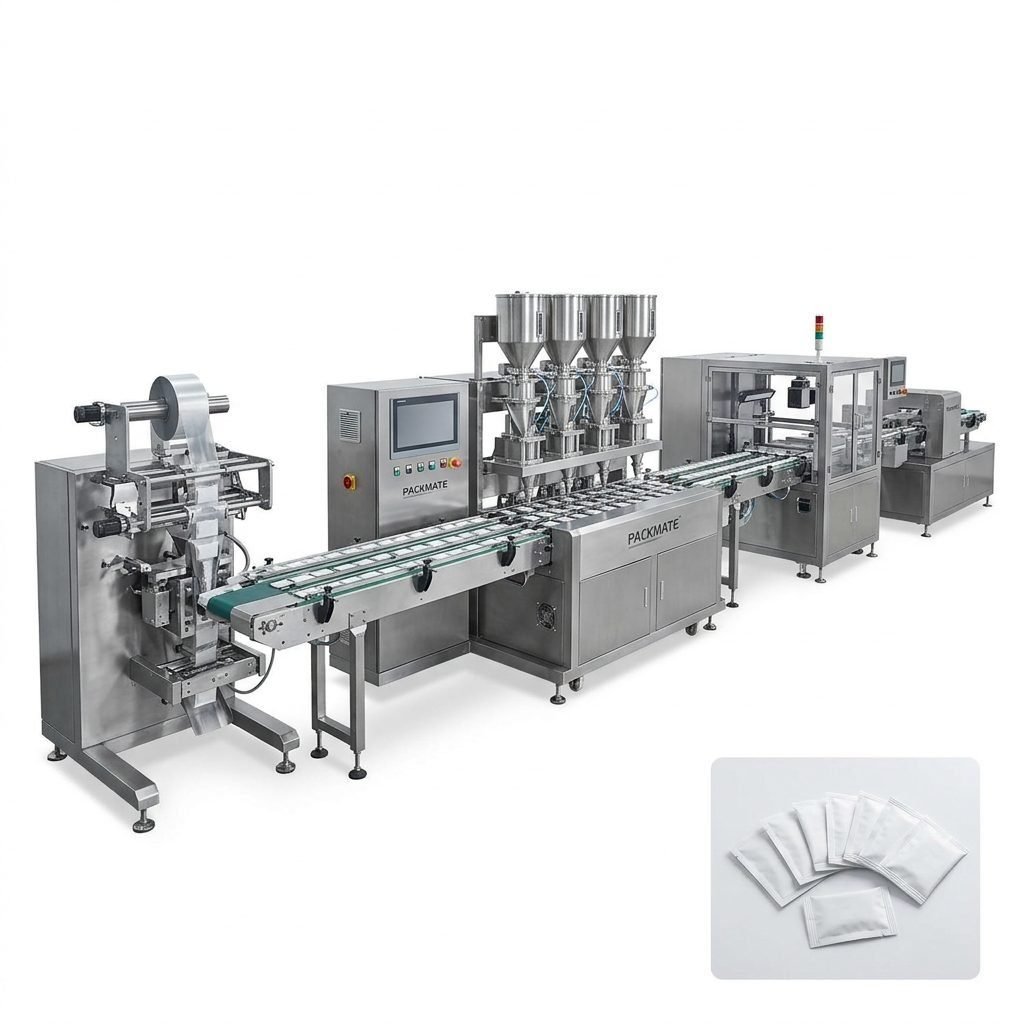
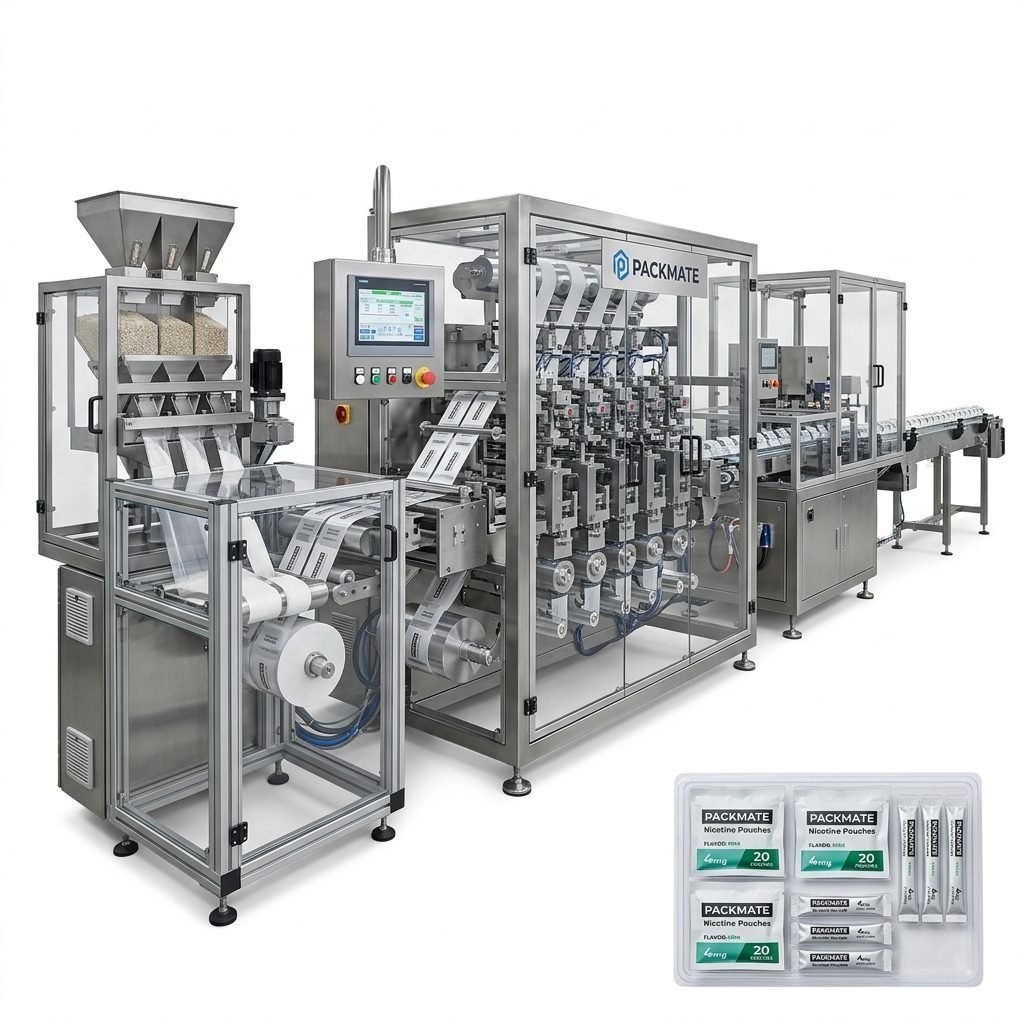
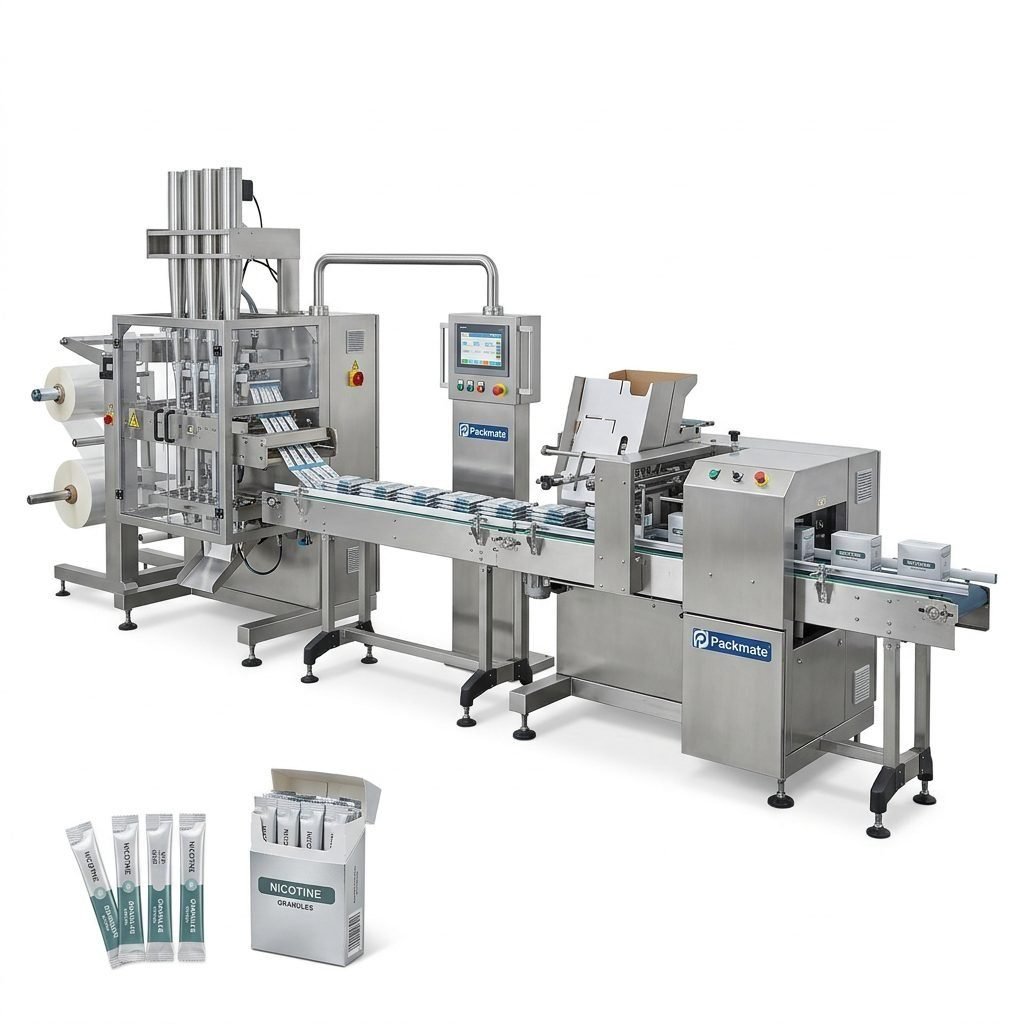
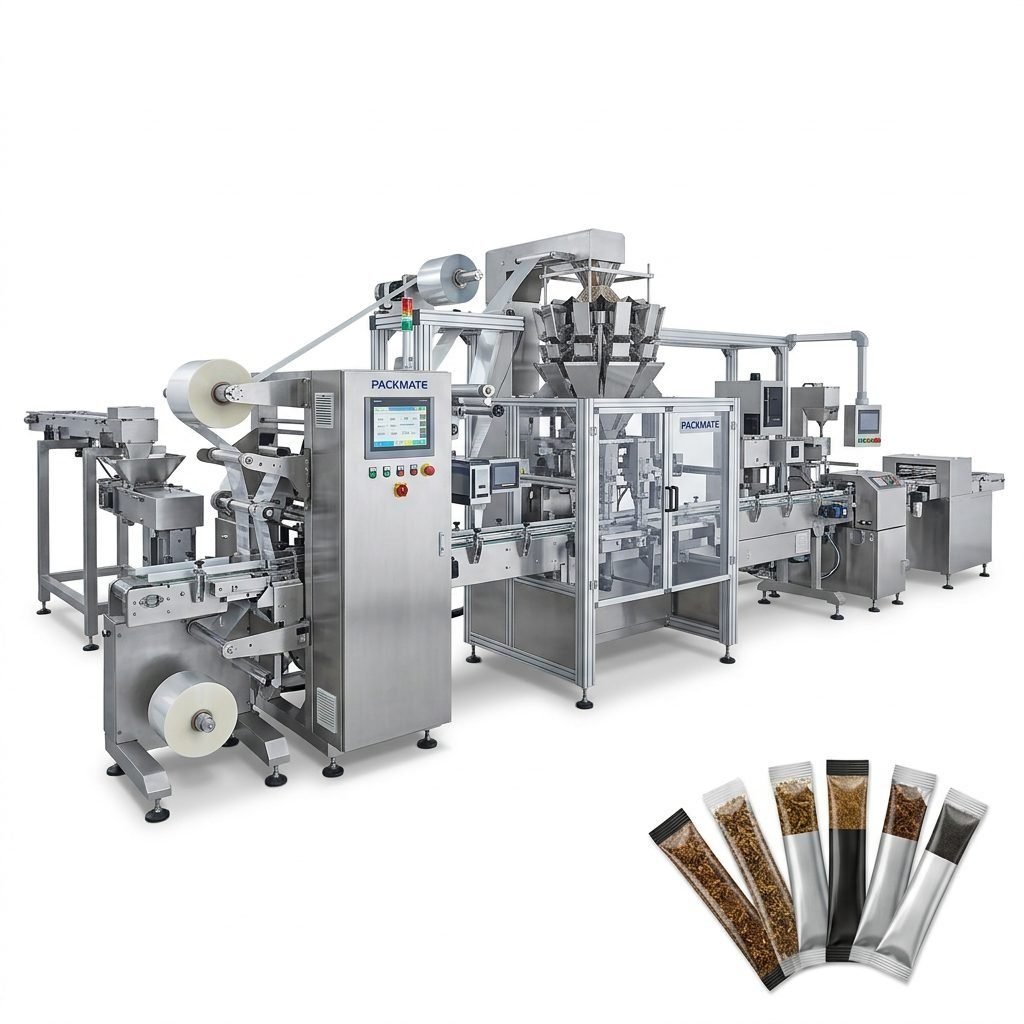
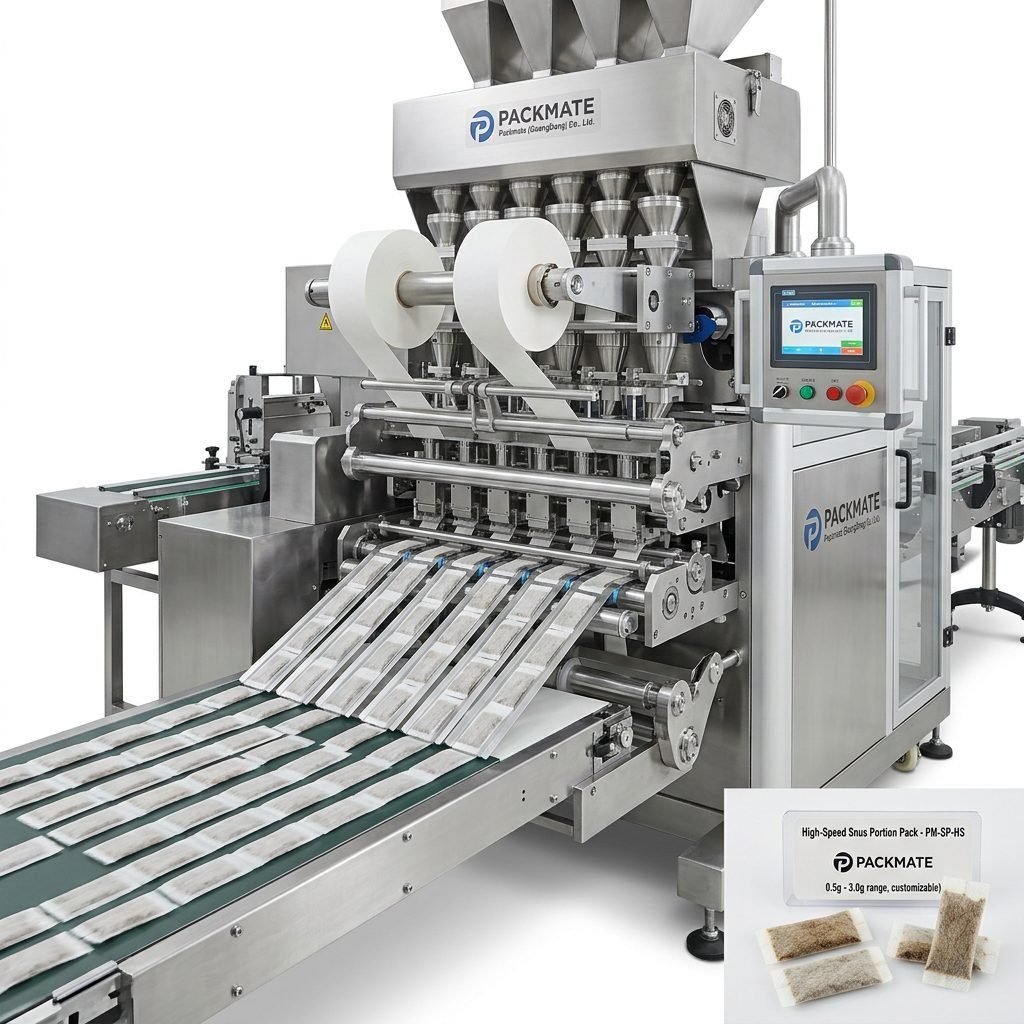
Choosing the right nicotine packaging machinery manufacturer for your factory in Myanmar is a strategic decision that affects production efficiency, compliance, and long-term profitability. This guide walks you through practical technical criteria, Myanmar-specific considerations, evaluation tips, and procurement steps so you can confidently select a manufacturer that matches your operational goals.
Understand Your Product and Market Needs
Before comparing manufacturers, define the specifics of your nicotine or snus product: pouch size, dose, moisture level, daily output target, and packaging format (stick pack, sachet, multi-lane pouches). Myanmar’s consumer preferences and retail formats often favor compact, discreet packages for urban convenience stores and small kiosks, so prioritize machines capable of producing consistent small-dose pouches and stable sealing at high speed.
Key requirement: capacity planning — estimate your monthly output and choose machines with a safety margin of 20-30% to accommodate demand spikes and maintenance downtime.
Why Manufacturer Credentials Matter
Reliability, engineering experience, and international compliance are essential. Look for manufacturers with a proven track record in snus and nicotine pouch systems — experience with Snus & Nicotine Packaging Machines and multi-lane solutions shows they understand the precision required for small-dose pouches.
Important credentials to verify
• CE and ISO certifications for safety and quality compliance.
• Factory size and production capabilities — a large facility with advanced CNC and assembly lines indicates manufacturing stability.
• Case studies or client references in similar climates or market segments. Visit the manufacturer’s case page when available for real-world examples: Case.
Technical Features to Prioritize
When assessing machines, focus on build quality, control systems, and flexibility. The best manufacturers balance precision engineering with user-friendly operation and low downtime.
Must-have technical items: servo-driven dosing, multi-lane capability for higher throughput, hygienic stainless-steel contact parts, PLC touch-screen controls, and modular designs for easier upgrades.
Common machine types
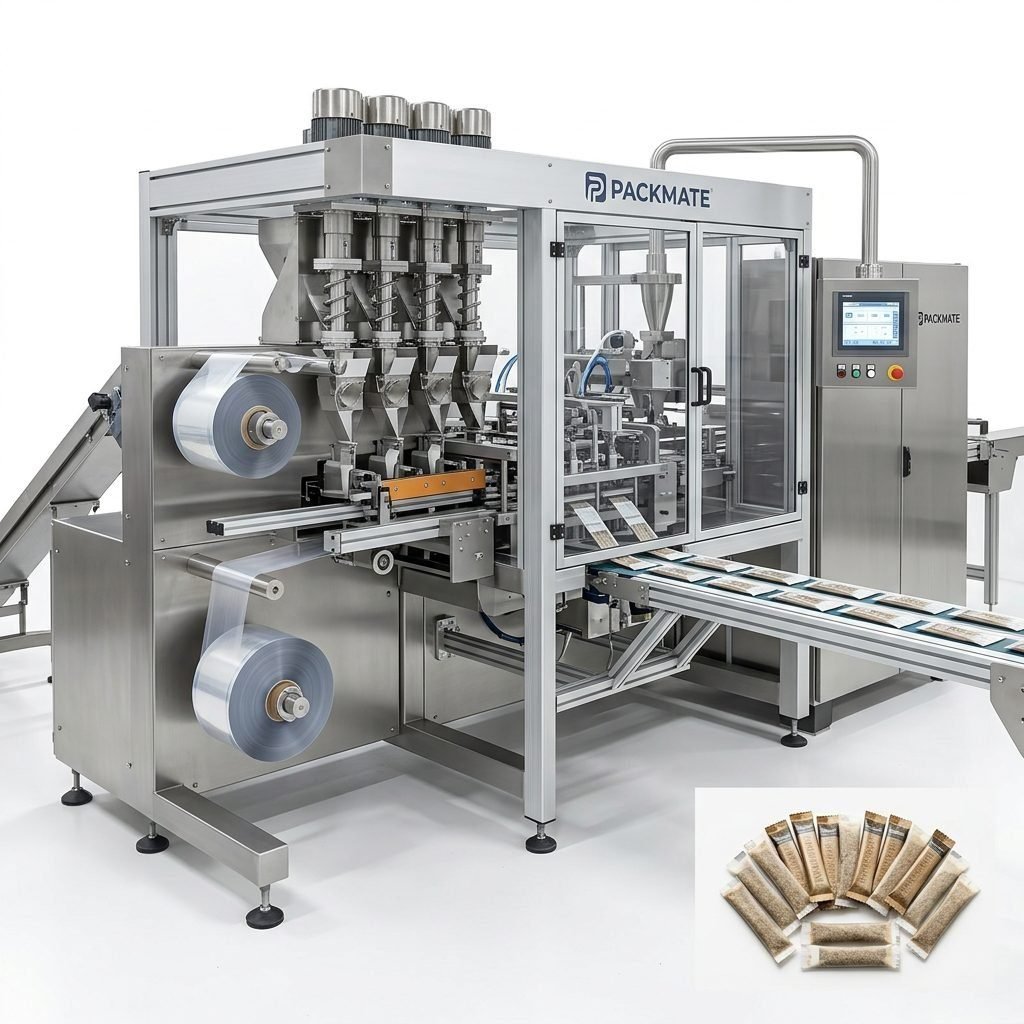
• Stick pack machines — compact single-serve sticks.
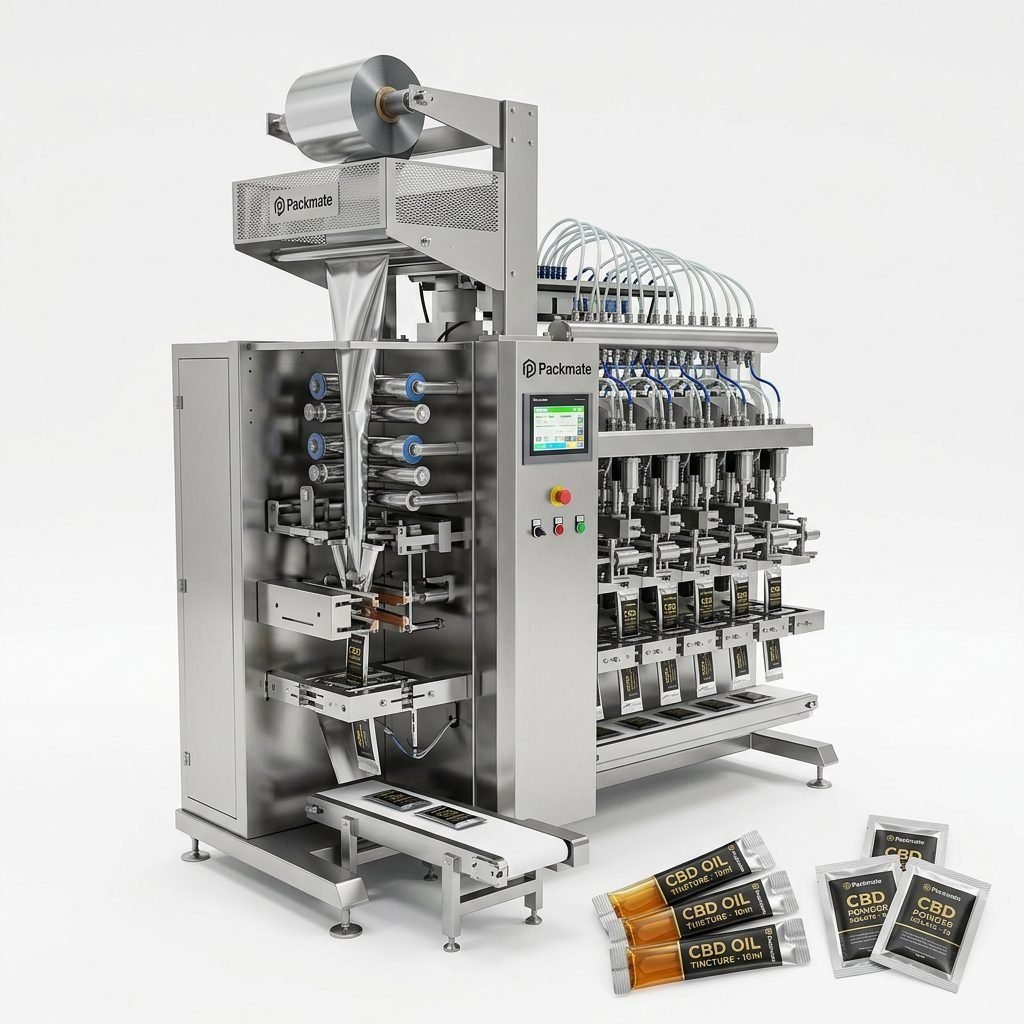
• Sachet & stick pack machines — adaptable to different pouch shapes (see Sachet & Stick Pack Machines).
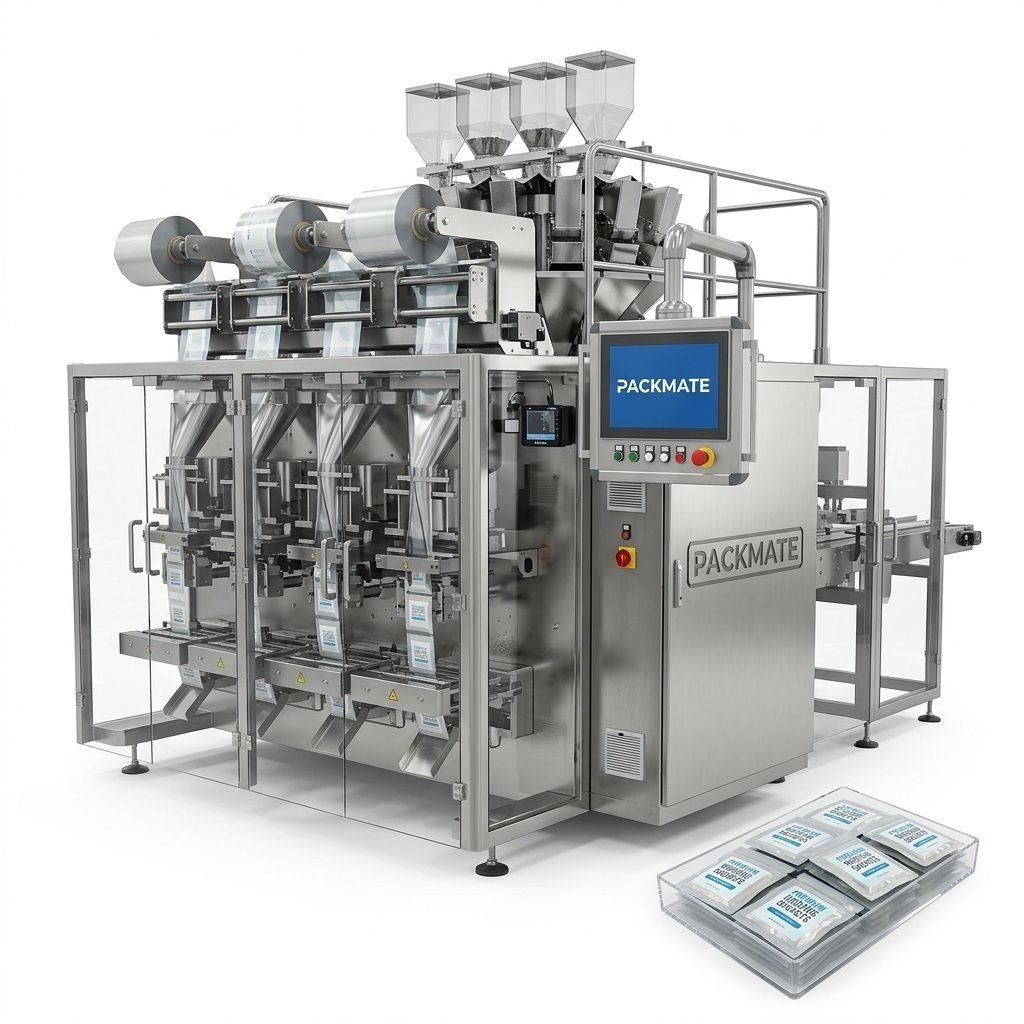
• Multi-lane snus pouch machines — ideal for small-dose nicotine pouches with high output requirements.
• Auxiliary filling & weighing systems for consistent dosing: review Weighing & Packaging Systems.
Myanmar-Specific Considerations
Selecting machinery for Myanmar requires attention to the local environment, infrastructure, regulatory climate, and cultural habits.
Climate and factory environment
Myanmar’s tropical monsoon climate means higher humidity and temperature swings. Machines must provide good sealing reliability under varying humidity, and materials in contact with product should resist corrosion. Ensure the manufacturer offers humidity-adaptive sealing solutions and protective coatings on electrical cabinets.
Power supply and servicing
Power fluctuations are possible in some regions. Ask manufacturers about voltage tolerance, built-in surge protection, and options for stabilizers or localized power modules. Evaluate local service networks or the manufacturer’s capability to provide training and remote troubleshooting.
Regulatory and cultural factors
Myanmar’s tobacco-related product regulations can change; choose a manufacturer experienced in international compliance and documentation. Also consider packaging aesthetics and portion sizes preferred by Myanmar customers — discreet, portable packs often sell better in urban markets.
Factory Visit and Evaluation Checklist
A factory visit is the most revealing step. If travel is limited, insist on a live video demonstration of machines running with your product or a similar sample.
On-site checklist:
✔️ Observe the machine running for at least 30 minutes.
⚙️ Check spare parts storage and lead times.
📦 Confirm packaging quality and seal integrity under different humidity settings.
🔧 Evaluate maintenance accessibility (how easy to replace wear parts).
🧾 Request performance logs and quality control reports.
After-Sales Support, Training & Spare Parts
Strong after-sales support is often the defining factor. Confirm the manufacturer provides:
• Comprehensive on-site installation and commissioning.
• Operator and maintenance training tailored for local technicians.
• Fast spare parts supply (preferably regional inventory).
• Remote support with clear SLAs for response time.
Total Cost of Ownership and ROI
Initial machine price is just one component. Consider long-term costs: consumables, spare parts, energy consumption, and downtime. Machines with higher upfront costs but better uptime and lower waste often deliver the best ROI in 12–36 months.
ROI tip: demand a sample production run and measure first-pass yield, cycle time, and material waste to build an accurate ROI model.
Procurement Process: From RFQ to Delivery
A clear procurement workflow reduces surprises. Use a standard RFQ template that requests technical specs, acceptance criteria, warranty terms, spare-part lists, training scope, and delivery timelines.
Sample RFQ items
• Machine throughput (pouches/min per lane).
• Material compatibility (film types, foil laminates).
• Power and air consumption specs.
• Warranty period and spare-part pricing.
• FAT (Factory Acceptance Test) and SAT (Site Acceptance Test) conditions.
Installation, Commissioning & Local Training
Installation is where the project outcome is realized. Ensure the manufacturer provides experienced commissioning engineers and a concrete training plan for operators and in-house maintenance teams. Documented SOPs and an initial spare-part kit can prevent early production interruptions.
Why Packmate Snus Machine is a Strong Option
Packmate Snus Machine brings 30+ years of packaging experience, 20,000㎡ manufacturing capacity, and a focus on snus and nicotine pouch lines. With advanced CNC machining, precision assembly, and global turnkey solutions, they cover both small-dose multi-lane systems and flexible sachet/stick pack lines. Learn more about the company and their mission at About Packmate.
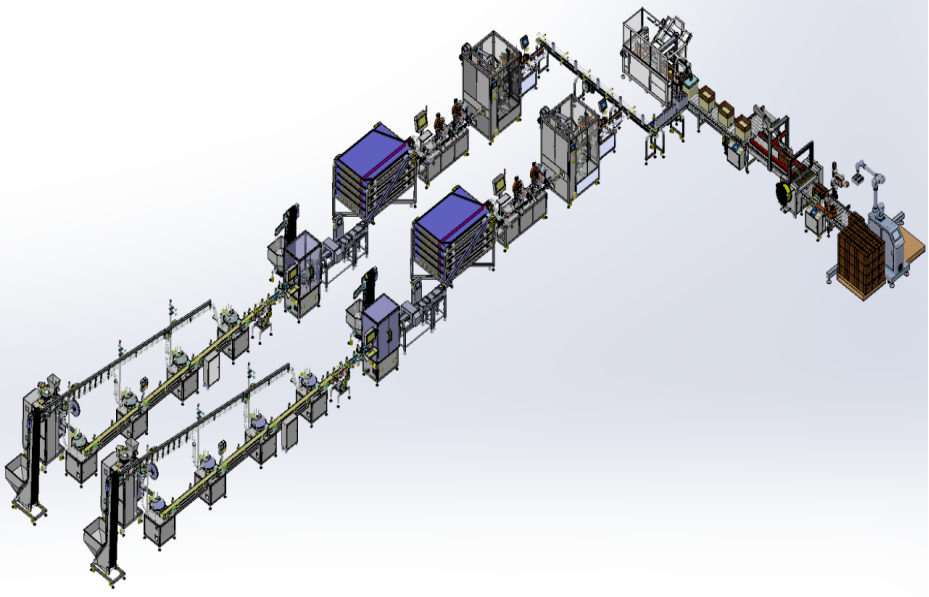
Their product families include Bag & Pouch Packaging Machines and complete Filling & Packaging Lines, backed by certifications and a global exhibition presence for live demonstrations.
Negotiation and Contract Tips
Negotiate clear acceptance tests, penalties for missed delivery milestones, and a defined spare-part lead-time. Include training hours and the number of commissioning visits in the contract. Where possible, lock a portion of payment to successful SAT results in Myanmar.
Sustainable Operation and Local Partnerships
Plan for sustainable operations: energy-efficient machines, recyclable packaging design, and local partnerships for logistics and maintenance. A local partner can help navigate customs, local taxes, and distribution — consider discussing ongoing service agreements with the manufacturer.
Quick checklist before signing:
✓ Confirm machine performance on your product sample.
✓ Verify warranty and spare-part commitments.
✓ Ensure training and documentation in English and, if needed, a local language.
✓ Agree on delivery and acceptance criteria.
Conclusion
Choosing the best nicotine packaging machinery manufacturer in Myanmar requires a balanced evaluation of technical capabilities, local adaptability, after-sales support, and long-term costs. Prioritize manufacturers with industry experience in snus and nicotine pouch machines, reliable local support options, and transparent procurement processes. Visiting factories, running product trials, and confirming service commitments will minimize risk and ensure a smooth production ramp-up.
Helpful resources
For machine details, product lines, and contact, explore manufacturer resources such as product pages and contact portals: Snus & Nicotine Packaging Machines, About Packmate, and Contact Us.
Common Questions
Q: How do I determine the right machine capacity for my factory in Yangon or Mandalay?
A: Start with projected monthly demand, factor in future growth, and include a 20–30% buffer. Request performance data from manufacturers based on your exact pouch size and material.
Q: What delivery and installation timelines can I expect when sourcing from an overseas manufacturer?
A: Typical lead times vary by model and customization; standard machines may ship in 8–12 weeks while turnkey lines with customization can take longer. Include FAT and on-site commissioning time in your schedule.
Q: How important is local spare-part inventory in Myanmar?
A: Extremely important. Local or regional spare-part availability reduces downtime. Negotiate spare-part kits and lead-times into the contract.
Q: Can manufacturers adapt machines for Myanmar’s humid climate?
A: Yes — the right manufacturer will provide humidity-adaptive sealing solutions, corrosion-resistant materials, and guidance on climate control for production areas.
Q: Where can I see live demonstrations or real installations?
A: Ask the manufacturer for references and visit their exhibition demos or customer sites. Packmate showcases machines at global exhibitions — check Our Exhibition for events and live demos.