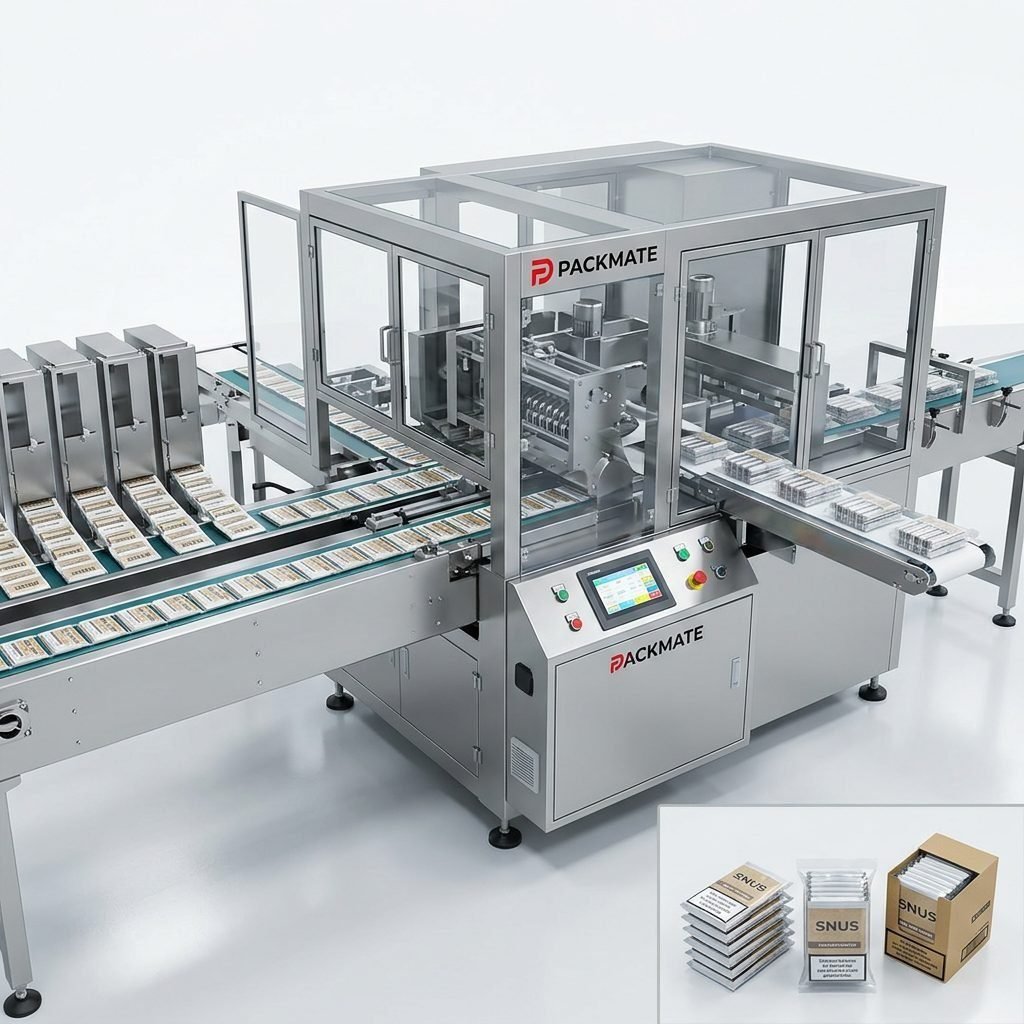
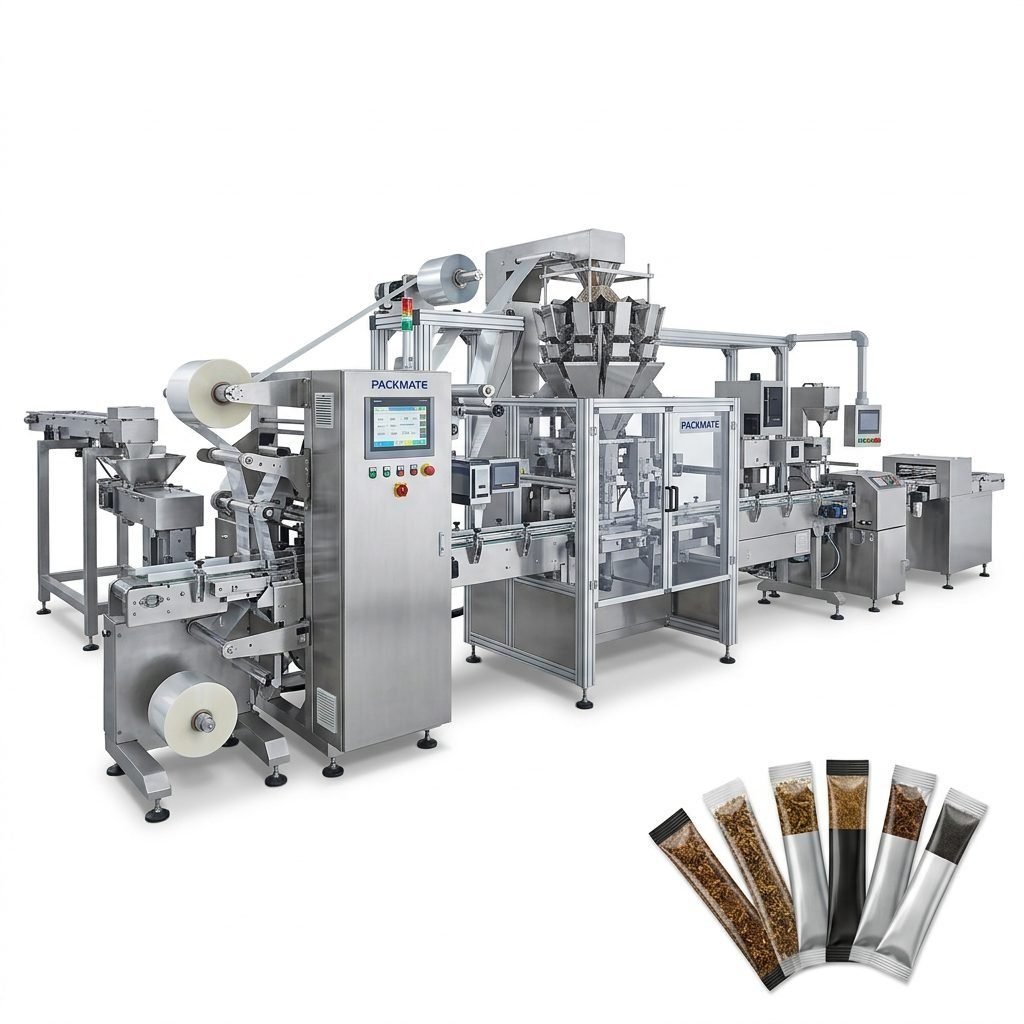
Entering the Maldives market as a buyer of snus or nicotine pouch packaging equipment requires a careful mix of technical understanding, cultural sensitivity, and logistical planning. This guide helps importers, packagers, and business owners in Maldives evaluate suppliers and choose a reliable snus packaging machine partner that fits local needs, regulatory realities, and island logistics.
Understand Local Context: Maldives Market & Cultural Considerations
Maldives is an island nation with a majority Muslim population and strict public health norms. While demand patterns for nicotine products vary, buyers should be sensitive to local attitudes toward tobacco and nicotine. Respect for local customs and awareness of import and labeling regulations will reduce delays and reputational risk. Before purchasing equipment, verify whether your intended production or distribution plans comply with Maldives’ import rules and any specific advertising or packaging restrictions.
Practical note for Maldives logistics
Shipping to Maldives often involves transshipment and final delivery to multiple islands. Choose machines with manageable crating sizes, and confirm the supplier can coordinate sea freight, customs documentation, and local delivery. Modular machines or pre-assembled modules reduce on-site assembly time and reduce handling complexity at ports.
Step 1 — Define Your Production Requirements
A clear statement of requirements prevents costly mistakes. Document expected production capacity (pouches per minute), pouch format (stick pack, sachet, multi-lane pouches), product types (moist snus, nicotine pouches, powders or granules), and desired level of automation (manual filling vs. fully automated lines). Consider future growth — buying a flexible multi-lane system can save upgrade costs later.
Tip: Start with a pilot-capacity line if you plan to test market acceptance in Maldives. Once demand stabilizes, scale to higher-capacity multi-lane machines.
Step 2 — Choose the Right Machine Type
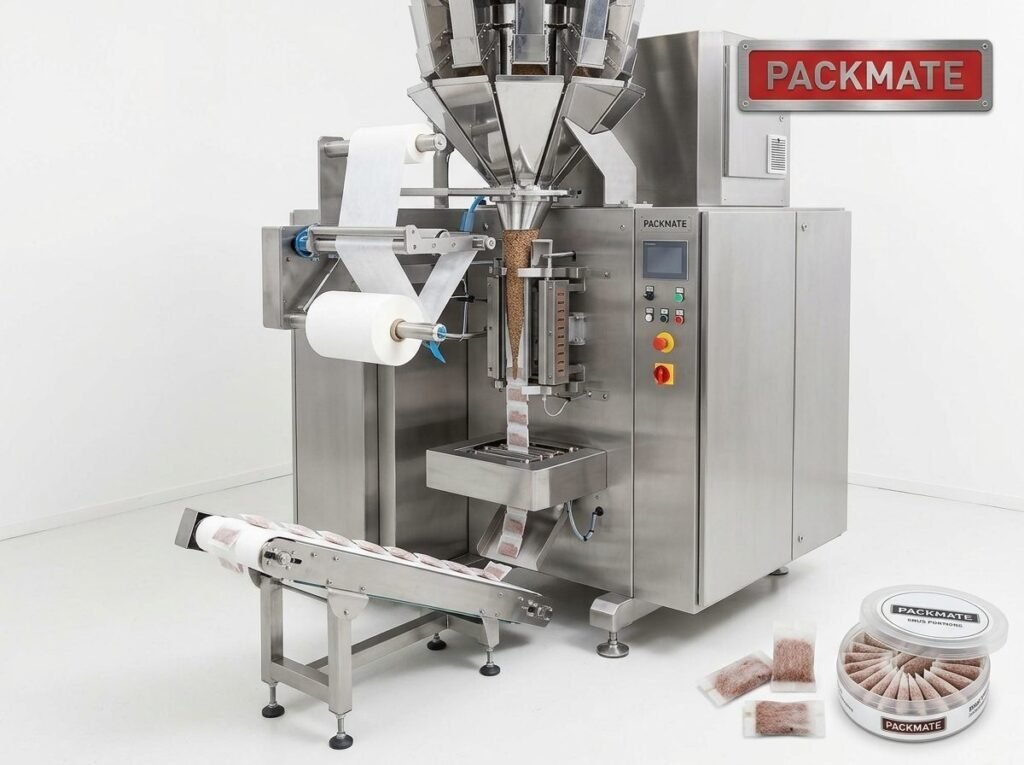
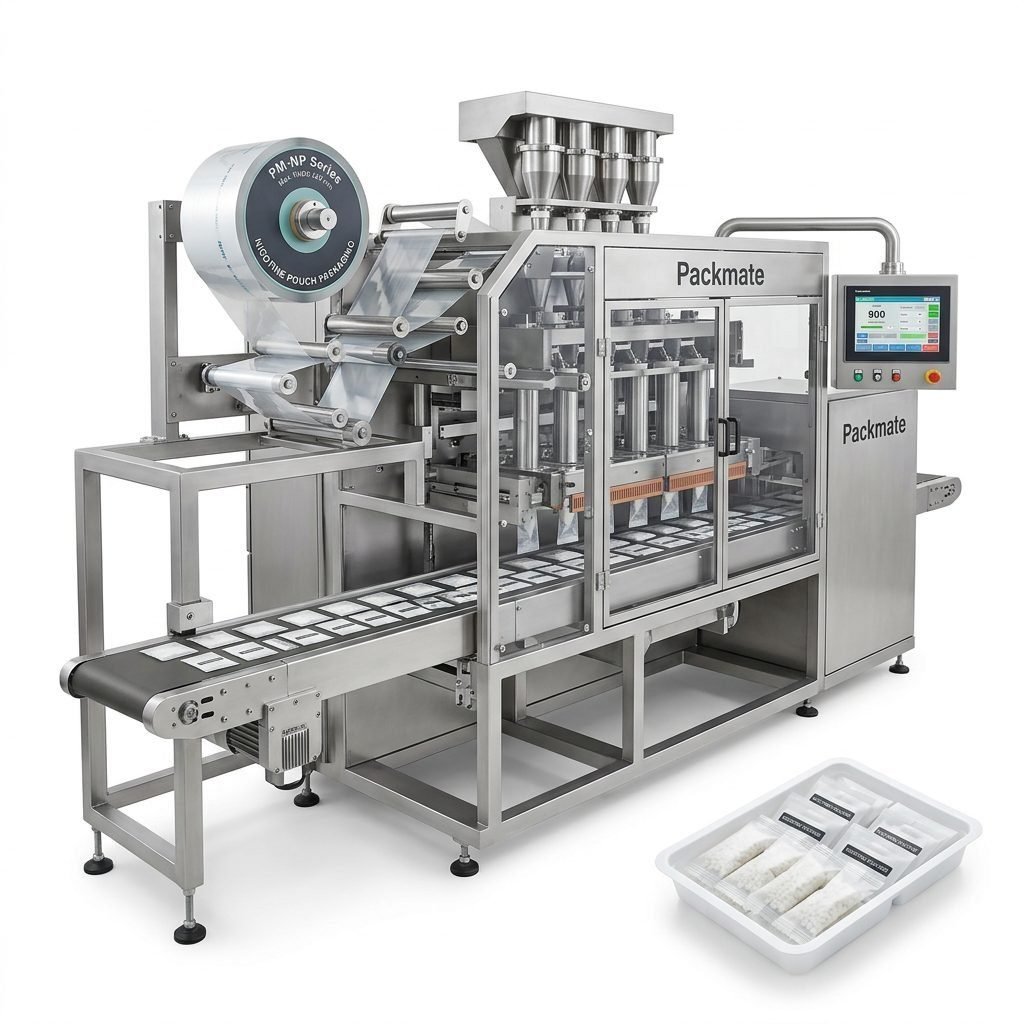
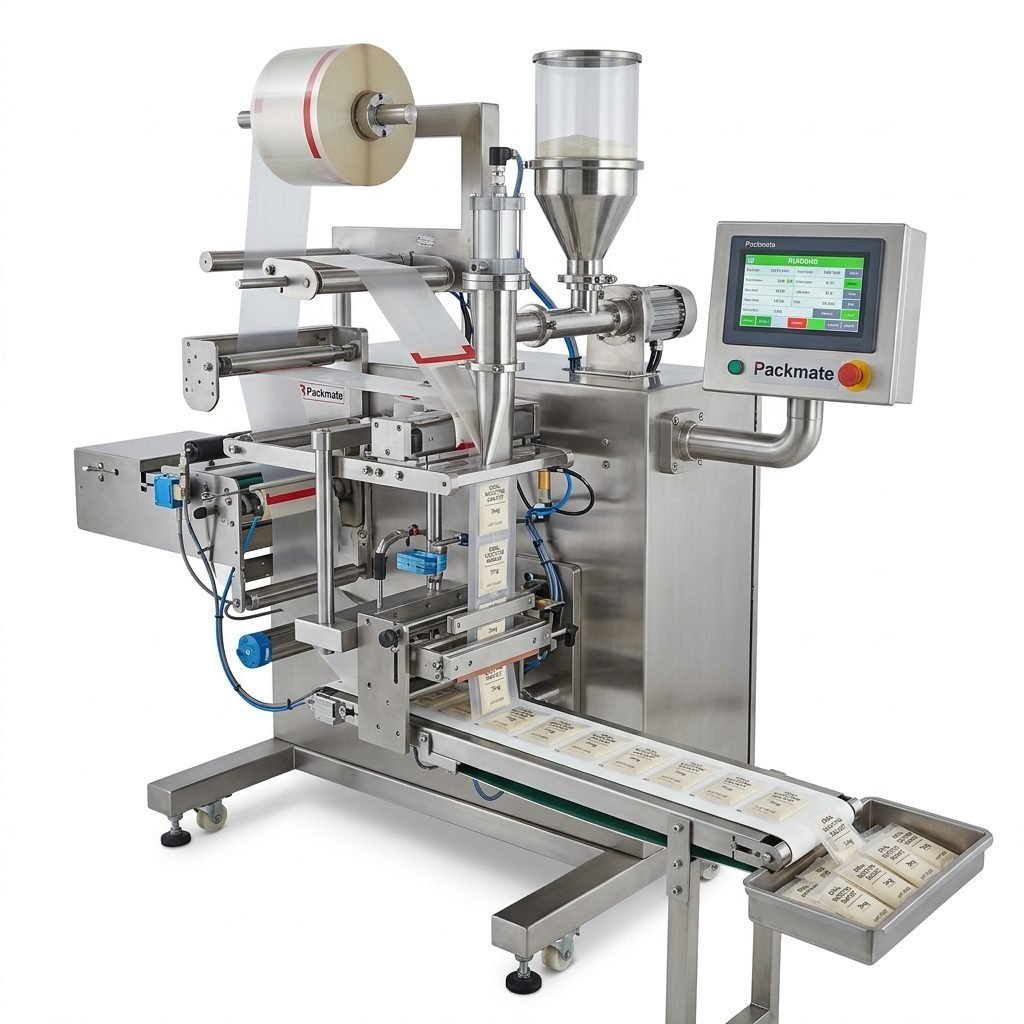
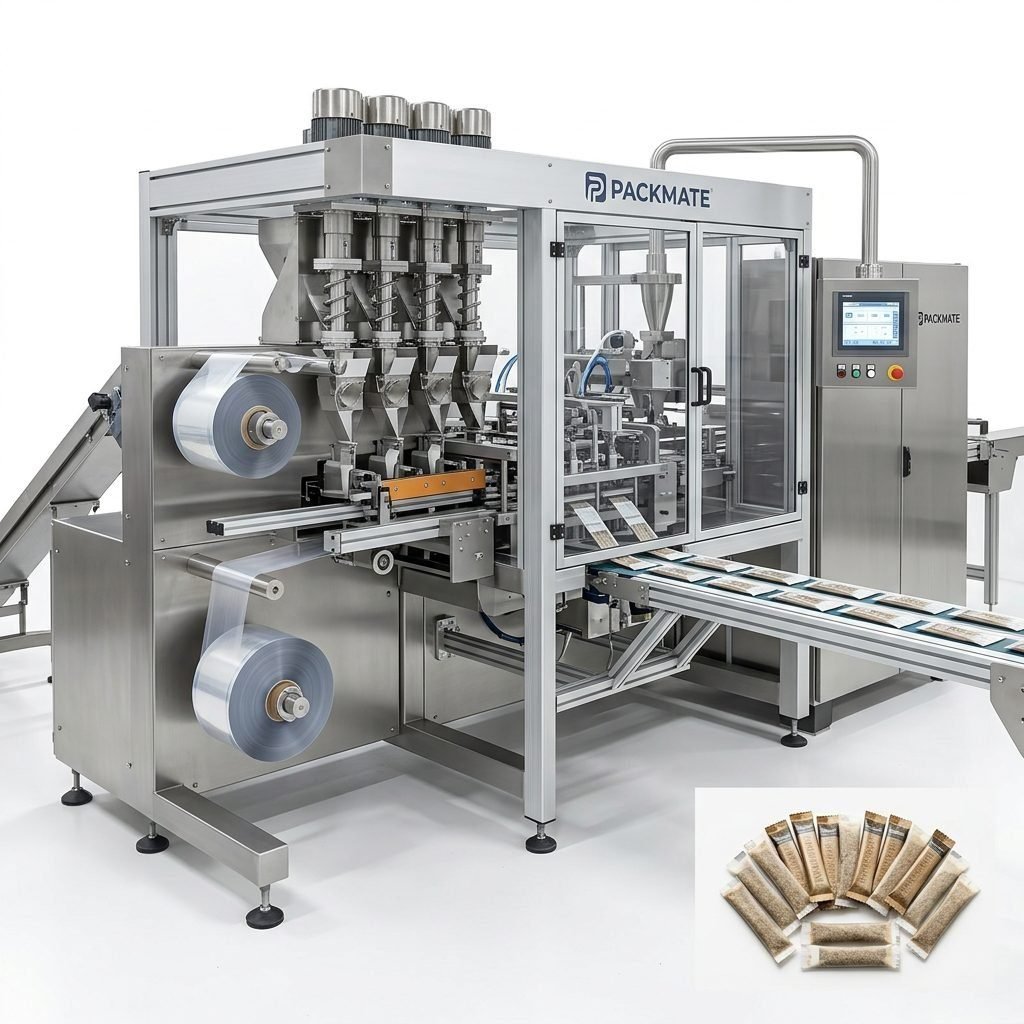
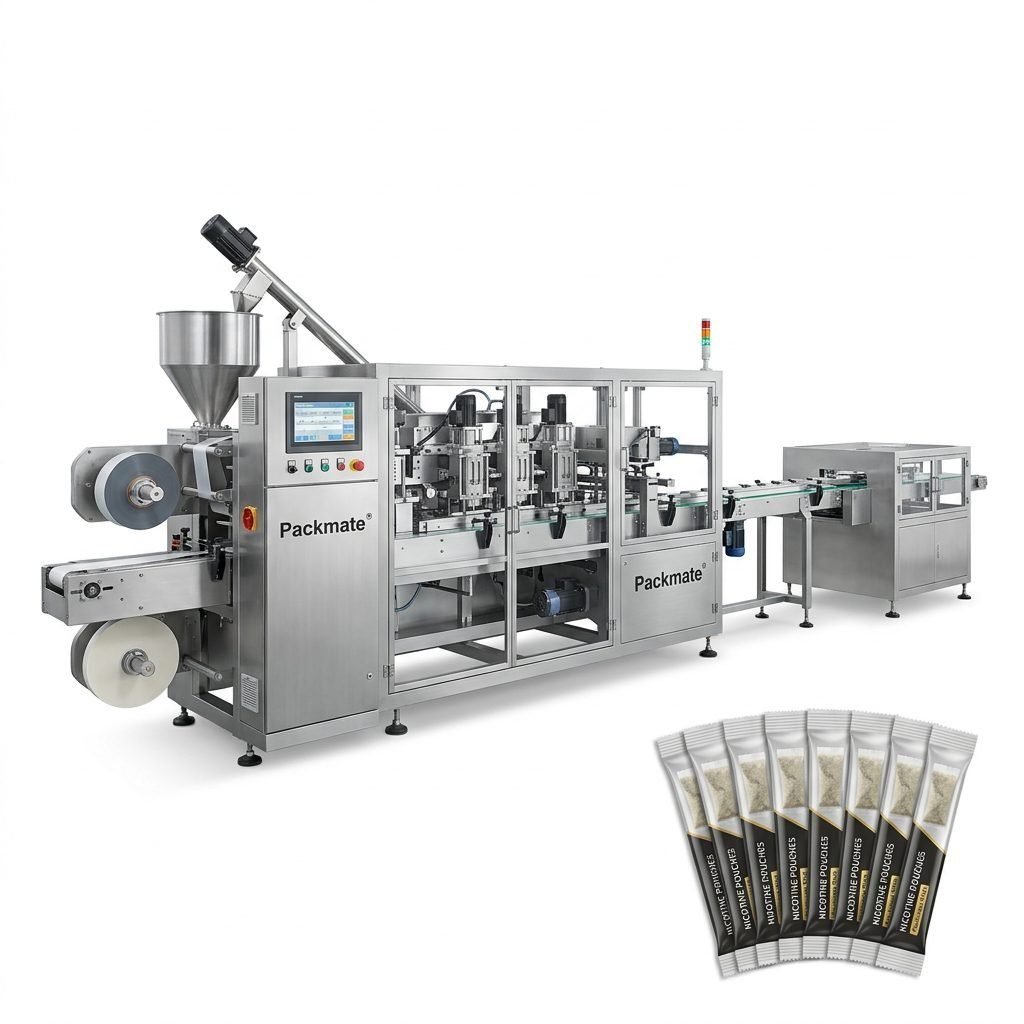
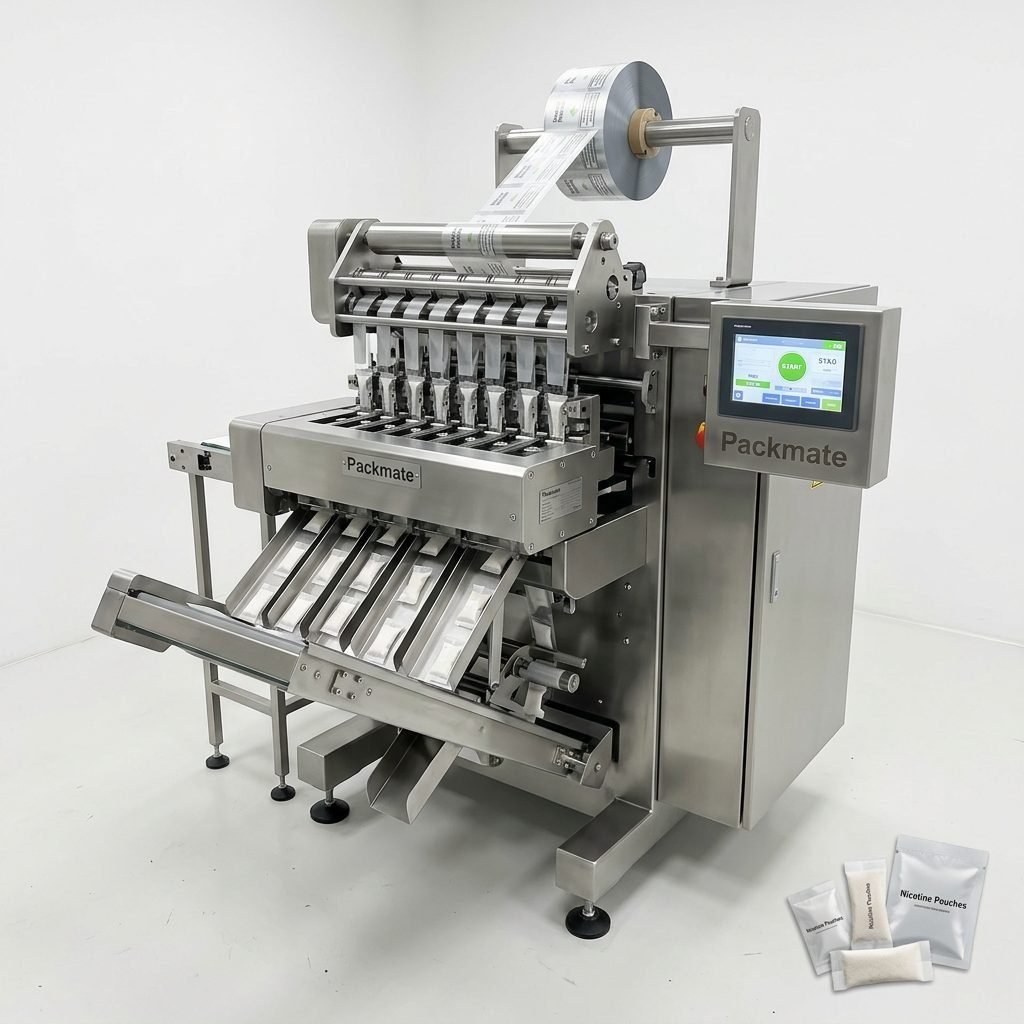
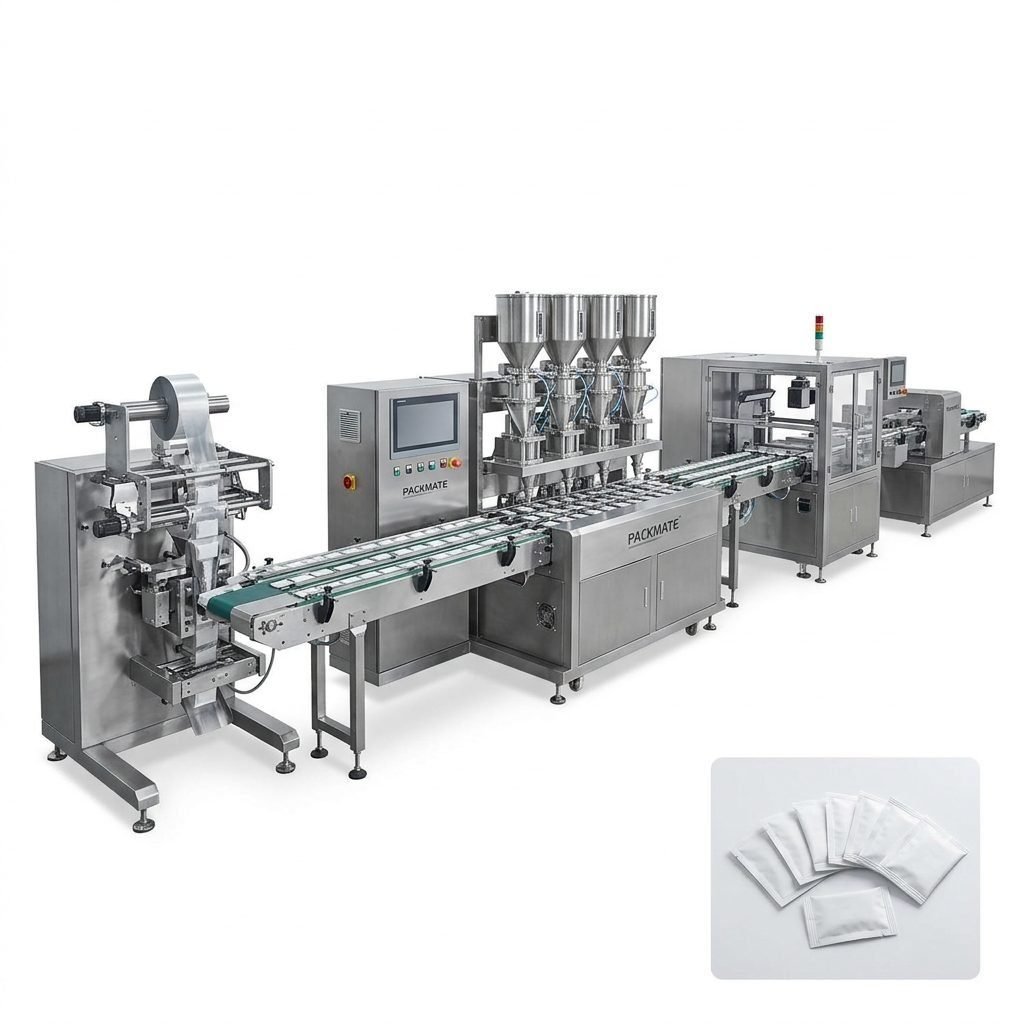
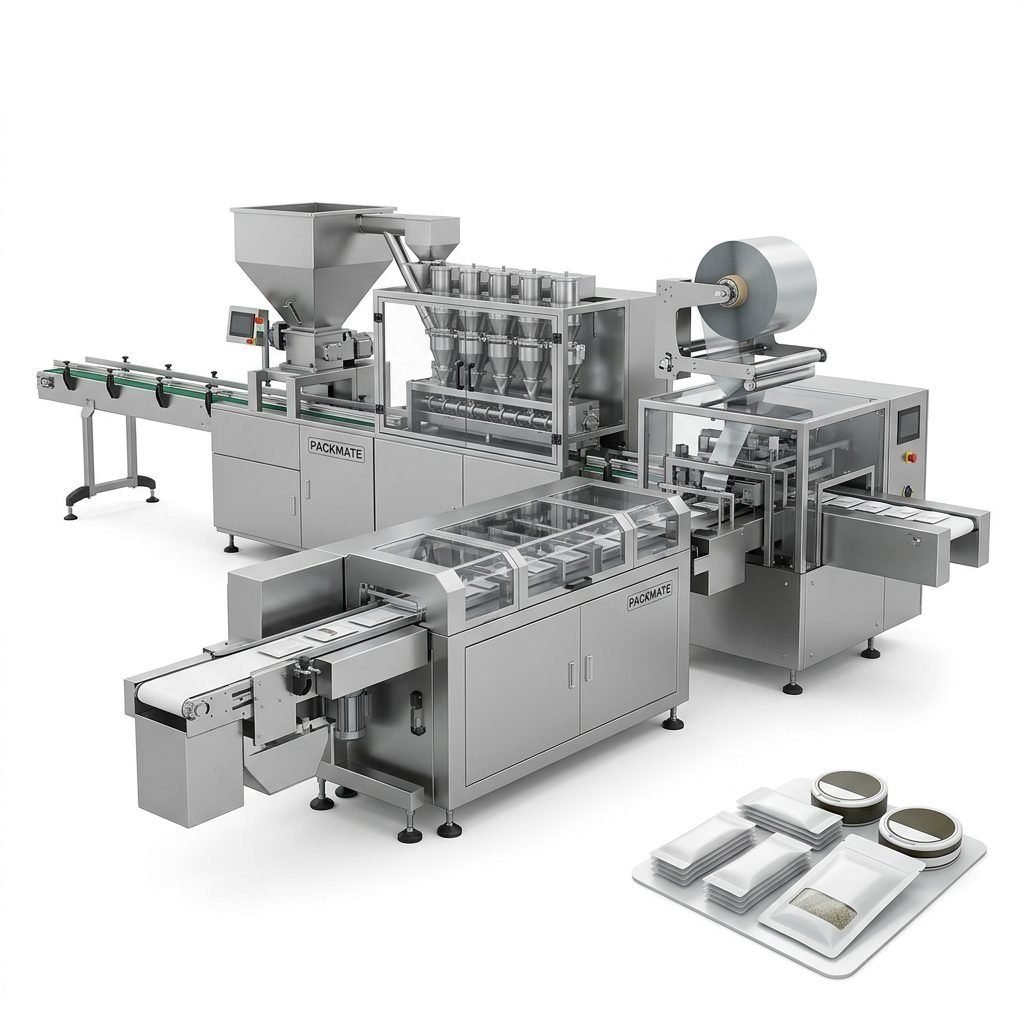
Packaging machines for snus and nicotine pouches come in multiple formats:
- Stick pack machines — ideal for single-dose sachets and slim pouches.
- Sachet & pouch packaging machines — flexible for various pouch sizes and sealing styles.
- Multi-lane systems — high throughput when producing many small-dose pouches concurrently.
- Auxiliary systems — weighing, feeding, capping, and secondary packaging equipment for boxes and cartons.
To see examples, review detailed product pages such as Snus & Nicotine Packaging Machines and Sachet & Stick Pack Machines.
Step 3 — Evaluate Supplier Capabilities and Factory Strength
Look beyond the sales brochure. Key indicators of a reliable supplier include years of experience, factory size, precision manufacturing capability, and product variety. For example, manufacturers with advanced CNC centers, precision assembly lines, and a broad model range demonstrate scale and engineering depth.
Checklist: factory area (sqm), number of machine models, CNC & testing facilities, and real-world case studies.
Verify certifications & quality systems
Ensure the supplier’s machines comply with international standards (CE, ISO). These certifications reduce compliance risk and often make customs clearance smoother. You can view certificates or ask for copies; many suppliers publish them online — for instance see a supplier’s Certificate page.
Step 4 — Inspect Technical Specifications
Pay close attention to:
- Production speed and lanes — does it meet target throughput?
- Filling accuracy and dosage control — essential for nicotine pouch quality.
- Material compatibility — heat-seal films, laminated pouches, and barrier requirements.
- Changeover time — how quickly can the machine switch sizes?
- Electrical standards and PLC/HMI interfaces — ensure compatibility with local power and staff skills.
Ask for detailed drawings, electrical schematics, and a list of core components with brand names. This reduces surprises during installation.
Step 5 — Inspect After-Sales Support & Spare Parts Strategy
Reliable after-sales service is often more important than the initial machine price. Confirm:
- Warranty terms and response time for Maldives or the nearest service hub.
- Availability of spare parts and recommended spare parts lists.
- Training for local technicians and operators — remote and on-site training options.
- Service agreements and remote diagnostics capabilities.
Important: For island operations, prioritize suppliers that can ship spare parts quickly or have regional partners to avoid long downtime.
Step 6 — Request Samples, Trials & References
Ask for machine trial videos and completed product samples. Request references in similar industries or geographic conditions. A reputable supplier will share case studies and invite factory visits or live demo appointments. Explore the supplier’s project examples on their Case page to understand performance in real production environments.
Step 7 — Total Cost of Ownership (TCO) vs. Quoted Price
Evaluate beyond the purchase price. Consider installation cost, spare parts, consumables (film types), energy consumption, operator training, and expected maintenance intervals. A slightly higher upfront cost for a durable, low-maintenance machine may reduce TCO over 3–5 years.
Sample TCO items to compare
- Installation & commissioning fees
- Shipping, customs duties, and inland transport to Maldives
- Training duration and documentation language
- Warranty coverage and spare parts lead time
- Energy consumption and maintenance intervals
Step 8 — Legal & Compliance Checks
For products classified as tobacco or nicotine, regulatory oversight can affect labeling, ingredient disclosure, and permissible packaging claims. Work with legal counsel or customs brokers familiar with Maldives import and health regulations. If you intend to produce for export from Maldives, verify destination market rules as well.
Step 9 — Contract, Delivery & Installation
Ensure the purchase contract includes delivery terms (INCOTERMS), acceptance criteria, FAT (Factory Acceptance Test) results, lead time, and penalty clauses for missed delivery milestones. Confirm the supplier will perform on-site commissioning and operator training, or provide remote commissioning support if travel constraints exist.
Choosing a Partner — What to Expect from a Top Supplier
A strong supplier offers:
- Proven engineering experience and a wide model range.
- Transparent documentation — manuals, parts lists, and electrical diagrams.
- OEM-level spare parts and long-term support.
- Ability to customize machine components for local packaging needs (for example, specific pouch films or local regulatory labels).
- Reference customers and participation in international exhibitions indicating global reach and credibility — see Our Exhibition.
Supplier example: manufacturers who emphasize automation and multi-lane systems and publish factory tours and credentials (CE/ISO) are easier to vet remotely.
Local Considerations for Maldives: Installation & Aftercare
Maldives’ island geography means service visits may take longer and shipping costs are higher. Plan for a local spare parts inventory and confirm whether the supplier can ship parts by air for urgent repairs. Provide staff with detailed training and bilingual manuals if necessary, and consider remote monitoring tools that the supplier can use to troubleshoot in real time.
Useful Supplier Resources
For further technical reading and to explore product lines, review supplier resource pages such as Bag & Pouch Packaging Machines, Weighing & Packaging Systems, and the supplier’s About Packmate page for company background and manufacturing capabilities.
Final selection checklist
- Aligned machine type and capacity for your product
- Verified factory capabilities and certifications (CE/ISO)
- Clear after-sales plan and spare parts availability
- Real product samples and successful FAT
- Reasonable TCO and clear contractual terms
Getting Started: Contacting the Supplier
When reaching out, provide:
- Basic company profile and intended market (Maldives islands, export targets, etc.).
- Detailed product specs and production targets.
- Preferred delivery timeline and installation constraints.
- Questions on certification, spare parts, and training.
Use the supplier’s contact page to request a tailored proposal: Contact Us.
Conclusion
Selecting a snus packaging machine supplier for Maldives requires balancing technical fit, supplier reliability, and local logistical realities. Prioritize suppliers with proven engineering backgrounds, transparent certifications, and strong after-sales support. Plan for island logistics by maintaining spare parts and arranging clear installation and training plans. With the right partner, you can launch efficient, compliant snus or nicotine pouch production that respects local culture and business needs.
Frequently Asked Questions
Q1: What documents should I request from a supplier before purchase?
Request machine specifications, CE/ISO certificates, FAT reports, parts lists, warranty terms, and references from similar projects. These documents form the basis of a safe purchase and smooth customs clearance.
Q2: How do I manage spare parts and maintenance for islands like Maldives?
Keep a local stock of critical spare parts, negotiate rapid air-shipping options, and ensure remote technical support. Train multiple local technicians to reduce dependency on external visits.
Q3: Are there special packaging regulations to consider in Maldives?
Regulations vary by product and can affect labeling and ingredient disclosure. Consult local customs and health authorities before manufacturing. When in doubt, work with a legal or regulatory advisor experienced with Maldives imports.
Q4: Should I choose a high-speed multi-lane system or start small?
If your market demand is unproven, begin with a pilot line. If you have confirmed volume and need cost efficiency, multi-lane systems deliver higher throughput and lower per-unit costs.
Q5: How can I verify supplier credibility remotely?
Request live video demos, digital FAT, client references, and factory certification documents. Established suppliers often publish case studies and exhibition participation records that support their credibility.