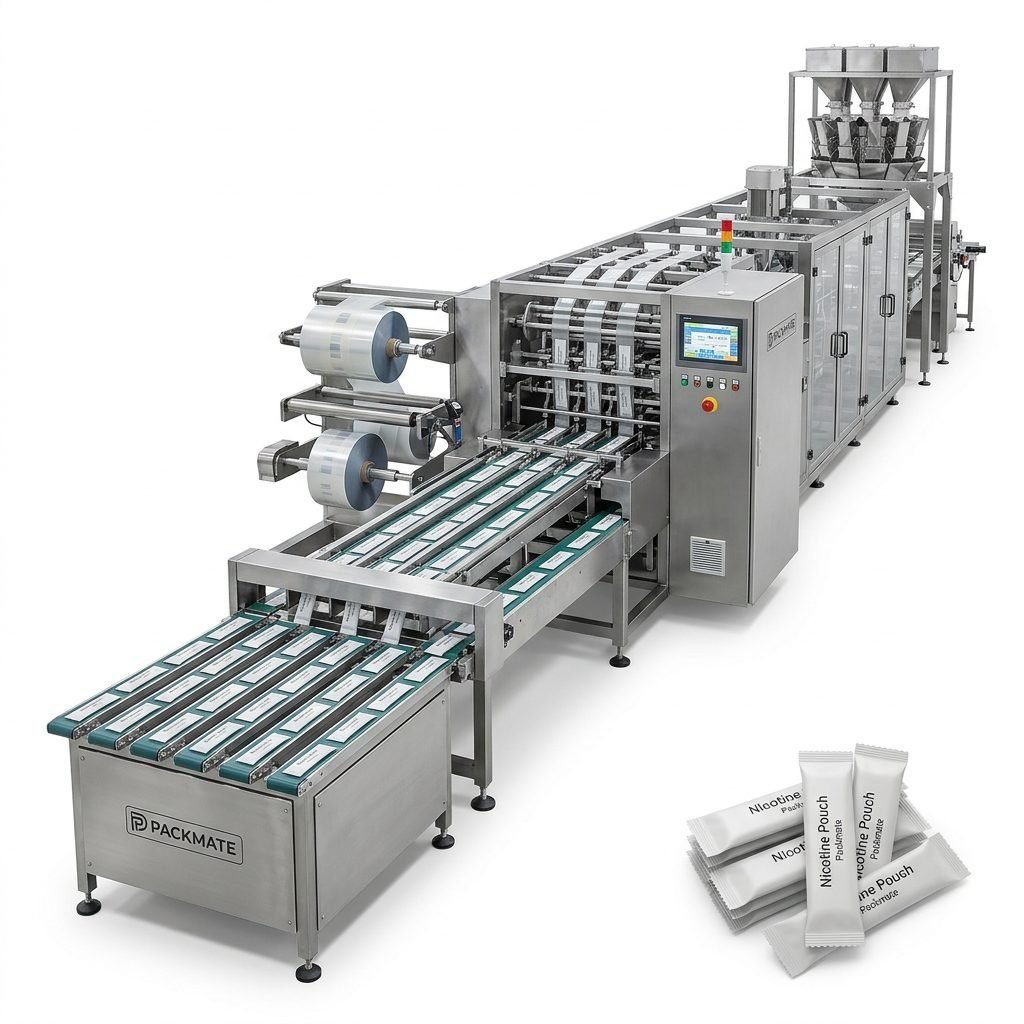
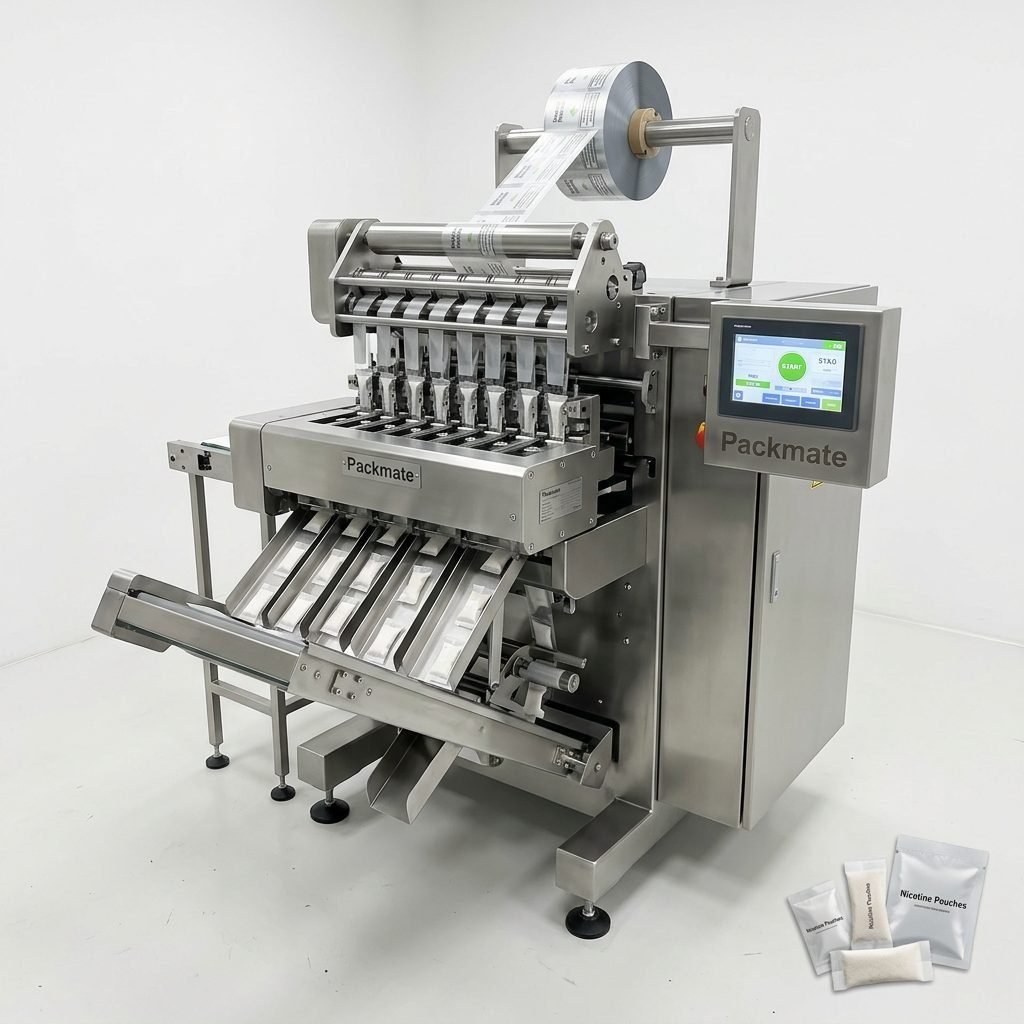
In the evolving world of nicotine pouch production, pharmaceutical grade snus machines have become a cornerstone for manufacturers seeking consistent quality, regulatory compliance, and high-throughput performance. This guide unpacks the essential aspects of high-precision production, filling, and packaging processes so you can evaluate machinery, optimize line layouts, and scale operations with confidence.
📌 What is “Pharmaceutical Grade” in Snus Packaging?
Pharmaceutical grade refers to equipment and processes that meet strict hygiene, traceability, and material compatibility standards commonly found in pharmaceutical manufacturing. For snus (nicotine pouch) production, this means machines designed for minimal contamination risk, easy cleanability, food/pharma-compatible contact surfaces, and repeatable precision for dosing. Manufacturers such as Packmate Snus Machine design lines that follow these principles to serve nicotine pouch, food and pharmaceutical industries.
🔧 Core attributes of pharmaceutical grade snus machines
High precision dosing to ensure each pouch contains the correct nicotine dose; sanitary design with stainless steel (SS316/SS304) contact parts; easy-to-remove components for cleaning; and robust documentation for validation and traceability.
📦 Production Line Overview: From Raw Materials to Packaged Pouches
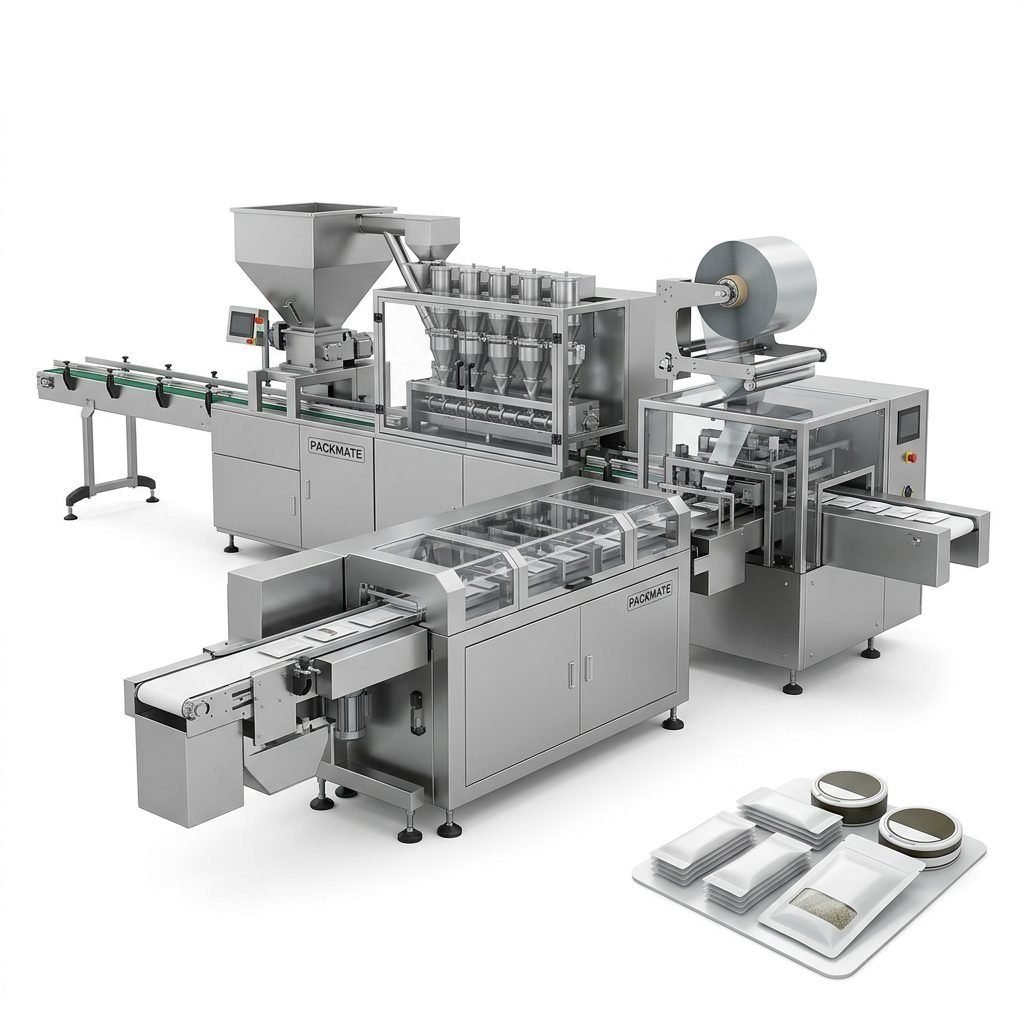
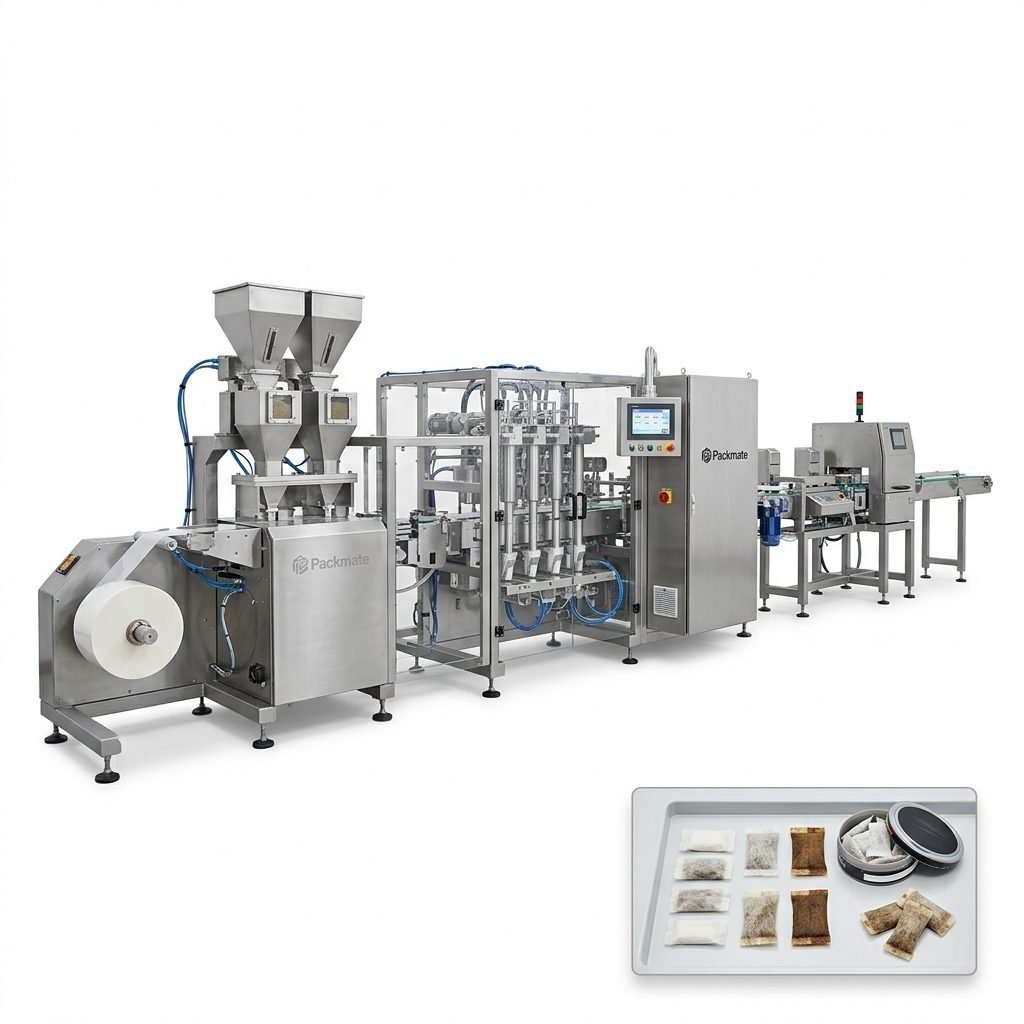
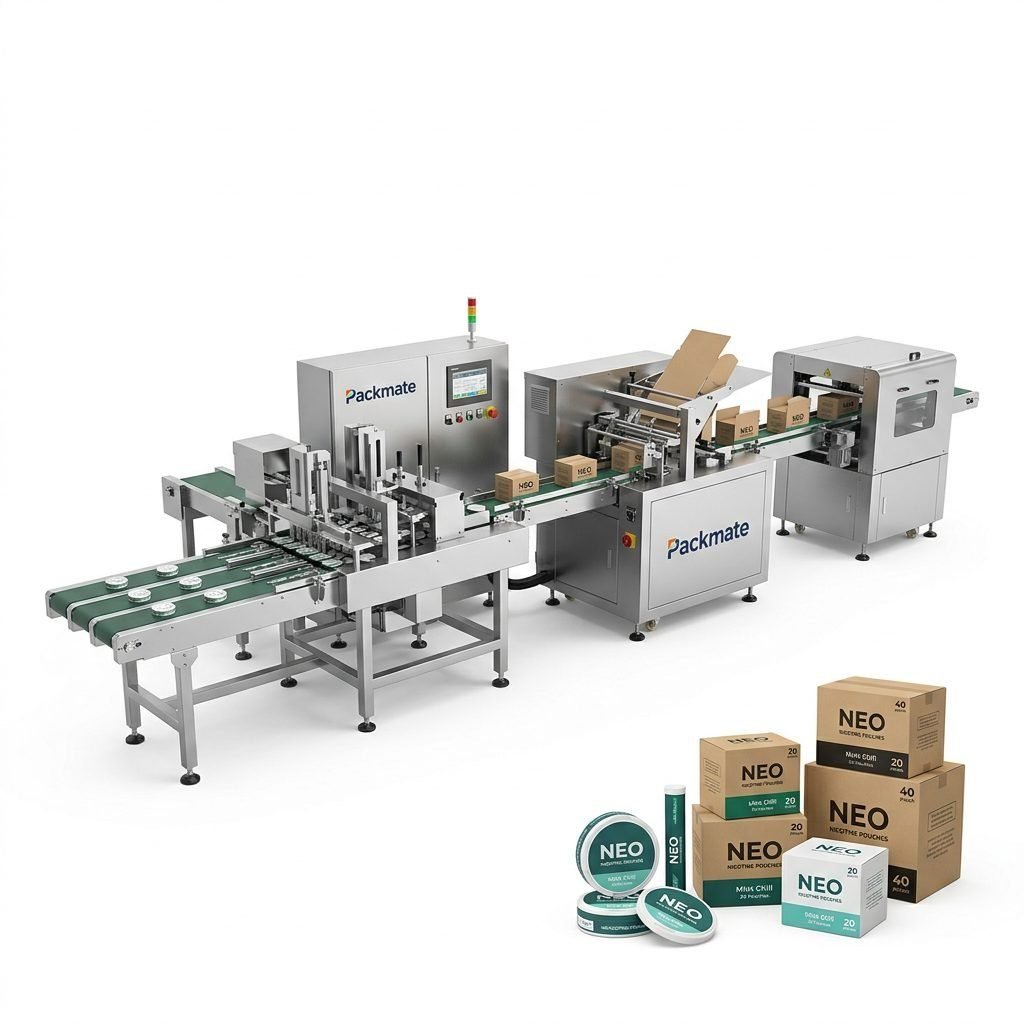
A complete pharmaceutical grade snus production line typically comprises in-feed systems, precision weighing or volumetric dosing, pouch forming/sealing modules, nitrogen flushing (if required), date/lot coding, and end-of-line cartonizing. Modern manufacturers supply integrated systems—Packmate provides turnkey solutions covering Snus & Nicotine Packaging Machines, Filling & Packaging Lines, and Weighing & Packaging Systems to streamline setup and reduce integration risk.
Key modules and their roles
• In-feed & dosing units: deliver precise small-dose fillings (often milligrams to a few grams) into pouches.
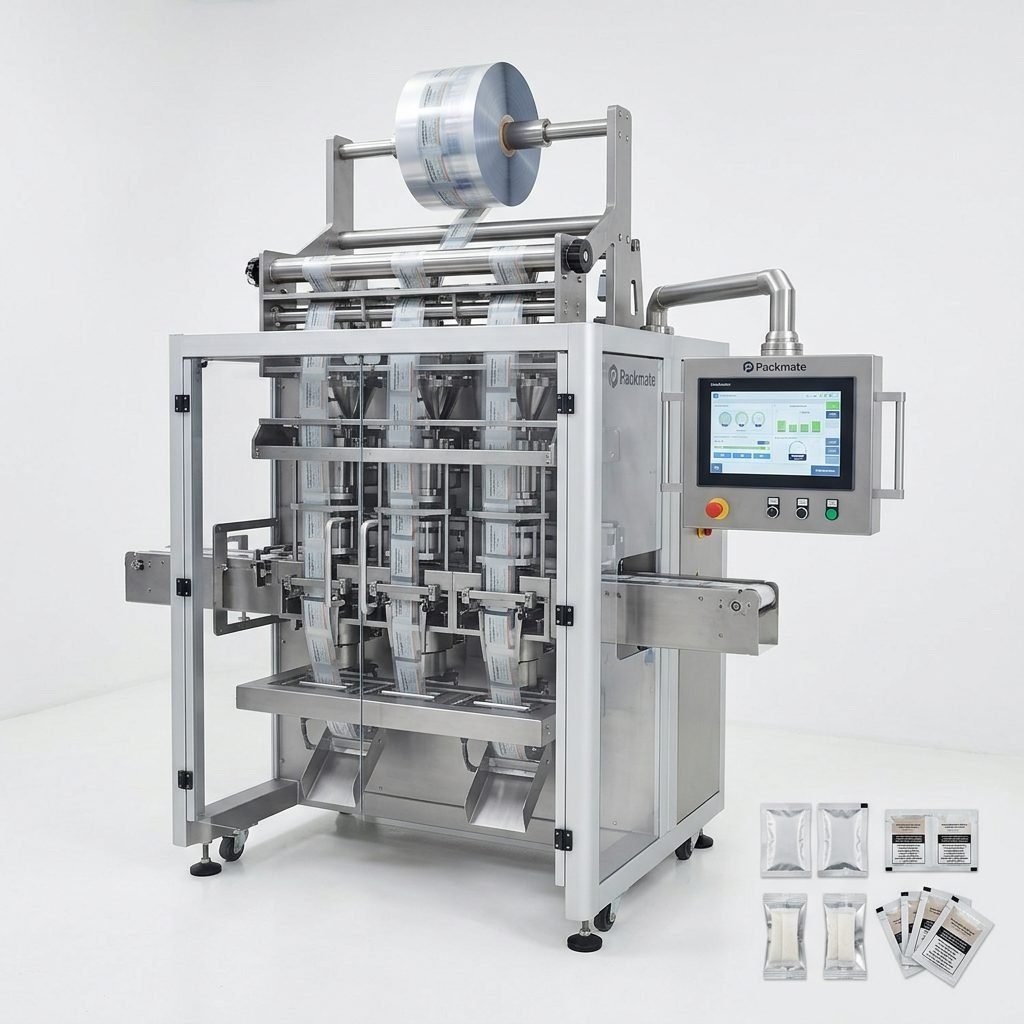
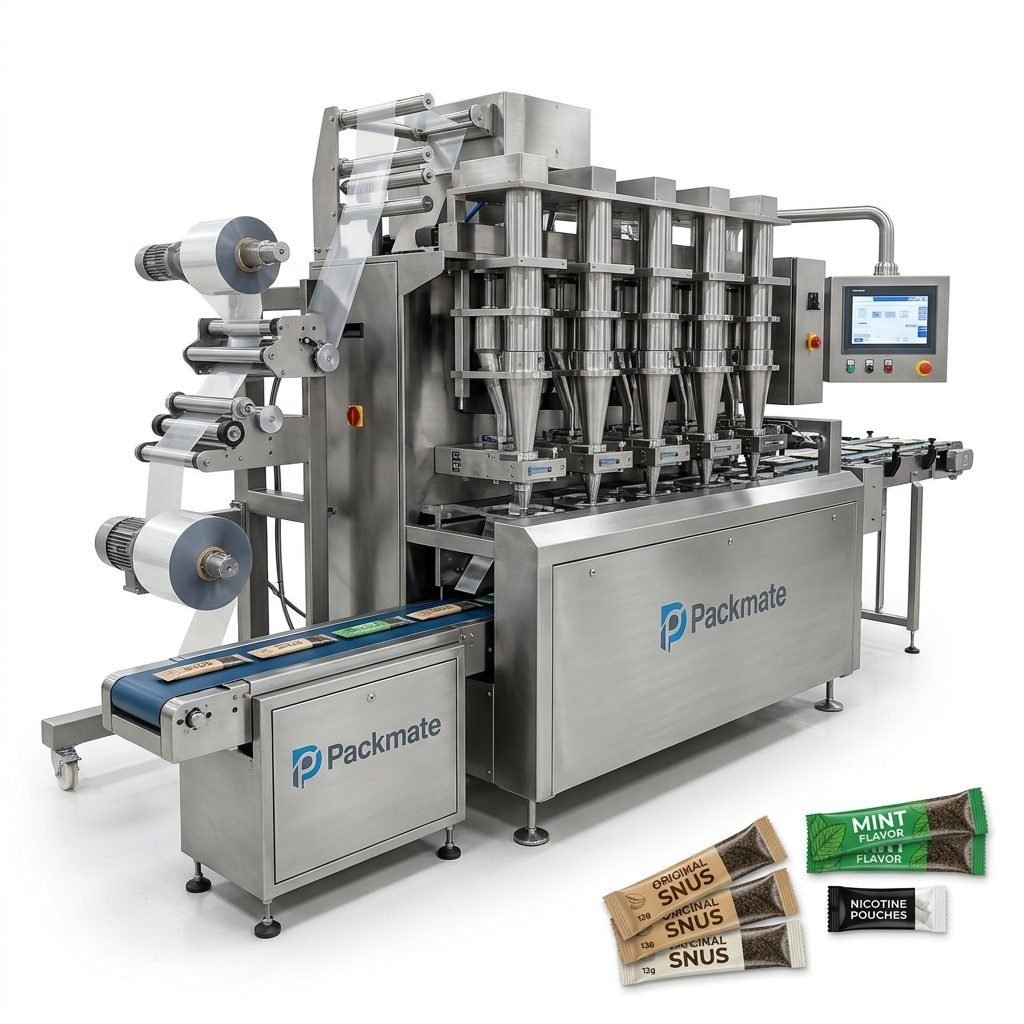
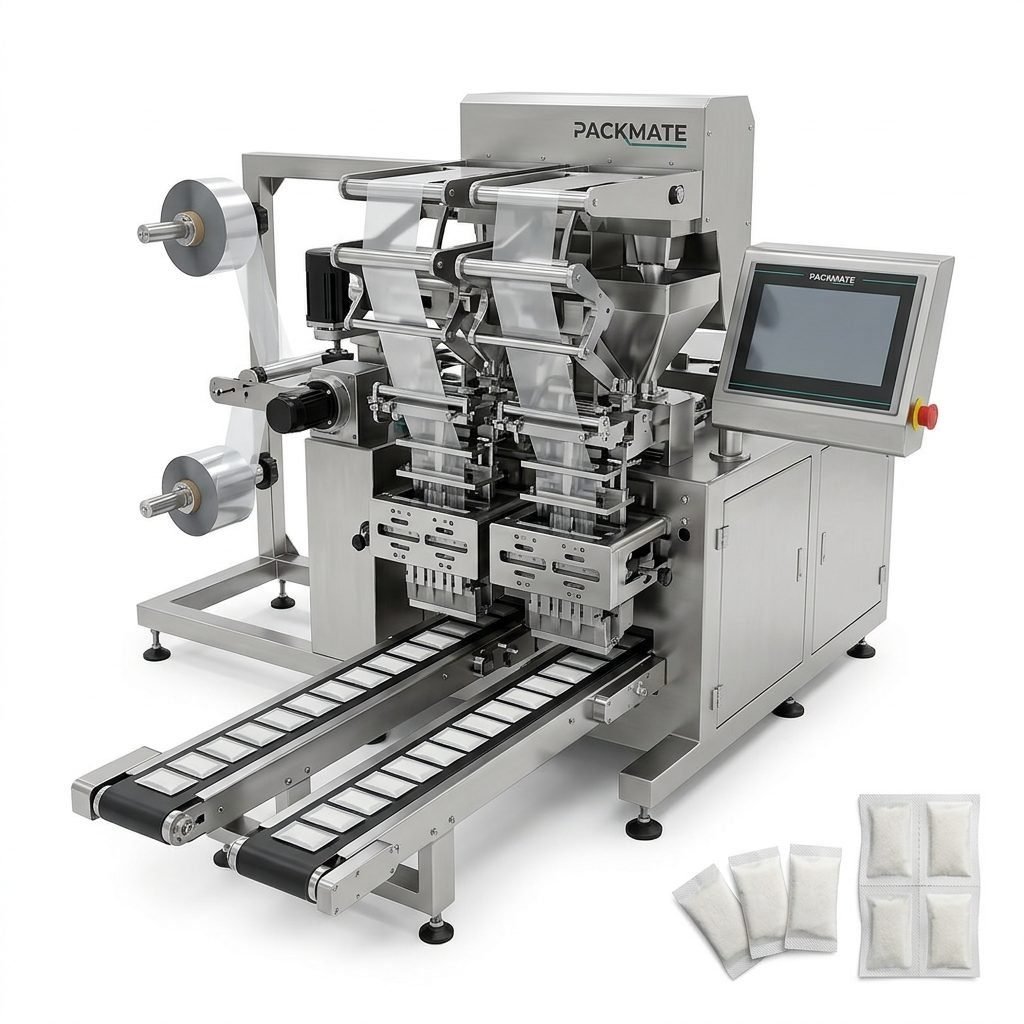
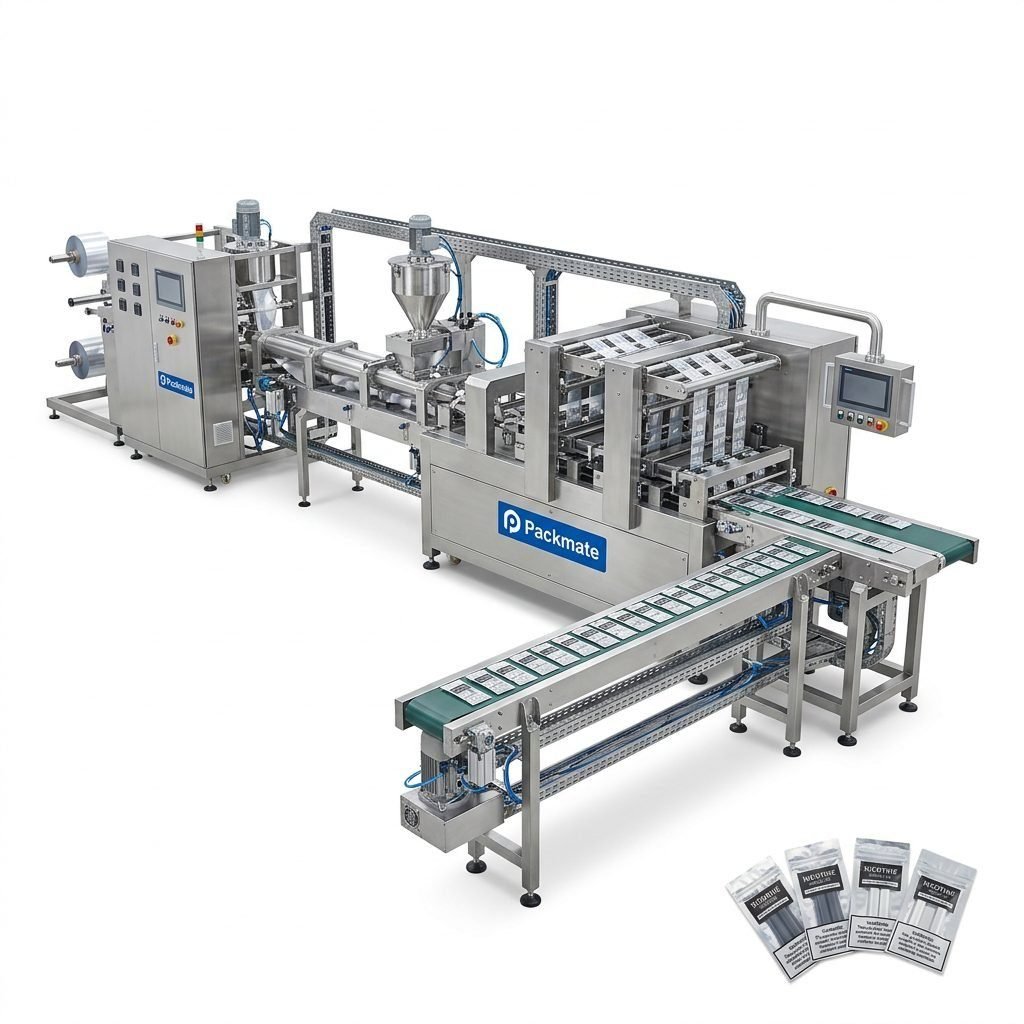
• Pouch formation & sealing: creates sachets, pillow pouches, or multi-lane stick packs with consistent seals.
• Auxiliary equipment: vibrating feeders, conveyors, and accumulation systems.
• Inspection & rejection: vision systems and metal detectors ensure product integrity.
• Cartoning & case packing: automated packaging for retail and bulk distribution.
Note: For regulatory compliance, ensure your line supports clean-in-place (CIP) protocols where applicable and that machine documentation supports IQ/OQ/PQ validation steps.
⚙️ Filling Technologies for High-Precision Dosing
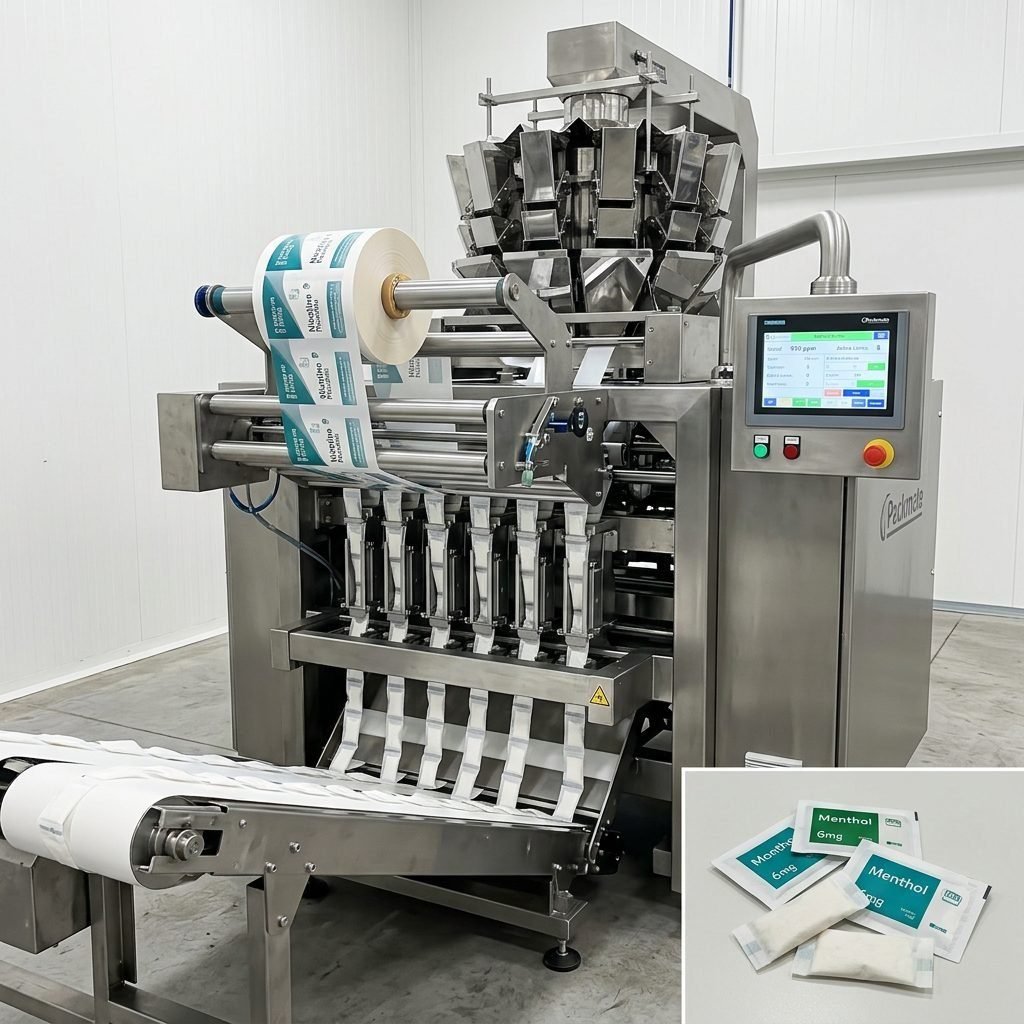
Selecting the right filling technology is critical. Options include micro-dose auger feeders, multi-head weighers adapted for low-weight pouches, and volumetric piston fillers. Each has trade-offs between accuracy, speed, and maintenance. For nicotine pouches, micro-dose gravimetric or volumetric systems tuned for powders and granules are common.
Advantages of gravimetric vs. volumetric systems
Gravimetric systems (weighing-based) offer superior accuracy and traceable calibration. Volumetric systems excel in speed and simpler maintenance for free-flowing materials. Many modern lines combine both approaches: fine gravimetric control for final dosing and volumetric feeding for bulk throughput.
Tip: When processing hygroscopic nicotine powders or blends, maintain controlled humidity in dosing hoppers and consider nitrogen blanketing to preserve product stability during filling.
🛡️ Hygienic Design and Materials
Pharmaceutical grade equipment emphasizes materials that resist corrosion and contamination. Stainless steel finishes (preferably 316L for contact surfaces) with polished welds, sloped surfaces for drainage, and sealed drives reduce harborage points for microbes and residues. All contact parts should be documented and replaceable for cleaning or rework.
Cleaning, validation and maintenance
A validated cleaning procedure is mandatory in pharma-aligned operations. Implement standardized SOPs, maintain logs, and schedule preventive maintenance. Quick-change components speed product changeovers and reduce downtime—critical for multi-SKU facilities.
📈 Performance Optimization & Multi-Lane Systems
To meet growing demand, many producers adopt multi-lane packaging machines that multiply output without increasing footprint. Packmate’s multi-lane systems are engineered for small-dose pouch production, offering synchronized lanes, centralized control, and modular scalability.
Performance metric to monitor: fill weight variance (mg), sealing integrity rate, and overall equipment effectiveness (OEE). These indicators drive continuous improvement.
📐 Packaging Formats & Consumer Preferences
Common pouch formats include single-dose sachets, stick packs, and small teabag-style pouches. Consumer habits vary across regions: in Scandinavia, traditional snus has deep cultural acceptance with expectations for premium presentation; in emerging nicotine pouch markets, discreet single-use sachets and child-resistant outer cartons are rising in demand. When expanding internationally, align your packaging formats with local customs and regulatory labeling requirements.
Design considerations
Packaging must protect product hygroscopicity and flavor, provide tamper evidence, and carry required health warnings. Machines should support application of labels, embossing, or heat-seal foils for barrier performance.
✅ Quality Control & Inspection Systems
Inline inspection systems (weight verification, vision inspection for seal defects, and metal detection) are essential for pharmaceutical-grade lines. Automated rejection units divert out-of-spec pouches before cartoning. Data logging enables traceability and supports regulatory audits.
Pro tip: Integrate SCADA or MES-level reporting early to capture production metrics and facilitate remote diagnostics and predictive maintenance.
🔁 Regulatory Compliance & Documentation
Producing nicotine pouches often sits at the intersection of tobacco regulations, food safety, and pharmaceutical-style manufacturing. Ensure machine suppliers provide CE/ISO certificates and that equipment supports necessary labeling, batch tracking, and serialized lot control. Packmate offers equipment with international certifications and complete documentation to aid customer validation.
Validation packages
Validate equipment performance (IQ/OQ/PQ) and maintain thorough change control records. Suppliers who provide calibration certificates and FAT/SAT support shorten qualification timelines and reduce commissioning risks.
🧩 Customization & Turnkey Solutions
One major advantage of partnering with experienced manufacturers is access to tailored systems: multi-lane modular machines, integration with upstream weighers and downstream cartoners, and software packages for recipe management. Packmate’s product range spans Snus & Nicotine Packaging Machines, Sachet & Stick Pack Machines, and Auxiliary Packaging Equipment—allowing bespoke lines optimized for your SKUs.
Integration examples
• Combined filler + multi-lane forming unit for 6–12 lanes of production.
• Auger dosing with vibration-assisted feed for stabilized flow of blends.
• End-of-line automated cartoning with pick-and-place case packing for retail-ready presentation.
🌍 Global Supply & Support Considerations
When sourcing machines, evaluate the manufacturer’s global presence, spare parts logistics, and after-sales service. Packmate’s 20,000㎡ facility, advanced CNC capabilities, and 30+ years of experience support rapid custom builds, while exhibition presence and case references demonstrate real-world performance. Learn more about company credentials via About Packmate and their Certificate pages.
For product pages and technical specifications, review Snus & Nicotine Packaging Machines, Bag & Pouch Packaging Machines, and Filling & Packaging Lines to find a match for your production goals.
💡 Choosing the Right Supplier: Checklist
• Does the supplier provide IQ/OQ/PQ documentation and CE/ISO certificates?
• Are spare parts and service support available in your region?
• Can the line handle your expected SKUs and future capacity growth?
• Are hygienic materials and cleanability features standard?
• Is remote support and FAT available to expedite commissioning?
Reminder: Request references and production case studies to verify long-term reliability—Packmate publishes Case studies and exhibits globally to showcase performance.
🔍 Commissioning & Training
Proper commissioning and operator training are vital to achieving pharmaceutical-grade outcomes. Ensure supplier-led commissioning includes performance tests, operator manuals, and hands-on training for maintenance crews. Remote and onsite support options minimize downtime.
Training focus areas
• Product changeover procedures and cleaning protocols.
• Calibration of dosing systems and verification procedures.
• Preventive maintenance schedules and spare parts stocking.
• Software and recipe management for multi-SKU lines.
📣 Final Thoughts: Investing in the Right Technology
Investing in pharmaceutical grade snus machinery pays off through improved product consistency, easier regulatory alignment, and scalable throughput. Choose suppliers with proven engineering experience, strong manufacturing capabilities, and global support networks to ensure your production line meets modern standards for quality and efficiency.
If you’re exploring options, consider reviewing detailed product specifications on Snus & Nicotine Packaging Machines, check auxiliary options via Auxiliary Packaging Equipment, and contact suppliers through Contact Us to request a customized solution.
Frequently Asked Questions (FAQs)
Q1: What makes a snus packaging machine “pharmaceutical grade”?
A1: Pharmaceutical grade machines combine sanitary materials (e.g., SS316 contact parts), minimal crevices, validated cleaning procedures, and documentation to support IQ/OQ/PQ processes—ensuring reproducible, traceable manufacturing outcomes.
Q2: Can multi-lane machines handle different pouch formats simultaneously?
A2: Most multi-lane machines are designed for synchronized lanes with the same pouch format per run. Quick-change parts and modular lanes allow relatively fast changeovers between formats but running multiple formats simultaneously on the same machine is typically not supported without major customization.
Q3: How do I ensure accurate micro-dosing for milligram-level nicotine pouches?
A3: Use gravimetric or highly-tuned volumetric dosing with controlled feeders, vibration assistance, and inline check weighing. Regular calibration and environmental control (temperature/humidity) are also important for consistency.
Q4: What documentation should a supplier provide to support regulatory audits?
A4: Request CE/ISO certificates, machine drawings, material certificates, FAT reports, calibration certificates, and support for IQ/OQ/PQ documentation. Post-sale service agreements and spare parts lists are also valuable.
Q5: Where can I see machine case studies and meet suppliers?
A5: Review published cases and schedule visits at exhibitions—see the Company Case and Our Exhibition pages to learn about real installations and to meet machine specialists.