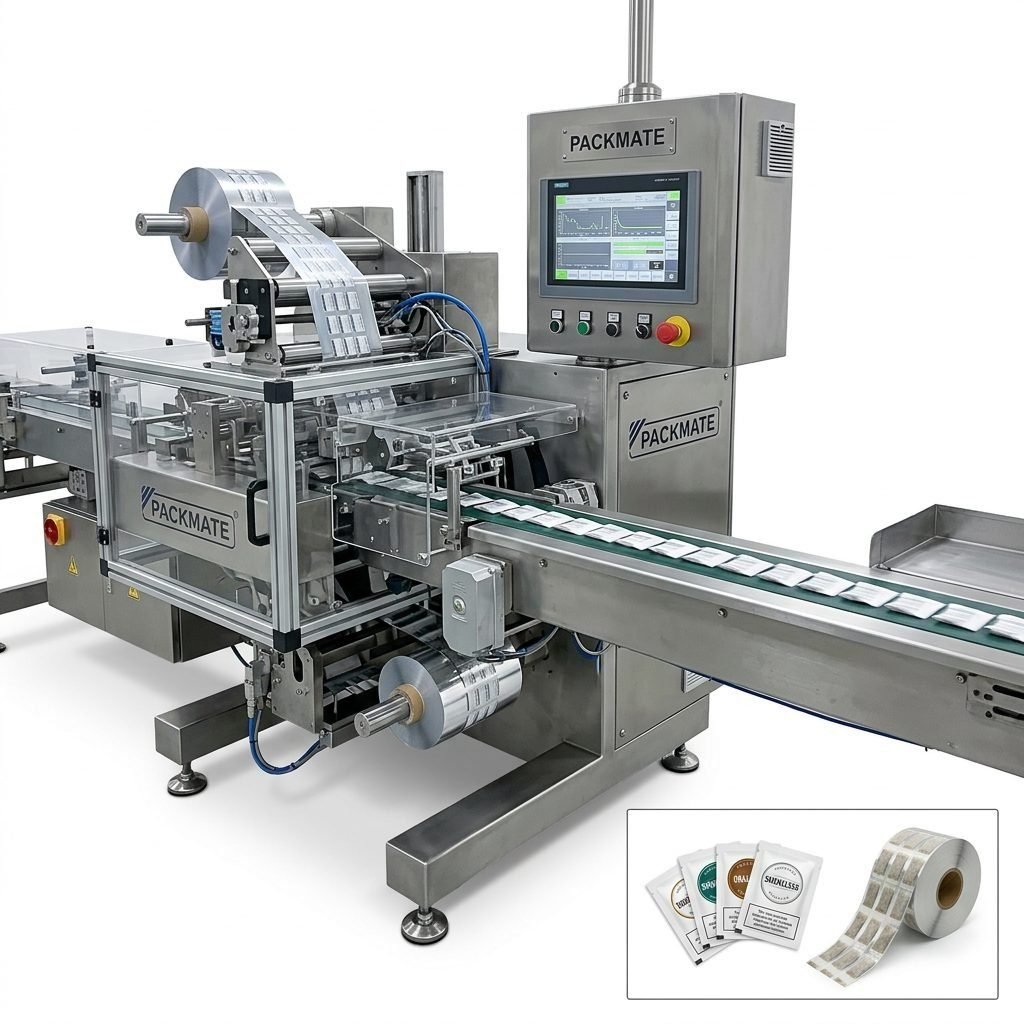
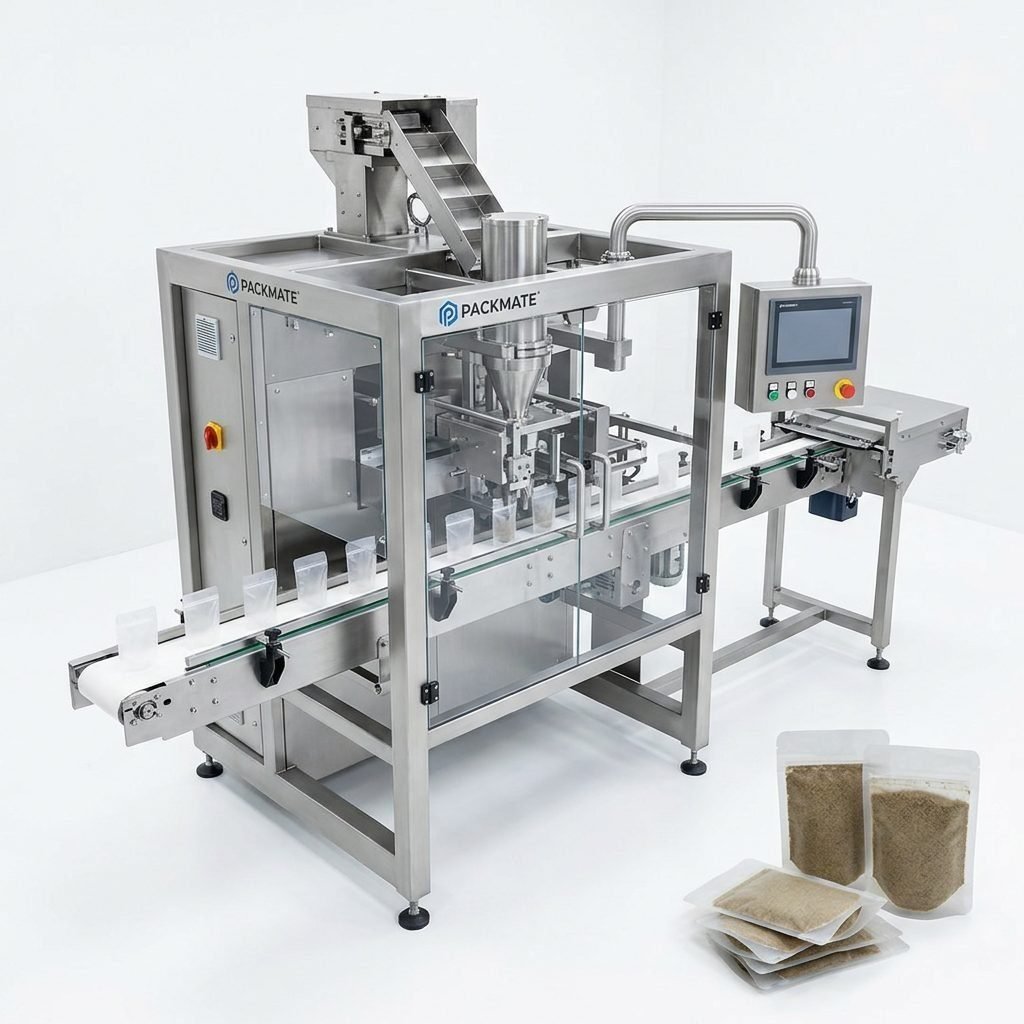
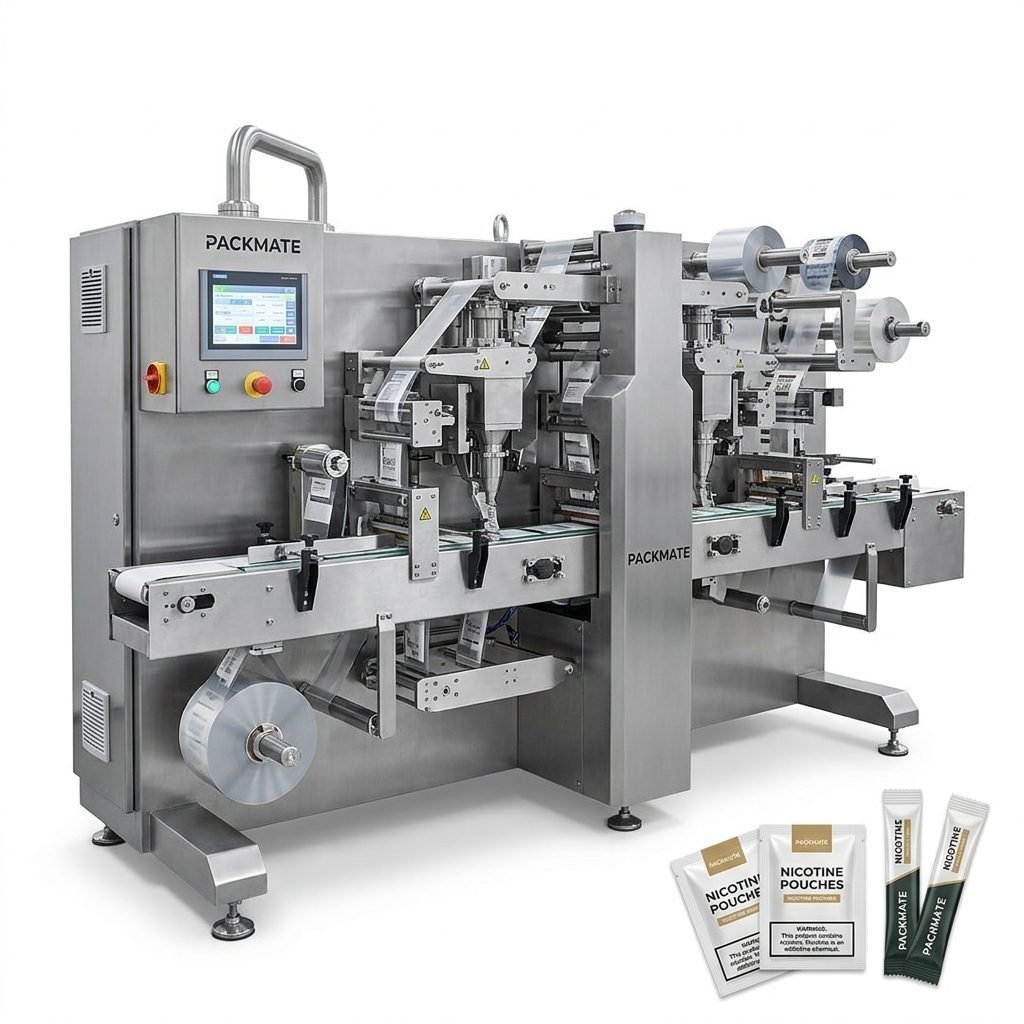
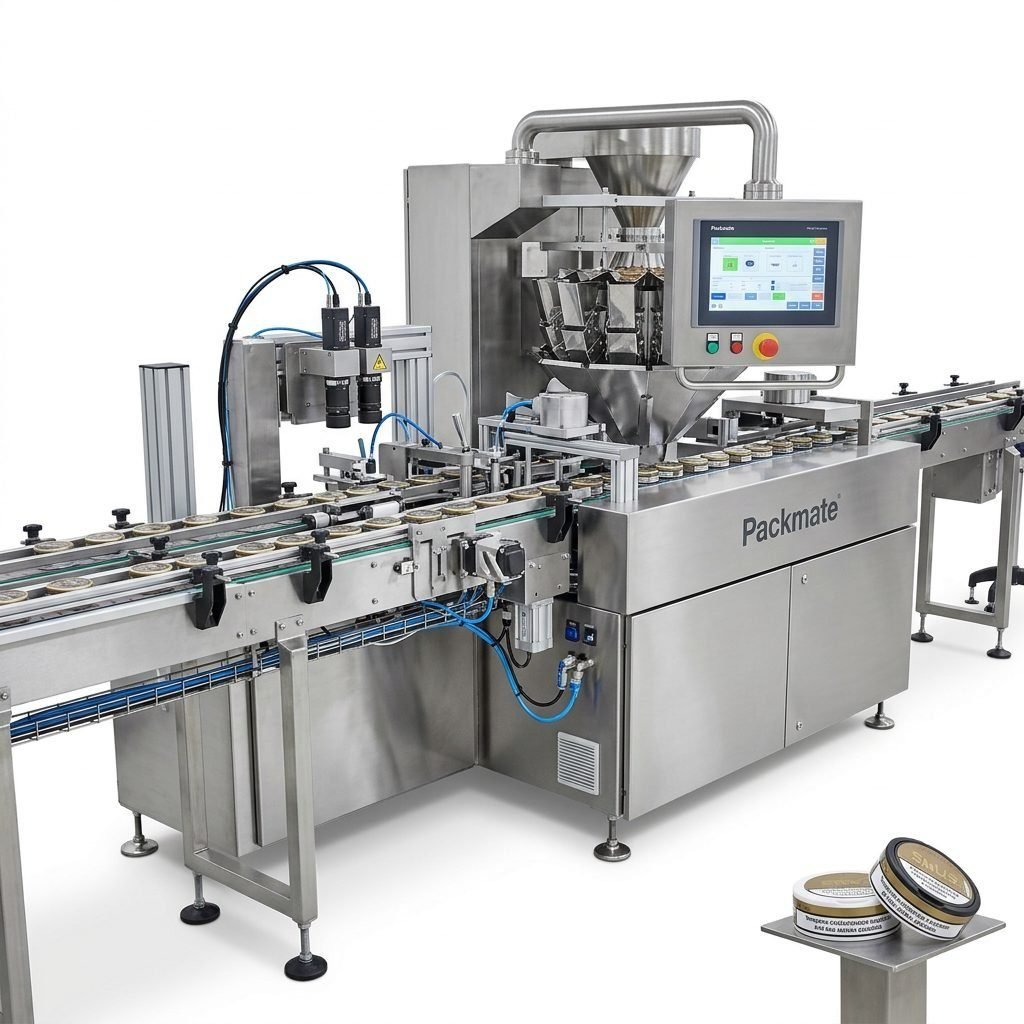
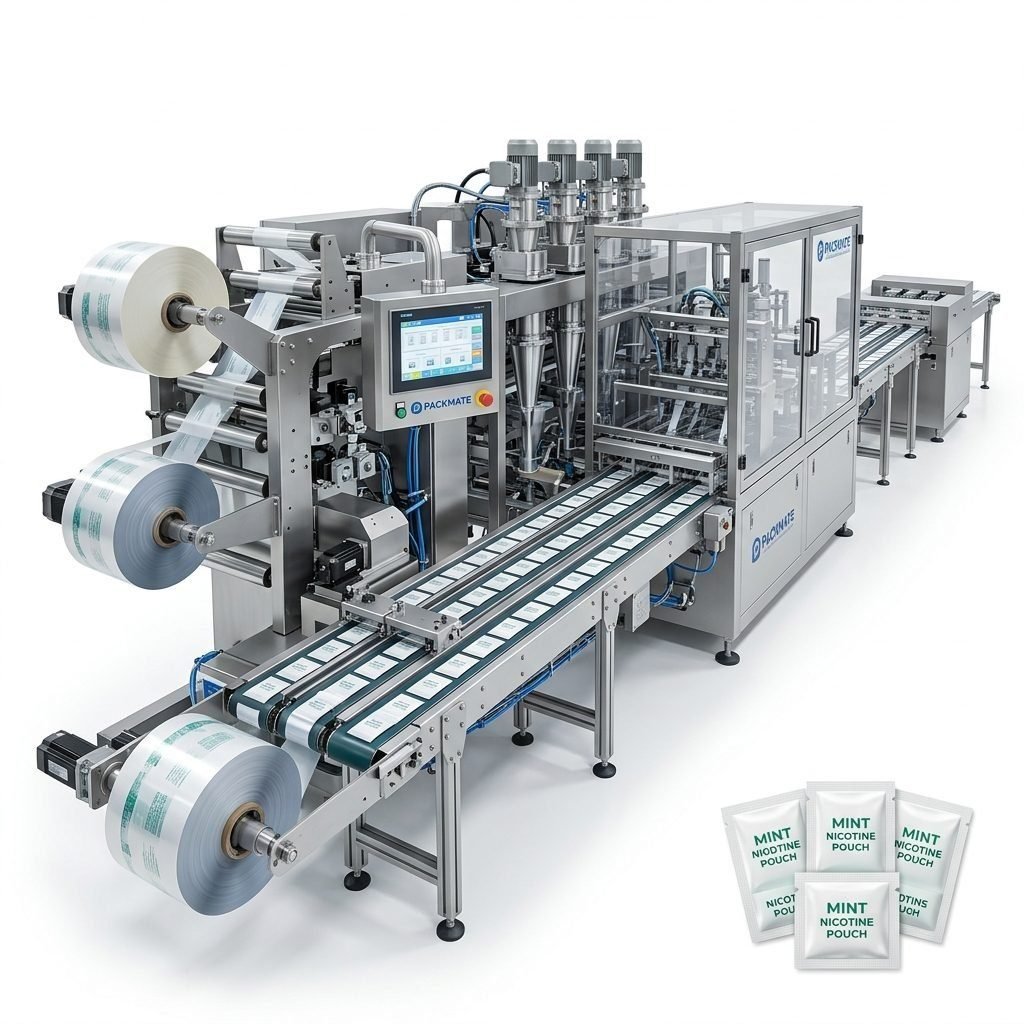
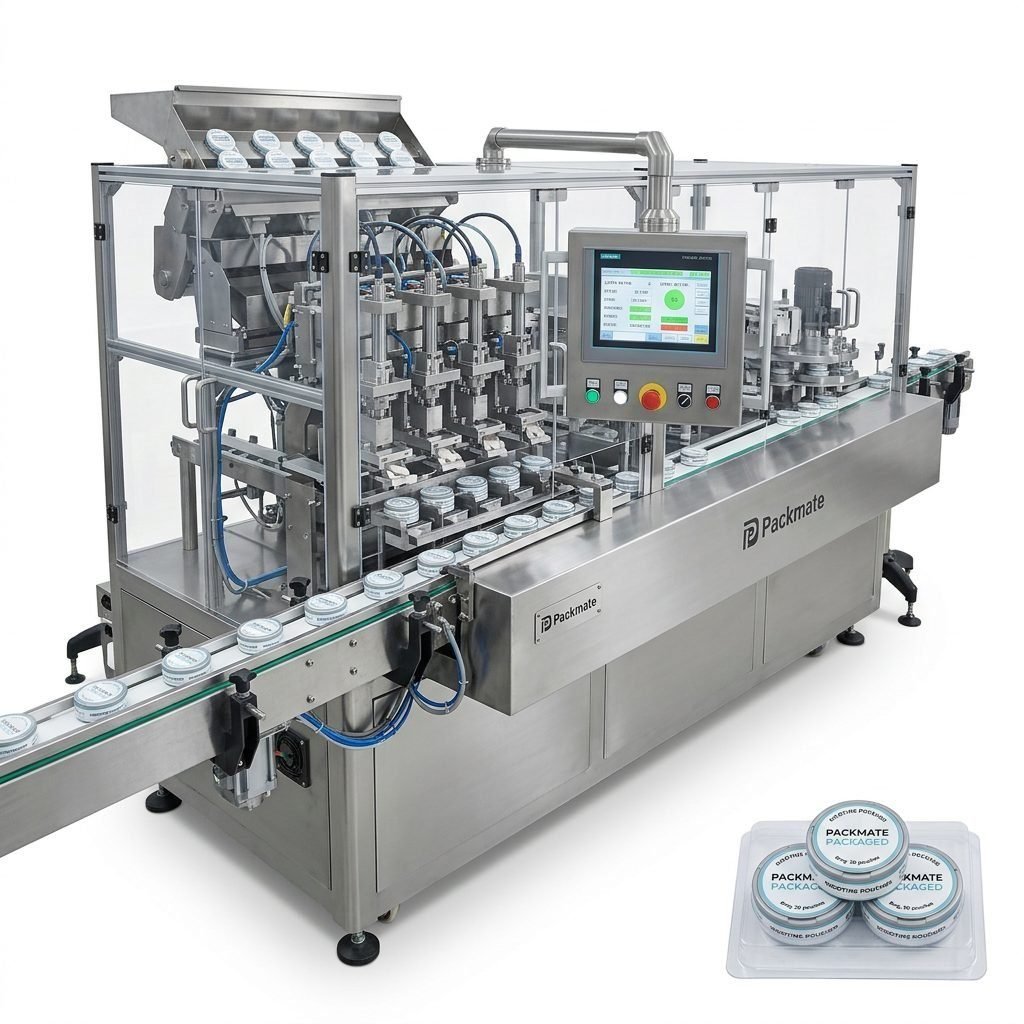
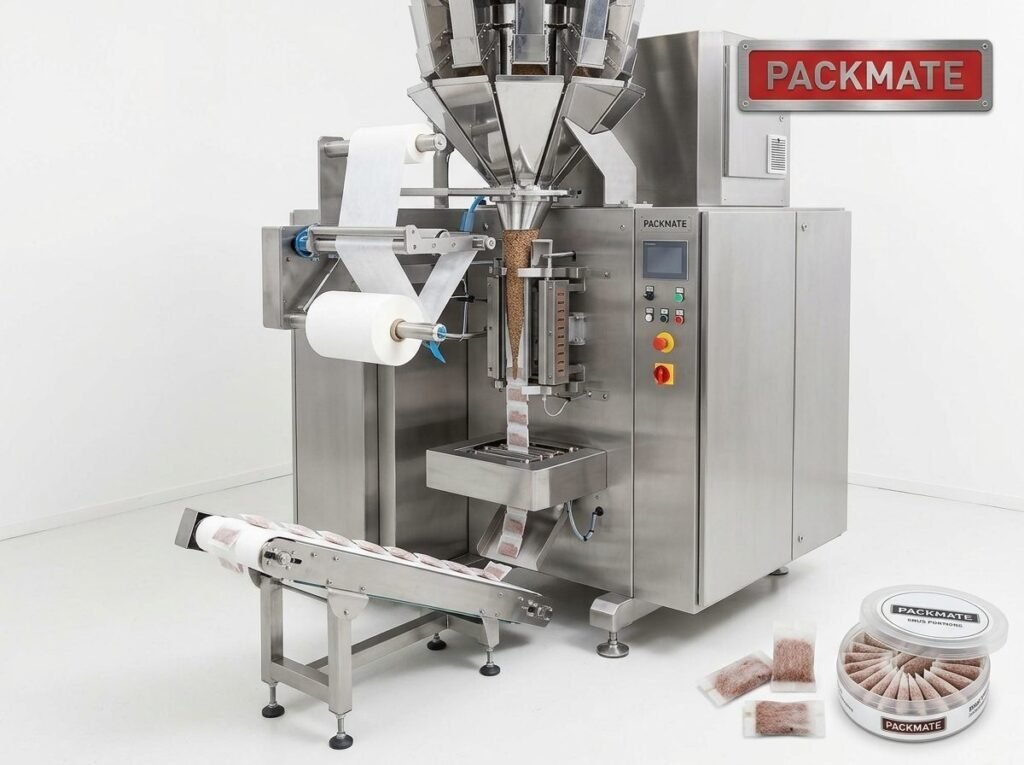
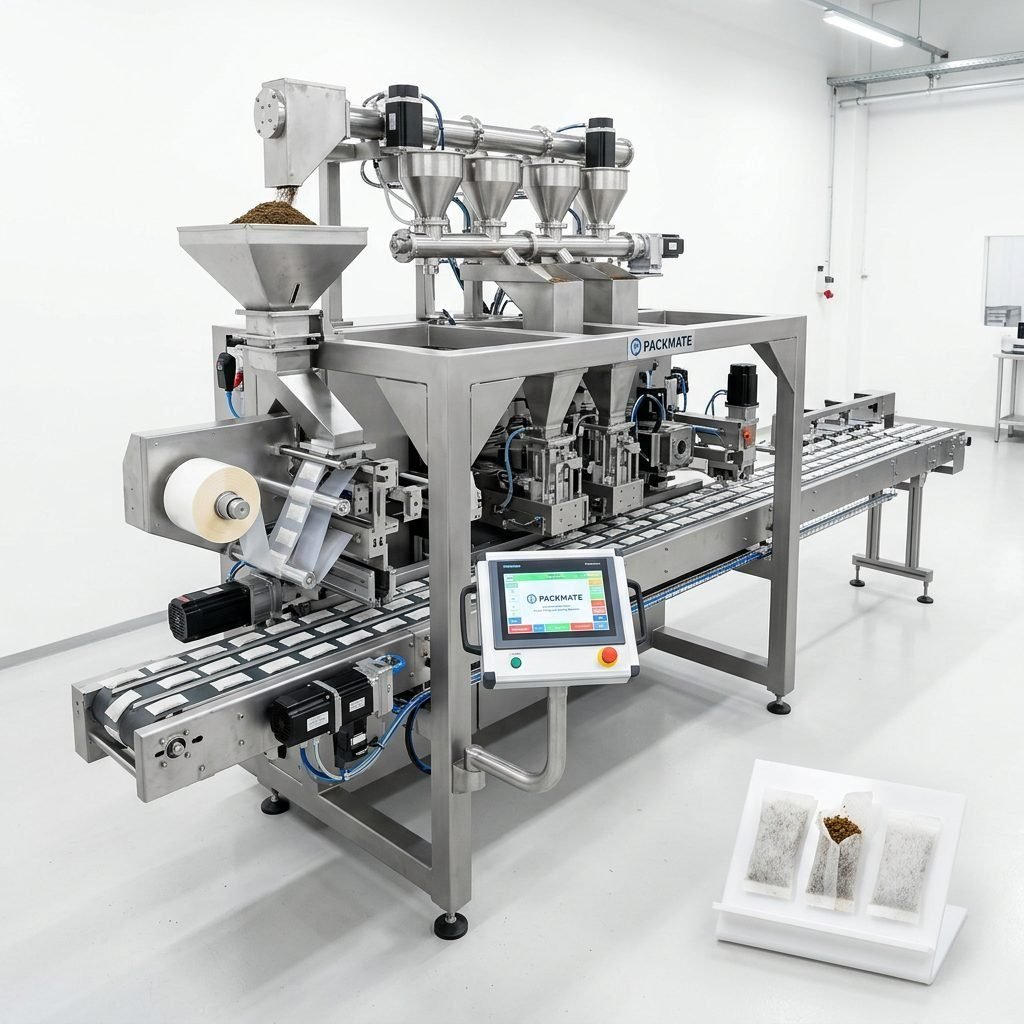
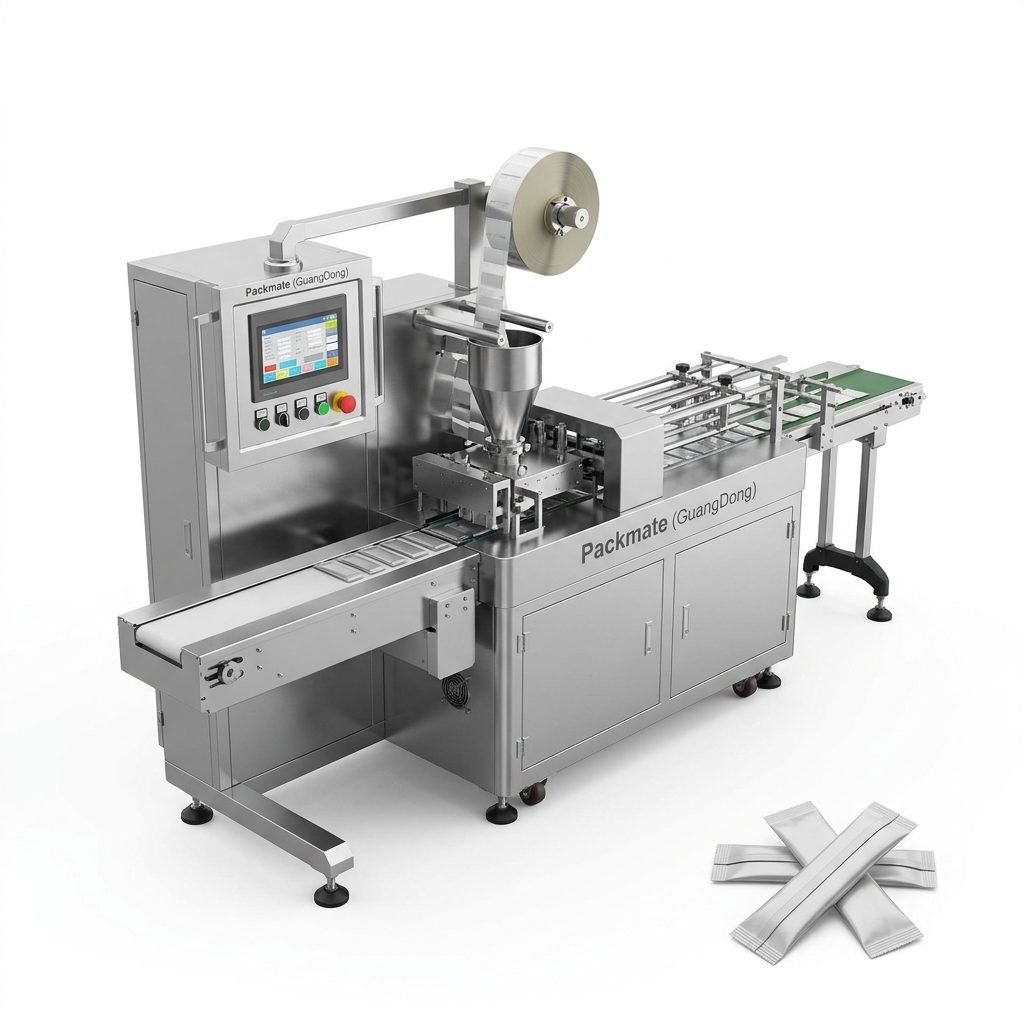
Troubleshooting packaging machines for snus and nicotine pouches requires a clear, methodical approach. This guide walks you through the most common problems, likely causes, and simple fixes you can perform on-site to minimize downtime. The suggestions below are tailored for high-speed stick pack, sachet, and multi-lane snus lines used in modern factories. For machine-specific spare parts or overhaul services, consider the product and service pages such as Snus & Nicotine Packaging Machines, Sachet & Stick Pack Machines, and Service for details.
Common Problem: Film Wrinkling or Misalignment
Film wrinkles or lateral misalignment cause poor sealing, cut errors, and wasted packs. This issue is especially common on multi-lane snus packaging machines where precise film tracking is essential.
Quick check: Inspect film unwind tension, edge guides, and registration marks. Small deviations at high speed magnify into large misalignment.
Likely causes include uneven unwind tension, worn film rollers, damaged sprocket holes, or improper dancer arm adjustment. Fixes:
⚙️ Re-tension the film unwind and confirm dancer arm moves smoothly with correct spring preload.
⚙️ Replace worn rollers or guide strips and ensure registration marks are clean and detected correctly by the photoeye.
⚙️ For multi-lane systems, verify lane-to-lane film alignment before running at full speed.
Common Problem: Inconsistent Pouch Weight or Filling Variations
Weight fluctuations result in underfilled or overweight sachets and can come from upstream weighing or dosing systems. For nicotine pouches and snus, dosing accuracy is critical for product compliance and customer satisfaction.
Important: Check the weigh station calibration and material flow before adjusting machine speed.
Common causes: clogged feeders, inconsistent hopper feed, worn augers, incorrect fill time, or malfunctioning load cells.
Fixes:
✅ Clean feeder paths and check for bridging in hoppers. Use vibration or agitators for sticky snus blends.
✅ Recalibrate load cells and verify that the dosing software settings match the product weight target.
✅ Inspect and replace worn dosing screws or weighing buckets; confirm that the PLC timing for fill cycles is correct.
Sensor & Electrical Faults
Sensors that misread registration marks, presence checks, or safety interlocks can halt production or cause defective packs. Electrical noise, loose connectors, or damaged cables are common sources.
Pro tip: Keep spare sensors and a basic multimeter in your maintenance kit.
Troubleshooting steps:
🔍 Visually inspect sensor lenses for dust or film residue and clean with appropriate solvent.
🔍 Check connectors for corrosion or looseness; reseat and tighten. Replace damaged cables immediately.
🔍 Use the machine HMI diagnostics to view sensor signals and confirm trigger thresholds.
Sealing Problems: Incomplete or Burnt Seals
Weak seals allow product leakage; overheated seals char the film and weaken pack integrity. Both lead to product waste and customer complaints.
Causes: incorrect temperature settings, worn sealing jaws, contaminated sealing surfaces, or inconsistent film type.
Fixes:
🔧 Verify the heater set-points in the HMI and match them to the film supplier recommendations. Different laminates need different temperatures.
🔧 Clean the seal bars and replace Teflon covers if they are scratched or pitted. Inspect silicone rubber pads and replace if deformed.
🔧 When changing film type, perform a sealing test at reduced speed and document optimized settings for future runs.
Mechanical Wear: Bearings, Belts and Cutting Knives
Mechanical components wear over time. Symptoms include increased vibration, unusual noise, drift in registration, or inconsistent cutting.
Checklist: Lubrication, bearing temperature, belt tension, and knife sharpness.
Maintenance actions:
✅ Implement a scheduled lubrication program using recommended lubricants from your machine builder.
✅ Monitor bearing temps with an infrared thermometer; replace bearings before catastrophic failure.
✅ Sharpen or replace knives and check cutting clearances to ensure clean, burr-free edges on pouches.
Air & Vacuum System Issues
Many packaging machines rely on compressed air for actuators and vacuum for film hold-down or pick-and-place operations. Pressure fluctuation or contaminated air reduces performance.
Symptoms: slow actuator response, intermittent vacuum cups, or popped pneumatic fittings.
Fixes:
🔧 Drain condensate from air receivers and filters daily. Replace filter elements as scheduled.
🔧 Check vacuum generator performance and clean or replace porous vacuum cups that have become clogged with dust or product residue.
🔧 Tighten or replace leaking fittings and verify system pressure at source and at machine regulator points.
Product-Specific Considerations for Snus & Nicotine Pouches
Snus and nicotine pouches have moisture-sensitive blends and sometimes fine powders which behave differently from food granules. Proper environmental control and specialized handling reduce quality issues.
Factory tip: Use dehumidified storage, and ensure dosing equipment has appropriate anti-bridging measures for hygroscopic powders.
Also consider material compatibility with sealing films and verify that pouch papers or substrates are approved for nicotine product contact. For more machine options and customizations see Bag & Pouch Packaging Machines and Filling & Packaging Lines.
Step-by-Step Troubleshooting Checklist (Quick Reference)
1. Stop production, lockout/tagout and perform a safety check before any mechanical inspection.
2. Check film tracking and unwind tension.
3. Verify sensor signals and electrical connectors.
4. Inspect sealing jaws and test temperature settings.
5. Clean feeding and dosing paths; recalibrate weighers if needed.
6. Inspect belts, bearings and cutting knives for wear.
7. Verify compressed air and vacuum performance.
8. Run a controlled test at reduced speed and confirm acceptable output before resuming full production.
When to Call Technical Support or Order Spare Parts
If you have repeated failures after basic maintenance, persistent PLC alarms, or suspect gearbox/electrical drive faults, contact your machine manufacturer for assistance. Packmate offers global support and spare parts; see About Packmate, Service, and Contact Us for details and case studies.
Emergency action: For sudden production stops, document error codes, collect suspect parts for inspection, and record machine speed, product batch, and environmental conditions to help diagnostics.
Operational Tips to Reduce Future Downtime
Regular preventive maintenance, operator training, and maintaining a small stock of critical wear parts will keep your snus packing line reliable. Consider customized spare kits and service contracts to match your production demands. For solutions and examples, review Case studies and Catalog pages.
Useful Resources & Links
Explore relevant machine lines and technical resources:
• Snus & Nicotine Packaging Machines
• Sachet & Stick Pack Machines
• Service and Contact Us for spare part requests.
Summary: Fast Fixes and Preventive Measures
Most downtime events are preventable with routine checks: keep films and sensors clean, maintain stable air and vacuum supplies, schedule bearing and knife replacements, and calibrate dosing equipment regularly. For persistent or complex issues, escalate to factory technical support with detailed logs and machine diagnostics.
Frequently Asked Questions (FAQs)
Q: What is the fastest way to identify a film tracking issue? — A: Run the machine at low speed while observing the registration marks and dancer arm movement; a steady drift indicates tension or guide problems.
Q: How often should sealing jaws be inspected? — A: Inspect daily for residue and weekly for wear; replace Teflon and silicone parts as soon as surface damage appears.
Q: Can we run multiple snus formulations on the same line? — A: Yes, but ensure you document setup changes (temperature, fill timing, anti-bridging measures) and schedule cleaning between runs for sticky or hygroscopic blends.
Q: What spares are essential to keep on-hand? — A: Spare sensors, sealing elements (Teflon/silicone), knives, belts, bearings, and common pneumatic fittings.
Q: Where can I find more machine details and case studies? — A: Refer to the product pages and Case examples for multi-lane solutions and turnkey lines.