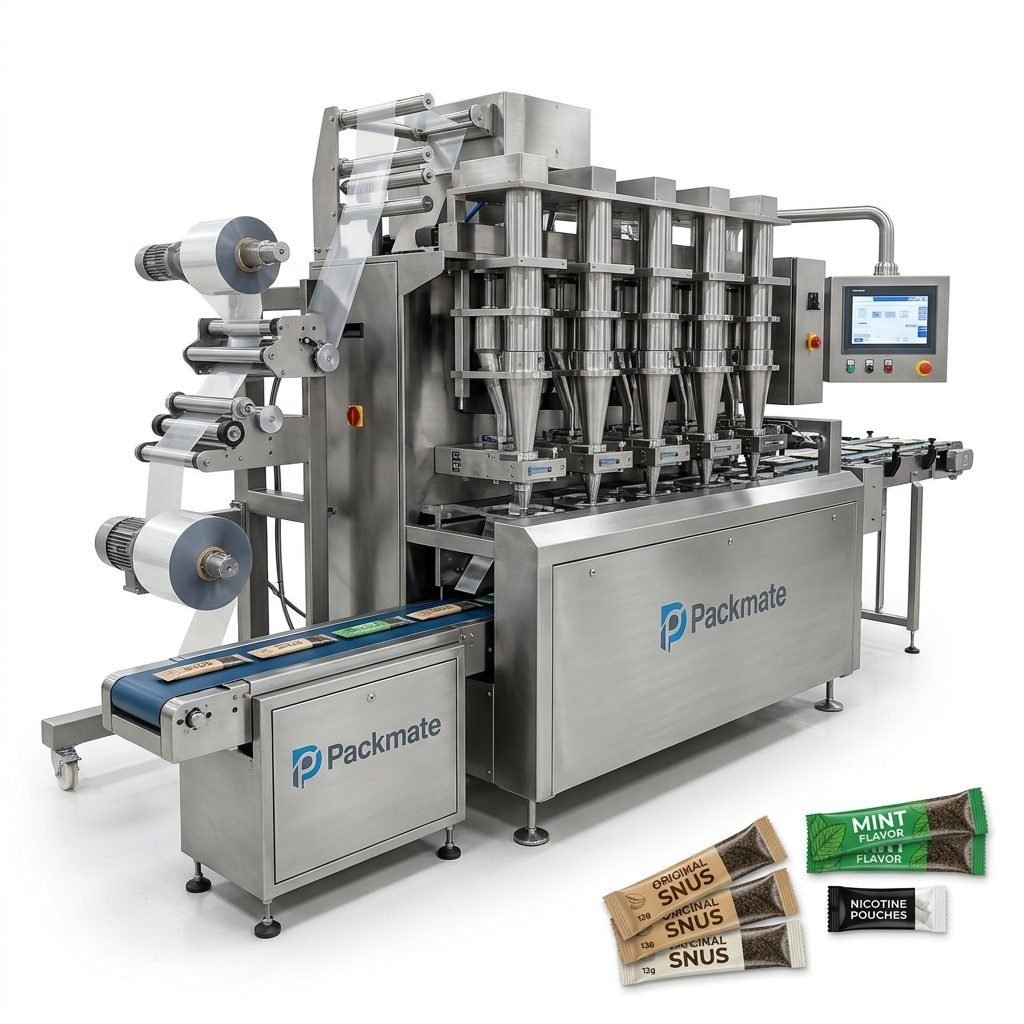
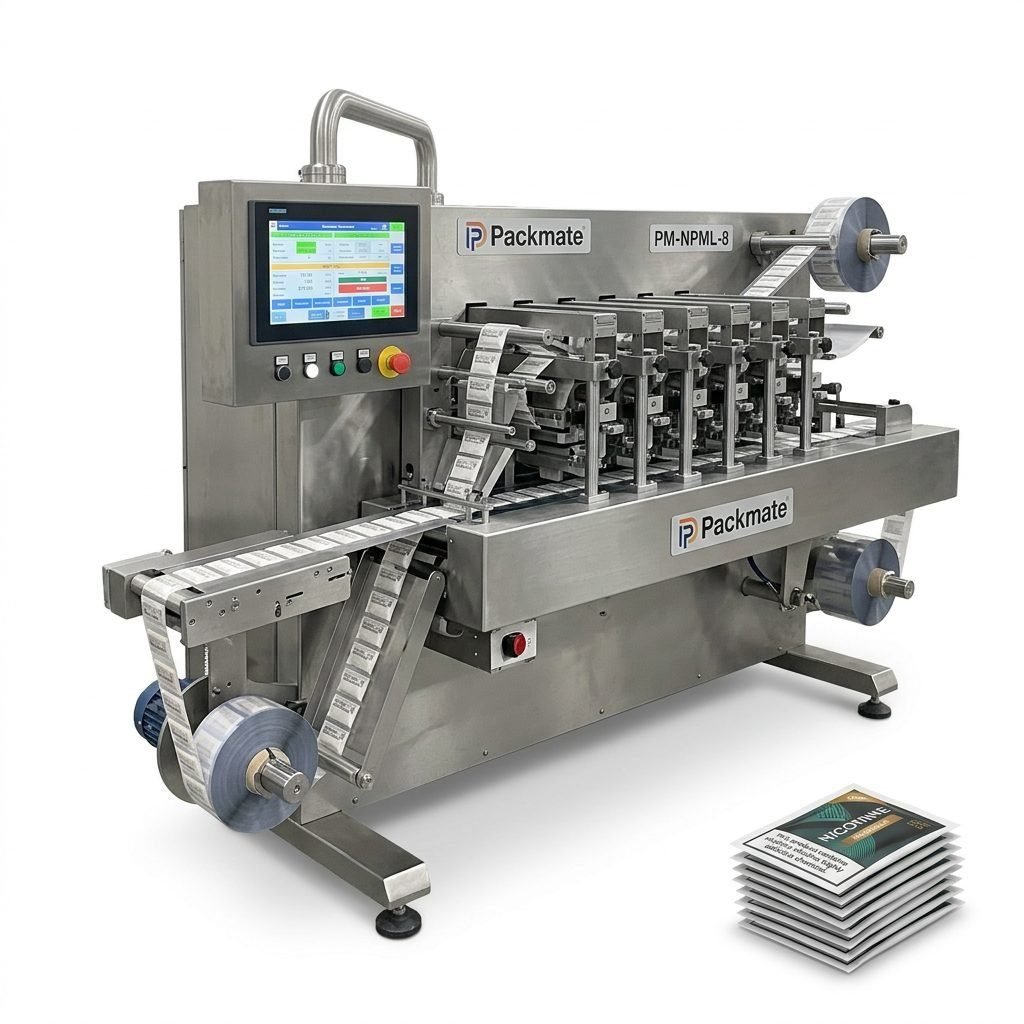
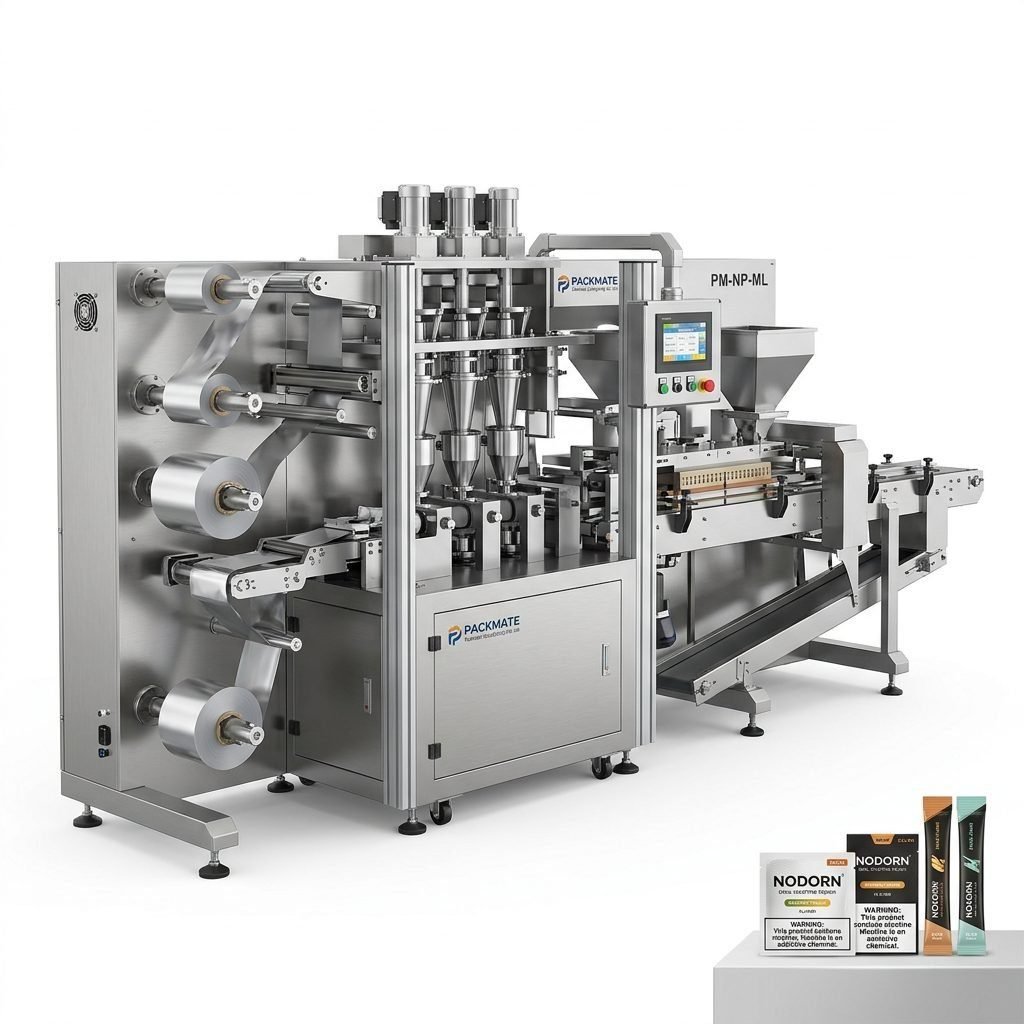
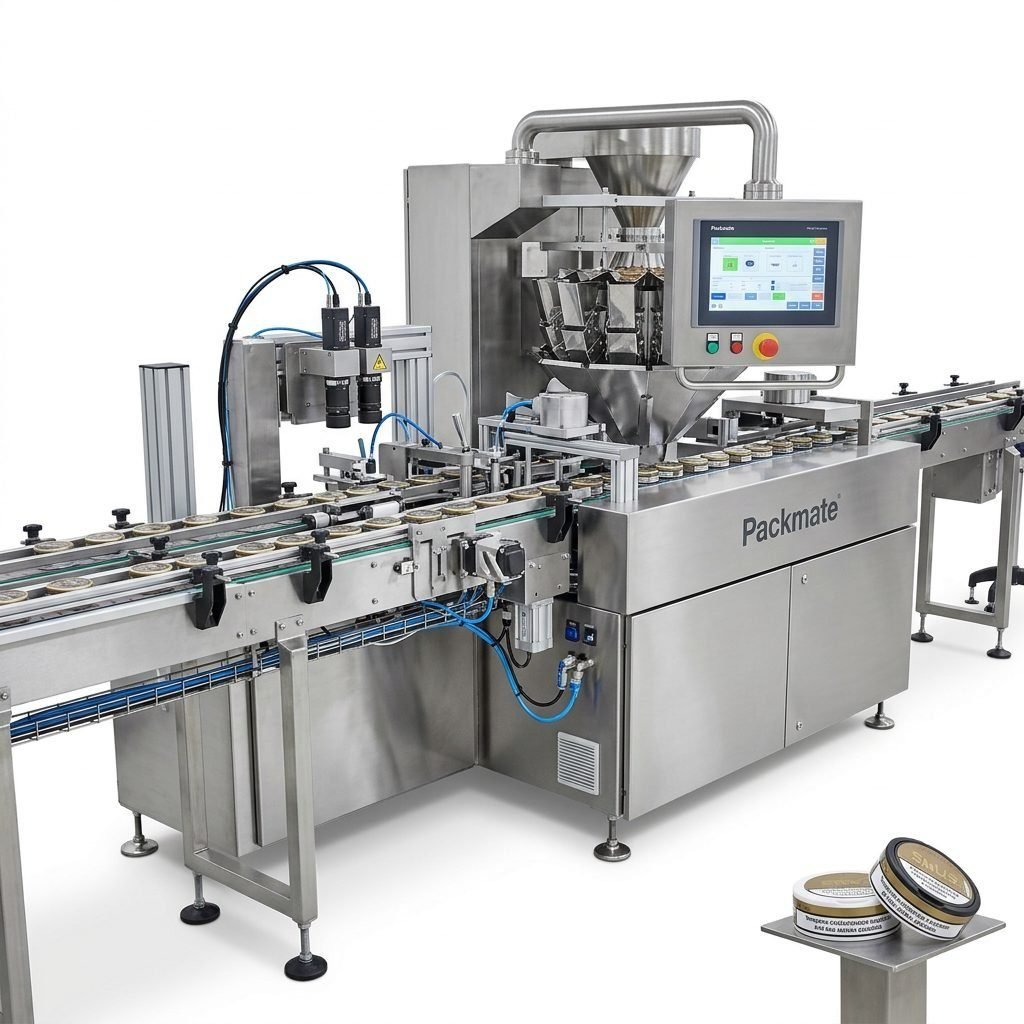
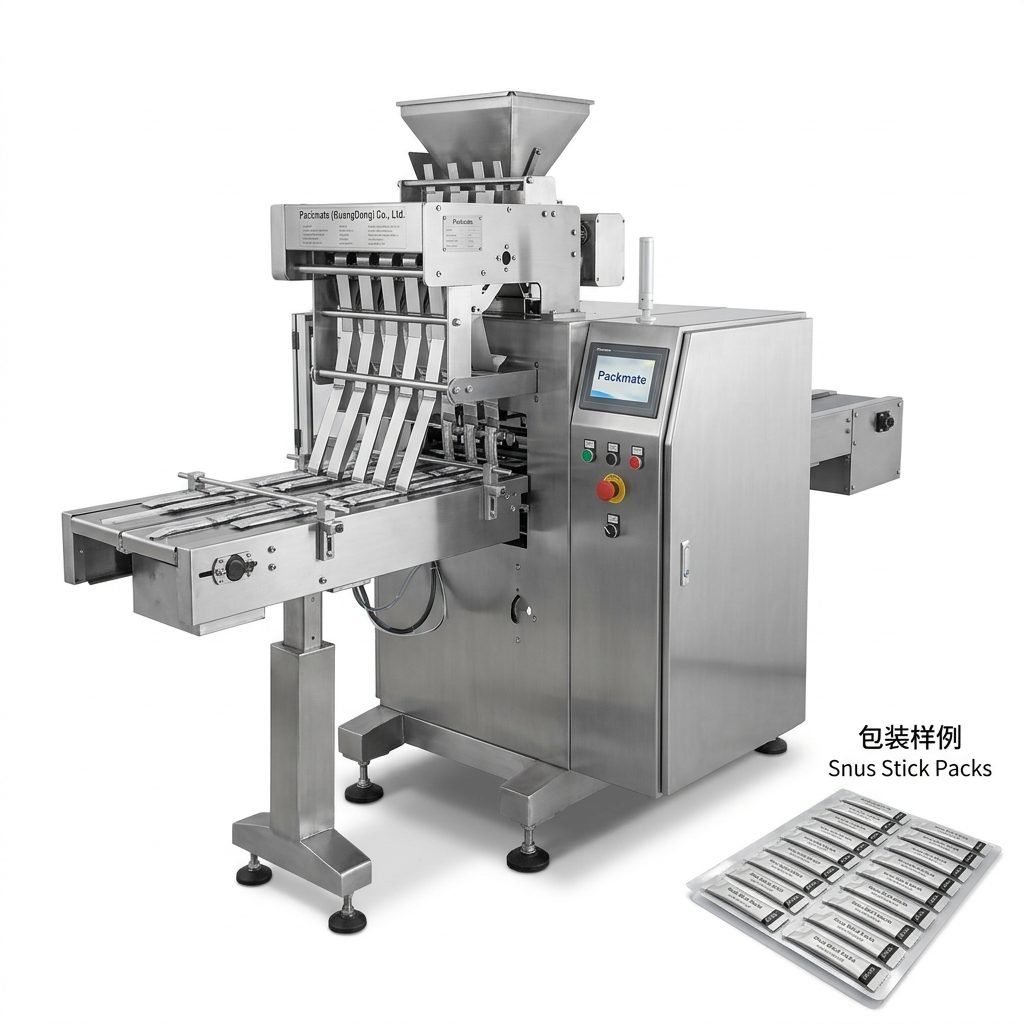
Entering the Moroccan market with snus or nicotine pouch products requires more than just an attractive formula and brand — it demands the right packaging machinery partner. Choosing the best snus packaging machinery manufacturer in Morocco (or for supply into Morocco) can determine production uptime, compliance with local preferences, and your ability to scale. This guide walks you step-by-step through everything you need to evaluate, from technical capabilities to after-sales service and cultural business practices in Morocco.
⚙️ Understand the Moroccan Context and Consumer Habits
Morocco is a market where traditional tobacco products (cigarettes and shisha) remain popular, and consumer interest in novel nicotine formats is growing gradually. Business culture often emphasizes long-term relationships, trust, and clear face-to-face communication. When sourcing packaging machinery for snus or nicotine pouches, keep in mind:
• Many buyers expect demonstrations and proof of reliability before committing. On-site trials or video demos are highly valued.
• French and Arabic are commonly used in professional settings; documentation and communication in French can smooth negotiations.
• Regulatory scrutiny and import rules may differ from EU or North American markets — ensure your packaging solutions can meet Moroccan customs and health authority requirements.
📦 Key Selection Criteria: What Matters Most
When evaluating manufacturers for snus packaging machinery, focus on these critical areas:
1. Production Capacity & Machine Types
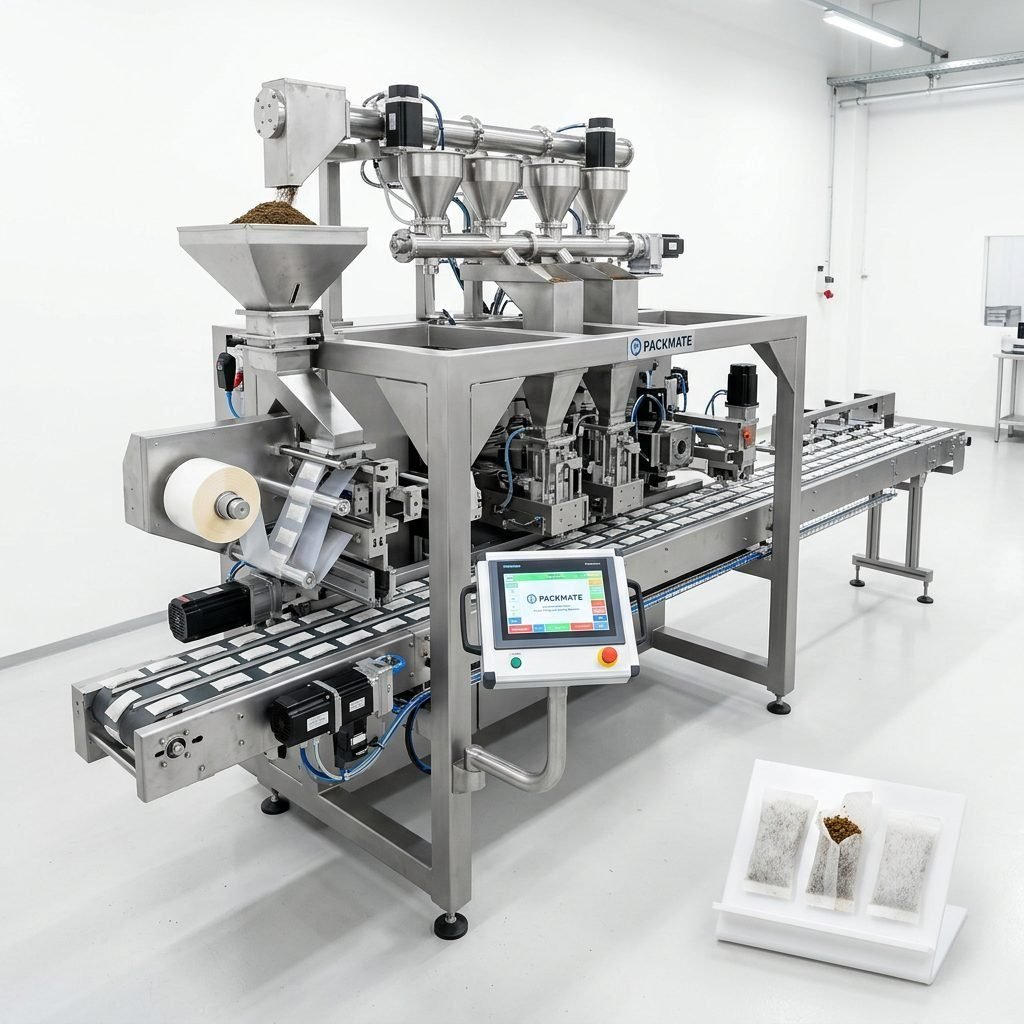
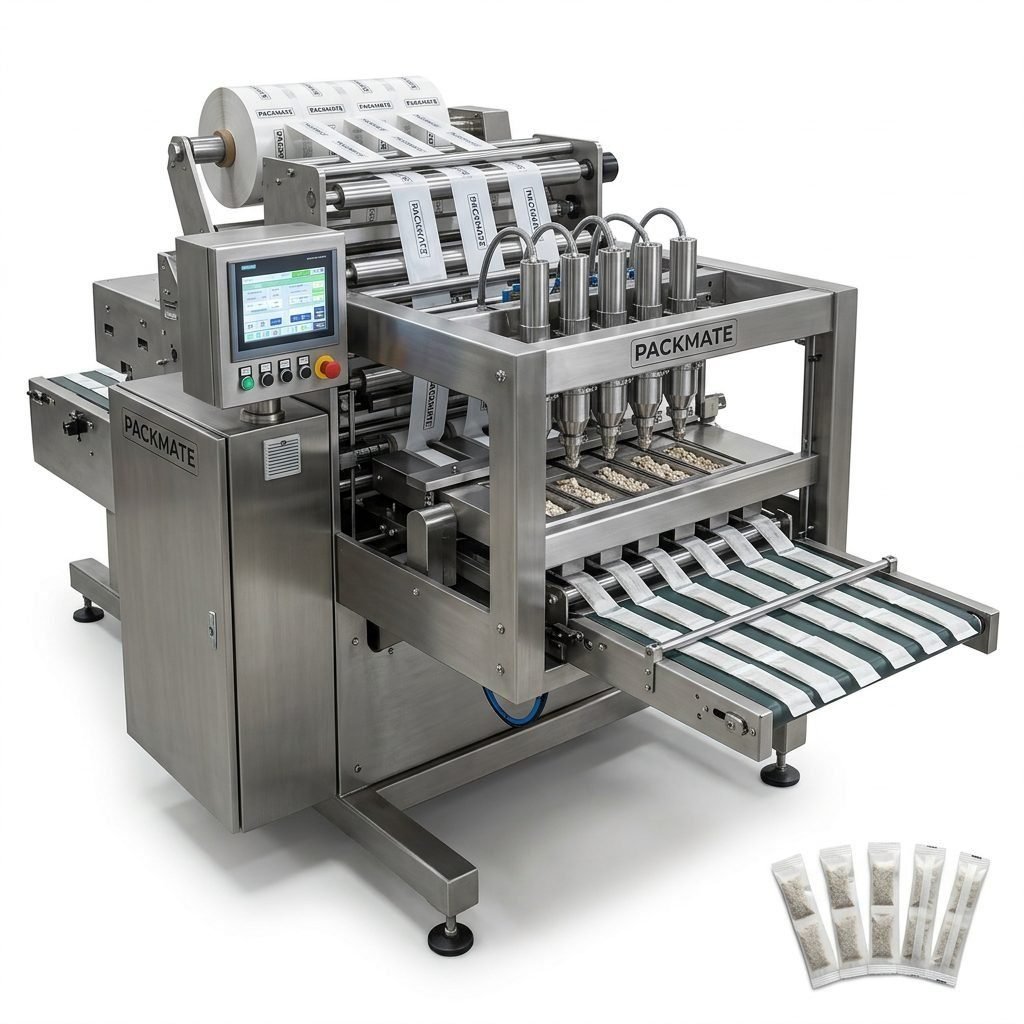
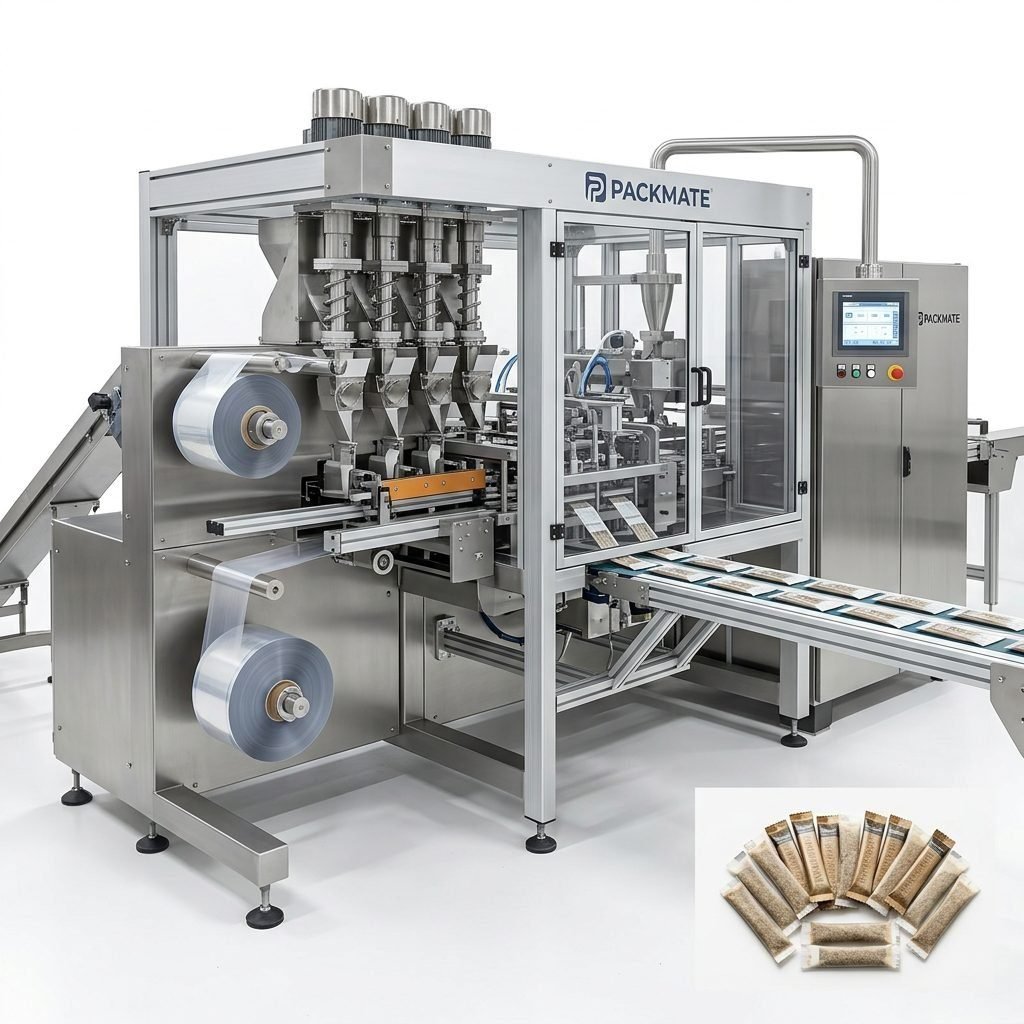
Assess whether the supplier offers machines that match your target volume and pouch format. Typical options include stick packs, sachets, multi-lane pouch machines, and specialized nicotine pouch lines. If your plan includes multiple SKUs or scaling rapidly, prioritize modular systems and multi-lane configurations.
2. Precision for Small-Dose Pouches
Nicotine pouches often require accurate dosing and tight weight control. Look for manufacturers with experience in small-dose, high-precision filling, and integrated weighing systems to reduce waste and ensure compliance. A proven record with multi-lane small-dose equipment is a strong indicator of capability.
3. Reliability & Durability
Minimize downtime by choosing robust mechanical design and high-quality components. Ask about MTBF (mean time between failures), spare parts lead times, and the availability of local technical support or trained service partners in Morocco or nearby regions.
✅ Technical Features to Prioritize
The following technical features will directly impact product quality, operator safety, and operational efficiency:
Precision Filling & Weighing Integration
Ensure the line includes accurate dosing systems and compatibility with weighing modules. Integrated weighing and rejection systems help maintain net weight compliance and reduce product giveaway.
PLC & HMI Controls
Modern PLCs with intuitive HMIs enable quick format changes and easier troubleshooting. Check for multilingual HMI options (French and English are helpful in Morocco).
Hygiene & Cleanability
For consumable products, machine design must support easy cleaning and sanitary operation. Stainless steel contact parts and hygienic design standards are essential.
Safety & Compliance
Verify CE/ISO certifications and ensure the machine can be adapted to local electrical standards and safety regulations. Documentation and certificates speed customs clearance and factory acceptance.
Tip: Look for manufacturers that publish detailed machine models and case studies — evidence of real-world installations reduces risk. For example, you can review specialized product pages like Snus & Nicotine Packaging Machines to confirm technical alignment.
🏭 Factory Capabilities & Quality Controls
A manufacturer’s production environment and quality system directly affect machine consistency and lead times. Key indicators to check:
• Workshop size and machining equipment — advanced CNC centers indicate precision manufacturing.
• Assembly lines and quality test stations — full assembly and in-line testing reduce commissioning time.
• Certifications (CE, ISO) and traceability systems — essential for export and Moroccan customs clearance.
Example Manufacturer Strengths
A manufacturer with 30+ years of experience, a 20,000㎡ facility, and 50+ machine models offers depth in R&D and customization — features that matter when you need turnkey solutions or tailored lines.
🤝 After-Sales Support, Spare Parts & Training
After-sales becomes the backbone of a long-term production relationship. Evaluate:
• Spare parts availability and shipping time to Morocco — long lead times can cripple production.
• Remote troubleshooting and local service partners — remote diagnostics reduce unnecessary travel.
• Operator & maintenance training — onsite or virtual training packages that include manuals in French or Arabic are a big advantage in Moroccan operations.
Must ask: Does the supplier offer a local point of contact, quick spare shipment, and documented training? Check the manufacturer’s service offerings — for example see their Service page for typical packages.
🔧 Customization & Turnkey Solutions
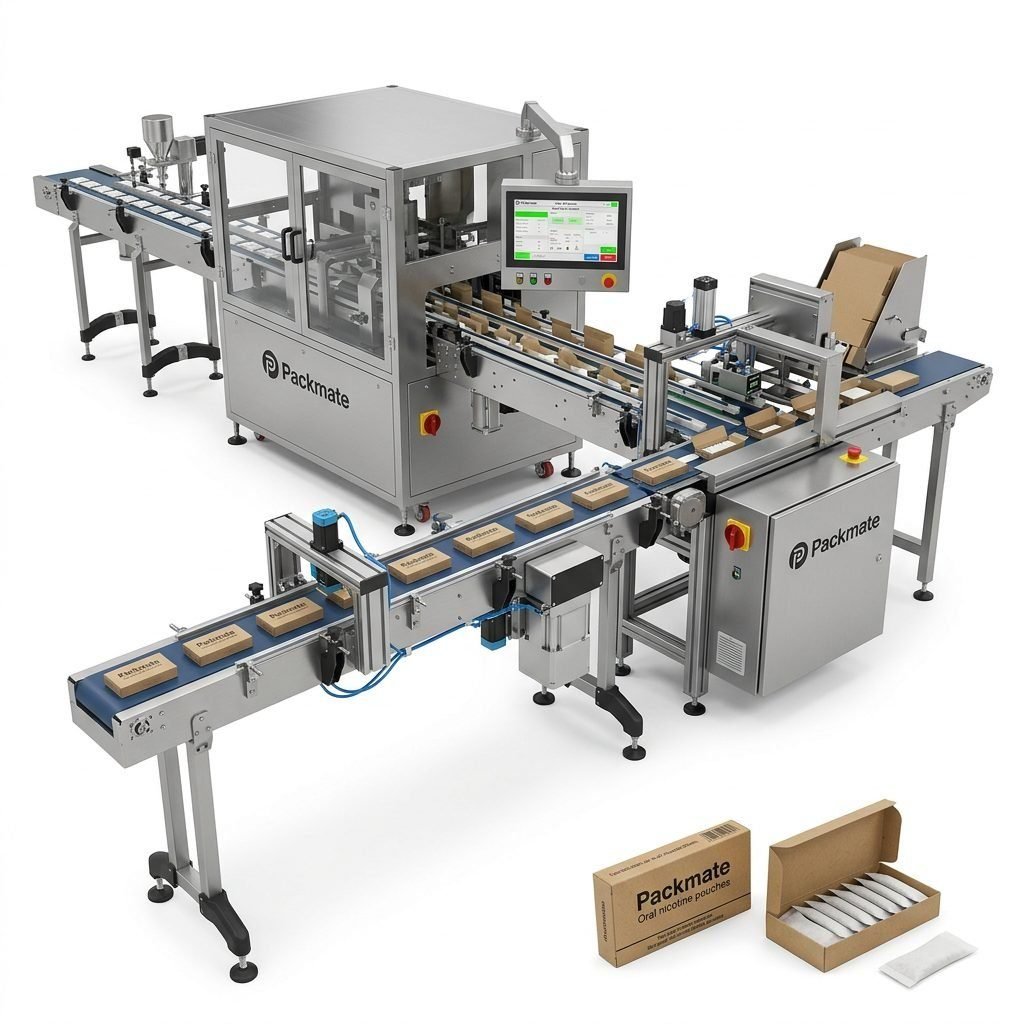
Many brands entering Morocco need customized packaging or integrated lines including feeding, dosing, weighing, and case packing. A vendor that provides turnkey solutions can reduce your integration burden and shorten time to market.
Verify their ability to:
• Provide full documentation and electrical drawings for local electrical installation.
• Integrate secondary packaging modules (cartoning, case packing) if required.
• Offer automation options for high-speed, multi-lane production lines.
📋 Compliance, Documentation & Certificates
Documentation speeds customs clearance and ensures safe operation. Essential documents include CE declaration, ISO certificates, electrical schematics, spare parts lists, and maintenance manuals. If you plan to export finished products, check local Moroccan regulatory requirements and ensure your machine documentation supports them.
For machine certifications and downloadable documents, many suppliers host a certificate page — review their attestation like those found on the Certificate page.
📍 Visiting Factories & Trade Shows
Moroccan buyers often prefer to see machines running. Plan to:
• Attend demonstrations at the manufacturer’s factory or international exhibitions. Suppliers often showcase machines at trade fairs — see their Our Exhibition listings to coordinate visits.
• Request video demos, F2F factory tours, and references from other African or European installations.
• Negotiate acceptance tests (FAT) and site acceptance tests (SAT) terms — clear pass/fail criteria protect both parties.
💼 Negotiation Tips for Moroccan Business Culture
Building trust is central. Approach negotiations with patience, clear communication, and readiness for in-person meetings. Key tips:
• Be prepared to discuss technical details in French.
• Respect formalities and allow time to build rapport — Moroccan buyers appreciate credibility and references.
• Offer clear warranty terms and fast spare parts solutions to stand out.
Supplier Spotlight: When evaluating a manufacturer, check the company profile and background — long-standing OEMs with deep R&D and manufacturing facilities typically provide better long-term support. Learn more about one such provider on their About Packmate page.
📈 Case Studies & Proven Installations
Ask for case studies and customer references in similar markets. Real-world examples demonstrate how machines perform under local conditions, seasonal demand, and maintenance regimes. Case pages often show diverse applications — from nicotine pouches to tea and powder packaging — which confirms the vendor’s versatility.
If available, request introductions to existing customers in nearby regions to discuss uptime, service responsiveness, and part replacement cycles.
📝 Final Checklist Before You Commit
Before signing a purchase order, ensure the following items are agreed and documented:
• Exact machine model and configuration (lanes, speed, formats).
• Acceptance criteria for FAT/SAT and demo videos.
• Lead times for delivery, installation, and spare parts.
• Warranty terms, training schedules, and remote support options.
• Clear invoicing, shipping (Incoterms), and customs documentation requirements for Morocco.
📞 How to Get Started
Start by requesting technical specifications, video demos, and factory references. If the supplier meets your criteria, plan a factory visit or request a FAT. For direct inquiries and to begin a procurement conversation, use the manufacturer’s contact channels — their Contact Us page usually lists sales and service contacts.
Conclusion
Choosing the best snus packaging machinery manufacturer for Morocco is a strategic decision that combines technical evaluation, cultural awareness, and clear after-sales arrangements. Prioritize precision, reliability, service, and documentation. By doing so, you’ll ensure smooth production, regulatory compliance, and long-term growth in the Moroccan market.
Frequently Asked Questions
Q: What certifications should a snus packaging machine have for export to Morocco?
A: Ensure CE and ISO certifications are available, plus full machine documentation and electrical schematics to facilitate customs clearance.
Q: Can I get training in French or Arabic for Moroccan operators?
A: Many manufacturers offer multilingual training packages — confirm language options upfront and request translated manuals if needed.
Q: How important is visiting the supplier’s factory?
A: Very important. A factory visit or FAT demonstration helps verify machine performance and build trust — Moroccan buyers often prefer vendor visits and proof-of-performance.
Q: What lead time should I expect for a customized snus line?
A: Lead times vary by complexity; a well-equipped OEM with large facilities and in-house CNC capabilities typically reduces delivery time. Clarify delivery schedules and spare parts timelines in the contract.
Q: Where can I find more product details and case studies?
A: Manufacturer product pages and case sections provide in-depth information and real installations — for example review product lines like Snus & Nicotine Packaging Machines and their Case studies.