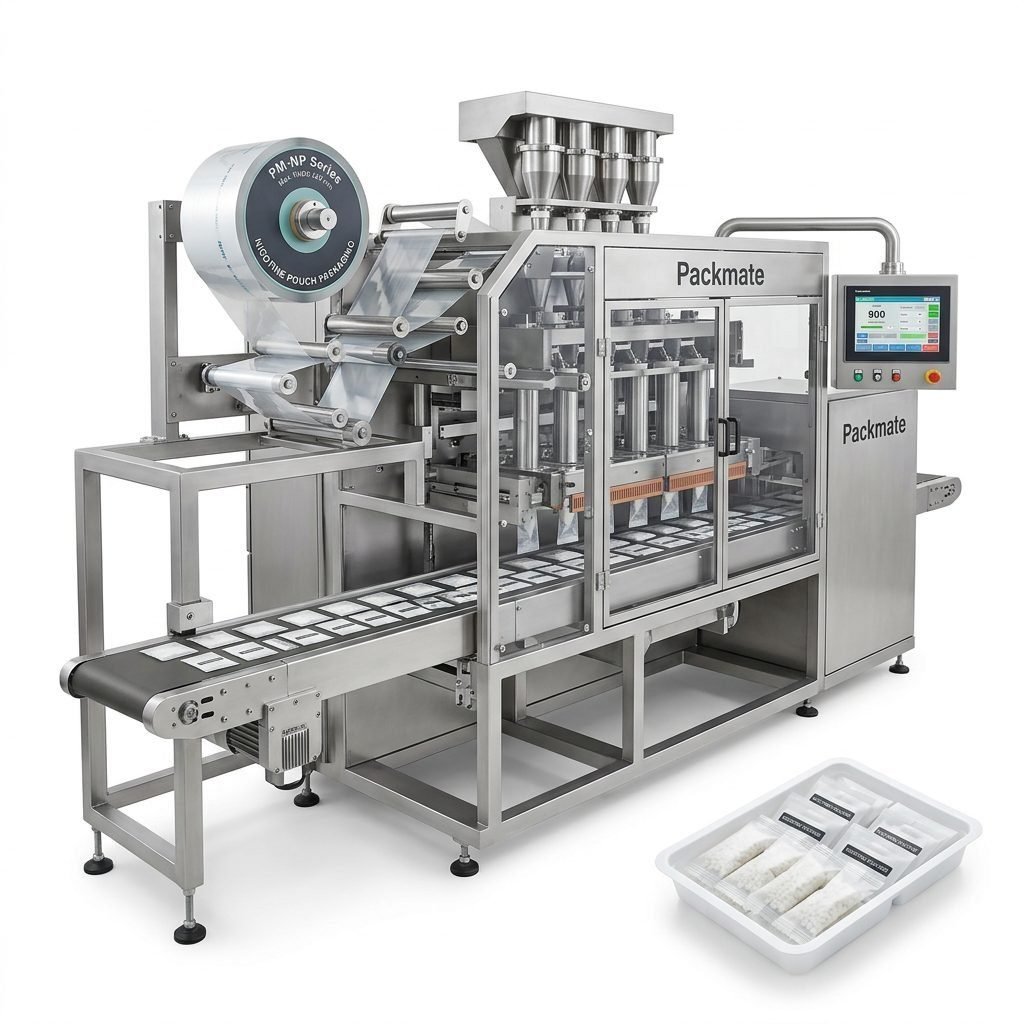
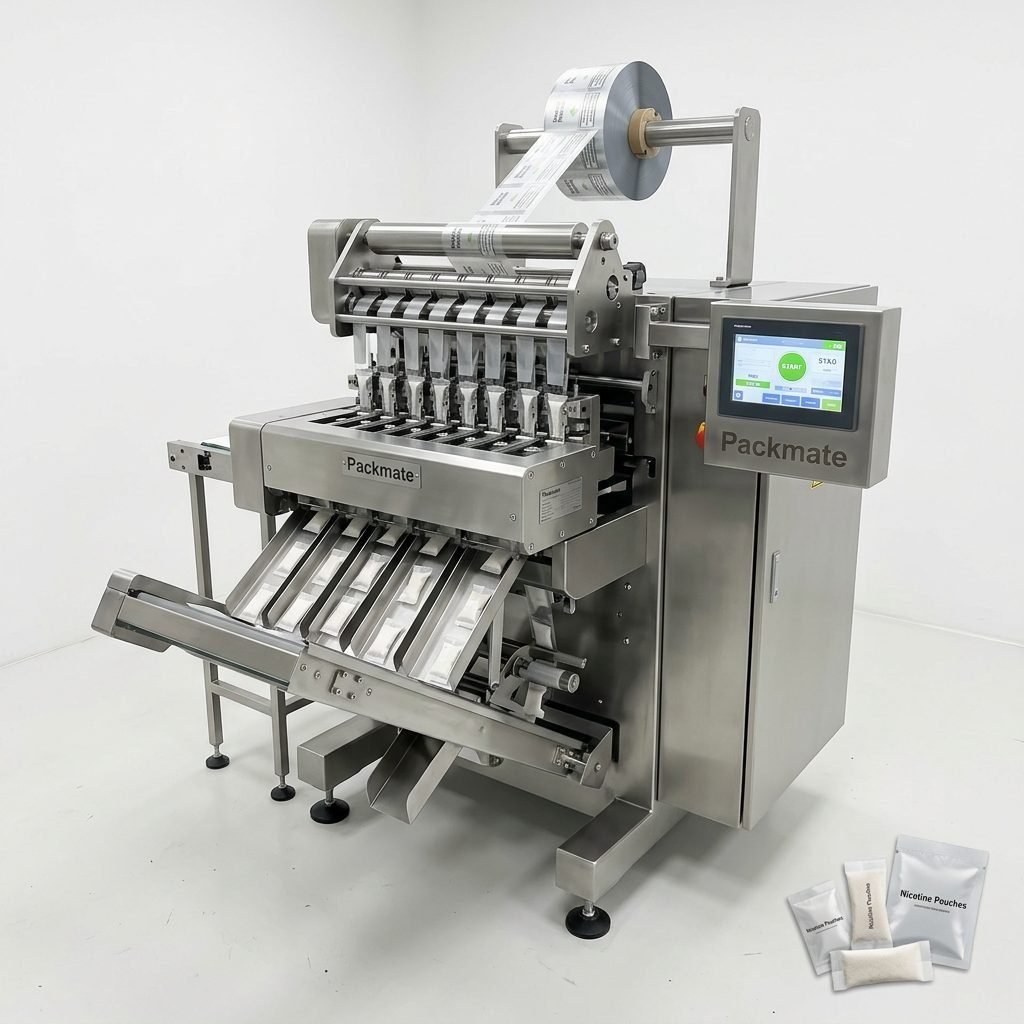
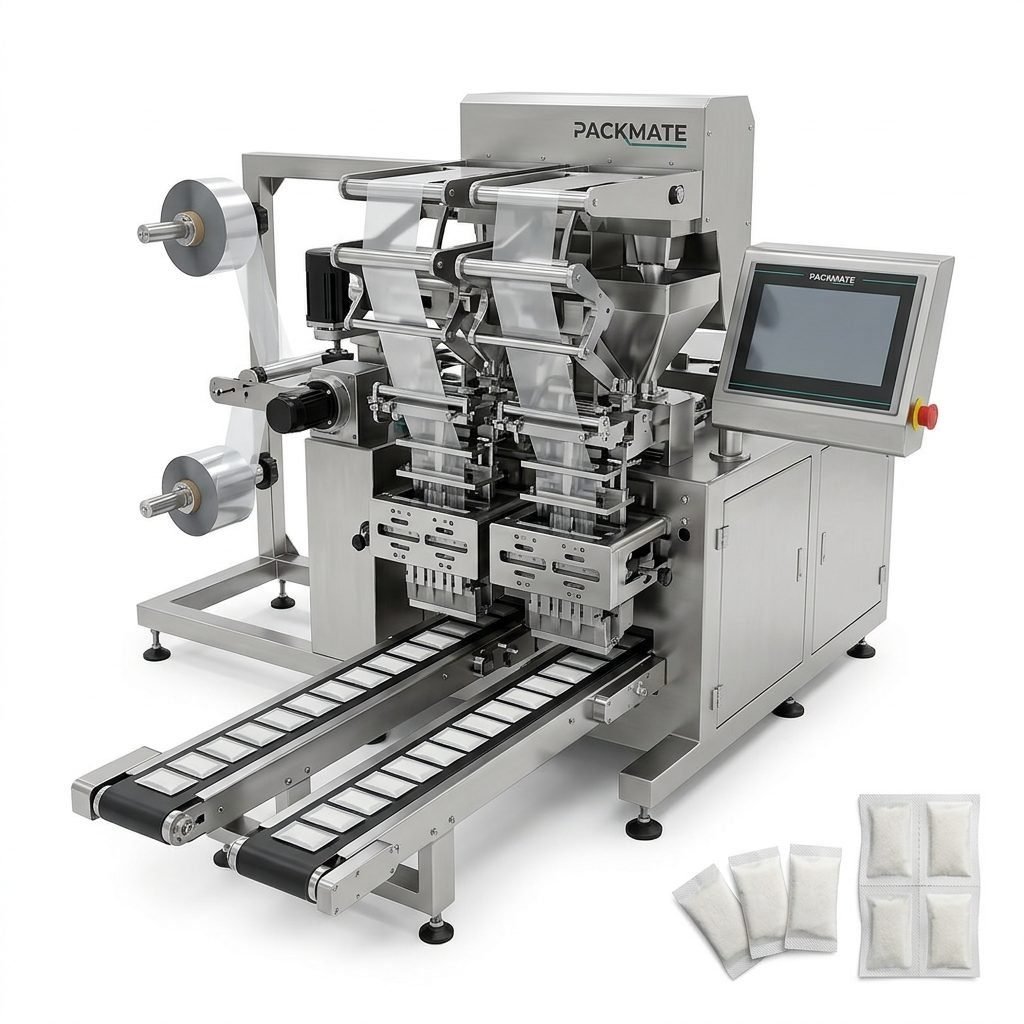
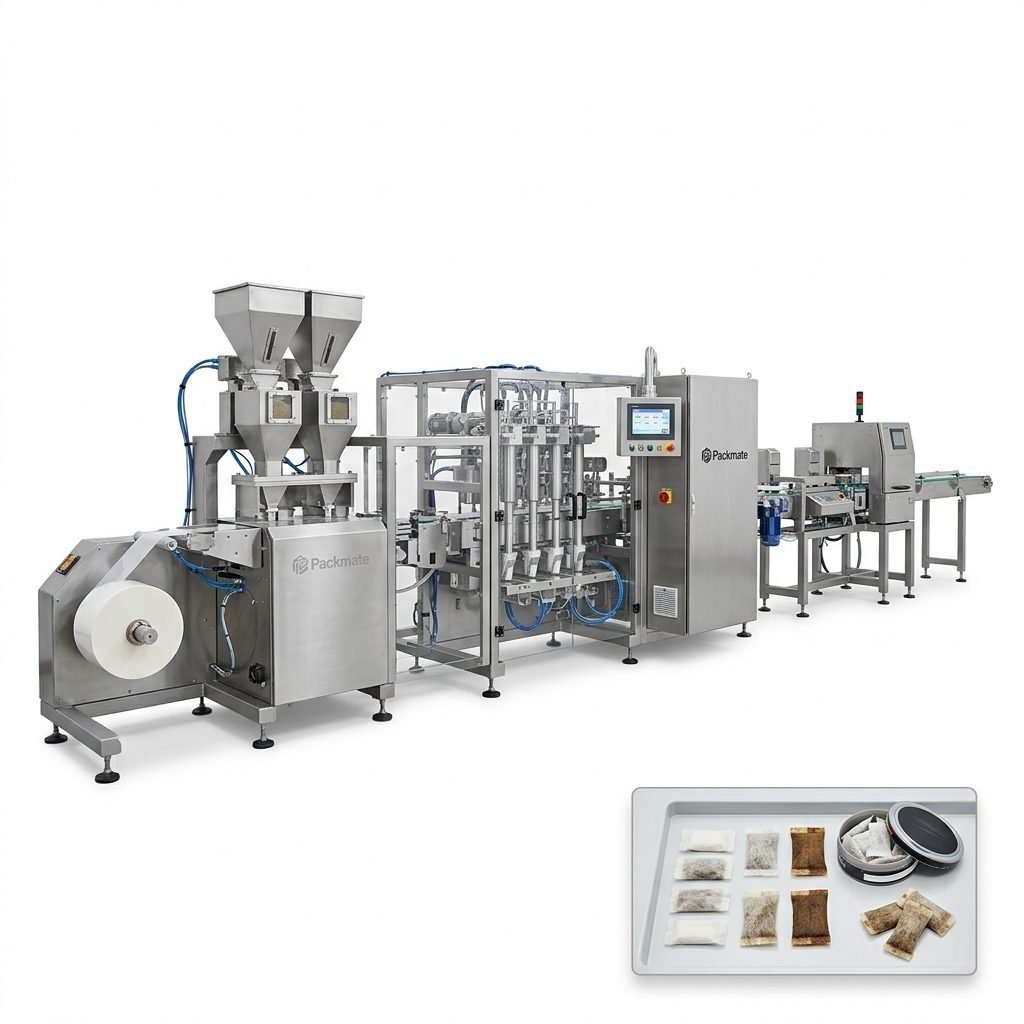
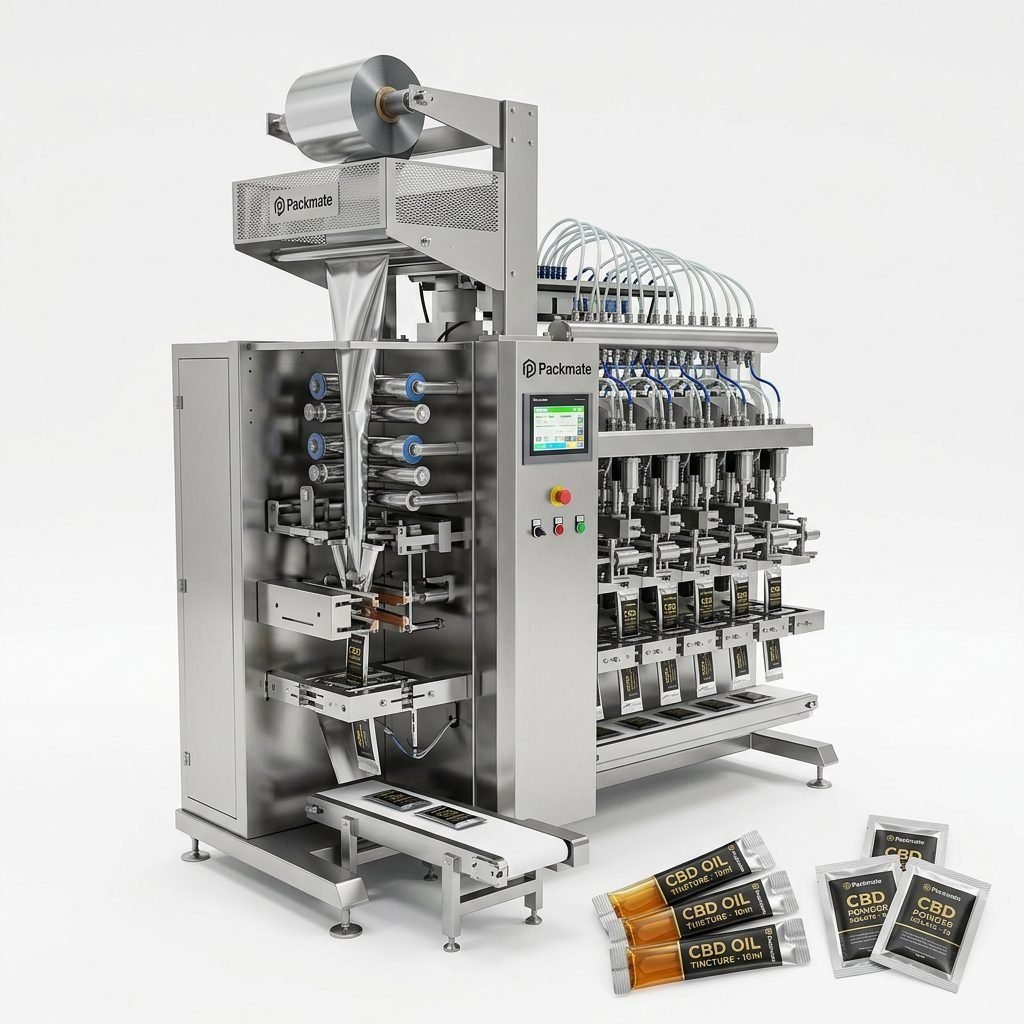
Launching a nicotine pouch or snus brand as a startup means balancing product quality, compliance, and manufacturing costs. Choosing the right packaging machine is one of the most important decisions you will make: it determines production speed, packaging consistency, waste levels, and how fast you scale. This guide walks through affordable, reliable snus packaging solutions tailored to startups, practical buying tips, and why Packmate’s industry experience can help you get to market faster.
Why the Right Snus Packaging Machine Matters for Startups
Poor packaging choices can erode margins, cause regulatory headaches, and damage brand perception. For startups, the right machine should combine affordability with the ability to deliver consistent pouch weight, proper sealing, and attractive presentation. A well-chosen machine also reduces downtime and lowers labor costs — critical factors when margins are tight. Prioritize machines that are designed for small-dose pouches, offer easy changeovers, and support incremental production growth.
Key advantages to look for
Reliability — fewer stoppages and consistent sealing prevents waste. Scalability — ability to upgrade lanes or integrate automation as demand grows. Compliance — CE/ISO certifications and accurate dosing to meet international standards. These three pillars protect your investment and help ensure steady business growth.
Snapshot — Packmate strengths
✓ 30+ years engineering experience ⚙️ • 20,000㎡ factory • 50+ machine models • CE & ISO certified • Global turnkey solutions. For machine options see Snus & Nicotine Packaging Machines and related product categories.
Affordable Machine Types for Startups
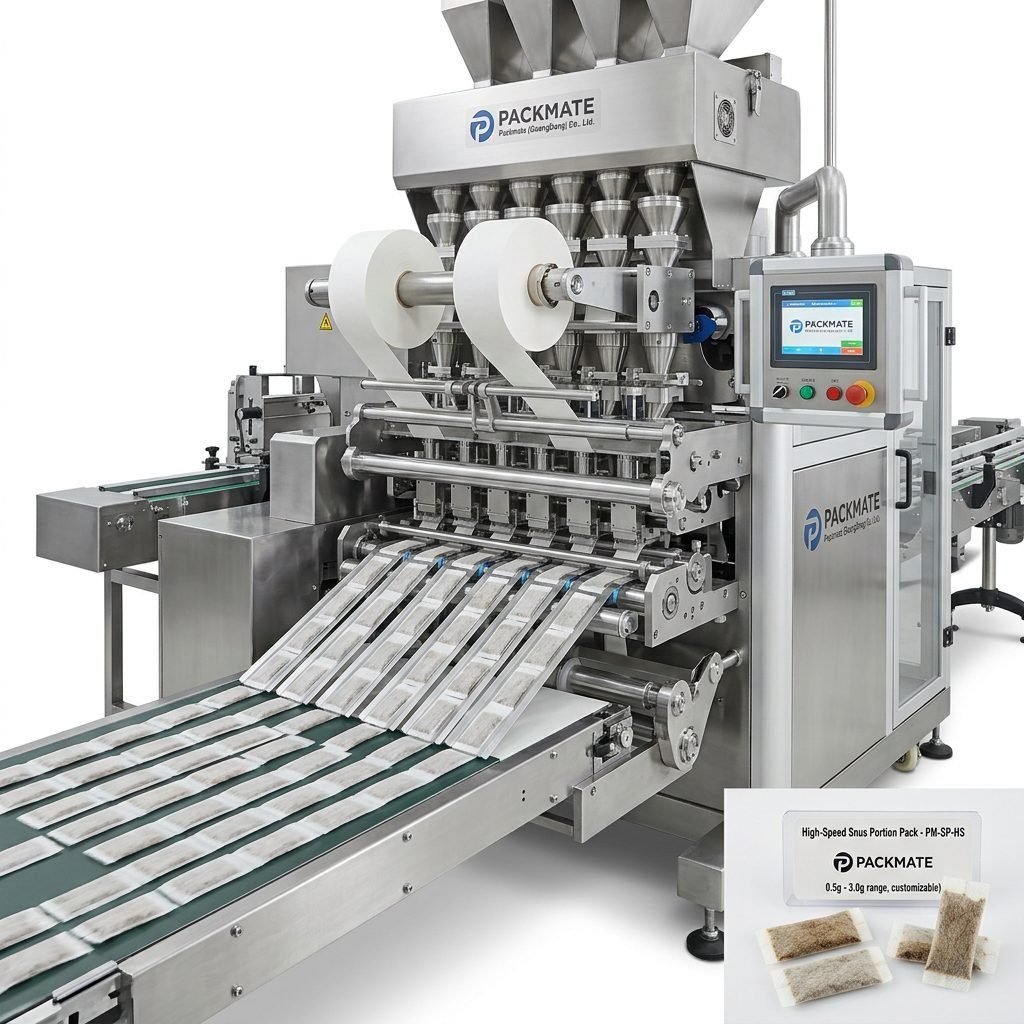
Startups typically choose among several machine categories based on budget and output targets: compact single-lane snus pouch machines, sachet & stick pack systems, small multi-lane machines for moderate scaling, and auxiliary weighing systems. Below are practical options suited to early-stage brands.
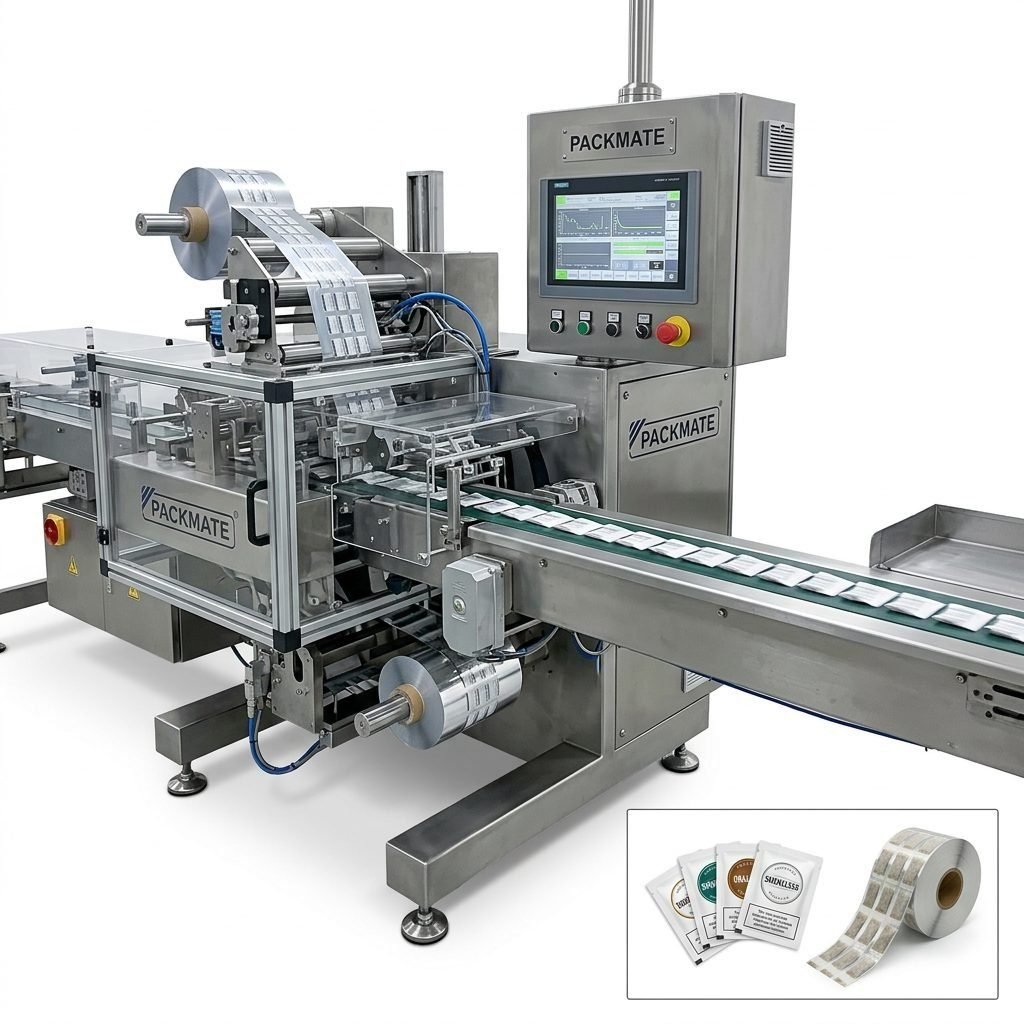
1. Single-lane snus / nicotine pouch machines
Best for very low initial volumes and tight budgets. These machines are compact, easy to operate, and ideal for testing formulations and packaging styles. They minimize capital outlay and are easy to maintain, with straightforward spare-part inventories.
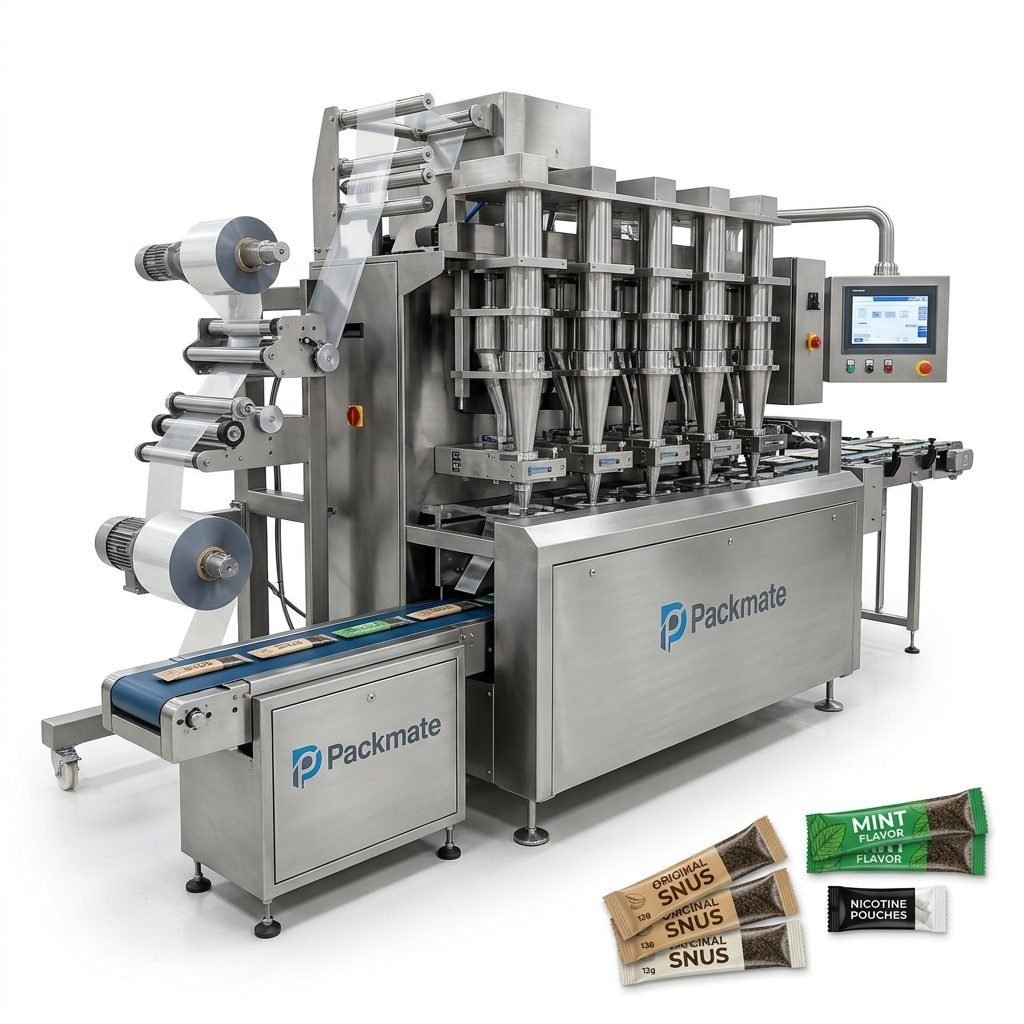
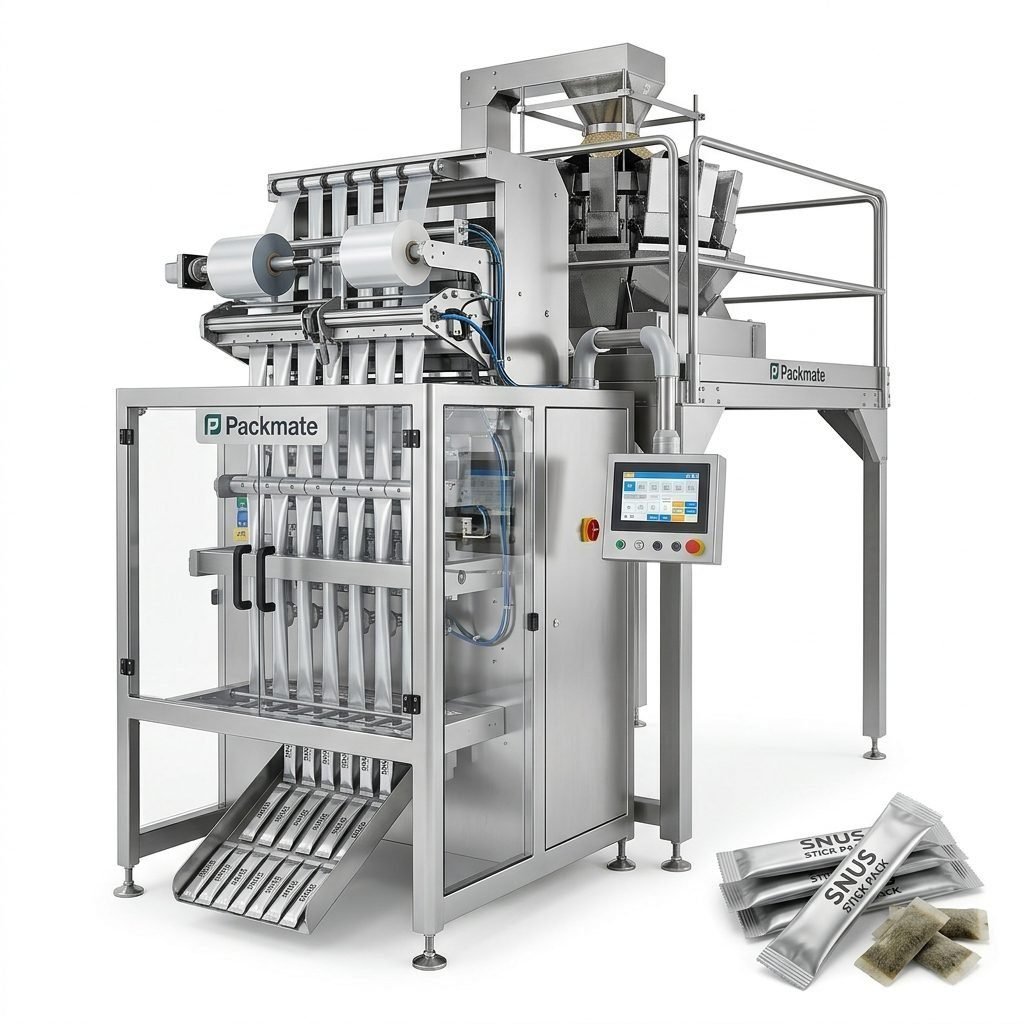
2. Sachet & stick pack machines
Sachet and stick-pack formats offer eye-catching retail presentation and can be cost-effective for flavored nicotine pouches. These machines can often handle granule or powder filling and are flexible for multiple SKU sizes. See examples at Sachet & Stick Pack Machines.
3. Small multi-lane systems
When demand grows, multi-lane systems increase throughput without requiring major floor expansion. They’re a cost-effective way to scale production capacity and are available in modular designs so startups can step up lanes as sales increase.
4. Weighing & filling modules
Accurate dosing is vital for regulated products. Integrated weighing systems reduce product giveaway and ensure consistent pouch weights. For flexible configurations look at Weighing & Packaging Systems.
Tip: Start with the smallest machine that reliably meets your sample and pilot needs. It lowers upfront costs and shortens time-to-market. Upgrades can be planned into your capital roadmap.
How to Choose: Practical Buying Checklist
Use this checklist to evaluate machines and suppliers. It helps separate marketing claims from real-world value.
Production targets and flexibility
Choose a machine that covers projected monthly volumes with a 20–30% buffer. Ensure quick format changes for new SKUs and clear documentation for changeover procedures.
Total cost of ownership (TCO)
Don’t just compare purchase price. Include installation, training, spare parts, power consumption, and expected maintenance. A robust but slightly more expensive machine may cost less in the long run due to reduced downtime.
After-sales service & spare parts
Fast access to parts and responsive technical support is essential. Check if the manufacturer offers local partners, on-site service, or remote support/diagnostics. Packmate maintains global cooperation cases and exhibition presence; learn more at About Packmate.
Budgeting: What an Affordable Startup Setup Looks Like
A practical startup configuration typically includes:
• Compact single-lane pouch or sachet machine (base production) ⚙️
• A small-scale weighing/filling head for accurate dosing 🎯
• Basic sealing and labelling station, plus simple packing accessories. Optionally add an auxiliary machine like a case packer later. Explore auxiliary options at Auxiliary Packaging Equipment.
Example ROI snapshot: If a startup spends on a compact line and achieves steady monthly production with a 35% gross margin on finished pouches, payback can occur within 12–24 months depending on sales ramp. Precise numbers depend on product price, labor, and packaging material costs.
Factory & Manufacturer Considerations
Manufacturing credentials matter. Look for a supplier with a robust factory, CNC machining centers, precision assembly, and strict quality checks. Packmate’s 20,000㎡ facility and 50+ models reflect capacity to deliver both small machines and turnkey lines. Learn about certifications at Certificate.
Pre-delivery acceptance & testing
Insist on factory acceptance tests (FAT) with your actual pouch materials and formulations. FAT reduces surprises at installation and validates performance metrics such as speed, weight accuracy, and seal integrity.
Installation, Training & Lifecycle Support
Proper installation and operator training are non-negotiable. Confirm whether installation is included and whether remote or on-site training is available. Long-term access to manuals, schematics, and spare parts documentation reduces downtime. Check the manufacturer’s service offerings at Service.
Quick checklist for installation:
⚙️ Site power & layout confirmed • 📦 Raw material compatibility tested • 🛠️ Spares kit provided • 👩🏫 Operator training scheduled.
Regulatory & Quality Considerations for Nicotine Pouches
Nicotine pouch products are regulated in many markets. Packaging lines must support proper labeling placement, tamper-evident seals where required, and cleanable designs to support hygiene audits. Machines with traceability options and accurate batch coding systems will make compliance easier. Consult local regulations and be sure your machine supplier understands export requirements for your target markets.
Scaling from Pilot to Production
Plan a roadmap: begin with a pilot machine to validate product-market fit, then move to a multi-lane or integrated line as volumes grow. Modular designs let you add lanes, automated feeding, and secondary packaging without replacing your entire investment.
Where to See Machines in Action
Live demonstrations at trade shows are invaluable. Meet manufacturers at global exhibitions to watch machines operating and ask focused technical questions. Packmate showcases lines at major events — check Our Exhibition for schedules and demos.
Final operational tips
• Keep detailed logbooks for shift performance • Schedule preventive maintenance • Stock critical spare parts • Track yield metrics to reduce giveaway.
Next Steps: Sourcing Your First Machine
Reach out to manufacturers with clear specs: target daily output, pouch formats, material properties, and budget range. Ask for case studies and references. Packmate provides turnkey production advice and global cooperation cases — view client examples at Case and contact details at Contact Us.
Important contact points
When communicating with suppliers, provide a sample pouch or material specification, expected SKUs, and a rough production timeline. Demand clarity on warranty terms, lead time, training, and spare parts support.
Helpful links: Product lines — Snus & Nicotine Packaging Machines, Bag & Pouch Packaging Machines, and Filling & Packaging Lines.
Conclusion
For startups entering the nicotine pouch or snus market, the best packaging machine balances affordability, reliability, and scalability. Start small, validate your product and processes, and partner with an experienced manufacturer that provides clear support and upgrade paths. With the right machine and supplier, you can confidently scale production while maintaining product quality and compliance.
FAQs (Common Questions for Startups)
Q1: What is the minimum production capacity a startup should target?
It depends on market and sales channels. A conservative pilot target is a few thousand pouches per month; many single-lane systems comfortably handle this. Plan with a 20–30% buffer.
Q2: How much should I budget beyond the machine cost?
Include installation, training, spare parts, tooling for different pouch sizes, packaging materials, and initial consumables. Typically add 20–40% to the machine price for a realistic total startup budget.
Q3: Do I need multi-lane machines from day one?
Not usually. Start with a single-lane or small multi-lane pilot setup and scale to more lanes as demand justifies the capital expense. Modular systems simplify this transition.
Q4: How important is supplier support and spare parts availability?
Extremely important. Fast access to parts and technical support reduces downtime. Choose suppliers with global service networks or clear remote-support procedures.
Q5: Where can I see real machine demos or get references?
Attend industry exhibitions or request factory acceptance videos and client references. Manufacturer pages like Packmate list exhibitions, cases, and contact options to arrange demos.