Choosing the right snus production machine is a critical step for factories aiming to scale nicotine pouch and snus production while ensuring consistent quality, regulatory compliance, and cost efficiency. This guide walks you through practical selection criteria, machine types, factory integration tips, and post-purchase considerations — all based on industry best practices and decades of packaging engineering experience.
Why choosing the right equipment matters
The right snus packaging line impacts product consistency, production uptime, waste rates, and total cost of ownership. A suboptimal choice can lead to frequent stoppages, high maintenance costs, and regulatory headaches. Focus on machines that balance accuracy, speed, and reliability.
Quick checklist before you start
⚙️ Product format (pouches, sticks, sachets) — are you making single-dose or multi-dose products?
📈 Target capacity — daily/hourly throughput target and future growth projections.
🛠️ Automation level — manual, semi-automatic, or fully automated lines with upstream/downstream integration.
Key technical considerations
1. Production capacity and scalability
Decide your required throughput in pouches per minute and daily output. Some factories start with a single-lane sachet machine and later expand to a multi-lane system. If you expect rapid growth, prioritize machines that can be upgraded to add lanes or integrate multiple forming heads without major replacement.
2. Product compatibility & flexibility
Different snus forms (powder, granule, paste-like nicotine fillings) require specific dosing and sealing solutions. Choose equipment that supports multiple pouch shapes and materials, and that offers easy format changeovers. Flexible tooling reduces downtime during SKU changes.
3. Dosing accuracy and weighing systems
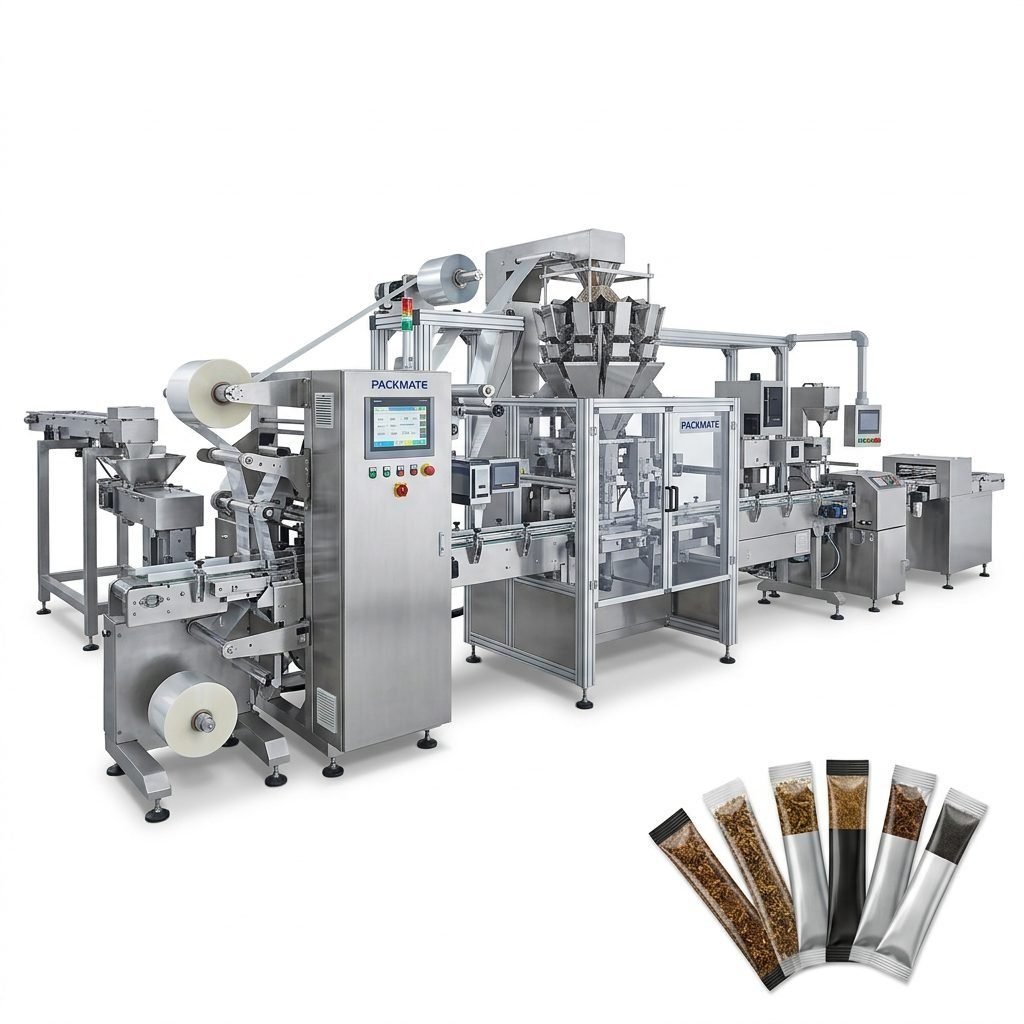
For nicotine pouch products, consistent dosage is essential for regulatory compliance and customer satisfaction. Look for integrated precision weighing and multi-head feeders or auger fillers with repeatability within acceptable tolerances. Consider combined weighing & feeding modules for high-speed lines.
4. Hygiene, materials & cleanability
Stainless steel construction, sanitary design, and easy-access parts reduce contamination risk and speed cleaning procedures. Machines designed for quick disassembly and CIP-compatible components shorten product changeover times.
5. Automation & integration
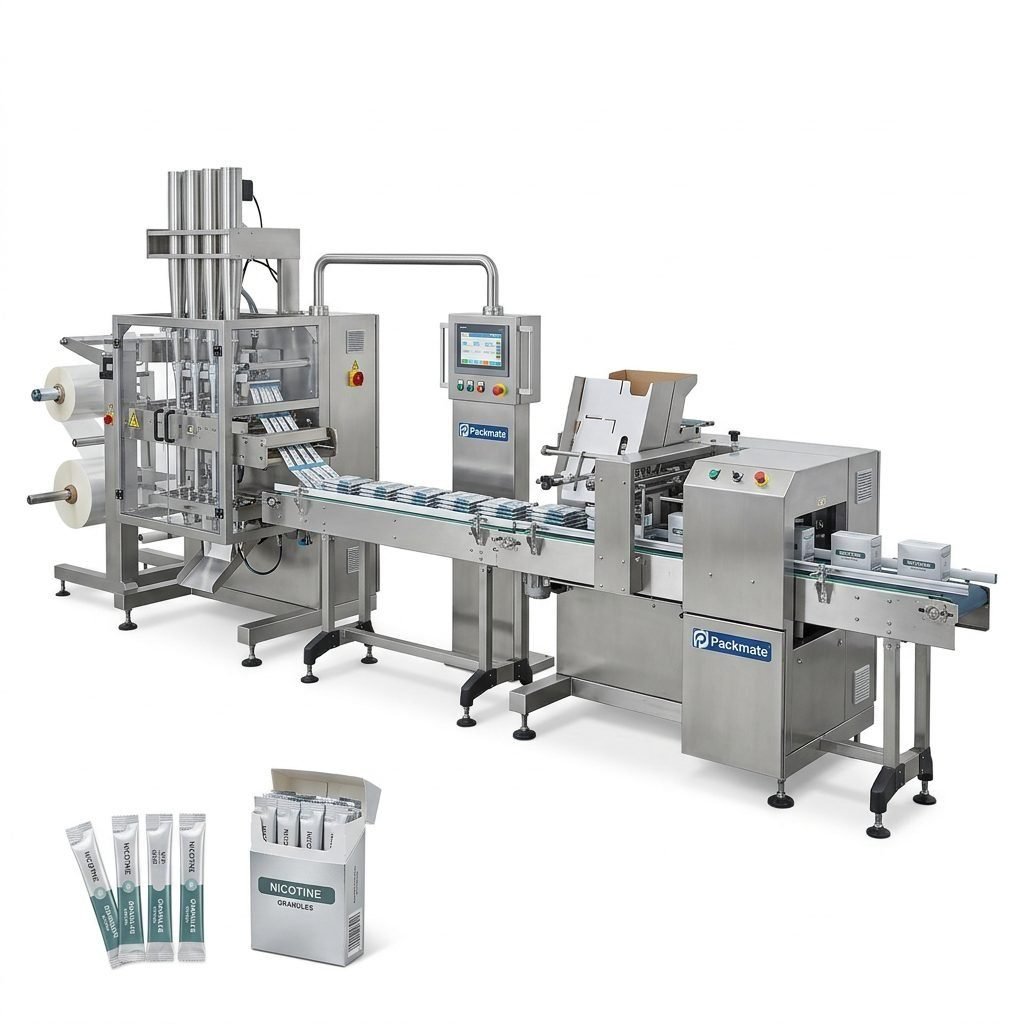
Full lines often require synchronization between loaders, weighing units, forming and sealing machines, and secondary packaging (cartoning, case packing). Ensure the supplier provides PLC/HMI systems and communication protocols for smooth line-level control.
Common snus packaging machine types
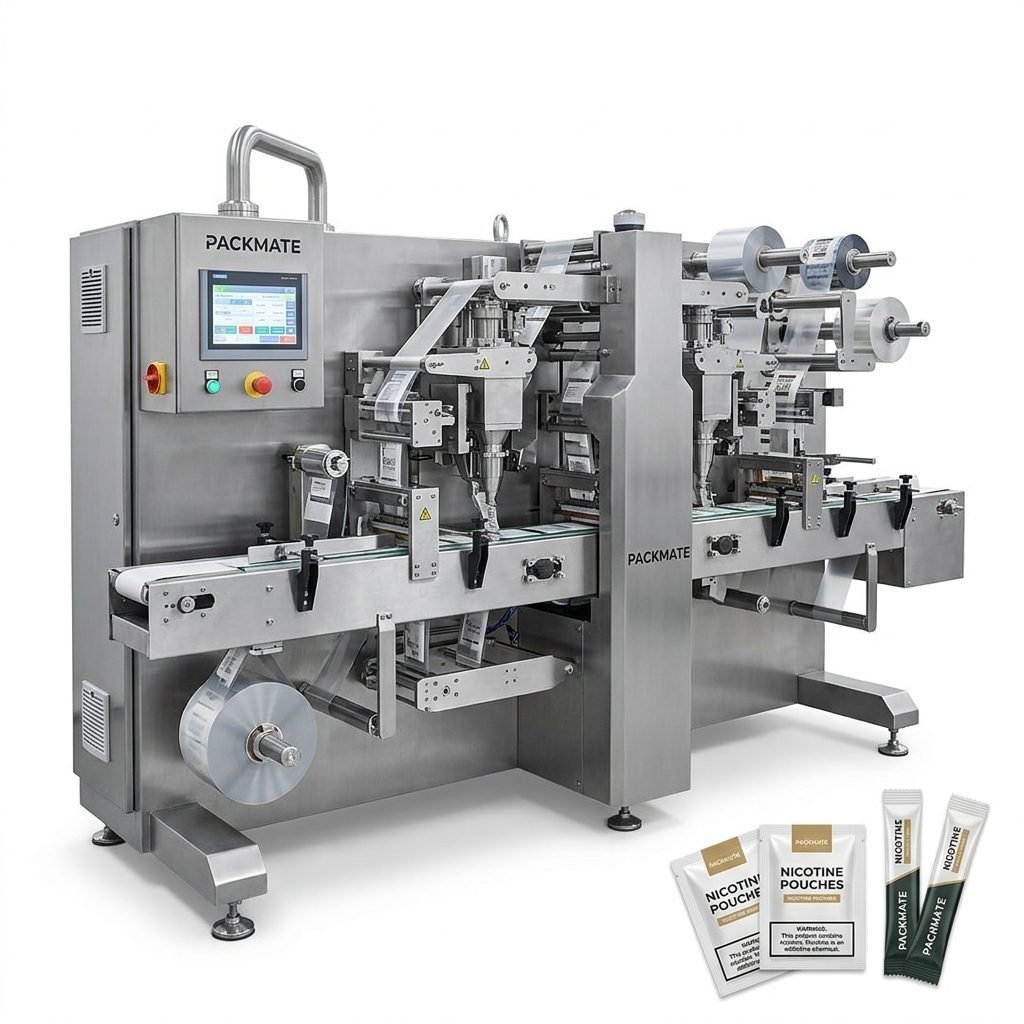
Stick pack & sachet machines
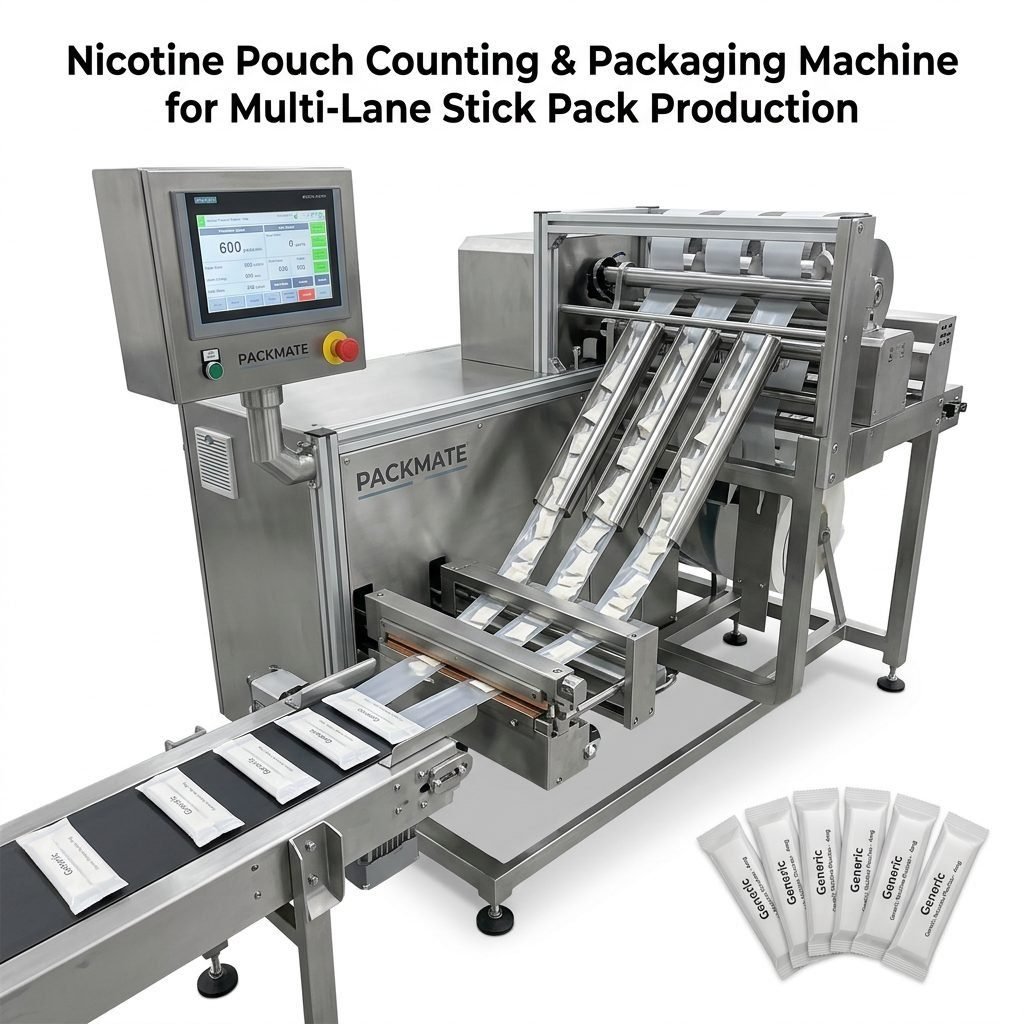
Stick packs and sachets are popular for single-dose nicotine pouches. These machines offer simple film forming, filling, and sealing processes. For higher volumes, consider multi-lane stick packers that multiply output without compromising accuracy.
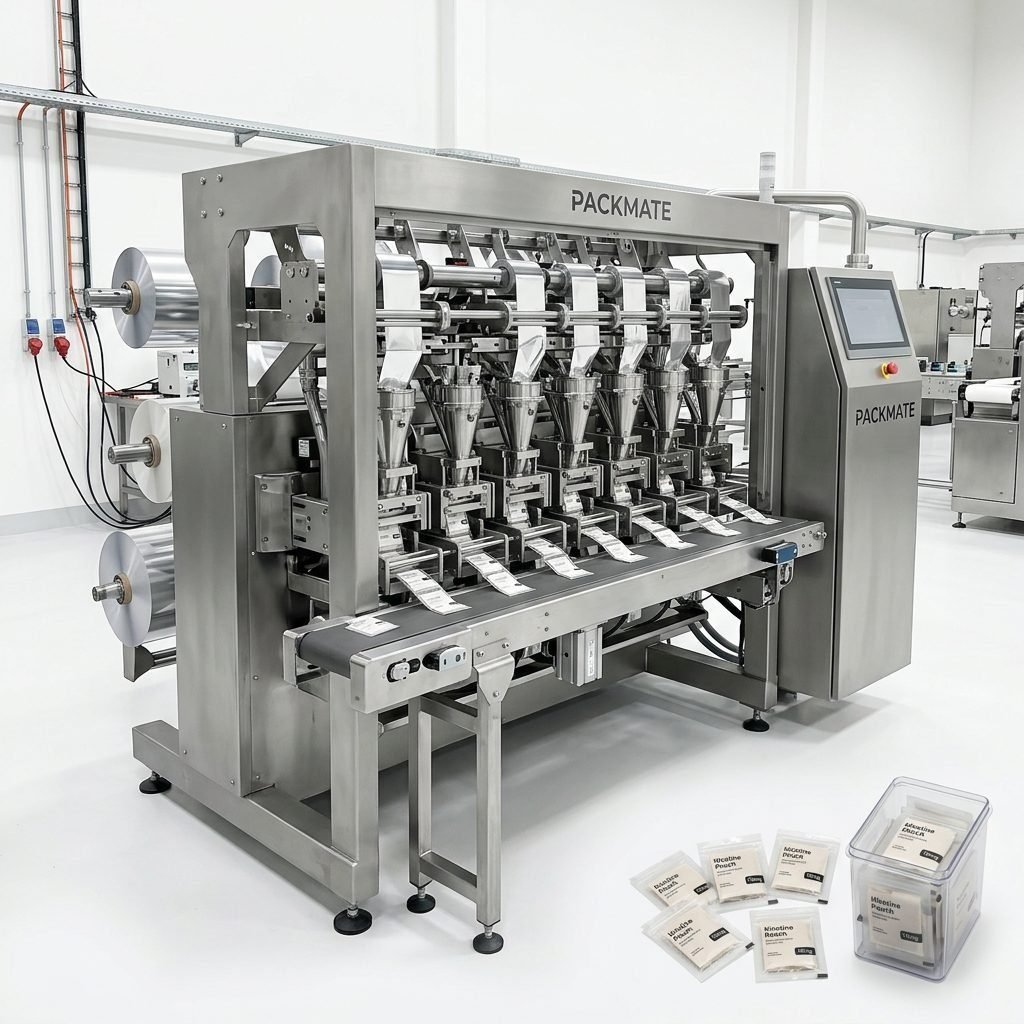
Multi-lane snus systems
Multi-lane machines are designed to produce many pouches simultaneously across several lanes, ideal for small-dose products where throughput must be maximized. These systems often require higher initial investment but yield superior ROI for high-volume operations.
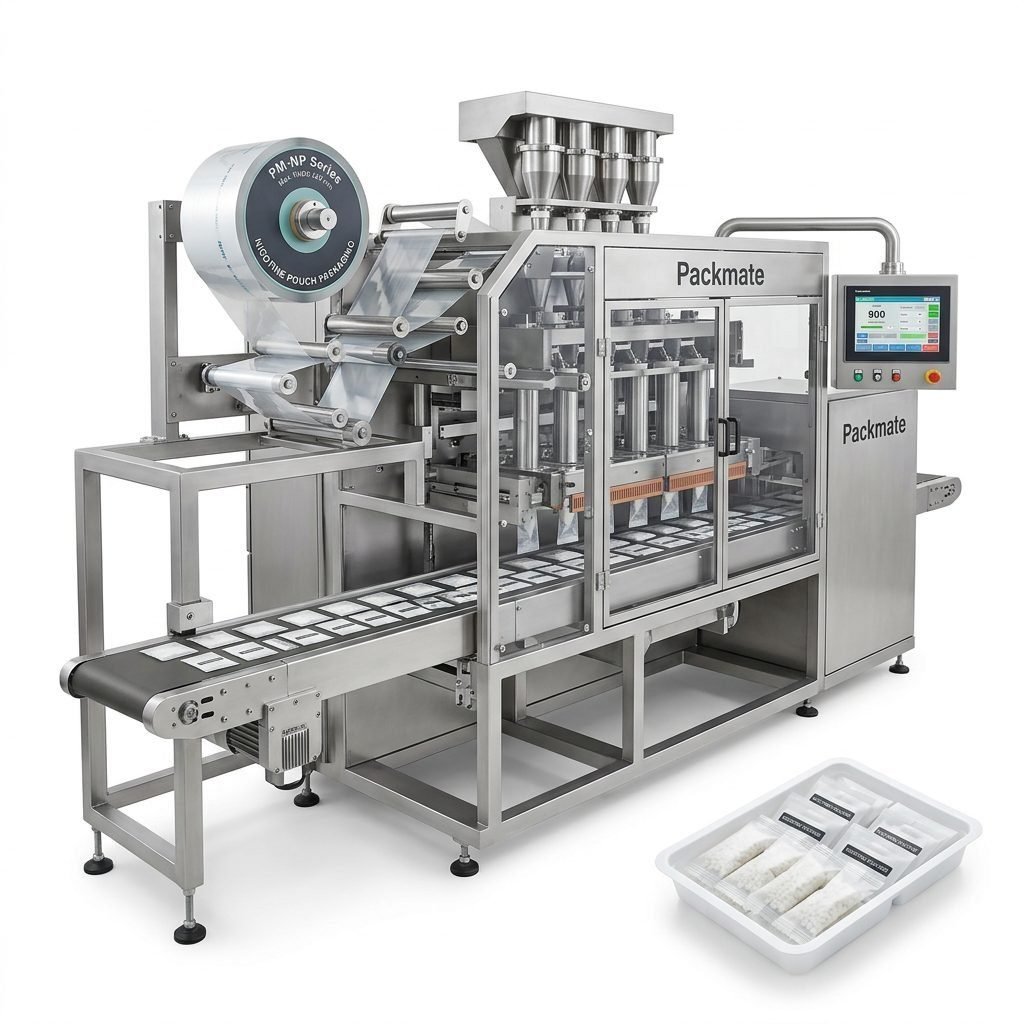
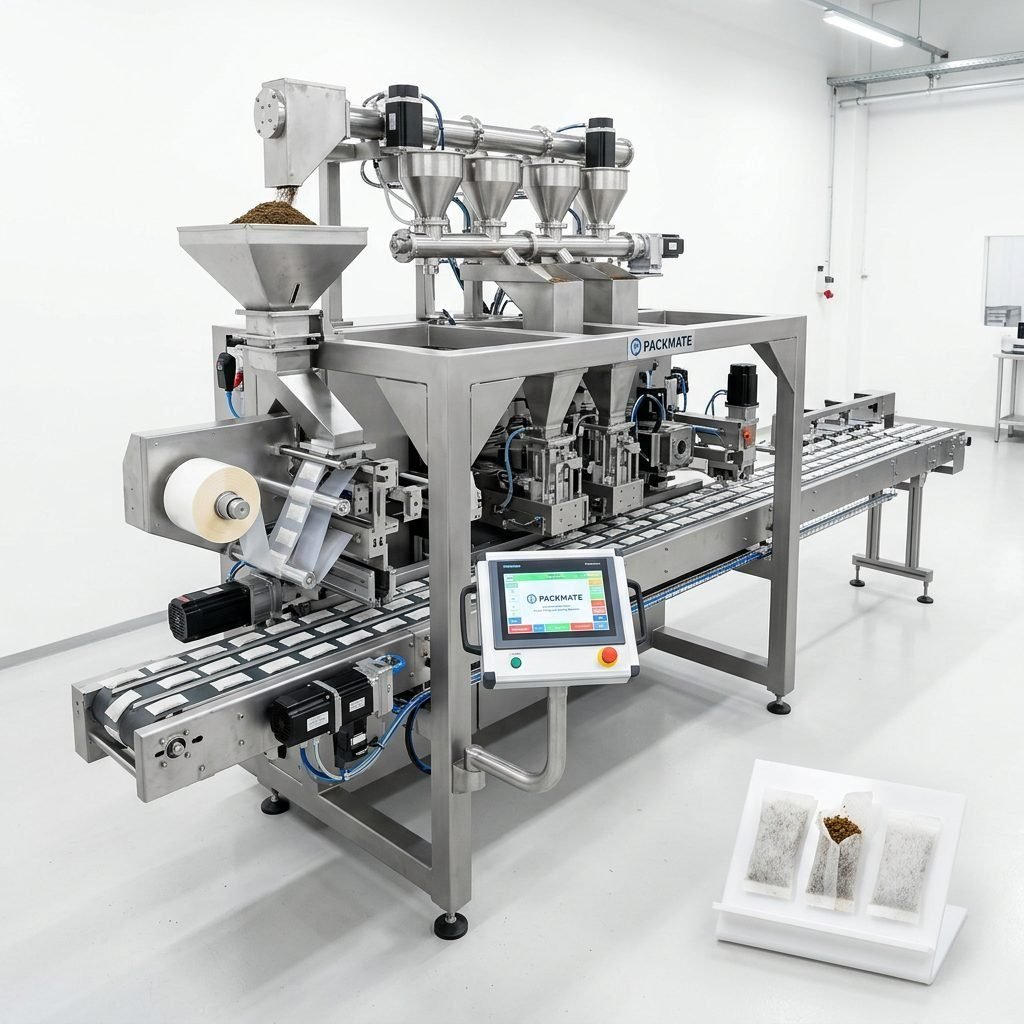
Filling & weighing lines
Integrated filling and precision weighing stations ensure consistent pouch content. Choose modular weighing solutions if your product mix includes powders and granules with varying bulk densities.
Selecting a reliable supplier
Look for manufacturers with proven experience in snus and nicotine pouch equipment, advanced manufacturing capabilities, and full lifecycle support. Companies with strong engineering backgrounds and in-house CNC machining capacity can deliver higher precision and customization.
📌 What to verify:
• Factory scale and machining capability (advanced CNC & precision assembly)
• Certifications such as CE and ISO for global compliance
• Case studies and exhibition presence to verify operational references
For example, a manufacturer with 30+ years of engineering experience and a 20,000㎡ facility is likely to offer robust design, wide product model ranges, and turnkey integration support. Visit their product pages to explore machine categories like Snus & Nicotine Packaging Machines, Sachet & Stick Pack Machines, and Filling & Packaging Lines.
Integration, layout and factory planning
Plan the factory layout to optimize material flow from raw material receiving through filling, sealing, secondary packaging, and finished goods storage. Ensure sufficient space for maintenance access and future line expansions. Consider utilities (compressed air, power, dust extraction) and local regulatory requirements.
Helper systems & auxiliaries
Auxiliary equipment such as feeders, cooling conveyors, checkweighers, metal detectors, and case packers complete a high-efficiency line. Choose suppliers who provide both primary packaging machines and compatible auxiliary systems for easier commissioning and single-point support.
Total cost of ownership (TCO) and ROI
Analyze initial capital cost, operating cost (energy, consumables), maintenance frequency, spare parts availability, and operator training needs. Machines engineered for durability and easy maintenance usually deliver lower TCO even if initial purchase price is higher.
After-sales support, spare parts & training
Robust after-sales support is as important as machine specifications. Confirm supplier lead times for critical spare parts, availability of remote support and on-site technicians, and training programs for your operators and maintenance staff. A clear service agreement reduces downtime risk.
Commissioning and validation
Ensure the supplier provides full commissioning services including mechanical setup, electrical integration, PLC/HMI configuration, and production validation runs. For regulated markets, insist on documentation for process parameters, IQ/OQ/PQ where applicable.
Maintenance best practices
Implement preventive maintenance schedules, keep critical spare parts in inventory, and maintain detailed logs of downtime and corrective actions. Simple routines like lubrication, belt checks, and sensor calibrations significantly extend machine life.
Real-world considerations & case references
Factories worldwide choose tailored solutions to match local regulatory frameworks and market demands. Reviewing case studies and visiting exhibitions where machines are demonstrated helps assess real performance. Explore practical examples in the supplier’s case library: Case.
📦 Tip: When contacting a manufacturer, prepare product specifications, target throughput, available floor space, and utilities list to speed up design proposals. If you want to learn more about the manufacturer’s background and mission, check About Packmate and Mission & Vision.
Making the final decision
Balance technical fit, financial metrics, and supplier reliability. Prioritize machines that offer stable long-term performance, easy upgrades, and excellent after-sales support. Request live demonstrations, client references, and a site visit if possible.
Contact and next steps
Ready to evaluate equipment? Reach out for tailored recommendations, technical drawings, and quotes. Use the supplier’s contact portal for direct inquiries: Contact Us.
Frequently Asked Questions
Q1: How do I choose between a single-lane and multi-lane machine?
A1: Base the choice on current and future output needs. Single-lane systems are more cost-effective for low volumes; multi-lane machines deliver much higher throughput and better per-unit costs at scale.
Q2: What certifications should I look for?
A2: Ensure compliance with CE, ISO quality standards, and any local regulatory approvals required for nicotine product manufacture and packaging.
Q3: How much space is typically needed for a complete snus packaging line?
A3: Space depends on the number of integrated modules and auxiliary equipment. Provide floor plans and a list of required modules to the supplier to get an accurate layout drawing.
Q4: Can the supplier provide turnkey solutions including auxiliary equipment?
A4: Many experienced manufacturers offer complete turnkey solutions that include weighing systems, conveyors, checkweighers, and case packers. Check the supplier’s product pages for auxiliaries and full lines.
Q5: What after-sales services should I expect?
A5: Expect commissioning, training, spare parts support, remote troubleshooting, and maintenance contracts. Confirm response times and spare parts lead times upfront.