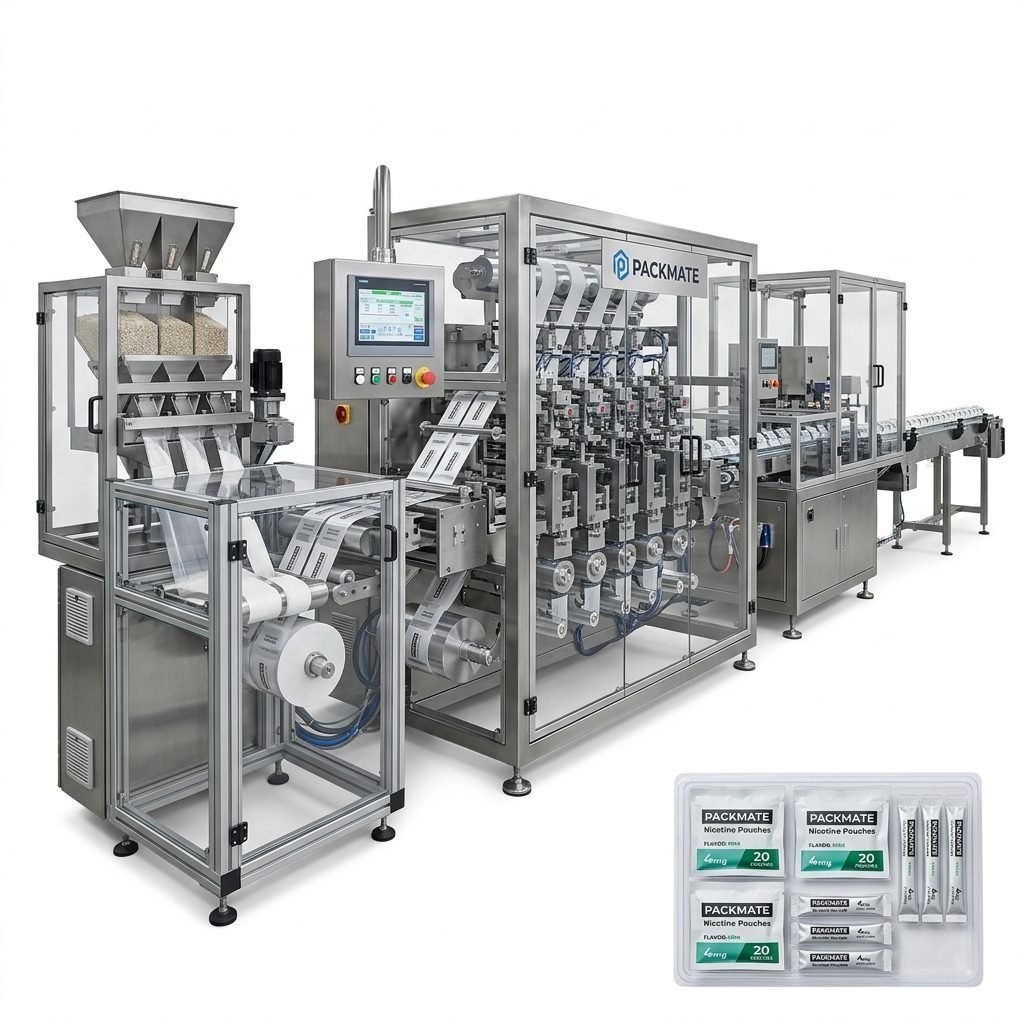
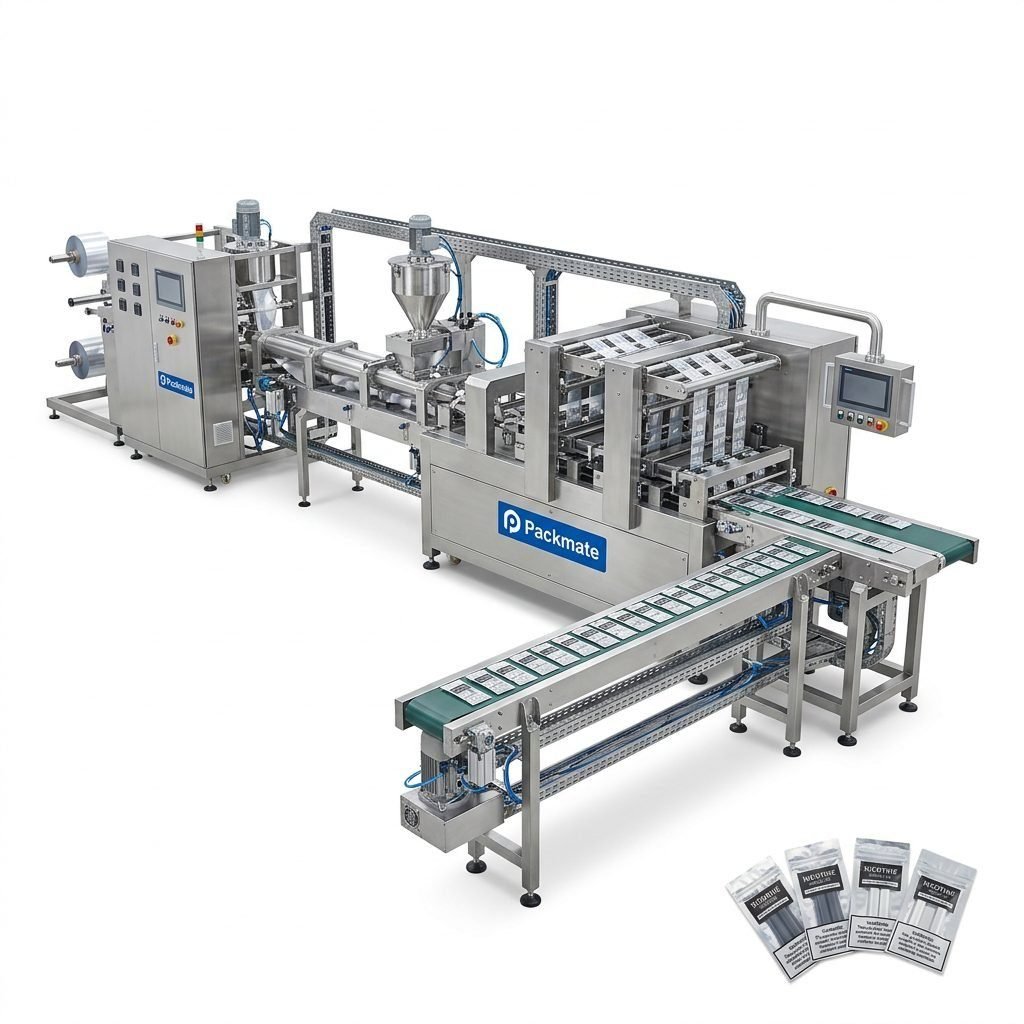
Choosing the right nicotine packaging machine in Bosnia and Herzegovina means balancing production capacity, regulatory awareness, cultural preferences, and long-term service support. This guide walks you through practical decisions—from machine types and automation levels to local market considerations—so you can select equipment that meets your production needs and fits the Bosnian market environment.
Understand the Bosnia and Herzegovina market and cultural habits
Bosnia and Herzegovina has a rich café culture and a workforce that values discreet, convenient consumption formats. Many consumers prefer products that can be used in social settings without drawing attention, which makes portioned nicotine pouches and finely packaged sachets attractive. Rural areas may still favor traditional formats, while urban centers — Sarajevo, Banja Luka, Mostar — adopt newer alternatives faster. Keep language variants (Bosnian, Croatian, Serbian) and local labeling expectations in mind when designing packaging and machine settings to print text/labels.
Step 1 — Select the right packaging format for local demand
Decide whether you need machines for:
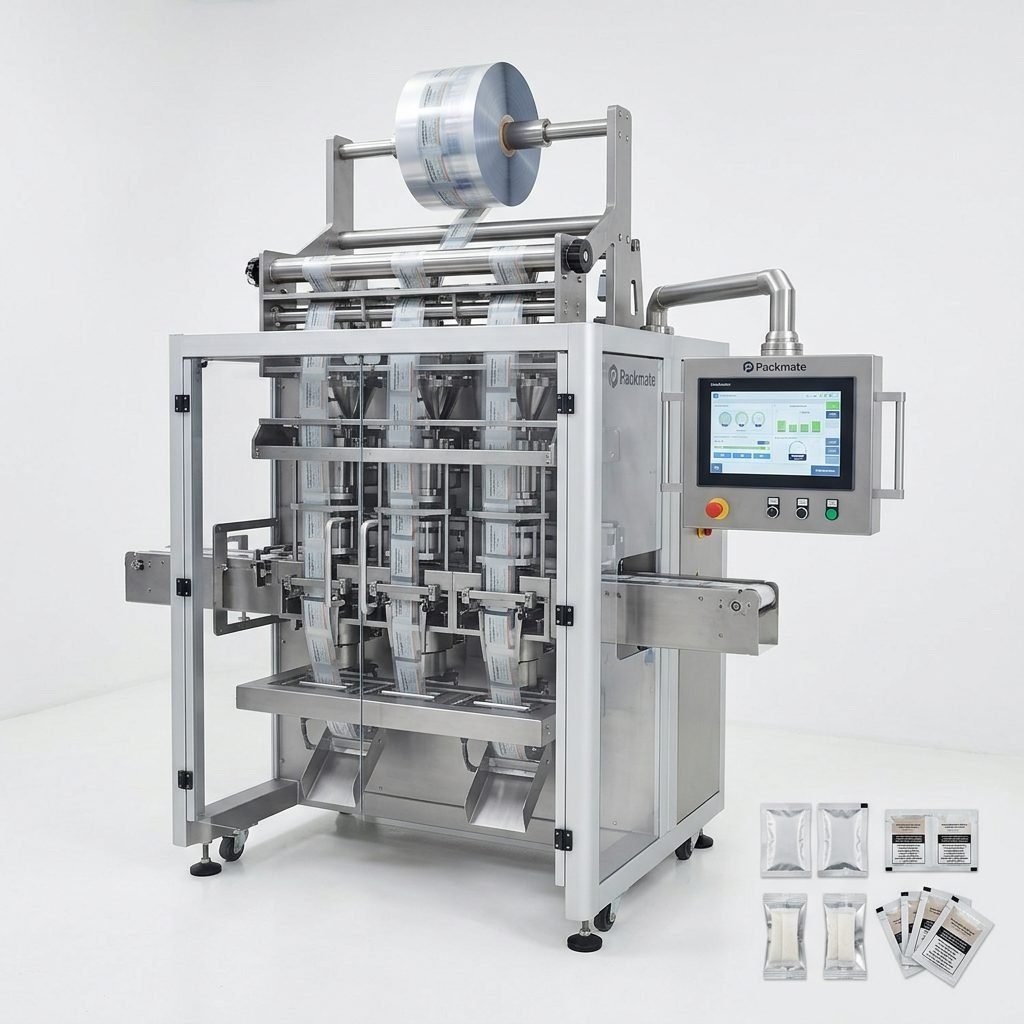
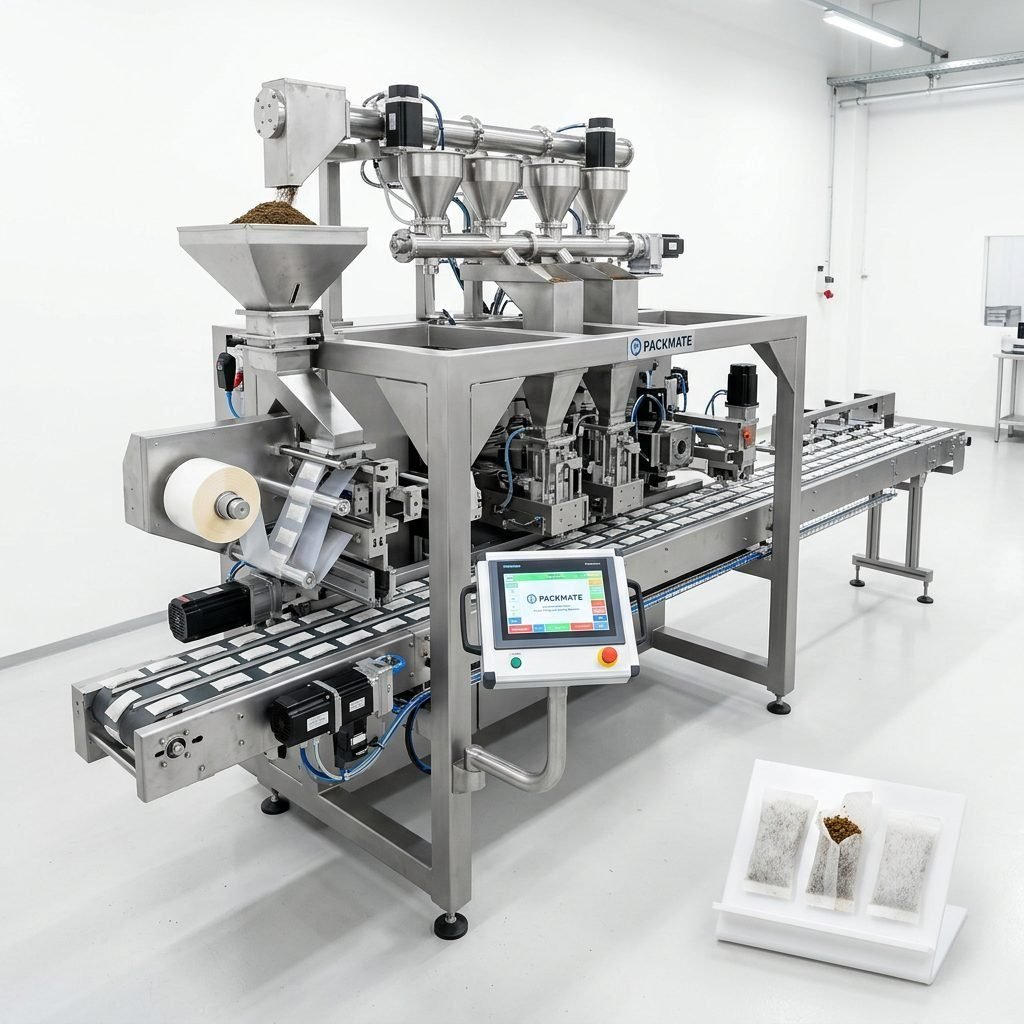
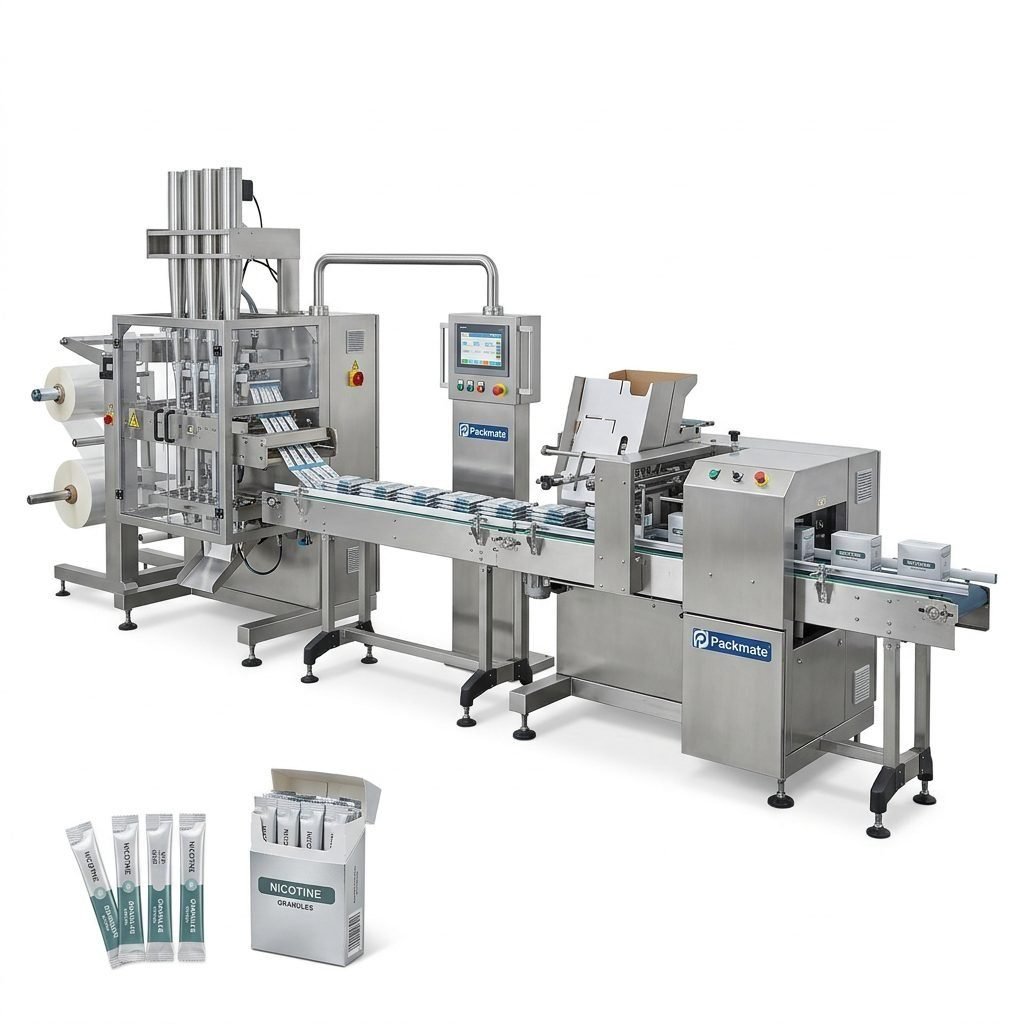
🔹 Stick packs and single-portion sachets — best for single-use, low-cost retail items and vending distribution.
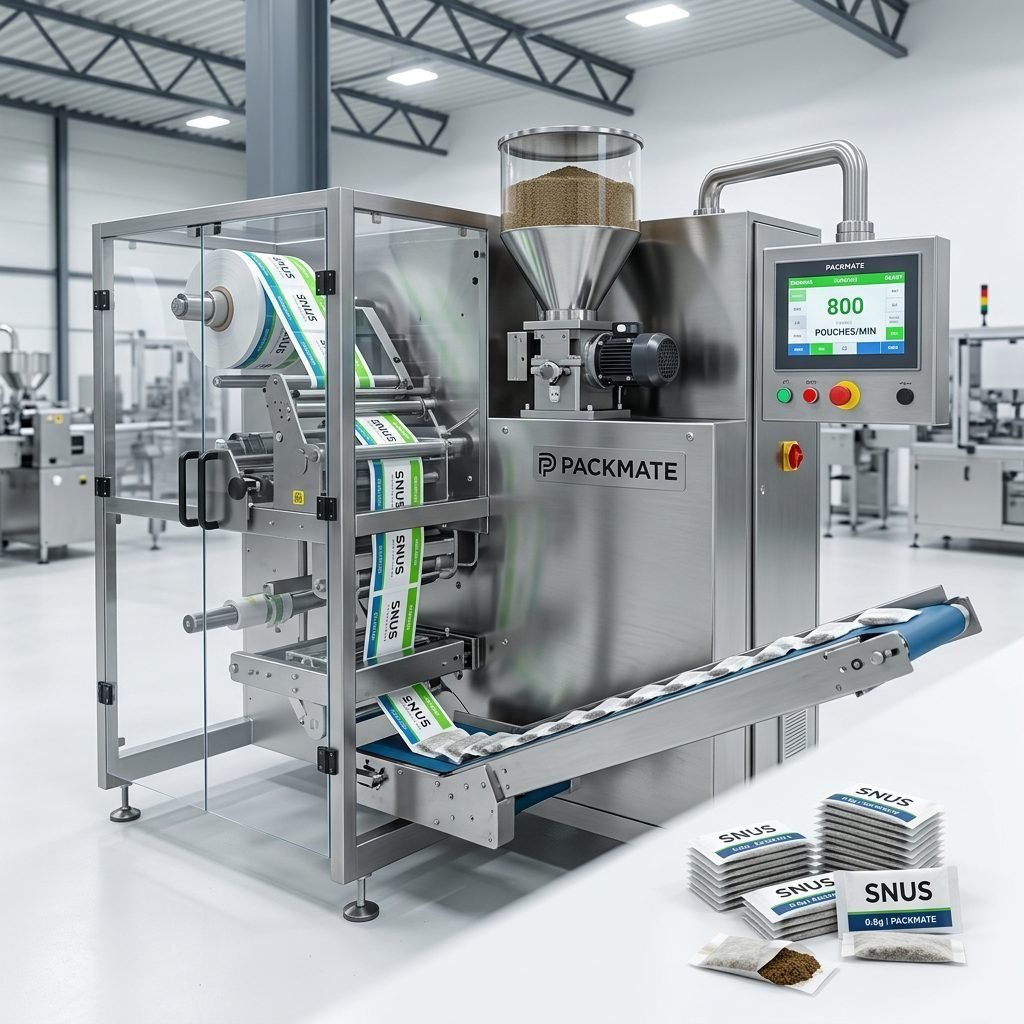
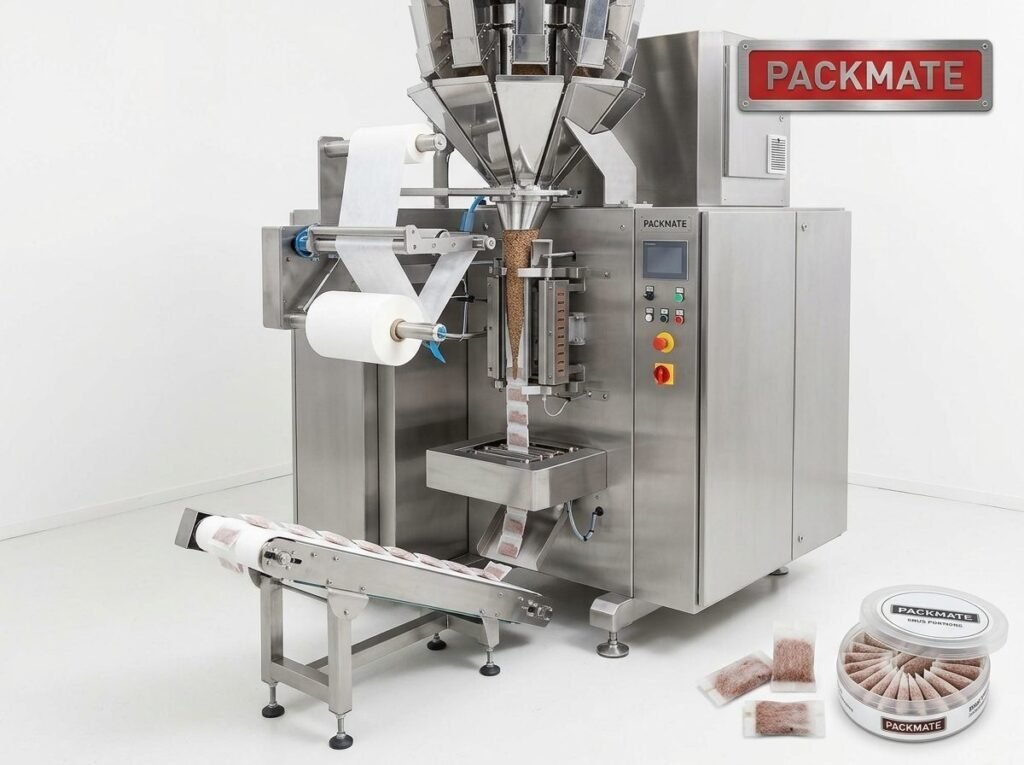
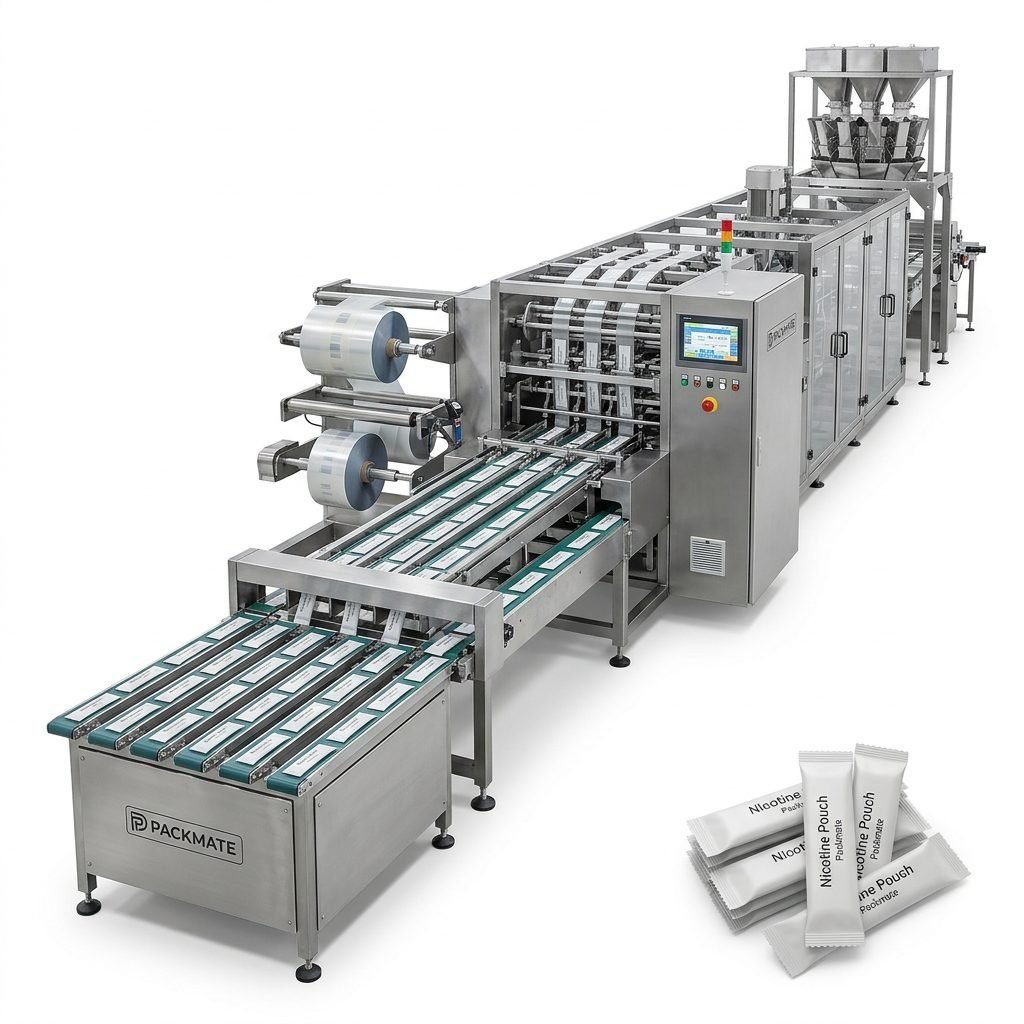
🔹 Multi-lane snus/nicotine pouch machines — ideal for high-volume production, consistent pouch weight, and low labor dependency.
🔹 Pouches with printed outer labels or resealable bags — suited to premium or longer-shelf-life products for specialty stores and pharmacies.
🔧 Tip: If you expect to scale quickly in Bosnia and Herzegovina’s urban markets, prioritize multi-lane systems that can be expanded or reconfigured to increase output while keeping per-unit cost low.
Step 2 — Determine production capacity and line layout
Estimate daily and monthly target volumes first. A packaging machine that looks cost-effective for low volumes may become a bottleneck later. Consider:
✅ Target packages per minute/hour; peak vs average output.
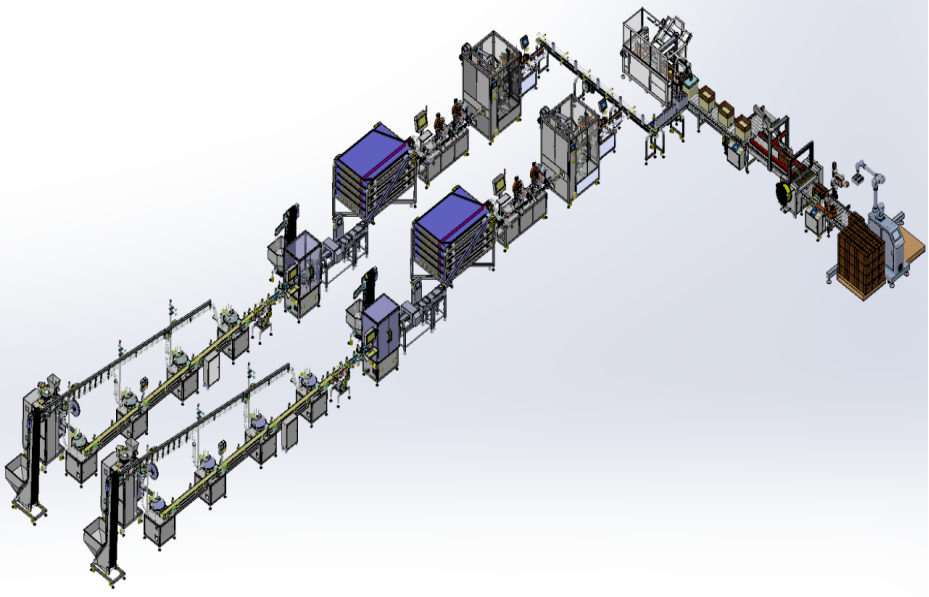
✅ Whether you need single-lane precision or multi-lane throughput for high-output facilities.
✅ Floor space and layout constraints in your Bosnian facility—older buildings may have limited height or narrow doors.
Step 3 — Automation level, integration & flexibility
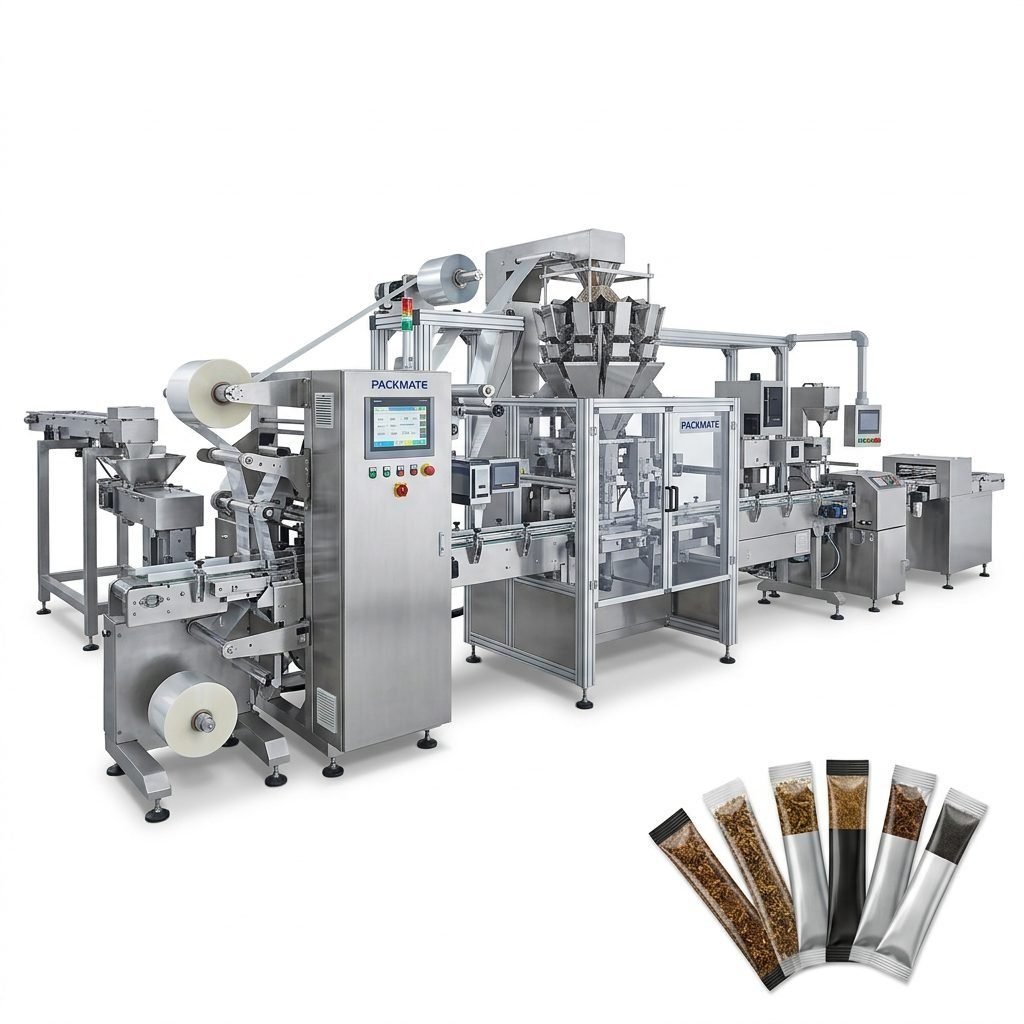
Modern snus and nicotine pouch packaging lines can include automated dosing, pouch forming, sealing, date coding, and secondary packaging. Decide how much automation you need:
⚙️ Semi-automatic systems reduce initial cost and are easier to maintain locally.
⚙️ Fully automatic multi-lane systems maximize throughput and minimize labor — optimal for export-oriented or large domestic brands.
⚠️ Important: Choose machines that support easy format changes (pouch size, dose weight, sealing parameters). Bosnia’s distributors often demand multiple SKUs; flexibility reduces downtime and tooling costs.
Step 4 — Ensure regulatory compliance and certifications
While product regulations vary, machine certifications like CE and ISO signal safety and quality. Look for suppliers that provide documentation and support to meet local labeling and packaging regulations. Packmate’s machines comply with international standards and can help with compliance documentation and adjustments to printing/labeling modules. See product options for snus and nicotine packaging machines here:
Snus & Nicotine Packaging Machines •
Sachet & Stick Pack Machines •
Filling & Packaging Lines
Step 5 — Evaluate supplier experience and after-sales service
Look for suppliers with proven track records in snus and nicotine equipment, global installations, and spare parts logistics. Important service factors:
🔹 On-site commissioning and operator training to shorten ramp-up time.
🔹 Spare parts availability in Europe or quick shipping options to Bosnia and Herzegovina.
🔹 Remote technical support and clear maintenance schedules.
🔎 Why Packmate? Packmate offers 30+ years of engineering experience, global turnkey solutions, and a broad model range that includes multi-lane snus systems and sachet machines—useful when scaling in Bosnia’s varied markets. Learn more about the company profile and credentials:
Step 6 — Match machine features to product characteristics
Product characteristics such as moisture content, granule size, and oiliness affect machine choice. For nicotine pouches and snus:
🔧 Machines with accurate weighing systems prevent under/over-dosing and ensure consistent product feel.
🔧 Sealing technology must suit your pouch material (foil, paper, film) to prevent leakage and ensure shelf life.
🔧 Consider gentle filling systems for delicate herbal blends or flavored pouches to avoid product degradation.
Packaging aesthetics and consumer expectations
Bosnian consumers appreciate clear labeling, quality finishes, and discreet packaging. Machines that offer inline printing, embossing, or high-resolution coding allow brands to add local language instructions, expiry dates, and batch numbers without secondary operations.
Logistics, installation and local considerations
Consider import duties, customs clearance, and transport to your facility. Choose machines with modular components that can be shipped and reassembled if road access or building dimensions are restrictive. Local technical capability is also important—train local engineers or request extended commissioning to ensure smooth operation.
📦 Practical note: If your business will sell regionally, ensure machine coders can print multilingual labels (Bosnian/Croatian/Serbian/English) and that the supplier provides clear export documentation.
Financial planning: CAPEX, OPEX and ROI
Compare lifecycle costs, not just purchase price. Important factors:
• Energy efficiency and power requirements in local facilities.
• Spare parts pricing and lead time for shipments to Bosnia and Herzegovina.
• Downtime cost estimates and availability of remote troubleshooting.
Choosing the right supplier relationship
A long-term supplier partnership can simplify upgrades and spare parts sourcing. Look for:
• Clear warranty terms and local representative or reliable remote support.
• Demonstrable experience with snus/nicotine lines and turnkey projects.
• Training packages for operators and maintenance staff; consider language barriers when scheduling training sessions.
Where to see machines and validate performance
Attend trade shows or request on-site demonstrations. Packmate often exhibits internationally and offers case studies and machine trials. Review exhibition schedules and case references to inspect performance in real-world conditions:
Final checklist before purchase
Use this quick checklist to confirm readiness:
1) Production capacity targets and scalability plan.
2) Compliance and labeling capability for the Bosnian market.
3) Service, spare parts, and training package details.
4) Clear warranty, installation, and commissioning timelines.
📞 Next step: Contact the manufacturer early to discuss sample testing, line configuration, and delivery timeline. For equipment options and a tailored quote, check the full product range and service offerings:
Snus & Nicotine Packaging Machines •
Weighing & Packaging Systems •
Contact Us
Conclusion
Selecting the right nicotine packaging machine for Bosnia and Herzegovina requires a clear understanding of local consumer habits, production goals, and regulatory needs. Prioritize flexibility, proven supplier support, and machines that can adapt as your brand grows across urban and regional markets. With careful planning—capacity sizing, automation choices, and service agreements—you can deploy a line that delivers consistent quality, efficient throughput, and long-term value.
Common Questions
Q1: What machine type is best for a small startup in Bosnia?
A: For small startups, compact semi-automatic sachet or stick pack machines give low initial investment, flexibility for multiple SKUs, and easier maintenance; consider upgrade paths to multi-lane systems as demand grows.
Q2: How important is local technical support?
A: Very important—fast access to spare parts and knowledgeable technicians reduces downtime. Choose suppliers who provide remote troubleshooting, training, and clear spare parts logistics to Bosnia and Herzegovina.
Q3: Can packaging machines handle different pouch materials and sizes?
A: Yes—modern packaging machines typically support a range of film types and pouch formats. Confirm the supplier’s format changeover time and tooling costs before purchase.
Q4: Are there specific labeling or language requirements to consider?
A: Labels should consider local languages (Bosnian/Croatian/Serbian) and any regional regulatory information. Inline printers and coding modules can print multilingual text, batch codes, and expiration dates directly on packages.
Q5: How can I validate machine performance before purchase?
A: Request factory acceptance testing, sample production runs, and references. Visiting exhibitions or viewing case study demonstrations helps validate real-world performance and reliability.