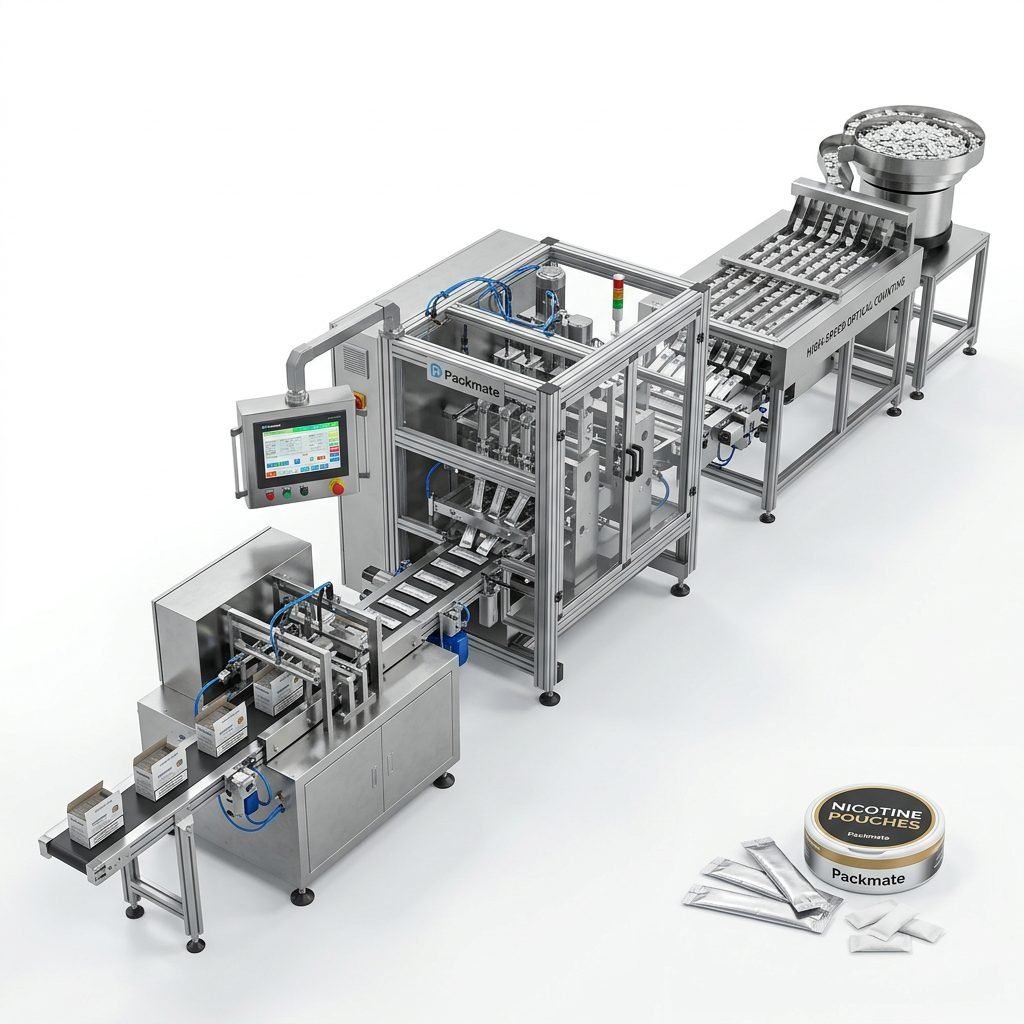
Choosing the right nicotine packaging machine for production in Panama requires a careful balance of technical performance, regulatory compliance, supply-chain reliability, and cost-effectiveness. This guide walks you through the practical considerations and decision points to help manufacturers, contract packers, and entrepreneurs select machinery that fits their product formats, output targets, and long-term business goals.
Understanding the Panama Market and Production Context
Panama is a strategic logistics hub in Central America with growing demand for nicotine pouches and snus-style products. Factors that affect machine selection include local labor availability, import regulations, packaging material availability, and the typical batch sizes customers expect. For businesses planning to serve both domestic and export markets, flexibility in packaging formats and compliance with international standards is essential.
Why machine choice matters
A well-chosen packaging line optimizes throughput, reduces waste, simplifies quality control, and lowers total cost of ownership. Conversely, an ill-suited machine can cause bottlenecks, increase operational downtime, and require costly retrofits. Prioritize machines that are proven for nicotine pouch production and can be serviced easily in your region.
⚠️ Key tip: Look for equipment manufacturers with experience in snus and nicotine pouch lines to avoid generic pouch solutions that may not handle low-dose, multi-lane formats reliably.
Primary Machine Types for Nicotine Pouches
There are several machine classes commonly used for nicotine pouch packaging. Each has strengths depending on the pouch style, filling requirement, and production speed you need.
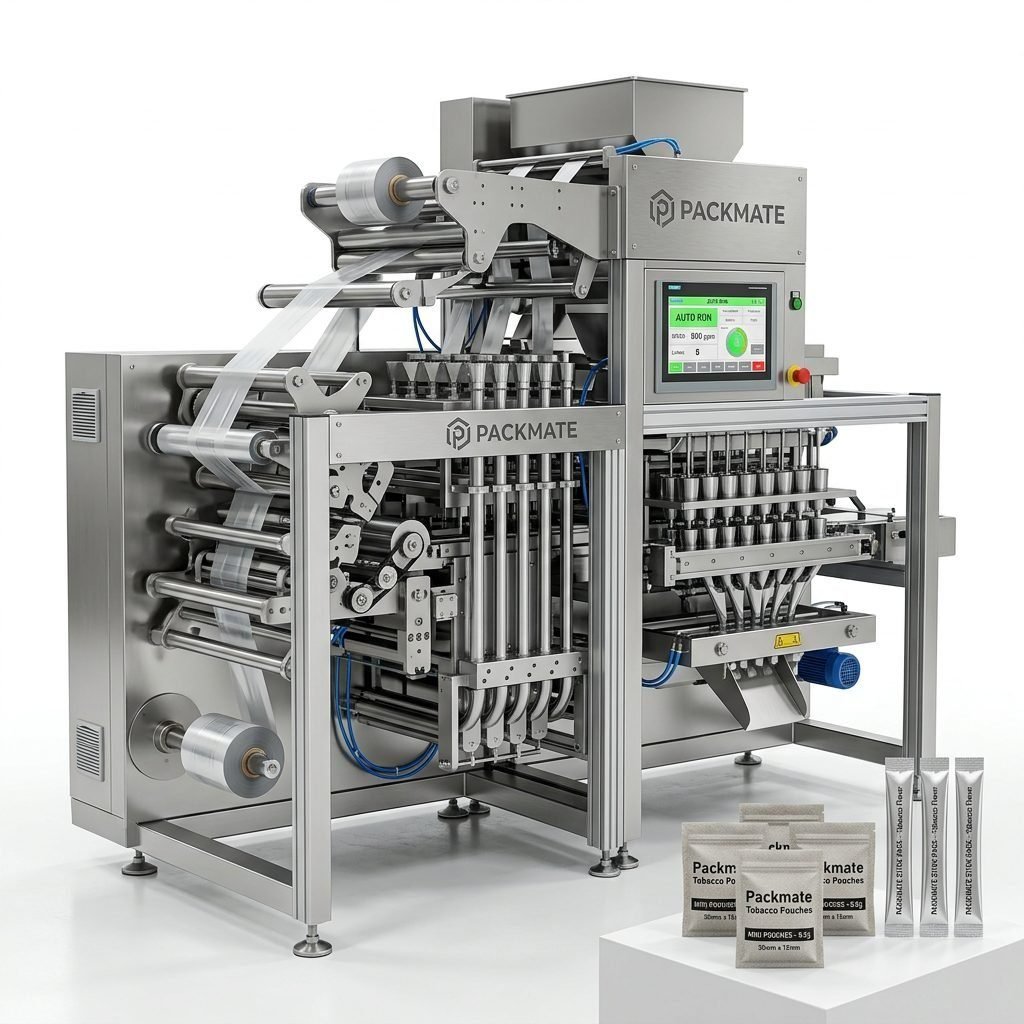
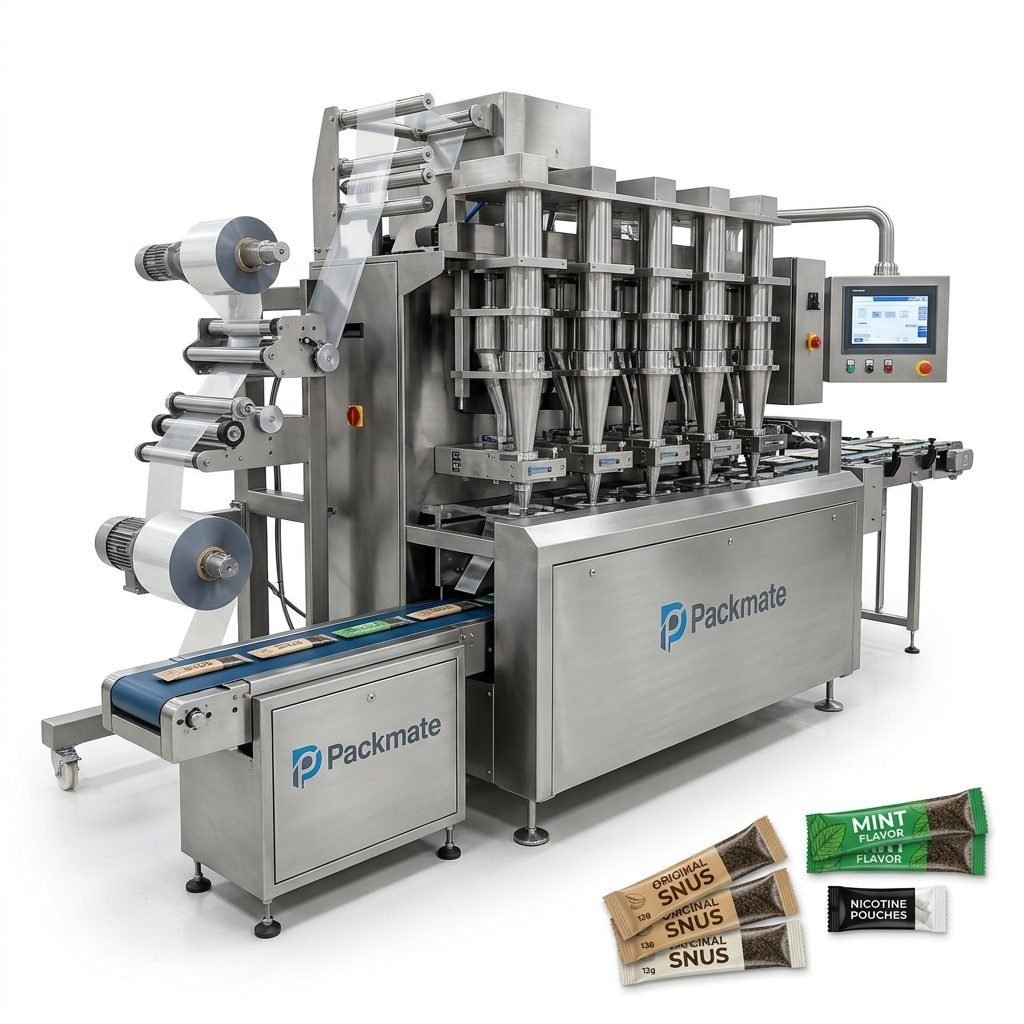
1. Multi-lane snus / pouch machines
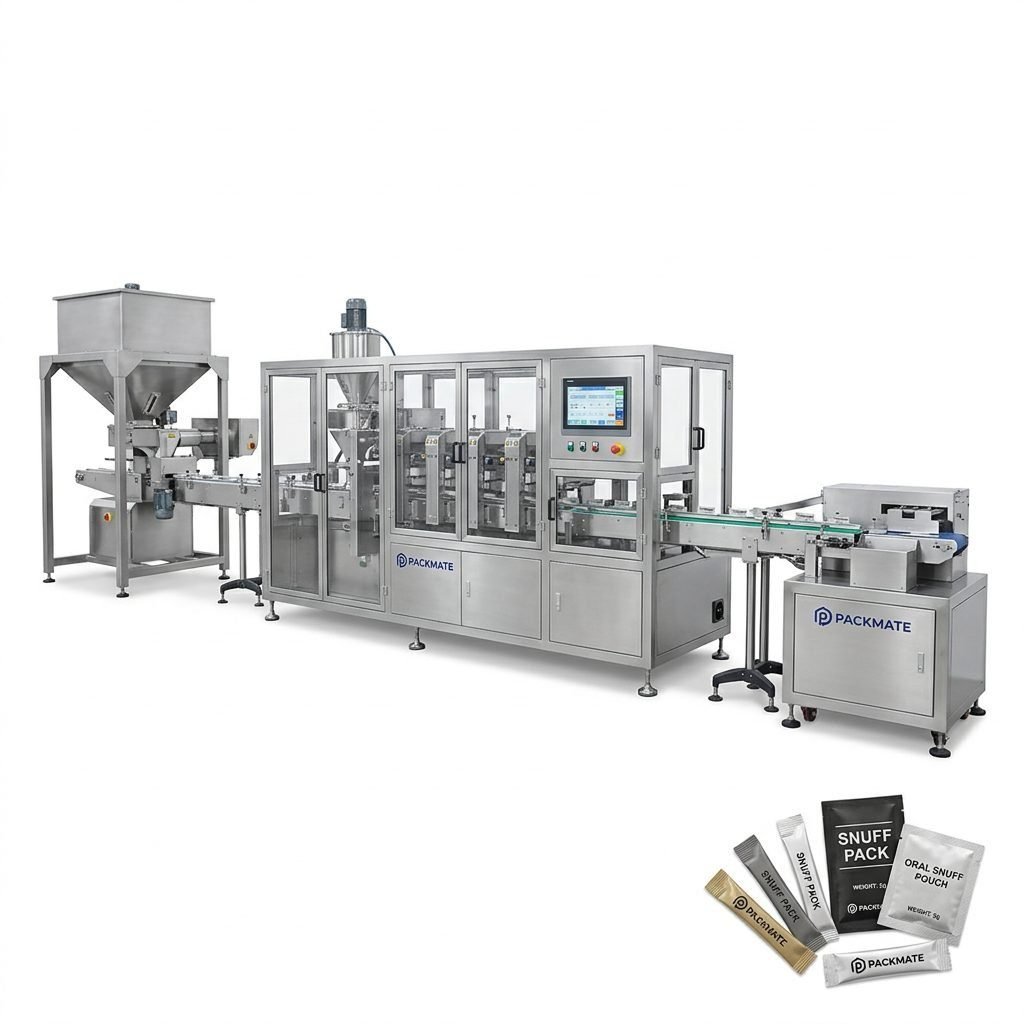
Multi-lane systems run several product lanes simultaneously, maximizing output for small-dose pouches. They are ideal when you require high throughput while preserving low individual pouch weight accuracy. These systems often integrate precise dosing, pouch forming, and sealing modules on a single frame.
2. Sachet and stick pack machines
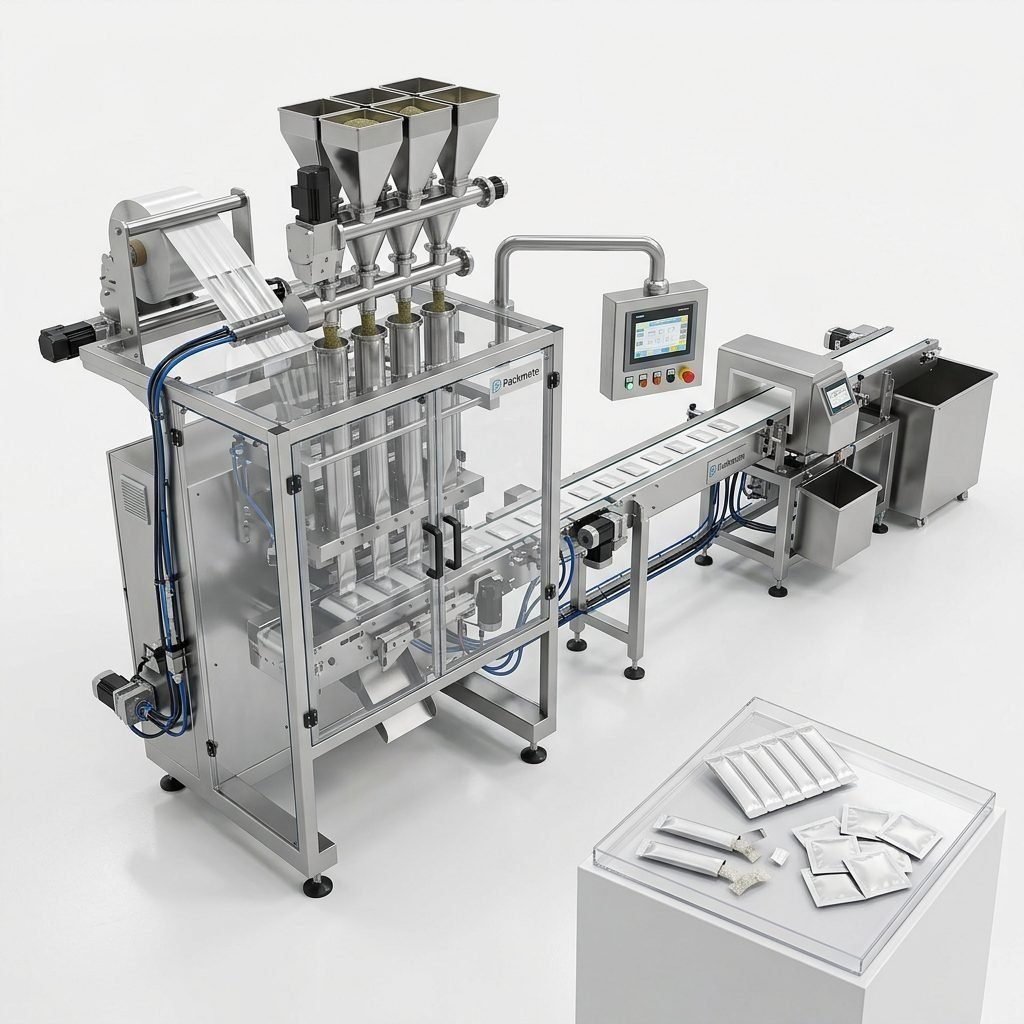
Sachet and stick pack machines are suitable when you want flat or pillow-style pouches. They can be used for single-dose nicotine sachets or complementary products such as flavor pouches. Their compact footprints and changeover flexibility make them attractive for small to medium runs.
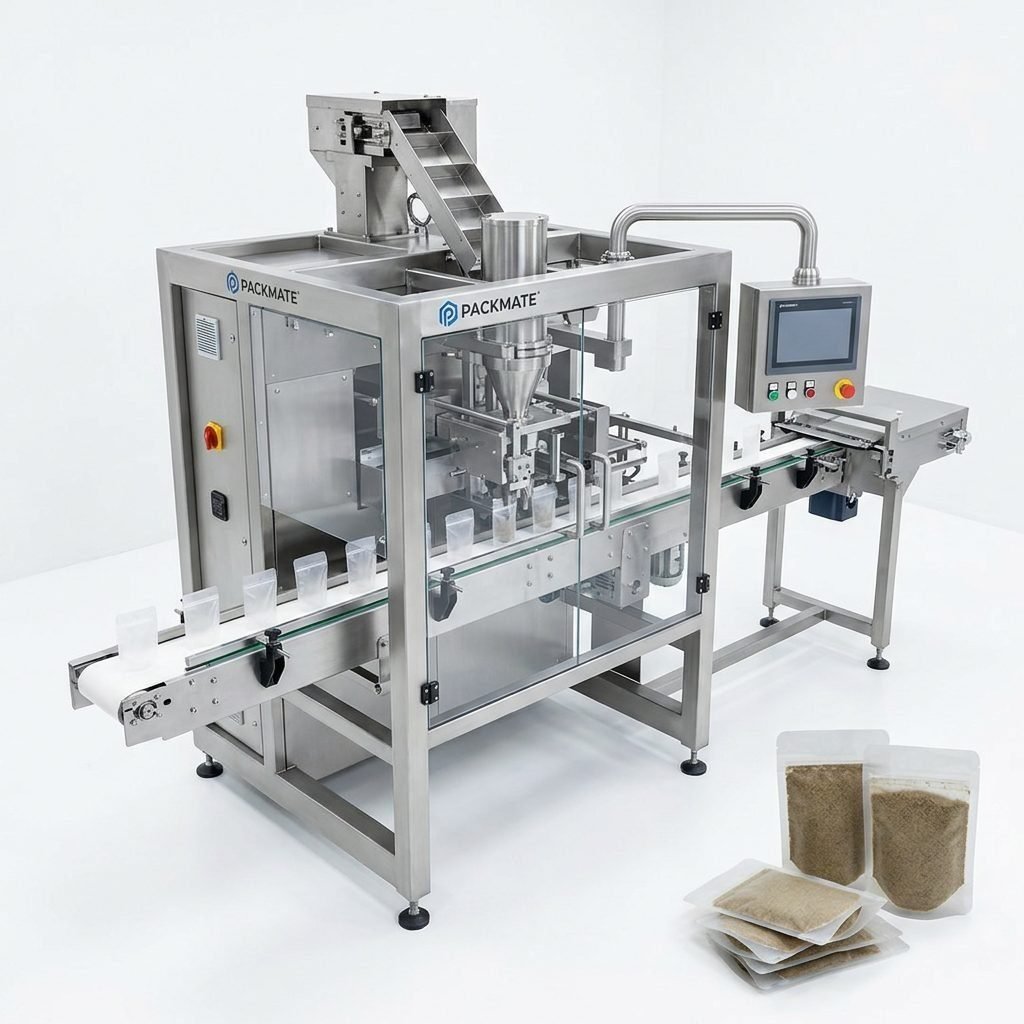
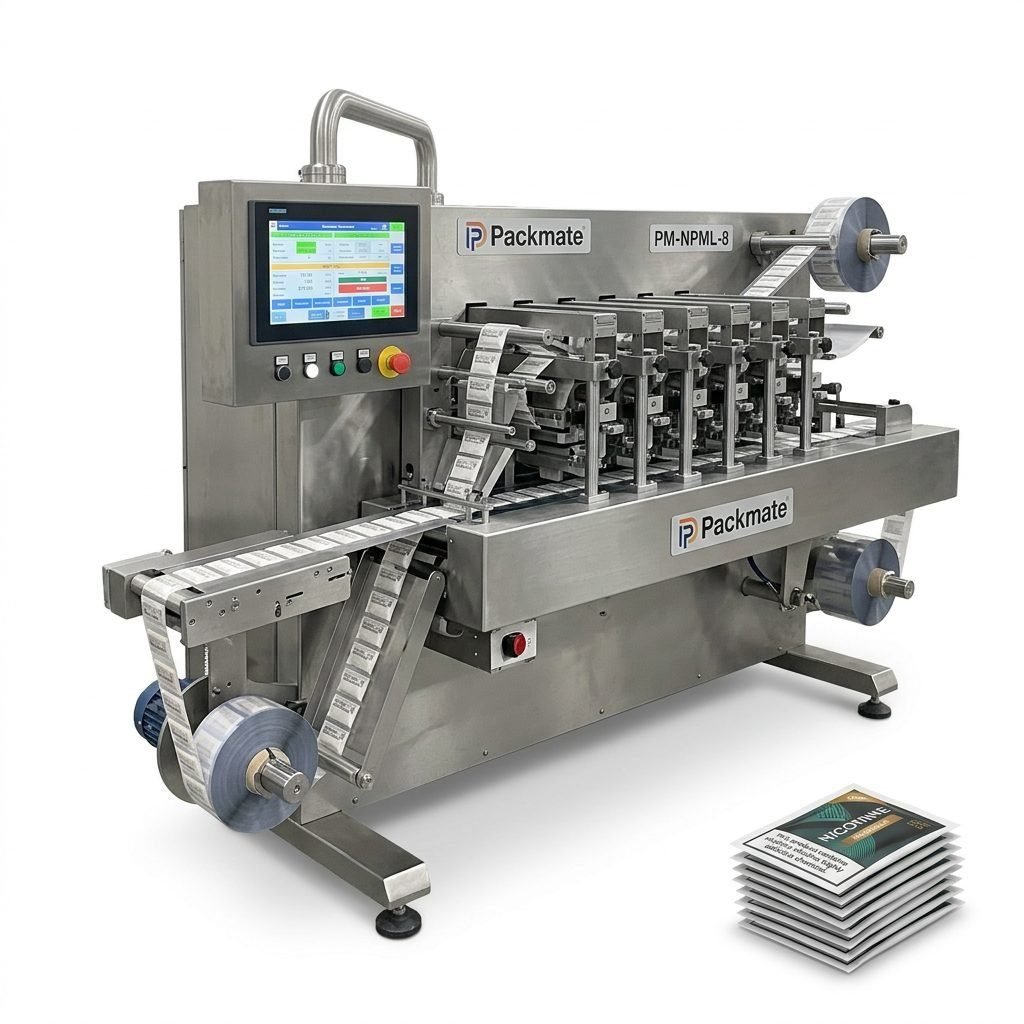
3. Integrated filling and packaging lines
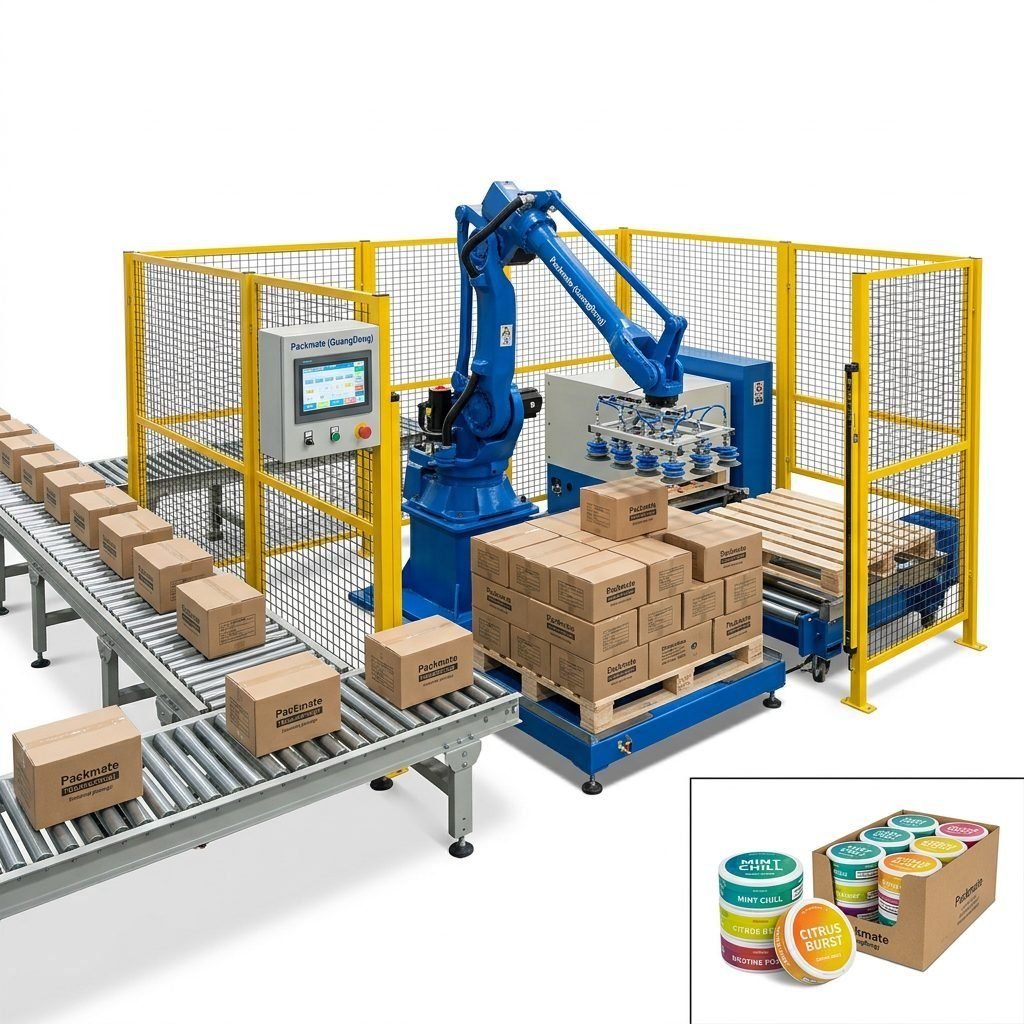
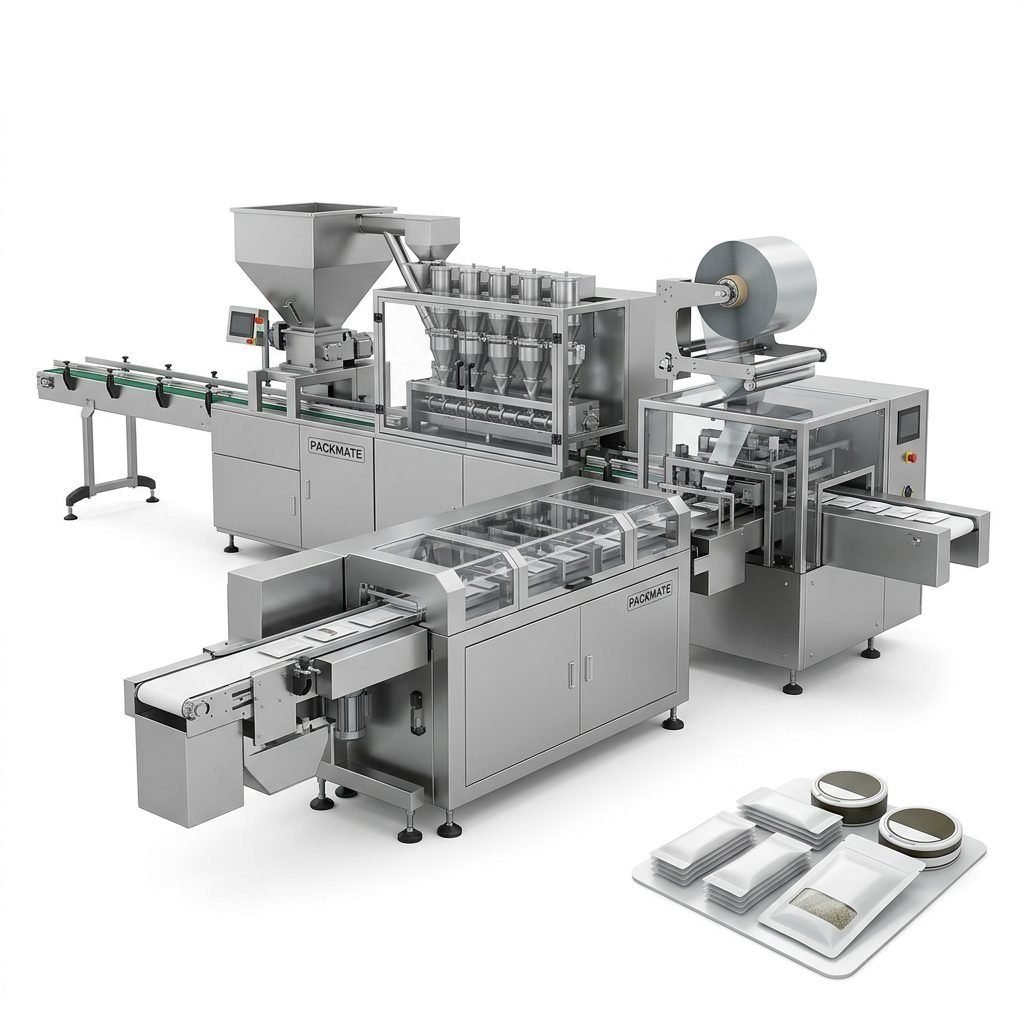
For high-volume producers, turnkey filling and packaging lines combine upstream dosing, liquid or powder handling, and downstream pouch sealing and case packing. These lines minimize manual handling and provide consistent quality across long production cycles.
If you want to explore specific equipment options, trusted manufacturers provide detailed product pages, such as the comprehensive selection of Snus & Nicotine Packaging Machines.
Key Technical Criteria to Evaluate
When comparing machines, consider the following technical aspects. These dimensions directly affect product quality, production efficiency, and long-term maintenance costs.
Production speed and throughput
Determine your target daily throughput and choose machines with suitable lane counts and cycle times. Multi-lane machines with higher lane counts typically offer better throughput per footprint, but ensure each lane provides the filling precision required for nicotine pouch dosing.
Filling accuracy and dosing flexibility
Nicotine pouch fillings often demand tight weight tolerances. Evaluate the machine’s dosing system — auger, vibratory, or electronic weigh-scale feeding — and its ability to handle different formulations (powder, granule, or blended matrices) without frequent recalibration.
Material compatibility and pouch formats
Check whether the machine forms pouches from reel stock (form-fill-seal) or works with pre-made pouches. Confirm compatibility with your chosen barrier films, heat-seal layers, and any embossing or printing requirements. Machines that handle multi-layer laminates and laminated reels with ease will future-proof your investments.
✅ Quick checklist: production speed, dosing precision, material compatibility, changeover time, sanitation access, and spare parts availability.
Automation, Integration, and Industry 4.0
Modern packaging lines offer advanced HMI controls, recipe management, automatic quality checks (vision systems), and connectivity options for remote monitoring. In Panama, where technical teams may be compact, machines with intuitive interfaces and remote support capabilities reduce downtime and training overhead.
Remote diagnostics and service
Choose vendors that provide remote diagnostics and spare part kits. The ability for engineers to diagnose issues remotely can dramatically reduce on-site visits and keep production moving. Verify warranty terms and service SLAs before purchase.
Quality, Certifications, and Compliance
Regulatory standards and customer expectations demand consistent product quality. Ensure machinery meets international safety and hygiene standards such as CE and ISO certifications where applicable. Machines designed for food and pharma adjacent industries often meet higher sanitary standards that benefit nicotine pouch production.
For assurance on manufacturer reliability and compliance, review company profiles and certifications. Established suppliers list certifications and exhibition participation; you can learn more about a reputable supplier’s history at About Packmate and confirm credentials via their Certificate pages.
Service, Spare Parts and Training
After-sales support is often the deciding factor for long-term success. Confirm that the supplier offers:
• Spare parts availability and lead times
• On-site commissioning and training options
• Remote support and preventive maintenance contracts
🔧 Service insight: Ask for a spare parts list and average MTTR (mean time to repair) estimates for common components like sealing jaws, dosing augers, and control modules.
Factory Footprint, Installation and Utilities
Understand the floor space, power, compressed air, and environmental controls required by potential machines. Multi-lane lines often need rigid foundations and level surfaces for high-speed operation. Coordinate with your site engineers early to ensure utility readiness and streamlined installation.
Environmental and safety considerations
Nicotine handling requires worker safety measures and appropriate extraction or ventilation where powders are processed. Verify that machines include guarding, lockout/tagout provisions, and are designed for easy cleaning to meet hygiene standards.
Budgeting, Financing and ROI
Total cost includes purchase price, installation, training, spare parts, and operating expenses. Calculate ROI using realistic production forecasts and consider phased investments: start with a modular line that can be upgraded, or lease equipment if capital is constrained. Some manufacturers provide leasing or financing solutions.
Hidden costs to watch
Include costs for tooling changes, film waste, consumables, energy consumption, and potential downtime due to maintenance. Machines with automated changeovers and easy-clean designs tend to lower these hidden operational costs over time.
Selecting a Supplier: Questions to Ask
When evaluating suppliers, ask about production case studies, machine performance in similar markets, and references. Reputable manufacturers will provide clear documentation, on-site demonstrations at exhibitions, and real-world case studies. Check their exhibition presence and customer cases to validate claims.
Explore verified examples and case studies to see how similar lines perform in the field: Case and review their exhibition history via Our Exhibition.
💡 Buyer question checklist: machine uptime history, spare parts lead time, local technical support, demonstration videos or on-site trials, and warranty scope.
Customization and Future-Proofing
Your packaging needs will evolve as product SKUs and regulations change. Choose machinery that supports format modularity, software updates, and easy add-ons such as vision inspection, batch coding, or serialization modules. A supplier with a history of R&D and multiple machine models can provide tailored solutions as your business grows.
For a broad selection of complementary machines and lines, including auxiliary systems, view the supplier’s product range for matching modules: Auxiliary Packaging Equipment.
Making the Final Decision
Balance your current production needs with anticipated growth. Prioritize dosing accuracy, ease of maintenance, and strong after-sales support. Request factory acceptance testing (FAT) or video demonstrations of the exact machine model you plan to purchase. Confirm delivery timelines and installation plans for a smooth ramp-up.
If you are ready to take the next step, contact the manufacturer to request detailed specifications, custom quotes, and lead-time estimates: Contact Us.
Summary: Practical Checklist Before Purchase
• Confirm production throughput and lane configuration.
• Verify dosing accuracy and material compatibility.
• Check certifications and hygienic design for nicotine handling.
• Evaluate service, spare parts, and remote support options.
• Plan for installation, utilities, and staff training well ahead of delivery.
Final Thought
Selecting the right nicotine packaging machine in Panama is a strategic investment. Prioritize proven technology, supplier reliability, and serviceability to ensure consistent product quality and efficient operations. By basing your decision on technical fit and long-term support, you will minimize risk and position your operation for scalable growth.
Frequently Asked Questions
Q1: How long does it typically take to install and commission a multi-lane snus packaging line?
A1: Installation and commissioning timelines vary, but expect 4–8 weeks for shipping, site preparation, and on-site start-up for standard multi-lane lines. Complex turnkey integrations may require longer lead times.
Q2: What is the typical maintenance schedule for nicotine pouch machines?
A2: Daily cleaning and visual checks, weekly lubrication and fastener inspections, and quarterly spare part checks are common. A preventive maintenance contract tailored to your operating hours will extend machine life and reduce unexpected downtime.
Q3: Can the same machine handle different pouch sizes and formulations?
A3: Many modern machines support multiple formats with quick-change tooling and recipe-based settings. Confirm changeover times and any tooling costs before purchase to ensure practical flexibility for your SKU mix.
Q4: Are there local suppliers or service partners in Panama?
A4: While many leading manufacturers operate globally, local representation varies. Ask prospective suppliers for authorized service partners or remote support arrangements that cover Panama to ensure timely assistance.
Q5: Where can I see real-world examples of nicotine pouch lines?
A5: Review manufacturer case studies, exhibition demonstrations, and factory acceptance testing videos. You can explore product lines and real-world cases on supplier pages such as Sachet & Stick Pack Machines and their Case examples.