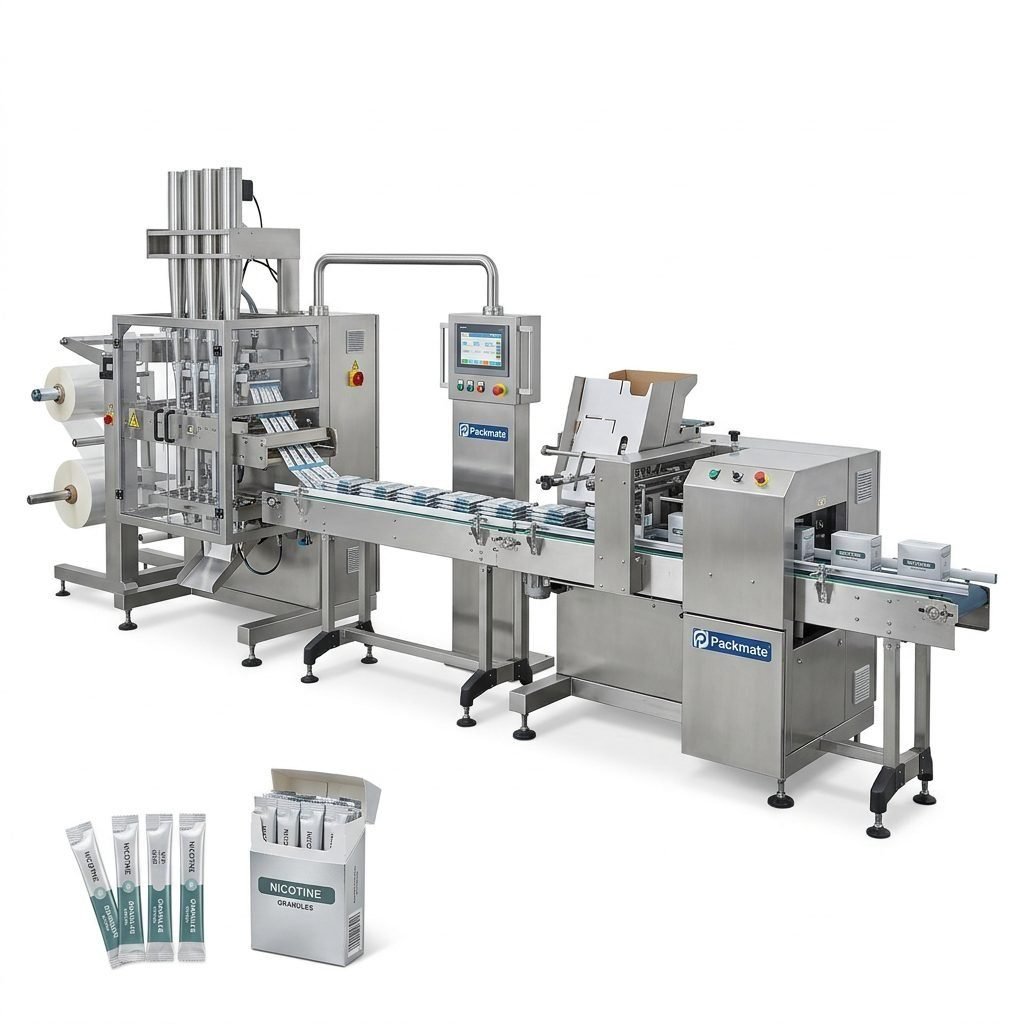
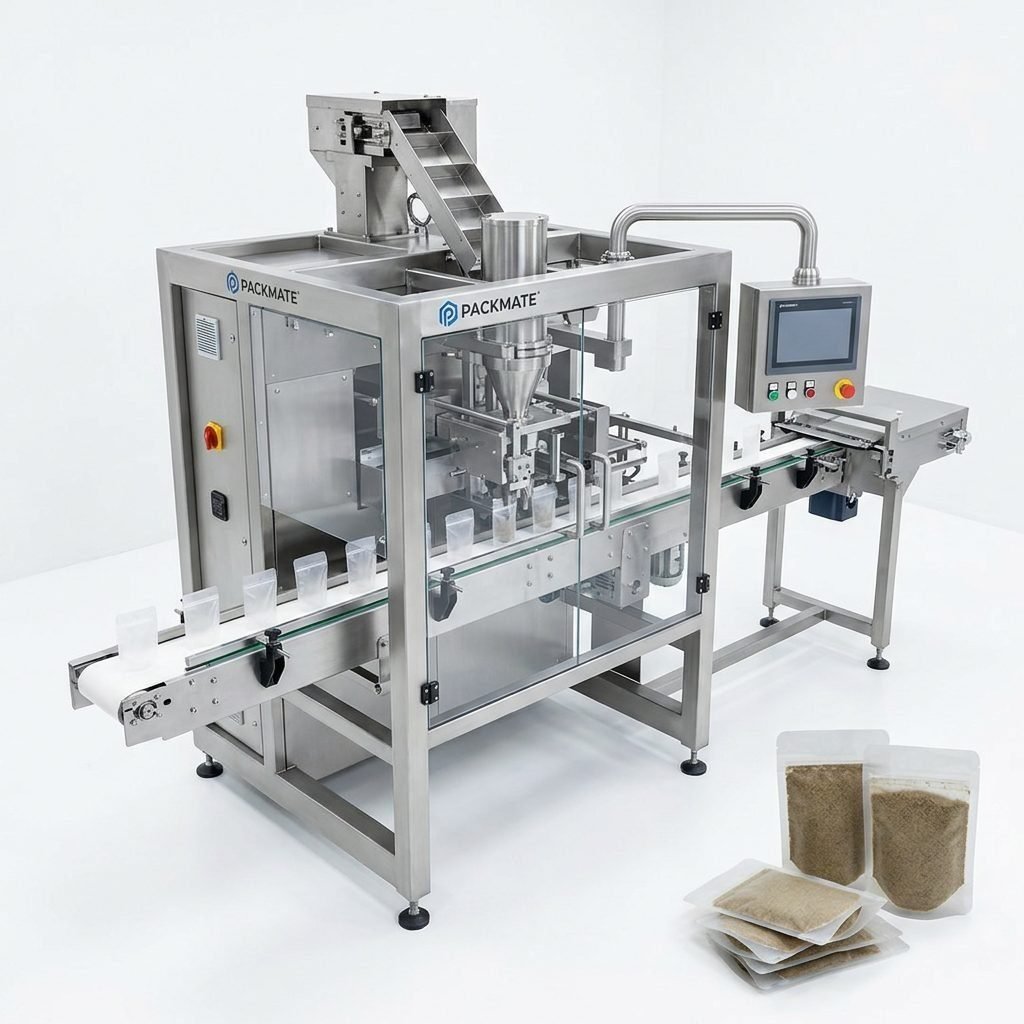
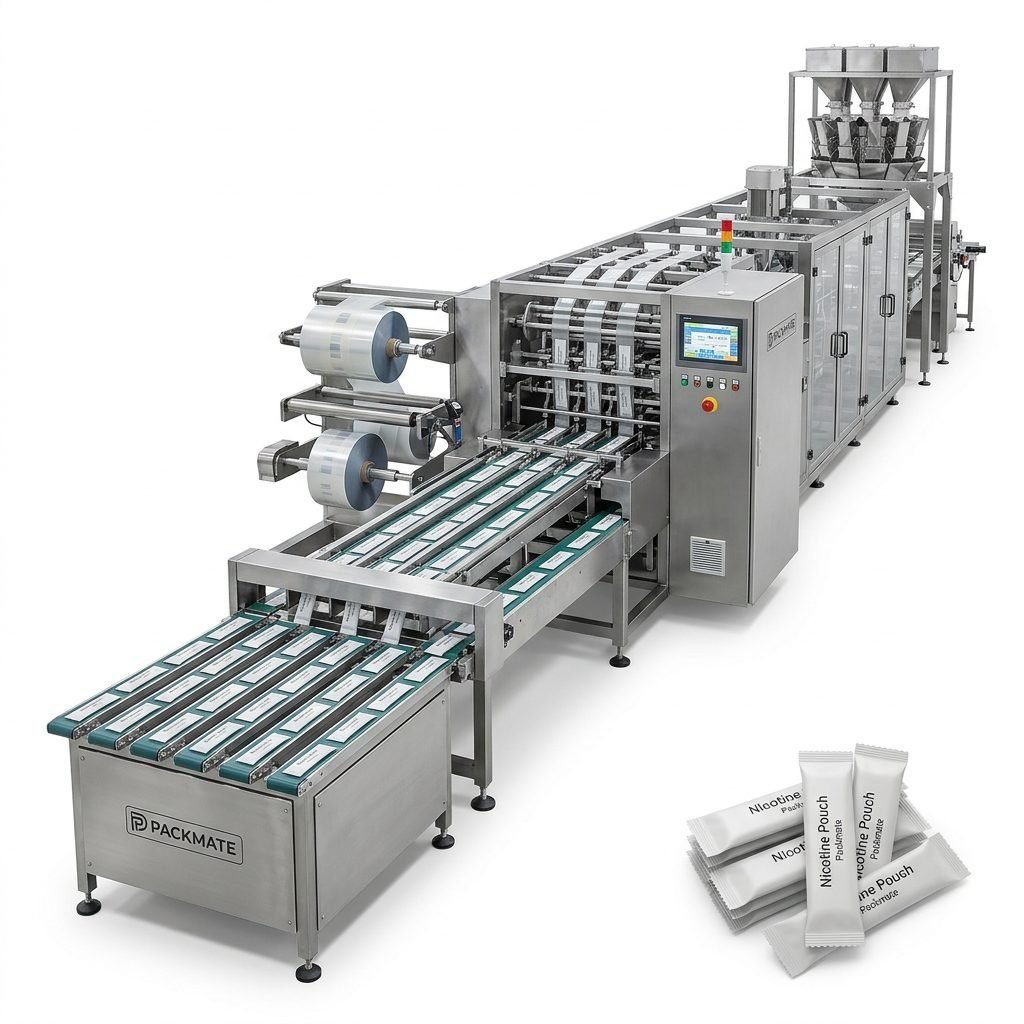
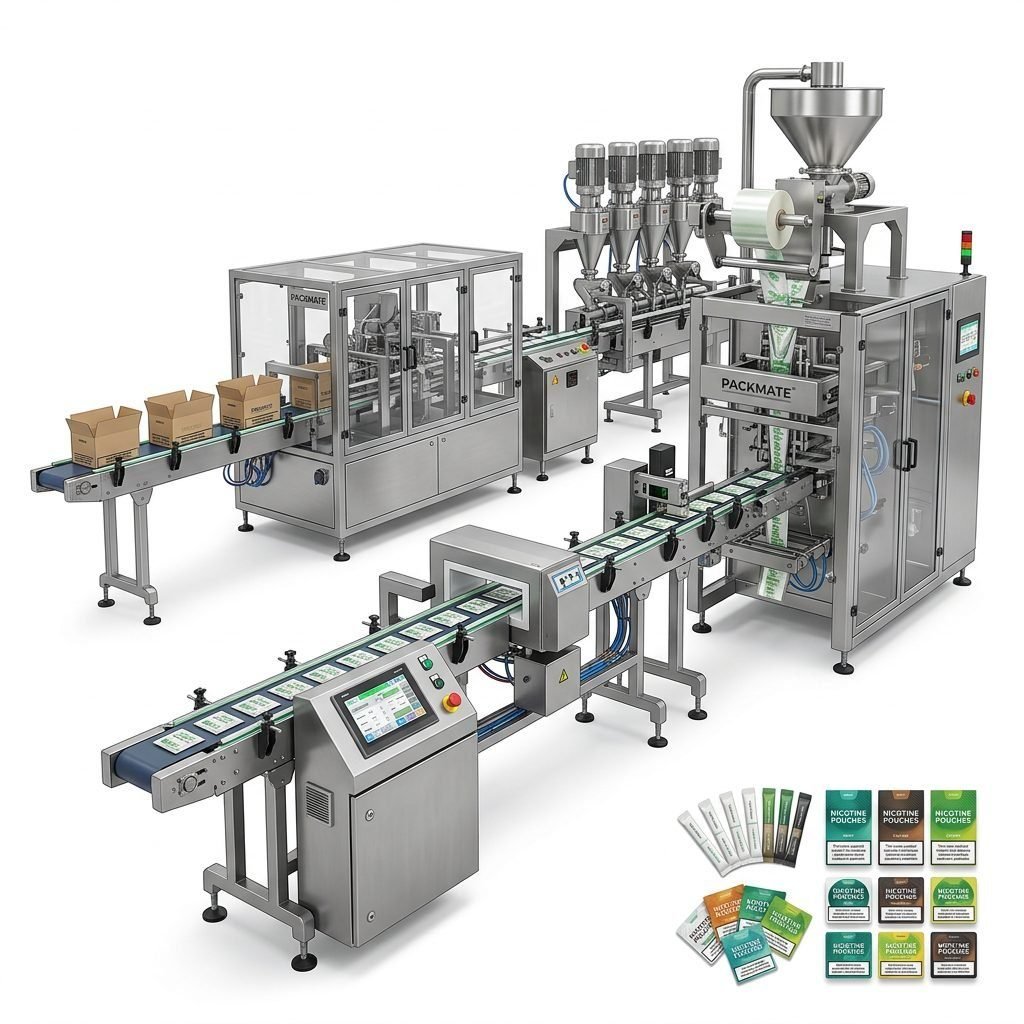
Choosing the right packaging machinery supplier can make or break a snus or nicotine pouch business entering the Côte d’Ivoire market. This guide walks you through practical, industry-proven criteria to evaluate suppliers, balance cost and quality, and ensure smooth import, installation, and scaling in a Francophone West African context. Use these insights to reduce risk, improve time-to-market, and protect product quality from factory floor to retail shelf.
Why Packaging Machinery Matters for Snus and Nicotine Pouches in Côte d’Ivoire
The performance of your snus packaging line affects product integrity, regulatory compliance, and brand perception. In Côte d’Ivoire, where consumers expect clear labeling in French and durable packaging suitable for humid tropical climates, the machine you choose must deliver consistent sealing, precise dosing, and flexible language and artwork printing capabilities.
Key outcomes you want: reliable seals, accurate pouch weight, minimal downtime, and machines that support French-language printing and batch traceability.
Local market & cultural considerations
Côte d’Ivoire is a Francophone country with strong urban demand concentrated in Abidjan and Bouaké. Business relationships here are often built on trust and personal connection — expect to invest time in supplier visits, demonstrations, and clear post-sales commitments. Packaging must reflect local labeling laws and consumer preferences: French text, straightforward flavor descriptors, and packaging that resists humidity in coastal environments.
Regulatory and import realities
Nicotine products are subject to health regulations and sometimes special import controls. Before finalizing a supplier, confirm your legal pathway for nicotine pouch imports or local manufacture, and ensure your supplier can provide compliance documentation and machine certification (e.g., CE, ISO) to support customs clearance and regulatory review.
Core Supplier Selection Criteria
1. Machine performance and flexibility
Look for machine specifications that deliver consistent pouch weight, high sealing strength for humid climates, and the flexibility to switch formats (stick pack, sachet, multi-lane pouches). Machines should offer easy parameter saves for repeatable runs and quick changeovers to minimize production loss.
2. Proven track record & references
Ask for case studies and references from similar markets. International experience, especially in tropical or West African markets, is a plus. Packmate Snus Machine provides numerous global case examples; review their production cases to understand real-world uptime and service performance.
Tip: request a list of clients and ask to speak with operations managers who run similar lines.
3. Manufacturing strength and customization
Suppliers with their own CNC centers, large factories, and long industry experience are less likely to compromise on build quality. A 20,000㎡ facility with advanced machining centers means faster spare part production and the ability to deliver customized filling solutions — vital for new flavors, different pouch sizes, or local artwork.
4. Certifications and compliance
International certifications (CE, ISO) simplify import and reassure local health authorities. Request machine CE declarations, electrical schematics, and documentation for any food-contact parts. These documents also streamline maintenance and extension of warranties.
5. After-sales service and local support
After-sales service is critical when operating in Côte d’Ivoire. Confirm training availability in French, spare parts lead times, remote diagnostics capability, and whether the supplier has regional partners or service agreements that can attend to urgent repairs.
Operational and Logistical Considerations for Ivory Coast
Import logistics often center on the Port of Abidjan — one of West Africa’s busiest ports. Work with suppliers that understand export packaging for sea freight, offer robust crating, and provide full documentation for customs. Plan for inland transport limitations and choose machine dimensions that accommodate local handling and available warehouse door sizes.
Customs, duties and documentation
Ensure the supplier provides a commercial invoice, packing list, bill of lading, and machine technical specs. If the supplier can assist with FCA/FOB terms and recommend freight forwarders experienced with Abidjan, it will reduce surprises at arrival.
Financial Considerations: Cost vs. Total Value
Price is only one part of the equation. Evaluate total cost of ownership: energy efficiency, spare part pricing, expected MTBF (mean time between failures), and production yield. A lower-priced machine with poor uptime will erode margins and harm shelf reliability.
Financing, warranties and ROI
Ask about warranty terms, available financing, and local payment currency options. Plan for a conservative ramp-up in production and calculate ROI using realistic throughput, not theoretical maximums.
What to Inspect During Supplier Evaluation
✅ Watch a live machine demonstration and request a trial with your actual formula or weight.
⚙️ Inspect build quality: wiring, PLC brand, servo systems, and hygiene of contact parts.
📋 Verify documentation: spare parts list, electrical drawings, and operator manuals in French if needed.
Factory visits and remote checks
If travel is limited, request multiple video streams during test runs, ask for recorded production cycles, and insist on signed acceptance criteria before shipment. For on-site visits, bring your technical and procurement teams to evaluate compatibility with your plant layout.
Implementation: Installation, Training & Maintenance
A supplier that offers turn-key services including installation supervision, operator training (preferably in French), and initial spare parts kits will speed up commissioning and reduce early-life failures. Confirm whether training includes preventive maintenance schedules, troubleshooting guides, and remote support pathways.
Spare parts & consumables plan
Negotiate an initial kit of critical wear parts and expect lead times from the supplier. Ideally, choose a partner who can provide quick spare part shipment or has regional stocks to minimize downtime.
Checklist: Questions to Ask Potential Suppliers
• What is the realistic throughput for our pouch size and target weight?
• Can you provide references from similar markets and product types?
• Are operator manuals and training available in French?
• What certifications and documentation are included for customs and regulatory review?
• What is your spare parts lead time, and do you offer local stocks or regional warehouses?
Supplier Spotlight and Useful Resources
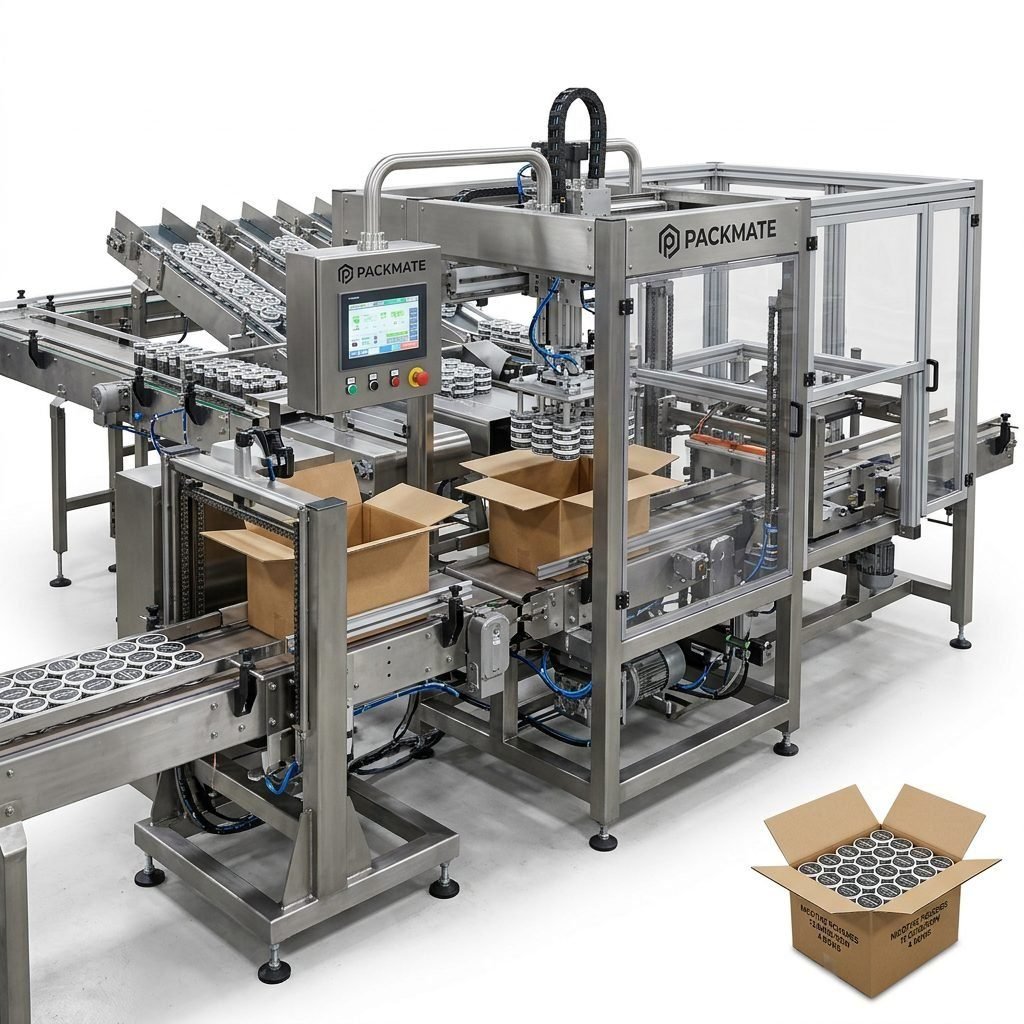
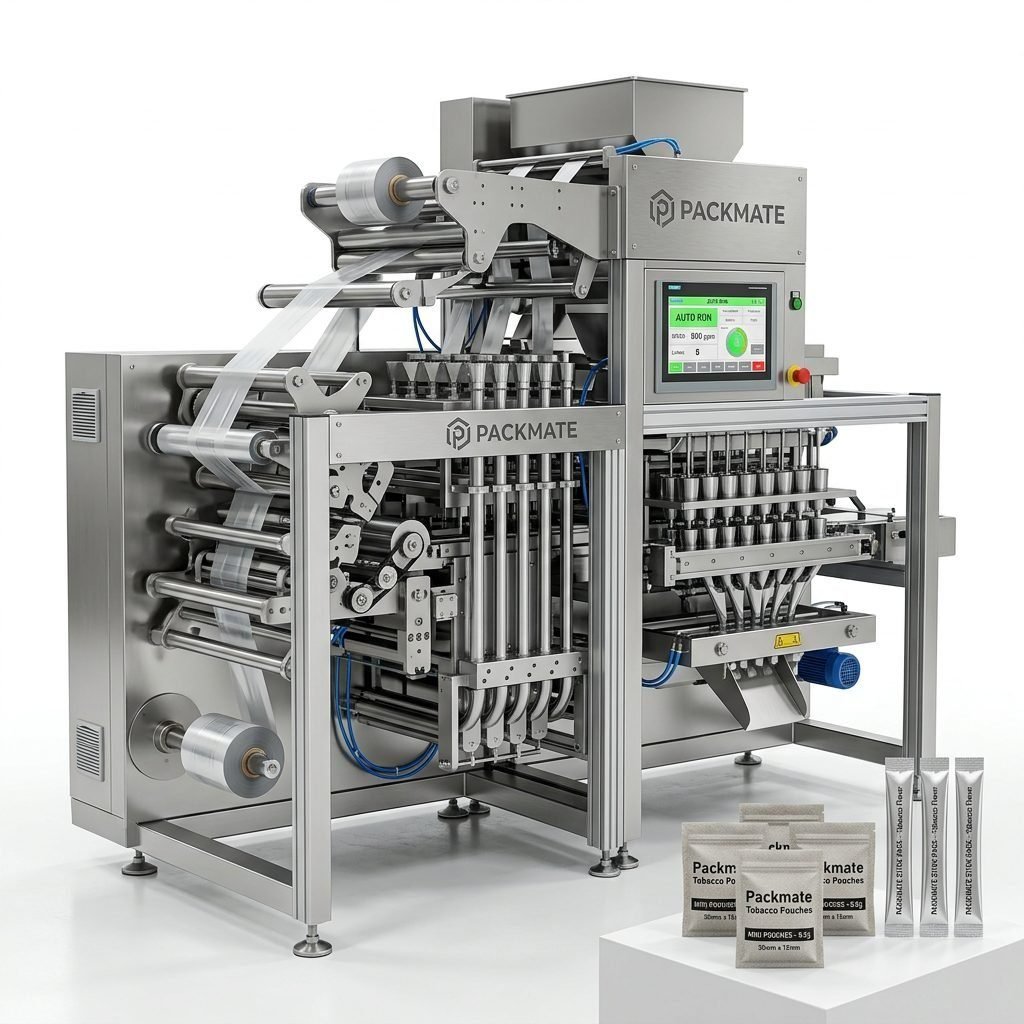
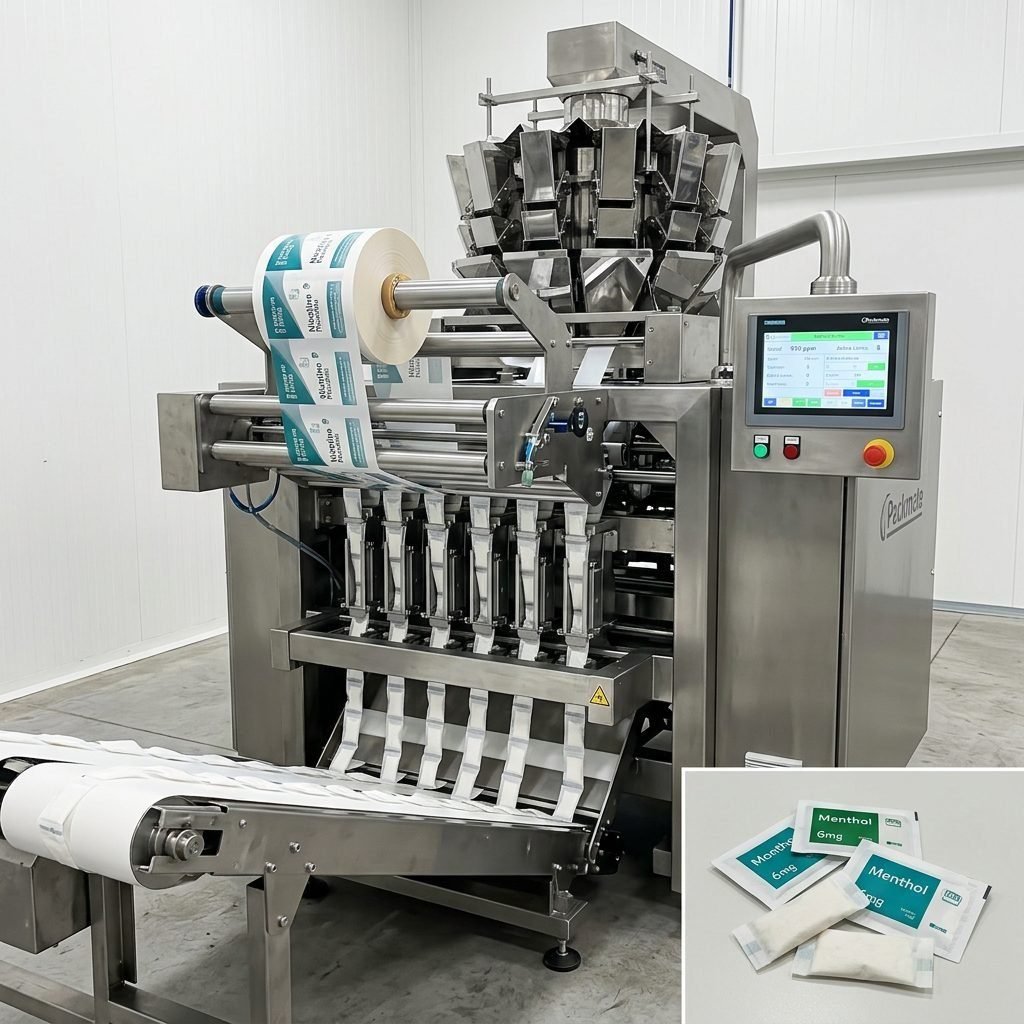
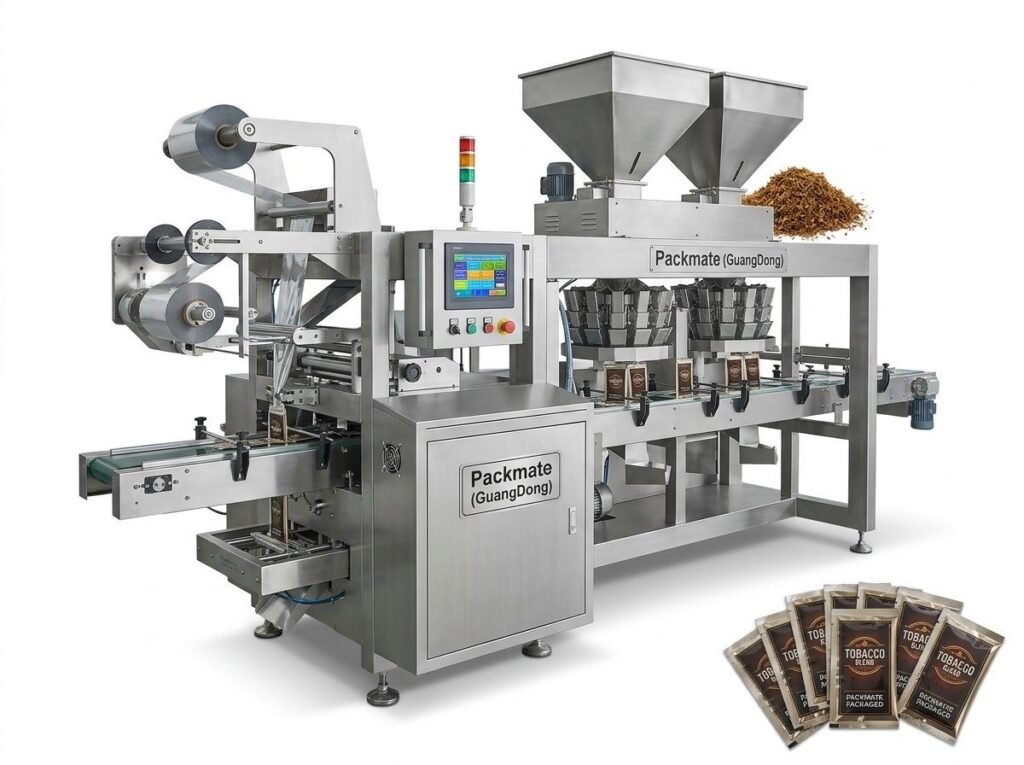
Manufacturers with long-term experience in snus and nicotine pouch equipment, modern CNC capabilities, and global turnkey projects provide the best balance of quality and service. For more information on equipment types and capabilities, review product lines such as
Snus & Nicotine Packaging Machines,
Sachet & Stick Pack Machines, and the company profile at
About Packmate.
Real-world evidence
Examine case studies and exhibition records to validate supplier capability and machine stability. Seeing how machines perform across different geographies helps predict performance in Ivory Coast’s climate. Explore additional real-world examples at the supplier’s case page:
Case.
Making the Final Decision
Balance technical fit, proven market experience, and after-sales responsiveness. Prioritize suppliers offering documented performance, clear training in French, and a spare parts strategy that aligns with expected local lead times. A supplier that supports remote diagnostics and provides on-site commissioning is a strategic advantage for a new operation.
Negotiation tips
Negotiate for extended commissioning support, an initial spare parts kit, and defined KPIs for machine acceptance testing. Clarify responsibility for shipping damage, and set clear penalties or remedies for missed delivery dates.
Conclusion
Selecting the best snus packaging machinery supplier for your Côte d’Ivoire business requires a blend of technical due diligence, cultural understanding, and logistical planning. Focus on suppliers with strong manufacturing capabilities, verifiable global experience, French-language support, and clear after-sales commitments to ensure a robust launch and scalable production.
Frequently Asked Questions
Q1: What certifications should I require when importing packaging machines into Côte d’Ivoire?
A1: At minimum, request CE declaration and ISO manufacturing references. Also ask for detailed technical documentation and any food-contact material certificates if applicable to your product. These documents facilitate customs clearance and regulatory review.
Q2: How important is on-site training in French?
A2: Very important. Operator and maintenance training in French reduces misunderstandings, prevents incorrect operation, and speeds up troubleshooting. If the supplier cannot provide French-language materials, arrange for professional translation as part of your acceptance criteria.
Q3: What is a sensible spare parts kit to order with a new snus packaging line?
A3: Include critical wear items—sealing elements, belts, cutters, sensors, and essential electrical components—enough to cover the first 3–6 months of operation. Confirm lead times for additional parts and whether expedited shipping options exist.
Q4: Can I get financing or phased payments for packaging machinery?
A4: Many manufacturers offer financing solutions or staged payment terms. Negotiate for milestone-based payments tied to factory acceptance tests, shipment, and on-site commissioning to protect your investment.