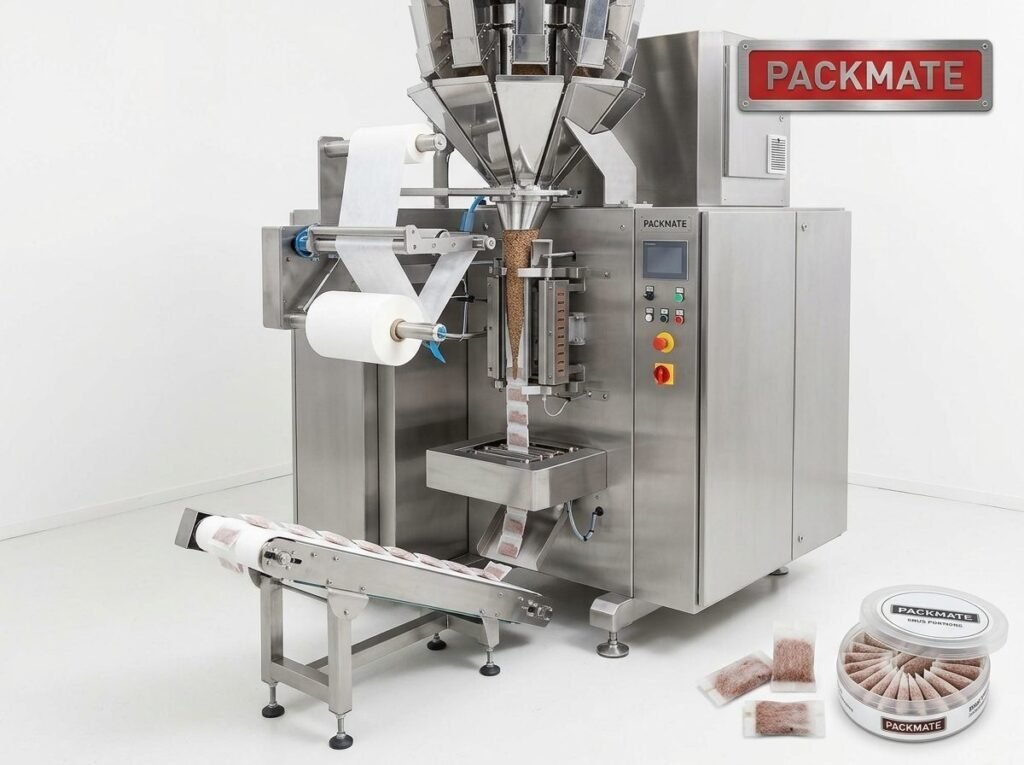
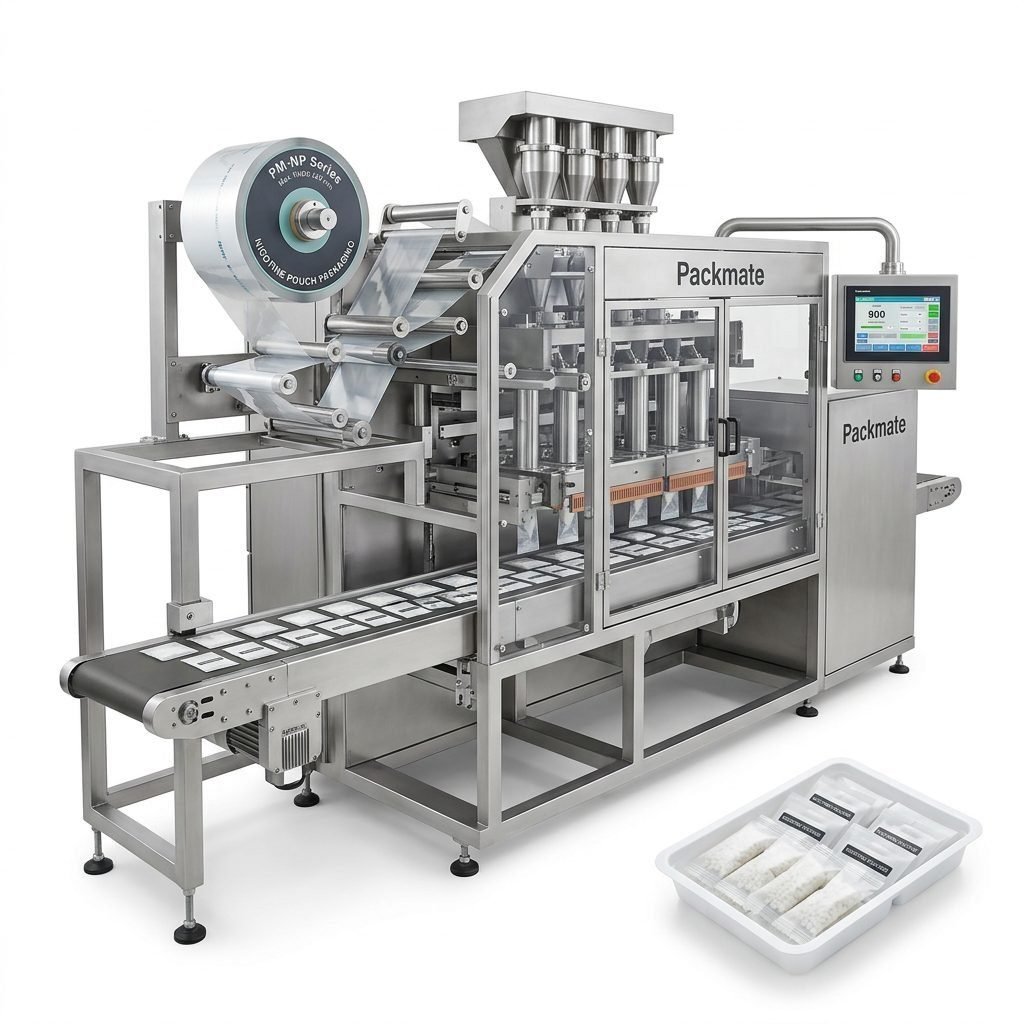
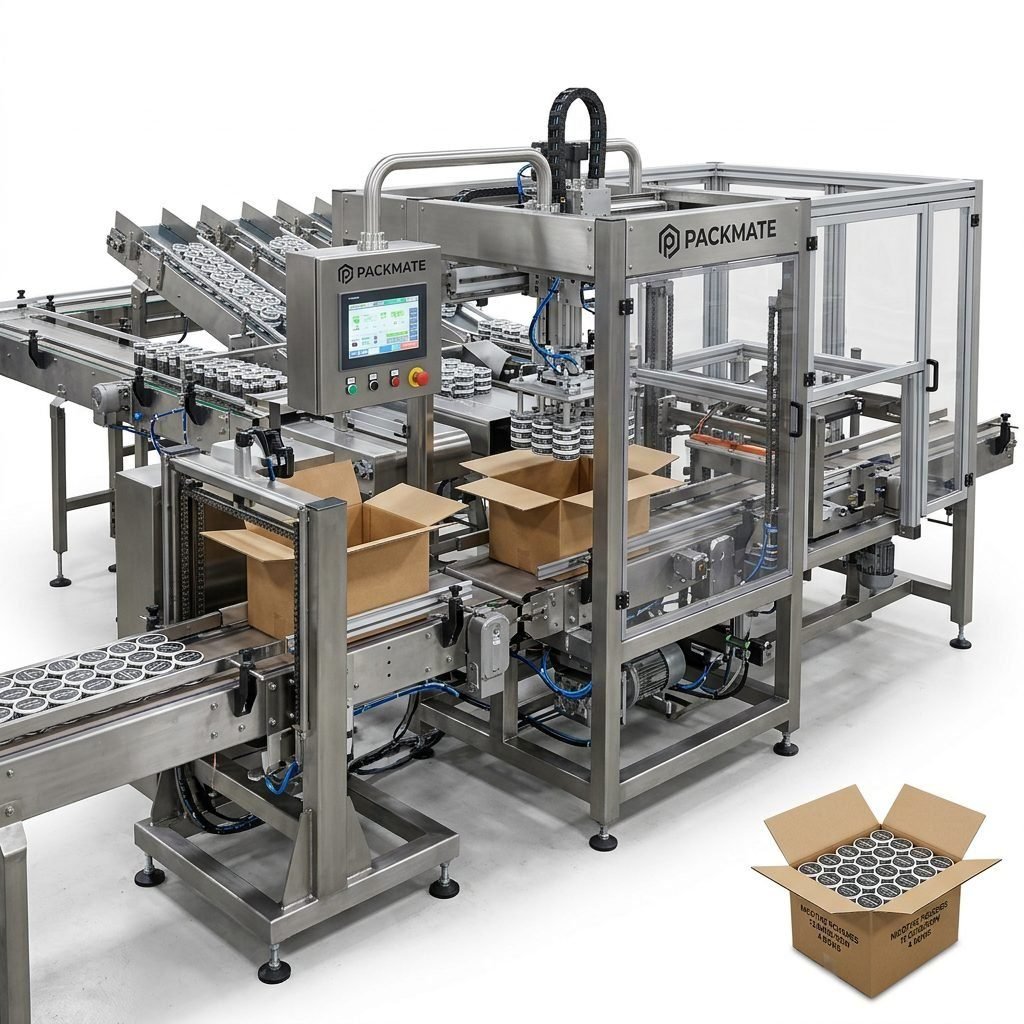
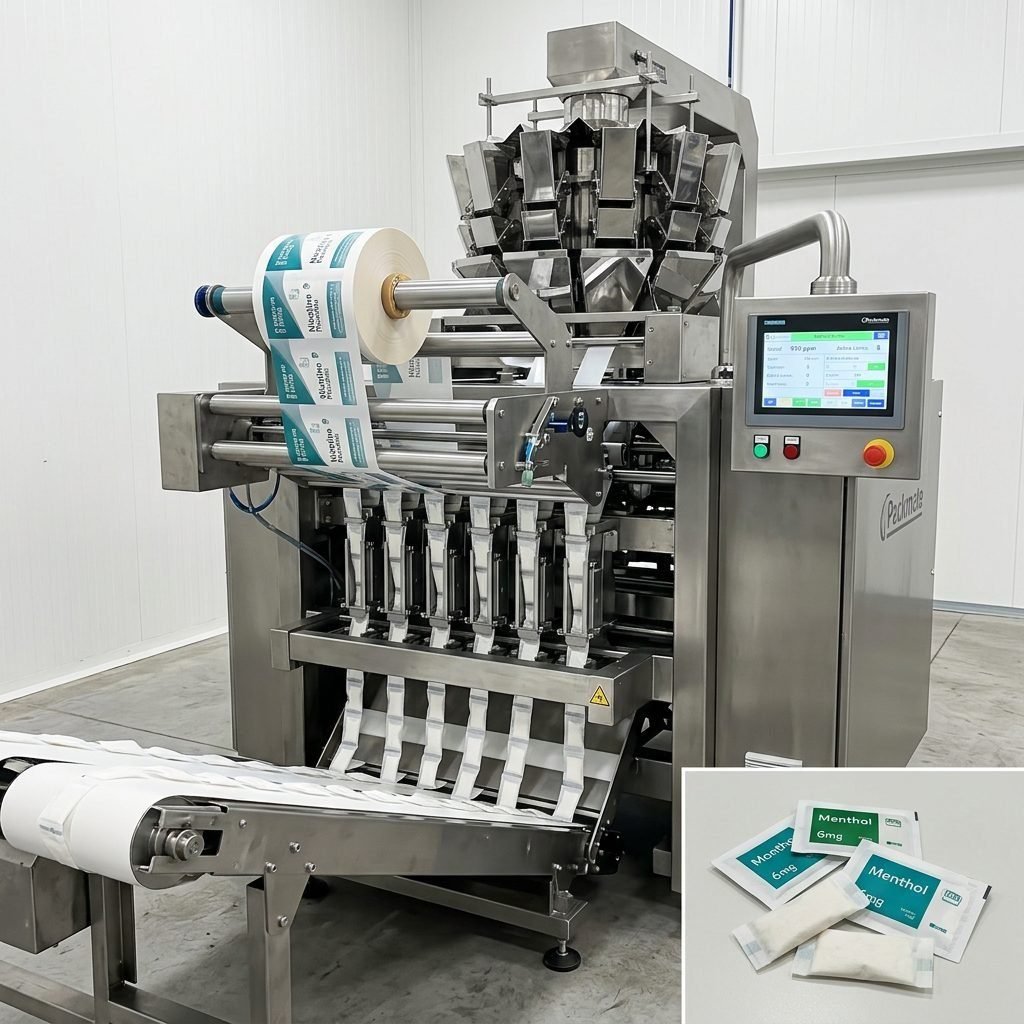
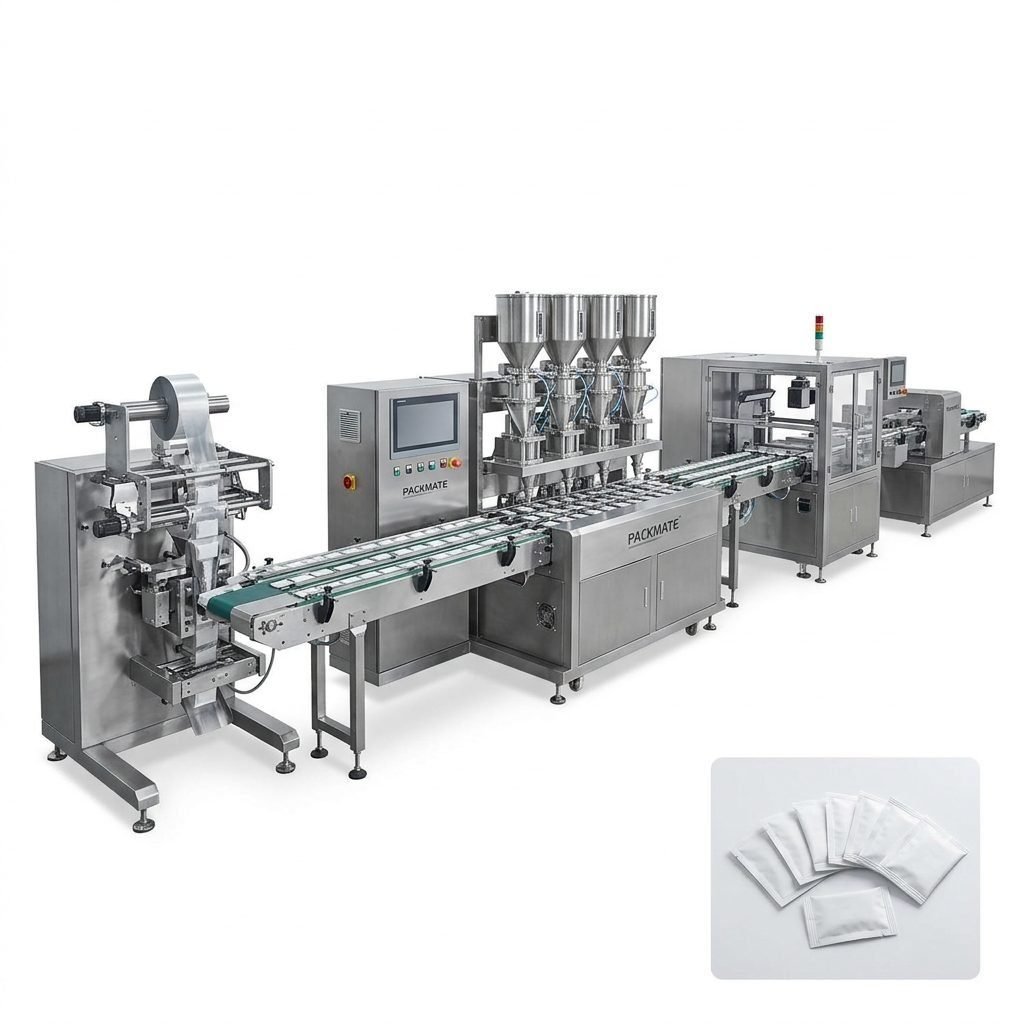
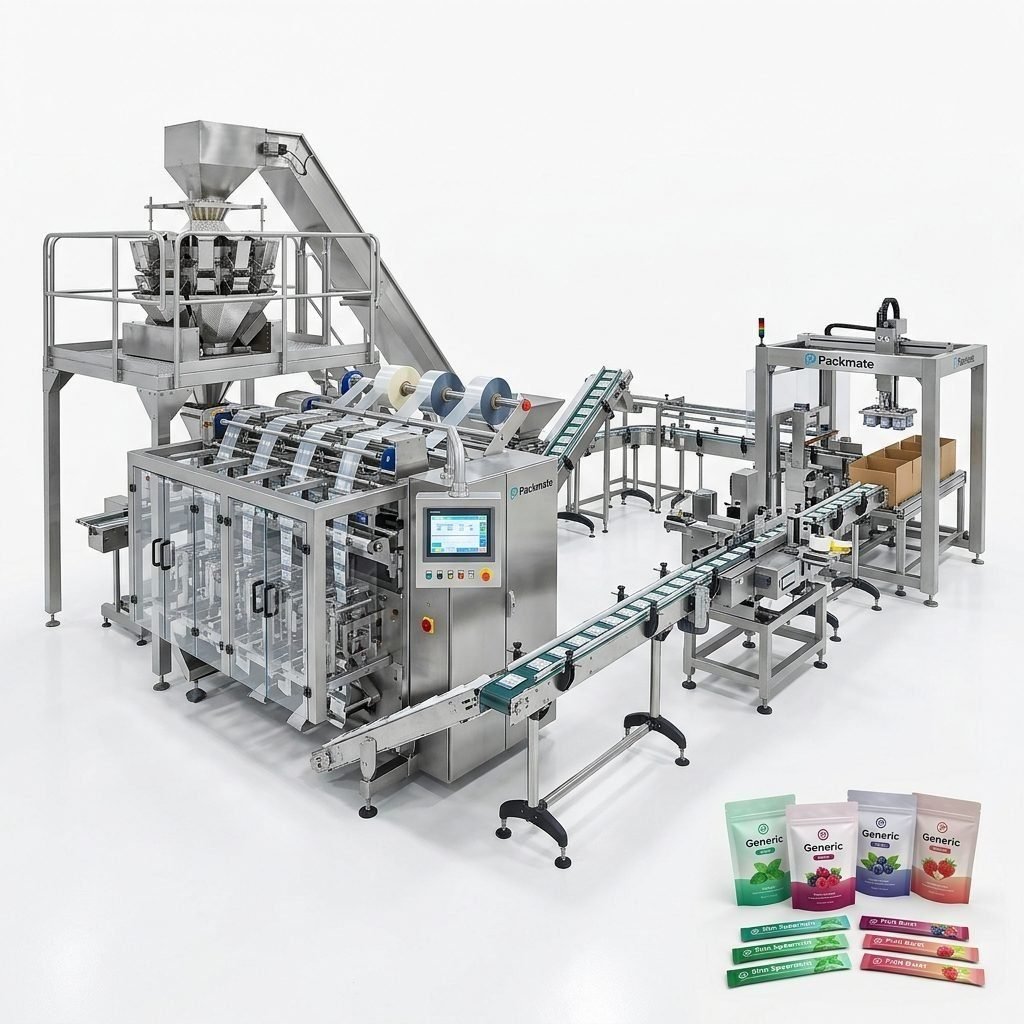
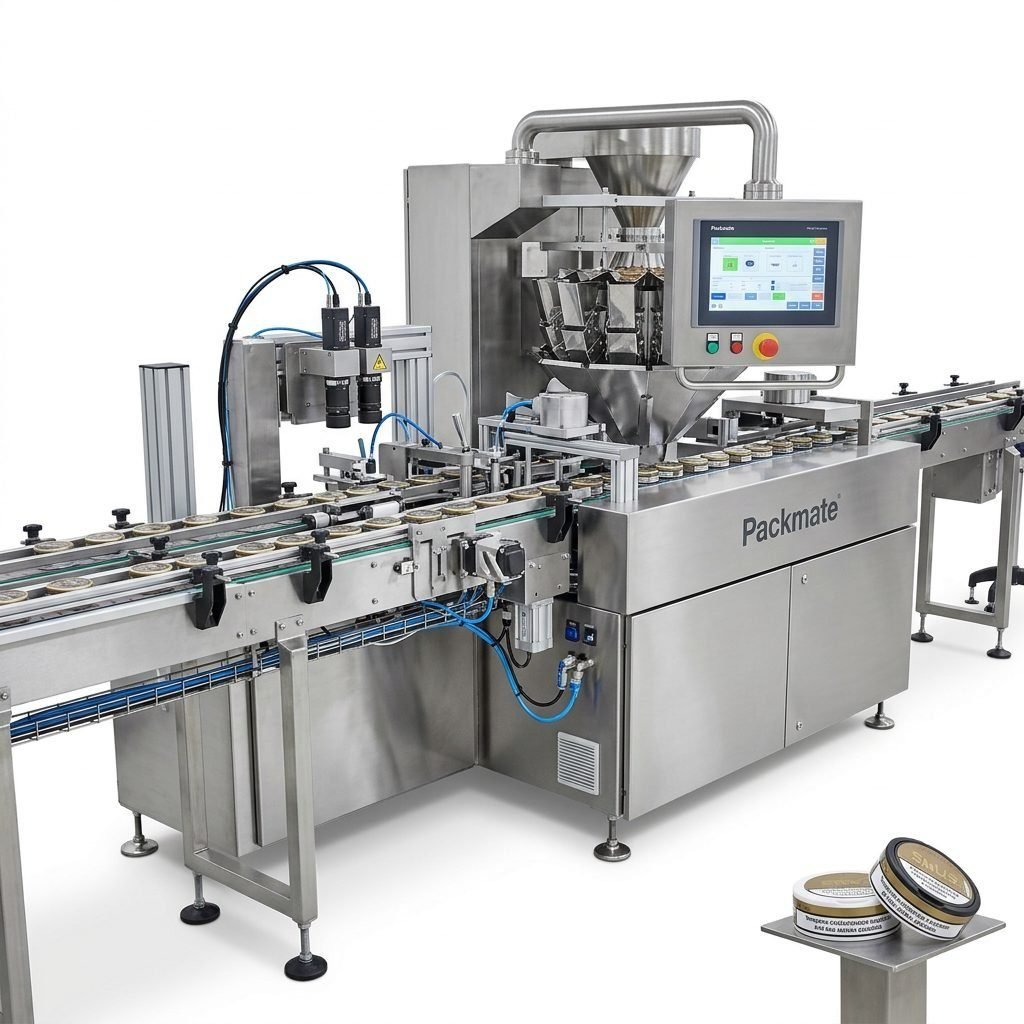
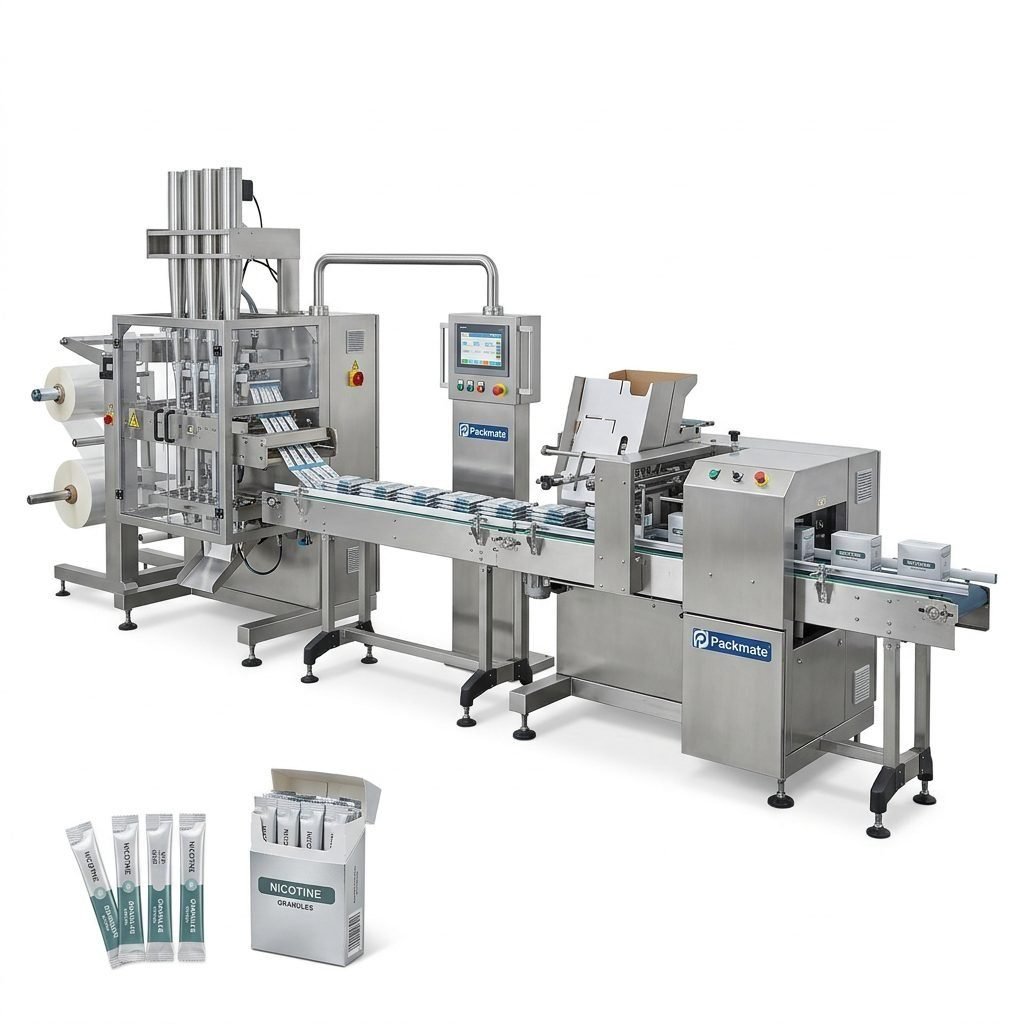
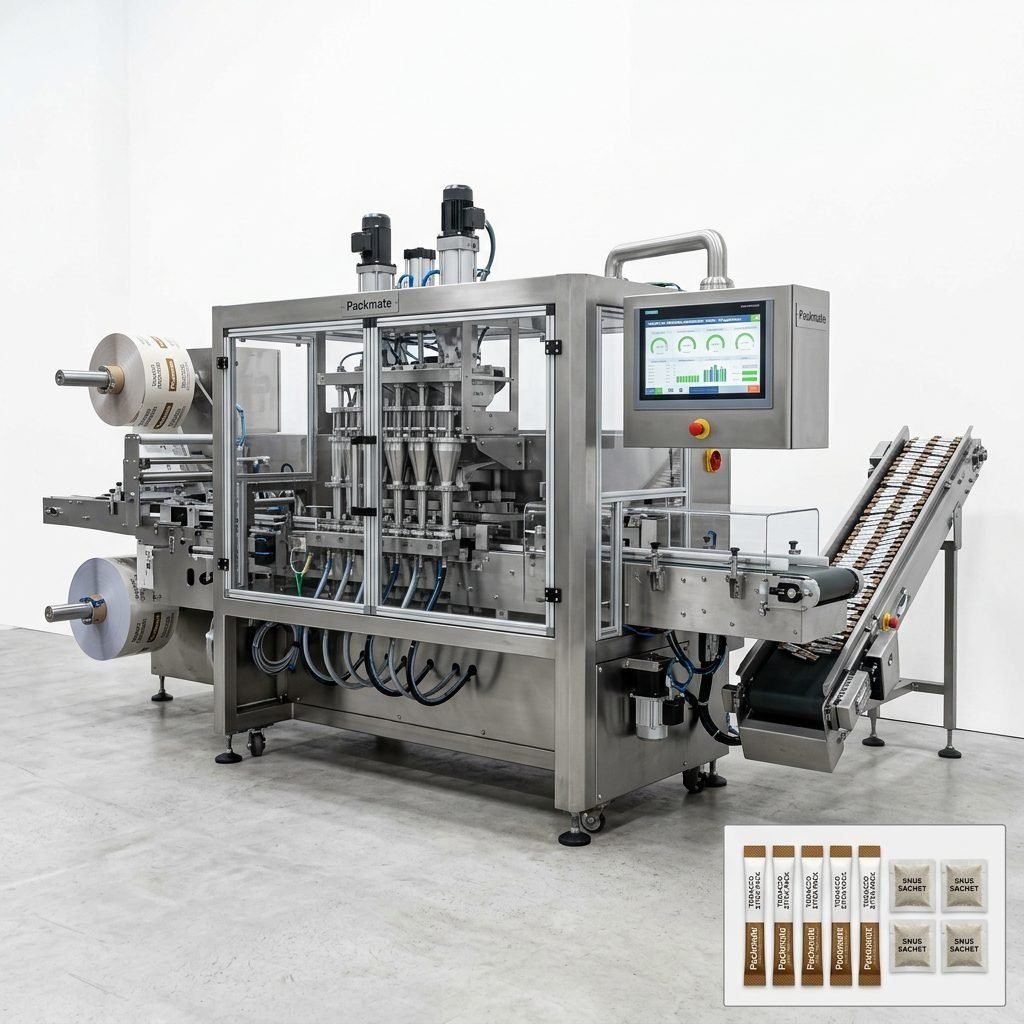
Choosing the right nicotine packaging machinery supplier in Denmark requires a careful balance of technical demands, compliance with local and EU regulations, and an understanding of Danish consumer and business culture. This guide walks you through the practical steps, key evaluation criteria, and local considerations to help you select a supplier that will deliver reliable, efficient and compliant packaging solutions for nicotine pouches and snus-style products.
Understand Denmark’s market dynamics and local preferences
Denmark is a mature Nordic market with high standards for product safety, traceability and environmental responsibility. Danish consumers and regulators expect clear labeling, hygienic production, and reduced environmental footprint from packaging. When evaluating suppliers, consider machines that support minimal waste, recyclable packaging formats, and precise portion control that conforms to local expectations. Smaller batch runs and fast changeovers are often valued by Scandinavian brands that emphasize product variety and seasonal launches.
Key technical requirements for nicotine pouch packaging lines
Whether you need stick packs, sachets, multi-lane pouches or custom pouch formats, start by listing your production targets and product characteristics. Typical technical requirements include:
🔧 Throughput and multi-lane capability: Determine daily units/hour requirements. Multi-lane snus systems can significantly increase output without enlarging footprint.
ℹ️ Compatibility with product form: Machines must handle powders, granules, moist pouches and low-dose nicotine reliably without damaging the product.
✔️ Accuracy and yield: High-precision dosing systems reduce overfills and cut material costs. Look for integrated weighing or dosing options.
⚠️ Hygiene and cleanability: Stainless steel contact parts, easy tool-free access, and designs that minimize product entrapment are essential for nicotine products.
🔁 Changeover flexibility: Quick format changes reduce downtime and improve responsiveness to market demand.
Compliance, certifications and standards
For Denmark and wider EU markets, choose suppliers whose equipment complies with CE marking and follows ISO quality systems. Look for documented quality assurance processes and test records. Certification details, factory inspection reports and a history of delivering to EU customers are strong indicators of compliance. Suppliers that publish clear certificates and offer FAT/SAT procedures save you time during validation and commissioning.
What to evaluate in a supplier: company strength and track record
When assessing suppliers, a combination of tangible assets and service capabilities matters:
• Factory scale and machining capability — confirm CNC centers, precision assembly lines and factory area to ensure consistent build quality. A well-equipped 20,000㎡ factory with advanced machining is a positive sign.
• Product range — vendors with multiple models including snus/nicotine pouch systems, stick pack and sachet machines cover more needs and provide upgrade paths. Explore product portfolios such as Snus & Nicotine Packaging Machines and Sachet & Stick Pack Machines to verify fit.
• Experience and history — companies with decades of R&D and continuous improvement show resilience and technical depth. A supplier with 30+ years’ background and a clear development timeline signals long-term stability.
Quick vendor checklist: production capacity, product compatibility, CE/ISO certification, spare parts strategy, local EU references, FAT demonstrations, commissioning and after-sales support.
Factory visit, FAT and quality assurance
Arrange an on-site factory visit or a virtual FAT (Factory Acceptance Test). Important items to verify during FAT:
✅ Demonstration of continuous operation to confirm yield and speed under representative product conditions.
✅ Clear documentation of electrical, pneumatic and control schematics, plus spare parts lists.
✅ Proof of material traceability and welding/assembly quality records.
Service, training and spare parts
In the Danish market, local responsiveness and predictable service contracts are valued. Confirm the supplier offers structured training programs for operators and maintenance teams, clear spare parts lead times and remote diagnostics capability. A supplier that publishes a dedicated Service page and provides easy Contact Us channels can shorten downtime and improve lifecycle management.
Operational considerations specific to Denmark
Denmark’s focus on sustainability, worker safety and energy efficiency influences machine selection:
• Energy-efficient drives and automation lower operating costs and support corporate sustainability goals.
• Quiet operation and ergonomic design reflect Danish workplace expectations for employee well-being.
• Waste reduction and packaging recyclability align with strict local recycling rules; consider machines designed for lightweight films and mono-material films.
Cost, ROI and financing choices
Total cost of ownership (TCO) matters more than initial purchase price. Evaluate:
• Operating costs (energy, consumables), expected uptime and planned maintenance intervals.
• Parts availability and cost — established suppliers often maintain central spares warehouses or regional partners to reduce downtime.
• Upgrade paths — modular designs allow capacity expansion without full replacement. Turnkey suppliers that offer weighing, filling and packaging lines as integrated solutions simplify financing and reduce integration risk. See examples under Weighing & Packaging Systems and Filling & Packaging Lines.
Implementation roadmap: from inquiry to full production
A clear, phased roadmap reduces surprises and accelerates time-to-market:
1. Needs assessment — define product formats, speed targets, layout constraints and regulatory needs.
2. Specification and proposal — request detailed specs, electrical/pneumatic requirements and reference installations.
3. FAT and acceptance criteria — agree measurable KPIs (yield, throughput, sealing integrity).
4. Installation and commissioning — ensure supplier provides commissioning engineers and operator training on-site.
5. Validation, documentation and ongoing support — ensure full documentation and support contracts are in place for maintenance and spare parts.
Critical pre-order checklist:
• Define product SKUs and packaging materials precisely (film types, thickness).
• Confirm electrical specifications for your Danish facility and required CE documentation.
• Agree FAT acceptance metrics and warranty terms before deposit/payment.
Inspection checklist before signing a contract
🔎 Verify company references in Europe and ask for recent case studies. A supplier with documented Global Cooperation Cases and exhibition presence demonstrates credibility.
🔎 Ask for spare parts lists, lead times and local service partner contacts.
🔎 Request FAT videos or a live remote demonstration with your product.
🔎 Confirm warranty scope, response times and contract SLA for downtime.
Why a seasoned supplier can shorten your ramp-up time
Suppliers with deep domain experience bring refined engineering for specific products like nicotine pouches. They already understand tricky issues such as electrostatic behavior of fine powders, moisture control for pouches and film sealing nuances. A proven vendor reduces trial-and-error, shortening commissioning and improving first-run yields. Explore supplier portfolios such as Snus & Nicotine Packaging Machines and Bag & Pouch Packaging Machines to evaluate technical breadth.
Evaluating Packmate and similar manufacturers
When you review suppliers, consider whether they publicly share manufacturing capabilities, certifications and a development timeline. Companies that evolved from small R&D workshops into full-scale manufacturers with CNC machining, precision assembly lines, and global turnkey experience are typically more dependable. Check About Packmate, Certificates and Case histories to review real-world implementations and compliance records.
Practical tips for Danish buyers: procurement and cultural aspects
Danish procurement teams appreciate clarity, punctuality and sustainability commitments from suppliers. Be explicit about delivery milestones and expect direct, transparent communication from vendors. Negotiations should cover lead times, after-sales SLA and environmental handling of packaging waste. Offering local training sessions and clear operator documentation in English (and Danish if possible) is an advantage.
Next steps: short-listing and trial orders
Short-list vendors based on technical fit, compliance and service capability. For critical projects, consider a pilot or demo run with your exact product to validate performance. Confirm installation logistics, customs clearance for import into Denmark and consider local technical partners for quicker support. If you need integrated systems, explore suppliers that also offer Weighing & Packaging Systems and Auxiliary Packaging Equipment to reduce integration risks.
Conclusion: a pragmatic approach to supplier selection
Selecting the right nicotine packaging machinery supplier in Denmark means balancing technical capability, compliance and cultural fit. Prioritize suppliers that demonstrate proven multi-lane snus and nicotine pouch experience, transparent certification and robust after-sales support. Use FATs, factory information and clear documentation to mitigate risks and accelerate production ramp-up. A structured procurement process combined with pilot testing will yield the best long-term outcome.
Further resources
For product-specific information and solutions, review manufacturer product pages and company information:
• Snus & Nicotine Packaging Machines
• Sachet & Stick Pack Machines
• Service and About Packmate
Frequently Asked Questions
Q1: What certifications should I ask for when buying packaging machines for nicotine pouches?
Ask for CE marking documentation, ISO quality management evidence (ISO 9001) and machine safety reports. Also request material contact surface certifications (e.g., food-grade stainless steel grades) and documented FAT procedures.
Q2: How important is a Factory Acceptance Test (FAT)?
FAT is critical. It verifies machine performance with representative product conditions before shipment, reduces on-site surprises and becomes the baseline for acceptance criteria at installation.
Q3: Should I prefer multi-lane machines for nicotine pouches?
Multi-lane systems can offer higher throughput within a smaller footprint and are advantageous if you anticipate scaling production. Evaluate maintenance complexity and format flexibility when choosing multi-lane configurations.
Q4: What after-sales support is essential?
Timely spare parts supply, remote diagnostics, on-site commissioning and operator training are essential. SLAs for response times, predictable spares pricing and local technical partners improve uptime.
Q5: How do I ensure my packaging is aligned with Danish sustainability expectations?
Choose equipment designed for minimal film waste, compatible with recyclable or mono-material films, and optimize filling accuracy to reduce material use. Discuss packaging material choices with suppliers experienced in sustainable formats.