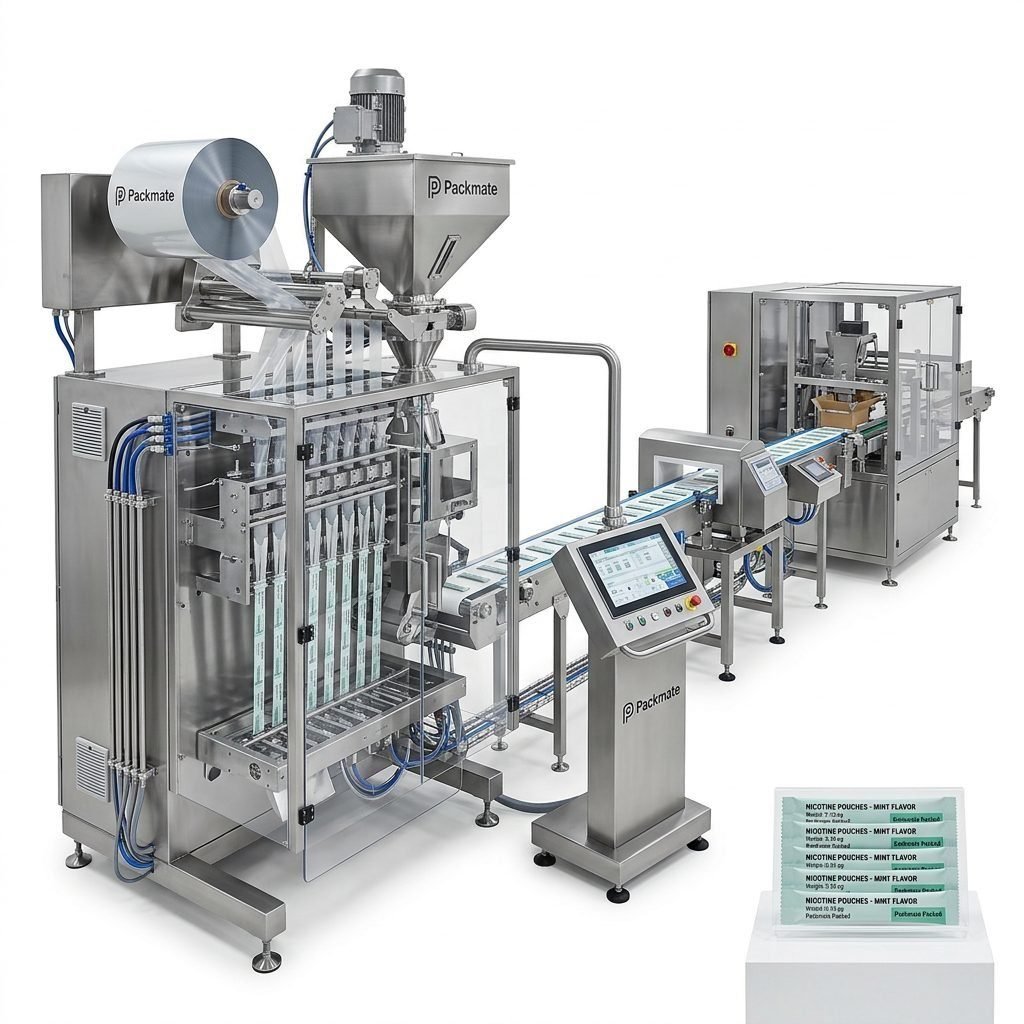
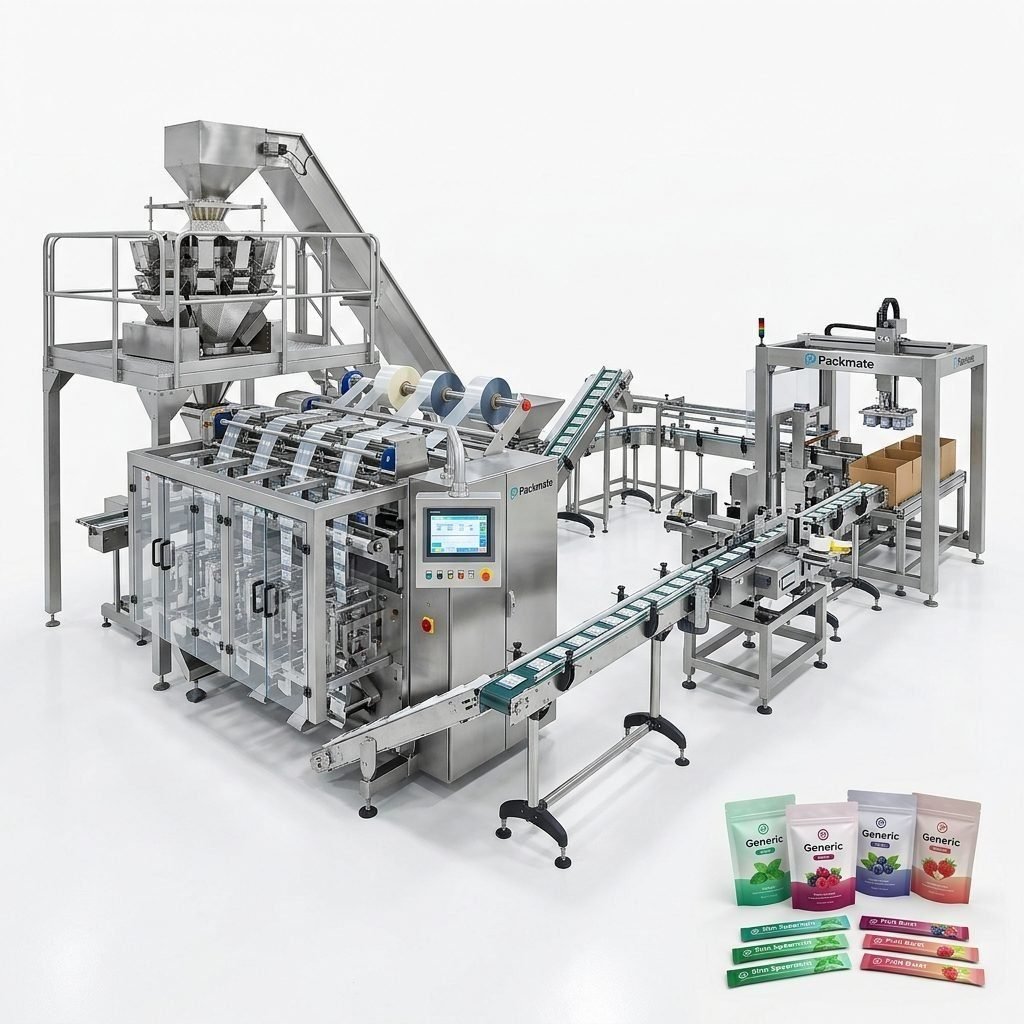
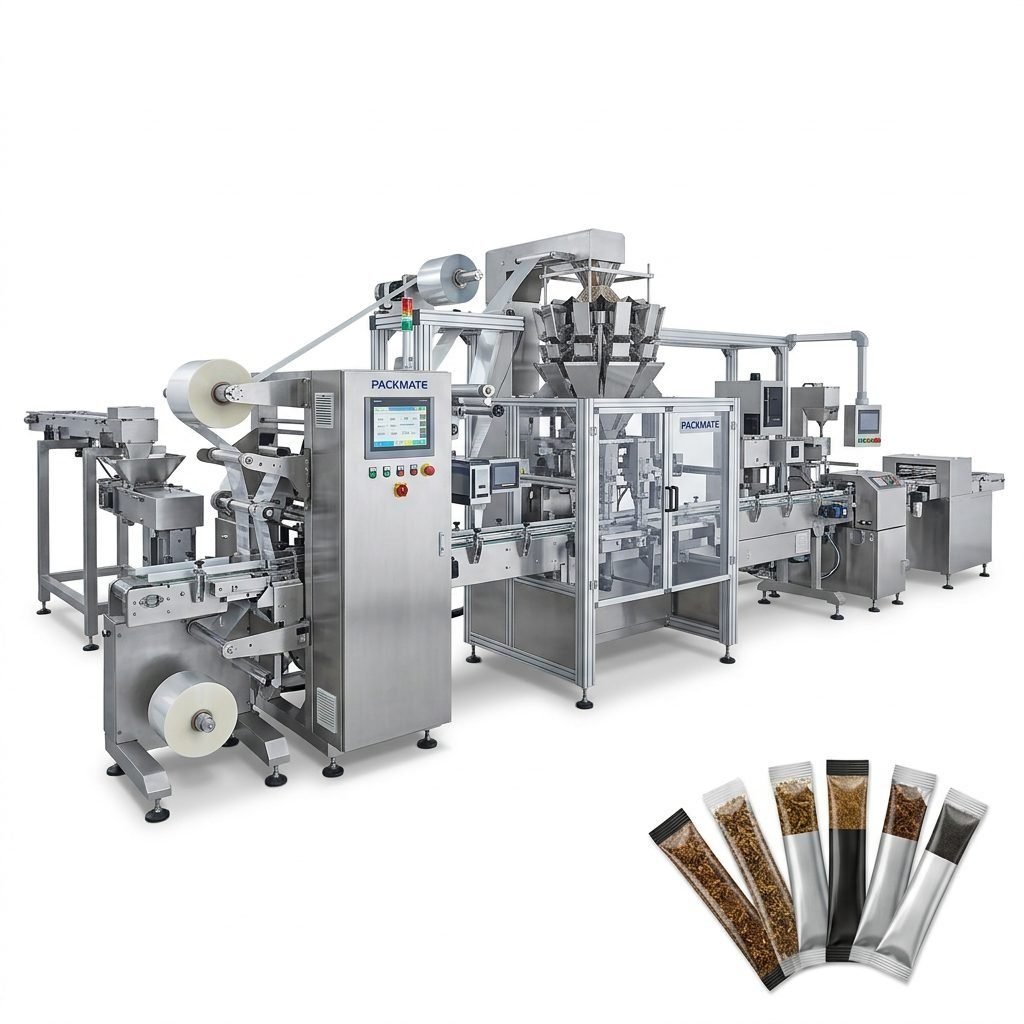
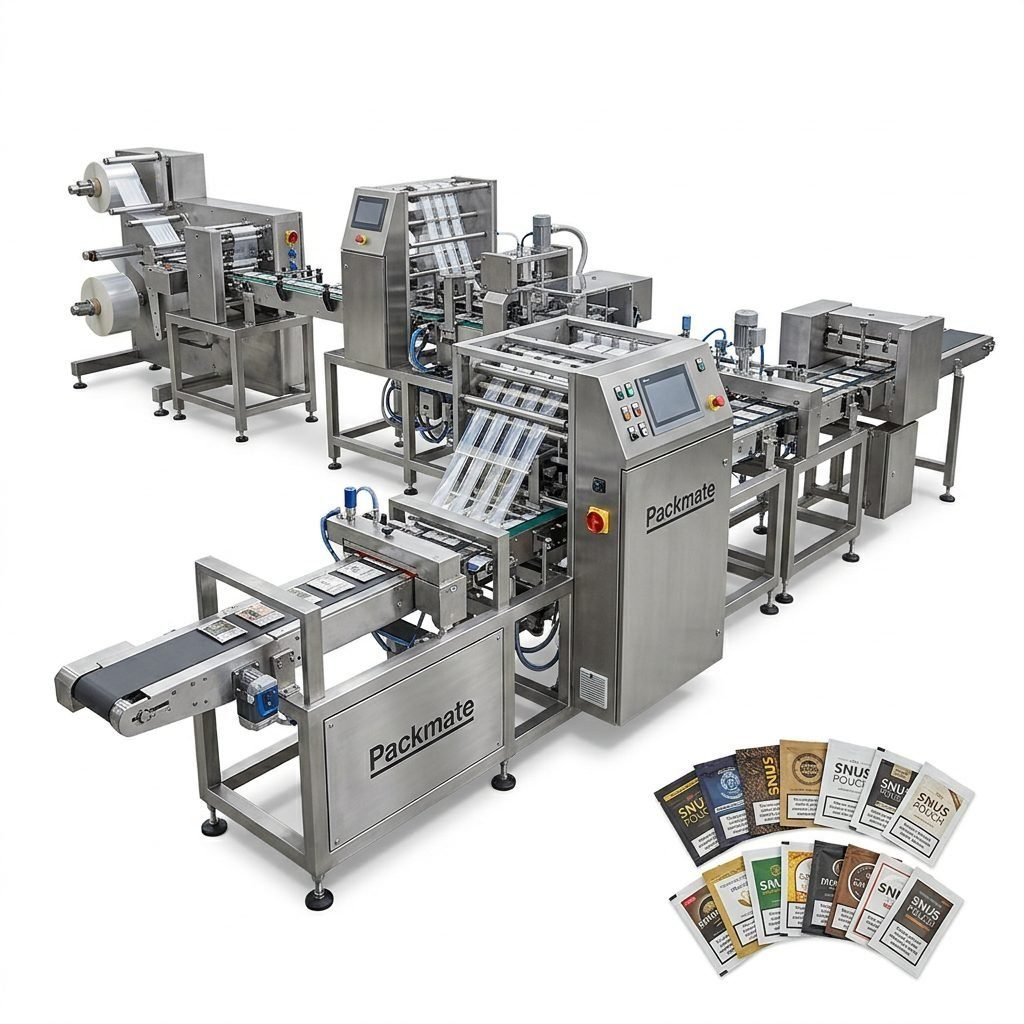
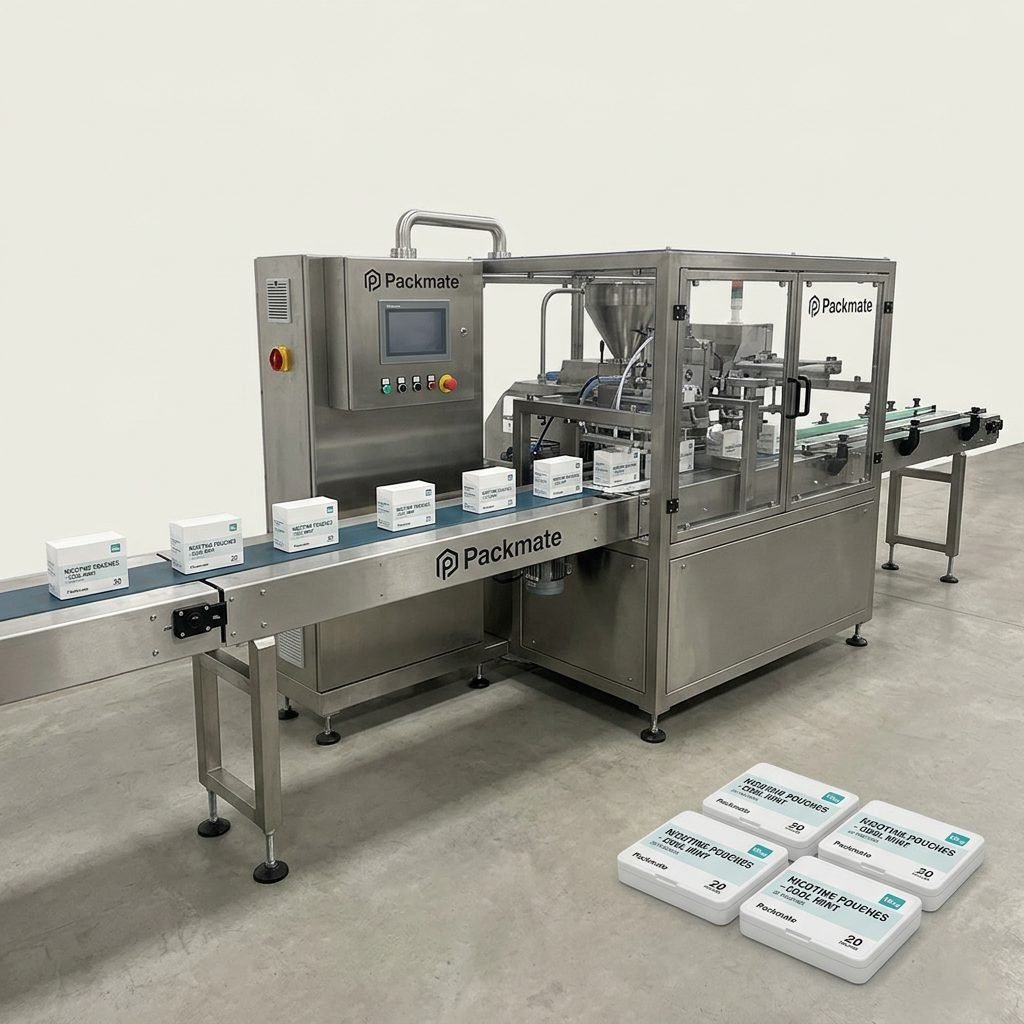
Choosing the right nicotine packaging machinery in the Bahamas requires a blend of technical understanding, regulatory awareness, and sensitivity to local market habits. Whether you plan to produce nicotine pouches, snus, sachets, or stick packs, this buyer’s guide walks you through practical steps to evaluate machines, suppliers, and after-sales support so your investment delivers reliable, compliant, and profitable production.
Understand the Bahamas Market and Consumer Habits
The Bahamas has a unique market profile influenced by tourism, seasonal demand, and island logistics. Local retail channels often serve both residents and international visitors, which means demand can spike during peak tourist months. Consumers in the Bahamas typically favor compact, travel-friendly packaging and discreet formats. For manufacturers, this means prioritizing compact, high-precision machines that can reliably produce small-dose pouches and small-format sachets that suit convenience stores, duty-free shops, and tourist-focused outlets.
Key local considerations
• Seasonality: plan capacity for peak tourism seasons.
• Port & logistics: choose machines with modular setups to ease transport across islands.
• Product format preference: focus on pouches/sticks that fit travel kits and duty-free constraints.
• Marketing sensitivity: discrete, well-sealed packages often sell better in mixed retail environments.
Regulatory and Compliance Checklist for the Bahamas
Before buying equipment, confirm regulatory rules for nicotine products in the Bahamas. Requirements may include labeling, child-resistant features, ingredient disclosure, and import controls. Machines must support compliant packaging formats and printing capabilities for batch codes, expiration dates, and mandatory warnings.
⚠️ Note: Confirm local customs and health department rules, and ensure your production line can implement traceability and labeling systems required by Bahamian authorities.
Types of Nicotine Packaging Machines and When to Choose Each
Different product formats call for specialized machinery. Below are common machine types and the production scenarios they best serve.
Snus & Nicotine Pouch Packing Machines
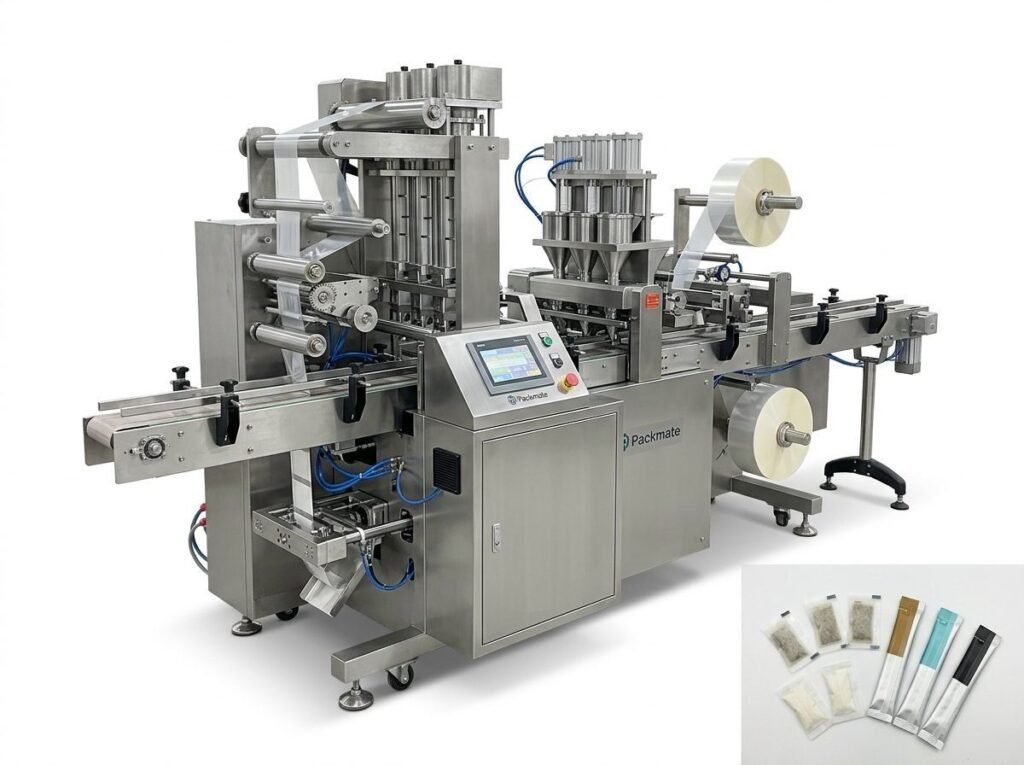
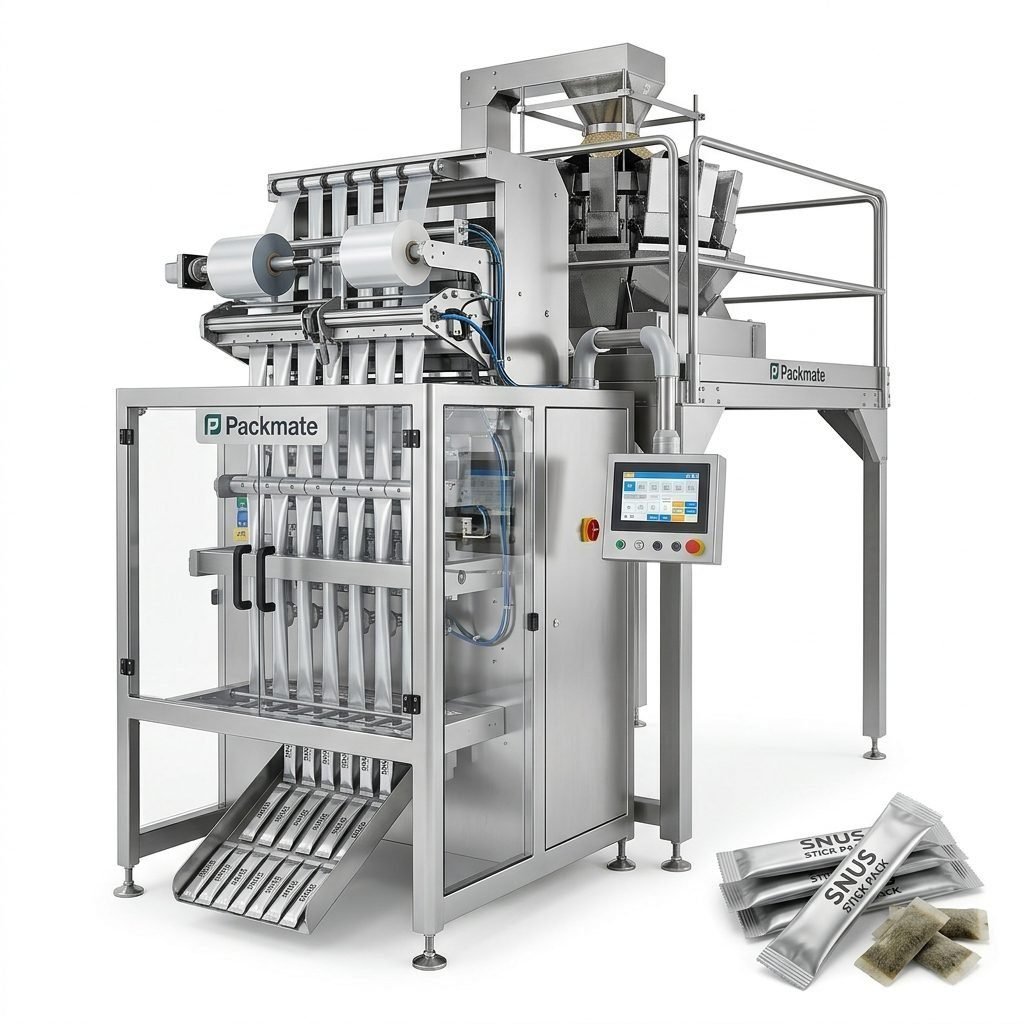
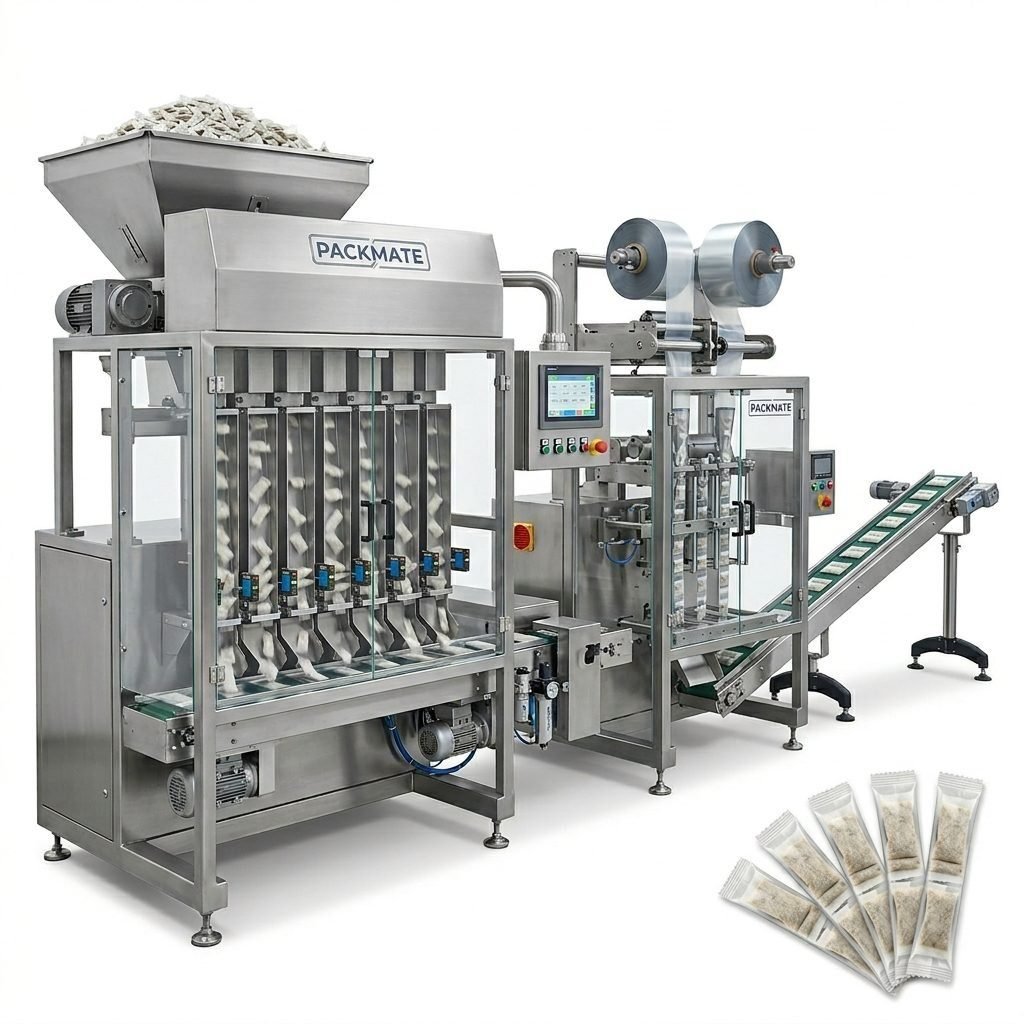
Ideal for nicotine pouches and snus. These systems excel at producing small-dose pouches with precise filling and sealing, often in multi-lane configurations to boost throughput. If your product line emphasizes pouches for convenience stores and duty-free counters, this is the core technology to investigate. See product options for high-precision systems: Snus & Nicotine Packaging Machines.
Sachet & Stick Pack Machines
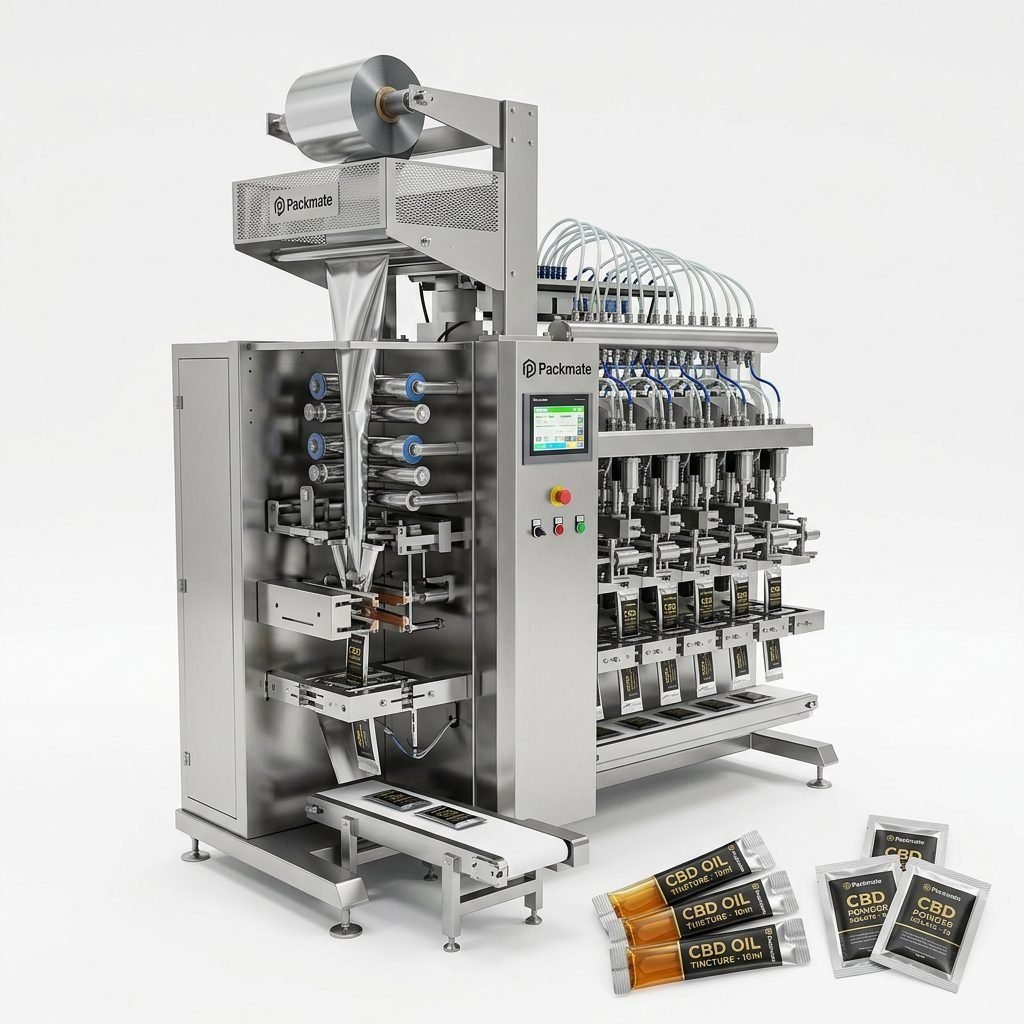
Suitable for single-portion nicotine powders, liquids, or granular formats. Stick packs are popular where single-use convenience and hygienic dispensing matter. These machines are compact and can be a cost-effective option for lower-volume operations or experimental product launches. Explore models: Sachet & Stick Pack Machines.
Multi-Lane Systems
Multi-lane machines multiply throughput by running several lanes in parallel — essential if you aim to meet high seasonal demand without doubling equipment footprint. These systems require more advanced synchronization and quality control features.
Production Capacity, Scalability, and Layout
Assess your target output per day and scale expectations for the next 2–5 years. In the Bahamas context, flexible scalability helps you adapt to tourist seasons and special events. Choose modular lines that allow adding lanes or upstream/downstream modules (weighers, conveyors, cartoners) as demand grows.
📌 Practical tip: Start with a machine that meets your baseline but supports modular expansion. This reduces initial investment while allowing capacity growth during peak tourist months.
Quality, Certifications and Supplier Credibility
Machines should meet international standards like CE and ISO to ensure safety and reliability. Verify a supplier’s factory capabilities, QA processes, and whether they provide testing and acceptance prior to shipment. Packmate emphasizes factory-scale CNC machining, precision assembly, and strict testing — useful when you evaluate vendors. Learn more about the manufacturer: About Packmate.
What to verify from suppliers
• Factory photos and production capacity.
• On-site acceptance reports and test videos with your product.
• References and export history for island or multi-destination logistics.
• Certificates: CE, ISO and any local import-compliance supports. See certifications: Certificate.
Spare Parts, Maintenance, and Local Support
In the Bahamas, minimizing downtime is crucial because delayed shipments and long waits for spare parts can hurt seasonal revenues. Confirm spare parts availability, lead times, and whether the supplier offers local stocking options or fast shipping arrangements to nearby ports.
✔️ Service & training: Choose suppliers that provide installation, operator training, and remote troubleshooting. Check their service page for support packages: Service.
Total Cost of Ownership (TCO) — Beyond Purchase Price
Calculate TCO including shipping, import duties, installation, tooling, spare parts, energy, maintenance, and downtime costs. For island operations, budget extra for higher freight and local clearance. A slightly higher-capability machine with proven stability often reduces per-unit costs through fewer rejects and less downtime.
Materials Compatibility: Film, Foil, and Pouch Designs
Ensure the machine supports the film and laminate materials you plan to use, including heat-sealable foils, barrier films, and child-resistant laminates if required. Discuss sample material testing with the supplier to validate sealing temperature ranges and cut quality. Suppliers often provide material handling recommendations and compatible film specs.
Automation, Integration, and Industry 4.0 Features
Evaluate control systems, HMI usability, and data logging capabilities. Machines with recipe management, remote diagnostics, and simple touchscreens reduce the learning curve for operators and enable faster changeovers — a benefit for Bahamian manufacturers managing multiple SKUs for tourism and local markets.
Factory Acceptance, Testing, and Shipping to the Bahamas
Insist on factory acceptance tests (FAT) with your actual product or a close simulant. Ask for full videos and reports. For shipping, confirm crating, export documentation, and recommended logistic routes to Bahamian ports. Modular designs and pre-assembled sections can simplify customs inspections and local reassembly.
🔧 Practical checklist for FAT: product run video, sealing strength test, weight accuracy reports, film waste measurement, and electrical/function certification documentation.
Customization, Branding and Packaging Aesthetics
If you plan private-label or tourist-targeted products, ensure the machine can handle variable printing, embossing, and variable-data coding. Look for integrated inkjet or laser coding compatibility for batch numbers, and verify compatibility with secondary packaging such as cartons or display trays.
Why Choose an Experienced Manufacturer?
Partnering with an experienced supplier reduces risks. A manufacturer with decades of R&D and global case studies can offer tested multi-lane solutions, reliable after-sales service, and spare parts pipeline. Packmate’s background — decades in packaging machine R&D and a broad product line — is an example of the kind of proven partner to consider. Review case examples: Case.
Making the Final Decision: Step-by-Step Purchase Flow
1. Define product SKUs, formats, and peak capacity needs.
2. Identify machines that support your materials and throughput, including modular expansion.
3. Verify supplier credentials, certifications, FAT procedures, and spare parts lead times.
4. Request sample runs or videos with your product and confirm sealing and coding quality.
5. Review TCO, shipping logistics to the Bahamas, installation, and training plans.
6. Negotiate warranty, service-level agreements, and local support options.
7. Finalize order with clear acceptance criteria and spare-parts starter kits.
Contact and Next Steps
Once you shortlist suppliers, request detailed proposals, layout drawings, and references who have shipped to island markets. Use the supplier’s contact channels to clarify delivery timelines and after-sales logistics: Contact Us.
Final Considerations Specific to the Bahamas
• Plan seasonal inventory and flexible production schedules to exploit tourism peaks.
• Prioritize machines that reduce material waste and optimize small-batch efficiency.
• Factor in local power stability and consider UPS solutions for sensitive PLC-based equipment.
• Build relationships with freight forwarders familiar with Bahamian customs to avoid delays.
ℹ️ Quick resource: Explore product families to match your needs: Bag & Pouch Packaging Machines and Weighing & Packaging Systems.
Conclusion
Selecting the right nicotine packaging machinery for the Bahamas means balancing machine capability with local market dynamics, regulatory compliance, and logistical realities. Prioritize certified, well-documented suppliers who can support FAT, spare parts, and training. Opt for modular, multi-lane options if you expect seasonal spikes, and always test materials and samples before final acceptance. With careful planning you can secure a reliable packaging line that serves local customers and incoming tourists efficiently.
Frequently Asked Questions
Q1: What certifications should I ask for when importing packaging machines to the Bahamas?
Ask for CE and ISO certificates, electrical safety test reports, and documentation showing compliance with export regulations. Also verify any documentation needed for Bahamian customs clearance.
Q2: How long does installation and training usually take?
Installation and operator training typically take from a few days to a few weeks depending on system complexity. Multi-lane and fully automated lines require longer commissioning and validation.
Q3: What spare parts should I stock locally to avoid downtime?
Keep critical wear parts (sealers, blades, belts), sensors, PLC spare modules, and a starter kit of gaskets and seals. Discuss recommended spares with your supplier based on expected production volumes.
Q4: Can machines be customized for Bahamian labeling/printing requirements?
Yes. Most suppliers offer integration for coding systems and can adapt machines for specific labeling, batch coding, and variable-data printing to meet local and tourist market needs.
Q5: Where can I see real machine demos and case studies?
Request video demos, FAT records, and customer references from suppliers. Visit exhibition pages for live demonstrations and industry showcases: Our Exhibition and review case studies: Case.