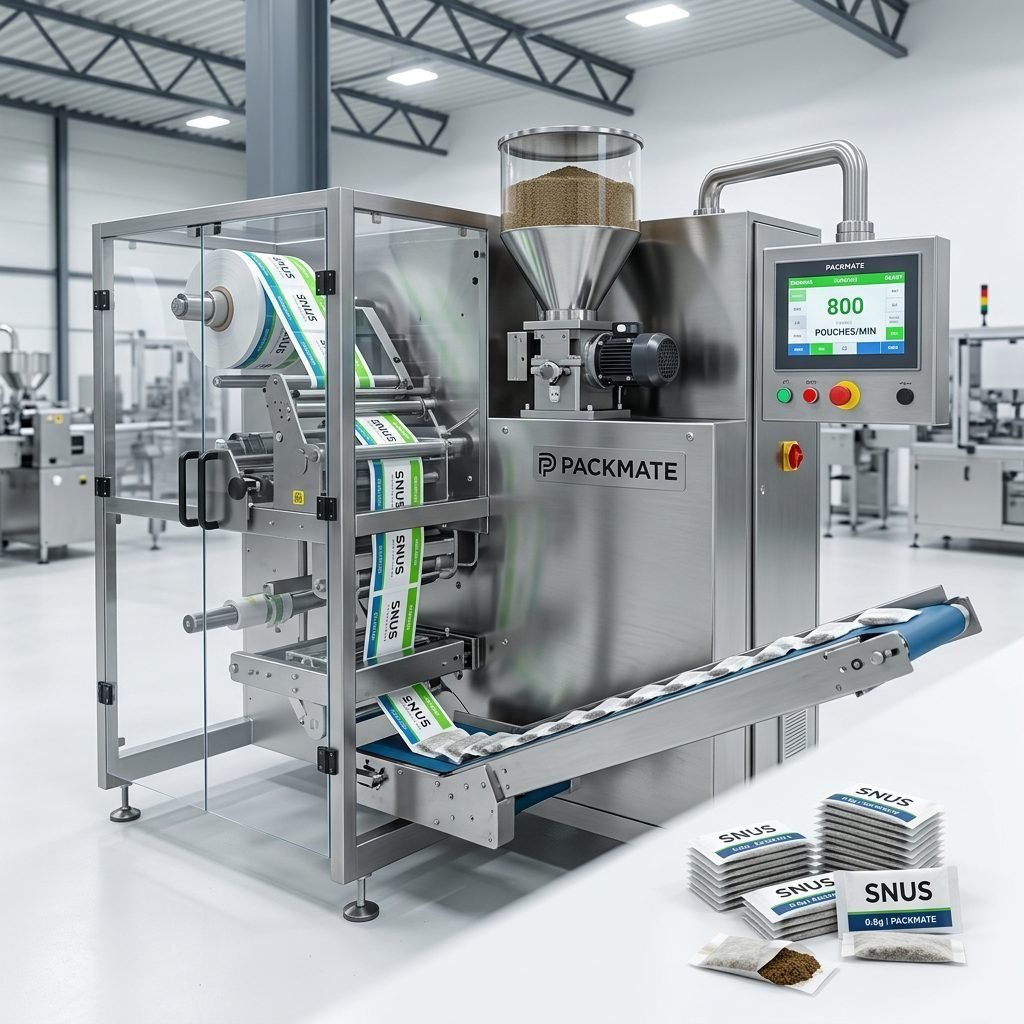
Choosing the right snus packaging machine supplier for your business in Kosovo is a strategic decision that affects product quality, regulatory compliance, production cost, and long-term growth. This guide walks you through practical considerations — technical, commercial, and cultural — so you can compare suppliers with confidence and select a partner who will support your goals in the Kosovar market.
Understand the Kosovo market and regulatory environment
Kosovo’s market is shaped by a mix of European trade practices, local consumer habits, and bilingual labeling needs (Albanian and Serbian). Before finalizing any equipment purchase, verify local regulations around nicotine product packaging, import duties, and labeling rules. Always consult a local regulatory advisor or customs broker to confirm whether any special documentation, product testing, or licensing is required for nicotine pouches or snus sold in Kosovo.
Tip: Use bilingual packaging (Albanian + Serbian) and include clear nicotine content and health warnings. Local retailers and consumers appreciate concise, discreet designs with clear dosing information.
Local consumption habits to consider
Kosovo buyers tend to favor practical, portable packaging formats for on-the-go use. Smaller pouch sizes, multi-single-dose blister-style packs, and discreet outer wrappers are popular. Also keep in mind cultural sensitivity around public nicotine use — many consumers prefer low-odor, low-visible options. When discussing machine capabilities with suppliers, ask about small-dose precision and options for producing compact retail formats.
Key technical specifications to evaluate
Selecting a machine is about matching product format, speed requirements, and long-term reliability. Below are the essential technical factors to compare.
Production format compatibility
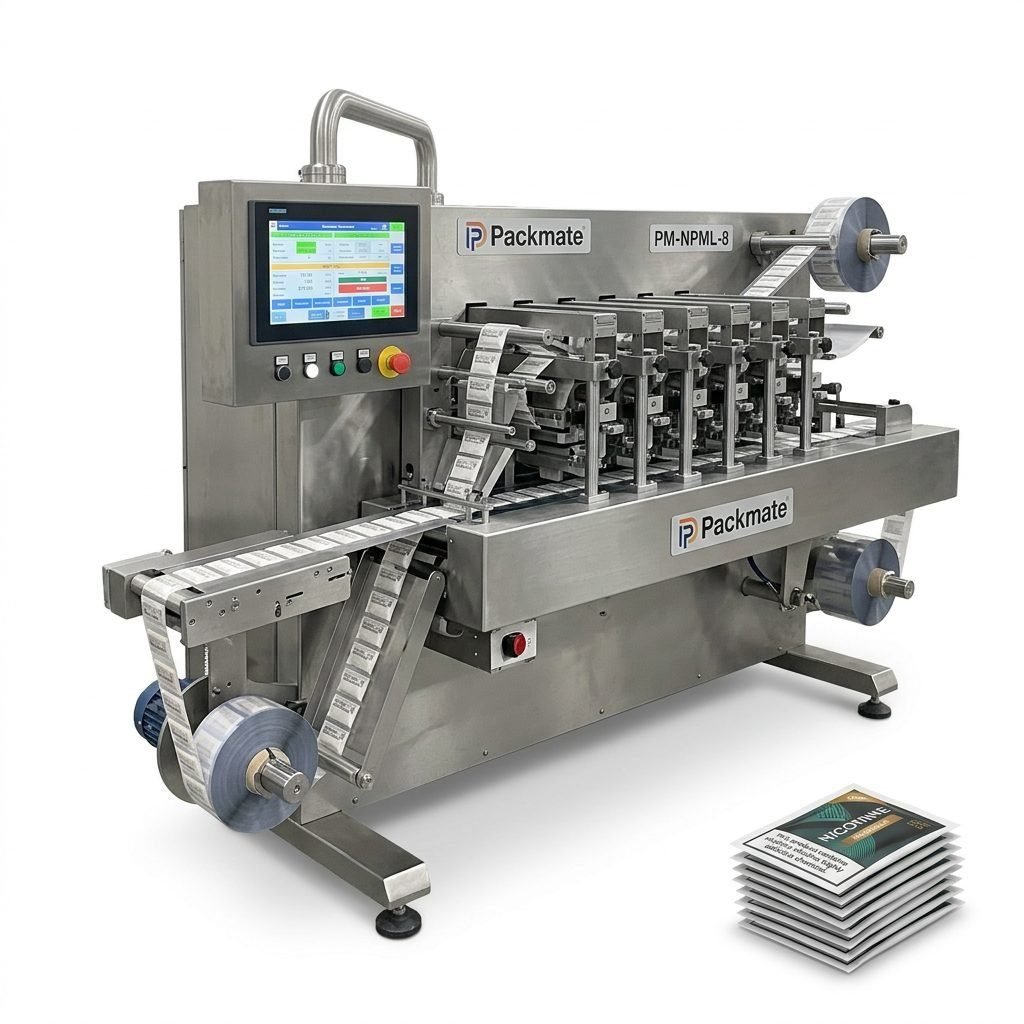
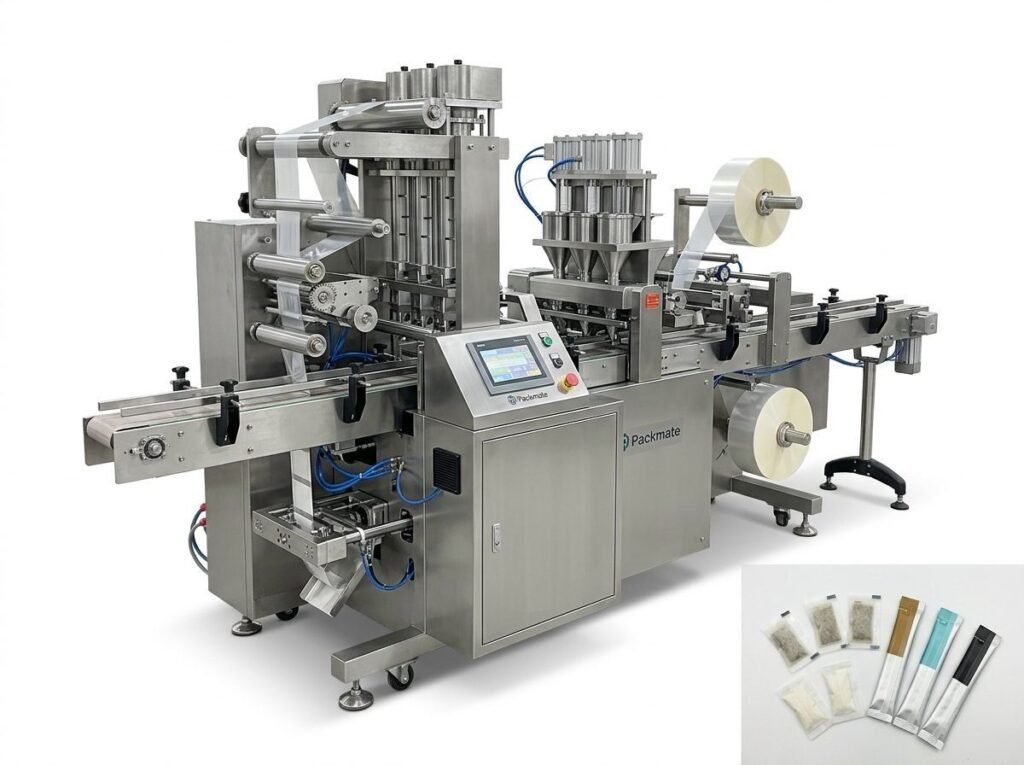
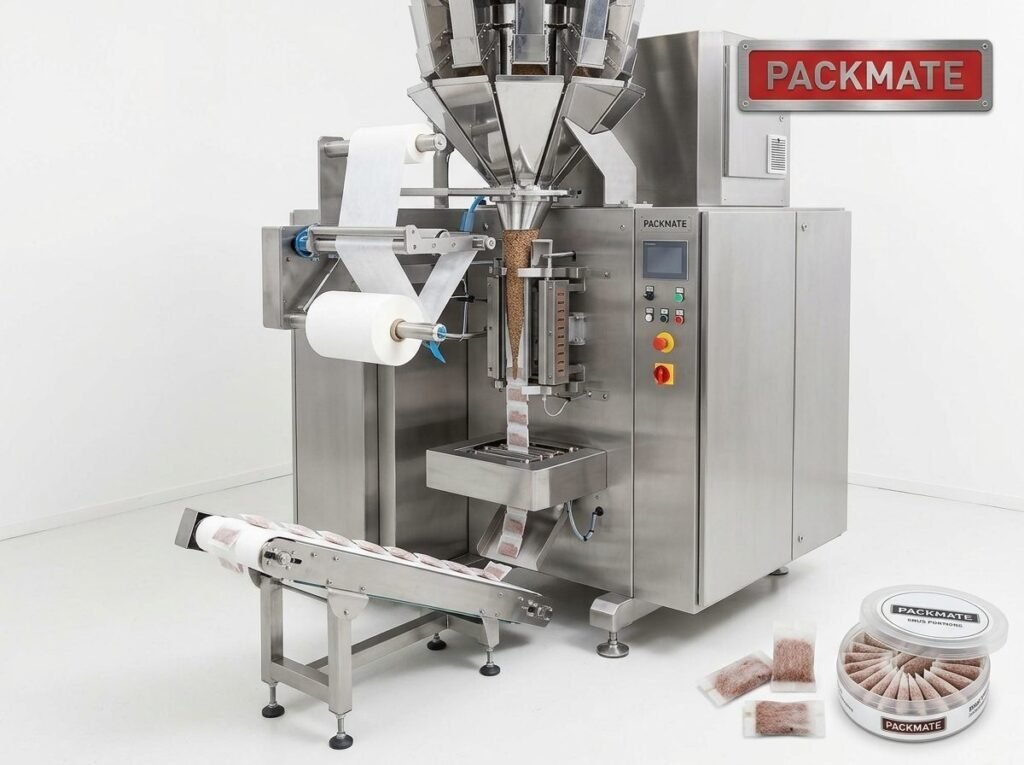
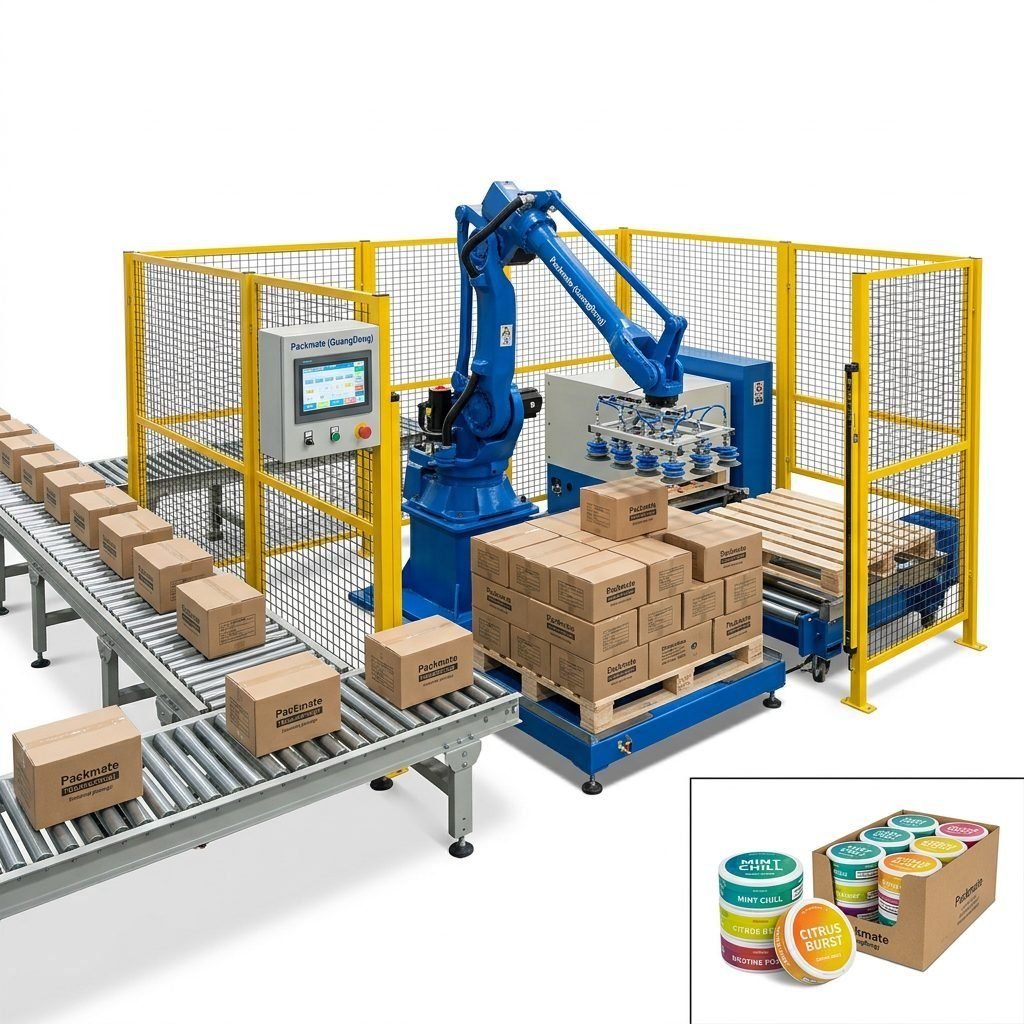
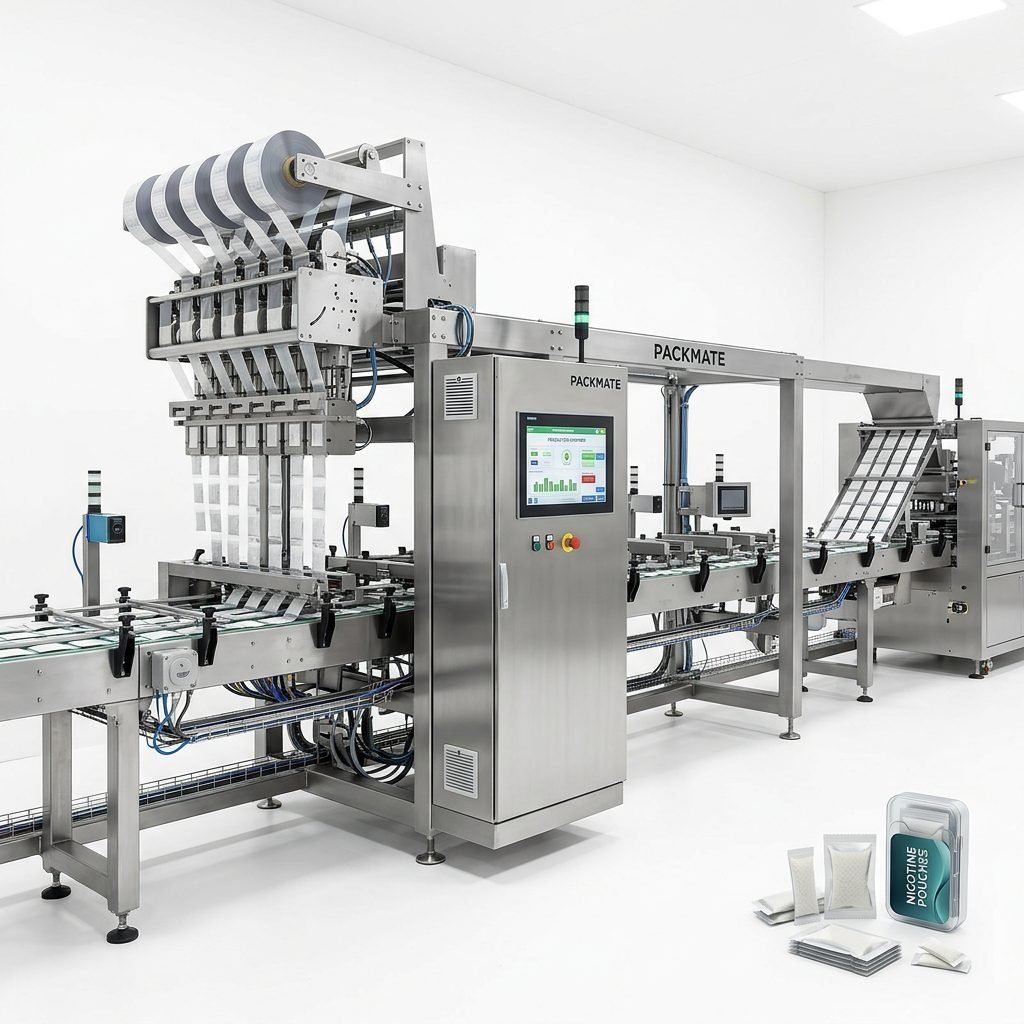
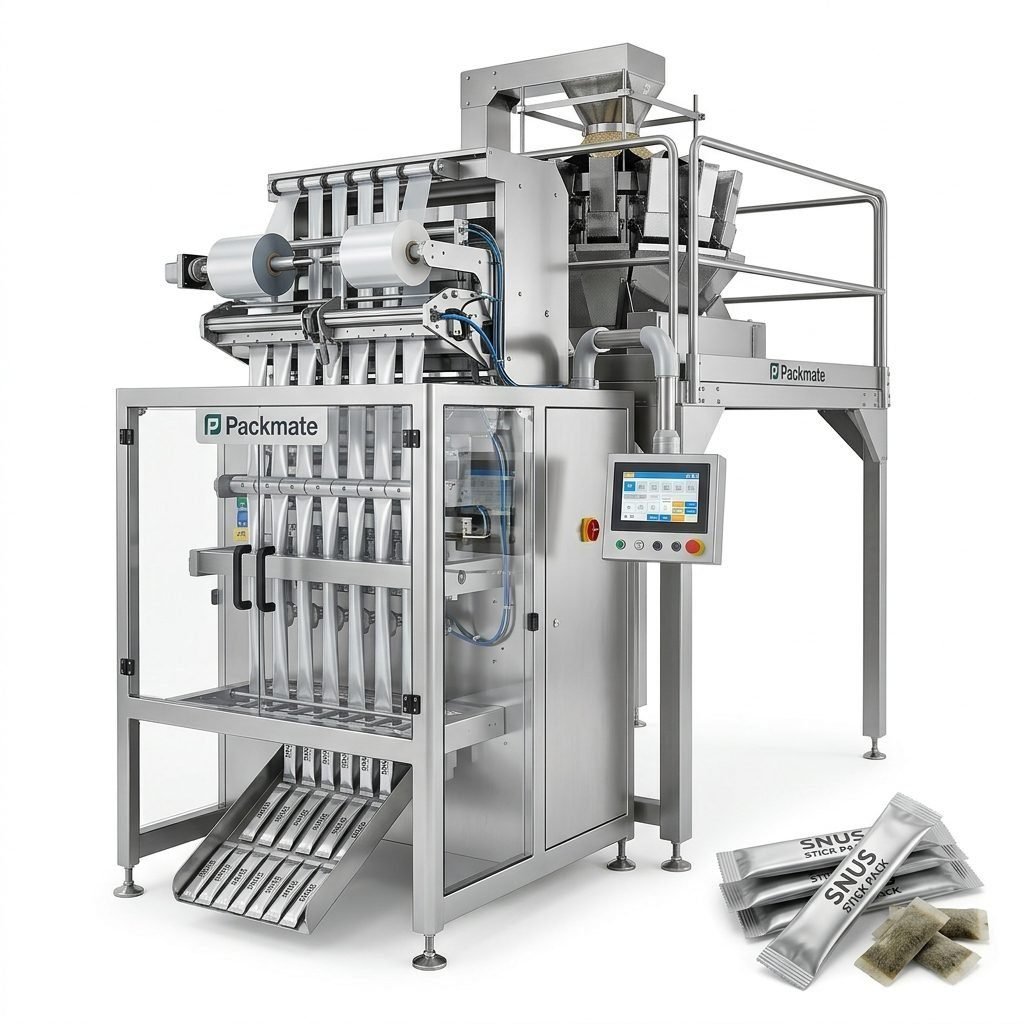
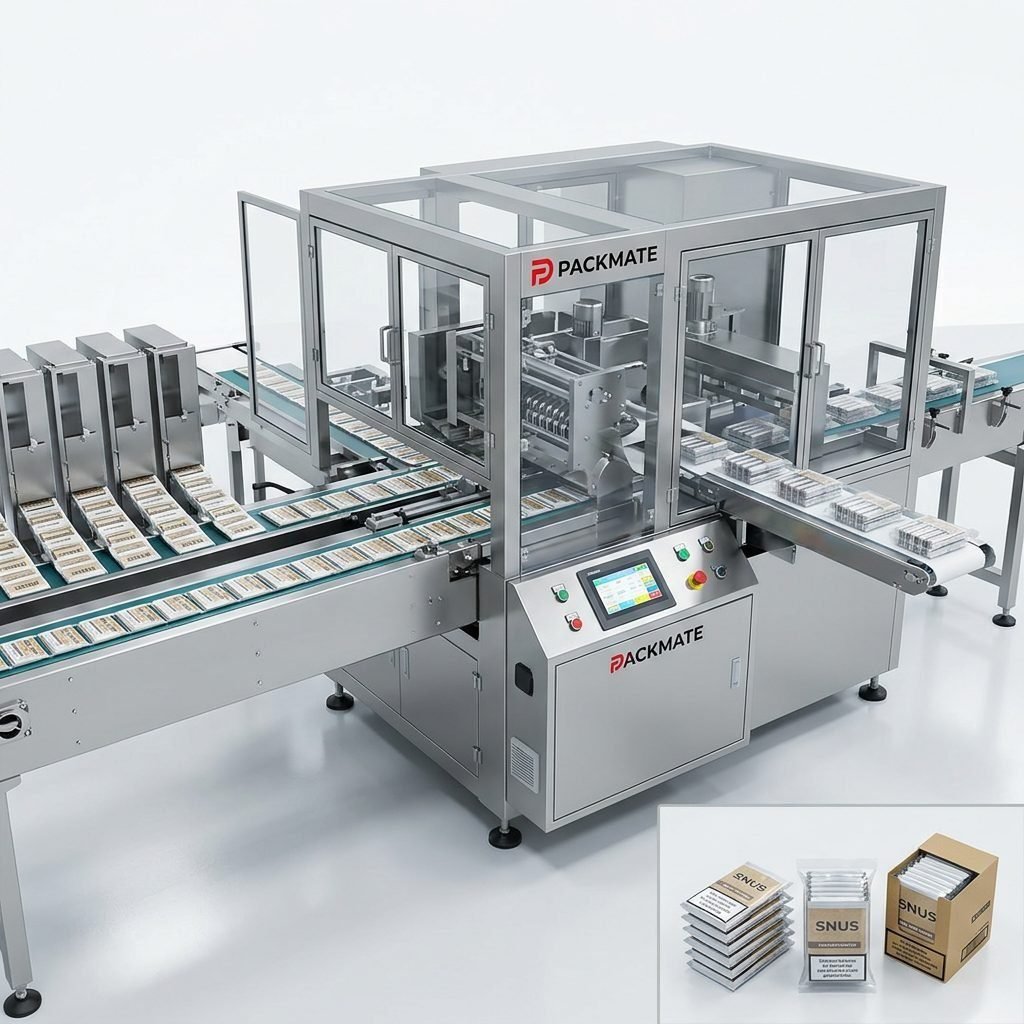
Ensure the supplier offers equipment suited to the formats you plan to produce: snus pouches, nicotine pouches, stick packs, sachets, or multi-lane small-dose lines. Machines that support multiple formats reduce future capital expenditure when you diversify SKUs. (See real product lines: Snus & Nicotine Packaging Machines and Sachet & Stick Pack Machines.)
Speed, accuracy and scale
Compare machines by their effective output (pouches/min or packs/min) and filling accuracy. For nicotine pouches, dosing precision matters for product consistency and compliance. Multi-lane systems increase throughput but require more precise synchronisation. If you anticipate scaling fast, prioritize modular designs that can be upgraded to multi-lane configurations.
Hygiene, materials and corrosion resistance
Nicotine and many flavoring agents can be corrosive or hygroscopic. Look for stainless-steel construction on contact parts, sealed bearings, and hygienic designs that minimise product buildup and enable easy cleaning without long downtime. Machines with IP-rated electrical components and food-contact-grade materials are preferable.
Integration with upstream/downstream systems
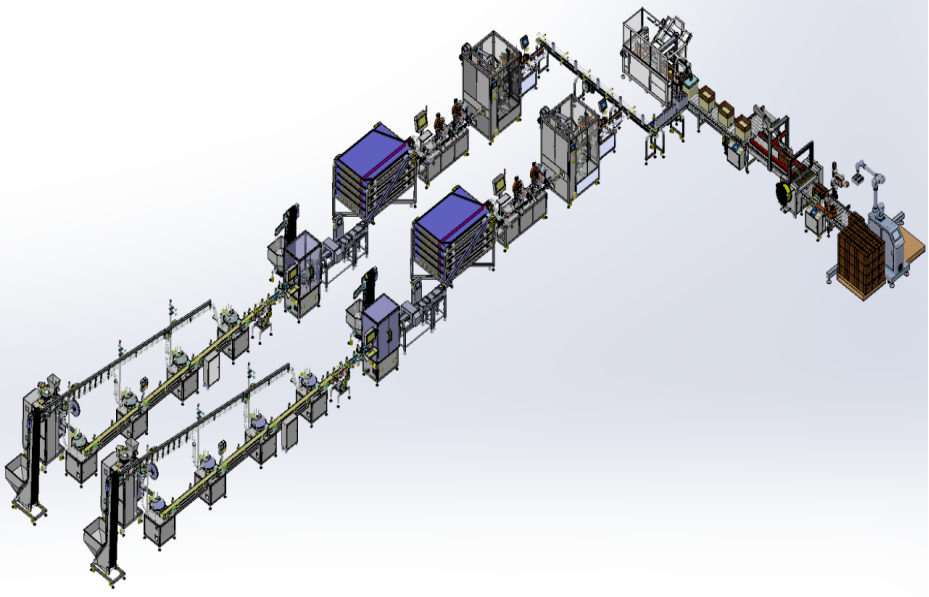
If you need weighing systems, feeders, labeling units, or secondary packaging (cartoning, case packing), verify compatibility and communication protocols (PLC/HMI standards). Suppliers that offer full lines such as filling and weighers can simplify commissioning. Check relevant solutions like Weighing & Packaging Systems and Filling & Packaging Lines.
Commercial and supplier evaluation checklist
Price matters, but supplier capabilities, reliability, and after-sales support determine lifetime value. Use the checklist below when comparing quotes and proposals.
✔ Industry experience: Prefer suppliers with proven snus/nicotine machine lines and references.
✔ Factory capability & QC: Request photos, workshop tours (virtual/physical), and quality control procedures. Factories with CNC centers and dedicated assembly lines reduce variability.
✔ Certifications: CE, ISO, and any export compliance documents. Example certificate details are often found on the supplier’s certificate page.
Ask for these documents and demos
Request video demos of the exact model running your target product, a complete BOM, acceptance test procedures (FAT documents), a list of spare parts & lead times, and contactable references. A strong supplier will provide a clear post-sale service plan and training schedule.
After-sales service, spare parts and training
In Kosovo, on-site service may require a local representative or a fast-responding remote support channel. Prioritise suppliers that offer:
- 📌 Local language training or translated manuals (Albanian/Serbian).
- 📌 Spare parts kits and clear shipping lead times.
- 📌 Remote diagnostics and commissioning support via video calls.
Why Packmate is a strong candidate for Kosovo buyers
Packmate Snus Machine brings decades of engineering experience and specialised product lines. If you evaluate Packmate, consider these factual strengths:
30+ years of engineering experience and a track record in precision packaging.
Factory area 20,000㎡ with advanced CNC machining and dedicated assembly lines.
50+ machine models and turnkey line capability — from snus pouch machines to weighing and filling lines.
Packmate equipment complies with international standards; see their company overview: About Packmate and a selection of real-world deployments: Case.
Logistics, installation and localisation for Kosovo
Consider freight routing (sea to nearest Adriatic ports, then truck), customs documentation, and local transportation for heavy machinery. Align installation plans with local holidays and working-week norms, and ensure a clear timeline for customs clearance to avoid demurrage costs.
Local language support is critical. Ask suppliers to provide manuals in Albanian or Serbian and to offer operator training with translated quick-start guides. For marketing and labeling, adapt artwork to local preferences and legal requirements — for example, include dual-language labels and adjust package warnings per Kosovar law.
Partnering with a local service provider
If the supplier does not have a local office, identify a local engineering partner or distributor who can handle installations and field service. A local partner accelerates troubleshooting, helps with spare parts inventory, and can provide same-day support in larger urban areas like Pristina.
Cost planning, financing and ROI
When evaluating total cost of ownership, include machine price, import duty, shipping, installation, training, initial spare parts, and expected downtime. Estimate production volume and gross margin per pack to calculate the payback period. Many suppliers offer modular purchases or leasing options to reduce upfront capital expenditures — ask each vendor for a lifecycle cost model.
Selecting the final supplier: a 6-step quick checklist
- Confirm legal compliance and labeling requirements for Kosovo.
- Shortlist suppliers with proven snus/nicotine machine experience.
- Request FAT videos, technical specs, and spare parts lists.
- Compare warranties, response times, and training packages.
- Verify certifications, factory capability, and references.
- Plan logistics, customs clearance, and on-site commissioning schedules.
Useful resources and next steps
For detailed product catalogs and technical data sheets, review the supplier’s product pages and catalog. Useful links: Snus & Nicotine Packaging Machines, Filling & Packaging Lines, and Catalog. If you need on-site demonstrations, check exhibition schedules at Our Exhibition.
Final decision pointers
Choose a supplier who not only sells machines but also delivers a scalable solution — clear implementation plan, spare parts support, and localised training. Prioritise predictable uptime, straightforward maintenance, and strong documentation. A long-term partner will help refine your packaging SKUs to match Kosovar consumer preferences and regulatory updates.
Summary — What to take away
• Verify legal & labeling requirements for Kosovo before ordering.
• Match machine format and dosing precision to your product SKUs.
• Prioritise suppliers with strong after-sales support, spare parts availability, and local language resources.
Frequently Asked Questions (FAQs)
Q1: Is importing snus packaging machines into Kosovo complicated?
A: Import complexity depends on the machine size, documentation accuracy, and customs classification. Work with a supplier experienced in exports and a local customs broker to prepare invoices, certificates (CE/ISO), and technical documentation for smooth clearance.
Q2: What is the minimum production scale to justify a multi-lane machine?
A: Multi-lane systems are ideal if you expect high volumes or multiple SKUs with similar formats. If your initial demand is modest, a single-lane modular machine with upgrade options can be more cost-effective.
Q3: How long is typical lead time and installation?
A: Lead times vary by model and customization. Standard machines may take 8–16 weeks; highly customised lines can take longer. Add 2–6 weeks for shipping and customs, plus several days to a few weeks for on-site commissioning and training.
Q4: Do suppliers provide local language manuals and training?
A: Many established suppliers offer translated documentation and remote/onsite training. Confirm this explicitly in the contract and request translated quick-start guides for operators in Albanian and Serbian where possible.
Q5: Where can I see real machine demos and references?
A: Ask vendors for FAT video demonstrations and customer references. You can also review supplier case studies and exhibition appearances to see machines in operation: Case and Our Exhibition.