Choosing the right snus packaging machinery for production in Guinea-Bissau requires a pragmatic combination of technical knowledge, an understanding of local market habits, and careful supplier evaluation. This guide walks production managers, entrepreneurs, and operations teams through practical steps to select machines that match capacity, compliance, and cost targets while considering Guinea-Bissau’s unique market conditions.
Understand the Guinea-Bissau Market & Cultural Factors
🔍 Guinea-Bissau is a small West African country with Portuguese as the official language and a rich mix of Creole cultural influences. Oral tobacco usage patterns differ from Northern Europe, where snus is more popular, so you must factor in local consumer acceptance, informal distribution channels, and labeling in Portuguese and Crioulo. Local purchasing power often favors smaller pack sizes and affordable formats, making sachets and small-dose pouches an attractive option for local retailers and street vendors.
Regulatory environment and trade considerations
⚖️ Regulatory checks are essential. While Guinea-Bissau may not have the same strict snus-specific rules as EU countries, international trade and public health rules (including WHO FCTC recommendations) influence imports and labeling. Ensure your packaging complies with any national health warnings, ingredient declarations, and language requirements. If you plan to export regionally, verify certification expectations such as CE or ISO to smooth customs and buyer acceptance.
Define Your Production Needs First
🔧 Start by listing product characteristics: pouch type (loose snus pouches, nicotine pouches), weight per pouch, moisture level, texture (powder, granule), and desired packaging format (sachet, stick pack, multi-lane pouch). Determine daily and monthly volumes, peak season expectations, and desired speed (pouches per minute). A clear specification sheet helps suppliers propose the right machine class and avoid overpaying for unused capacity.
Capacity & scalability
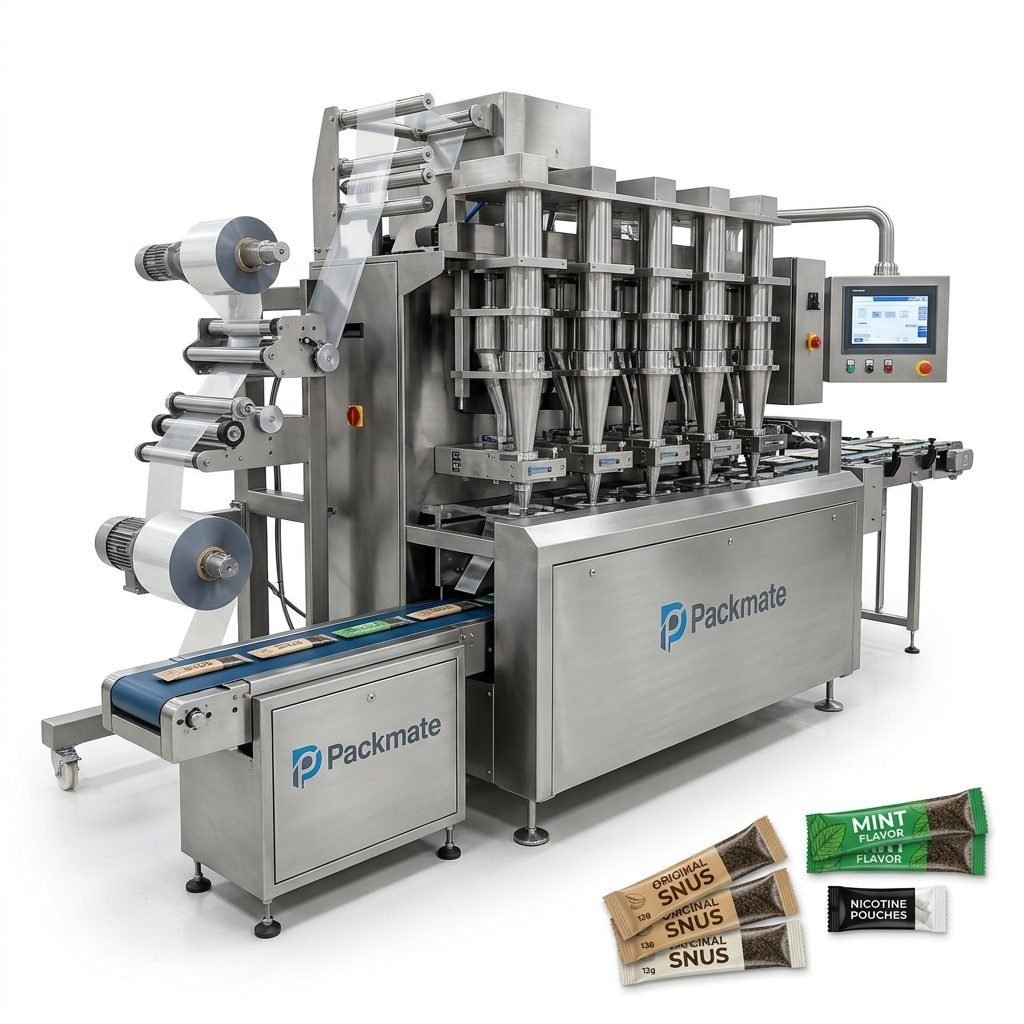
📈 In markets with uncertain demand, favor modular solutions that can scale. Multi-lane systems allow higher throughput and can be throttled down for smaller batches, while single-lane machines are simpler and cheaper to operate. Consider future demand: it’s often better to pick a slightly higher-capacity unit than to outgrow equipment within months.
Choose the Right Machine Type
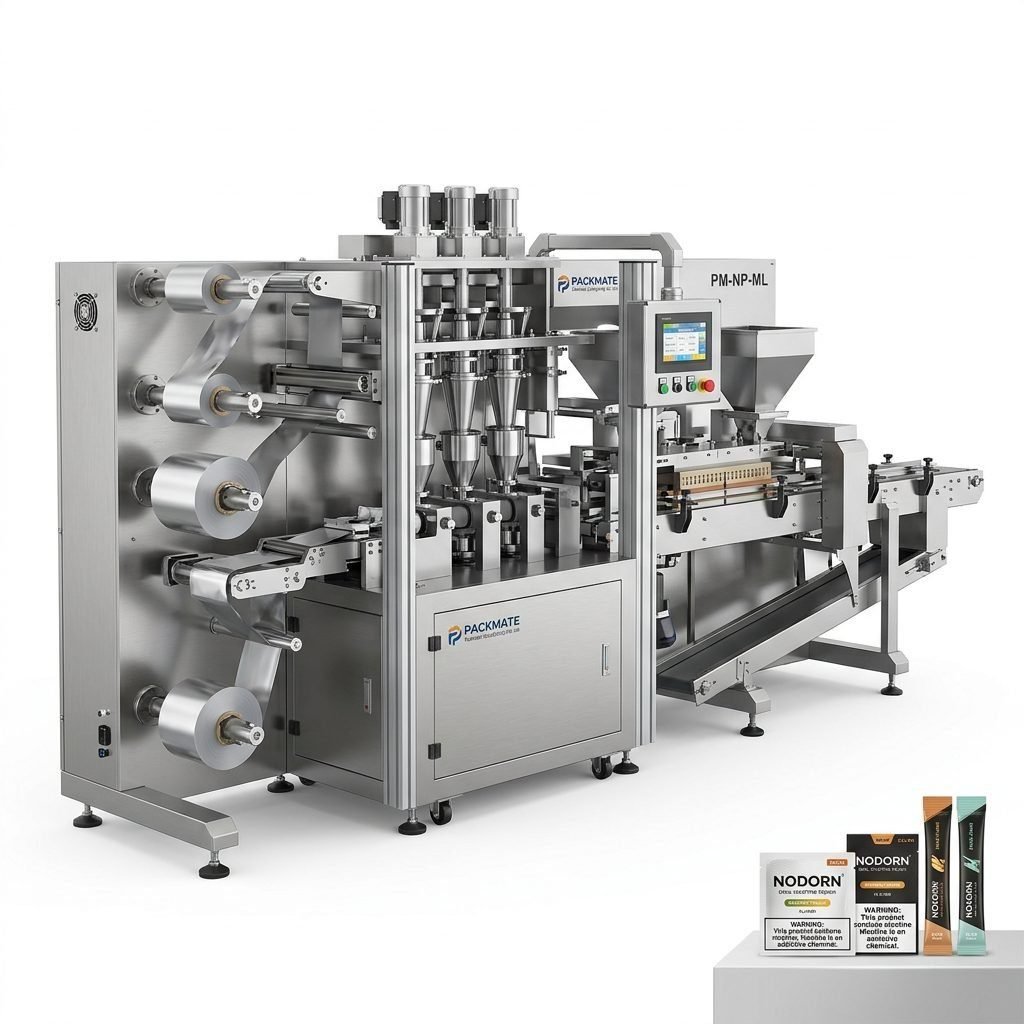
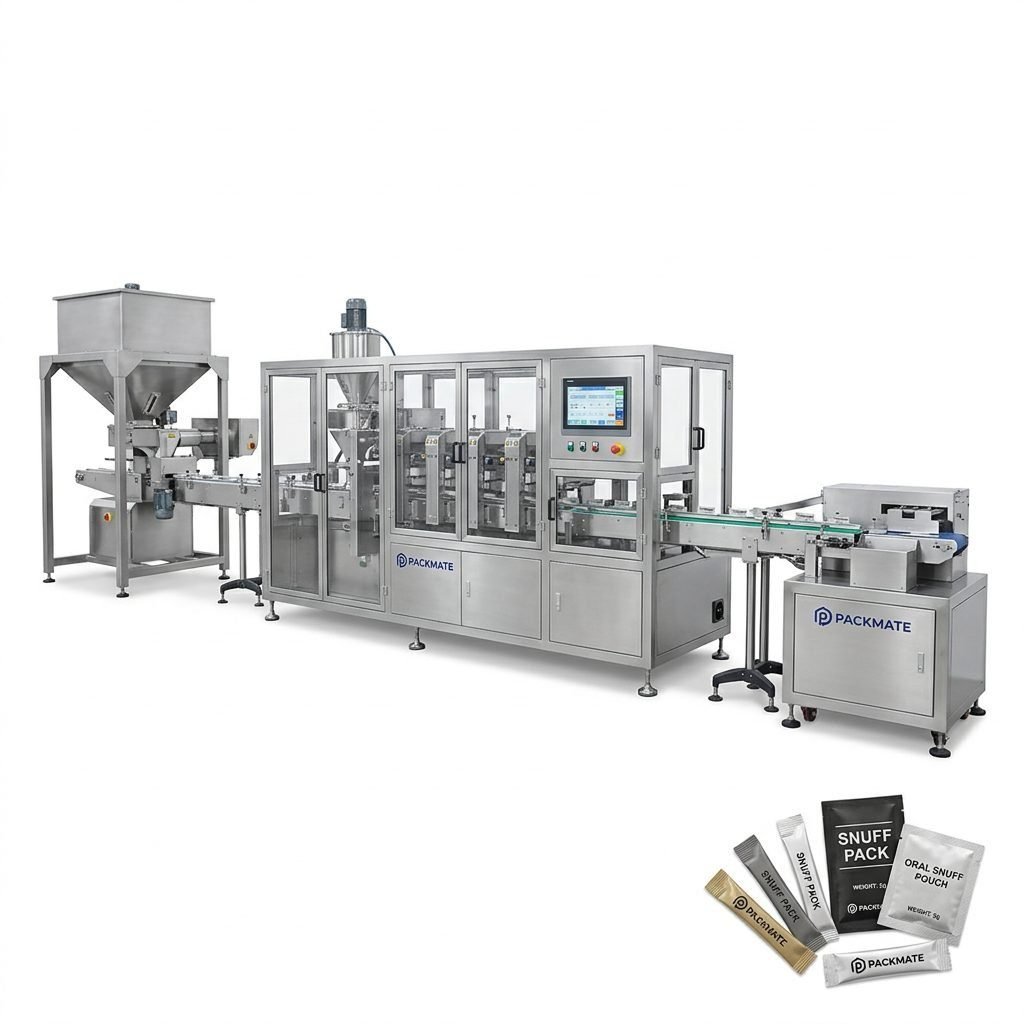
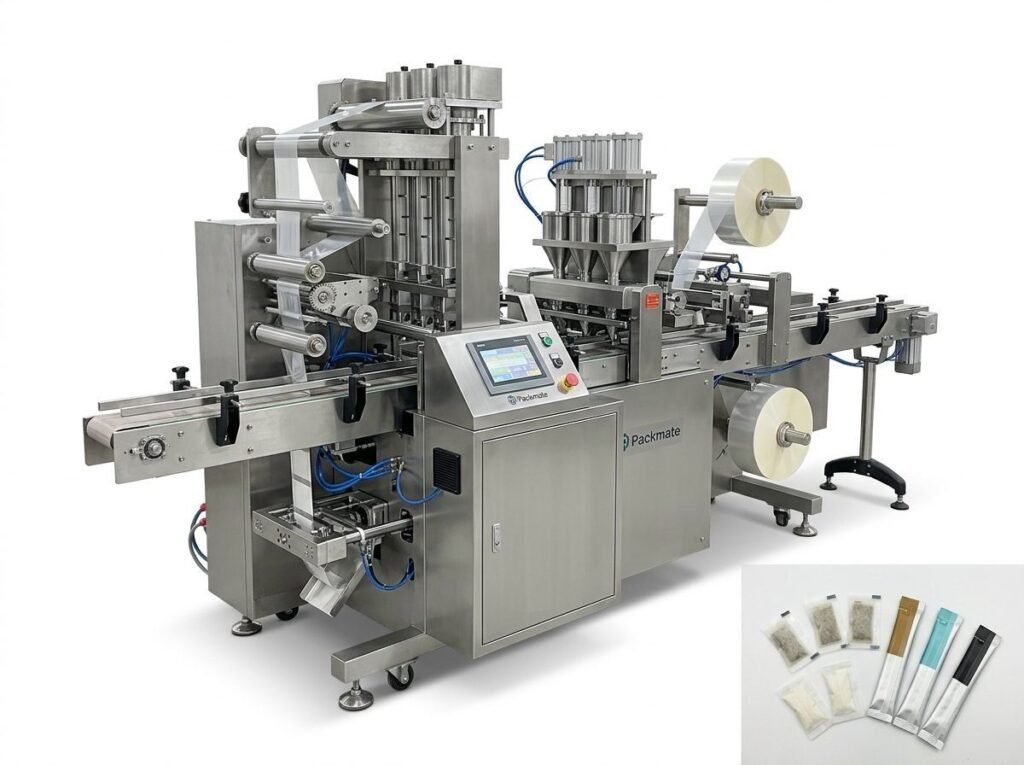
🧭 Typical machine types for snus and nicotine pouches include stick pack, sachet packaging machines, and specialized multi-lane snus pouch lines. Each style suits different product concepts:
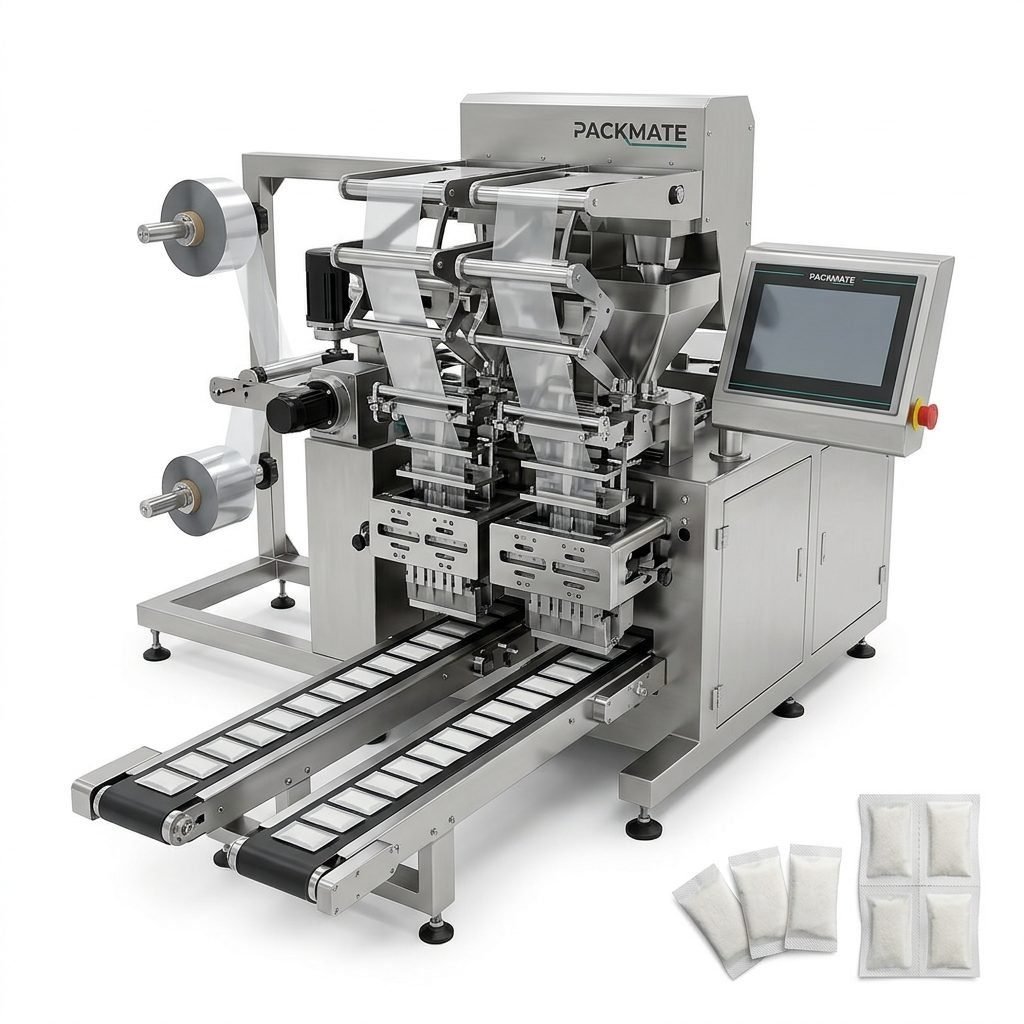
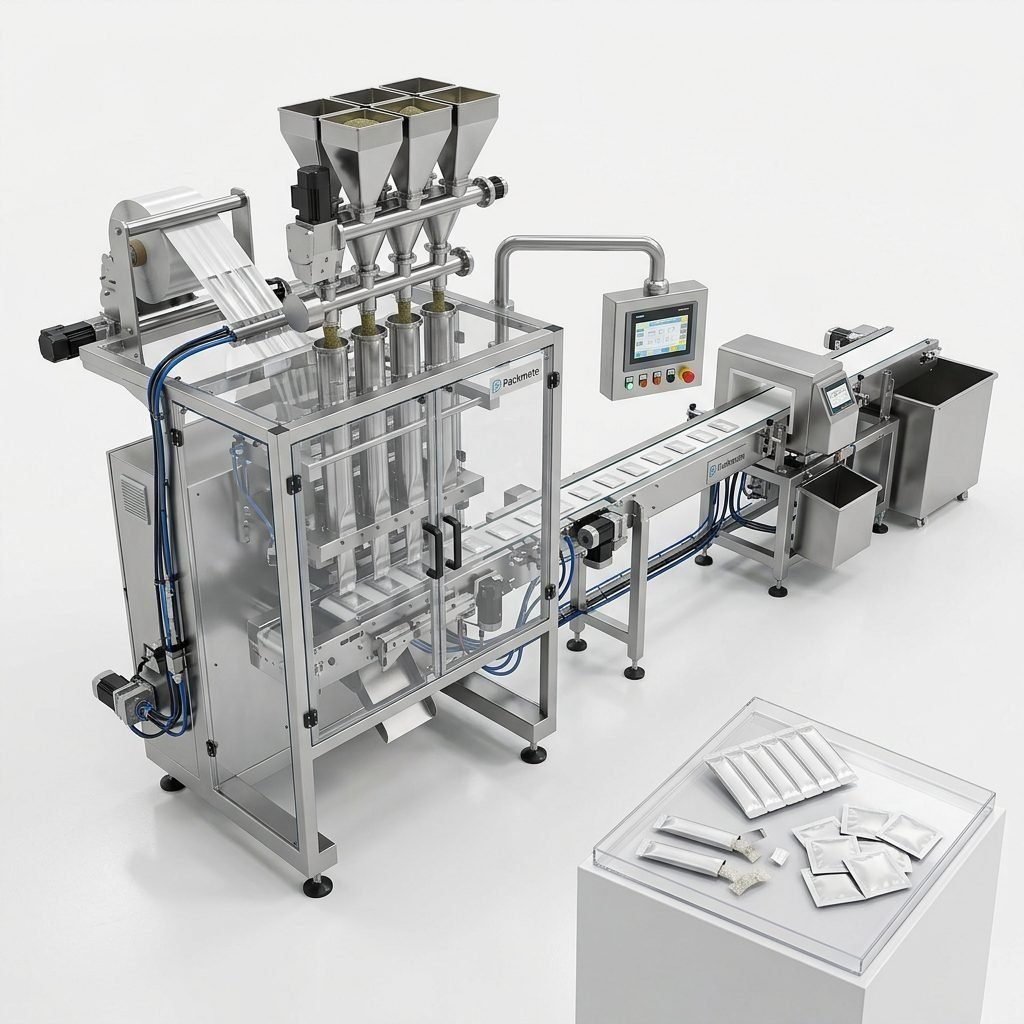
🔸 Stick pack machines – ideal for single-dose, elongated sachets and simple dosing; cost-effective for low to medium speeds.
🔸 Sachet & stick pack machines – versatile for different sizes and sachet shapes; good for small-dose, retail-friendly formats. See examples at Sachet & Stick Pack Machines.
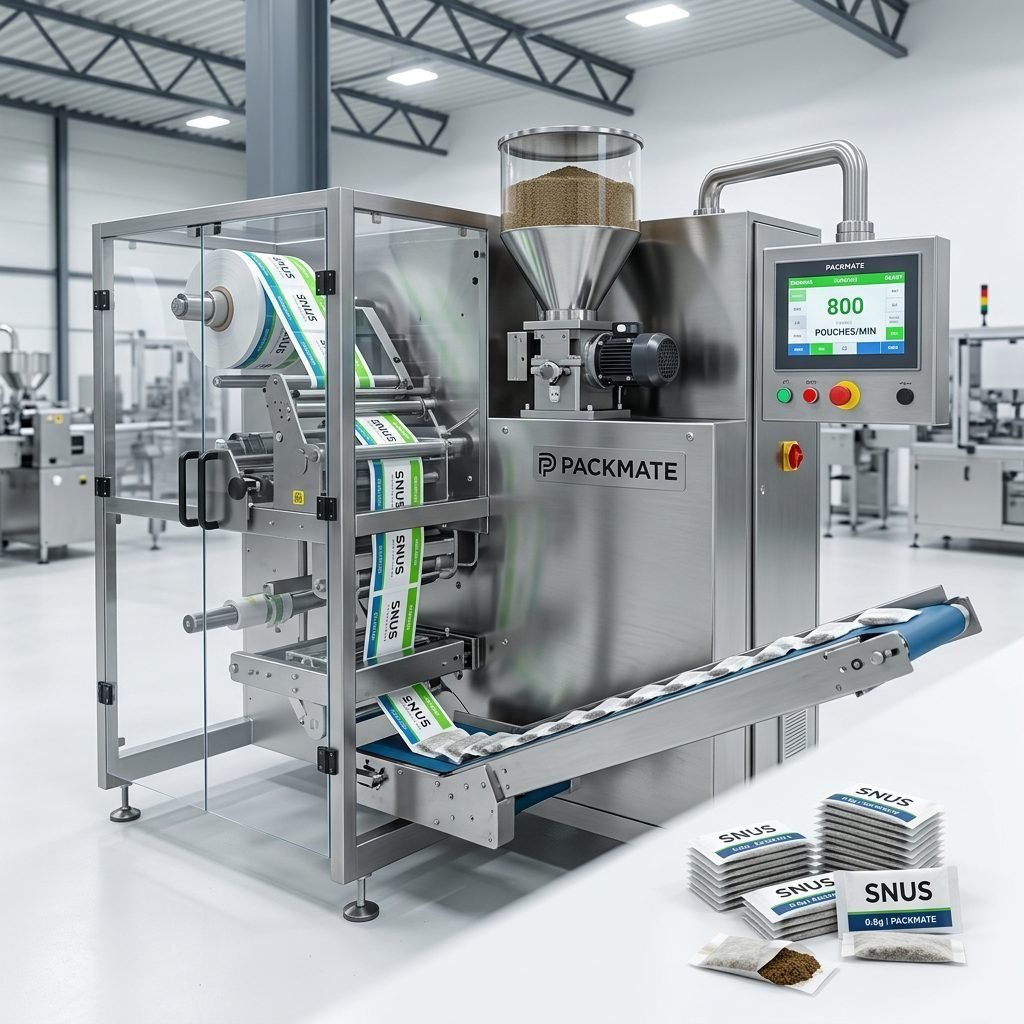
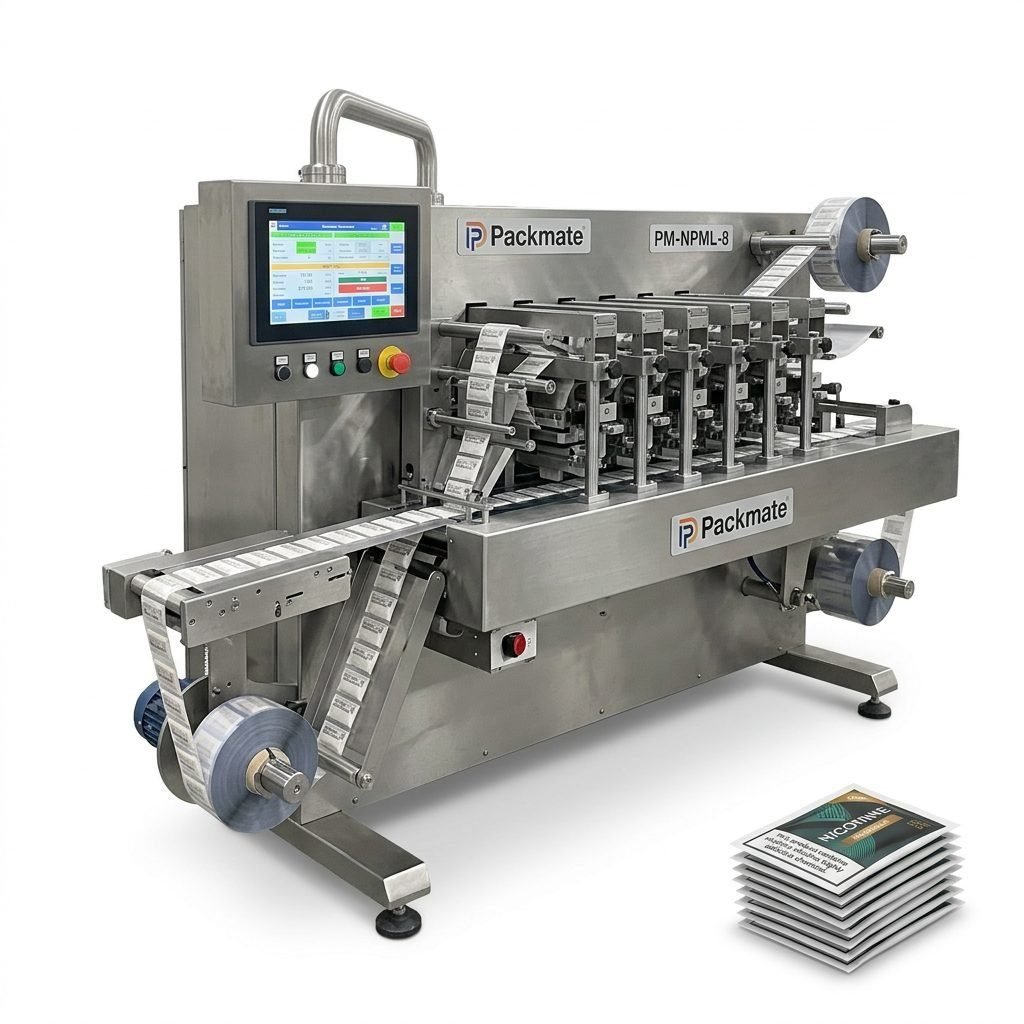
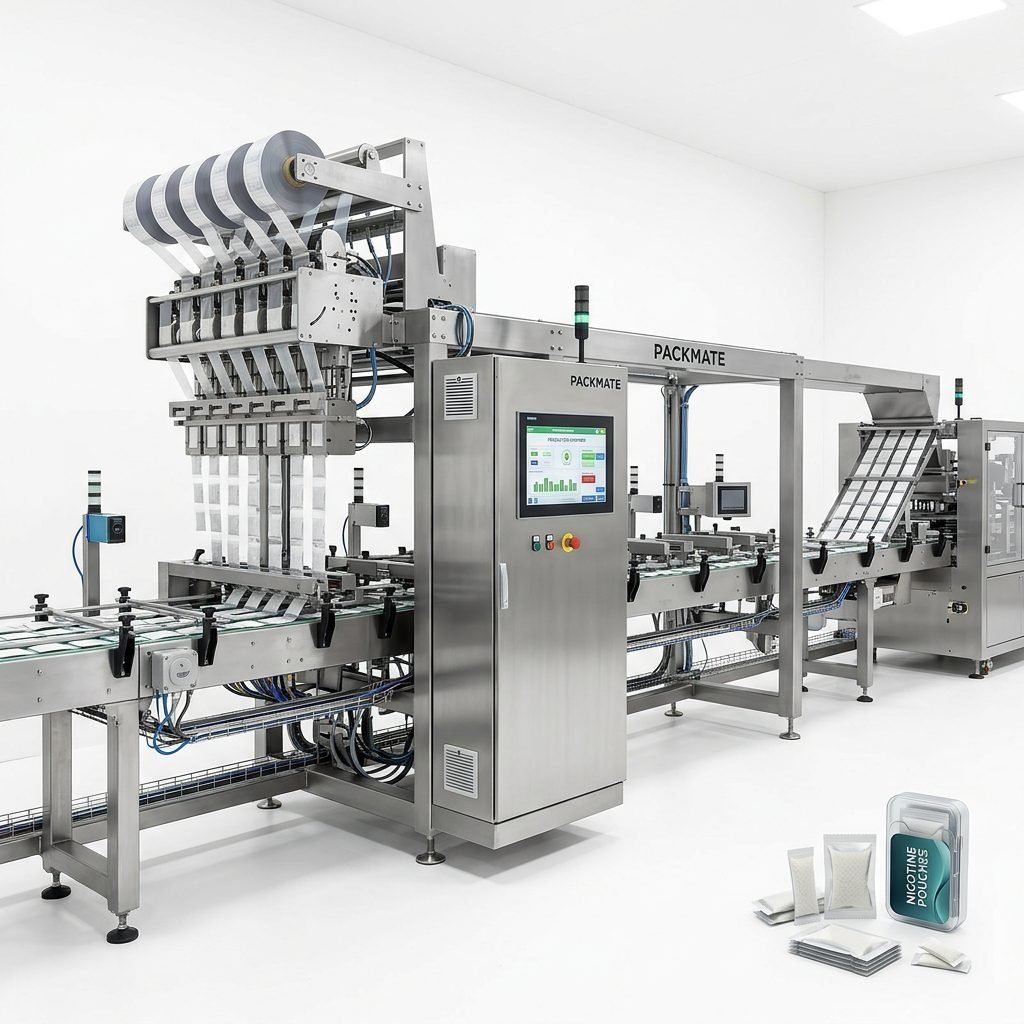
🔸 Multi-lane snus pouch machines – high output, precision dosing for micro-doses common in nicotine pouches; best for established operations planning high volumes. Explore Snus & Nicotine Packaging Machines.
Technical specifications to evaluate
✅ Precision of dosing (mg accuracy), sealing quality (heat-seal, ultrasonic), speed (pouches/min), lane count, changeover time, compatibility with different film laminates, and CIP (clean-in-place) or hygiene design for easy cleaning. For powdery or moist products, check anti-clogging features and humidity controls to maintain stable performance in Guinea-Bissau’s tropical climate.
Consider Local Conditions: Power, Humidity & Workforce
⚡ Power supply and humidity are two practical constraints in Guinea-Bissau. Fluctuating voltage and frequent outages require machines with voltage tolerance, or provision for UPS and stabilizers. High humidity can affect adhesives, seals, and product stability—machines with controlled dosing environments, dehumidifiers, and proper storage solutions are beneficial. Additionally, choose equipment with intuitive controls and local-language HMI support or plan for thorough operator training.
Spare parts & maintenance
🛠️ Evaluate lead times for spare parts and the supplier’s willingness to ship kits. Packmate’s manufacturing scale and global experience mean they can support spare parts and technical guidance—check their About Packmate page to understand factory capabilities and quality control.
Assess Supplier Capabilities & Certifications
🏷️ Prefer suppliers with proven track records, ISO/CE certifications, and experience in snus/nicotine formats. Strong engineering and on-site testing capabilities reduce commissioning time and guarantee machine reliability. Ask for references, production videos, and case studies—supplier case pages like Case are useful to verify real-world performance.
🔎 Key supplier questions:
– What is the mean time between failures (MTBF) for critical components?
– Do you provide training, remote support, and on-site commissioning?
– Are electrical and control systems compatible with local standards and languages?
– Can the machine handle my exact pouch size, film type, and fill material?
Budget Planning: CAPEX vs OPEX
💰 Upfront cost is only part of the equation. Compare lifecycle costs: energy usage, consumables (films, inks), maintenance, spare parts, operator labor, and downtime losses. Higher-end machines often save money over time due to lower waste, faster changeovers, and higher uptime. Request total cost of ownership (TCO) estimates and ROI calculations from suppliers.
Financing & local procurement options
📑 Small manufacturers in Guinea-Bissau might explore leasing, staged payments, or working with international suppliers who offer financing. Also assess local agents or service partners to minimize travel costs for maintenance.
Pilot Runs, Sampling & Quality Validation
🧪 Before full-scale purchase, perform pilot runs to test pouch integrity, fill accuracy, sealing under tropical conditions, and packaging aesthetics. Request sample packs produced on your target film. Insist on machine FAT (factory acceptance testing) and SAT (site acceptance testing) that include real product trials.
Quality control checkpoints
🔬 Key QC items: weight consistency, seal leak tests, visual inspection for film wrinkles or misprints, microbiological stability if moisture is involved, and packaging tensile strength. Integration with weighing systems and automatic rejection mechanisms reduces manual checks—see Weighing & Packaging Systems.
Integration, Automation & Line Layout
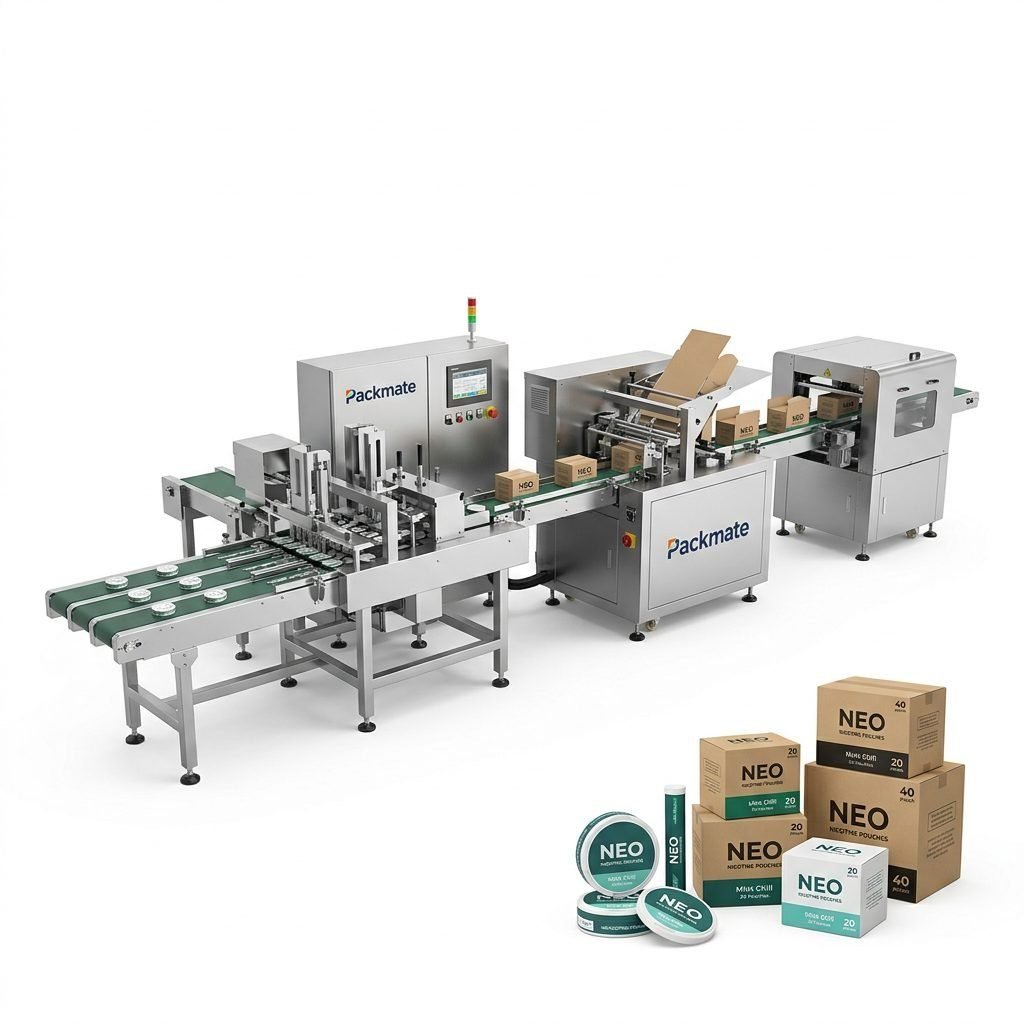
🏗️ Consider whether you need a standalone machine or a fully automated line with feeders, conveyors, cartoners, and case packers. Integration reduces handling errors and boosts throughput. Plan your plant layout considering product flow, storage, and maintenance access. Suppliers often provide turnkey solutions—review offerings like Filling & Packaging Lines.
Operator training & skill transfer
🎓 Comprehensive training is critical. Ensure the supplier offers bilingual manuals (Portuguese and English) and on-site or remote training sessions. A trained local technician reduces downtime and fosters independent problem-solving.
Sustainability & Waste Management
♻️ Packaging sustainability is increasingly important. Select machines compatible with recyclable or mono-material films if your market demands eco-friendly options. Waste minimization features such as precise dosing, automated trimming, and film-saving modes lower material costs and environmental footprint.
Practical Checklist Before Purchase
✅ Define product specs and volumes.
✅ Verify local regulatory and labeling requirements (Portuguese/Creole).
✅ Choose a machine type (stick pack, sachet, multi-lane) based on format and speed.
✅ Confirm power compatibility, humidity resilience, and spare parts availability.
✅ Ask for FAT, sample packs, and pilot runs.
✅ Negotiate training, warranty, and after-sales SLA.
✅ Check supplier certifications (CE/ISO) and case studies for real-world reliability.
Why Consider Packmate as a Supplier
🌍 Packmate has over 30 years of engineering experience and a 20,000㎡ manufacturing facility with advanced CNC and precision assembly systems. Their product range covers snus, stick pack, sachet, and integrated filling lines, backed by international certifications and global case experience. For more details on capabilities and services, visit their About Packmate and the Service pages.
Installation, Commissioning & After-Sales
🧩 Plan for installation windows, operator training sessions, and spare parts kits. Confirm remote support availability and response times for Guinea-Bissau. Good suppliers provide clear documentation and remote diagnostics to reduce downtime.
Local Partnerships & Distribution Channels
🤝 Establish partnerships with local distributors, logistics providers, and regulatory consultants to ease market entry. Local knowledge helps tailor packaging sizes (e.g., single-dose sachets for roadside vendors) and promotional strategies that fit cultural consumption patterns.
Final Selection Steps
🏁 After narrowing options, request detailed quotations, TCO analysis, production samples, and a site acceptance plan. Visit the supplier or request a live machine demo. Validate references and check real-world uptime stats. Once selection is final, sign off on customization (labels, language, film format) and schedule FAT and shipping arrangements.
📌 In sum, choosing the best snus packaging machinery in Guinea-Bissau comes down to matching product specs with machine capabilities, accounting for local power and climate, ensuring regulatory compliance, and partnering with a supplier who offers strong after-sales support and proven reliability.
Frequently Asked Questions (FAQs)
Q1: What machine type is best for an entry-level snus product in Guinea-Bissau?
A1: For entry-level operations, sachet or single-lane stick pack machines are cost-effective and flexible for small-dose consumer packs.
Q2: How important are CE/ISO certifications for machines serving Guinea-Bissau?
A2: Certifications signal quality and ease export; they’re valuable for regulatory approval and buyer confidence even if local rules are less prescriptive.
Q3: What local adaptations should I request for machines deployed in Guinea-Bissau?
A3: Ask for voltage tolerance, humidity mitigation options, Portuguese-language HMI/manuals, and spare parts kits to reduce downtime.
Q4: Can I start with a small machine and scale to a multi-lane system later?
A4: Yes—choose modular equipment or suppliers that allow upgrades and multi-line integration to scale with demand.
Q5: Where can I see real-world examples of snus packaging lines?
A5: Review supplier case studies and product pages such as Snus & Nicotine Packaging Machines and Case to evaluate performance and line configurations.